

KEY HIGHLIGHTS
- Diesel faces bans, hybrids emerge as smarter long-term alternatives.
- E20 petrol rollout changes ownership experience for older cars.
- Strong hybrids offer best balance of efficiency and convenience.
- EVs remain practical mainly for metro city-based daily commuting.
- Fuel choice now depends heavily on usage and regulations.
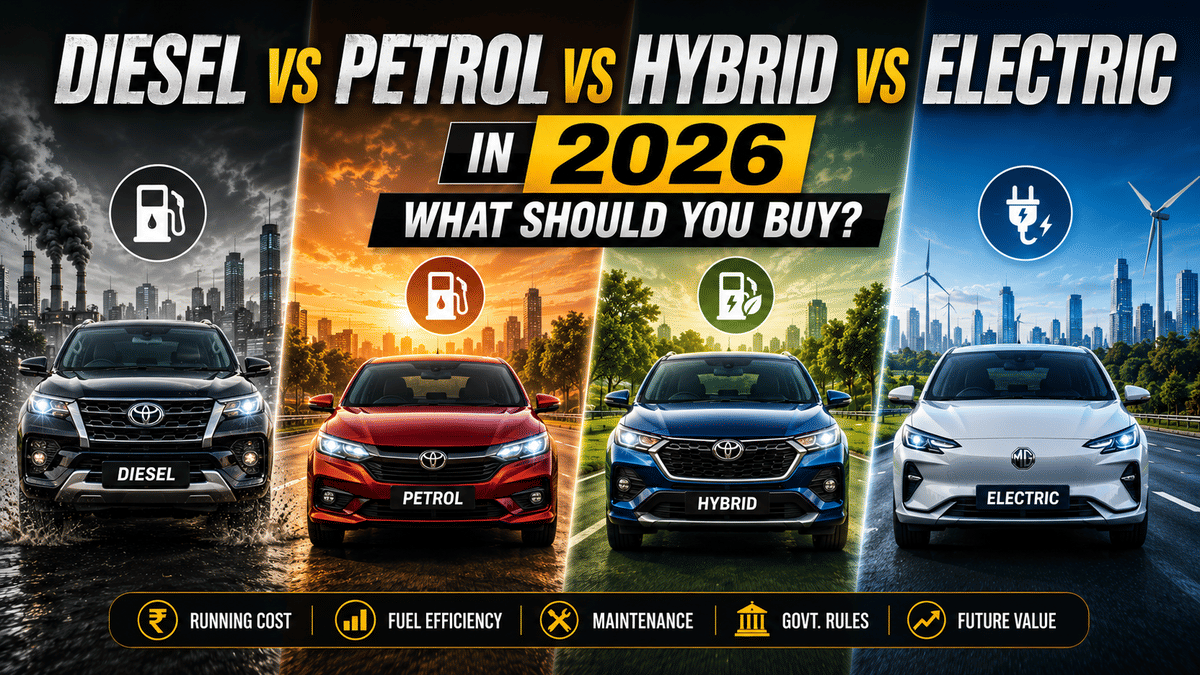
Diesel Vs Petrol Vs Hybrid Vs Electric: Three forces are reshaping India's car market simultaneously: diesel is under regulatory siege, petrol has changed at the pump, and EVs are growing faster than the infrastructure that supports them. Here's what it means for your next car purchase.
If you are buying a car in India in 2026, you're doing so in the most complicated regulatory and technological environment the country's auto market has ever seen. Three simultaneous forces are reshaping what belongs in your garage:
- Diesel is under mounting regulatory siege with BS7 norms approaching and city-level bans being proposed and implemented.
- Petrol has fundamentally changed - E20 (20 percent ethanol blend) is now mandatory at every pump across India from April 1, 2026, and the government is already eyeing E85.
- EVs are growing fast but the infrastructure still has serious gaps - charging stations number just ~27,000 nationally, while over a million new EVs are already on the road.
This guide cuts through the noise. It tells you what each fuel type actually costs you, what risks you carry and most importantly which one is the right call for your situation. Also, become a part of our 91Wheels WhatsApp Community to stay versed on the latest automotive news and industry insights.
Diesel
Diesel was once the default for anyone driving serious distances. That era is ending. India's Ministry of Petroleum and Natural Gas has recommended banning diesel vehicles in cities with populations above one million by 2027. Delhi has already restricted older diesel commercial vehicles. BS7 emission norms - expected by 2026-27 - will eliminate diesel's regulatory advantages entirely, applying identical standards to petrol and diesel engines. Compliance upgrades could add Rs. 30,000-1,00,000 to diesel car prices.
If you buy a diesel car in a metro today, your resale window for a good price is probably 2-3 years. After that, the buyer pool shrinks with every policy tightening.
- Still viable for: Tier-2 and rural buyers driving 60,000+ km/year on highways, large commercial vehicles with no hybrid alternative.
- Avoid if you live in Delhi-NCR, Mumbai, Bengaluru, or any major metro.
Petrol: The New Normal, With a Catch
From April 1, 2026, every petrol pump in India sells E20 - 20% ethanol-blended petrol with minimum RON 95 - as the only standard grade. E5 and E10 are gone.
For cars manufactured from 2023 onwards, this is fine - they are E20-certified. But cars built before March 2023 face a real problem: older fuel systems can suffer 3-7% mileage loss, faster rubber degradation, and potential warranty issues.
There's a further twist: the government already has a draft notification ready for E85 (85% ethanol blend), driven by oil import concerns worsened by geopolitical tensions. Standard petrol engines cannot run on E85. If you're buying petrol, you're buying into a fuel landscape that may shift again within this car's lifetime.
Best for: Budget buyers under Rs. 10 lakh, short city commuters, first-time buyers wanting simplicity. Just ensure the car is 2023 or newer and E20-certified.
Also read: Top 5 CNG Cars Under Rs 10 Lakh in India: Swift to Triber CNG
Strong Hybrid: The Smartest Buy of 2026
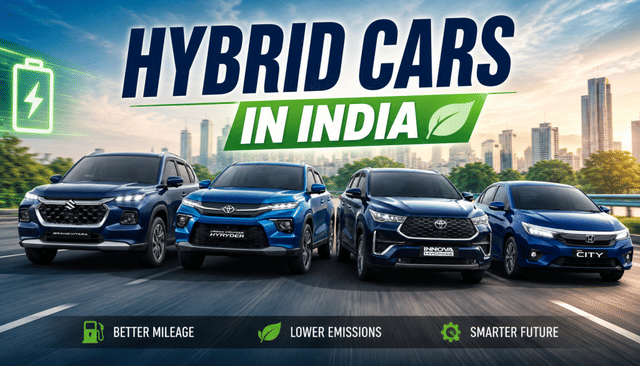
Strong hybrids like the Toyota Hyryder, Maruti Grand Vitara and Honda City e:HEV - use a proper electric motor that can drive the car independently at low speeds. Don't confuse them with mild hybrids (Baleno, Brezza), which offer only modest 5-8% fuel savings.
Strong hybrids hit a sweet spot no other powertrain does right now:
- 22-28 kmpl in real-world city conditions where most Indian drivers spend most of their time
- No charging required - the battery self-charges through regenerative braking
- E20 compatible - all new hybrids are future-proofed for today's fuel
- Zero regulatory risk - no city bans, no registration restrictions
- Rising resale values - demand is strong as diesel values erode
The higher upfront cost (Rs. 3-5 lakh over equivalent petrol) is typically recovered in fuel savings within 3-4 years for city drivers. Strong hybrid SUVs start around Rs. 19 lakh; the Honda City e:HEV sedan around Rs. 20 lakh.
- Best for: Urban families, high-mileage city drivers, anyone buying an SUV who would previously have chosen diesel.
Electric: The Future, Not Quite Yet for Everyone
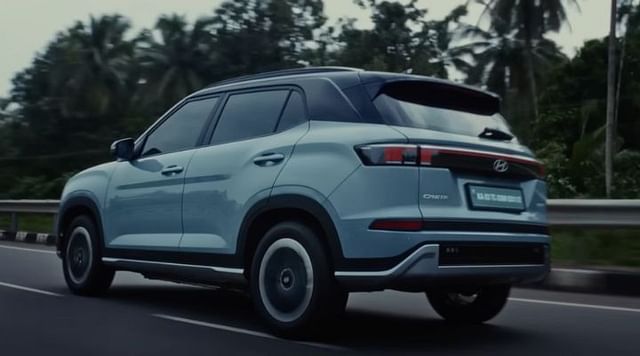
India's EV market grew 77% in 2025 and is up nearly 70% in early 2026. Models from Tata, Mahindra, MG, Maruti, and Hyundai now offer real choices across Rs. 10-25 lakh.
But the infrastructure gap is real. India has approximately 27,000 public charging stations nationally growing fast, but still representing only about 9.6% of what's estimated to be needed by 2030. Outside major metros and key highways, finding a working charger remains genuinely difficult.
- EVs make strong sense if: you live in a metro, have home charging access, drive mostly in the city, and cover under 80 km daily. Your running cost drops to roughly Rs. 1-1.5/km versus Rs. 6-8/km for petrol. For everyone else - Tier-2 cities, no home parking, frequent long-distance travel - the infrastructure isn't there yet.
- Best for: Metro residents with dedicated home charging, as a primary city car or second household vehicle.
Things to be Noted
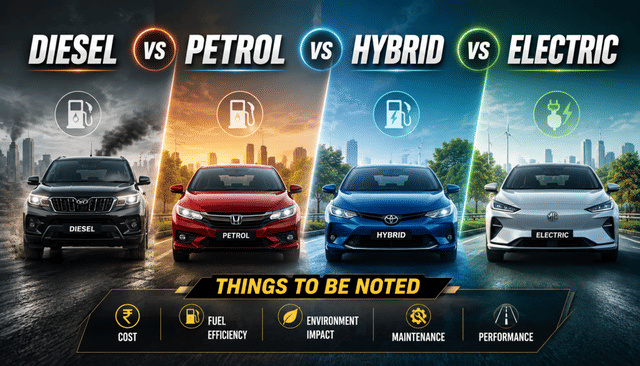
| Fuel Type | Diesel | Petrol | Strong Hybrid | Electric |
|---|---|---|---|---|
| Regulatory Risk | Very High | Low | None | None |
| City Efficiency | Moderate | Poor | Excellent | Best |
| Running Cost | Low-Med | Medium | Low | Very Low |
| Upfront Cost | Medium | Low | High | Very High |
| Infrastructure | Easy | Easy | Easy | Challenging outside metros |
| Resale Outlook | Declining | Stable | Rising | Uncertain |
Read more: How To Get The Best Possible Deal On Your Next Car Purchase
Verdict
For most Indian buyers in 2026: Strong Hybrid first. EV if you're charging-ready. Petrol if you are budget-constrained. Diesel only if you have no alternative.
The single worst decision right now is buying a new diesel SUV in a metro, or a pre-2023 petrol car that can't handle E20. Both carry financial and regulatory risks that will compound throughout your ownership.
Do you like this article?
Comments
No comments yet. Be the first to comment!