

KEY HIGHLIGHTS
- Some everyday driving habits can silently damage your car's engine over time
- Poor maintenance routines and incorrect fluid levels also accelerate engine wear
- Ignoring these issues can lead to expensive repairs, despite being easy to prevent
Modern car engines are far more reliable than before, but that doesn't mean they're immune to damage. In many cases, the biggest threat to engine health isn't poor engineering, it's everyday driving habits that most owners don't even realise are harmful. Some habits may not show immediate consequences, but over time, they can increase wear, reduce performance, and even lead to costly repairs. Here are some of the most common Driving Habits That Damage Your Car's Engine, but before that, make sure to join the 91wheels WhatsApp Community, specifically curated for petrolheads like us to keep up with the latest news and automotive updates.
Also Read- Toyota Innova Hycross Top Variant Discontinued: Affordable Hybrid Likely
1. Revving A Cold Engine Hard
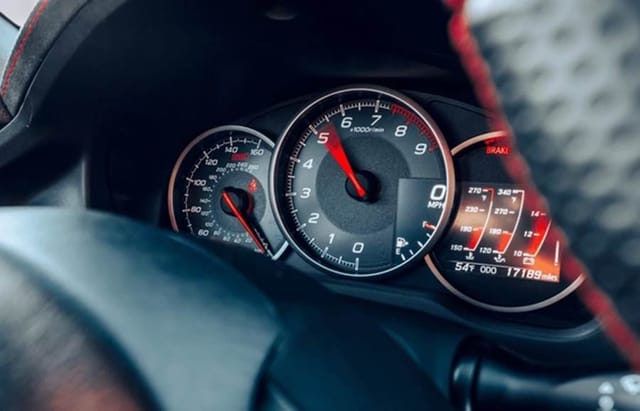
Modern engines rely heavily on proper oil circulation for lubrication and temperature control. When you start the car after it has been parked for several hours, the engine oil settles at the bottom and takes a few moments to fully circulate through critical components like the camshaft and pistons. This seemingly harmless driving habit of aggressive acceleration during this phase increases metal-to-metal friction and accelerates wear internally. Turbocharged engines are especially vulnerable because the turbo spins at extremely high RPMs and depends on a steady oil supply for cooling and lubrication.
2. Regular Aggressive Throttle Inputs & Sudden Braking
Repeated hard acceleration places a sudden load on engine internals, transmission components, driveshafts, and engine mounts. In turbocharged cars, frequent throttle abuse also increases heat buildup and turbo pressure stress. Similarly, abrupt braking after hard acceleration shocks the drivetrain repeatedly, affecting gearbox longevity and brake system health. Smooth throttle application allows the engine and transmission to operate within a more efficient load range, reducing long-term mechanical strain.
3. Ignoring Engine Oil Change Intervals
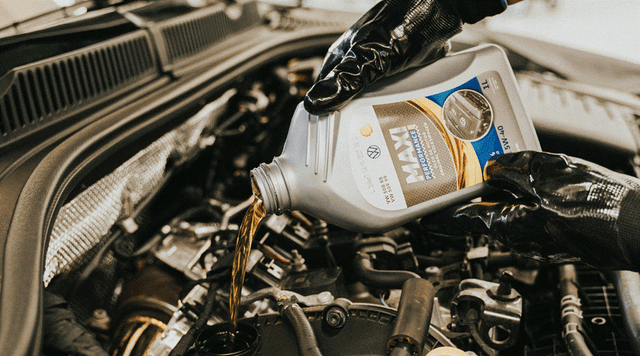
Engine oil gradually loses its viscosity and lubrication properties due to heat cycles, contamination, and carbon deposits. Delaying oil changes can cause sludge buildup inside the engine, restricting oil flow and increasing internal friction. Over time, this can affect piston movement, valve timing systems, and even turbocharger health in modern engines. Using the wrong oil grade can also reduce fuel efficiency and increase engine stress, especially in newer BS6 and turbo-petrol vehicles.
4. Frequently Running the Car on Low Fuel
Driving regularly with very little fuel in the tank can shorten the life of the fuel pump, and is one of the lesser-known driving habits that poses a threat if it continues as a regular ritual. In most modern cars, the fuel pump sits inside the tank and uses fuel itself for cooling. When fuel levels remain consistently low, the pump operates at higher temperatures, increasing wear over time. Additionally, contaminants or sediment settled at the bottom of the tank have a greater chance of entering the fuel system, which can affect injectors and fuel filters, especially in direct-injection engines.
5. Riding the Clutch in Traffic
Keeping partial pressure on the clutch pedal, even unintentionally, puts extra pressure on the clutch plates, making them deteriorate faster over time. This creates constant friction between clutch plates, generating excess heat and accelerating wear. In prolonged city traffic conditions, this habit can significantly reduce clutch life and even affect the flywheel over time. This would, in turn, damage the car and would ultimately incur big repair costs.
6. Ignoring Warning Lights & Unusual Sounds
Modern vehicles are heavily sensor-dependent, and warning lights are often early indicators of developing problems. Ignoring a check-engine light could mean continuing to drive with incorrect air-fuel mixtures, sensor failures, misfires, or overheating issues. Similarly, knocking sounds, rough idling, or delayed throttle response are often signs of deeper mechanical or combustion-related problems. Addressing such issues early can prevent major engine damage and expensive repairs later.
Verdict
Well, there you have it. Although these driving habits may seem harmless in general, taking care of these tiny little things can save you big bills in repair and will also make sure that your car runs smoothly and lasts with you for more years of your life. Most engine damage doesn't happen overnight, but it builds up gradually through poor driving habits and neglected maintenance. Simple changes like driving gently when cold, servicing the car on time, and avoiding aggressive inputs can dramatically improve engine longevity.
Do you like this article?
Comments
No comments yet. Be the first to comment!