

KEY HIGHLIGHTS
- Pay only for kilometres you actually drive
- Perfect for low-mileage, WFH, and weekend drivers
- Choose km slab, top-up easily if needed
- Transparent tracking via app or telematics device
- Significant savings if your car stays parked often
Car insurance has always worked in a one-size-fits-all format. Whether you drive 2,000 km in a year or 20,000 km, you often end up paying a similar premium. For many low-mileage users, this feels unfair and unnecessary. This is exactly why Pay As You Drive (PAYD) insurance exists - a system designed around you, your lifestyle, and how much you actually drive. Check out more details below and make sure you join our 91Wheels WhatsApp Community to stay versed on the latest automotive news.
Read more: Buying Your First Car? Here's All That You Should Keep in Your Mind
Pay As You Drive Insurance: What Makes PAYD Different?
- You pay based on actual usage: Your premium is directly linked to the kilometres you drive, not assumptions made by the insurer.
- Your car's running decides your cost: Usage is recorded via a telematics device, app, or odometer checks.
- Ideal for low-mileage customers: Weekend drivers, WFH employees, EV owners, and people with a second car benefit the most.
In simple words, PAYD is insurance that finally recognises that not all customers use their cars equally - so they shouldn't pay equally either.
How PAYD Typically Works

- Choose a kilometre plan like 2,500 / 5,000 / 7,500 / 10,000 km.
- Drive normally - the insurer automatically tracks your usage.
- Top-up anytime if you cross your limit, without penalties.
- Renew with flexibility by adjusting the slab each year based on your future travel plans.
This structure keeps everything transparent and puts you in full control of your insurance spending.
Why Customers Love PAYD Insurance
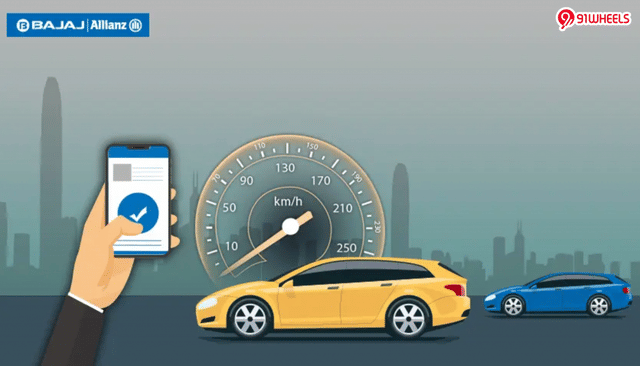
The biggest appeal of PAYD is fairness. You only pay for what you actually use, which immediately builds trust and transparency into the insurance experience. For many city users, the car spends more time parked than on the road. With PAYD, that idle time finally starts saving you money instead of costing you more.
Another major advantage is cost reduction. If your lifestyle doesn't involve long daily commutes, your annual premium can drop significantly. This makes PAYD especially attractive for metro-city residents, work-from-home employees, and senior citizens who only take occasional drives.
Some insurers also reward smooth driving behaviour, promoting safer roads while offering personalised discounts. For EV owners or families with multiple cars (where one vehicle is barely used), PAYD becomes an extremely practical and economical choice.
Things to Consider Before Choosing PAYD
PAYD isn't meant for everyone. If you drive long distances regularly or your job requires frequent travel, your kilometre top-ups may end up costing more than a traditional policy. Availability is still expanding across insurers, and not every vehicle type or model may be supported yet. Customers should also remember to roughly estimate their yearly usage to pick the right slab and avoid unnecessary add-ons.
Read more: How OTA (Over-the-Air) Updates are Changing Auto Servicing
Verdict
PAYD transforms car insurance from a generic product into a personalised one. It acknowledges how your life, your driving pattern, and your lifestyle are unique and aligns your premium with your reality. For low-mileage drivers, it's more than just a policy; it's the first truly fair way to pay for car insurance. If your car is on the road less and parked more, PAYD will reward you exactly for that.
Do you like this article?
Comments
No comments yet. Be the first to comment!