2026 Maruti Suzuki Baleno Facelift Review: More Complete Than Ever, But Is It New Enough?


My new Maruti Baleno facelift review starts with a fairly simple question: how do you improve a car that has already been one of the most sensible premium hatchbacks in India? Because, there are some cars that don't necessarily need a major reinvention every few years. They work because the basic formula is already right, and the Maruti Suzuki Baleno has probably been one of the best examples of that in India. It has always offered plenty of space, good comfort, impressive fuel efficiency and an ownership experience that is difficult to argue against. For someone looking for a sensible family hatchback, there have traditionally been very few reasons not to consider one.
The new Baleno attempts to strengthen that formula rather than change it completely. There are some styling revisions, considerably more equipment and, most importantly, a new 1.2-litre three-cylinder petrol engine. You now get features such as Level 2 ADAS, ventilated front seats and wireless charging, while the starting price of Rs 6.09 lakh makes the package look even more interesting.
But after driving it, I was left with a slightly different question. Has Maruti done enough to make the Baleno feel genuinely new?
Because underneath all the added equipment, this remains a very familiar Baleno. The cabin is largely unchanged, most of the exterior is unchanged and the new engine, while wonderfully refined and efficient, doesn't have quite the same enthusiasm as the outgoing motor. And yet, judged purely as a family hatchback, there is very little wrong with it. In fact, the Baleno might now be one of the most complete versions of itself yet.
2026 Maruti Baleno Facelift Review
Five Things I Loved
- Cabin Space And Comfort
Space has always been one of the Baleno's biggest strengths, and nothing has changed here. Compare it with most premium hatchbacks currently available in India and the Baleno continues to impress with the amount of room offered to both front and rear passengers. There is generous legroom at the back, good headroom and comfortable seats, making this one of the better hatchbacks if you regularly travel with your family. - The Feature List Is Now Seriously Impressive
Maruti has traditionally been slightly conservative when it comes to loading its cars with equipment, but the new Baleno is a very different story. It gets practically everything I would expect from a car in this category in 2026, and then some. - Refinement And NVH
Going from a four-cylinder engine to a three-cylinder unit raises questions about refinement. Thankfully, that's one area where the Baleno surprised me. The new 1.2-litre Z12E engine is remarkably smooth. For a car that will spend most of its life commuting through cities, that refinement matters considerably more than another few horsepower on a specification sheet. - Reliability And Ownership Experience
There is a reason the Baleno has been such an easy car to recommend over the years. It is inexpensive to maintain, easy to get serviced and backed by Maruti Suzuki's enormous after-sales network. For buyers who simply want a car they can purchase, maintain without worrying too much and use for years, the Baleno continues to make an exceptionally strong case. - The Starting Price
At Rs 6.09 lakh, the new Baleno starts at a very attractive price. We are still waiting for the complete variant-wise pricing picture, which will ultimately determine where the real value lies, but the starting figure immediately makes the Baleno interesting.
Five Things I Didn't Like
- The Engine Needs More At Higher Speeds
The new engine is refined, smooth and extremely easy to drive, but it isn't particularly exciting. The Baleno is now down on power compared with the outgoing version, and you begin noticing that once speeds rise. There is nothing fundamentally wrong with the engine. I simply wish Maruti had given buyers wanting stronger performance another option. - Still No CNG Automatic
Maruti already understands CNG better than almost anyone in the Indian passenger-car market, which makes the absence of an automatic CNG Baleno slightly disappointing. We have now started seeing manufacturers explore automatic-CNG combinations, and the Baleno could have been an excellent product with which Maruti introduced one. - The Front-end Styling Will Divide Opinion
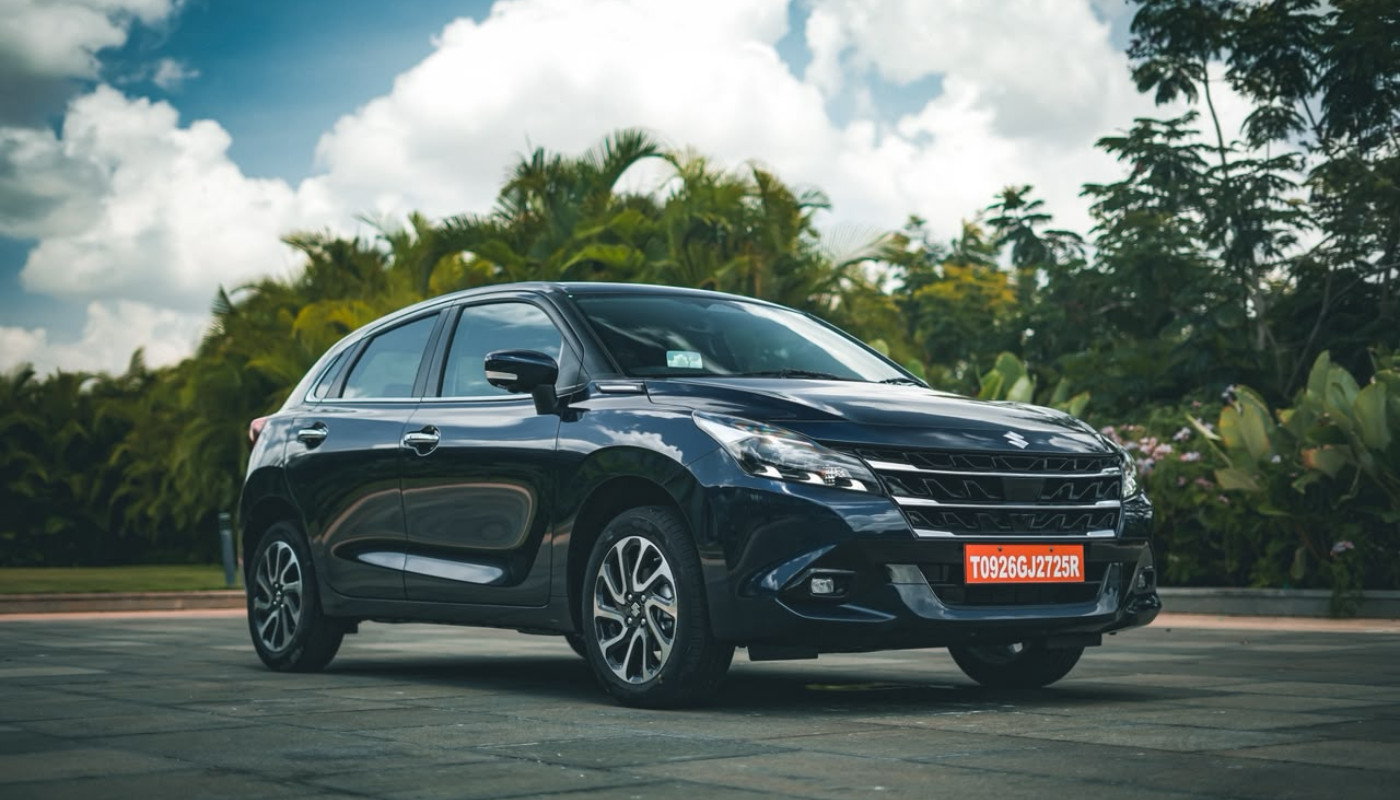
Design is subjective, and the new Baleno's face demonstrates that perfectly. There are angles from which I quite like it, but there are others where I'm still not completely convinced. The revised bumper and grille make it look different, but whether they make it look better will depend entirely on whom you ask. Personally, I would also have liked Maruti to make more extensive changes rather than concentrating almost everything around the front. - No Rear Centre Armrest
This sounds like a small omission until you remember what the Baleno is trying to be. It is spacious enough to be a proper family car and comfortable enough for long journeys, yet rear passengers still don't get a centre armrest. - That High Boot Loading Lip
The boot itself offers plenty of usable space, but getting heavy luggage into it isn't quite as convenient. The loading lip is relatively high, which means heavier suitcases need to be lifted considerably before being placed inside.
Exterior Design
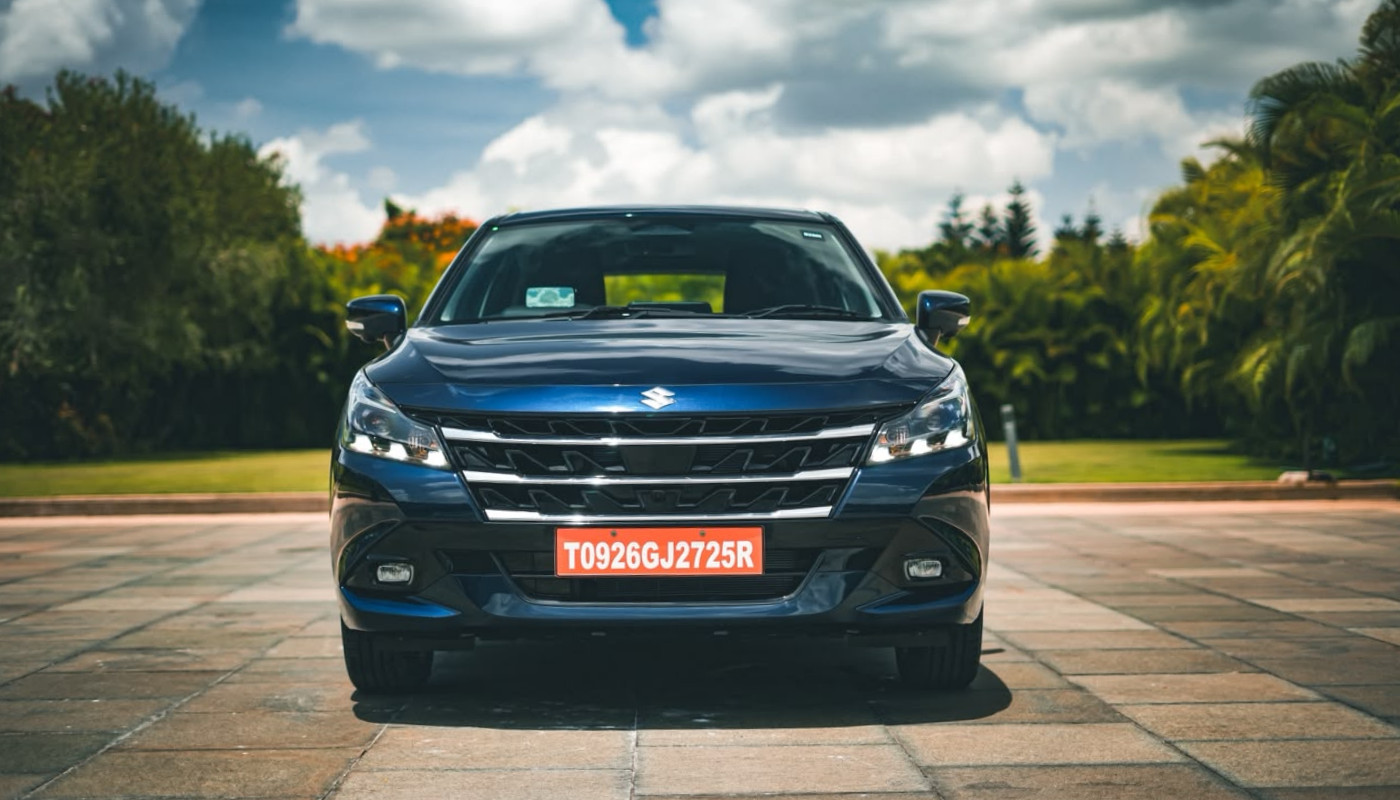
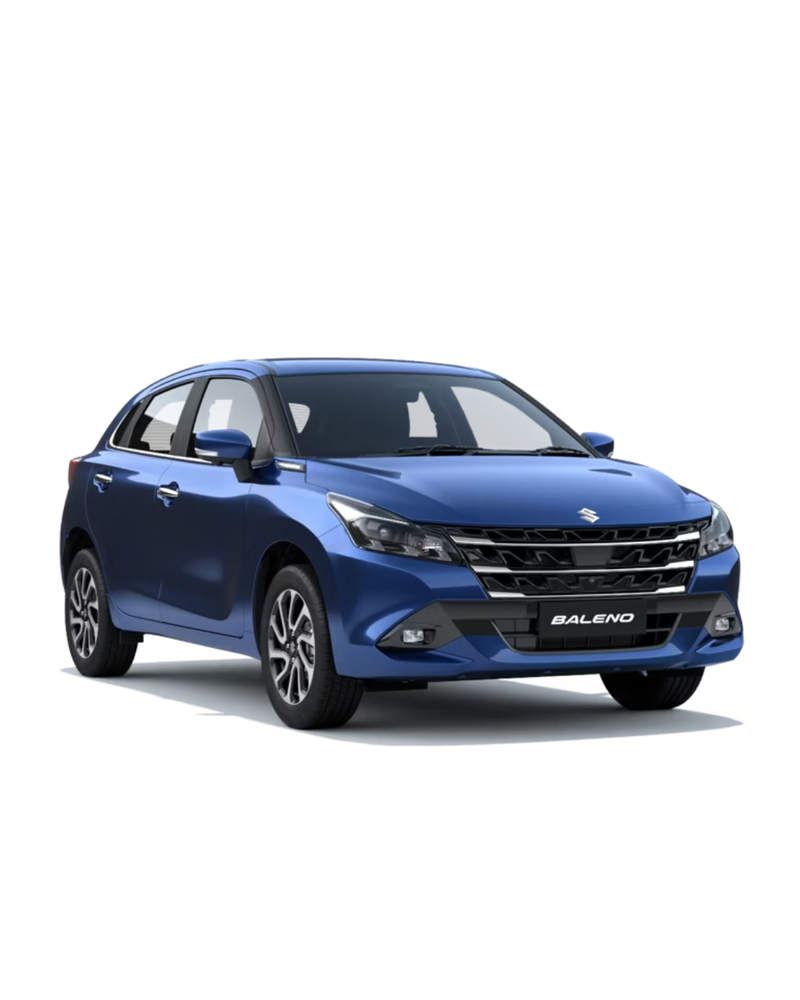
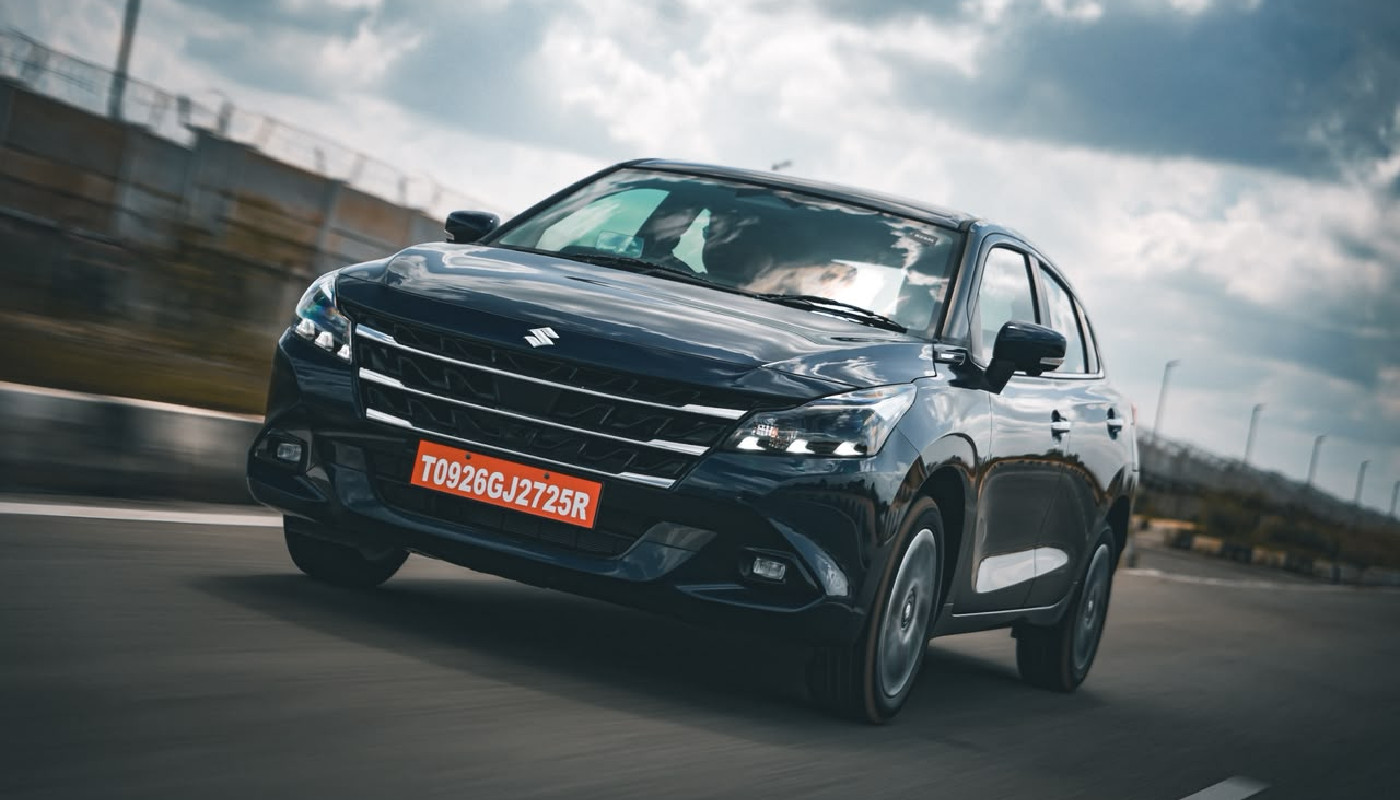
Calling this a facelift is perhaps the easiest way to understand the exterior changes, because Maruti hasn't attempted to redesign the Baleno completely. In fact, almost everything new is concentrated around the front.
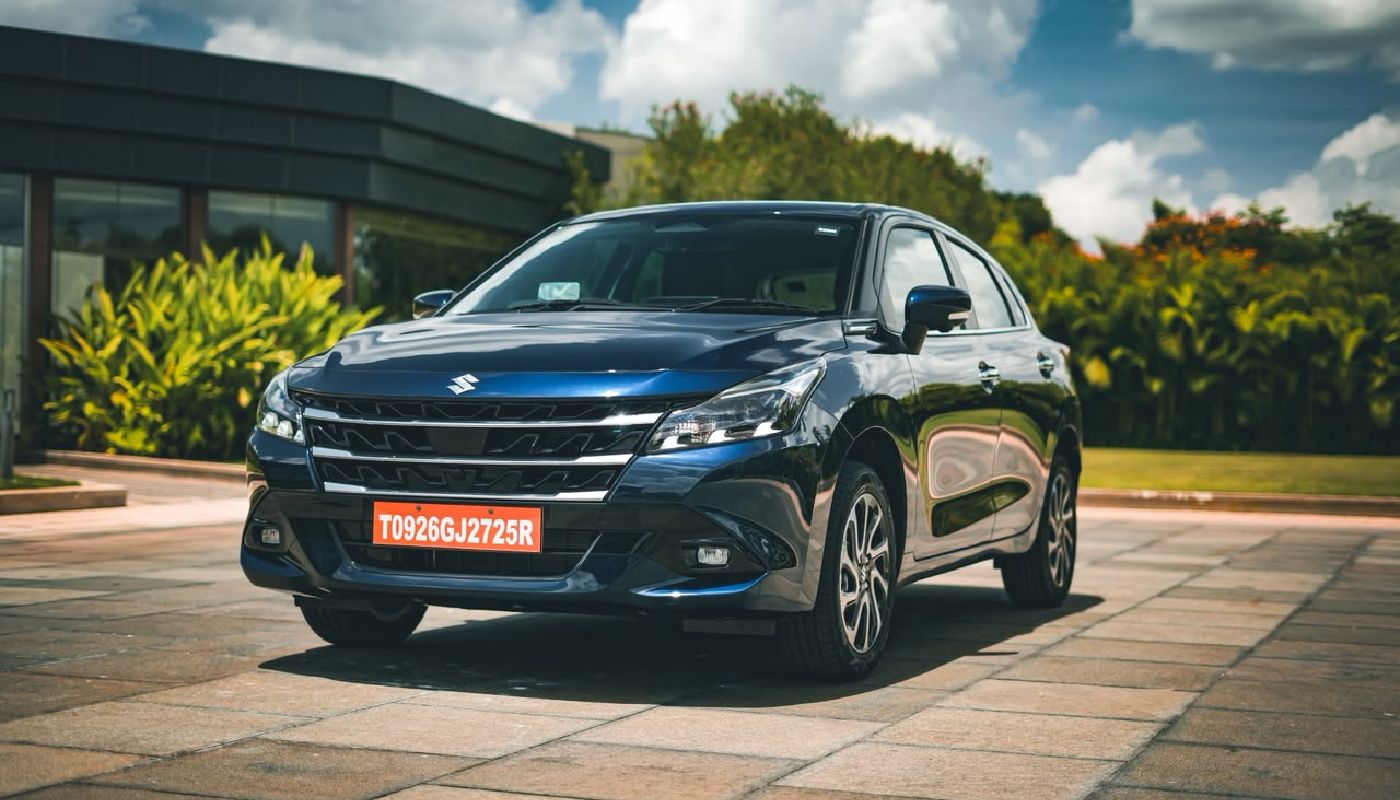
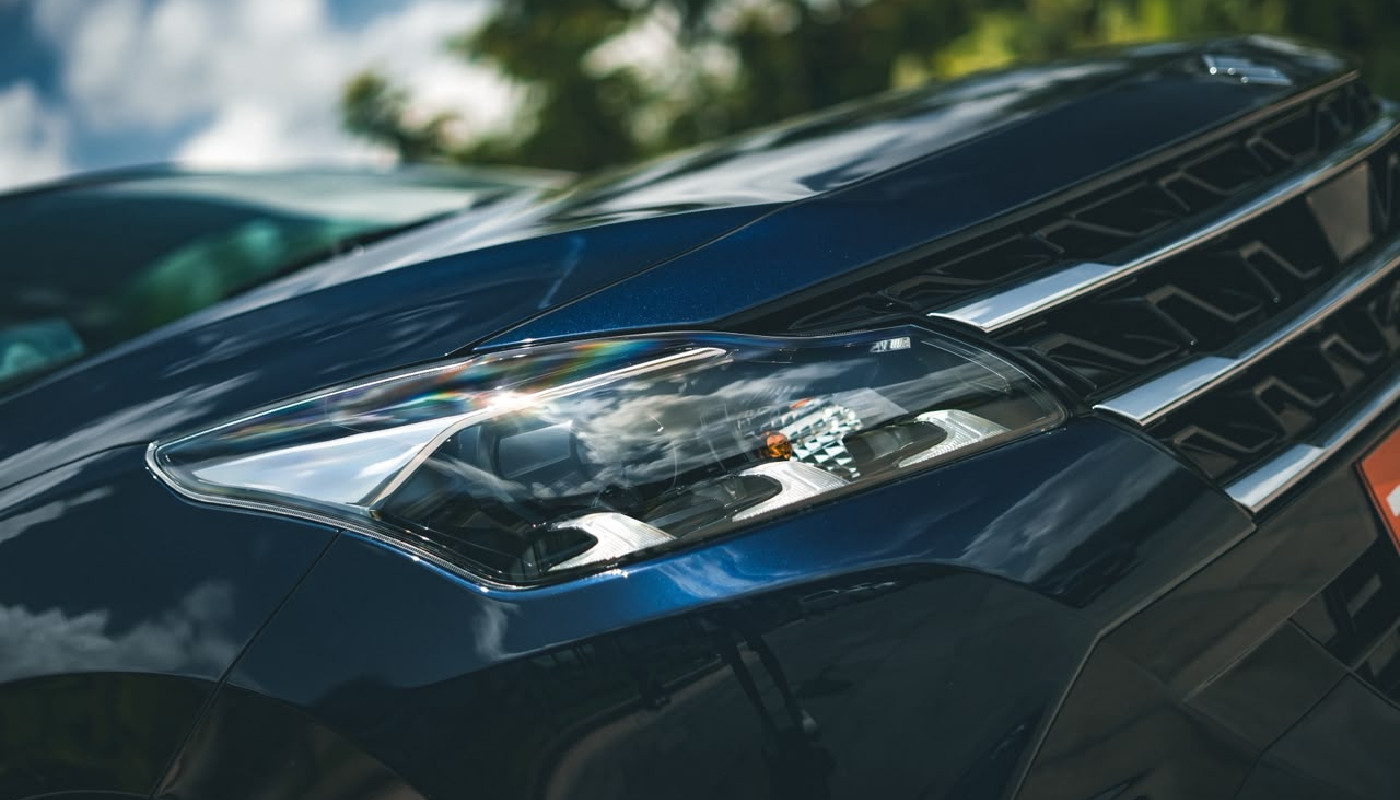
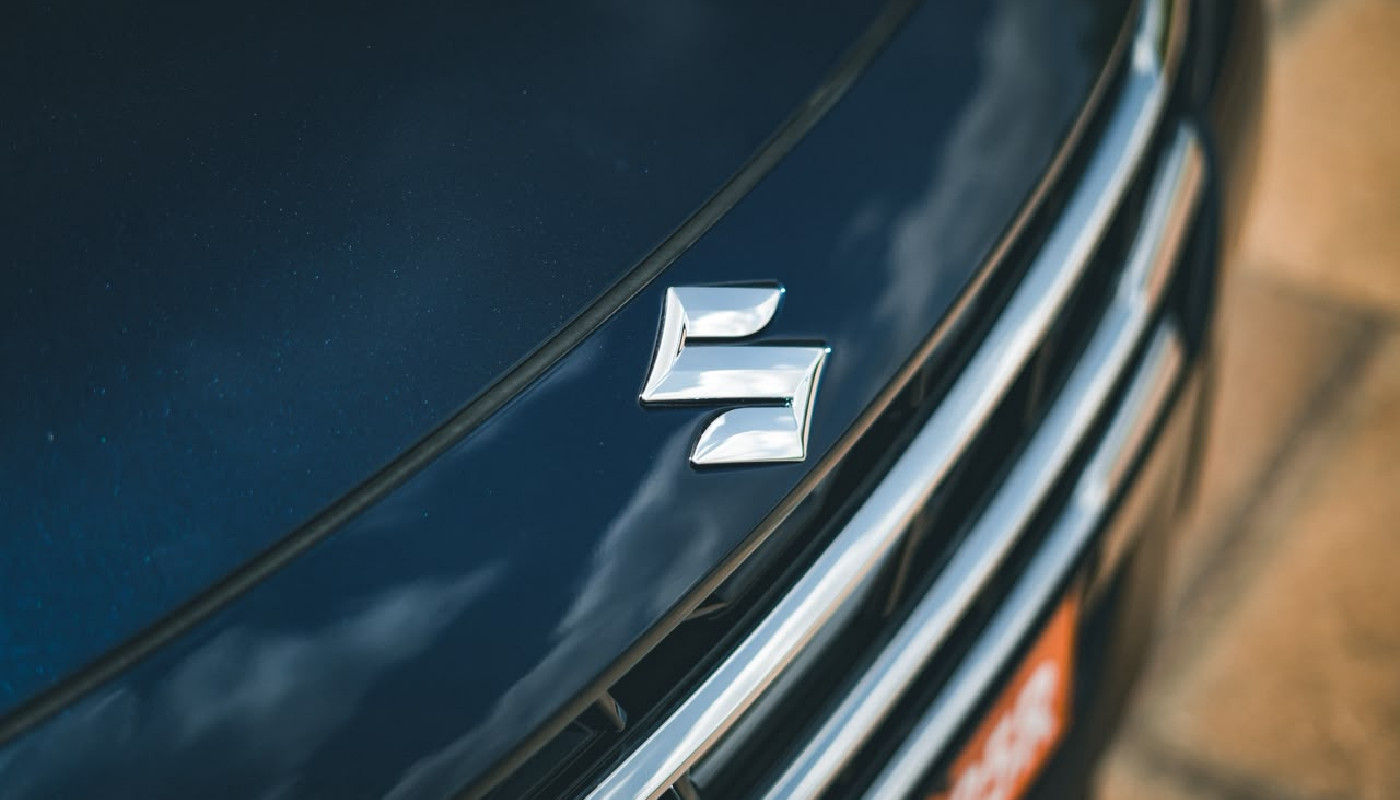
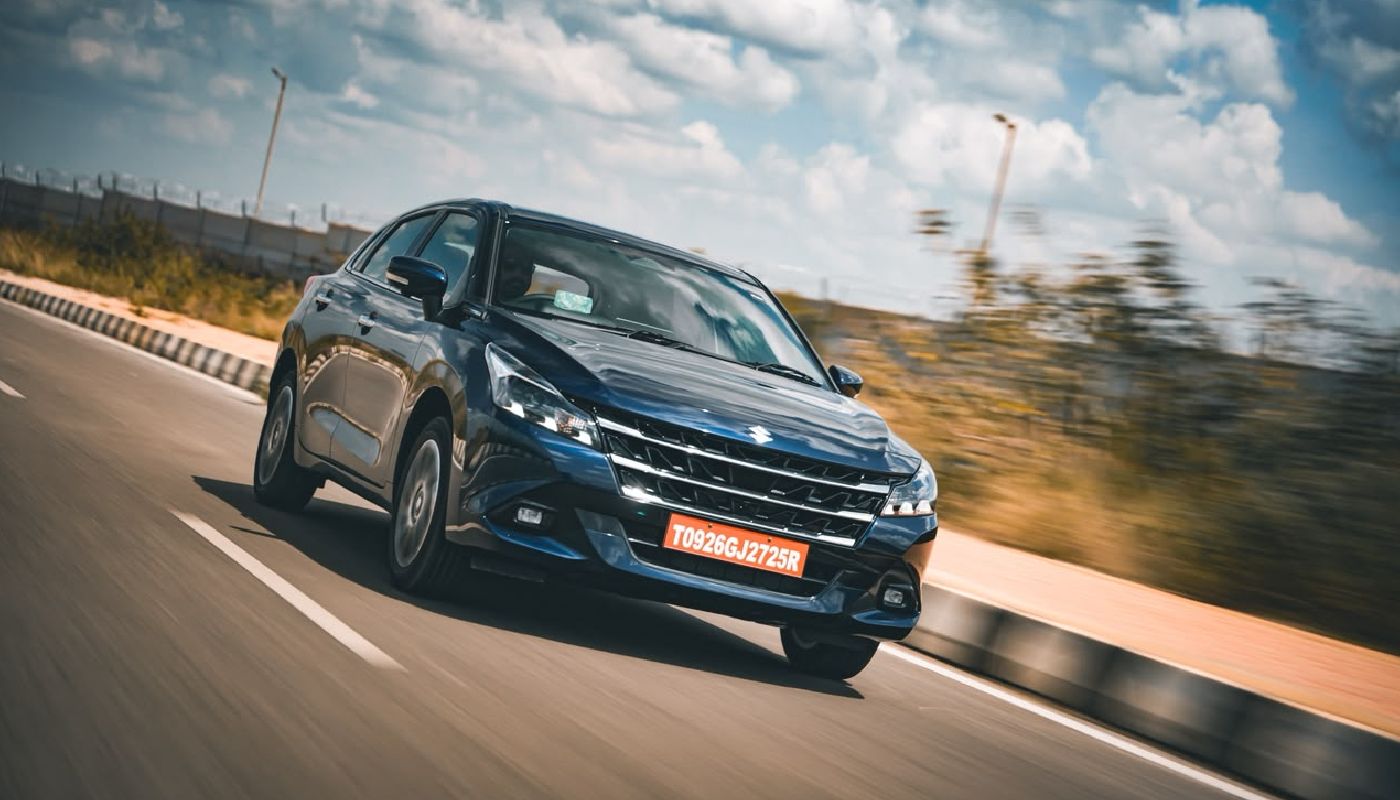
There is a redesigned grille with chrome inserts and gloss-black detailing, while the centre section also houses the radar module required for the new ADAS system. The front bumper has been revised too, with another gloss-black element and redesigned housings for the LED fog lamps. You will also notice the front camera that's part of the 360-degree camera system.
There are a couple of smaller additions elsewhere. The Baleno now gets a shark-fin antenna in place of the more conventional antenna used earlier, while small chrome elements around the front fenders add another bit of visual detailing. And that's roughly where the exterior changes end.
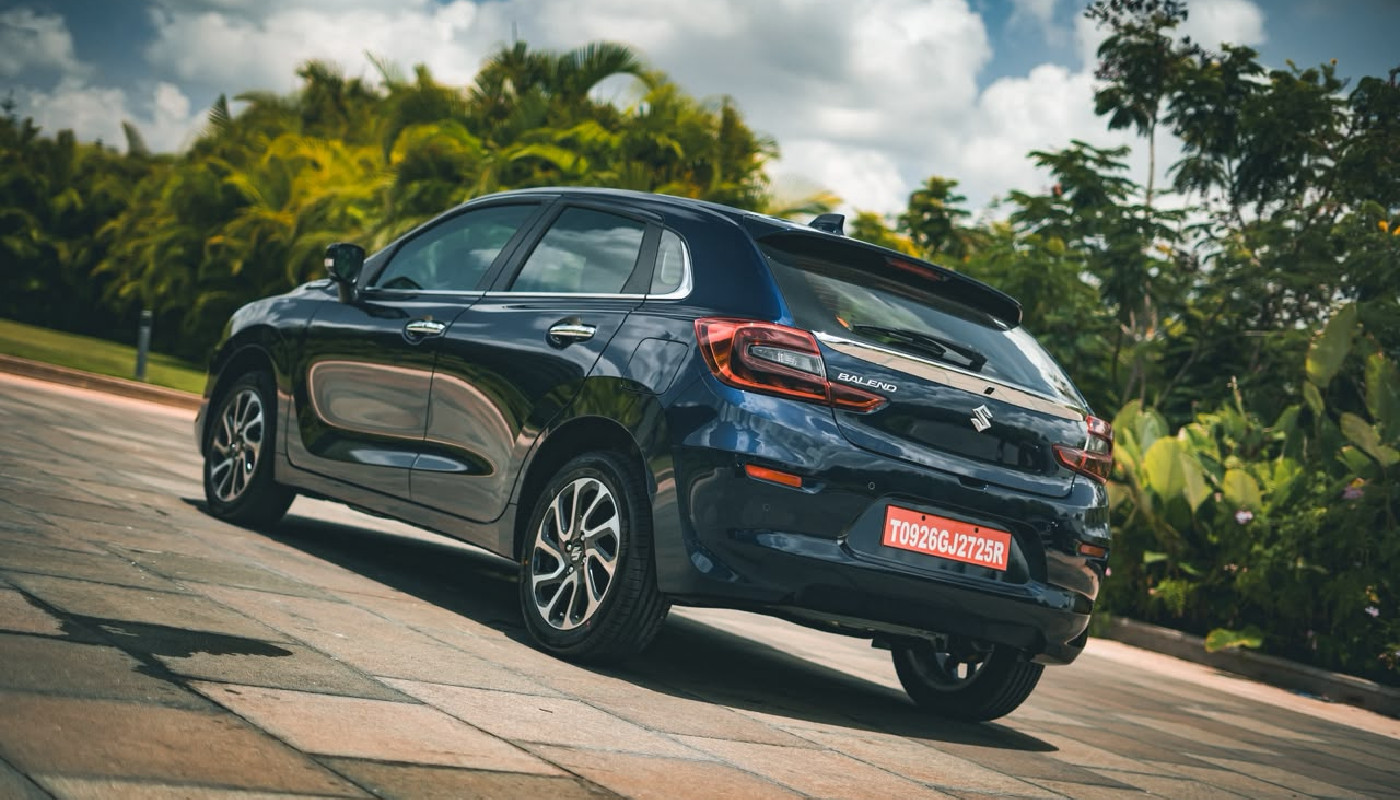
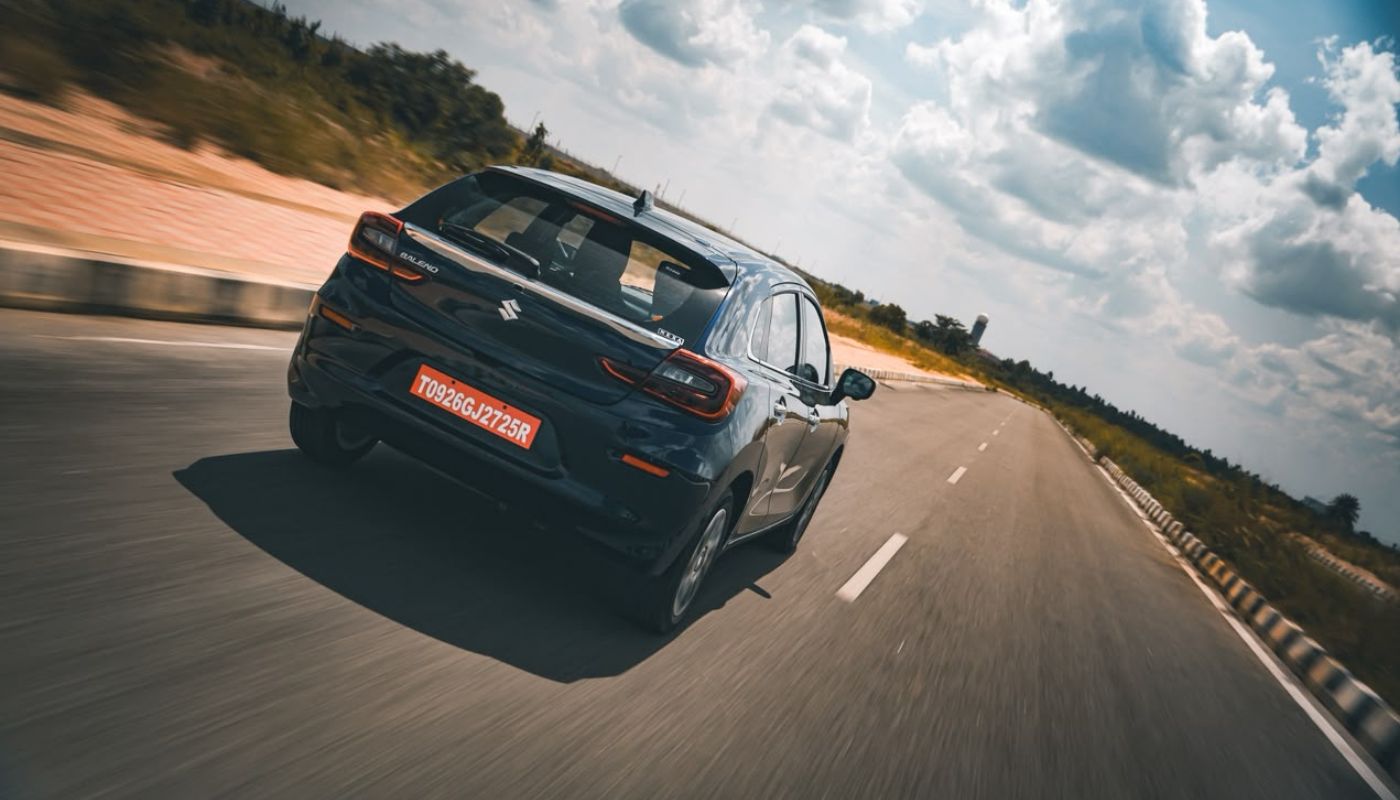
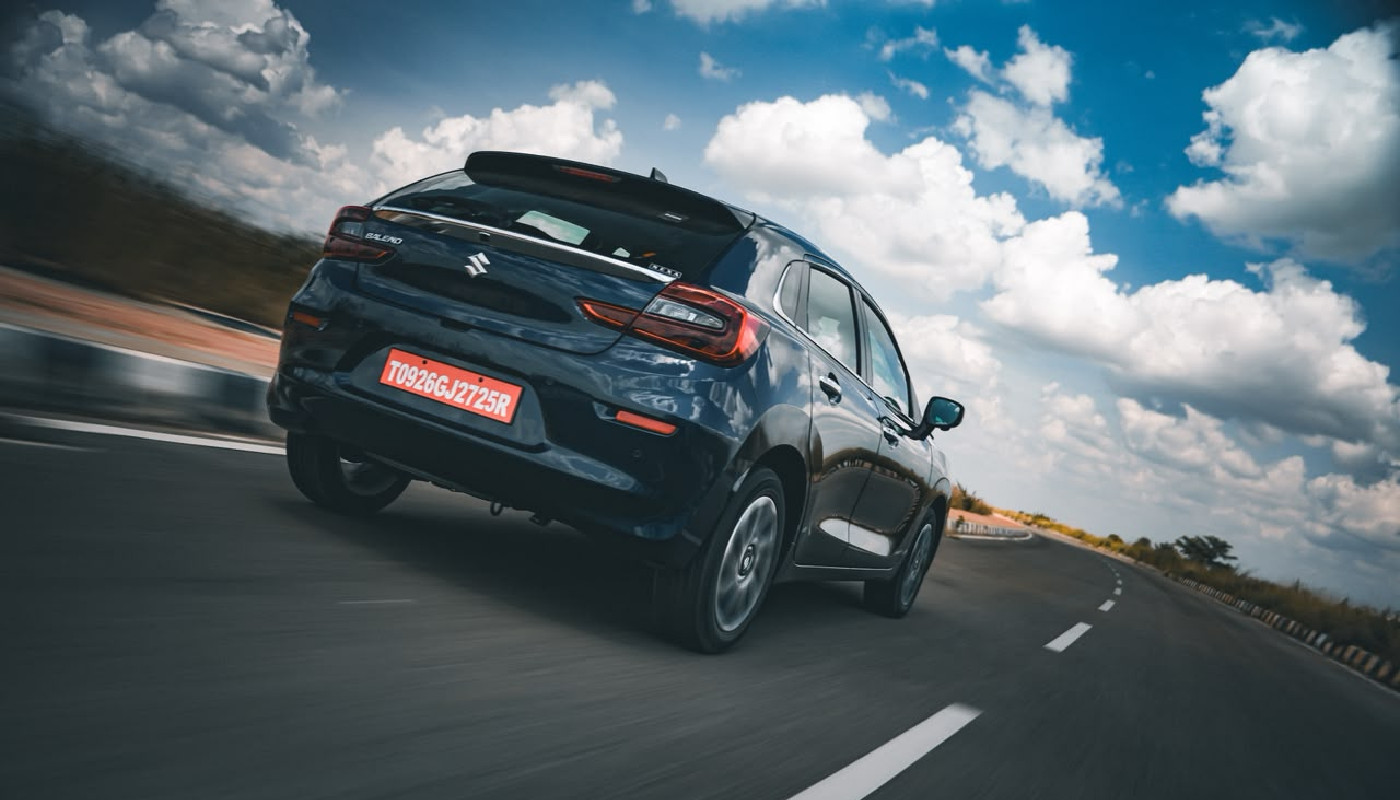
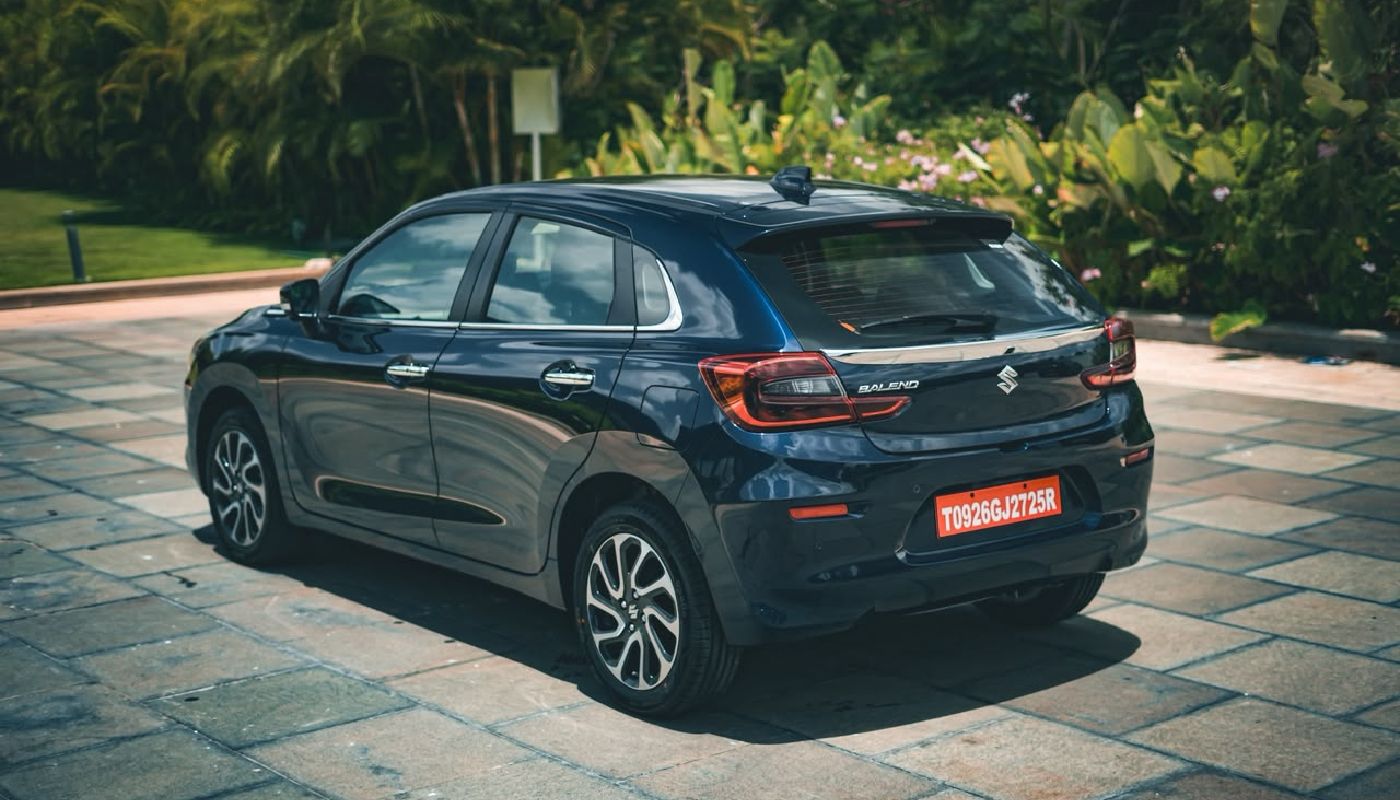
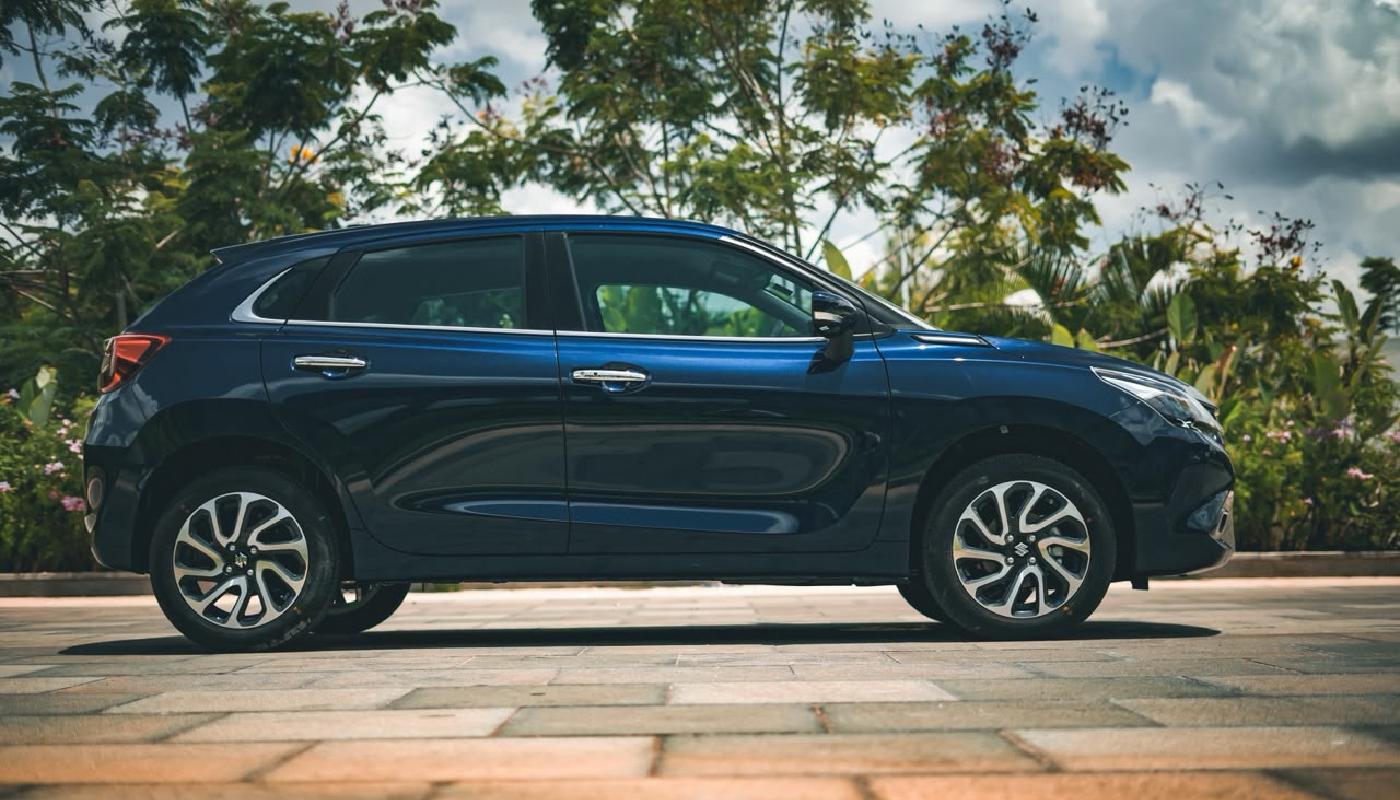
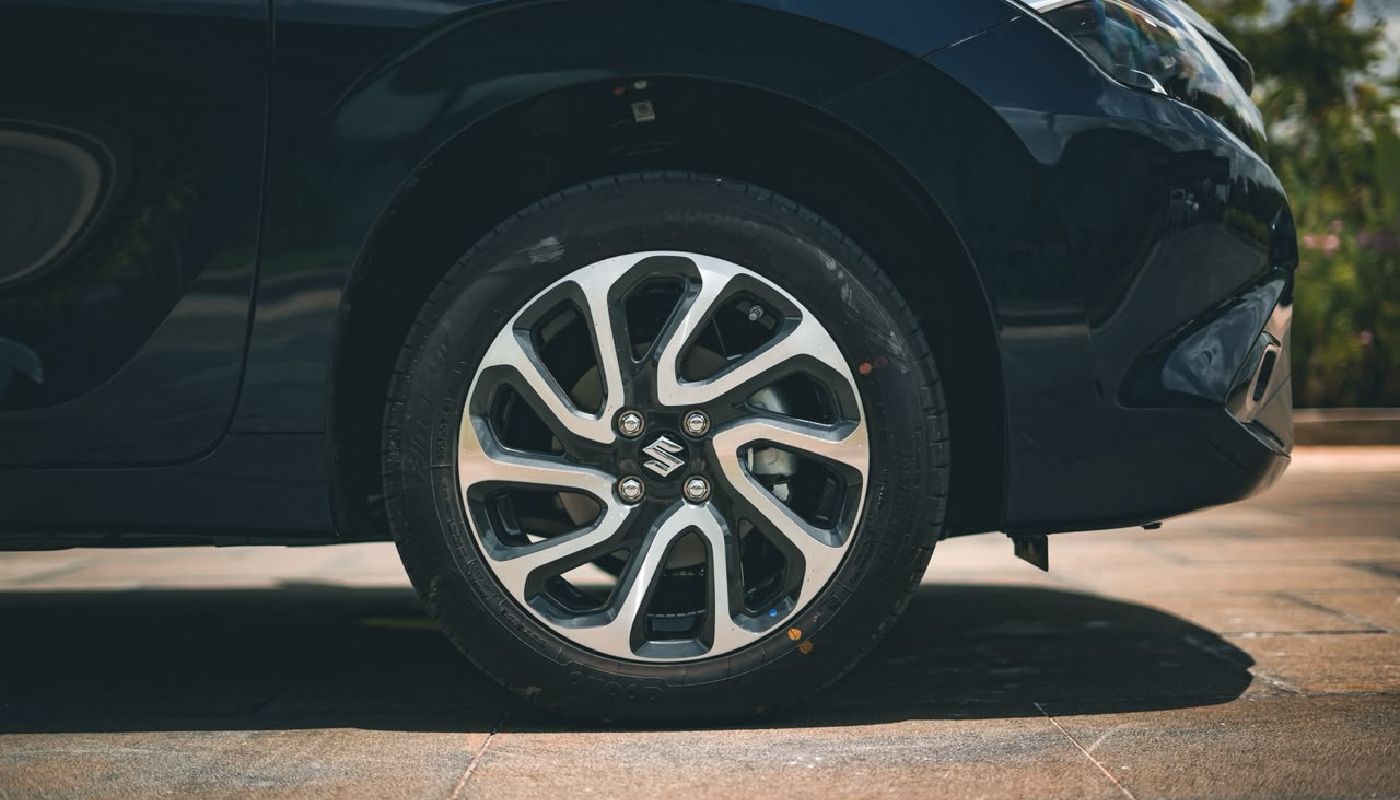
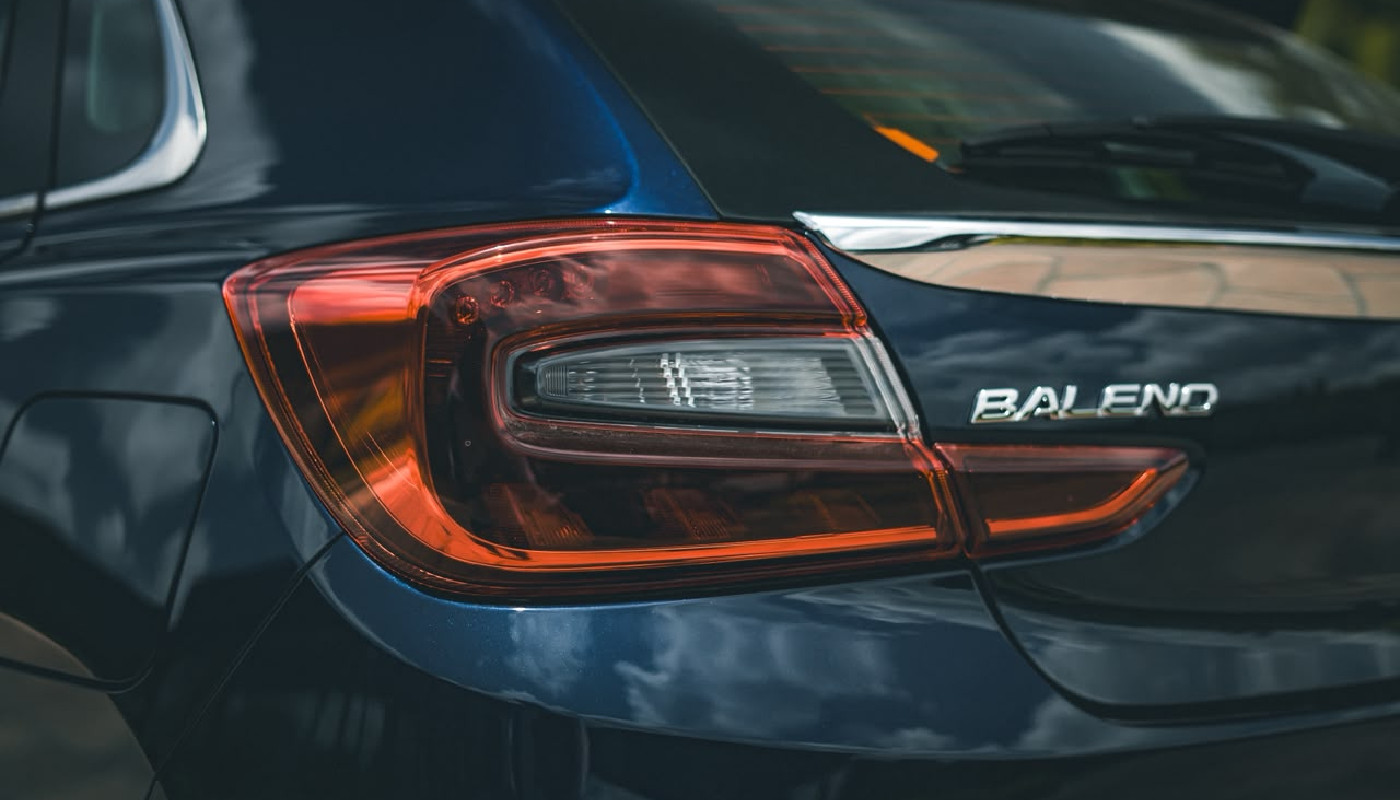
Move around to the side and you still get the same basic profile, the same 16-inch dual-tone alloy wheel design, chrome door handles, chrome window garnish and request sensors on the front doors. Cameras underneath the ORVMs continue to form part of the 360-degree setup. The rear is even more familiar. The LED tail lamps, overall shape, bumper and tailgate remain essentially the same. That's not a problem because the Baleno was never a bad-looking car. I still think the proportions work extremely well, particularly when viewed from the side and rear.
My concern is simply familiarity. We have been looking at essentially the same Baleno for quite some time now, and a facelift would have been a good opportunity to make the car look considerably fresher. New alloy wheels, some changes around the rear or slightly more substantial alterations to the side profile could have achieved that without changing the fundamental character of the car.
The front itself might take some time to grow on people. I don't think it looks bad, but it is certainly more polarising than before. From certain angles, I like it. From others, I'm still trying to make up my mind. Overall, the Baleno remains a good-looking and well-proportioned hatchback. I just wish Maruti had done more to remind everyone that this is the new one.
Interior And Features
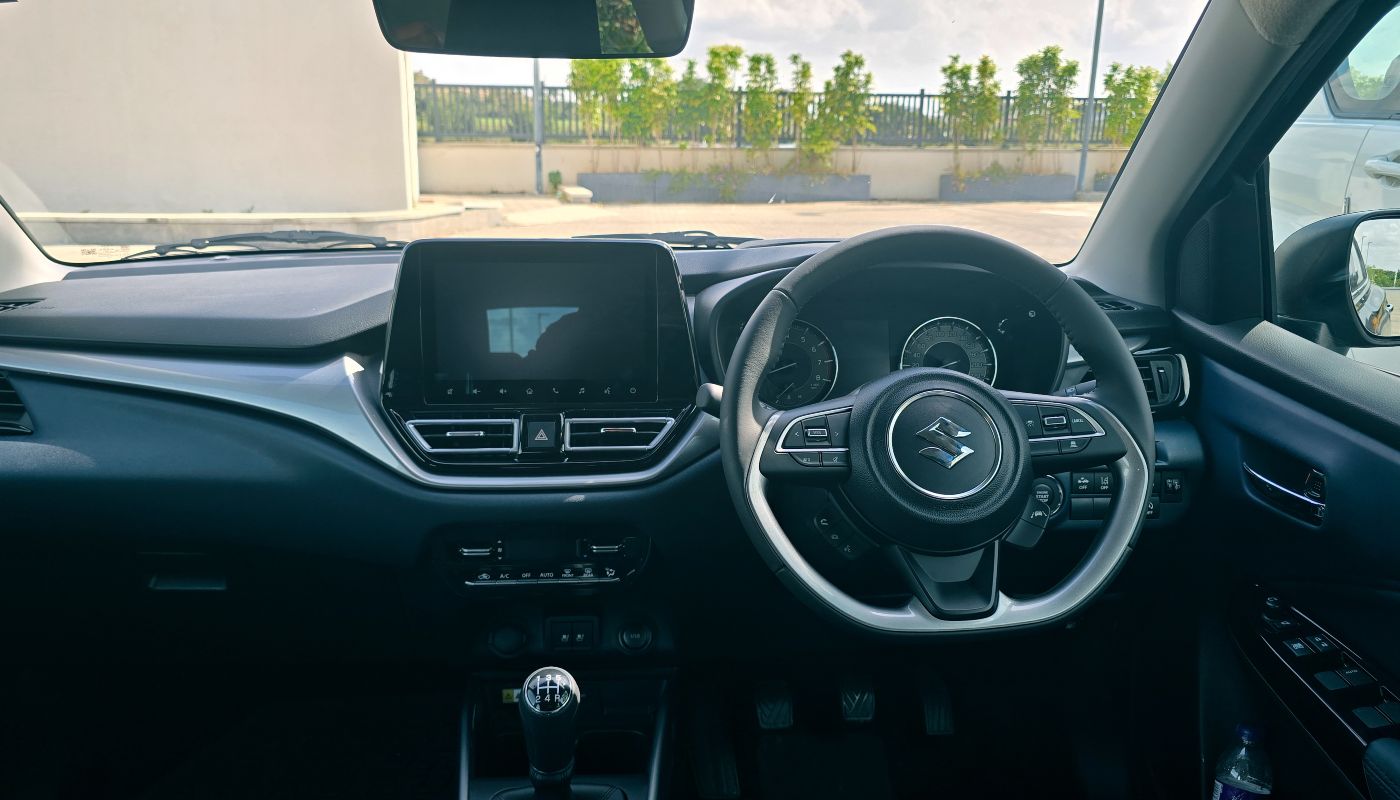
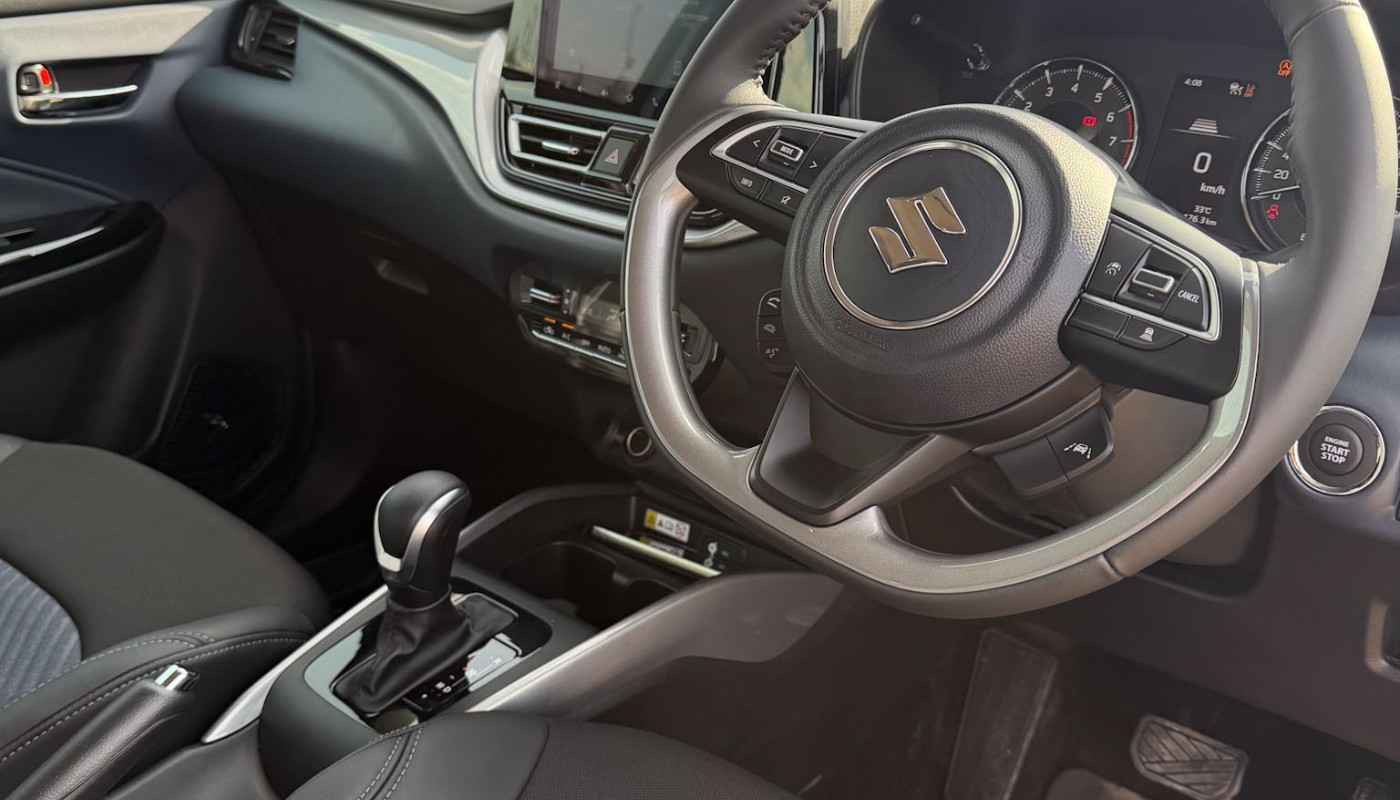
If the exterior changes are limited, the difference inside the cabin is even smaller. The dashboard is essentially carried over. So is the steering wheel, infotainment system, instrument console with its two analogue-style dials and central MID, heads-up display and centre console layout. The black-and-blue dashboard colour scheme remains, along with the substantial silver insert running through the centre to add some visual contrast. The AC controls are familiar too, and lower down you continue to get the connectivity ports, storage and twin cup holders.
Where Maruti has concentrated its attention is equipment. The biggest addition for me is ventilated front seats, something that is useful in Indian weather rather than simply another feature to advertise. The seats themselves also receive fresh upholstery, combining fabric through the central section with leatherette around the sides. You now get a new auto-dimming IRVM, tyre-pressure monitoring and a wireless charging pad with active cooling as well. Add these to the existing heads-up display, connected-car features, 360-degree camera and infotainment system and the Baleno now has an extremely comprehensive equipment list.
Ergonomically, there was very little wrong with the earlier car and that remains true today. The driving position is easy to get comfortable in, visibility outside is excellent and the major controls fall naturally to hand. The steering gets a stitched finish, there are gloss-black elements around the cabin and the overall layout remains simple enough that you don't need to spend ten minutes understanding how basic functions work.
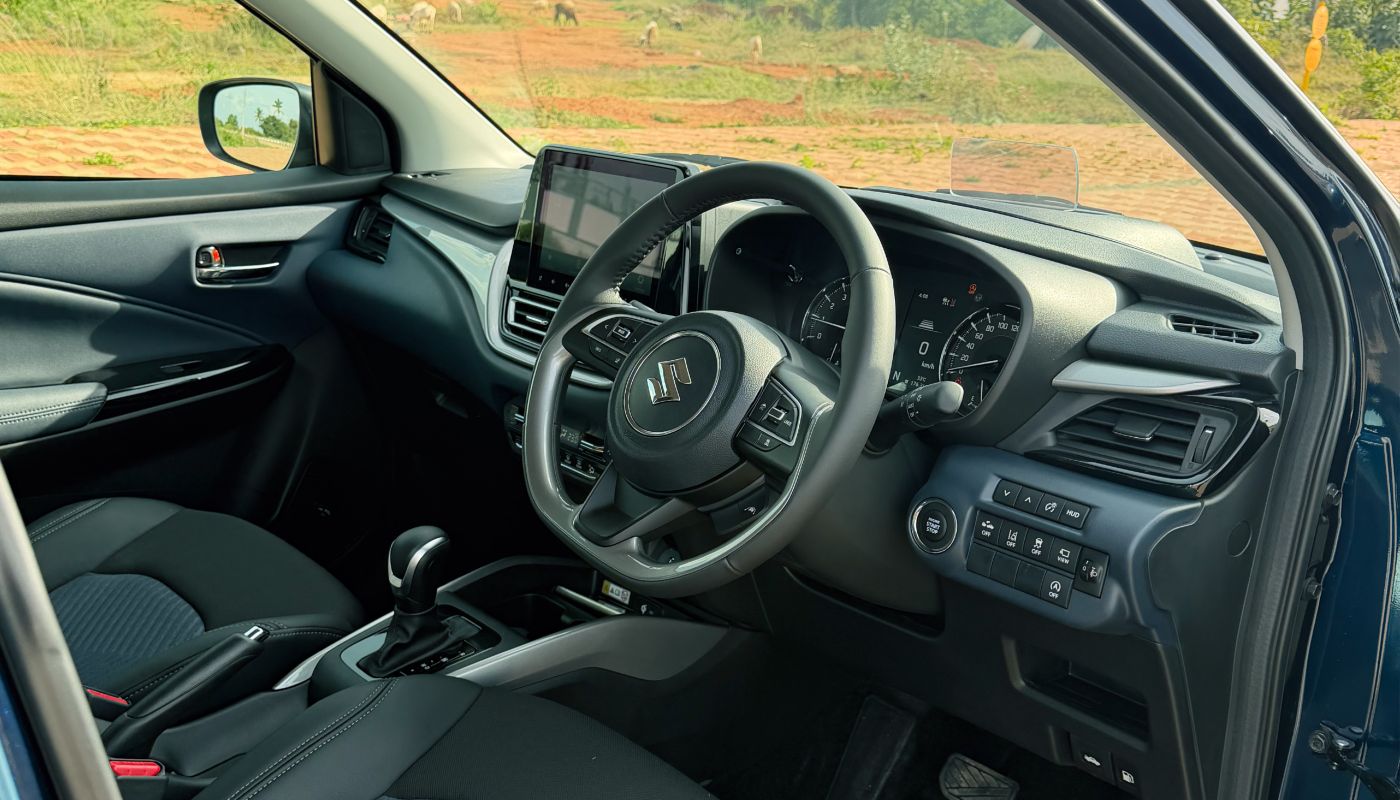
Material quality isn't necessarily class-leading everywhere, but nothing feels particularly out of place either. And this is where I understand what Maruti has done. The company appears to have followed the old philosophy of not fixing something that wasn't broken. Functionally, that makes complete sense. The Baleno's interior was spacious, ergonomic and practical before, and it remains all those things.
Emotionally, however, I wanted something fresher. Even some changes in colours, trims, instrument graphics or dashboard detailing could have made sitting inside the facelift feel more special. Instead, the experience remains extremely familiar.
What Powers The New Baleno?
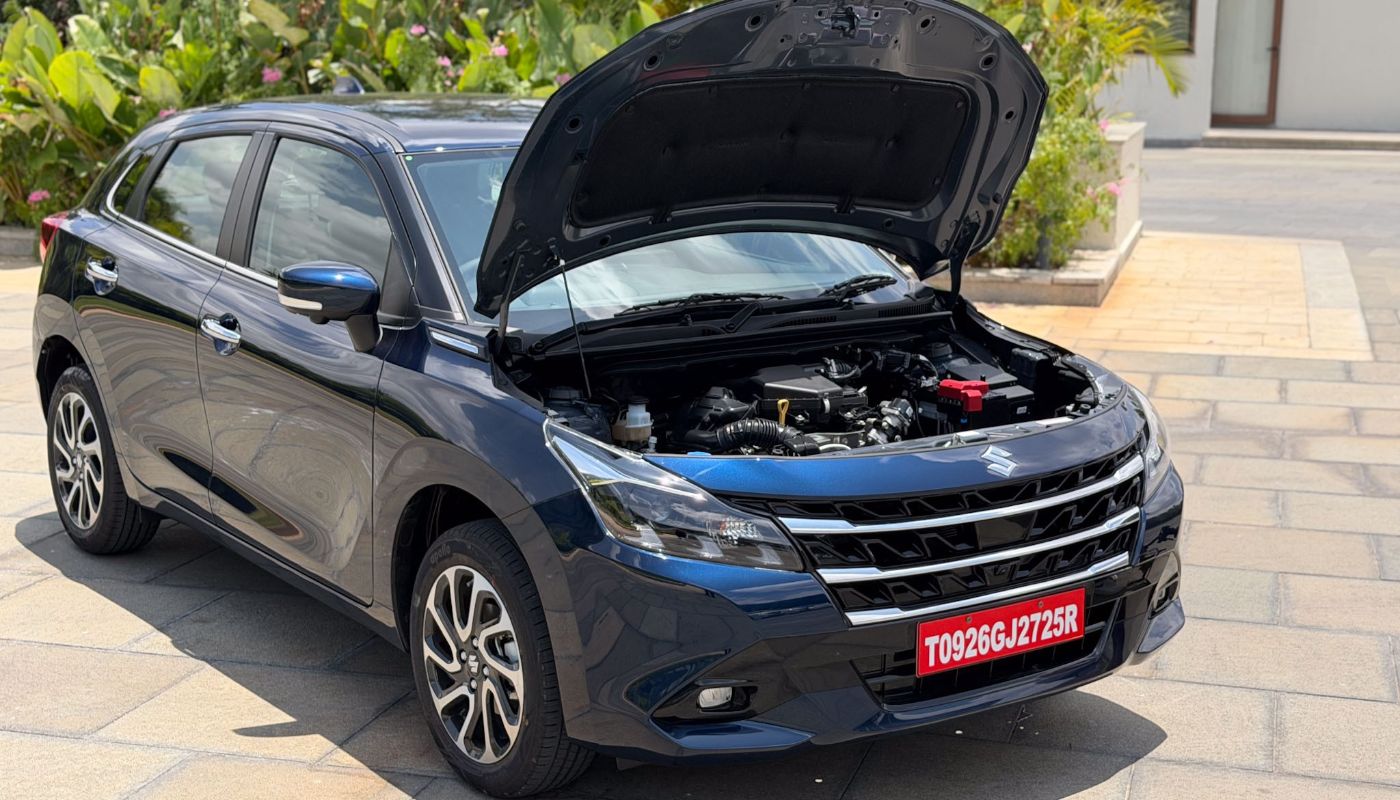
The biggest mechanical change is under the bonnet. The new Baleno now uses Maruti Suzuki's 1.2-litre, three-cylinder Z12E petrol engine. We also see the same engine in the Swift and the Dzire but it has been tuned to deliver slightly better figures now. For those wondering, it now produces around 82hp and 112.4Nm of torque. With petrol, buyers can choose between a five-speed manual gearbox and a five-speed AMT. The CNG version produces around 69hp and 101.8Nm and is available only with the five-speed manual.
Efficiency remains one of the Baleno's biggest selling points. The petrol-manual is claimed to deliver 23.80kmpl, while the AMT pushes that figure to 24.77kmpl. The CNG version, meanwhile, is rated at 33.61km/kg. Those are impressive figures, but the more interesting question for me was whether moving to the newer three-cylinder engine had affected the way the Baleno drives. The answer is yes, but not necessarily in the way you might expect.
How Is The New Baleno To Drive?
I started with the manual, and the first thing that stood out was just how easy this combination is to drive. The clutch is extremely light, doesn't have excessive travel and requires very little effort in traffic. Gearshifts are short and smooth, while the gearbox itself feels easy and intuitive to operate. Pulling away from a standstill doesn't require large throttle inputs either. There is enough torque available low down and the engine is surprisingly willing at lower engine speeds.
That's important because this is exactly where most Baleno owners will spend most of their time.
Through city traffic, the engine feels responsive enough. Initial acceleration is good, low-end grunt is useful and there is a decent mid-range. You don't have to constantly work the gearbox simply to keep up with traffic. The problem appears when you start asking for more.
Compared with the outgoing car, the new Baleno loses roughly 8hp while torque remains broadly similar. As speeds rise towards the triple-digit mark, that reduction becomes noticeable.
The engine doesn't become weak, but acceleration starts tapering off and you find yourself wishing there was another layer of performance available. Overtaking at higher speeds requires slightly more planning, particularly when the car is carrying four occupants and some luggage. For everyday city driving, I wouldn't call this a serious limitation. For somebody who enjoyed the slightly peppier character of the previous Baleno, however, it will be noticeable.
What helps considerably is refinement. This is an exceptionally smooth three-cylinder engine. Vibrations are very well controlled, noise inside the cabin remains low and during normal driving you rarely feel like you're operating a three-cylinder motor. So the new engine trades some outright enthusiasm for refinement, drivability and fuel economy. Considering the Baleno's target audience, I can understand why Maruti made that decision.
What About The AMT?
The automatic surprised me even more. AMTs traditionally reveal themselves every time the gearbox changes gear. You accelerate, the clutch disengages, power momentarily disappears, the car nods forward and the next gear arrives. There is still a small pause here because mechanically this remains an AMT, but Maruti has calibrated the unit impressively well.
The shifts themselves are relatively quick, and more importantly there isn't a dramatic head-nod every time the transmission changes ratios. Drive it with gentle and progressive throttle inputs and the gearbox can become surprisingly unobtrusive. There were occasions when the shifts were smooth enough that I wasn't actively thinking about what the gearbox was doing, which is probably the best compliment I can give an AMT.
Start driving aggressively and its limitations become easier to expose. Large throttle inputs make the pauses between gears more noticeable, and somebody regularly driving pedal-to-the-metal will probably become frustrated. But that's also not really the buyer this gearbox has been designed for.
If your priorities are convenience, efficiency, reliability and inexpensive ownership, the Baleno AMT makes a lot of sense. Learn to work with the throttle rather than constantly demanding maximum acceleration and it can be extremely pleasant around town. If I were buying the Baleno purely for myself and cared about driving involvement, though, I'd still pick the manual.
How is it to drive?
The steering perfectly reflects what the Baleno is trying to be. At parking speeds, it is incredibly light. Navigating narrow streets, making three-point turns or squeezing into a tight parking spot requires almost no effort at all. For the majority of Baleno buyers, that's probably exactly what they want.
My complaint begins when the speed increases because the steering doesn't gain enough weight or communication. Around the straight-ahead position, it can feel slightly numb, and at highway speeds I would have preferred more reassurance through the wheel. A little more progressive weighting as speeds rise would make the Baleno feel considerably more confident. Then again, this raises an interesting question: how many buyers in this segment actually want steering feedback? For an enthusiast, I want more. For someone buying a Baleno because they want an effortless everyday family car, the extremely light steering might actually be one of the car's strengths.
The suspension is considerably easier to praise. There is a slightly firm edge to the setup, helped by the 16-inch wheels and relatively low-profile tyres, but Maruti has managed to retain impressive ride comfort. Broken surfaces and everyday potholes are dealt with neatly, and the car rarely becomes unnecessarily bouncy. Even over worse sections of road, the suspension feels mature and controlled rather than fragile or unsettled.
That slightly firmer tuning pays another dividend once the speeds rise. The Baleno feels composed through corners and doesn't move around excessively when you push it harder. Grip levels are predictable and the car feels sufficiently stable for what it is designed to do. I wouldn't call it an enthusiast's hatchback, particularly because of the steering, but dynamically the Baleno remains a very well-sorted family car. And for its intended buyer, that's probably more important.
Is The New Baleno Comfortable?
Comfort might still be the Baleno's strongest argument. The front seats are genuinely good. Cushioning is well judged, lumbar support is comfortable and there is sufficient under-thigh support. The driving position works for a wide range of users, and the addition of seat ventilation makes spending long periods behind the wheel even easier. What I appreciate is that the seats don't attempt to feel unnecessarily sporty. They simply support you properly and allow you to get comfortable quickly.
The rear seat is arguably even more important for the Baleno because space is one of the reasons people buy this car. Legroom is generous, headroom should be sufficient even for occupants around six feet tall and the bench itself offers good support. The backrest angle is also comfortable, although if I had to nitpick I wouldn't mind it being slightly more reclined. Three adults can fit at the rear better than in many similarly priced hatchbacks, although the central floor hump means the middle passenger will need to find a comfortable place for their feet.
All three rear passengers get adjustable headrests and proper three-point seat belts, which is welcome. What they still don't get is a centre armrest, and that's an omission I struggle to understand in a car positioned as a premium family hatchback. Ignore that, though, and the Baleno remains one of the roomiest and most comfortable hatchbacks you can buy for this money.
The suspension complements the seating well too. Poor roads are generally absorbed without disturbing the occupants excessively, and the car remains composed instead of repeatedly bouncing after larger imperfections. If your priorities are family space and everyday comfort under roughly Rs 10-12 lakh, the Baleno continues to be very difficult to beat.
What Could Maruti Have Done Better?
The first thing I would change is the styling. I don't dislike the new front, but I do think a facelift should make a car feel fresher than this one does. More substantial changes around the sides and rear, along with perhaps a new alloy-wheel design, would have helped differentiate it better from the outgoing Baleno.
The same argument applies inside. The cabin remains extremely practical, comfortable and ergonomically sorted, but visually it hasn't moved forward enough. A revised dashboard treatment, new instrument display or even more substantial trim changes could have created a stronger sense of occasion.
Then there is CNG. I think the time has come for Maruti to seriously consider an automatic CNG combination. Few manufacturers have the CNG experience or customer base that Maruti does, and a Baleno CNG automatic could combine convenience with extremely low running costs in a way that would appeal to a large number of urban buyers.
Finally, give us another engine. The Z12E is not a bad powertrain. Far from it. It is smooth, efficient, refined and easy to drive. But that doesn't mean every Baleno buyer necessarily wants the same thing. A more powerful alternative, perhaps something similar in philosophy to the old 1.0-litre turbocharged Baleno RS or even another naturally aspirated four-cylinder option, would give enthusiasts and frequent highway users something to choose. The current engine works perfectly well for the majority. I simply wish the minority had an option too.
Should You Buy The New Baleno Facelift?
The Baleno has always been one of the easiest cars in this segment to recommend because very little about it complicates ownership. It is spacious. It is comfortable. It is fuel efficient. It should be inexpensive to maintain, and Maruti Suzuki's service network means living with one almost anywhere in the country shouldn't be particularly difficult. The facelift now addresses perhaps one of the few areas where earlier Balenos weren't necessarily class-leading: equipment.
You get six airbags and the expected standard safety equipment, along with more advanced technology such as Level 2 ADAS. There are ventilated seats, TPMS, a heads-up display, wireless charging, connected-car technology and a 360-degree camera. The rear seat remains spacious, the ride is comfortable and the new engine should deliver excellent fuel economy.
However, the engine isn't as exciting as before, higher-speed performance could be better, the design is beginning to feel familiar and I would still like better steering feel on the highway. The relatively low ground clearance will also remain something buyers travelling regularly over particularly bad roads need to keep in mind.
But none of those things fundamentally damages what the Baleno is trying to achieve. If you're looking for an entertaining hatchback purely for yourself, there might be other cars you can consider. But, if you're looking for a sensible premium hatchback for your family for around Rs 10-12 lakh, the Baleno is exceptionally difficult to ignore.
Final Verdict
The new Baleno is interesting because Maruti has simultaneously changed quite a lot and very little. Look at the equipment list and the difference is substantial. Look at the car itself, however, and the experience is extremely familiar.
Most of the exterior remains unchanged. The cabin remains largely the same. And while the new engine brings better efficiency and excellent refinement, it doesn't have quite the same performance once speeds start climbing.
Would I have liked Maruti to do more? Absolutely.
A fresher exterior, some meaningful changes inside the cabin and perhaps another powertrain option could have made this feel like a considerably bigger update. But perhaps that's also missing what the Baleno has always been about.
People buy a Baleno because they want space, comfort, fuel efficiency, reliability and an uncomplicated ownership experience. None of those qualities have disappeared. If anything, Maruti has added significantly more equipment while preserving almost everything buyers already liked about the car.
The new three-cylinder engine might not excite you, but its low-speed drivability is excellent and the refinement genuinely impressed me. In most everyday situations, you would struggle to realise that there are only three cylinders under the bonnet. The ride remains mature, the cabin remains one of the roomiest in the segment and the ownership proposition remains extremely difficult to argue against.
So no, this isn't a radically new Baleno.
But it probably didn't need to be.
Because as a comfortable, efficient and sensible family hatchback, the Baleno was already one of the most sorted options in India. The facelift simply gives buyers a few more reasons to choose one.
Do you like this article?
Comments
No comments yet. Be the first to comment!