Mahindra XUV 3XO EV vs ICE: What Really Changes When It Goes Electric?

KEY HIGHLIGHTS
- Nearly identical design for both EV and ICE, with subtle copper accents setting the electric version apart
- The feature and safety list remains largely unchanged, including twin 10.25-inch screens and Level-2 ADAS
- EV delivers 150 PS and 310 Nm with a real-world range of around 285 km
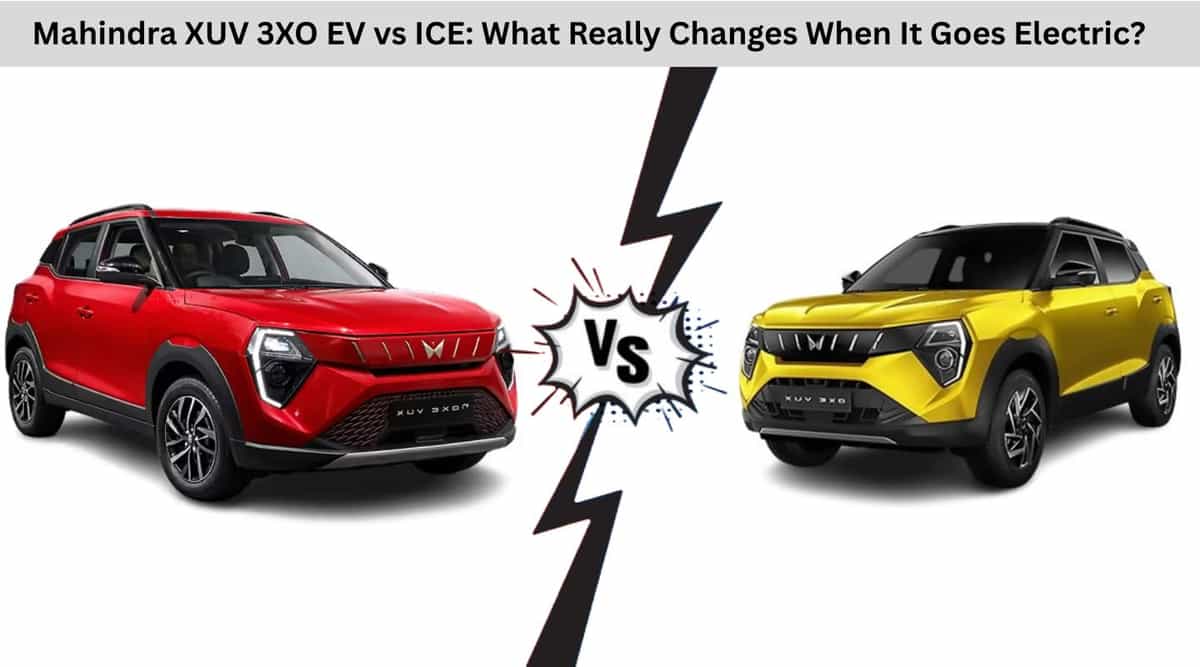
Mahindra has just expanded its electric lineup with the launch of the XUV 3XO EV. Unlike Mahindra's bold Born Electric models, the 3XO EV closely follows the look and feel of its ICE counterpart, the XUV 3XO. While both versions appear nearly identical at first glance, there are a few key differences in design, interiors, features, and powertrains that set them apart. So, what really sets them apart? Let's find out. However, before moving into the details, make sure to join the 91Wheels WhatsApp community to never miss out on any automotive updates.
Read More: Even Before Launch - Tata Punch Facelift Has Reached Dealerships
Exterior
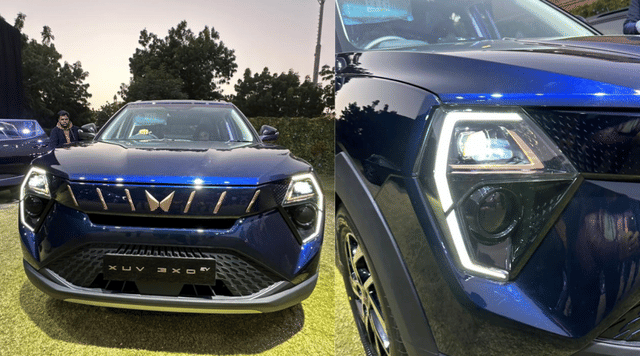
At the front, both versions share the same curvy fascia, LED headlamps, and C-shaped LED DRLs. However, the EV differentiates itself with copper accents instead of the chrome slats seen on the ICE model. The lower bumper also changes slightly, as the EV features a pixel-style closed detailing, while the ICE version uses slats for engine cooling.
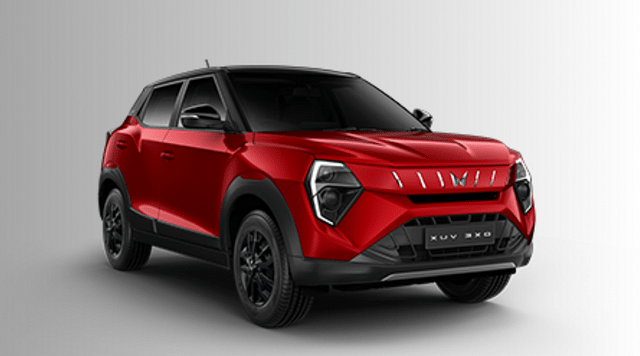
From the side, Mahindra has played it safe. The silhouette, alloy wheels, door handles, and roof rails are identical. The biggest giveaway is the charging port on the left front fender and copper-finished Mahindra logos on the wheel hubs, replacing the chrome badges of the ICE model.
At the rear, changes are minimal once again. Both versions retain identical LED taillamps, but the EV gets a shark-fin antenna and copper-themed badging, helping it subtly stand apart.
Interiors
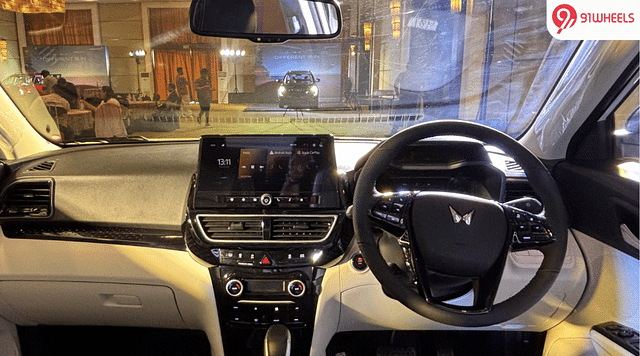
Step inside, and the differences become more noticeable. The EV adopts a beige cabin theme, replacing the lighter white-toned interior of the ICE version. The dashboard layout, twin-screen setup, AC vent placement, steering wheel, and centre console are carried over unchanged, ensuring instant familiarity. Where the EV stands out is in its detailing. Copper highlights appear around the AC vents, climate controls, and seat stitching, giving the cabin a distinct electric identity without going overboard.
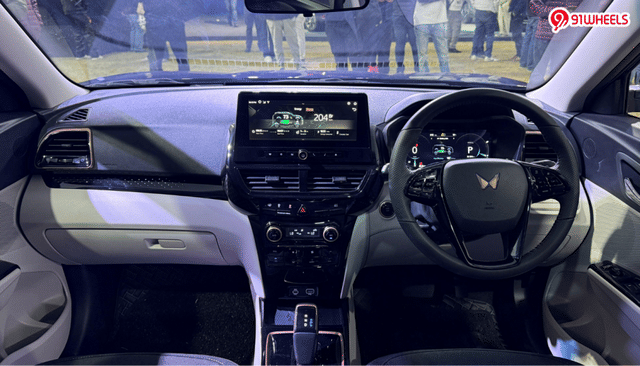
In terms of features and safety, the XUV 3XO EV closely matches the ICE version. It comes equipped with a 10.25-inch touchscreen infotainment system paired with a 10.25-inch digital instrument cluster, a 7-speaker Harman Kardon sound system with Dolby Atmos, wireless Apple CarPlay and Android Auto, dual-zone climate control with rear AC vents, an auto-dimming IRVM, and push-button start. Safety is equally comprehensive, with six airbags, a 360-degree camera, electronic stability control, TPMS, front and rear parking sensors, Level-2 ADAS, and an electronic parking brake with auto hold. The EV is offered in two variants, while the ICE model benefits from a broader range of trims.
Powertrains

The biggest difference between the two lies under the hood. The XUV 3XO EV is powered by a 39.4 kWh battery pack that produces 150 PS and 310 Nm, offering a real-world driving range of around 285 km. On the other hand, the ICE XUV 3XO comes with multiple engine choices, including a 1.2-litre turbo-petrol in two states of tune and a 1.5-litre diesel engine. Buyers also get more flexibility with transmission options such as a 6-speed manual, 6-speed automatic, and a 6-speed AMT.
Pricing
The XUV 3XO EV is priced between Rs 13.89 lakh and Rs 14.96 lakh (ex-showroom). Meanwhile, the ICE XUV 3XO is priced much more aggressively, ranging from Rs 7.28 lakh to Rs 14.40 lakh (ex-showroom).
Read More: Nissan Magnite CNG Now Available With An AMT Option
Verdict
Mahindra has smartly kept the XUV 3XO EV close to its ICE sibling, making the switch to electric feel familiar and fuss-free. While the petrol and diesel versions offer more choice and a wider price spread, the EV stands out with its smooth performance, premium detailing, and zero-emission driving. Ultimately, the decision comes down to usage; urban buyers with predictable daily runs will find the EV appealing, while those seeking flexibility and lower upfront costs may prefer the ICE version.
Do you like this article?
Comments
No comments yet. Be the first to comment!



.jpg?w=240&q=40 "Kia India Unveils the Syros EV, Available with BaaS; Pre-Bookings Open")




-1.png?w=240&q=40 "Kia Syros EV Key Features Explained: Level 2 ADAS, 360 Degree Camera and Ventilated Seats: Check Here")