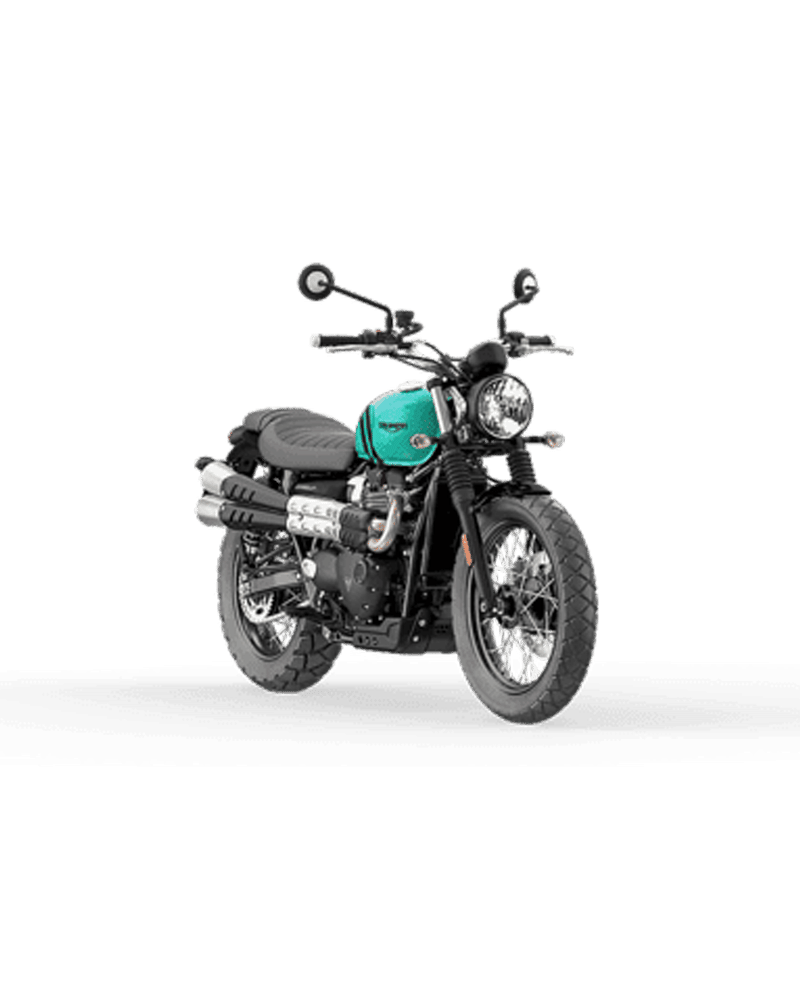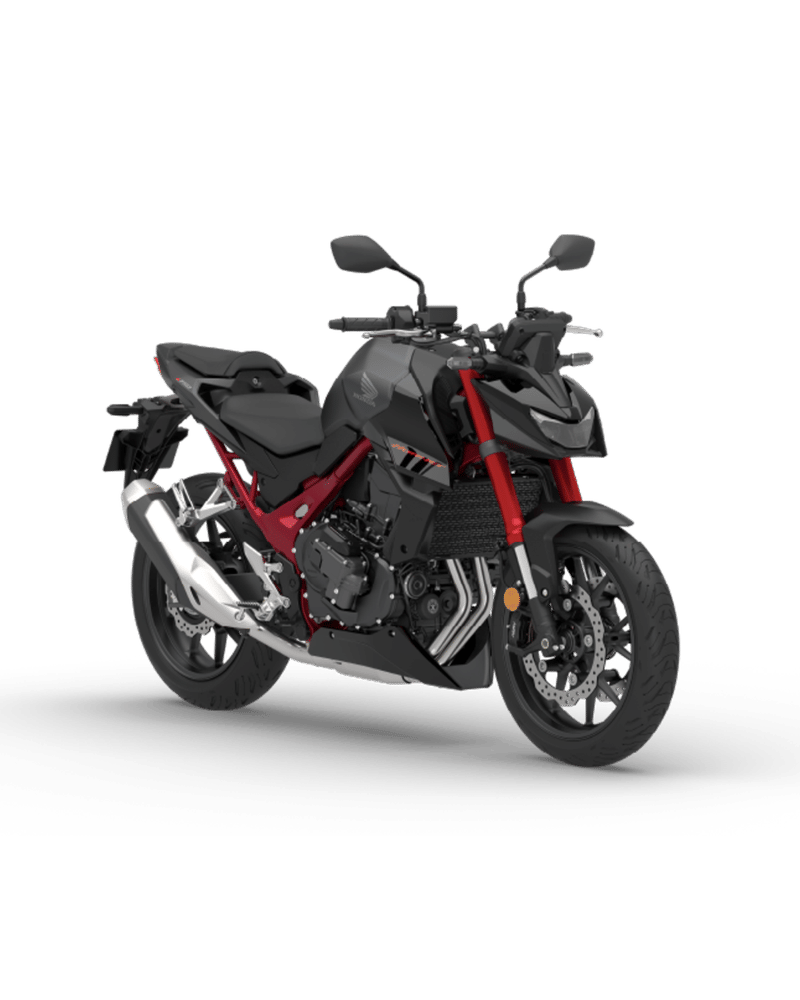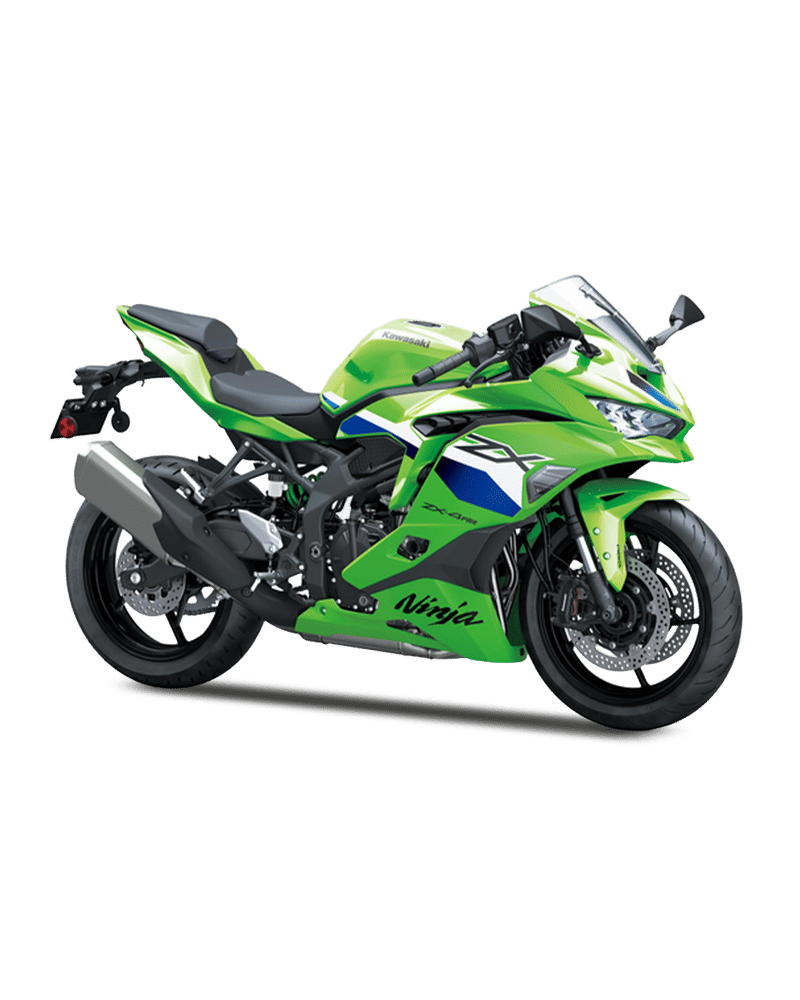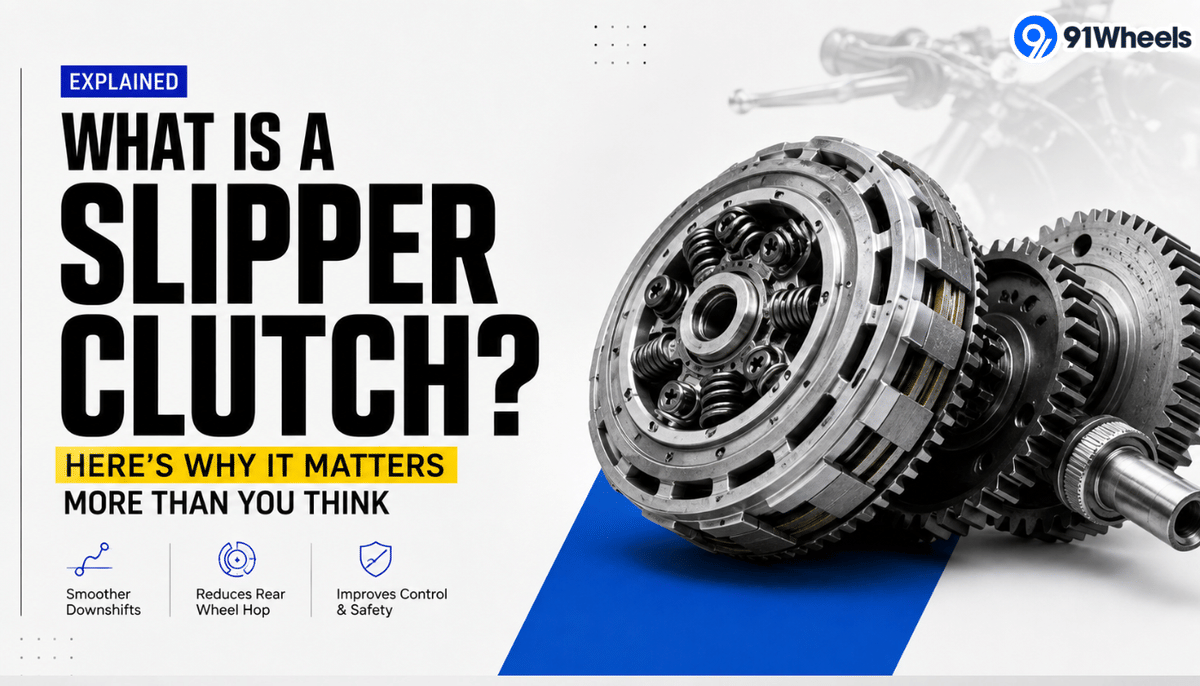
Slipper Clutch. You must have heard this word if you keep even a bit of interest in motorcycles. For enthusiasts, this isn't new anymore, almost every third bike today has this feature. But if you're not that deep into bikes, or you're new to the term, this article is for you, because we're breaking down exactly what it does and why it's become such a big deal. Ever downshifted hard into a corner and felt the rear wheel go light or hop for a split second? That's engine braking fighting your wheel speed, more common than most riders admit, and it's exactly what a slipper clutch is built to fix. Scroll down for the full breakdown.
What A Slipper Clutch?
.png)
A slipper clutch, also called a back-torque limiter, is a clutch built to stop your rear wheel from locking up or hopping when you downshift hard and fast. It does this using a ramped mechanism inside the clutch assembly. The moment there's a mismatch between engine speed and wheel speed during an aggressive downshift, this ramp design partially separates the clutch plates on its own, easing off the engine braking so the rear wheel keeps turning smoothly instead of getting fought into line. All of this happens automatically, without you ever touching the clutch lever.
.png)
To give you a better understanding of what problem it solves. Think about the last time you were riding fast and had to drop two or three gears in one go, maybe braking hard into a corner. Normally, your engine and rear wheel stay in sync, moving at a pace that matches each other. But downshift too many gears too quickly, and you're asking the engine to slow down far faster than the wheel actually wants to. Something has to give. Without a slipper clutch, what gives is your rear wheel. It hops, chatters, or locks up for a split second, fighting an engine that's suddenly acting like a brake. On a straight road that's annoying. Mid-corner, that's how riders lose the front or the rear. In simple words, a slipper clutch lets the clutch "slip" on purpose, just enough to save you from that lockup.
Assist & Slipper Clutch: What's The Difference?
.png)
Now what is Assist? We can call it the better half of the slipper clutch. If you have come across any spec sheet you've probably seen "assist & slipper clutch" written more often than just "slipper clutch." It is not a market marketing gimmick or a brand terminology; it's actually two features bundled into one. The slipper part performs the job that we have covered in the first paragraph however the assist part is a separate thing altogether, it makes the clutch lever lighter to pull in daily riding. This works because of that same ramped design which let the plates separate during a downshift and vice versa under normal acceleration. One of the reasons why most 150cc to 200cc bikes in India today advertise this combo rather than a slipper clutch alone. You get the safety net on downshifts and an easier clutch hand in traffic, which matters a lot if you're commuting through stop-and-go city riding every day.
Slipper Clutch and Quickshifter: Same or Different
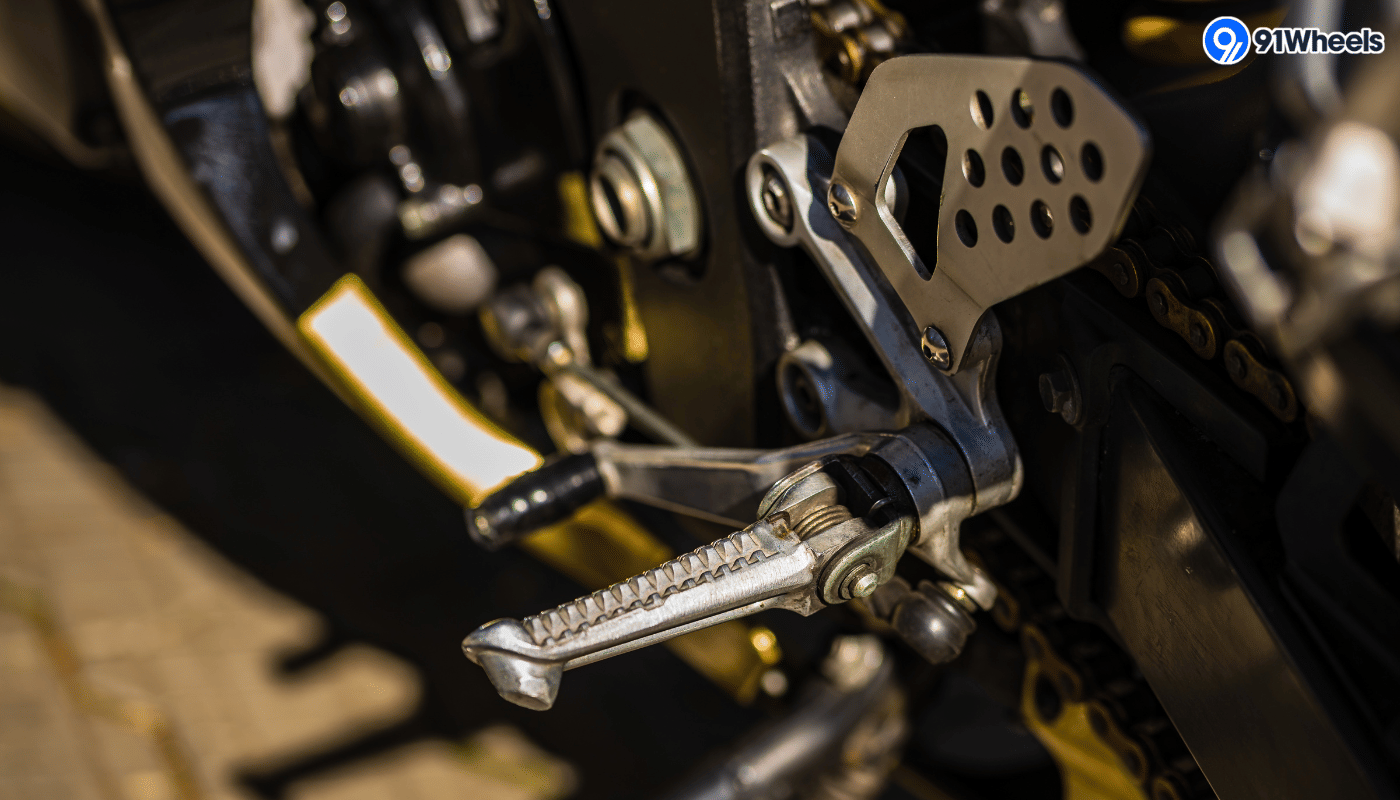
One of the common misunderstandings among new riders is assuming that a slipper clutch and a quickshifter do the same job. The straight answer is no, they don't, they were both engineered to perform separate jobs and mixing them up leads to wrong expectations.
A quickshifter simply means a mechanism that allows the riders to shift up without pressing the clutch lever. There's a sensor on the shift lever that feels the moment you push it, and it instantly cuts power to the engine for a split second, just enough to take the strain off the gearbox, so you can shift gears fast while on full throttle, without touching the clutch. Whereas, a slipper clutch works the opposite direction, it deals with downshifts, specifically the moment the rear wheel and engine speed clash under braking. Some bikes now come with both, and higher-end quickshifters even include an auto-blip function for downshifts, which does electronically what a slipper clutch does mechanically. But a slipper clutch works purely off mechanical design inside the clutch itself, no electronics involved, which is also why it tends to be more reliable and needs no calibration.
Slipper & Assist Clutch: Pros and Cons
-1.png)
Having a slipper and assist clutch on your bike genuinely changes both how it rides and how it feels in your hand every single day. It's worth weighing what you gain against what you're missing out on if your bike doesn't have it.
Pros of having it:
- Slipper clutch prevents rear wheel hop and lockup during hard downshifts, keeping the bike stable under braking.
- Assist function lightens clutch lever pull, reducing hand fatigue during long commutes or heavy traffic riding daily.
- Protects tyre contact patch and rear suspension from repeated shock caused by aggressive or mistimed downshifts.
- Builds rider confidence entering corners fast, since sudden downshifts won't unsettle the motorcycle mid-turn anymore.
.png)
Cons of not having it:
- Without a slipper clutch, aggressive downshifts risk sudden rear wheel lockup, especially dangerous mid-corner or in wet conditions.
- Without the assist function, the clutch lever feels heavier, tiring your hand faster in daily stop-and-go traffic.
- Without either feature, riders must rely entirely on precise throttle blipping and rev-matching skills every single downshift.
- Bikes without this combo often cost less, but that savings comes directly at the expense of rider safety margin.
Our Verdict
In Indian conditions, the assist function matters more day to day, a lighter clutch lever through constant traffic jams is genuine comfort, not a gimmick. The slipper part earns its keep on sudden highway braking, potholes, or ghat rides, all common on our roads. If it's a small price bump over your chosen variant, take it without overthinking, it's real safety margin and even helps resale value later. But don't jump to a pricier variant just for this one feature if your riding stays gentle and mostly within city limits.
Do you like this article?
Comments
No comments yet. Be the first to comment!