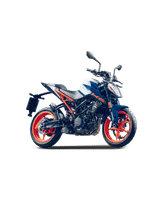
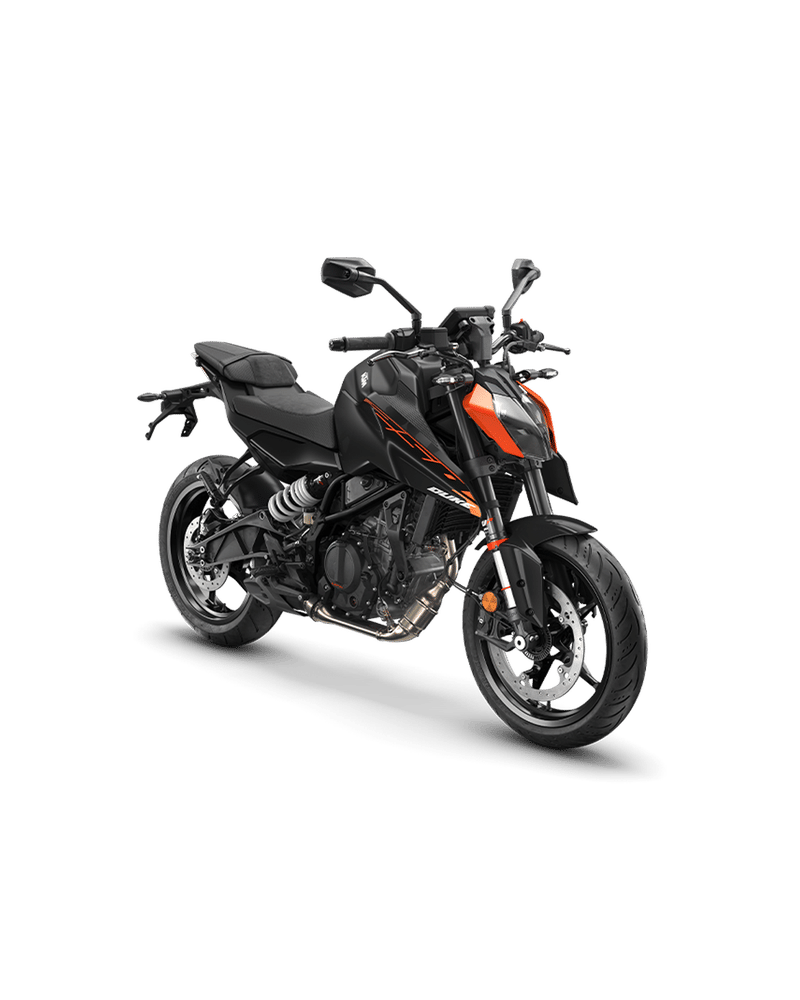
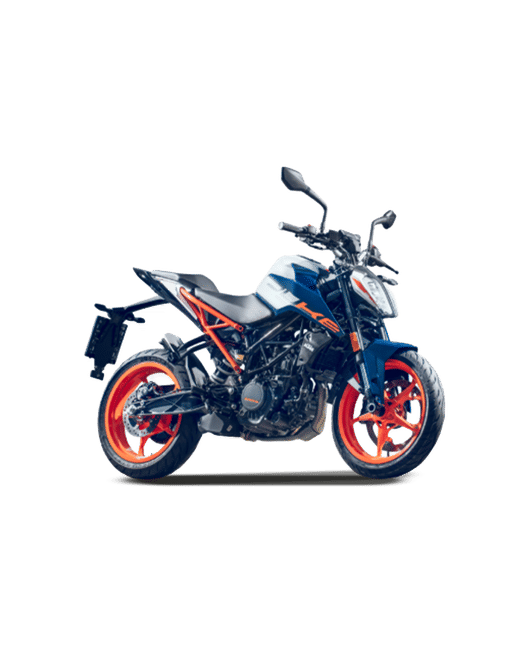
KTM 160 Duke Specifications
164.2 cc
Engine Capacity
815 mm
Seat Height
147 kg
Kerb Weight
10.1 Litres
Fuel Tank Capacity
Disc
Front Brake Type
18.74 PS @ 9500 rpm
Max Power
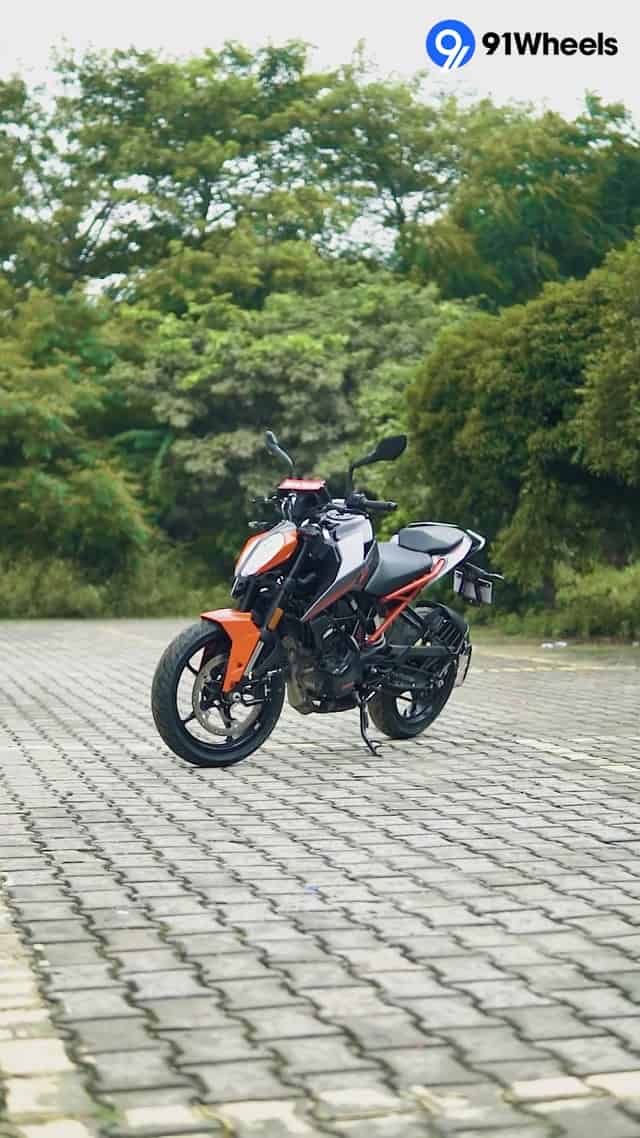
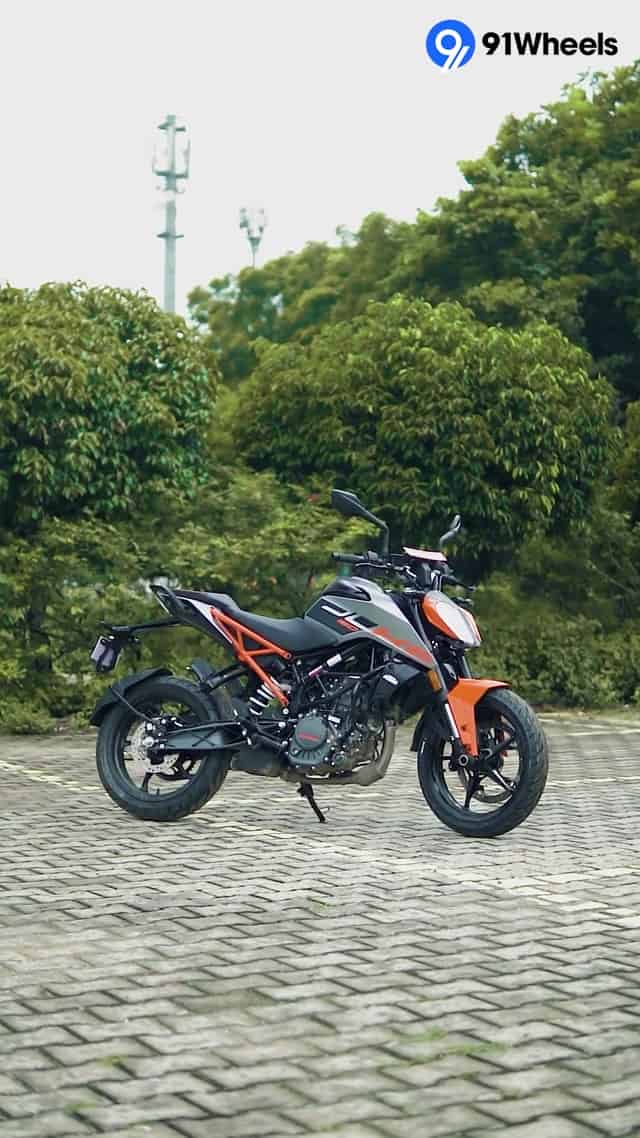
KTM 160 Duke have 2 variants ranging from ₹ 1.74 Lakh* to ₹ 1.86 Lakh*. 160 Duke is powered by a 1 cylinder, 164.2 cc, Liquid Cooled 4 stroke Single Cylinder SOHC Internal Combustion Engine.
It is able to produce 15.5 Nm @ 7500 rpm torque and 18.74 PS @ 9500 rpm power.
Keep scrolling to explore detailed configuration, features and technical specs of 160 Duke.
KTM 160 Duke Weight & Height
The seat height of KTM 160 Duke is 815 mm and the kerb weight is 147 kg. In other dimensions 160 Duke has 2020 mm Length, 873 mm Width, 822 mm Height, 1357 mm Wheelbase, 174 mm Ground Clearance, 10.1 litres Fuel Tank Capacity.KTM 160 Duke Body
KTM 160 Duke has WP Apex upside-down (USD) forks suspensions with front tyre and WP Apex monoshock suspensions with rear tyre. It comes with a Split-Trellis frame.KTM 160 Duke Alternatives
Main Competitors of 160 Duke bike are Bajaj Pulsar NS200, KTM 250 Duke, Husqvarna Vitpilen 250, Yamaha R15 V4, Bajaj Pulsar RS 200, Royal Enfield Bullet 350, Yamaha MT 15 V2, Hero Xtreme 250R, Hero Xpulse 210, Bajaj Dominar 250.KTM 160 Duke Latest Price
160 Duke is available in India starting from ₹ 1.74 Lakh* with it's least expensive variant being STD. Most expensive variant of 160 Duke is TFT priced at ₹ 1.86 Lakh*.Keep scrolling to explore detailed configuration, features and technical specs of 160 Duke.
KTM 160 Duke Highlights
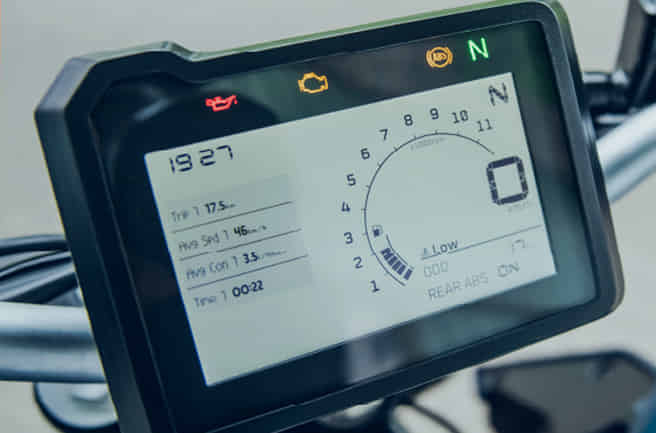
LCD Digital Instrument Cluster
Provides clear, real-time riding information with high visibility across varying lighting conditions.
Know More
Supermoto ABS
Allows controlled rear-wheel lock-up for aggressive cornering and advanced riding manoeuvres.
Know More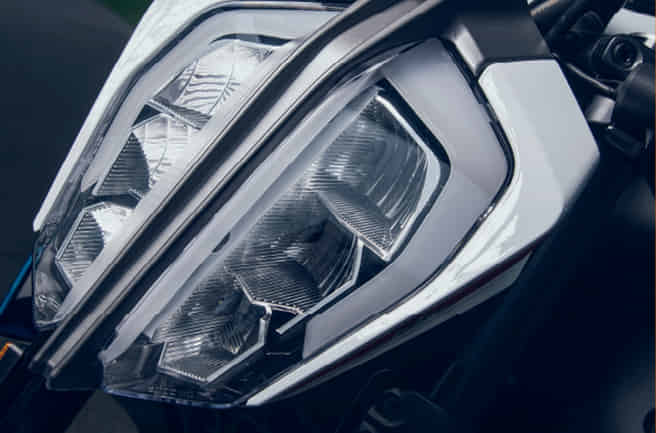
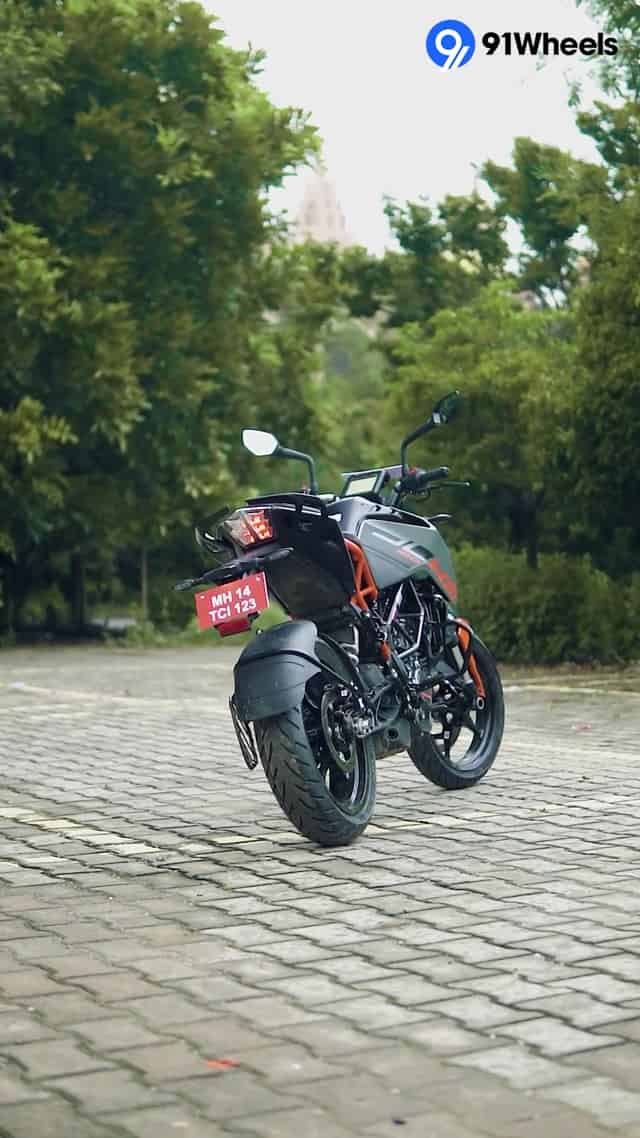
Full LED Lighitng
Enhances visibility and efficiency while lending the motorcycle a modern, premium appearance.
Know More
Turn-by-turn Navigation
Provides real-time, step-by-step directions on the instrument display for hassle-free navigation.
Know More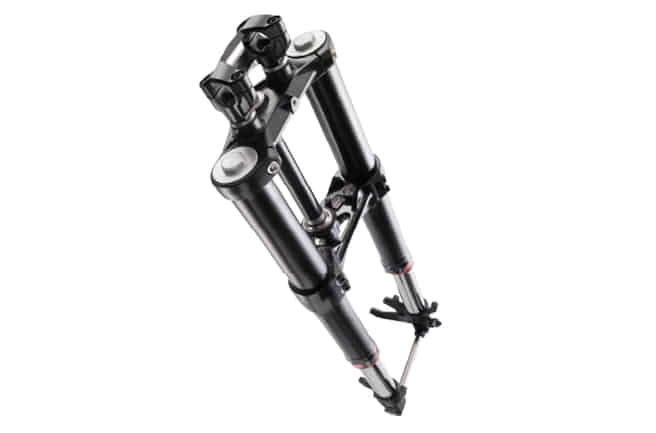
Upside Down Front Forks
Delivers precise front-end feedback, improved stability, and confident handling across varied terrai...
Know More
Variant Wise Comparison
STD
Base Variant₹ 1.74 Lakh*
TFT
Top Variant₹ 1.86 Lakh*
Engine Type | Liquid Cooled 4 stroke Single Cylinder SOHC Internal Combustion Engine | Liquid Cooled 4 stroke Single Cylinder SOHC Internal Combustion Engine |
Fuel Type | Petrol | Petrol |
Engine Capacity | 164.2 cc | 164.2 cc |
Max Power | 18.74 PS @ 9500 rpm | 18.74 PS @ 9500 rpm |
Max Torque | 15.5 Nm @ 7500 rpm | 15.5 Nm @ 7500 rpm |

4.4
₹1.74 - ₹1.86 Lakh*
Ex-Showroom Price
Explore KTM 160 Duke
Ad
Loading...
Loading...
Loading...
Didn't Find Your Question? Ask an Expert

Loading...
Loading...