The JSW Automotive Gambit: Can a Steel Giant Forge India’s Third Great Car Power?

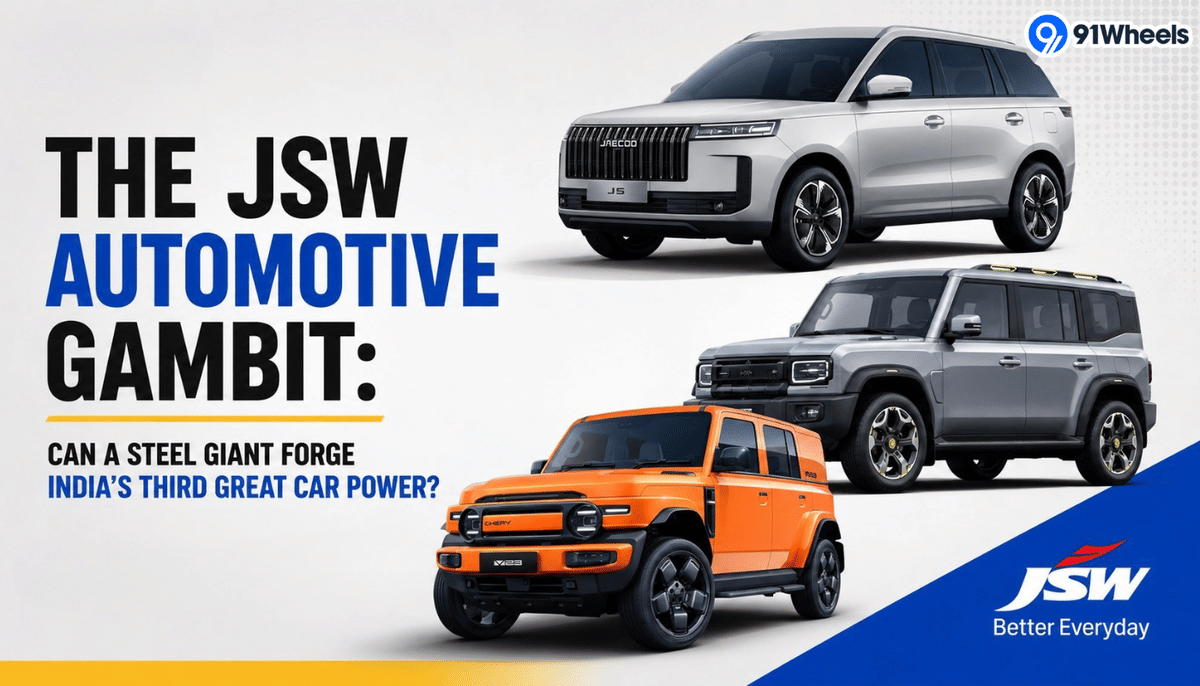
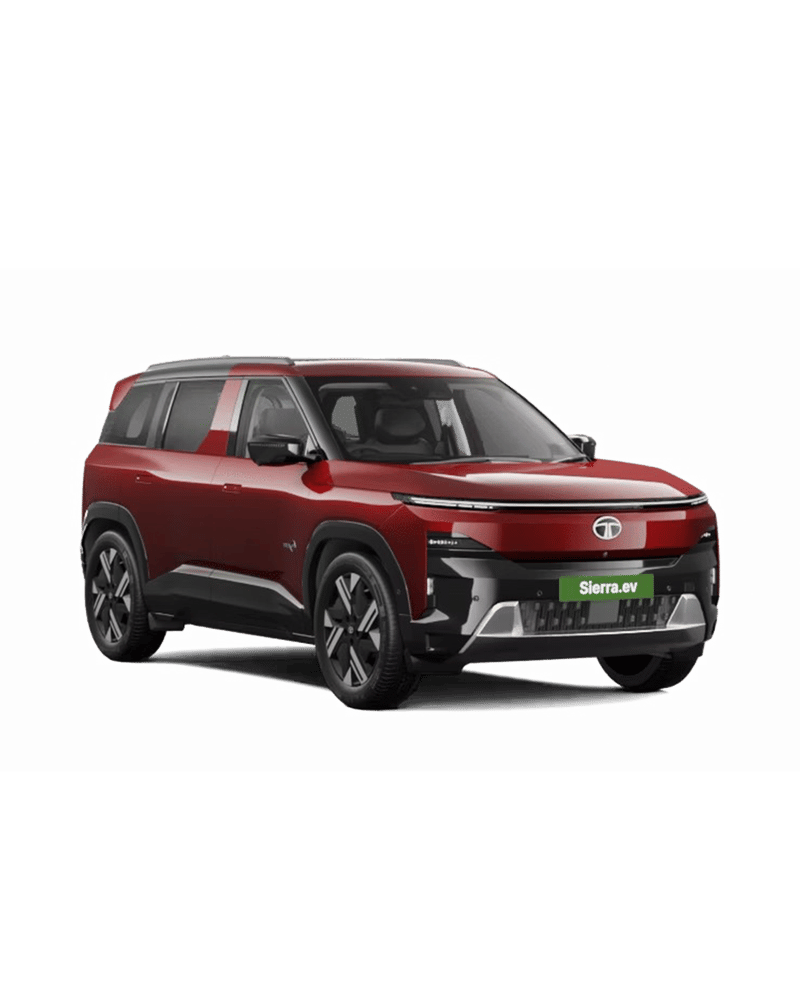
For decades, the Indian automotive landscape has been defined by two domestic titans: Tata Motors and Mahindra & Mahindra. While global players have come and gone, these two have remained the standard-bearers of Indian engineering. However, a new challenger is emerging from the industrial heartlands of the USD 23 billion Jindal Group. JSW Motors is not merely looking to join the fray; it is positioning itself to become the country's third definitive automotive power.
The strategy, however, has sparked intense debate. Rather than debuting with a ground-up Indian design, JSW is entering the market by leveraging Chinese platforms and imports, specifically through a partnership involving Chery's Jetour brand. This raises a critical question for the industry: Is the path to building a major Indian auto brand truly "easy" when it relies on the foundations of Chinese imports?
The "Household Name" Ambition: Why JSW is Moving Beyond Steel
JSW Group is already a dominant force in steel, energy, cement, and infrastructure. Yet, there is a fundamental limitation to being an industrial giant: you rarely become a part of the daily consciousness of the average citizen. Selling high-grade steel is lucrative, but it doesn't earn a seat at the family dinner table.
The primary driver for JSW Motors is mainstream brand recognition. A passenger vehicle is a highly visible consumer product that can turn an industrial conglomerate into a household name overnight. Beyond prestige, JSW sees a massive opportunity in the shifting sands of the energy transition. With NITI Aayog targeting a 33% EV penetration by 2030, JSW has set an incredibly aggressive goal: they want to capture one-third of the Indian electric vehicle market by the end of the decade. This is a bold claim, considering their target sales would need to exceed the current combined EV output of both Tata and Mahindra.
The Steel Synergy: A Secret Weapon in Margins
While many see JSW as an "outsider" to the car world, they possess a unique industrial advantage: vertical integration. Approximately 60% to 65% of a vehicle's weight consists of steel. In terms of cost, steel accounts for roughly 8% to 12% of a car’s total bill of materials.
By utilizing their own automotive-grade steel, JSW Motors can bypass the profit margins usually paid to third-party suppliers. This provides them with an estimated 3% to 5% margin advantage per vehicle. In an industry where net margins typically hover between 6% and 8%, this "sister company" benefit is a significant head start. Furthermore, because electric vehicles (EVs) are significantly heavier due to battery packs, they require ultra-high-strength steel to prevent the chassis from flexing. JSW’s five-year investment in advanced automotive steel types gives them a technical and financial edge in the EV era.
The "Shortcut" Logic: Why Rebadge Instead of Invent?
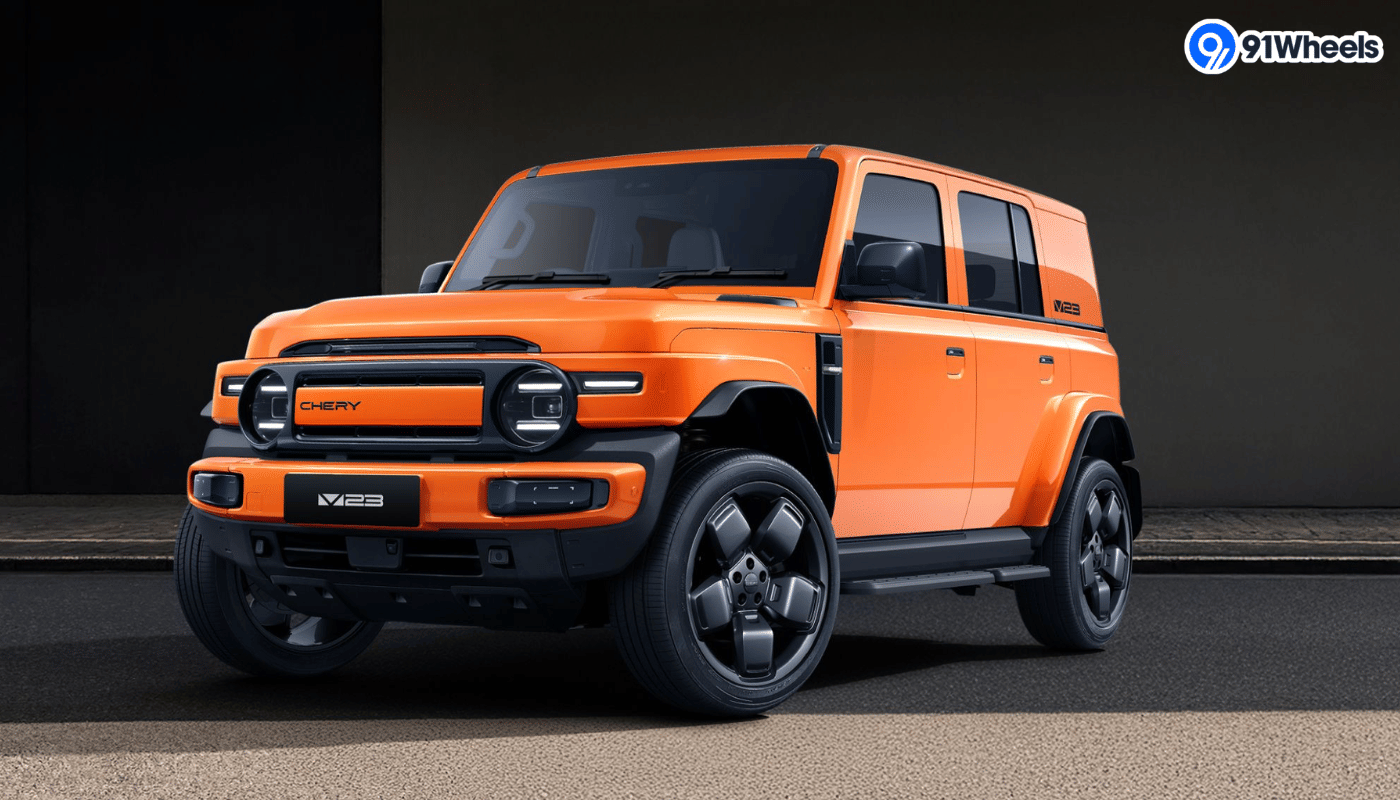
A common criticism of JSW's entry is their reliance on rebadging Chinese cars rather than designing a "Made in India" SUV from scratch. However, from a business perspective, the decision is rooted in the most precious commodity: time.
Developing a new vehicle from the ground up - covering engineering, testing, and certification takes even established players five to seven years. For a brand-new entrant, that timeline can stretch to a decade. History shows that today’s global leaders often used "borrowed" foundations to find their footing:
- Hyundai: Started by assembling the Ford Cortina in 1968 before launching its own car, the Pony, seven years later.
- Mahindra: Began its journey by assembling Willys Jeeps under license in 1947. It took decades of variation before they transitioned into the completely original designs and engines seen in the last 20 years.
- Skoda: Was essentially revived in the 1990s through a partnership with Volkswagen, sharing platforms to create legendary models like the Octavia.
JSW is following this historical blueprint. By using ready-made platforms, they can understand the market and establish a service network while their internal R&D matures. JSW currently employs 150 engineers, but they plan to scale this to 2,000 engineers by 2029, signaling a clear intent to move toward full, independent car development in the future.
The China Strategy: A Strategic Necessity
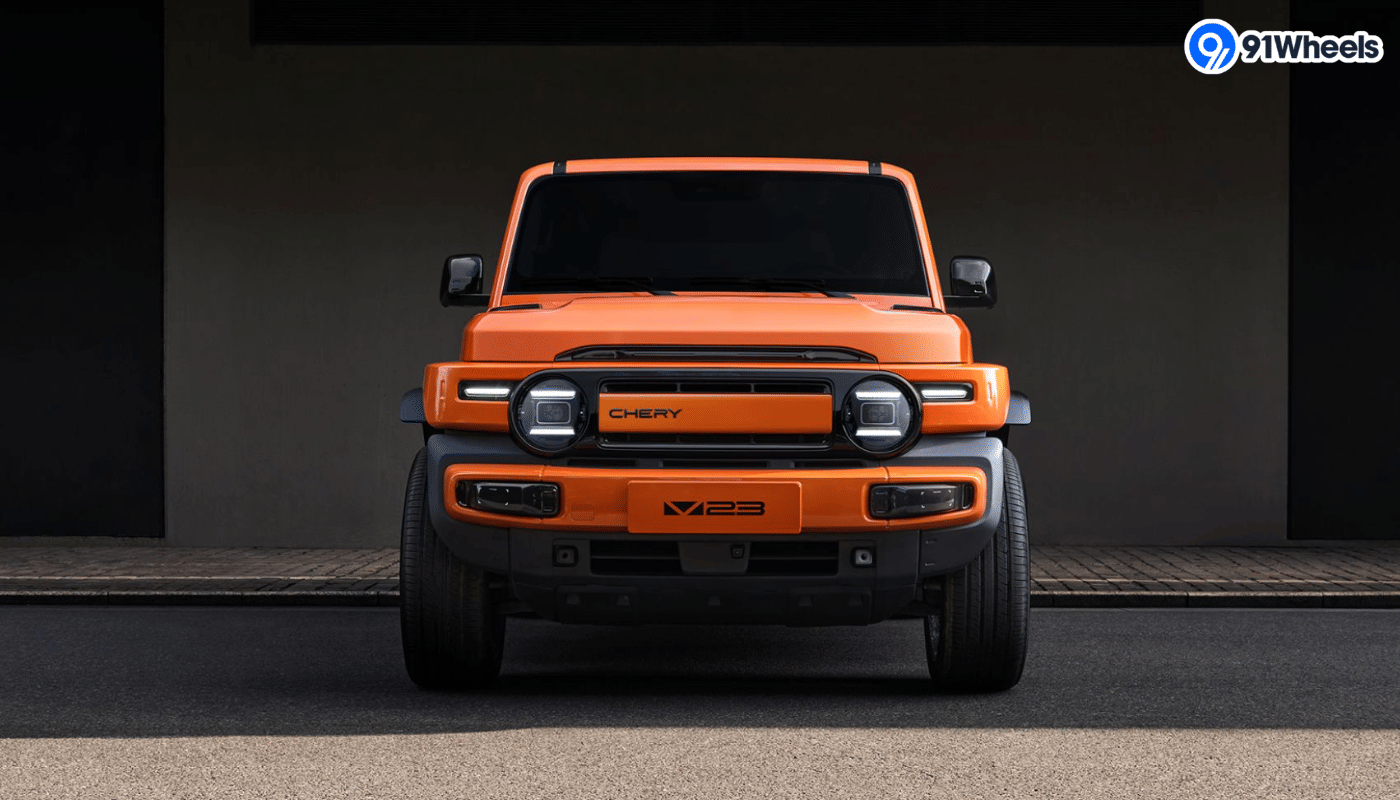
Choosing Chinese partners like Jetour (a sub-brand of Chery) is a calculated move based on the current state of the global auto industry. China currently hosts the world’s most sophisticated EV ecosystem, leading in battery technology, motor efficiency and software integration.
By partnering with Chinese OEMs, JSW gains several advantages:
- Supply Chain Security: China controls much of the rare earth materials and battery cell production essential for EVs.
- Cost-to-Value Ratio: Chinese manufacturers are currently producing more technologically advanced cars at lower price points than many Western counterparts.
- Geopolitical Arbitrage: Since the 2020 Galwan Valley incident, Indian regulations (Press Note 3) have made it nearly impossible for Chinese companies to invest directly in India. Brands like BYD have struggled to set up plants. JSW acts as the "Indian face," providing a win-win: the Chinese OEM gets access to the world’s second-largest market and JSW gets a world-class product to sell.
The Product Spearhead: The Jetour T2 and Plug-in Hybrids
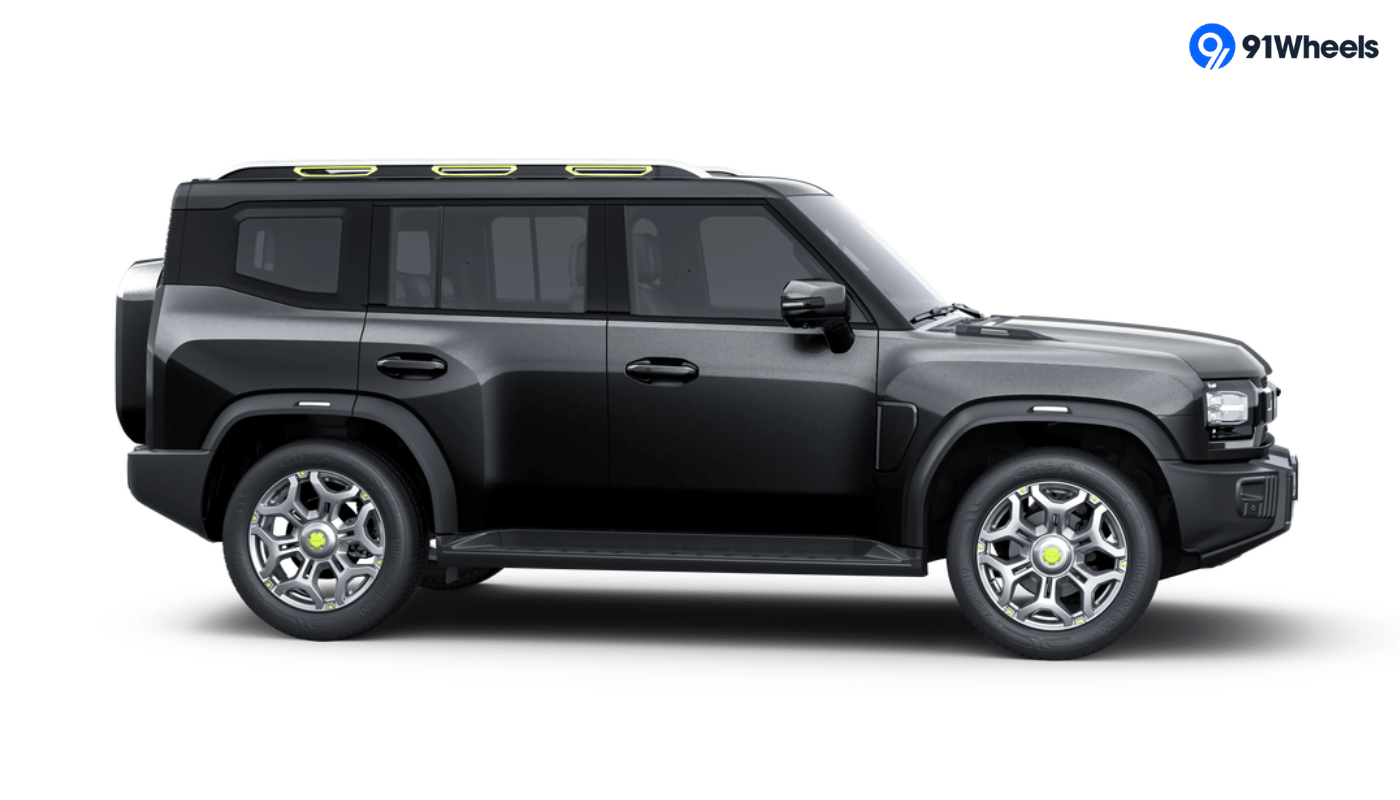
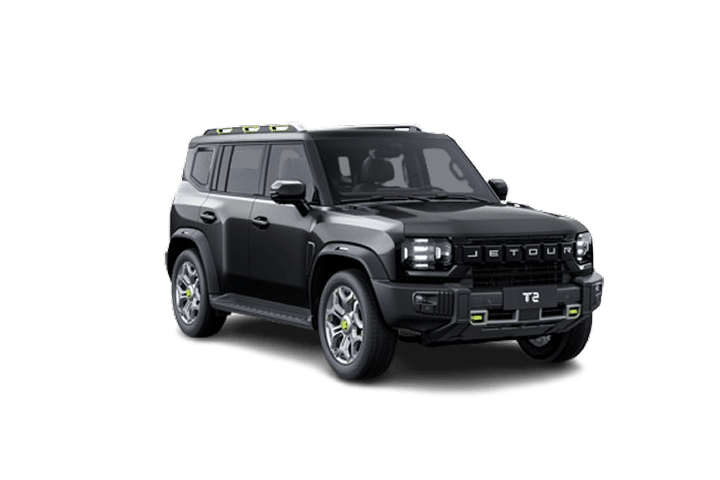
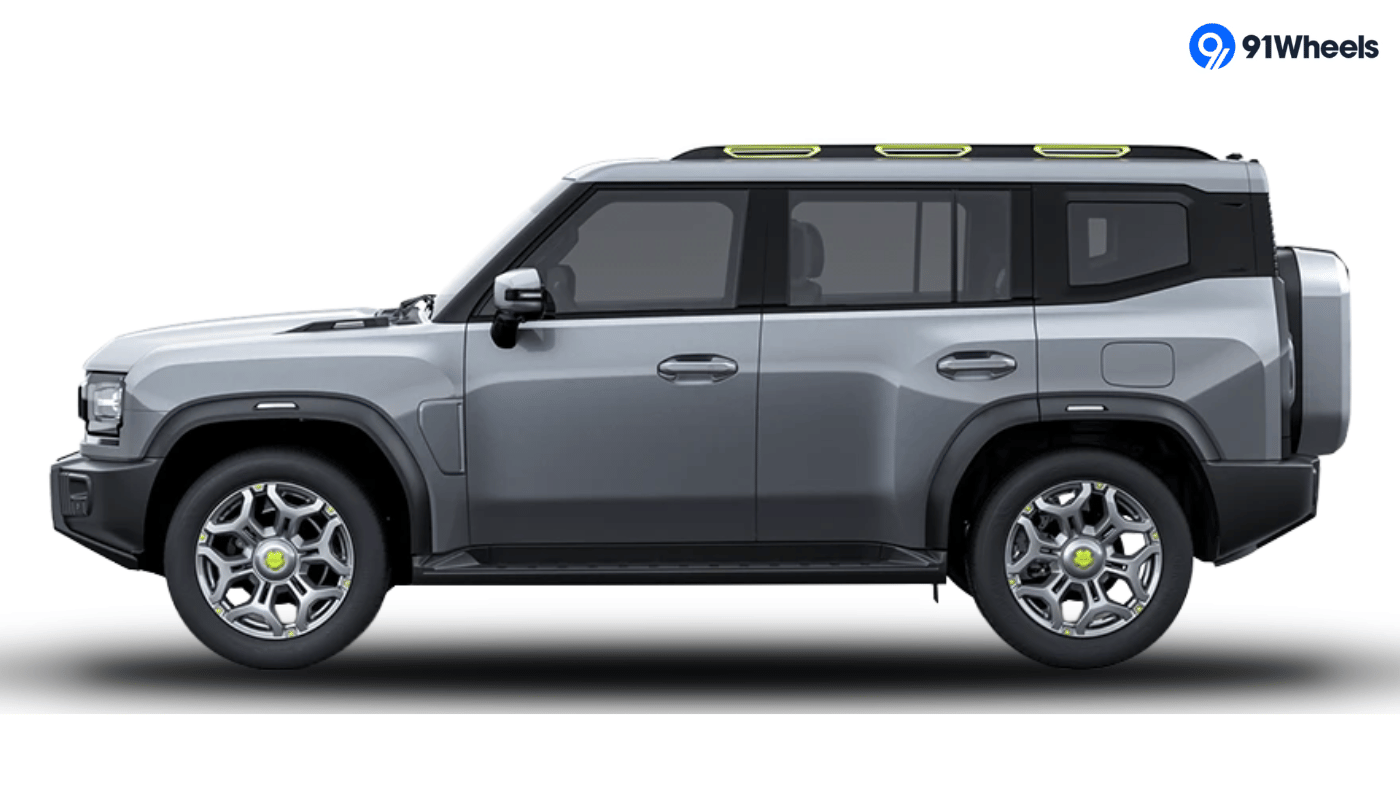
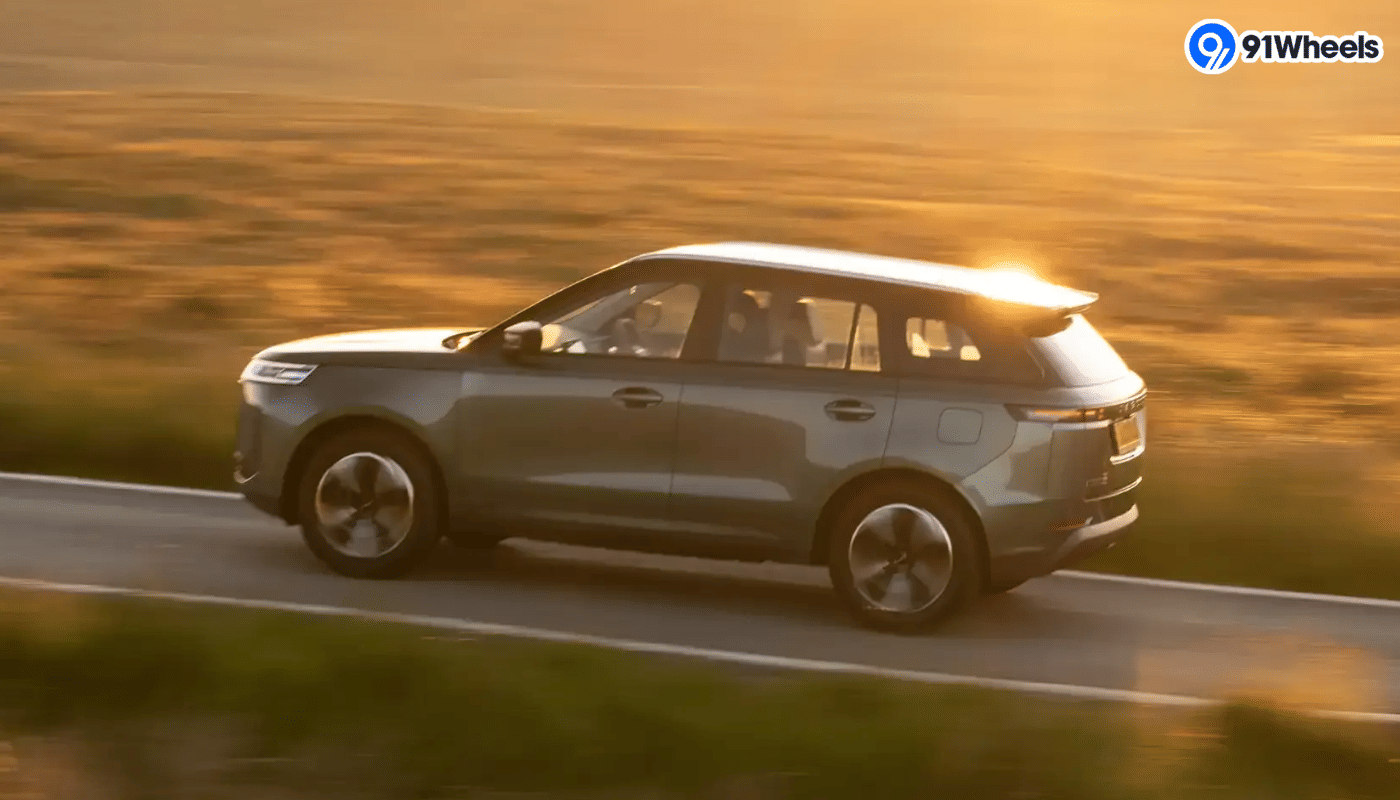
The first vehicle generating buzz is the Jetour T2, an SUV that bears a striking resemblance to the Land Rover Defender - a design language that is currently a global trend. But the T2’s appeal goes beyond aesthetics. It is positioned to be the first vehicle under Rs. 50 lakh in India to offer a Plug-in Hybrid (PHEV) powertrain.
This technology addresses the primary concern of Indian buyers: range anxiety. The T2 features a 26.7 kWh battery pack, allowing for a 100-km pure electric range - enough for most daily commutes without ever engaging the internal combustion engine. For longer journeys, the combined petrol and electric system offers a staggering 1,000-km total range. This "best of both worlds" approach could be the USP that helps JSW carve out a niche between traditional ICE vehicles and pure EVs.
The Reality Check: Is it Truly "Easy"?
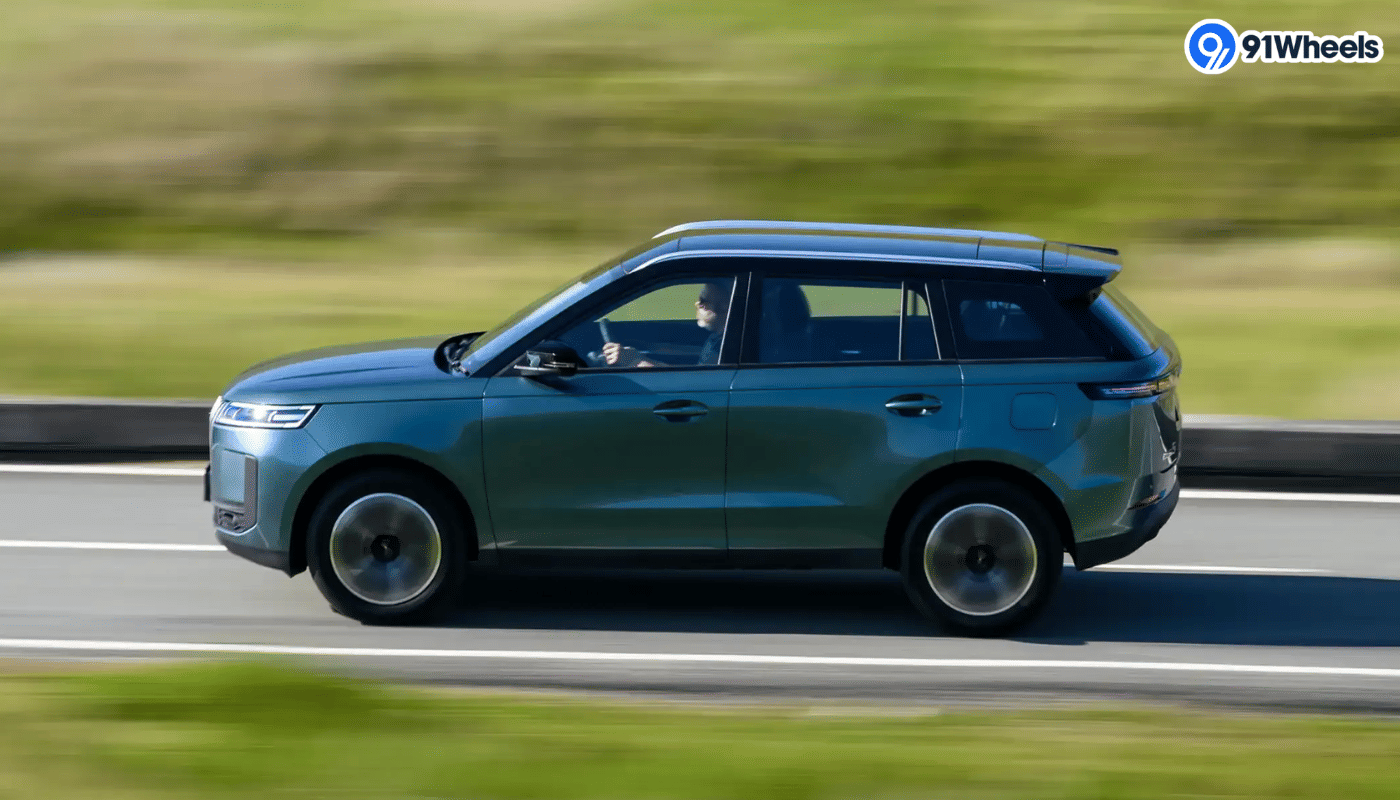
While the strategy is sound on paper, the execution is fraught with hurdles that suggest JSW’s journey will be anything but easy.
1. The Regulatory Gauntlet
The same "Press Note 3" that gives JSW an advantage also creates a bureaucratic nightmare. JSW has already faced significant delays in getting approvals to import essential components like glass, windscreens, and sunroofs from Chinese suppliers. If these approvals are not streamlined, their launch timelines could slip by years.
2. The PLI Limitation
The Indian government’s Production Linked Incentive (PLI) scheme offers financial rewards for EV manufacturing, but it requires at least 50% domestic value addition. Because JSW is starting with the CKD (Completely Knocked Down) route - where parts are imported and merely assembled - they will likely miss out on these lucrative government incentives in the initial phase. While they aim for 80% localization by the end of their first year, the initial cost structure will be high.
3. The Sentiment Barrier
There remains a vocal segment of the Indian population that is hesitant to purchase Chinese-origin products due to fluctuating bilateral relations. JSW is banking on the fact that as an Indian brand employing Indian workers and reinvesting capital within the country, they can overcome this "origin" stigma. They point to the success of the MG Windsor, currently a top-selling EV, as proof that Indian consumers ultimately prioritize value and product quality over online geopolitical noise.
Conclusion: A High-Stakes Transformation
JSW Motors is attempting a rapid transformation from a raw material supplier to a high-tech mobility provider. By utilizing Chinese imports as a springboard, they are trading short-term "originality" for long-term market speed and technological parity.
Is it easy? No. The regulatory environment is hostile, the competition from Tata and Mahindra is fierce, and the reliance on Chinese supply chains is a geopolitical risk. However, with the financial muscle of the Jindal Group, a significant cost advantage in steel, and a product strategy focused on the high-growth PHEV and EV segments, JSW is better positioned than any other recent entrant to become India’s third great auto power. The transition from rebadging imports to developing homegrown innovations will be the true test of whether JSW can move from being a steel giant to an automotive legend.
Do you like this article?
Comments
No comments yet. Be the first to comment!