How to Choose Your First Electric Scooter in 2026: A Guide for Every Kind of Rider

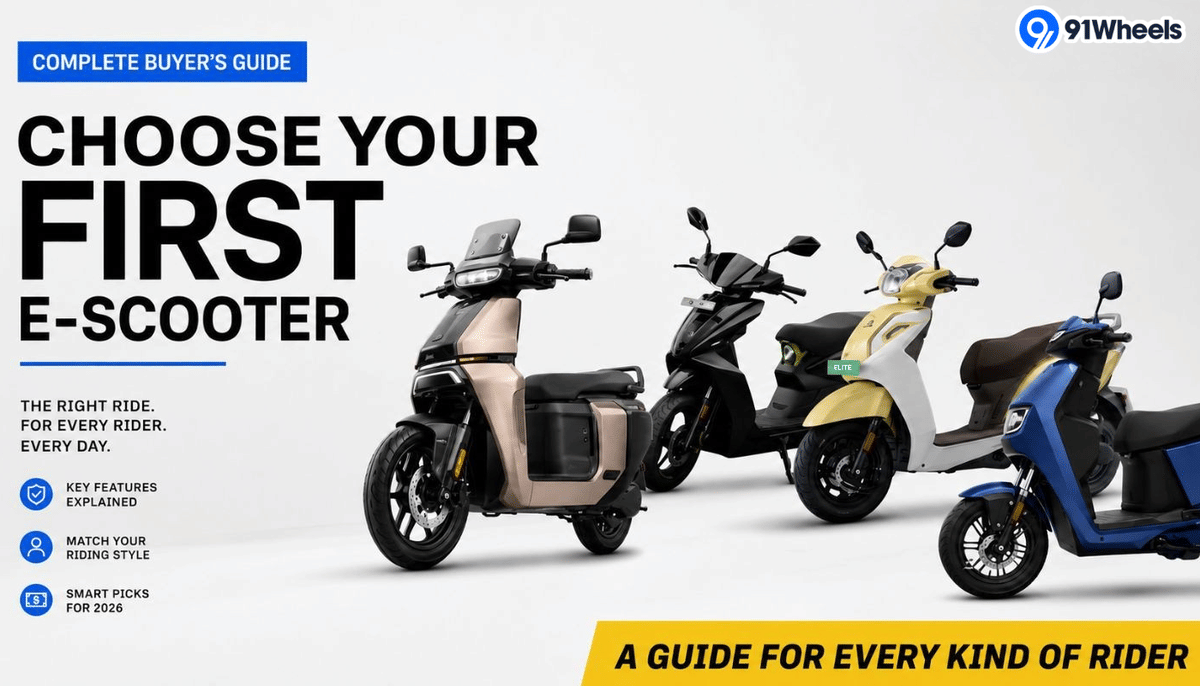
The Indian two-wheeler market is steadily shifting toward electric mobility, with scooters now being built for very different kinds of riders - daily commuters, college students, and tech enthusiasts all want something different from their scooter. The trouble is, most first-time buyers get lost comparing spec sheets instead of asking the one question that actually matters: how do I actually ride, day to day?
So instead of another spec-by-spec comparison, here's a guide split by rider type.
The Budget-Conscious Rider
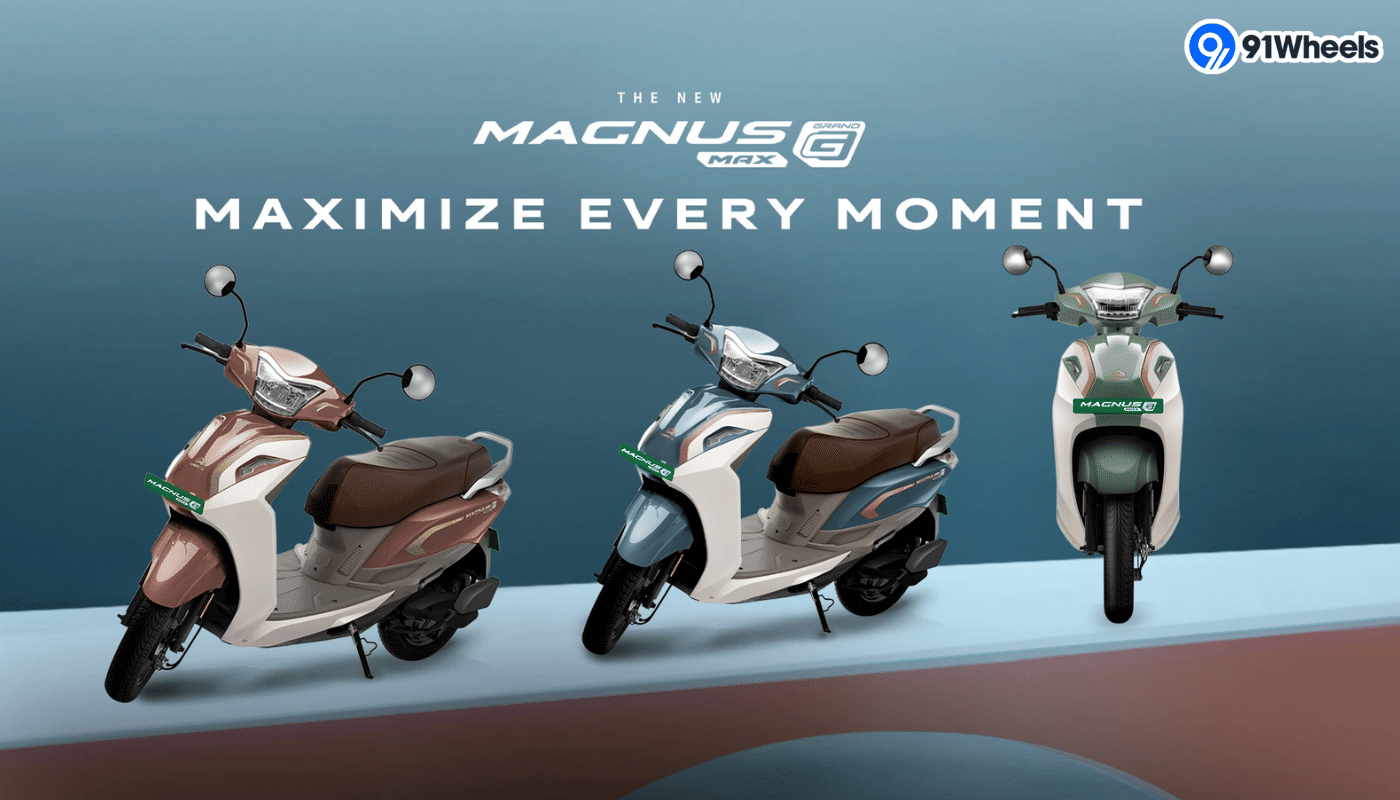
For a lot of buyers, the EV journey begins with one clear priority: price. In today's market, a well-specced electric scooter can easily push past Rs 1.5 lakh, leaving value-conscious buyers stuck choosing between build quality, component reliability, and after-sales support just to stay within budget. A handful of scooters manage to sidestep that trade-off, offering solid engineering and sharp design without inflating the price tag.
Model | Price (Ex-showroom) | Key Highlights | Brand Backing |
|---|---|---|---|
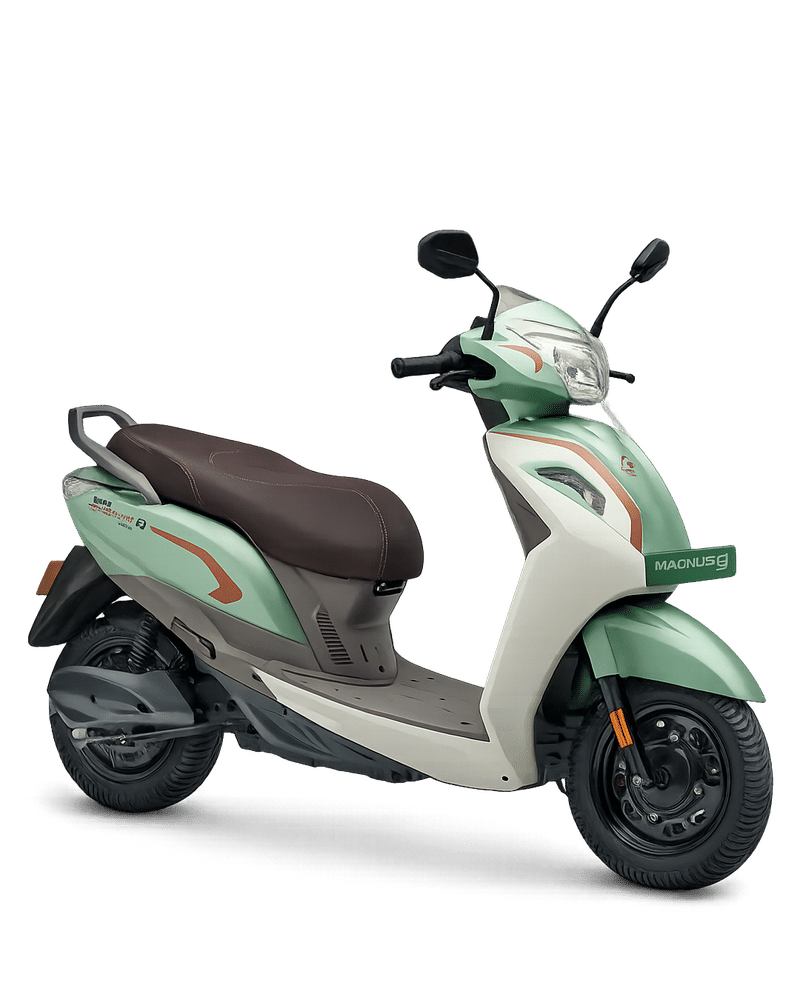
Ampere Magnus G Max | Rs 91,499 | LFP battery for enhanced safety and longevity, dependable daily-use performance, expanding service network | Greaves Electric Mobility |
Hero Vida VX2 | Rs 78,740 (base variant) | Geofencing, crash alerts, removable battery, feature-rich package | Hero MotoCorp |
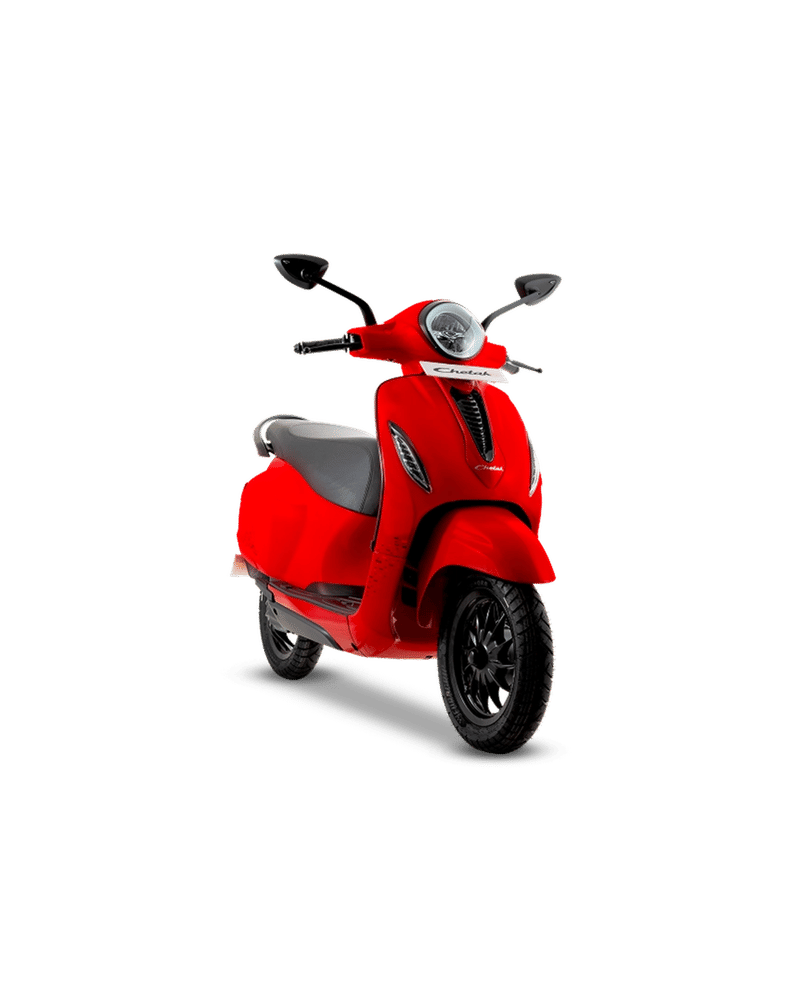
Bajaj Chetak C2501 | Rs 91,504 | Metal body, strong build quality, focus on reliability and durability | Bajaj Auto |
TVS Orbiter | Rs 49,999 - Rs 88,250 | Silent ride, comfortable suspension setup, value-focused positioning | TVS Motor Company |
Ola S1X Gen 3 | Rs 84,999 | Connected features, smartphone integration, modern software ecosystem | Ola Electric |
The Feature-First Buyer
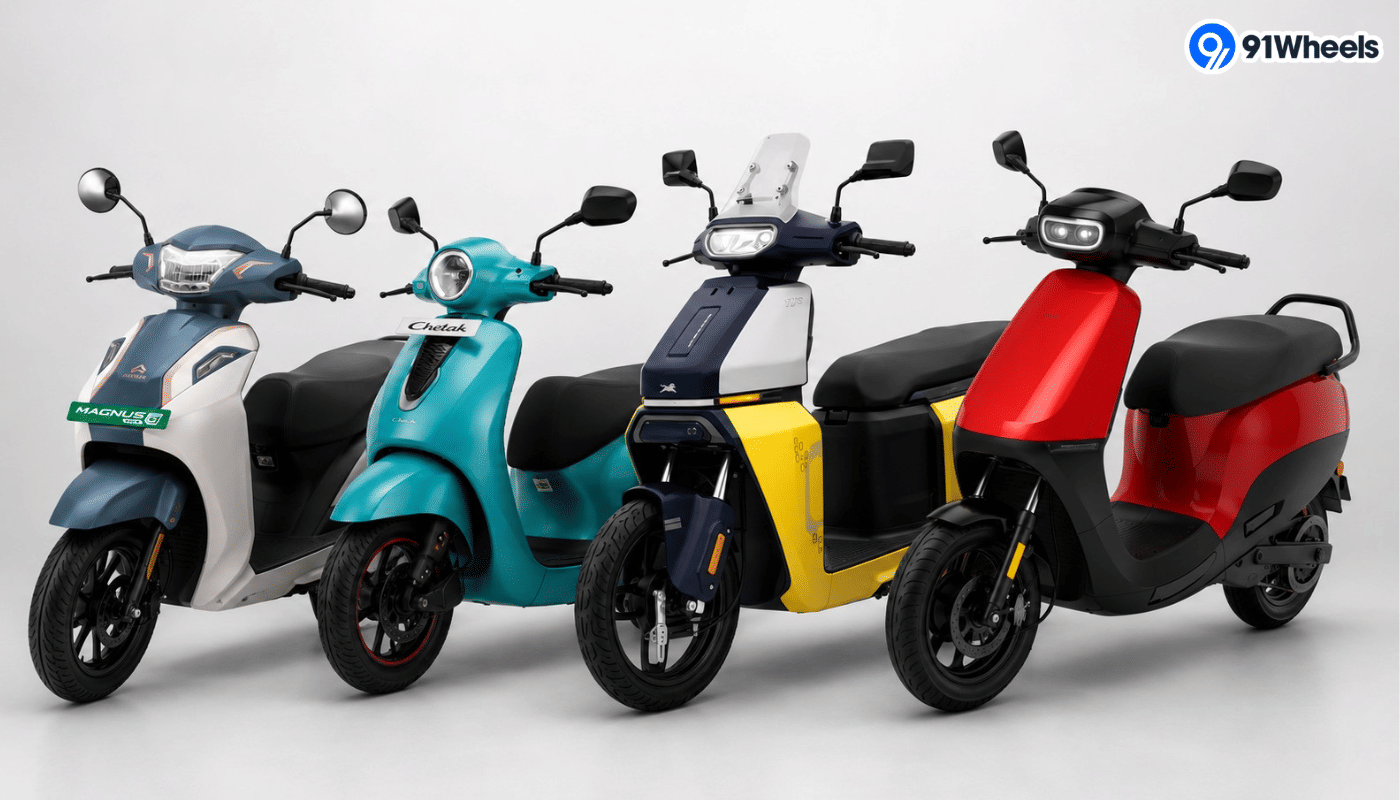
This is the buyer for whom features come before everything else — navigation, connected apps, a proper digital dashboard, and fast charging matter more than the price tag. For this rider, the tech stack is the first filter, not the cost.
Ather and Hero Vida have built strong followings by leaning hard into software and touchscreen experiences — Vida alone posted a striking 175% YoY sales growth in June 2026. TVS's top-spec iQube ST and Ampere's flagship Nexus compete just as hard here, proving feature-rich dashboards aren't a premium-only game anymore.
Scooter | Display | Key Smart Features | Charging | Price (Ex-showroom) |
|---|---|---|---|---|
Ather 450X | 7-inch full-color TFT touchscreen | Google Maps navigation, OTA updates, AutoHold, incline assist, app-based ride stats | 0–80% in 3 hr 12 min | Rs 1.52 lakh |
Ampere Nexus | 7-inch touchscreen (ST variant) | Bluetooth, navigation, IP67-rated battery, 12-inch alloys | Full charge in 3.3 hrs (fast charging) | Rs 1.24 lakh |
Hero Vida VX2 Plus | 4.3-inch TFT display | Bluetooth connectivity, turn-by-turn navigation, riding modes, geofencing, crash alert | 0–80% in 4 hr 44 min | Rs 1.03 lakh |
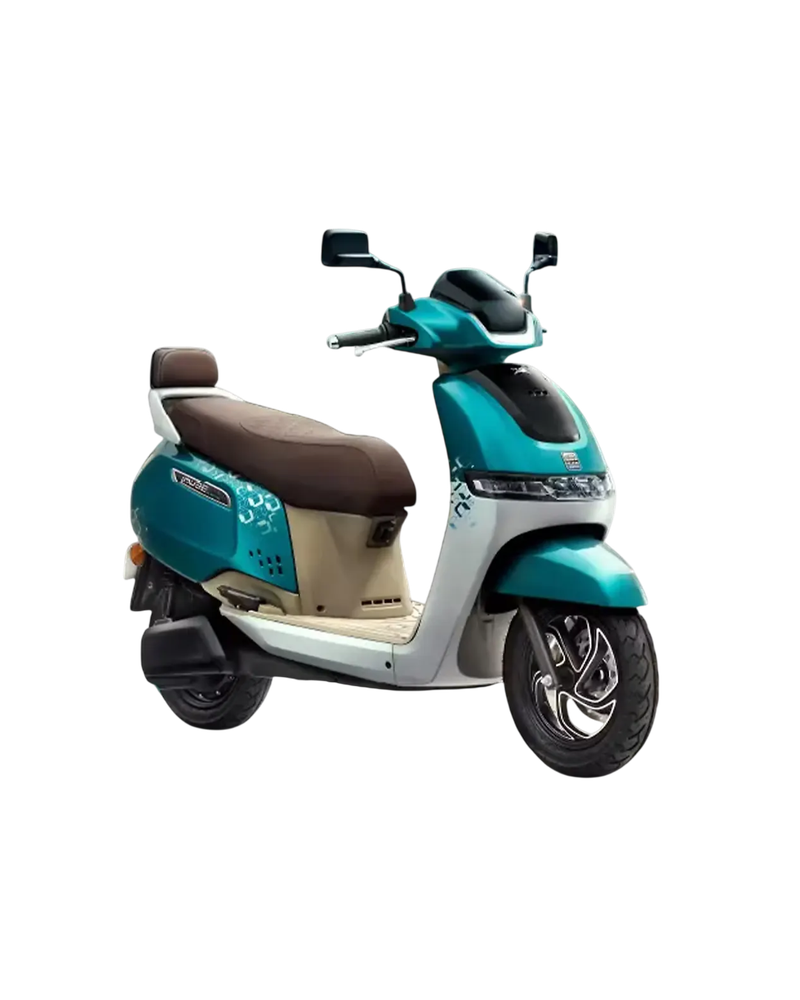
TVS iQube ST | 7-inch TFT touchscreen | GPS navigation, geofencing, call/SMS alerts, remote diagnostics via TVS SmartXonnect app | 0–80% in 4 hr 18 min | Rs 1.4 – 1.72 lakh (approx.) |
The real split here isn't screen size - it's philosophy. Ather and TVS bet on bigger displays and in-dash navigation as headline features, even though most riders barely use onboard maps. Hero's smaller 4.3-inch screen on the Vida VX2 Plus is arguably the smarter call: crash alerts and geofencing solve real safety problems instead of chasing showroom appeal. Ampere's IP67-rated battery is an underrated win for monsoon-heavy India — barely marketed, yet it matters more than Bluetooth ever will. Feature-rich shouldn't just mean flashier screens; it should mean additions that actually solve a rider's problems.
The Office Commuter
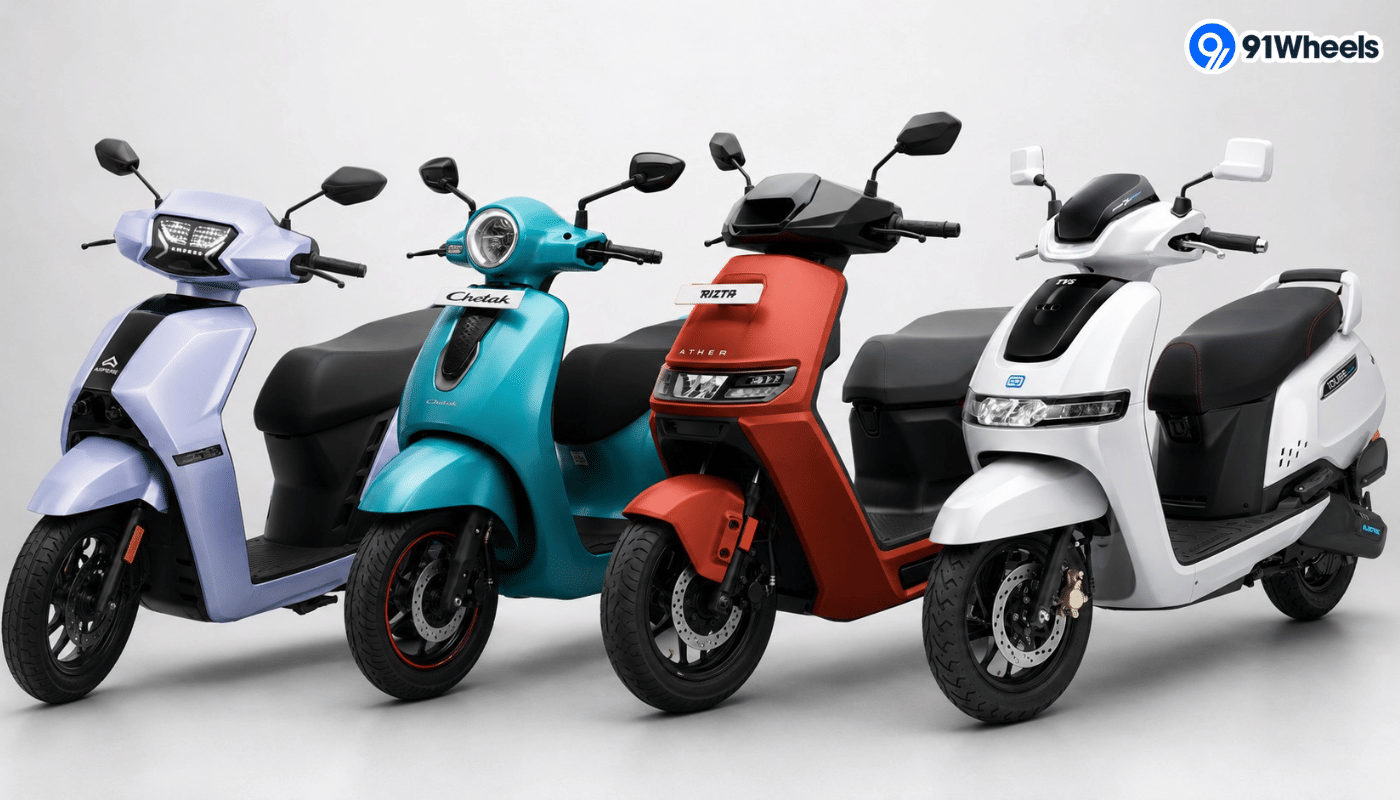
In metros like Delhi, Chennai, Mumbai, and Gurugram, a huge chunk of officegoers clock 30-40 km or more each day just commuting to and from work. If that's your routine, switching to an electric scooter isn't just an eco-friendly move - it's a genuinely smart one for your wallet too. But at this kind of daily distance, priorities shift: you need a scooter built around range and low maintenance, not just good looks.
Scooter | Battery Capacity | Claimed Range | Price (Ex-showroom) |
|---|---|---|---|
TVS iQube S | 4.7 kWh | Up to 175 km | Rs 1.62 lakh |
Bajaj Chetak | 3.5 kWh | Up to 151 km | Rs 1.42 lakh |
Ather Rizta / Ather 450X | 3.7 kWh | Up to 161 km | Rs 1.52 lakh |
Ampere Nexus | 3 kWh | Up to 136 km | Rs 1.21 lakh |
Hero Vida VX2 Plus | 3.4 kWh | Up to 142 km | Rs 1.03 lakh |
Verdict
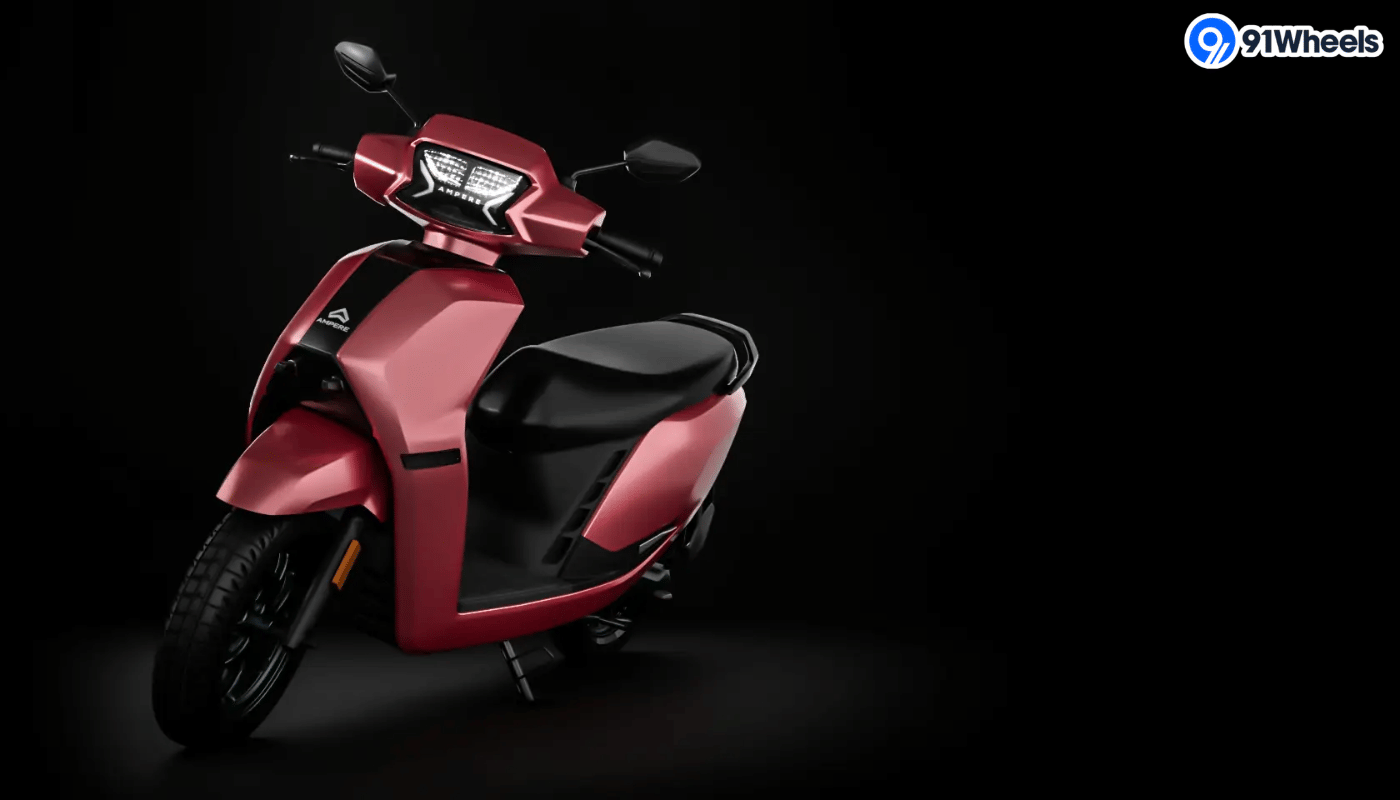
The Indian electric scooter market has matured to a point where there's genuinely a strong option for every kind of rider - office commuters get range, tech buyers get connected ecosystems, and budget buyers no longer have to settle for poor build quality.
If you ask us, the Ampere Nexus stands out as the most well-rounded pick, blending solid build quality, a comfortable ride, and pricing that doesn't force compromises on the essentials. It's the kind of scooter that quietly gets everything right without needing to shout about it. The right scooter was never about the best spec sheet - it was always about the one that fits your daily life the closest, and for a lot of riders, that's the Nexus.
Do you like this article?
Comments
No comments yet. Be the first to comment!