Every time an engine runs, it wages a quiet battle against its own heat. On average, an internal combustion engine converts only about 30% of the energy stored in fuel into usable mechanical work. The rest is lost as heat; which, if left unmanaged, would warp metal, melt components, and bring the engine to a grinding halt. To prevent this, engineers rely on a simple physical principle: convection, the transfer of heat from a hot surface to a surrounding fluid, whether that fluid is air, oil, or liquid coolant. Over the decades, this principle has given rise to three distinct cooling philosophies, each suited to different kinds of engines and riding or driving conditions.
Let's understand how these mechanism works and let your bike run flawlessly on road.
Air Cooling: Simplicity at a Cost
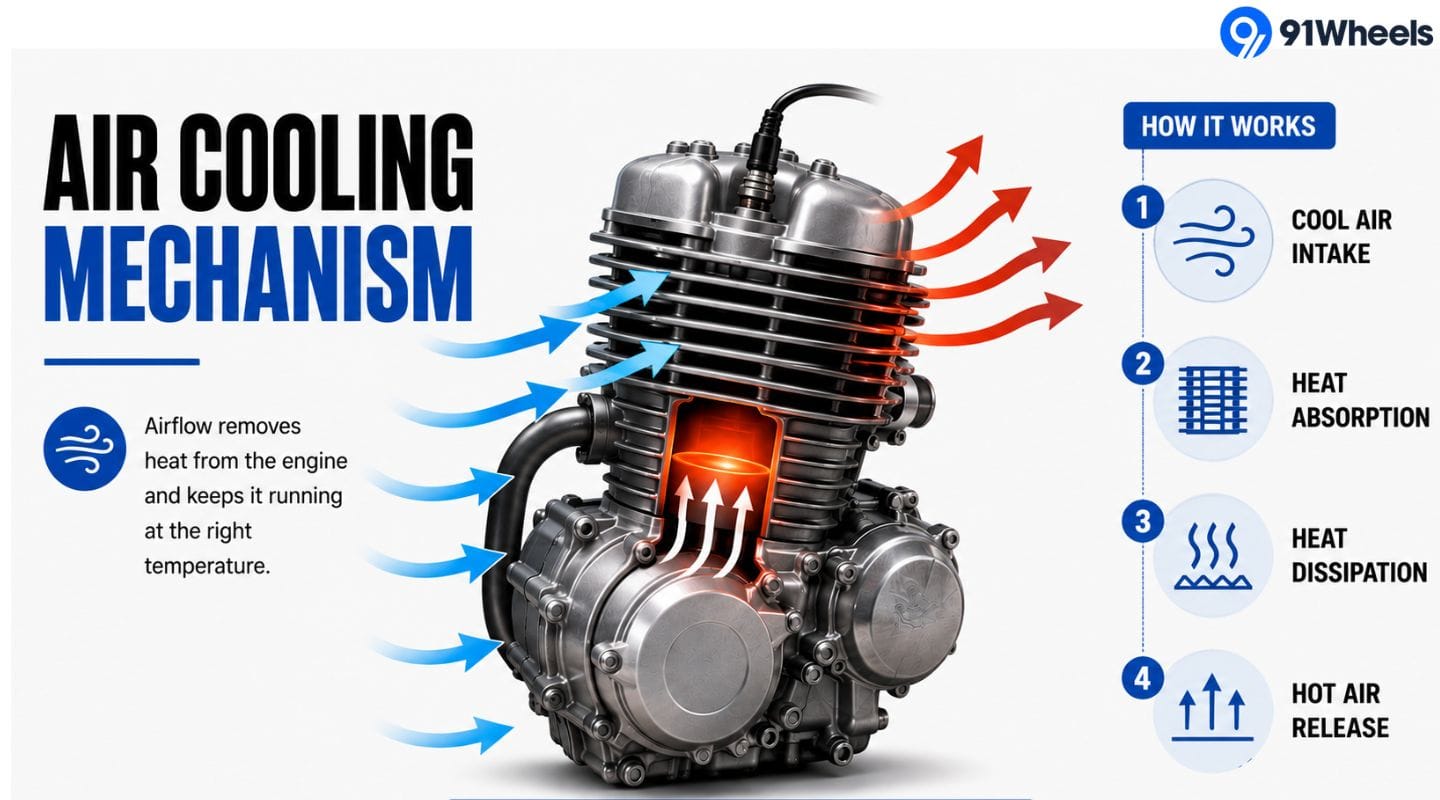
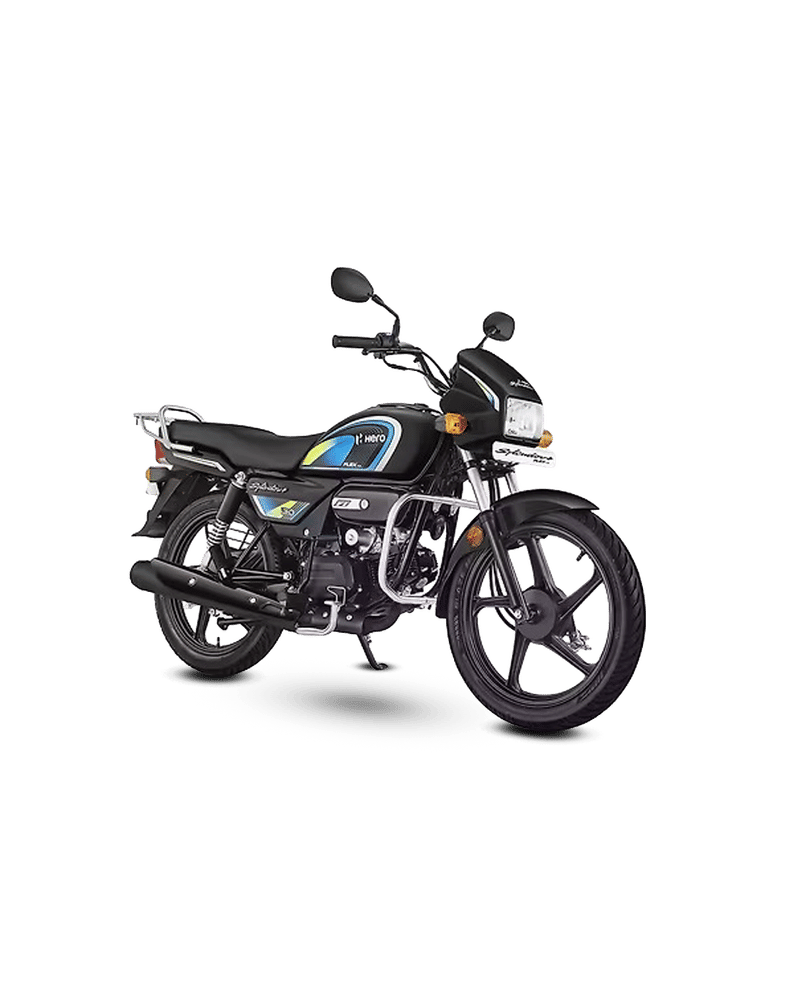
Air cooling is the oldest and most straightforward approach, and it remains popular in commuter vehicles for good reason. Rather than pumps, radiators, or coolant, it depends on a simple trick of geometry: increasing the engine's effective surface area. Thin metal ridges, known as cooling fins, line the cylinder block, giving more surface area for air to sweep across and carry heat away.
The appeal is obvious. Air-cooled engines are lightweight, inexpensive to manufacture, and require very little maintenance since there are no pumps or radiators to fail. But this simplicity comes with a trade-off. Air cooling is entirely at the mercy of external conditions like ambient temperature and vehicle speed. Crawl through heavy traffic on a hot day, and airflow across the fins drops sharply, causing temperatures to swing in ways that hurt both fuel economy and long-term engine health.
Oil Cooling: Reaching What Air Cannot
.jpg)
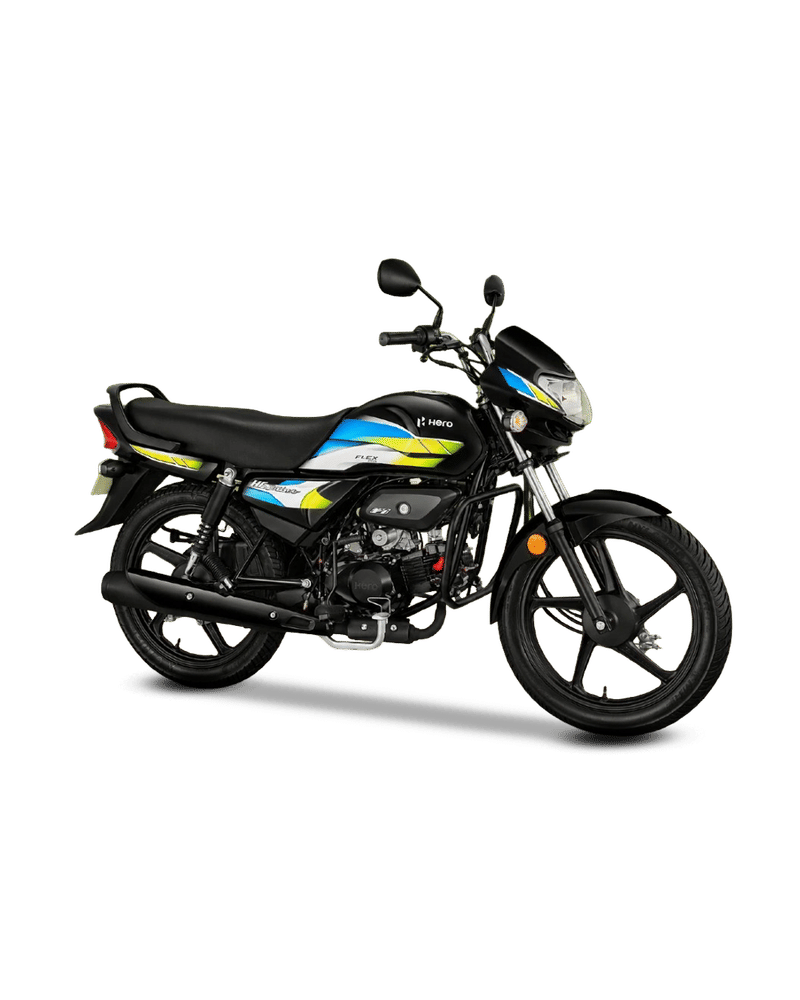
Air can only cool what it touches, and it never touches the inside of the engine. Components like pistons and valves generate significant heat but sit beyond the reach of any fin. This is where oil cooling steps in, using the engine's own lubricant as a secondary heat carrier.
As oil circulates through the engine, it absorbs heat from these internal components through conduction. It's then routed through an oil cooler, essentially a small radiator, usually mounted near the front of the vehicle, where passing air draws the heat out of the oil before it flows back into the engine. It's an elegant way to extend cooling to places air alone can't reach.
The catch is that oil cooling still leans on external airflow to do the actual work of dissipating heat at the oil cooler. If the vehicle is stationary for too long, the oil cooler stops working effectively.
Liquid Cooling: The Precision Standard
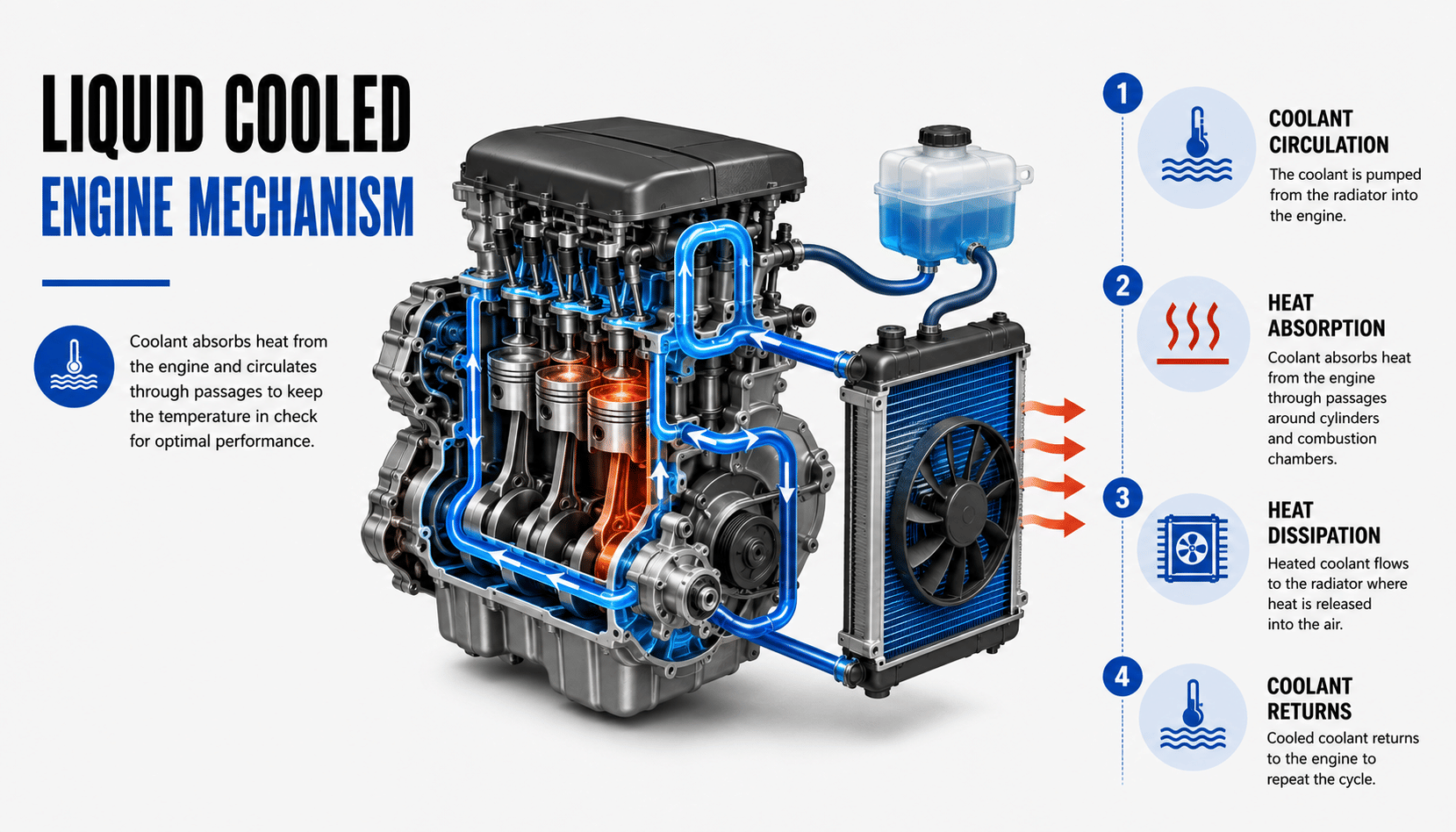
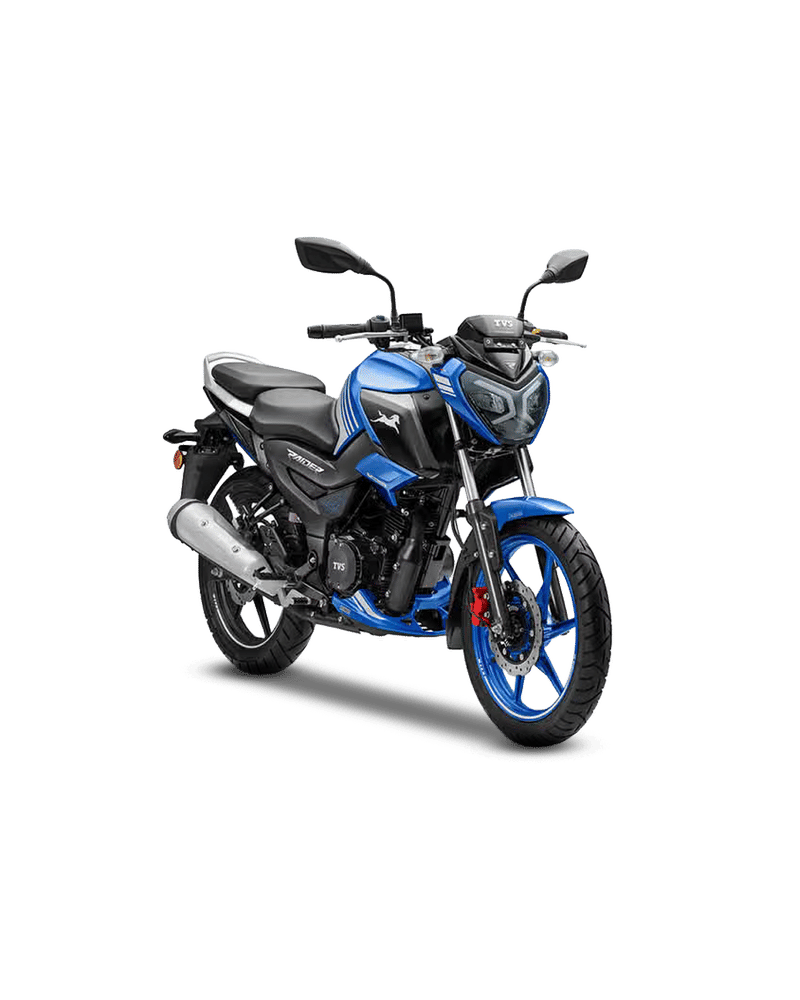
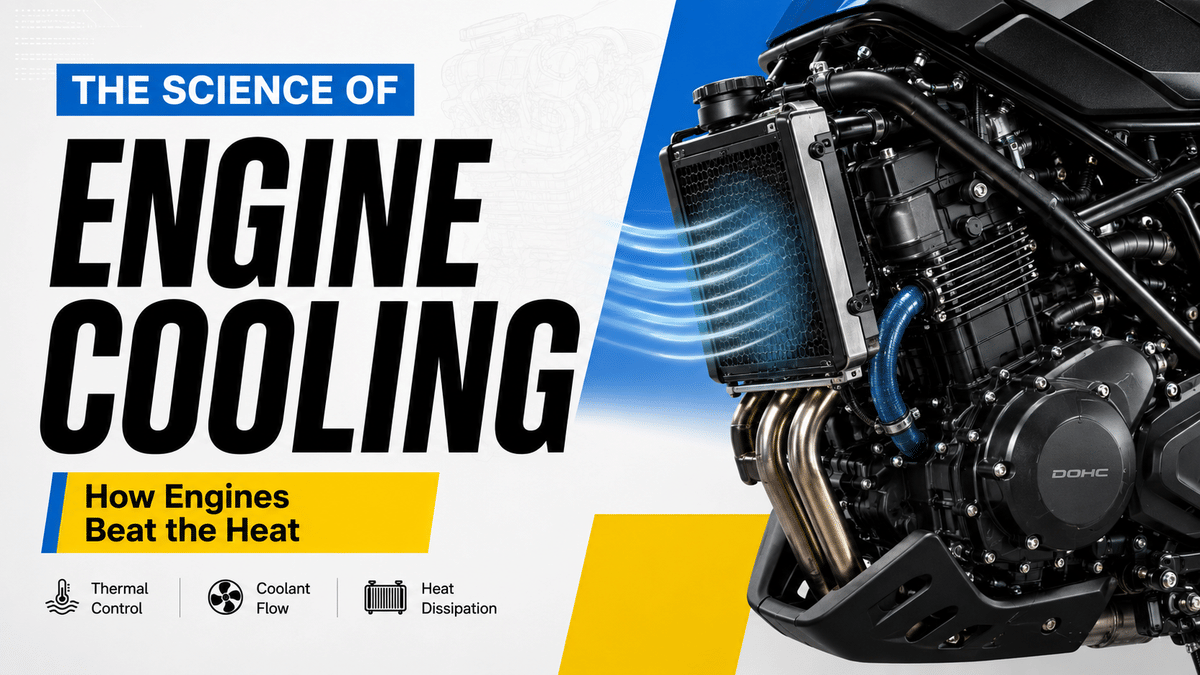
For high-performance and high-compression engines, where heat output is far greater and temperature swings can't be tolerated, liquid cooling is the gold standard. It uses a coolant, its a mixture of water and chemical additives, that absorbs and holds far more heat than oil or air ever could.
Modern liquid cooling systems are sealed and pressurized, typically to 1-1.5 bar. This pressure raises the coolant's boiling point to 120°C or higher, thus maintaining the temperature even under intense heat rather than letting it flash into steam. The system relies on a few key components working in concert.
Coolant jackets - hollow passages built into the cylinder head and block - allow coolant to circulate directly around the hottest parts of the engine. From there, hot coolant flows to the radiator to shed its heat into the surrounding air; if the vehicle is standing still, a radiator fan kicks in to generate artificial airflow. A thermostat acts as the system's gatekeeper, staying closed during a cold start to keep coolant out of the radiator loop, allowing the engine to warm up to its optimal operating temperature more quickly.
Choosing the Right System
Each approach fits a different niche. Air cooling suits commuter bikes where cost and simplicity matter most. Oil cooling offers a useful middle ground for mid-range performance engines. Liquid cooling, though the most complex and maintenance-intensive of the three, is unmatched at holding a stable, controlled temperature regardless of traffic, climate, or sustained high-speed use - which is exactly why it remains the standard for high-performance and racing engines.
End Note
Cooling mechanism is a very important part of the process, without it the engine can be damaged. That's why it is very important to keep check on the coolant, if you own a liquid cooled bike.
Do you like this article?
Comments
No comments yet. Be the first to comment!