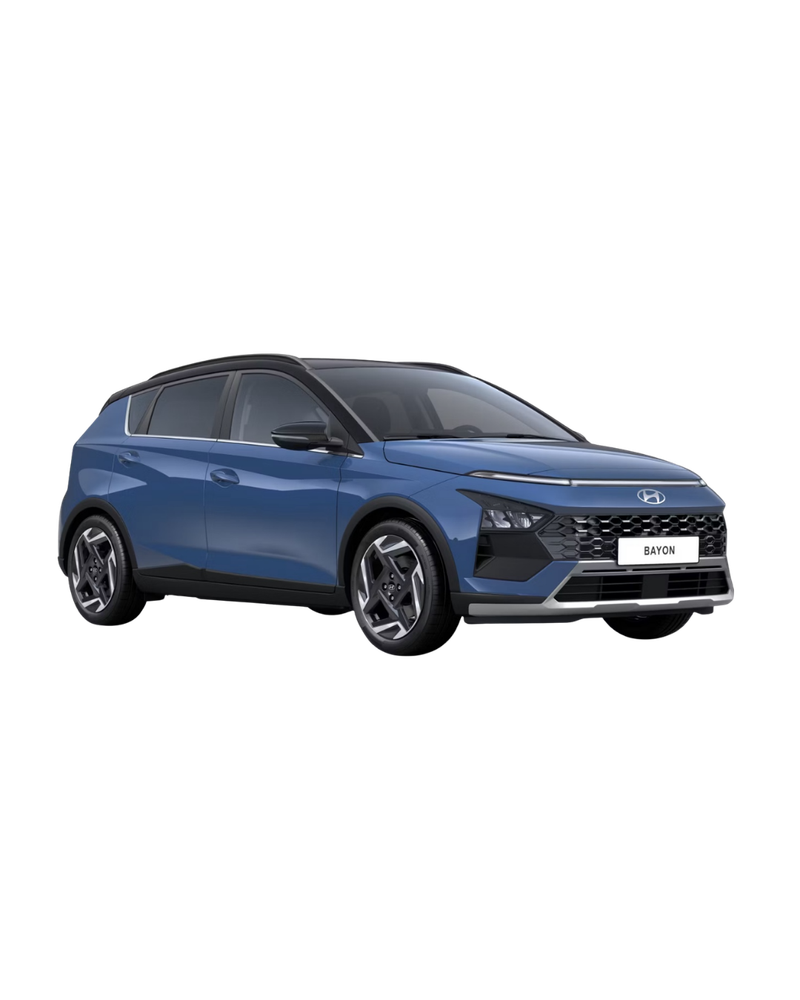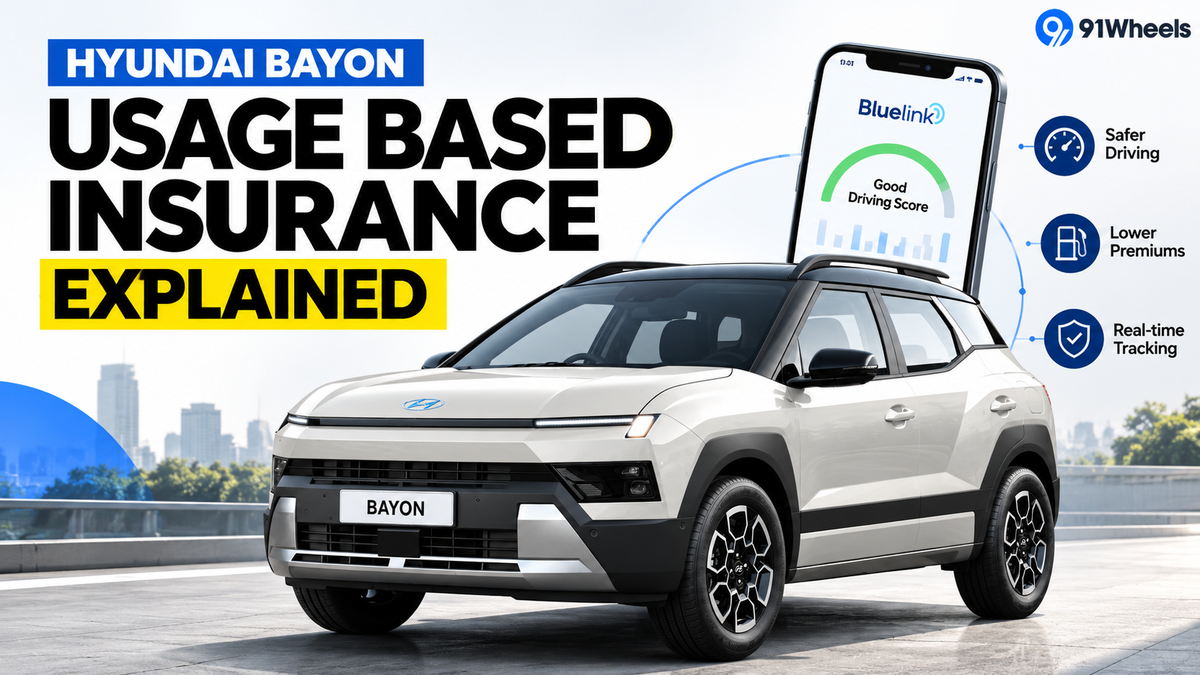
Your driving style could now earn you a lower insurance premium on a new Hyundai SUV. Yes, with the launch of the Hyundai Bayon, the automaker is bringing a usage-based insurance (UBI) programme to its Indian lineup through Bluelink connected-car technology. The concept is simple: drive smoothly, earn good scores, and your driving behaviour is recorded in a report card. Your own-damage premium could come down by up to 15 per cent.
In this piece, we'll explain how the programme works and decode whether this is a genuine initiative by the brand to promote safer driving or just another way to fatten up your bill. Let's get started.
What Is Usage Based Insurance?
An insurance model that rewards you for driving gently. It monitors how many miles the car covers, how aggressively you take corners, how often you brake hard, and how frequently you push the vehicle to its limits. It isn't a separate insurance policy but an add-on that could help you save money on your premium if you opt for the programme.
Usage based insurance (UBI) is commonly known as telematics insurance. Driving data can be collected through a plug-in device, a smartphone app, a dedicated black box installed, or the vehicle's built-in connected-car system. With the Bayon, Hyundai India has opted to use its Bluelink connected-car technology for this programme.
Usage-based insurance is broadly divided into two categories:
PAYD (Pay As You Drive)
This model links the insurance premium to the distance covered by the car. Generally, driving fewer kilometers can lead to the lower premiums, depending on the poilcy terms.
PHYD (Pay How You Drive)
This model assesses driving behaviour, including speed, hard braking and cornering. The collected data is used to generate a score that reflects driving habits and may influence the insurance bill.
In India, the Insurance Regulatory and Development Authority of India (IRDAI) permits insurers to offer PAYD and PHYD add-ons under the applicable regulatory framework. However, the third-party portion of motor insurance continues to follow the prescribed pricing structure.
What Hyundai Has Announced For Bayon?
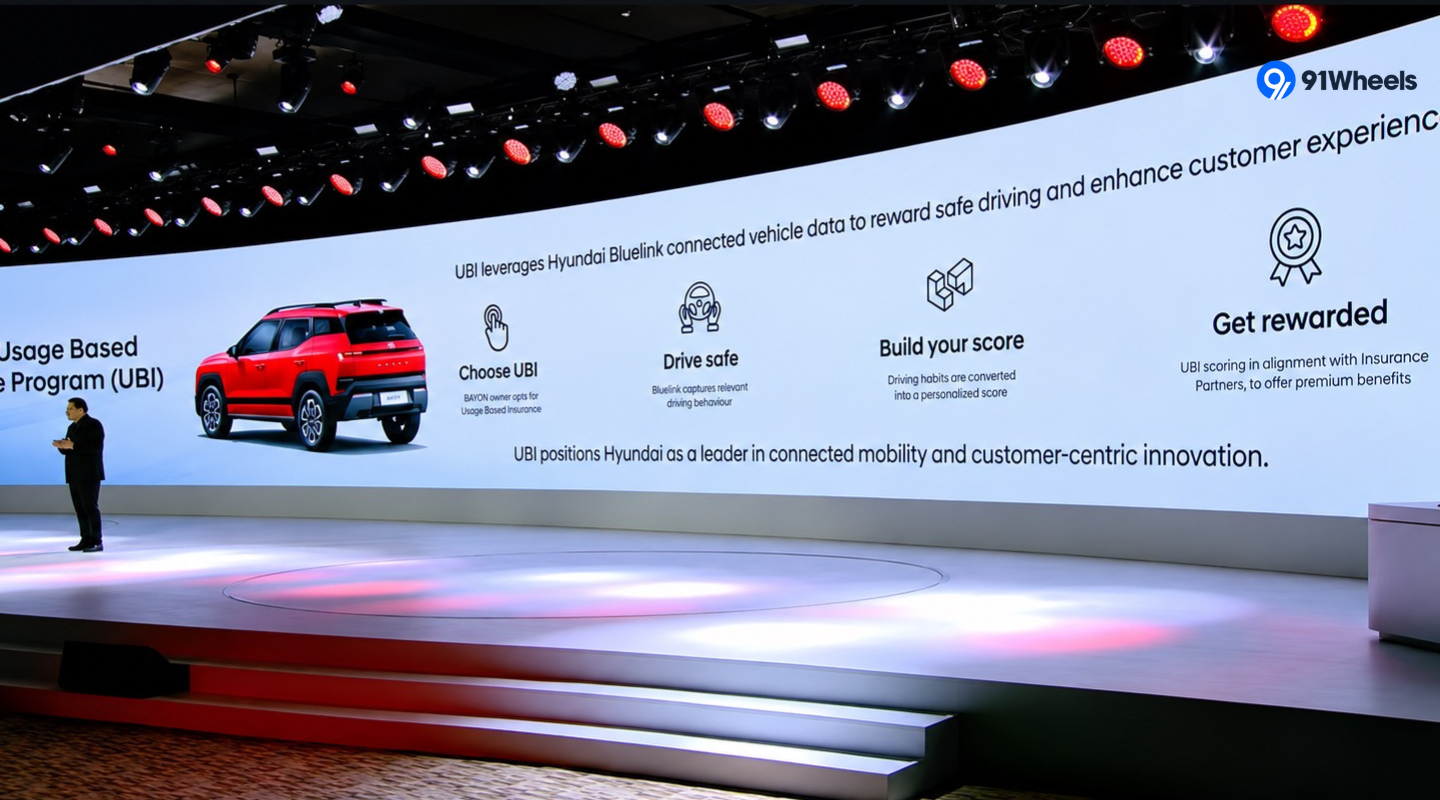
Hyundai India launched the Bayon on 26 October 2026. This scheme was not the main highlight of the event, and the press release does not talk about it. But we believe this is one of the most interesting things, as it is a first ever for a Hyundai car in India, and also for its segment.
The Bayon is a unique car in itself. It sits between the Hyundai Venue and the Hyundai Creta, the two stalwarts that bring the major share of business and rule their respective segments. Being longer than 4 metres, the Bayon attracts a higher GST rate and falls in the same group where the Creta rules. Still, at base-variant level, it costs about Rs 90,000 less than the Creta and comes with this amazing deal.
So, owners of the Bayon can opt for the UBI and earn rewards by driving it gently. This will help bring down the premium on their annual insurance cover. For more details on the car, click here.
Is Hyundai The First To Introduce This In India?
Usage-based insurance is not new to India. Insurance companies started experimenting with Pay As You Drive (PAYD) and Pay How You Drive (PHYD) policies around 2020, while IRDAI formally permitted these add-ons in 2022.
However, Hyundai's approach is slightly different. Most existing PAYD policies calculate premiums based on the distance declared by the customer, which is later verified through odometer readings. Hyundai, on the other hand, uses data collected directly from the car's connected technology, eliminating the need for an additional device or manual declaration.
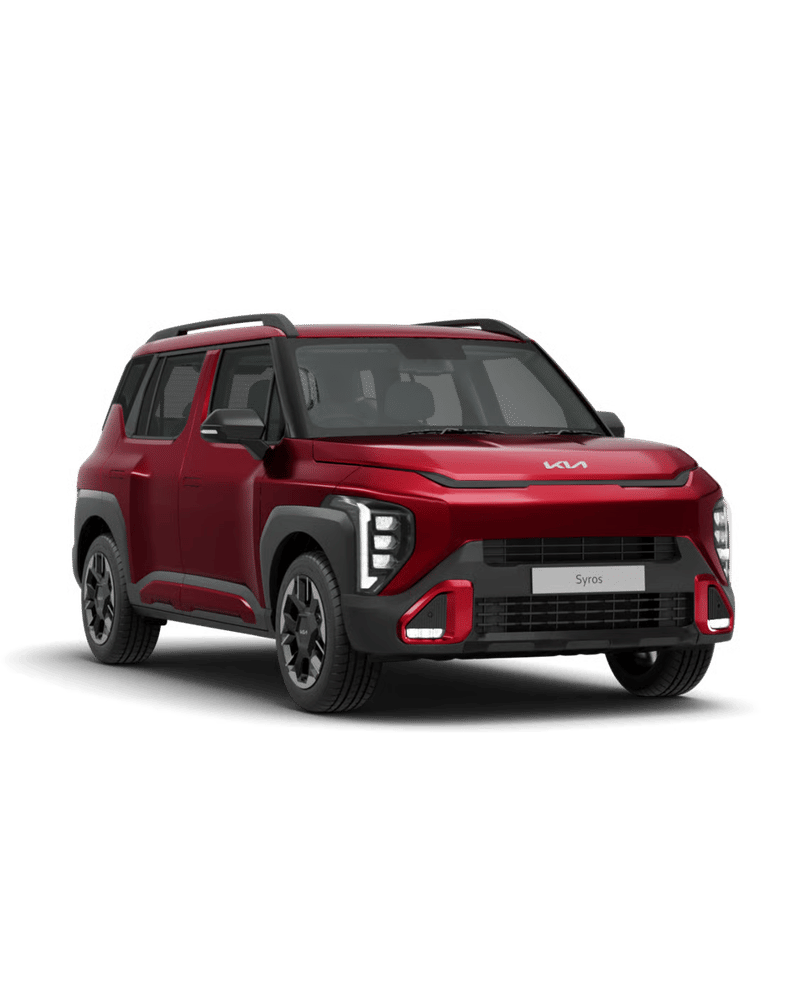
Other manufacturers, including Maruti Suzuki and Kia, already offer connected car technology that can monitor driving behaviour and vehicle health. However, we haven't found a comparable insurance discount programme linked directly to their connected car platforms in India.
Interestingly, Hyundai has already introduced a similar programme in the US. So, while the concept isn't entirely new, its implementation in India is worth looking at.
Now, let's look at the pros and cons of UBI
The Good
- Rewards sensible driving. The system monitors your driving behaviour and could reward good driving habits with lower insurance premiums. It also encourages drivers to be more careful behind the wheel.
- No extra hardware required. The data comes from the car’s existing connected system, unlike insurance policies that rely on a separate black box or telematics device. Hyundai also says participation is voluntary, with owners required to opt in.
- Visible feedback. Drivers receive ratings across individual driving parameters, helping them understand where they perform well and which habits they need to improve.
- Better pricing over time. Insurers could get a clearer picture of driving risk using connected-car data. The Hyundai Bayon’s front dashcam could also provide footage of incidents, helping insurers assess claims and determine fault more accurately. Over time, this could help careful drivers get better premiums.
- Could help while selling. If Hyundai lets owners share their driving data, it could become another proof of how gently the car was driven over the years, and may help the owner get a better value.
The Bad
- The discount has limits. The maximum saving is 15 per cent, and it applies only to the own-damage premium.
- Several details are still missing. Hyundai has not announced its insurance partners, how driving scores will be calculated or when the programme will roll out.
- Bluelink is required. The system relies on Hyundai's connected-car platform, whose subscription becomes chargeable after the free period.
- The final premium matters more. If the discount is available only through a partner insurer, another insurer could still offer a cheaper policy without it. Buyers should compare the total premium rather than focus on the discount alone.
- Indian driving conditions could affect the score. Stop-and-go traffic often involves sudden braking, but Hyundai has not explained how its system will account for these conditions.
- Data Usage. There is no clarity as of now, that how Hyundai will use the data of driers for this purpose only or for other researches. Plus, in today's connected world, there isn't an privacy option.
Our Take
Usage-based insurance promotes safer driving, takes in-car technology a step further, and encourages drivers to improve their habits through rewards. That said, it is still not a reason on its own to buy the Hyundai Bayon, as this is an add-on rather than one of the car's main highlights. However, that doesn't make it a gimmick either.
It's a useful add-on for people who use Hyundai's Bluelink app, buy insurance through the showroom, and are comfortable sharing their driving data. Those who enjoy spirited driving and pushing the engine hard might want to think twice, as the score card won't give them a green light.
Before signing up, there are three things buyers should check: the insurer's name, the scoring rules, and the data-sharing terms. Until these details are clear, treat the promised 15 per cent saving as a headline figure rather than a guaranteed benefit.
Do you like this article?
Comments
No comments yet. Be the first to comment!