KEY HIGHLIGHTS
- A turbocharger can produce more power through a small engine.
- A supercharger is always connected to the engine via the crankshaft or an electric motor.
- The lifespan of a turbo engine is shorter than that of a naturally aspirated engine.
Tired of being clueless about terms like "1.5-litre turbocharged petrol engine," "1.0 L TGDi," or "5.2-litre supercharged V8," and getting perplexed about what they actually mean? Well, no problem! I'm here to explain these terms related to the automotive world in the easiest way possible, and also break down their cons. Before scrolling down, make sure to join the 91Wheels Whatsapp Channel so you never miss out on automotive updates!
Also Read: Automatic Transmission Types: Which One to Choose?
Turbocharger/ Supercharger
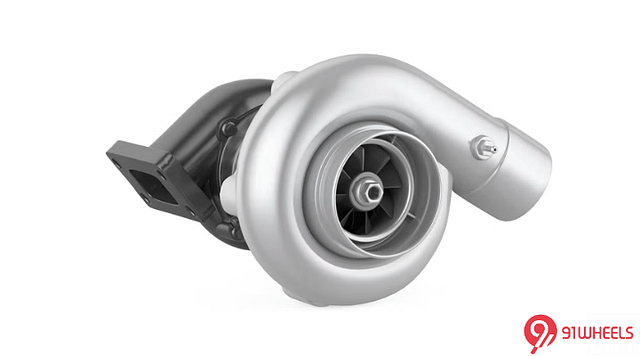
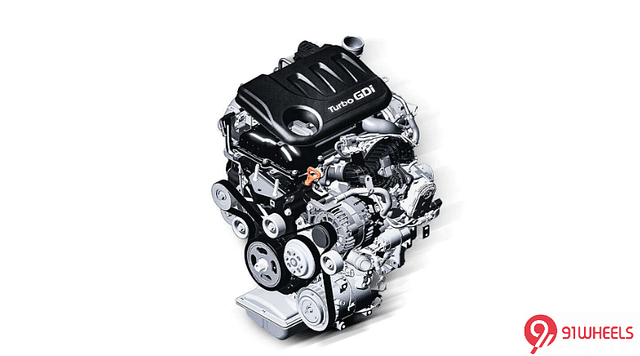
Almost every new car launching today comes with a turbocharger. While turbochargers have been common in diesel engines for a long time, automakers are now also using them in petrol engines, especially smaller ones, to help boost their horsepower. For example, the 1.0 T-GDi petrol engine used by Hyundai and Kia produces 120 PS and 172 Nm of torque. This allows smaller engines to deliver more power and better performance than they would otherwise.
This is possible because of the turbocharger. The exhaust gases produced by the engine after burning fuel are directed into the turbo, which spins a turbine. This turbine then pumps more air back into the engine, allowing it to burn more fuel and produce more power. This is why even small engines can produce impressive power figures.
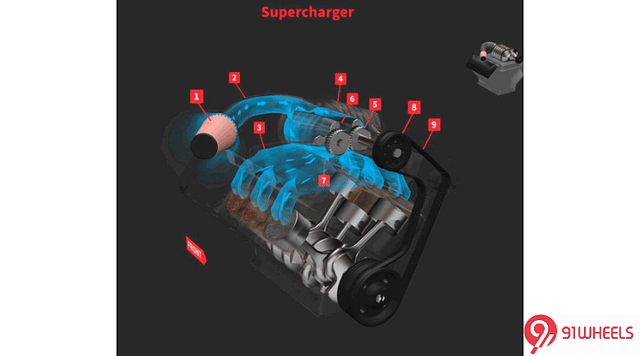
Talking about superchargers, this is a relatively new concept in India, as only a few cars equipped with this mechanical component have been sold here. Superchargers are expensive and rare. I'm talking about cars like the Ford Mustang, Land Rover Range Rover Autobiography SV, Jaguar F-Type, and Audi S5 Sportback. Currently, no cars sold in India are equipped with superchargers, but it's still important to understand how they work.
So, the supercharger is driven by the engine's crankshaft or an electric motor. Unlike a turbocharger, it doesn't activate using exhaust gases; instead, it starts working as soon as the accelerator is pressed, providing an instant power boost. That said, it also works the same, providing extra air to the engine.
Also, don't forget to check out our epic video reviews of all time.
Demerits of Turbochager/Supercharger
The most common and widely discussed issue with turbochargers is "turbo lag." This happens because the engine needs to rev up to a certain RPM to activate the turbo and produce the power that pushes you back into your seat. The turbo lag lasts only 2-3 seconds, but it is noticeable every time. In bumper-to-bumper traffic situations, this can frustrate the driver, especially when there's a need for instant power, and the engine doesn't deliver immediately.
Another drawback of this system is that the engine's lifespan is reduced compared to a naturally aspirated engine. The reason behind this is that the engine has to work twice as hard to produce the extra boost, which can lead to increased wear and tear. Over time, it might not perform at the same level as expected. This is the reason why they say, "there is no replacement, for displacement".
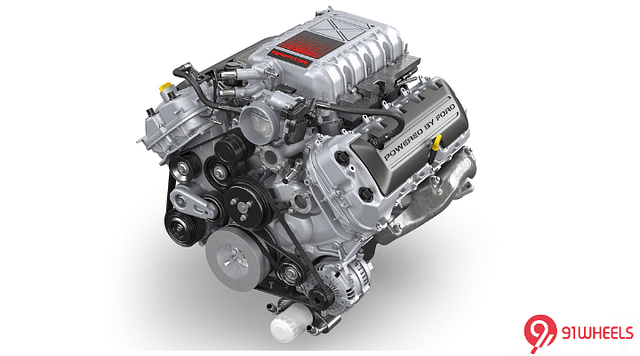
The downside of supercharged engines is their poor fuel economy. Since the supercharger is directly connected to the engine, it's constantly working to deliver that extra power. This constant load on the engine negatively impacts fuel efficiency, which is why supercharged engines tend to fall short in this area.
Also Read: Locking Differential Explained - Also Know The 4H And 4L Difference
Verdict
The era of turbocharged engines has started in India, and in the coming years, they are likely to completely replace naturally aspirated engines. For example, if a 1.2L turbocharged engine can produce 120 PS and 200 Nm of torque, there's little need for a 1.5L naturally aspirated engine. On the other hand, superchargers are still a distant concept and may never make their way to India. However, in the future, people might be willing to pay triple the amount to get a large naturally aspirated petrol engine.
Do you like this article?
Comments
No comments yet. Be the first to comment!