Tyres are the only part of your car that actually touches the road, yet they're often the most neglected component in routine maintenance. Owners obsess over engine oil intervals, cabin filters, and brake pads, but tyres frequently get attention only when something goes visibly wrong: a puncture, a bulge, or a blowout on the highway. The truth is that a tyre rarely fails without warning. It sends out signals well before it becomes dangerous, and knowing how to read those signals can save you money, prevent accidents, and keep your car handling the way it's supposed to.
This guide walks through the practical, real-world indicators that tell you it's time to shop for new rubber, rather than relying on guesswork or waiting for a mechanic to point it out.
Read more: Are CNG Cars Safe? Here's All That You Need to Know
Check for the Tread First
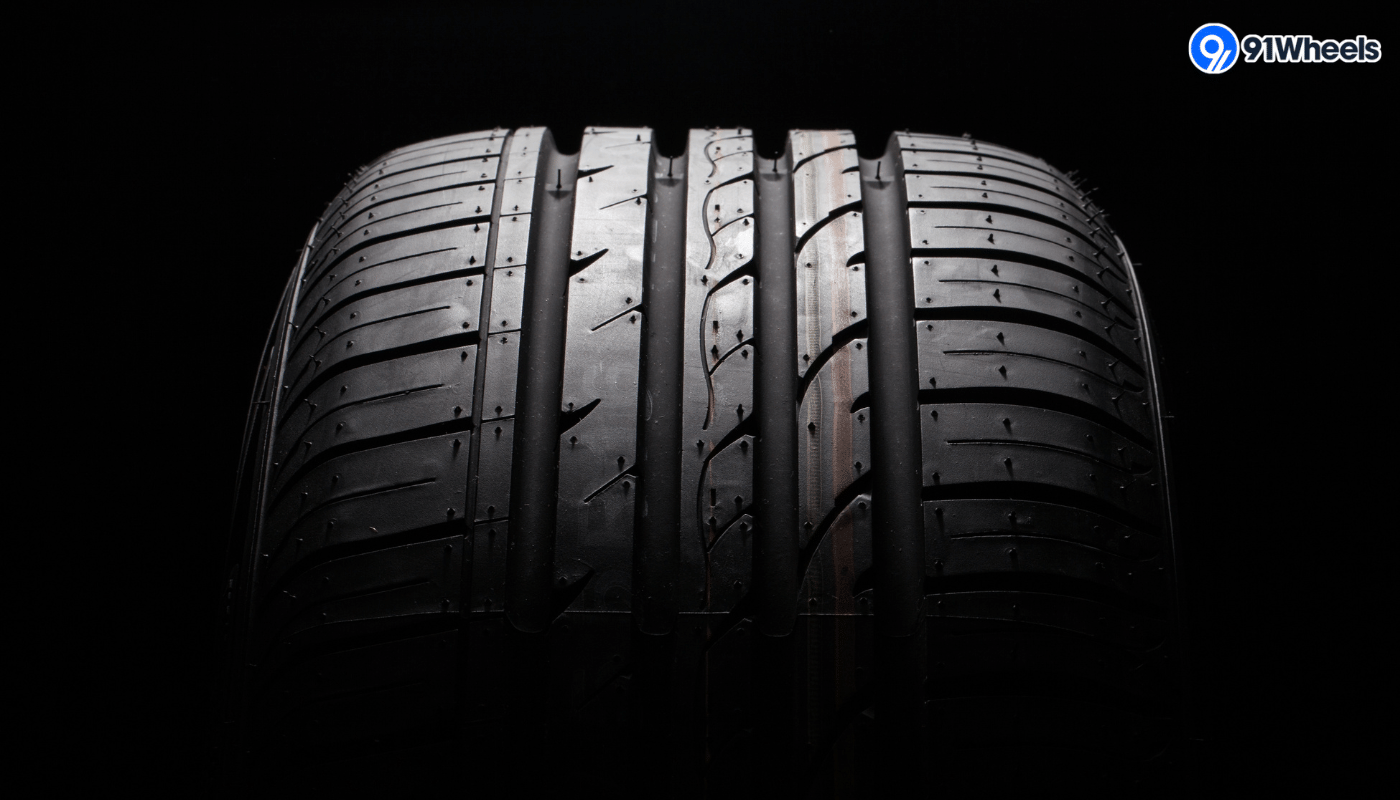
The tread on your tyre is what grips the road, channels water away in the rain, and keeps your car stable under braking. As it wears down, all of these functions degrade gradually - which is exactly why people miss it. The most reliable way to check tread depth doesn't require any tools.
Take a coin - a Rs. 10 or Rs. 5 coin works well because of its distinct rim and insert it into the tread groove at several points around the tyre, not just one spot. If the outer rim of the coin disappears into the groove, you still have reasonable tread left. If the rim stays visible no matter where you place it, your tyre has worn past a safe point. Most tyres also come with built-in tread wear indicators: small raised bars inside the grooves that become flush with the tread surface once the tyre has worn down to around 1.6mm, which is the generally accepted legal and safety minimum in most markets, including India. Don't check just the centre of the tyre. Uneven wear patterns tell their own story, and checking only one spot can give you false confidence.
Uneven Wear Is Not Normal
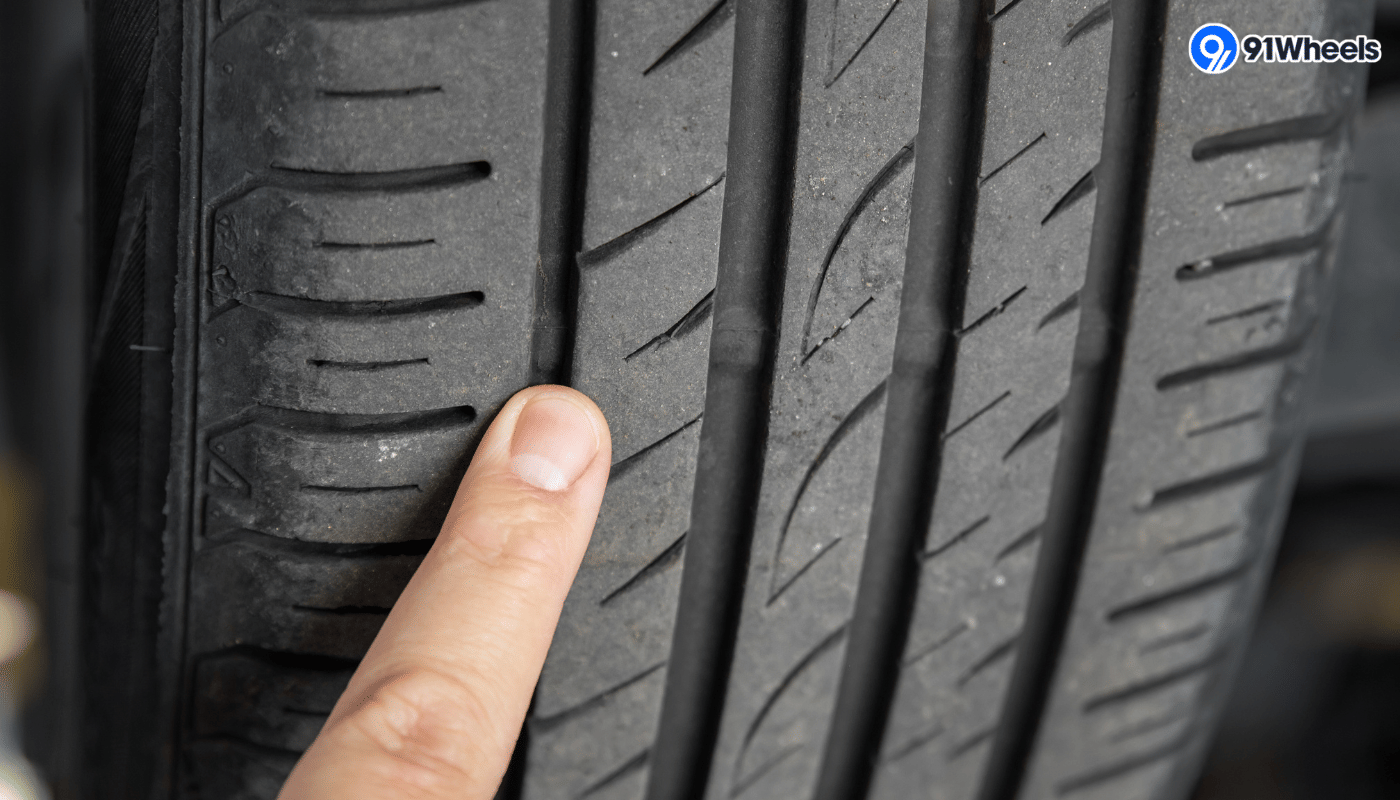
If you notice that the tread is wearing faster on one edge than the other, or faster in the centre than the side, it usually points to an underlying mechanical issue that needs fixing before you even think about new tyres.
- Wear concentrated on the outer or inner edges often points to incorrect wheel alignment.
- A tyre that's more worn in the centre than at the edges usually means it's been run overinflated.
- Wear concentrated on both edges with a fresher centre strip suggests chronic underinflation.
- Patchy, irregular wear (sometimes called "cupping") can indicate worn suspension components like shock absorbers or bushings.
Replacing the tyre without addressing the root cause simply means the new one will wear unevenly too. If you spot this pattern, get an alignment and suspension check done alongside the tyre change.
Cracks, Bulges, and Sidewall Damage
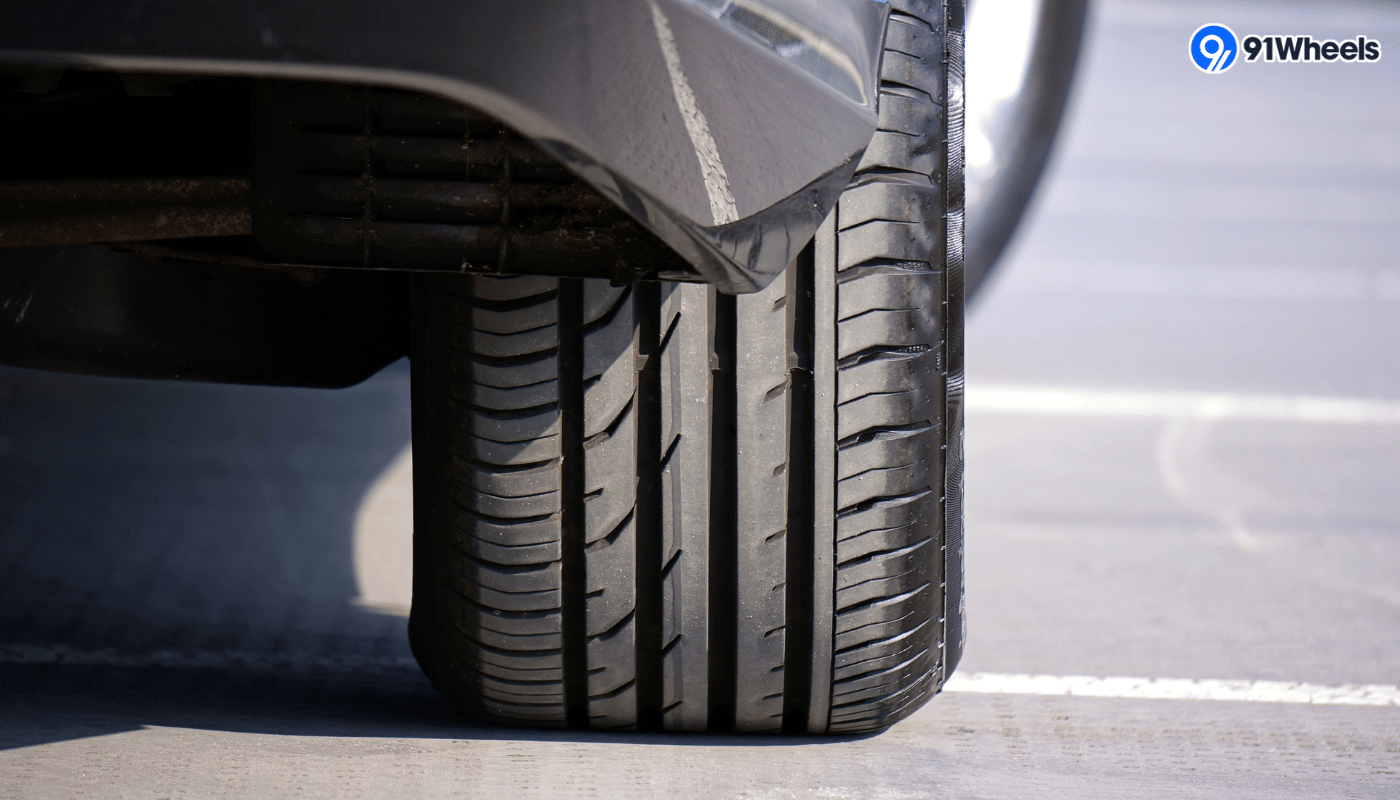
Tread depth is one story, but the tyre's sidewall and rubber condition is a separate and arguably more urgent one. Even a tyre with plenty of tread left should be replaced immediately if you notice any of the following:
- Sidewall cracking, often called "weathering" or dry rot - fine, spider-web-like lines in the rubber, usually caused by age, sun exposure, or long periods of underuse.
- Bulges or bubbles on the sidewall are a sign that the internal structure has been damaged, often from hitting a pothole hard, and can rupture without warning under pressure.
- Cuts or gouges deep enough to expose the internal cords or fabric layers.
- Repeated punctures in the same tyre: a tyre patched more than two or three times, especially near the shoulder or sidewall, is structurally compromised even if it still holds air.
None of these issues are things you can safely monitor and "wait out." A bulge in particular is one of the few tyre problems that can lead to a sudden failure at speed, and it should be treated as a same-day replacement, not a maintenance item for next month.
Age Does Matter Here!
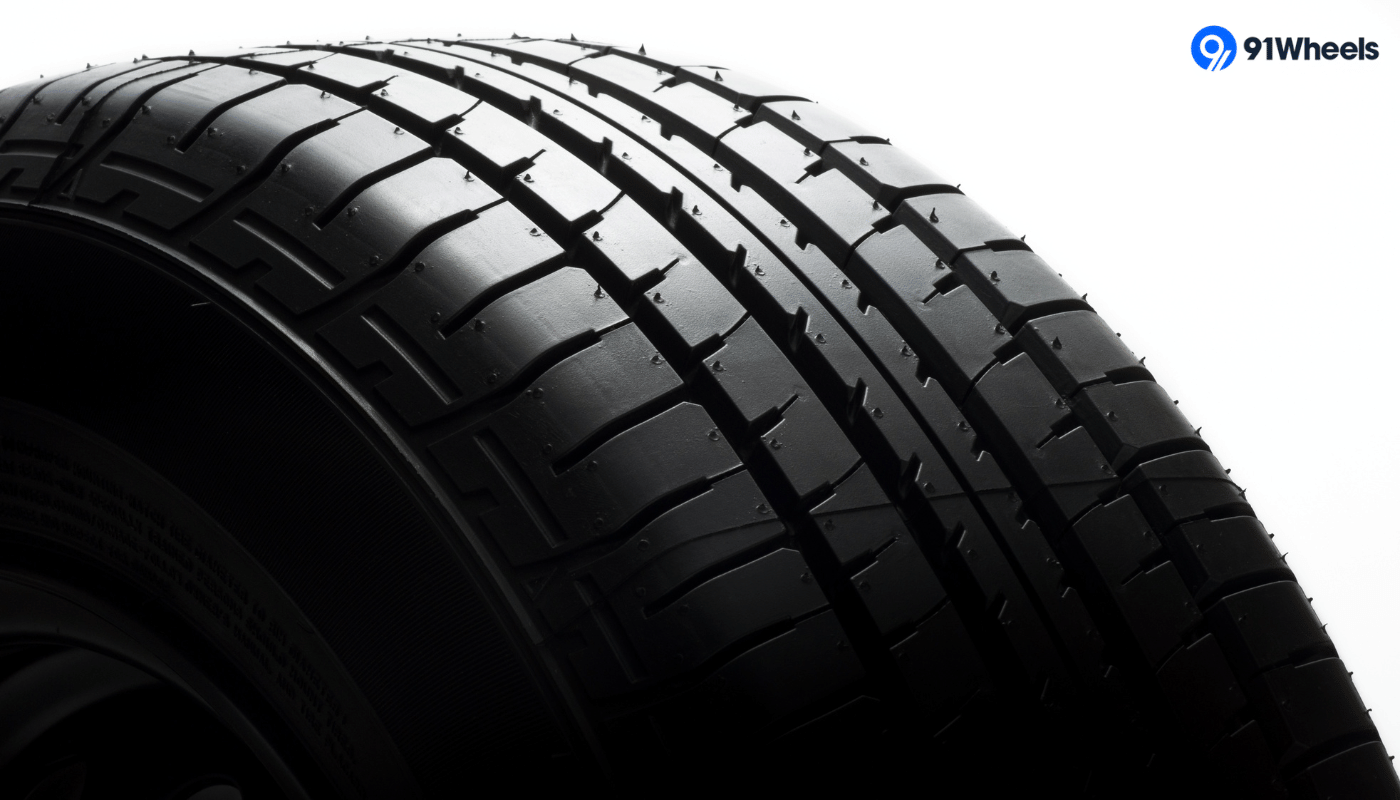
Rubber compounds harden and degrade over time regardless of how many kilometres the tyre has actually covered. A car that's driven rarely, or a spare tyre that's never been used, can still become unsafe simply from age. Most tyre manufacturers recommend replacement once a tyre crosses roughly five to six years from its manufacturing date, even if the tread looks barely used.
You can find the manufacturing date stamped on the sidewall as a four-digit code; the first two digits represent the week of manufacture, and the last two represent the year. For example, a code reading "2319" means the tyre was made in the 23rd week of 2019. This is worth checking on any second-hand car you're buying, and on any spare tyre that's been sitting in the boot for years without use; spares are notorious for being forgotten until the moment they're actually needed.
Pay Attention to How the Car Feels
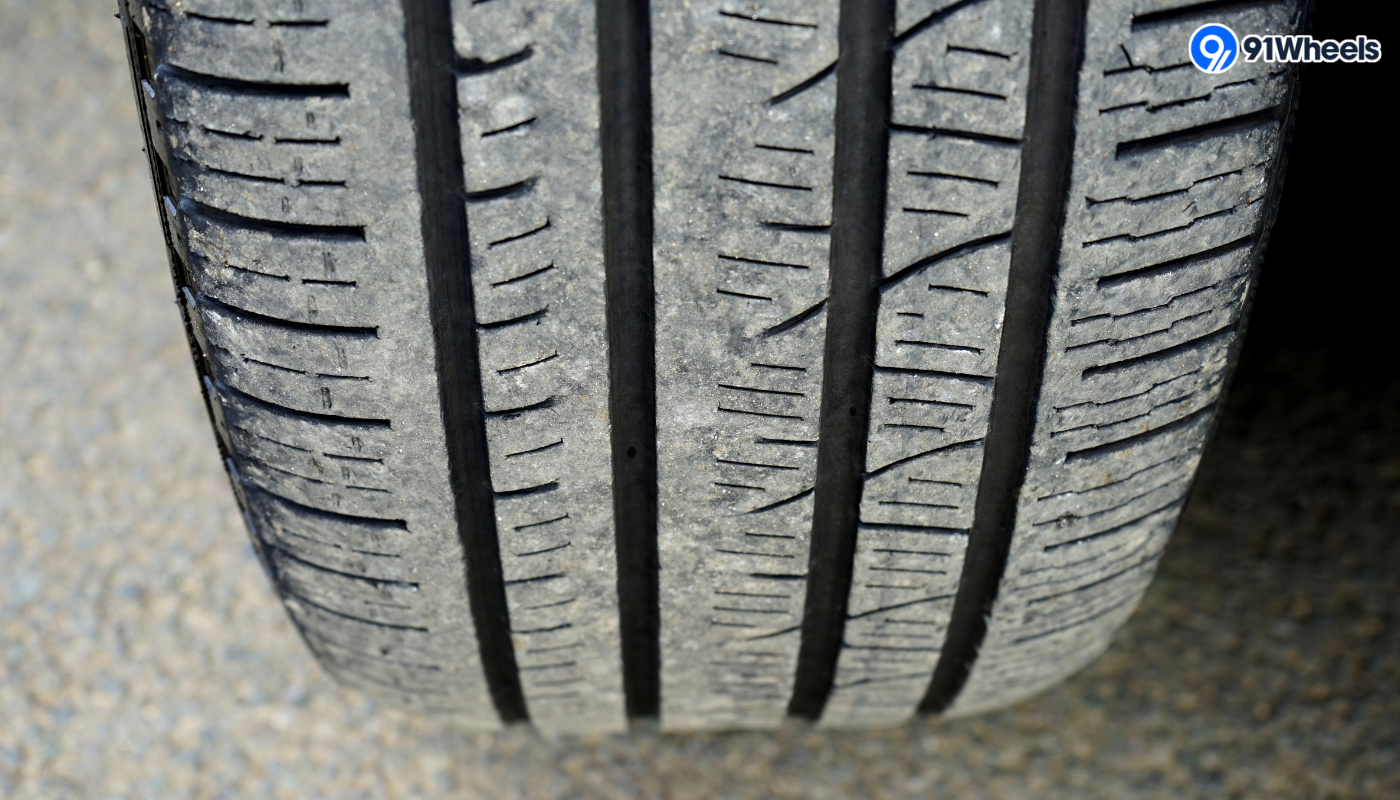
Sometimes the earliest sign of a tyre problem isn't visual at all; it's behavioural. If your car has started to feel less planted in corners, if you notice more road noise than usual, if there's a faint vibration through the steering wheel at highway speeds, or if braking distances feel longer than they used to, worn or damaged tyres are one of the first things worth ruling out. A tyre that's lost grip doesn't always look obviously bald; the loss in performance can happen gradually enough that you adjust your driving without realising why.
A Few Practical Habits That Extend Tyre Life
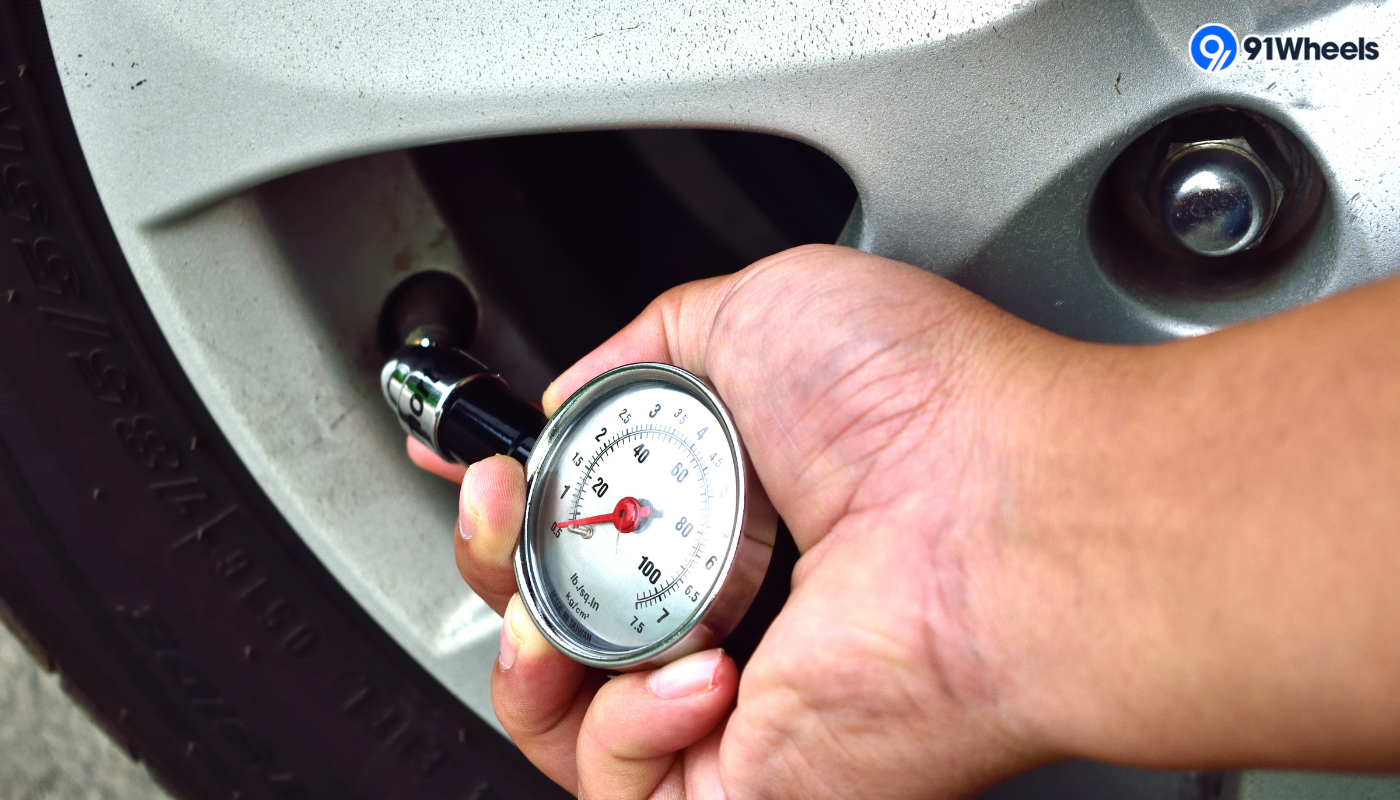
While knowing when to replace tyres is essential, a few consistent habits can delay that day considerably:
- Check tyre pressure monthly, including the spare, and always check it when the tyres are cold.
- Get your wheels aligned and balanced at regular intervals, and definitely after hitting a significant pothole.
- Rotate tyres periodically so wear is distributed evenly across all four.
- Avoid parking the car in direct, prolonged sunlight for extended periods, which accelerates rubber ageing.
Read more: These are India's Top 10 Reliable Cars for 10 Year Ownership
The Bottom Line
Tyres don't need to be replaced on a fixed schedule dictated by kilometres alone; they need to be evaluated on a combination of tread depth, visible damage, age, and how the car actually behaves on the road. The coin test takes ten seconds. A visual sidewall check takes another thirty seconds. Making both a habit every few months is a small effort next to the cost of a tyre failure at speed. When in doubt, especially with cracking, bulging, or a tyre nearing six years old, it's always the safer call to replace rather than wait for confirmation that something has gone wrong.
Do you like this article?
Comments
No comments yet. Be the first to comment!