Why Naturally Aspirated Engines are Disappearing Above Rs. 10 Lakh Mark in India: 91Wheels Decode!

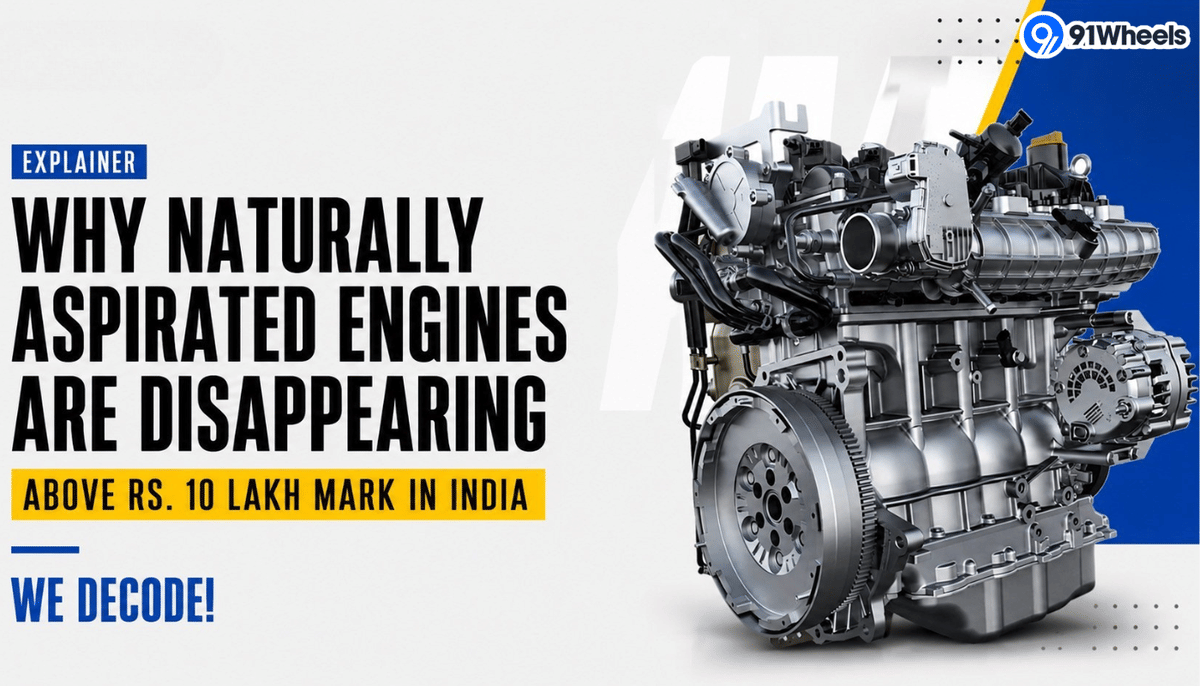
Spend an afternoon at any dealership showroom in the Rs. 10-20 lakh bracket today, and you'll notice something: the naturally aspirated (NA) petrol engine - once the default, no-questions-asked choice in an Indian car - has quietly become the "budget" option, or has vanished from the top trims altogether. The engine that used to define mainstream motoring in India is increasingly being pushed down to base variants and sub-Rs. 10 lakh cars, while everything above that price line leans harder on turbocharging, downsizing, and hybridisation.
This isn't a random styling trend. It's the result of at least four separate forces - emission law, fuel-efficiency regulation, buyer psychology, and platform economics - all pushing in the same direction at the same time. Here's the full picture.
First, a Quick Refresher: What Makes an Engine "naturally aspirated"
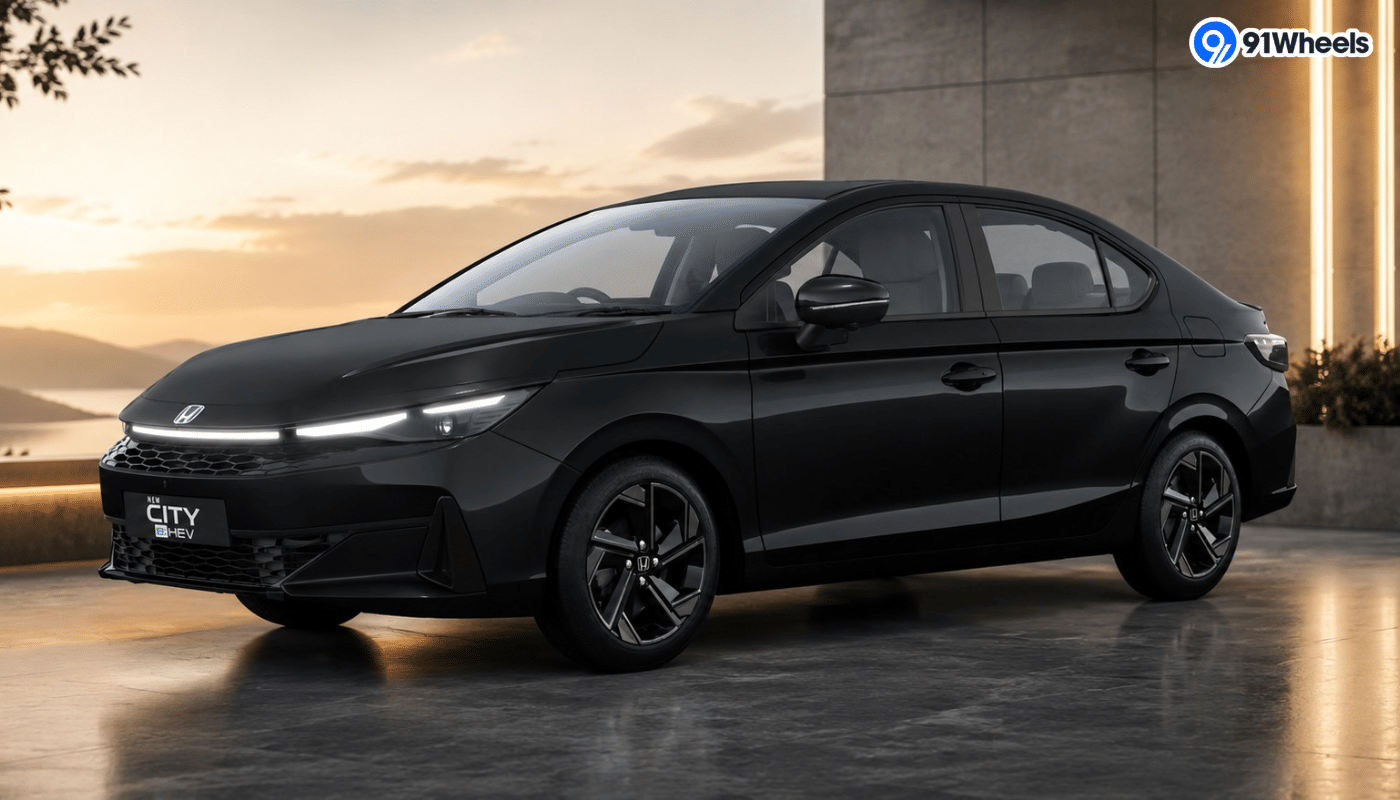
A naturally aspirated engine breathes the old-fashioned way - atmospheric pressure alone pushes air into the cylinders, with no assistance. A turbocharged engine, by contrast, uses an exhaust-driven turbine to force-feed compressed air into the same cylinders, letting a much smaller engine produce the power and torque of a bigger one.
That single mechanical difference is the root of almost everything else in this story: emissions, fuel economy, performance character, and long-term running costs all trace back to whether an engine breathes naturally or is force-fed.
Reason 1: India's Fuel-efficiency law is Rewriting Powertrain Math
The single biggest reason automakers are backing away from big, simple NA engines in this price band is regulation - specifically the Corporate Average Fuel Efficiency (CAFE) norms enforced by the Bureau of Energy Efficiency.
CAFE doesn't test one car in isolation. It measures the sales-weighted average CO₂ emissions of a manufacturer's entire petrol/diesel fleet for the year, and fines the company if that average breaches the limit. Under CAFE-II (which runs through FY27), the ceiling sits around 113 g/km of CO₂. The next phase, CAFE-III, runs from April 2027 to March 2032, and it tightens that ceiling dramatically - the draft trajectory takes the industry average down toward roughly 79-92 g/km by 2032, translating to a mandated cut of close to 19% in average fuel consumption across the cycle.
Why does this matter for engines specifically? Because a manufacturer can no longer offset a fleet of thirsty, large-capacity NA engines with a couple of small hatchbacks. Every model, especially in the higher-margin, higher-displacement Rs. 10 lakh-plus segment, now has to pull its weight on the efficiency number. CAFE-III also hands out "super credits" that make the compliance math even more skewed toward electrification and downsizing - EVs count as 3 units, plug-in hybrids as 2.5, and strong hybrids as 2 units towards a manufacturer's average, while a big NA petrol counts as exactly one thirsty unit with no help at all. Small, sub-4-metre, sub-1200cc petrol cars get a modest relaxation (proposed at up to 9 g/km) precisely because regulators recognise that segment can't easily absorb turbo/hybrid costs - but that relaxation stops applying once a car (and its buyer) moves into bigger, more powerful, more expensive territory.
The net effect: turbocharged downsizing and hybridisation are now the two realistic paths for a manufacturer to keep its fleet average legal, and both happen to concentrate in cars priced above Rs. 10 lakh, because that's where the cost of the extra hardware can be absorbed into the price without wrecking the business case.
Reason 2: BS6 Emission Norms Made Big NA Engines Expensive to Certify
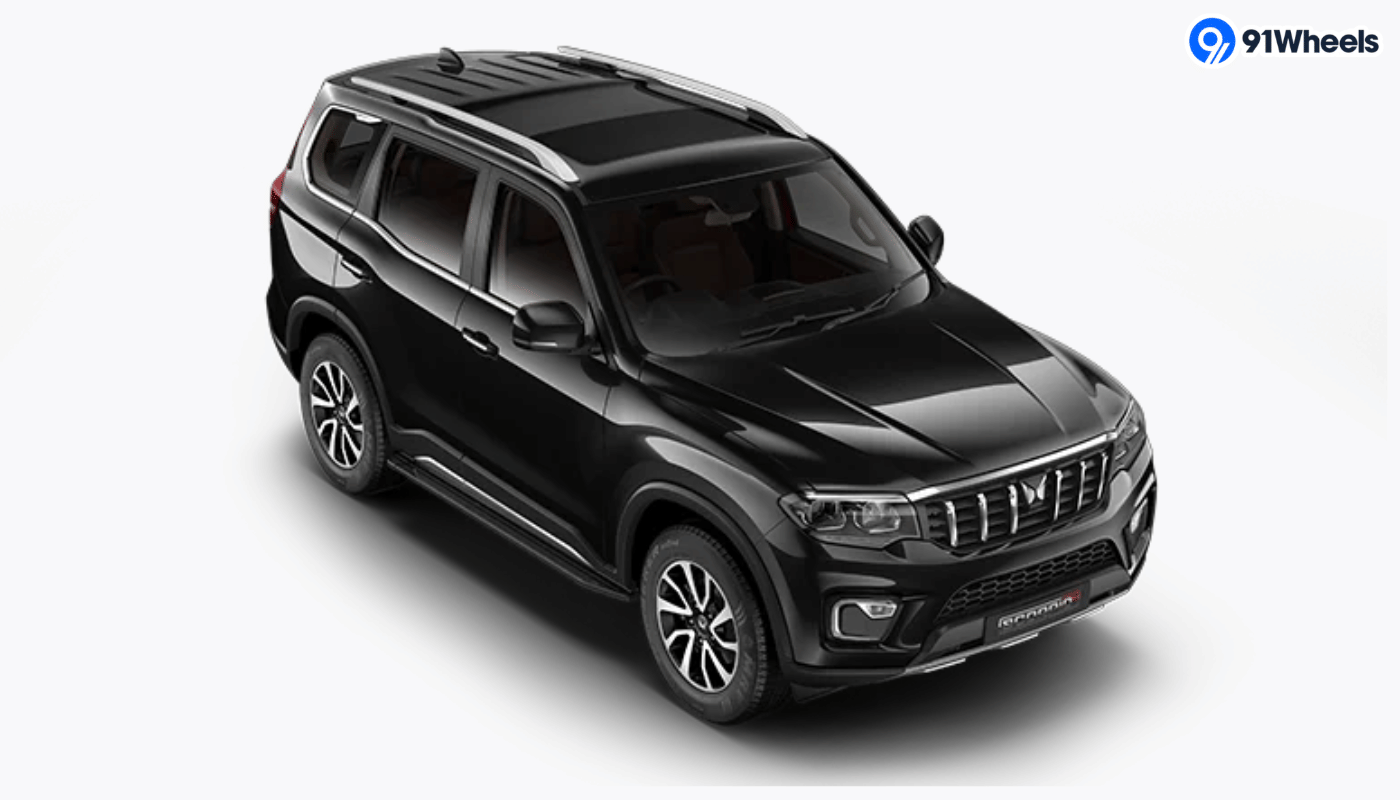
Separately from fuel-efficiency law, India's BS6 tailpipe emission norms (and the Real Driving Emissions checks layered on top) raised the compliance cost of every engine on sale - but they hit large-capacity NA engines especially hard. Bigger NA engines burn more fuel per kilometre to make the same power a smaller turbo unit can produce, which means more raw exhaust gas to clean up, more sophisticated catalytic converters and particulate/NOx control, and a harder certification path.
That's part of why several manufacturers quietly retired older large-capacity diesel and petrol engines when BS6 arrived, rather than re-engineering them for compliance - it was often cheaper to replace a 1.5-2.0-litre NA unit with a smaller, turbocharged one already validated on a global platform than to bring the old motor up to code.
Reason 3: Downsizing is Genuinely a Good Engineering Shortcut - on Paper
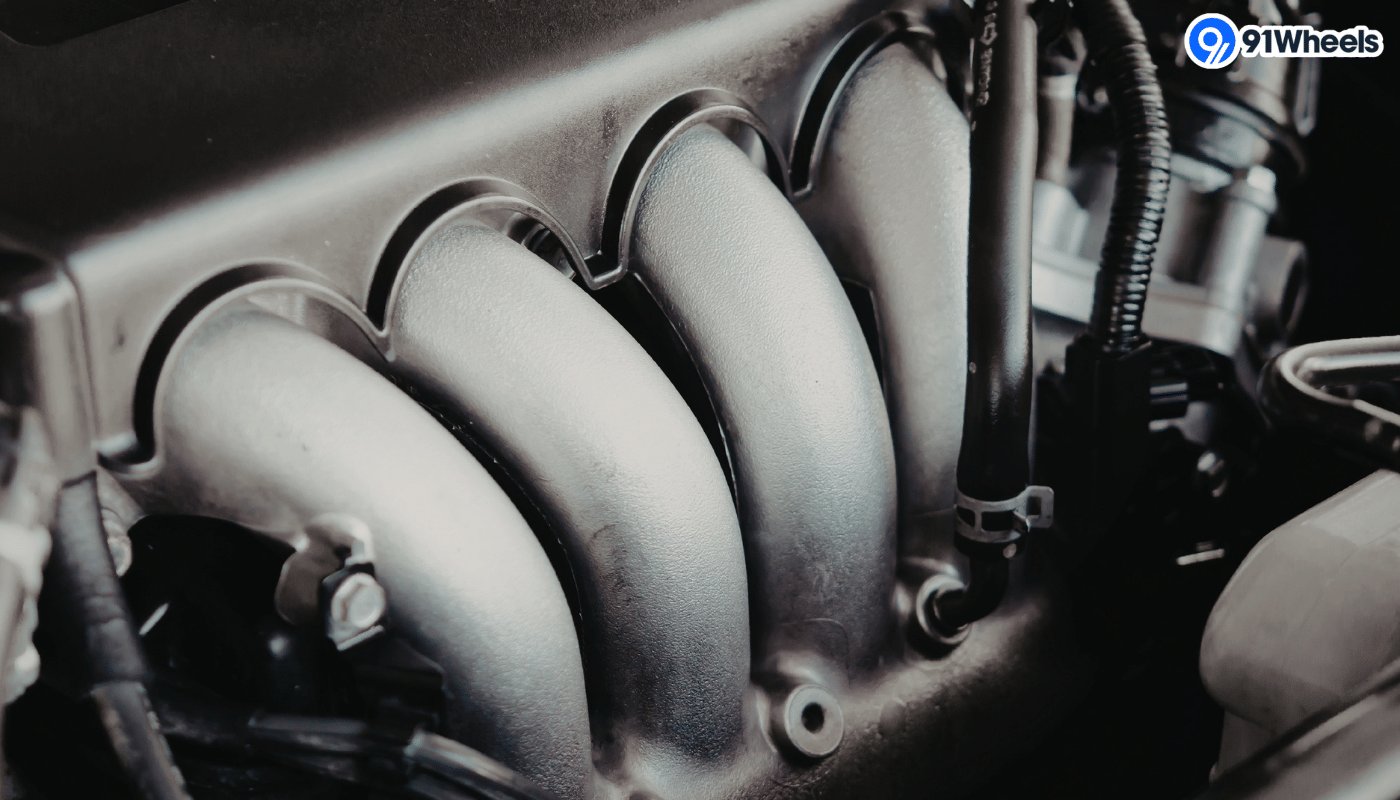
There's real physics behind the industry's love affair with small turbo engines, not just marketing. A 1.0-litre turbo-petrol can produce the power and torque of an older 1.5-litre NA unit while being physically smaller and lighter, which helps the whole car's weight, packaging, and in theory - fuel efficiency, since a smaller engine has less internal friction and pumping loss at light throttle.
It's worth being honest about the caveats, though, because this is where a lot of showroom conversation gets oversimplified. Turbocharging requires a lower compression ratio to avoid engine knock, and that lower compression ratio itself eats into thermal efficiency - so the fuel-saving benefit of downsizing isn't unlimited; shrink an engine by more than roughly 10-15% relative to its "natural" size for a given power target, and you start compromising drivability rather than gaining efficiency. This is also why, in real-world Indian city driving - stop-start traffic, frequent throttle blips, low average speeds - many owners report NA engines actually returning better in-city mileage (commonly cited in the 14-17 kmpl range) than their turbo equivalents (10-13 kmpl), because the turbo doesn't get to operate in its efficient cruising zone. Turbo engines tend to close that gap or pull ahead only on the highway, where they can sit at low RPM under light boost.
In other words: downsizing helps manufacturers hit a fleet-average lab-test number more than it guarantees a buyer better real-world mileage in Gurugram traffic. But since it's the fleet-average number that regulators and increasingly, marketing departments - care about, that's the number that shapes product planning.
Reason 4: Buyers Above Rs. 10 lakh Have Stopped Accepting "flat" Power Delivery

There's a strong consumer-behaviour angle here too, and it's less about spreadsheets and more about how a car actually feels to drive. Once you cross the Rs. 10 lakh mark, Indian buyers are typically moving from a hatchback into a sedan or SUV, and they expect the car to feel like an upgrade not just in features, but in how effortlessly it accelerates and overtakes. NA engines in this segment have earned a reputation among enthusiasts and reviewers for feeling "flat" in the mid-range, requiring the engine to be revved hard to access meaningful power, whereas a turbo unit delivers a fat slab of torque low down, making city driving and highway overtakes feel noticeably more relaxed.
That perception has become self-reinforcing. Once Hyundai, Kia, Tata, Skoda, and Volkswagen started offering turbo-petrol options with a genuine mid-range punch, it reset buyer expectations for the entire segment and a manufacturer offering only a "breathless" NA engine in a Rs. 12-15 lakh car risks looking underpowered next to the competition, regardless of how the spec sheet reads.
Reason 5: Global Platform Sharing is Quietly Killing India-only NA Engines
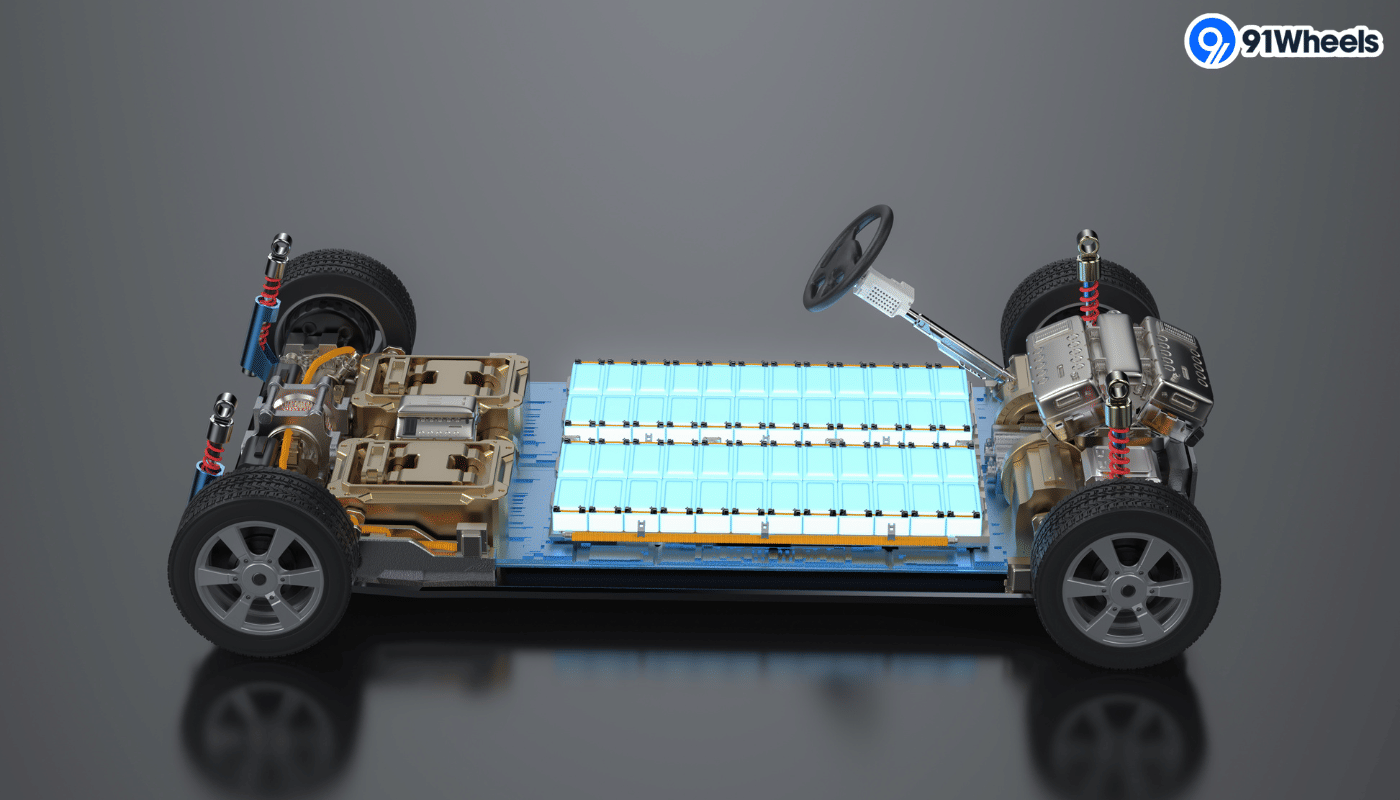
Many mass-market brands operating in India - Hyundai-Kia, Skoda-Volkswagen, and increasingly Toyota-Maruti through their badge-engineering tie-up - build cars on shared global platforms designed primarily around markets (Europe, Korea, ASEAN) that moved to small-capacity turbo-petrol or hybrid powertrains years ago, largely for their own stringent emissions rules. Engineering and certifying a separate, India-only large NA petrol just for this market is expensive and doesn't scale. It's simpler and cheaper for these manufacturers to bring the same 1.0-1.5-litre turbo engine (or hybrid system) they already use globally, than to keep a parallel NA engine family alive purely for India's mid-to-upper segments.
This is one reason the shift is more visible above Rs. 10 lakh specifically - that's exactly the price band where global-platform models (Creta, Seltos, Virtus, Slavia, Taigun, Kushaq) compete, versus the sub-Rs. 10 lakh segment, which is still dominated by India-specific, cost-optimised platforms (Swift, Tiago, WagonR, base variants of the Venue and Punch) where a simple NA engine remains the cheapest way to meet a price point.
So Where Does the Naturally Aspirated Engine Still Survive?
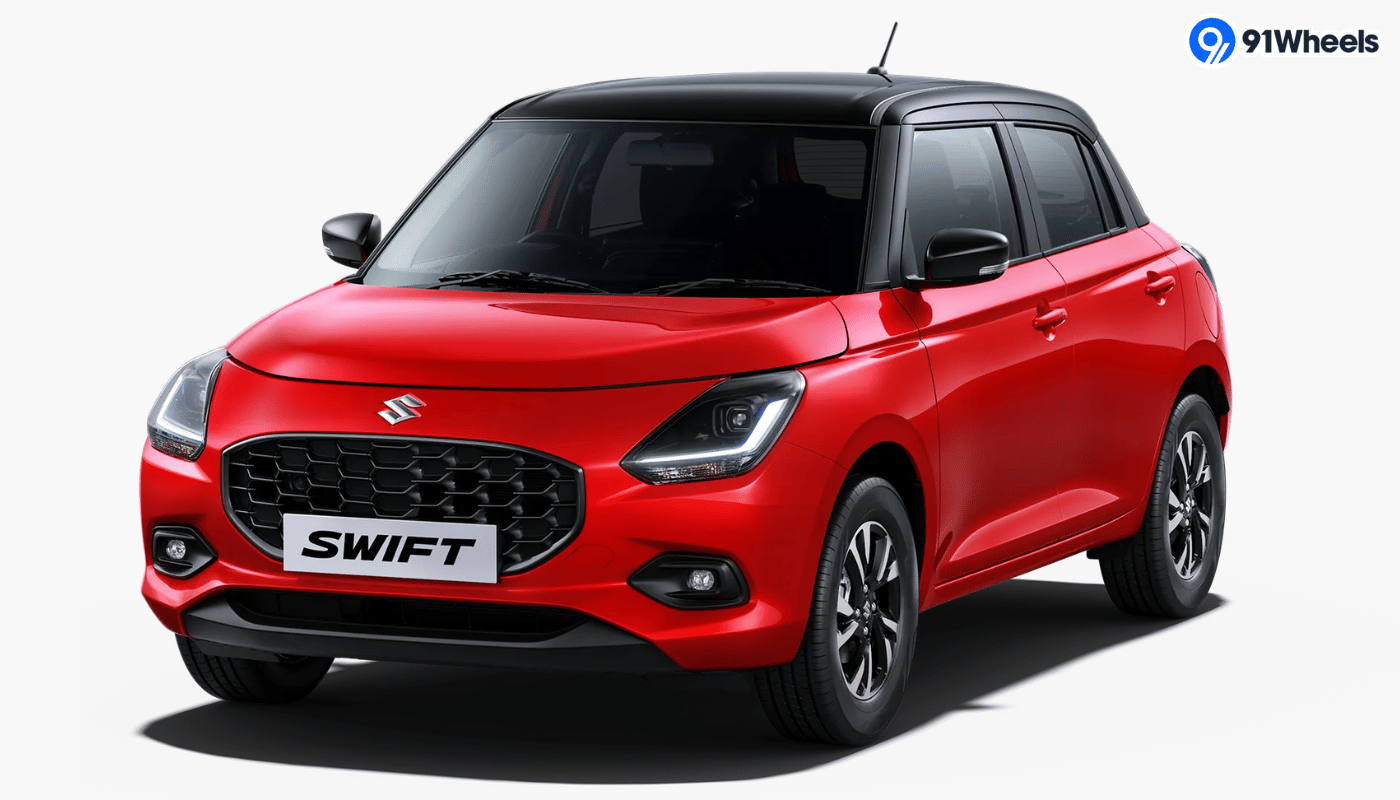
It's not extinct - it's been pushed into three specific pockets of the market:
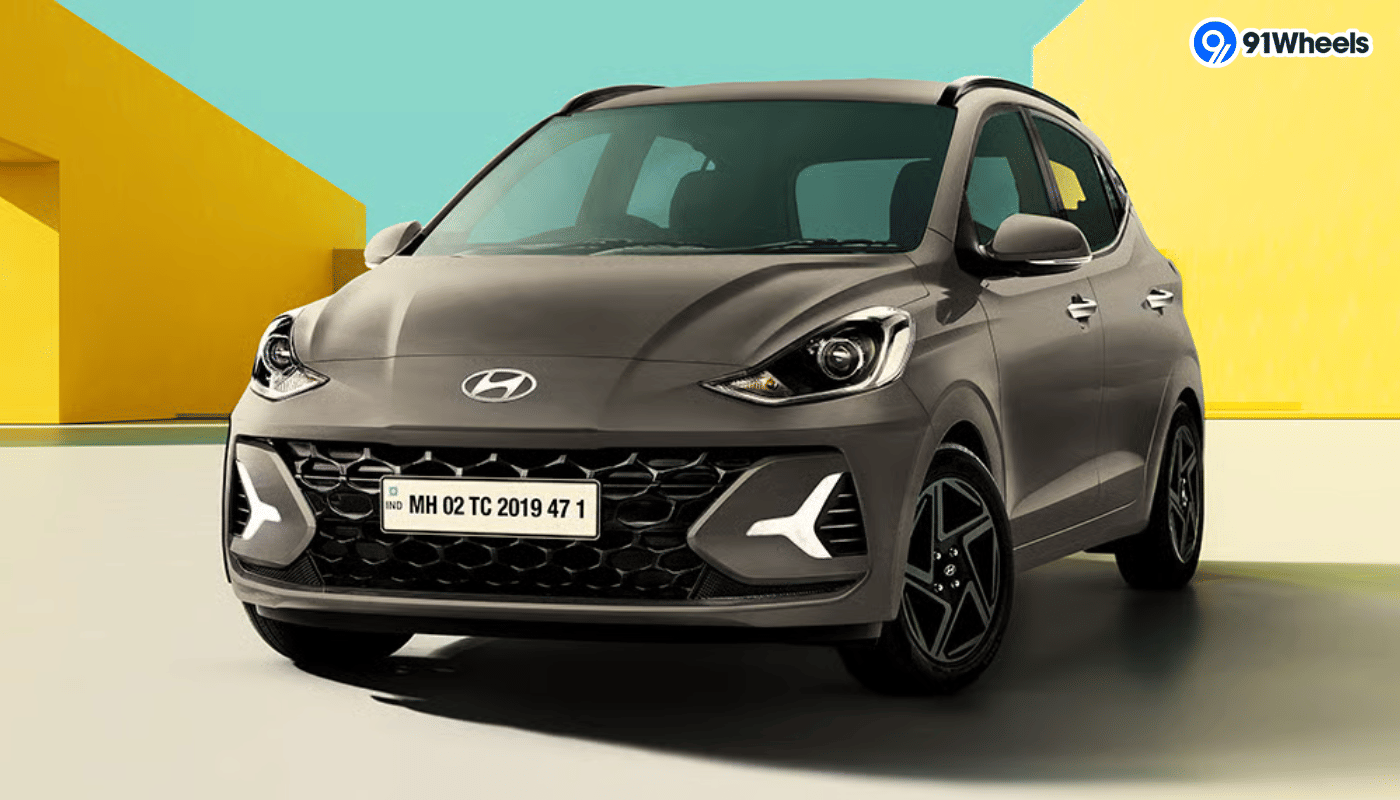
- Entry-level and sub-4-metre segments: cars like the Alto, WagonR, Swift, Tiago, Punch, and base variants of the Venue continue to rely on NA petrols because keeping the car affordable matters more than chasing a fleet-efficiency multiplier, and CAFE-III's proposed small-car relaxation is specifically designed to protect this segment.
- Base and mid trims of otherwise turbo-capable cars: interestingly, several Rs. 10-15 lakh SUVs - the Hyundai Creta and Kia Seltos being the clearest examples - still offer a 1.5-litre NA petrol as the base/mid engine option, with the turbo-petrol reserved for the sportier, better-equipped top trims. So the NA engine hasn't disappeared from this price band entirely; it's been repositioned as the "value and simplicity" choice sitting alongside a turbo "performance" choice, rather than being the only option.
- Buyers prioritising long-term ownership simplicity: NA engines have no turbocharger, intercooler, or high-pressure direct-injection components to worry about, which means simpler, typically cheaper servicing, and better tolerance of inconsistent maintenance - a genuine advantage for high-mileage owners, fleet operators, and anyone planning to keep a car for 7-8+ years without fail.
The Other Disruptor: Hybrids are Eating into turbo-petrol's territory too
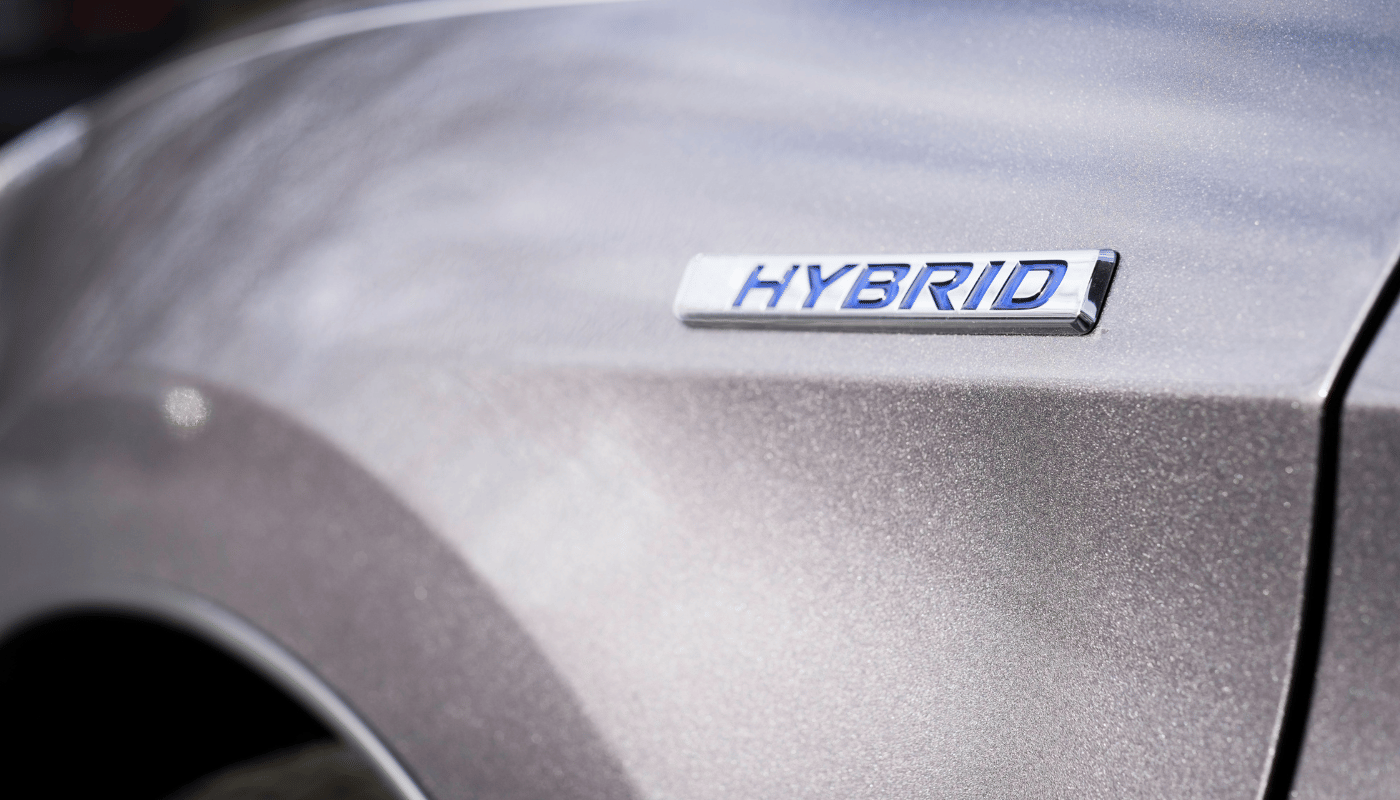
It would be incomplete to frame this purely as "NA petrol vs turbo-petrol." The bigger structural shift is that strong hybrids - led by Maruti's Grand Vitara, Toyota's Hyryder and Innova Hycross, and Maruti's newer Victoris/e-Vitara-adjacent lineup are emerging as a third path that beats both older approaches on CAFE compliance, since CAFE-III credits a strong hybrid at 2x weight in the fleet-average calculation. For manufacturers with hybrid technology in hand, that's often a more attractive way to hit efficiency targets in the Rs. 12 lakh-plus bracket than turbocharging an NA engine, because it doesn't come with the "boring to drive" trade-off reviewers pin on some turbo-three-cylinder units, while still delivering city-cycle efficiency numbers a pure NA engine can't match.
What this Actually Means If You're Car Shopping Above Rs. 10 lakh Right Now
- If you drive mostly in the city, do low annual mileage, and want the lowest ownership stress over a decade, a naturally aspirated variant (where still offered) or a strong hybrid remains a genuinely sound, unglamorous choice - don't let "boring" reviews talk you out of it if long-term simplicity is your priority.
- If you do a lot of highway driving, overtake often, or simply want the car to feel eager, a turbo-petrol makes a real, noticeable difference in drivability - just factor in stricter service intervals, the need for good-quality engine oil and fuel and slightly higher maintenance cost over 5+ years.
- Watch resale carefully: turbocharged cars that have crossed 70,000-80,000 km with patchy service history can see tougher negotiations from used-car buyers wary of turbo life, while NA cars still carry a reputation for predictable resale.
- If efficiency and low running cost matter more than outright driving excitement, a strong hybrid - where available in your budget - currently offers the best of both worlds, at a price premium that's easier to justify the more you drive.
The road ahead: 2027-2032
Our Verdict
With CAFE-III locking in from April 2027, expect the trend documented here to accelerate rather than plateau. Manufacturers publicly opposed to differentiated treatment for small cars - Tata, Mahindra, Hyundai, Kia are precisely the brands with the strongest incentive to keep pushing turbo-petrol and hybrid technology further down their range, since every additional efficient unit sold makes their fleet-average math easier. Don't be surprised if, over the next few product cycles, the plain naturally aspirated petrol becomes almost entirely a sub-Rs. 10 lakh, base-variant proposition while everything above that line splits between small-capacity turbo-petrols for the driving-enthusiast buyer and strong hybrids for the efficiency-focused one.
The naturally aspirated engine isn't dying because it's a bad engine. It's disappearing from the upper end of the market because it's the one technology path that helps a manufacturer with neither the fuel-efficiency law nor the modern Indian buyer's expectations of how a Rs. 10 lakh-plus car should feel to drive.
Do you like this article?
Comments
No comments yet. Be the first to comment!