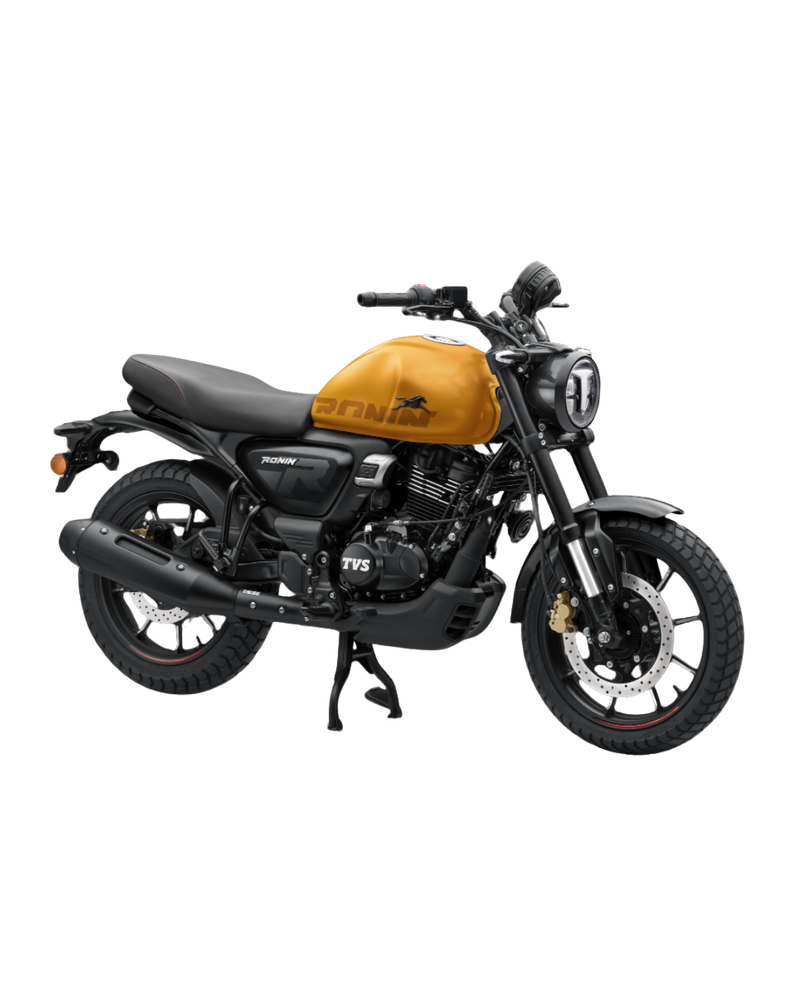
Triumph Thunderbird Storm 2020-2023 Specifications


1597-1699 cc
Engine Capacity
700 mm mm
Seat Height
339 kg
Kerb Weight
22 Litres
Fuel Tank Capacity
Disc
Front Brake Type
85 bhp @ 48500 rpm
Max Power
Triumph Thunderbird Storm 2020-2023 have 2 variants ranging from 1453000 to 1453000. Thunderbird Storm 2020-2023 is powered by a 2 cylinder, 1597 cc, Parallel-twin with a 270 firing interval.
It is able to produce 146 Nm @ 2750 rpm torque and 85 bhp @ 48500 rpm power.
Keep scrolling to explore detailed configuration, features and technical specs of Thunderbird Storm 2020-2023.
Triumph Thunderbird Storm 2020-2023 Weight & Height
The seat height of Triumph Thunderbird Storm 2020-2023 is 700 mm mm and the kerb weight is 339 kg. In other dimensions Thunderbird Storm 2020-2023 has 2340 mm Length, 880 mm Width, 1120 mm Height, 1615 mm Wheelbase, 140 mm Ground Clearance, 22 litres Fuel Tank Capacity.Triumph Thunderbird Storm 2020-2023 Body
Triumph Thunderbird Storm 2020-2023 has Telescopic Fork suspensions with front tyre and Showa chromed spring twin shocks with 5 position suspensions with rear tyre. It comes with a Twin-spine architecture frame.Triumph Thunderbird Storm 2020-2023 Alternatives
Main Competitors of Thunderbird Storm 2020-2023 bike are Indian Motorcycle Scout Bobber, Harley-Davidson Nightster, Triumph Bonneville Bobber, Triumph Bonneville Speedmaster, Indian Motorcycle Sport Scout, Indian Motorcycle Scout Classic, Indian Motorcycle Scout Sixty Classic, Harley-Davidson Sportster S, Indian Motorcycle Sport Scout Sixty, KTM 890 Duke R.Keep scrolling to explore detailed configuration, features and technical specs of Thunderbird Storm 2020-2023.
Variant Wise Comparison
Standard
Base VariantN/A
Standard
Base VariantN/A
Engine Type | Parallel-twin with a 270 firing interval | Parallel-twin with a 270 firing interval |
Engine Capacity | 1597 cc | 1597 cc |
Max Power | 85 bhp @ 48500 rpm | 85 bhp @ 48500 rpm |
Max Torque | 146 Nm @ 2750 rpm | 146 Nm @ 2750 rpm |
No. of Cylinders | 2 | 2 |
Ad
Loading...
Loading...
Didn't Find Your Question? Ask an Expert

Loading...
Loading...