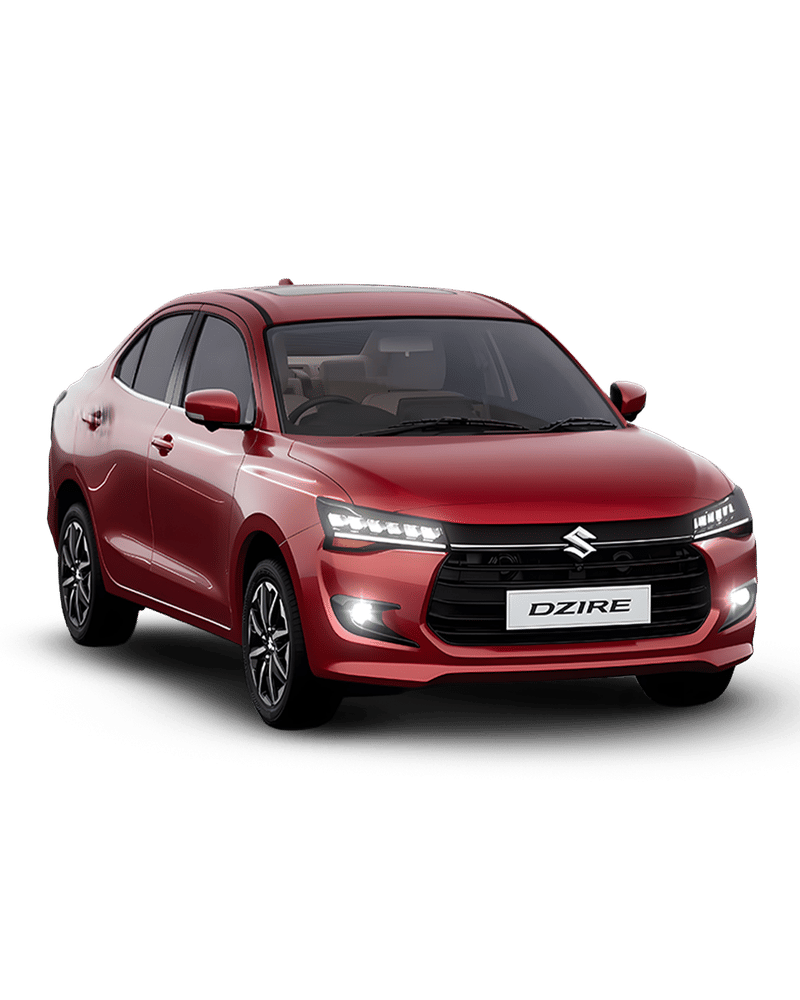
Buying a car is a dream for many families and the hard earned money should be invested in the right vehicle only, but the real question is how to choose the right fit for you and your family. Today we won’t discuss how to choose the right fit, instead we will discuss the vehicle that can be righteous for many. So, with a further due, let’s discuss the best family cars under Rs. 10 lakh.
Definition of Family Car
A family car is simply the car which has space to accommodate people and still has space for air to pass, big boot space for family trips, light on pocket because maybe this can be somebody’s first car, easy on maintenance and has a wide service network.
Maruti Suzuki Ertiga
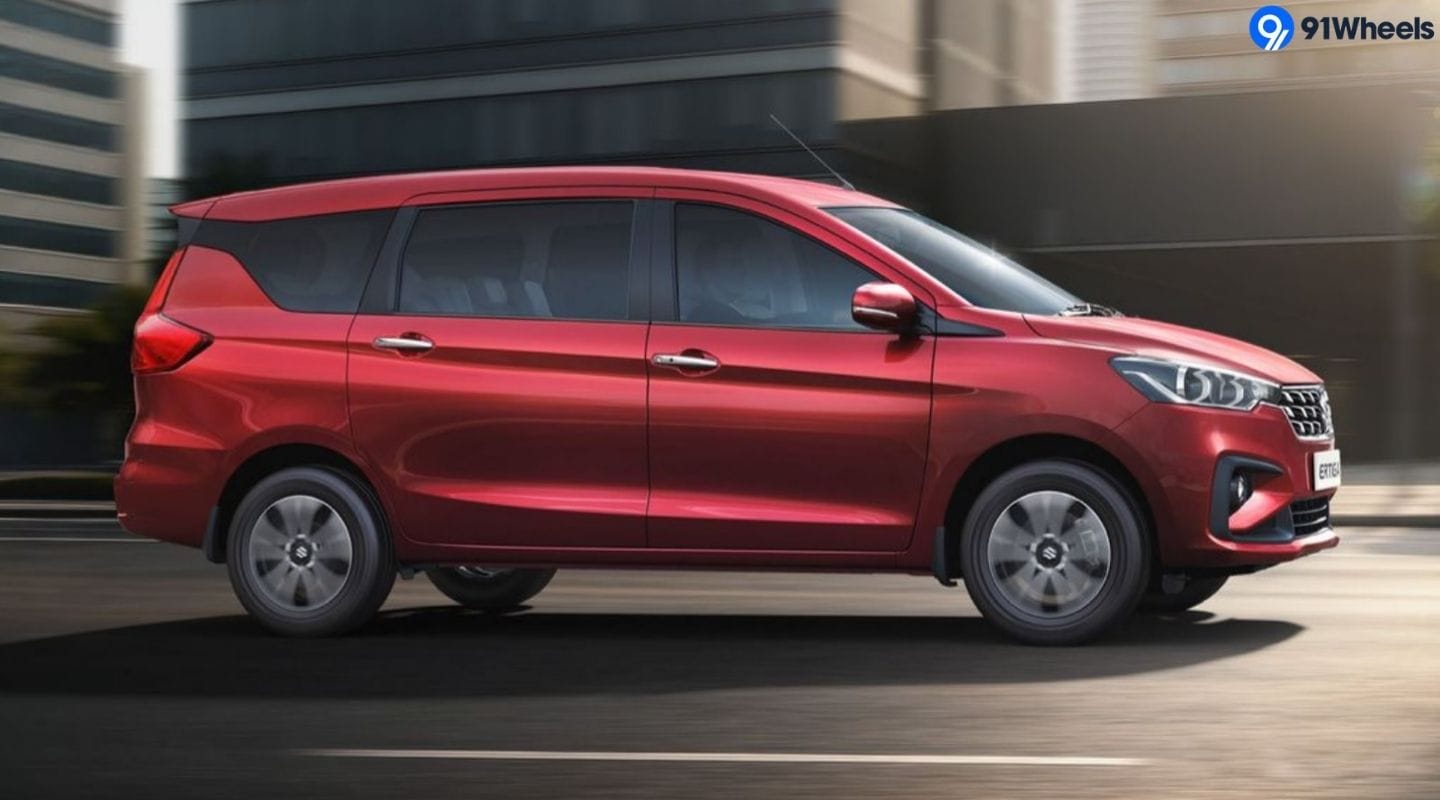
Maruti Suzuki launched this MPV as LUV (Life Utility Vehicle) in 2012 and currently its second gen is on sale. This MPV can easily accommodate 7 people with ease and still has a boot space left around 200 litres, but if we fold the third row then it comes as around 550 litres. The height 1690 mm gives ample headroom that makes the room feel airy.
Ertiga has an engine of 1.5 litre with petrol and CNG on offer. The petrol engine generates power of 103 PS and 139 Nm of torque mated with 5 MT and 6 AT. It has a claimed mileage of 20.51 kmpl. Then comes the petrol+CNG engine produces power of 88 PS and 121 Nm of torque mated with 5 MT. It has a mileage of 26.11 kmpkg.
The price of Ertiga starts from Rs. 8.85 lakh and goes up to Rs. 11.92 lakh. So there are main two variants under 10 lakh that too in petrol. However, putting only Rs 86,000 more can bring you a CNG variant. This may look like a big upfront cost but buyers can recover this amount in 2 years of ownership by saving on fuel. The service network of Maruti is spread out well in the country.
Citroen Basalt
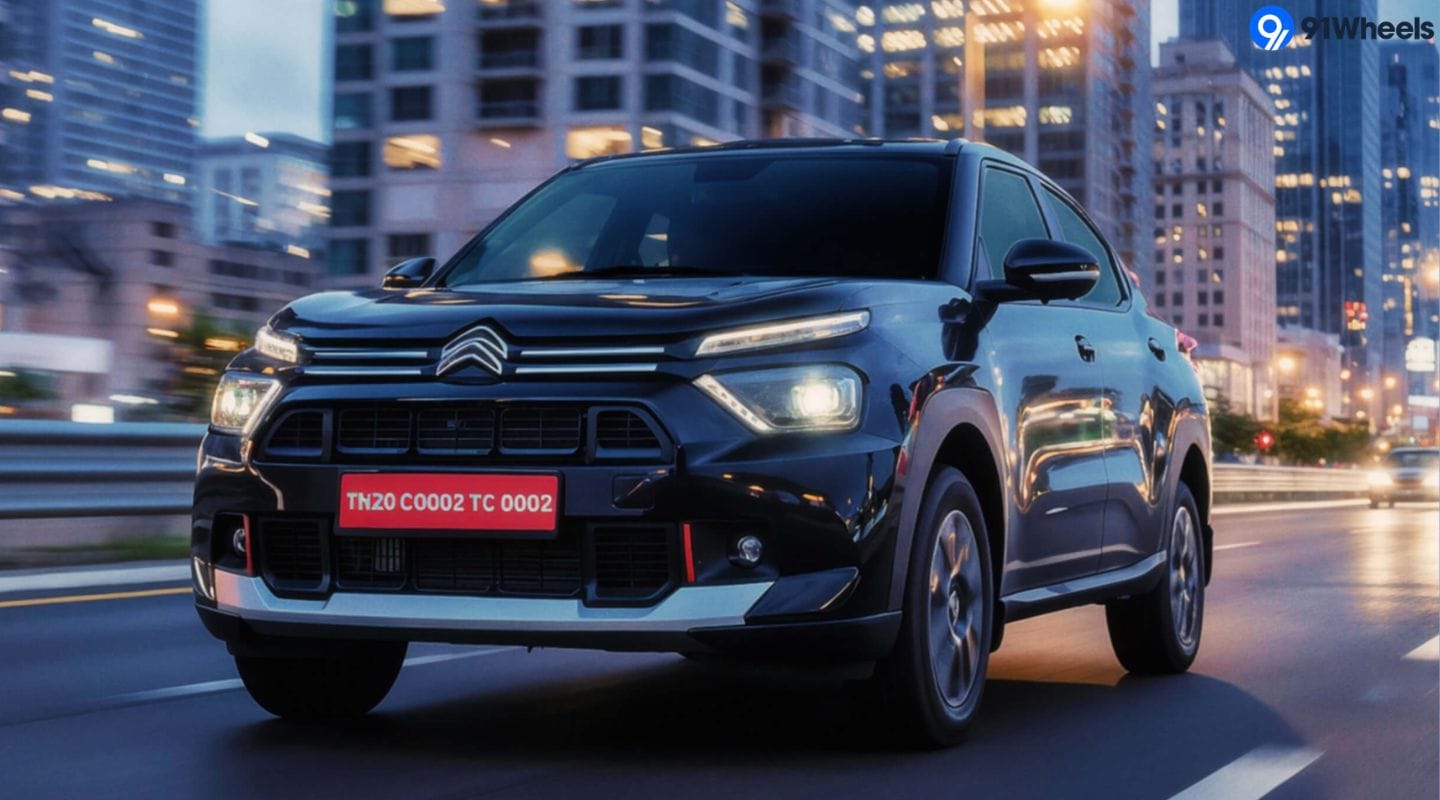
Citroen introduced the Basalt in September 2024 as a coupe-SUV, the fourth model under its C-Cubed localisation program for India, giving it a sloping roofline that sets it apart from boxier rivals. It's a 5-seater with a segment-leading boot space of 470 litres, expandable further by folding the rear seats. The car measures 4,352 mm in length, 1,765 mm in width, and 1,593 mm in height, with a 2,651 mm wheelbase, the longest in its segment, which translates into notably good rear legroom. This is the only SUV one can buy among the mid size SUV segment.
The Basalt offers two engine choices: a 1.2-litre naturally aspirated petrol making around 82 PS and 115 Nm, and a 1.2-litre turbo-petrol producing roughly 110 PS and 205 Nm, paired with manual or torque-converter depending on variant. Claimed ARAI mileage sits between 18 kmpl and 19.5 kmpl. In real-world driving, though, that gap widens more than on some rivals; expect around 13-14 kmpl on the NA variant and 15 kmpl on the turbo in mixed conditions, climbing to about 18 kmpl on a gentle highway run.
Prices range from Rs. 8.55 lakh to Rs. 13.74 lakh. Being a relatively new nameplate from a smaller player in India, Citroen's service network still needs to improve but it is worth weighing against the Basalt's space and styling advantages.
Maruti Suzuki Brezza
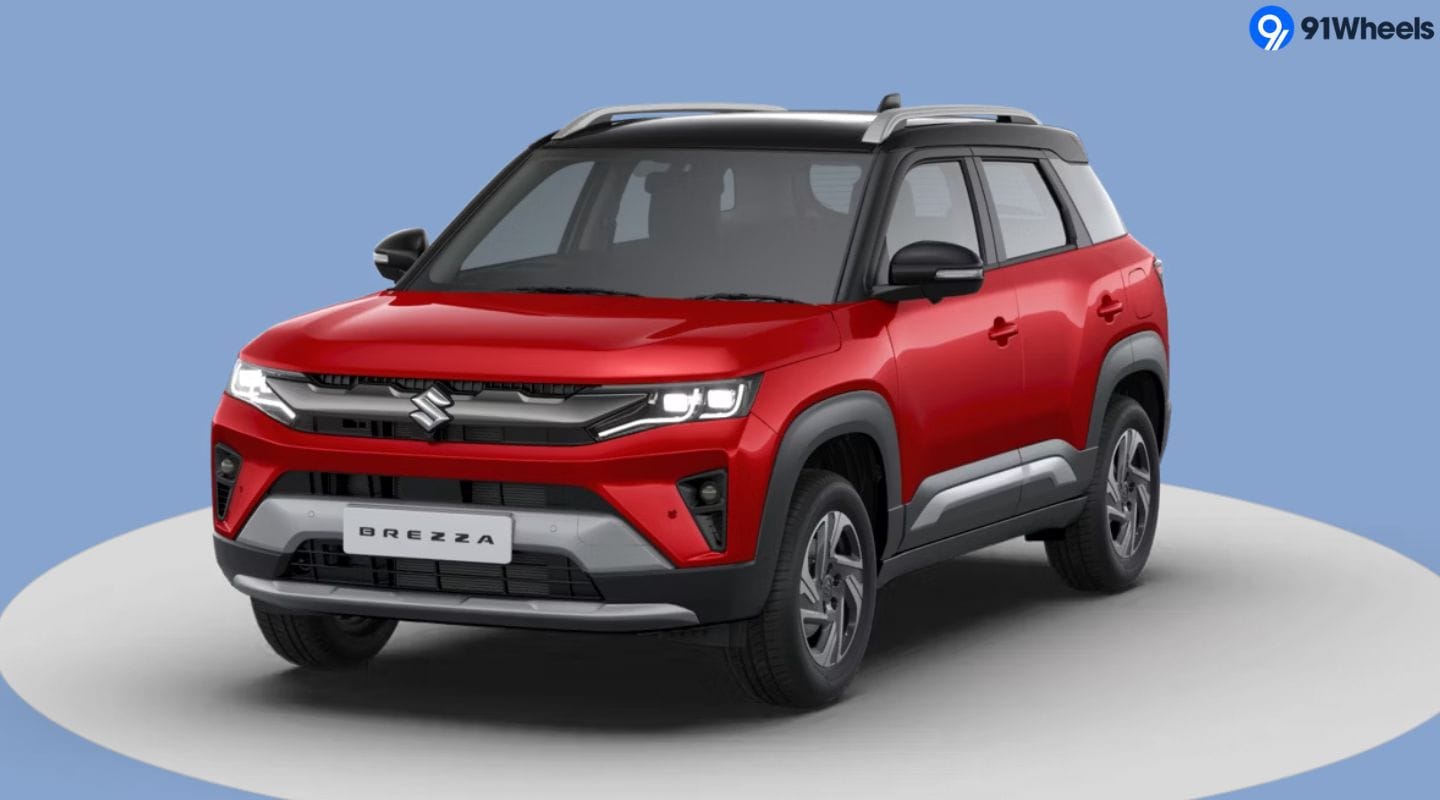
Maruti Suzuki entered the compact SUV space with the Vitara Brezza in 2016, and the current second generation (rebadged simply as "Brezza") recently received a 2026 facelift. It's a 5-seater with a boot space of 328 litresl; the new-gen CNG variant now uses an underbody-mounted tank layout instead of a boot-mounted one, freeing up usable luggage space that earlier CNG SUVs typically sacrificed. The car measures 3,995 mm in length, 1,790 mm in width, and rides on a 2,500 mm wheelbase.
Under the hood, the Brezza continues with a 1.5-litre petrol engine generating 103 PS and 139 Nm of torque, now mated to a 6-speed manual (up from the earlier 5-speed) and a 6-speed AT. The petrol+CNG option makes 88 PS and 121.5 Nm, running on the same 1.5-litre unit. The 2026 update also adds a new turbo-petrol engine to the lineup. Claimed ARAI mileage ranges from 19.8 to 21.09 kmpl on petrol, and up to 26.9 km/kg on CNG.
Pricing starts from Rs. 7.40 lakh and goes up to Rs. 13.71 lakh. The CNG range begins at Rs. 9.30 lakh, so the premium over petrol is roughly Rs. 1.9 lakh at the entry level; though the SUV is still under the 10 lakh pack. Maruti's after-sales network remains one of the most widespread in the country, which continues to be a strong pull for the Brezza.
Kia Syros
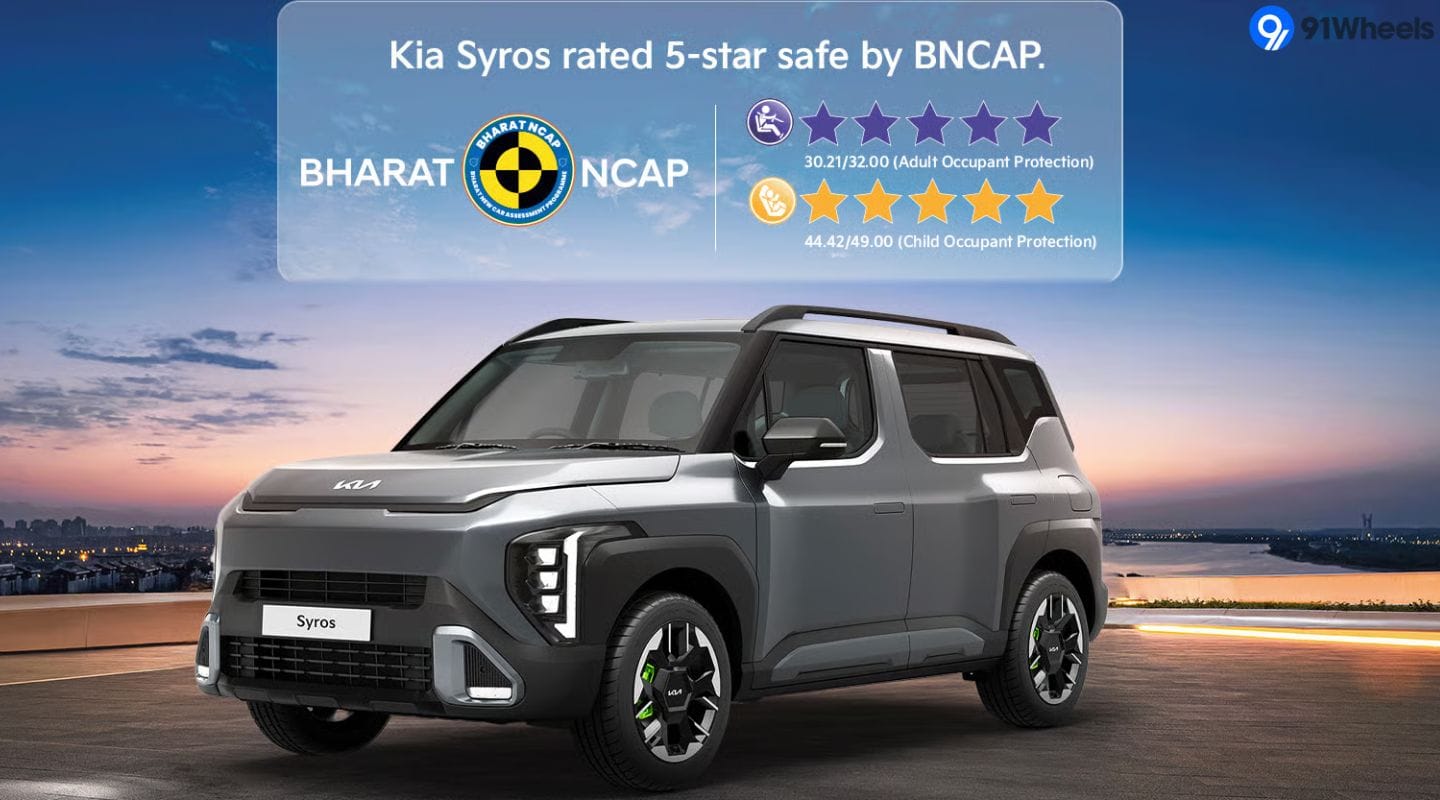
Kia launched the Syros in February 2025 as a premium sub-4-metre SUV slotting between the Sonet and Seltos, its second entrant in this segment. A standout feature is its sliding rear seat, which lets boot space flex between 390 litres and 465 litres depending on how far back the second row is pushed, on top of a 60:40 split-fold option. It measures 3,995 mm in length, 1,805 mm in width, and 1,625 mm in height, riding on a 2,550 mm wheelbase, 50 mm longer than the Sonet's, which shows up as extra cabin room.
Two engines are on offer: a 1.0-litre turbo-petrol making 120 PS and 172 Nm, paired with a 6-speed manual or 7-speed DCT, and a 1.5-litre turbo-diesel producing 116 PS and 250 Nm, available with a 6-speed manual or 6-speed torque-converter. There is no claimed mileage.
Pricing runs from Rs. 8.42 lakh to Rs. 14.99 lakh. It's also the first Kia model made in India to score a full 5-star Bharat NCAP rating, with 6 airbags and ADAS standard across the range, a strong safety pitch, though Kia's service network is still comparatively thinner however the touch and feel of Kia is something which makes you feel like driving a classic car.
Tata Punch
Punch
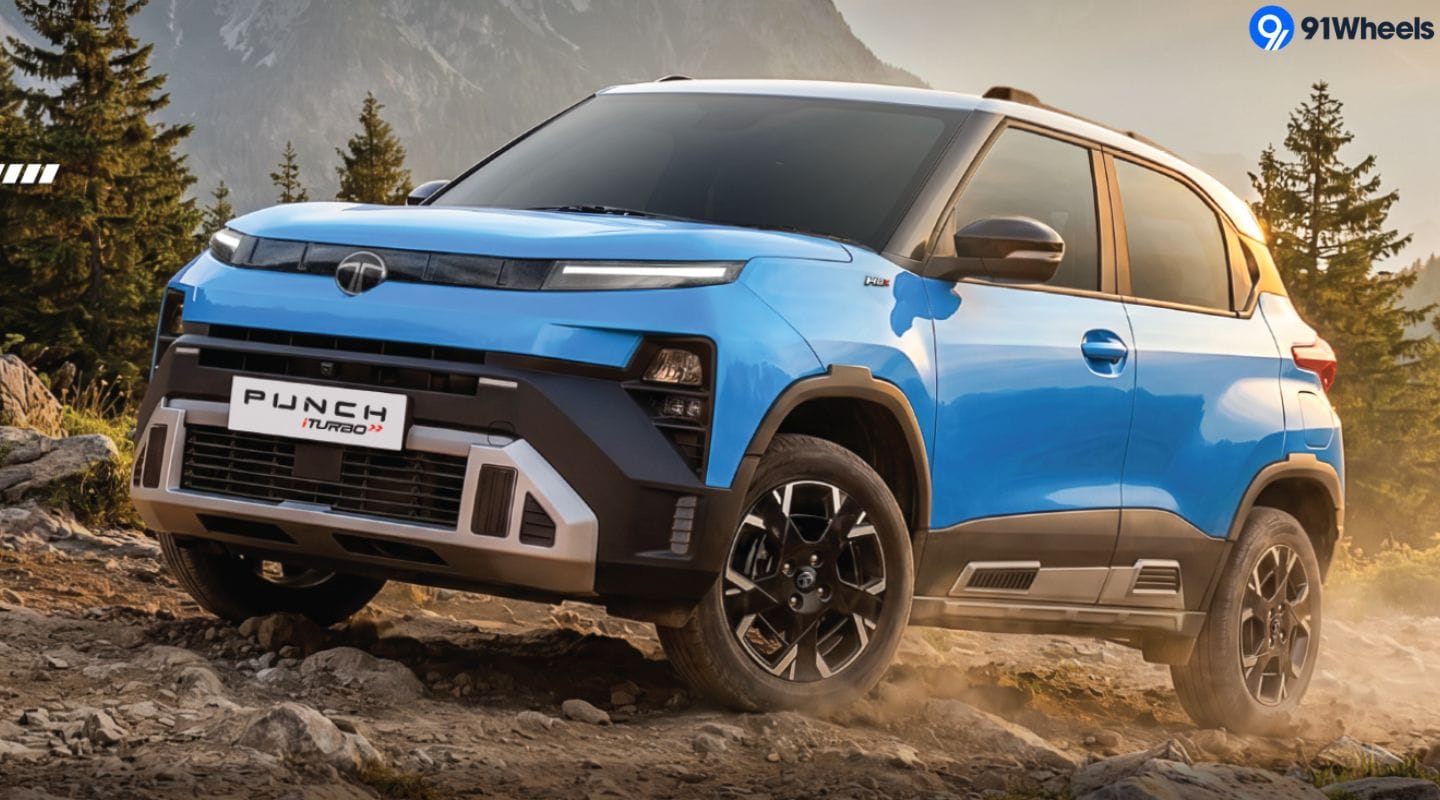
Tata launched the Punch in 2021 as a compact, sub-4-metre micro-SUV, and it received its first major mid-life update in January 2026, which added a turbo-petrol engine to the range. It's a 5-seater with 366 litres of boot space on petrol variants, dropping to about 210 litres of usable space on the CNG version, since Tata uses twin cylinders under the floor rather than a single boot-mounted tank to preserve as much room as possible. Dimensions come in at 3,876 mm in length, 1,742 mm in width, and 1,615 mm in height, on a 2,445 mm wheelbase, with a class-leading 193 mm of ground clearance.
Engine options include a 1.2-litre naturally aspirated petrol making 88 PS and 115 Nm (dropping to 73.4 PS and 103 Nm on CNG), offered with either a 5-speed manual or AMT. The new 1.2-litre turbo-petrol makes 120 PS and 170 Nm but is available only with a 6-speed manual. Official ARAI mileage figures for the updated turbo range weren't clearly published at launch, but owners report real-world figures of roughly 15-18 kmpl on the NA petrol.
Prices span Rs. 5.70 lakh to Rs. 09.09 lakh, making it Tata's most affordable SUV offering and one of the cheapest ways into a 5-star Global NCAP-rated car in India. The CNG variant starts at Rs. 6.80 lakh, and the automatic (AMT) range begins at Rs. 7.66 lakh. The price of Punch is key factor which can let you choose all variants under the 10 lakh bracket.
Renault Triber & Nissan Gravite
.jpg)
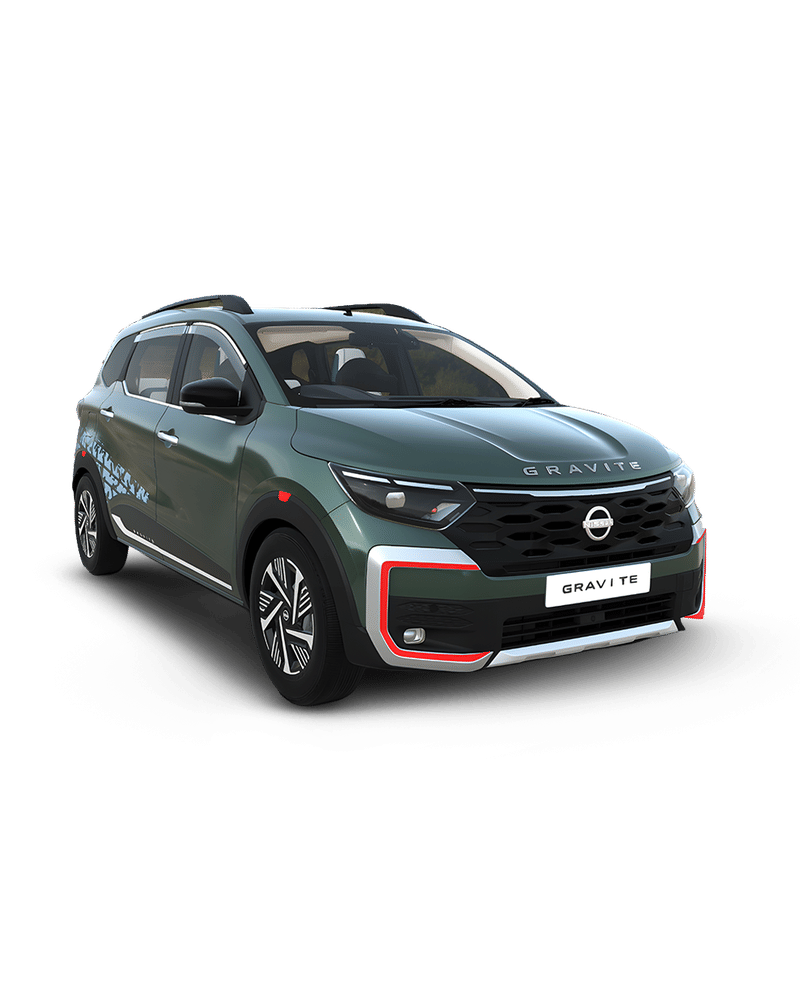
These two are worth covering together because they're effectively the same car wearing two badges. The Nissan Gravite, launched in 2026, is a rebadged version of the Renault Triber, and both share the Renault-Nissan CMF-A+ (now called RGEP) platform, with nearly every mechanical spec carrying over identically between them. Both are sub-4-metre, 7-seater MPVs, a body style neither brand has much competition for at this price point.
Dimensions are nearly identical across both badges: around 3,990 mm in length (3,987 mm for the Gravite), 1,739 mm in width, 1,643 mm in height, and a 2,636 mm wheelbase, long for the segment, which is what allows genuine three-row seating in a car this compact. Ground clearance sits at 182 mm. Power comes from the same 999cc, 1.0-litre naturally aspirated petrol engine, producing 72 PS and 96 Nm, mated to either a 5-speed manual or Renault-Nissan's 5-speed "Easy-R" AMT.
On pricing, the Renault Triber ranges from Rs. 5.80 lakh to Rs. 8.73 lakh ex-showroom. Nissan and Renault typically differentiate more on styling, warranty, and dealer experience than on hardware, since both are built at the same Chennai plant.
End Note
If you're choosing just one, the Maruti Suzuki Ertiga is the safest all-round pick under Rs. 10 lakh, it offers genuine 7-seat practicality, a reliable engine lineup with a fuel-efficient CNG option, and Maruti's unmatched service network, making it the most dependable family car in this budget. However, if safety features and a modern package matter more to you, the Kia Syros is worth stretching for with its 5-star Bharat NCAP rating and standard 6 airbags; if you're on a tighter budget, the Tata Punch delivers the best value with class-leading ground clearance and a 5-star Global NCAP rating at the lowest price point; and if you need three-row seating without breaking the bank, the Renault Triber or Nissan Gravite are unbeatable on price-to-space ratio. Ultimately, the right choice depends on whether you prioritize seating capacity, safety, budget, or after-sales convenience, but for most families, the Ertiga remains the most well-rounded bet.
Do you like this article?
Comments
No comments yet. Be the first to comment!