How Are EVs, ADAS, and Premium Features Changing the Economics of Car Ownership?

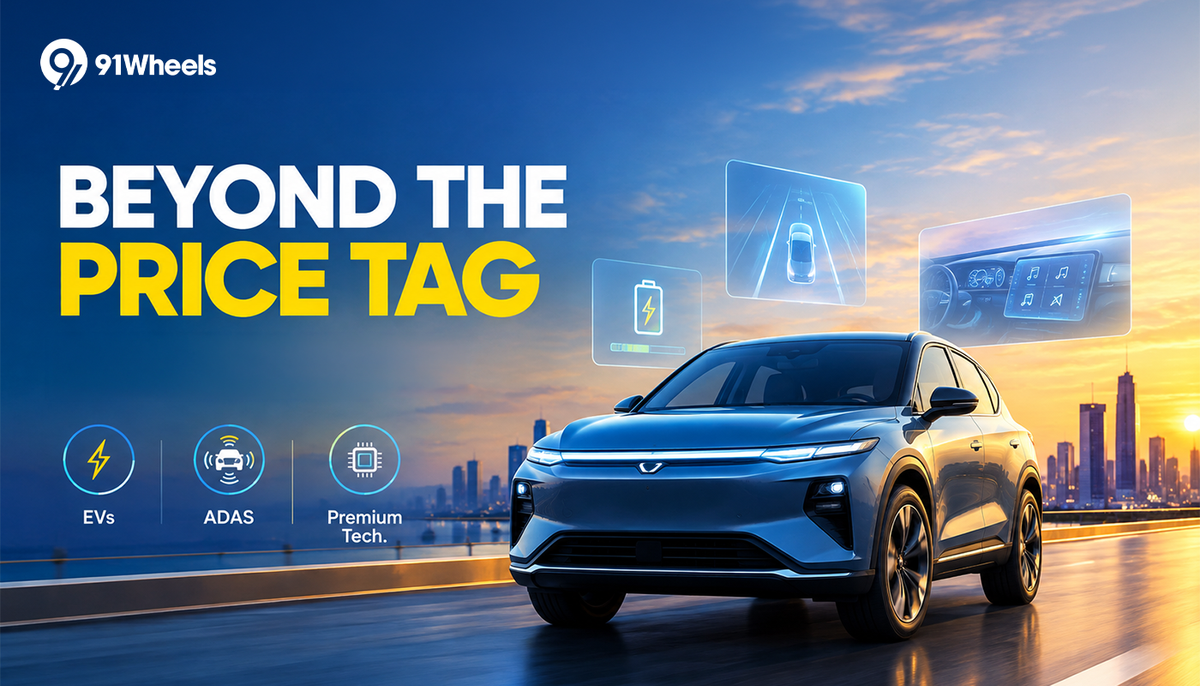
For many years, evaluating a car's ownership cost was relatively straightforward. Buyers mainly considered the purchase price, fuel expenses, insurance premiums, servicing costs, and depreciation. Today, however, EVs, ADAS, and premium technologies are reshaping that equation.
These technologies are changing ownership economics in different ways. EVs can reduce running and maintenance costs, ADAS can help lower certain accident-related expenses, and premium features can improve convenience and safety. At the same time, advanced sensors, cameras, software systems, and electronic components can increase repair complexity and replacement costs.
As a result, the true cost of owning a modern car extends far beyond the showroom price. Understanding the long-term impact of energy costs, maintenance, repairs, insurance, depreciation, and technology-related expenses has become just as important as choosing the right vehicle itself.
Why Does Ownership Cost Matter More When Buying a New Car?
The true cost of owning a car today goes far beyond the showroom price. Buyers are increasingly focused on ownership costs because several factors drive up expenses over time:
- High repair costs: Modern cars come with sensors, computer systems, and advanced technology, and repairs and replacements often require specialised technicians, making them significantly more expensive.
- Rising recurring expenses: Fuel, annual insurance, tolls, city parking fees, tyre replacements, and routine servicing all add up to a steady monthly expense.
- Financing and interest rates: A higher car price usually means a bigger loan, which increases the total interest paid over the tenure.
- Depreciation impact: A car loses value the moment it leaves the showroom, often becoming the single biggest hidden financial hit during ownership.
As vehicles become more expensive and technology-rich, ownership costs can often have a bigger impact on long-term spending than the initial purchase price itself.
How Are EVs Changing the Cost of Everyday Driving?
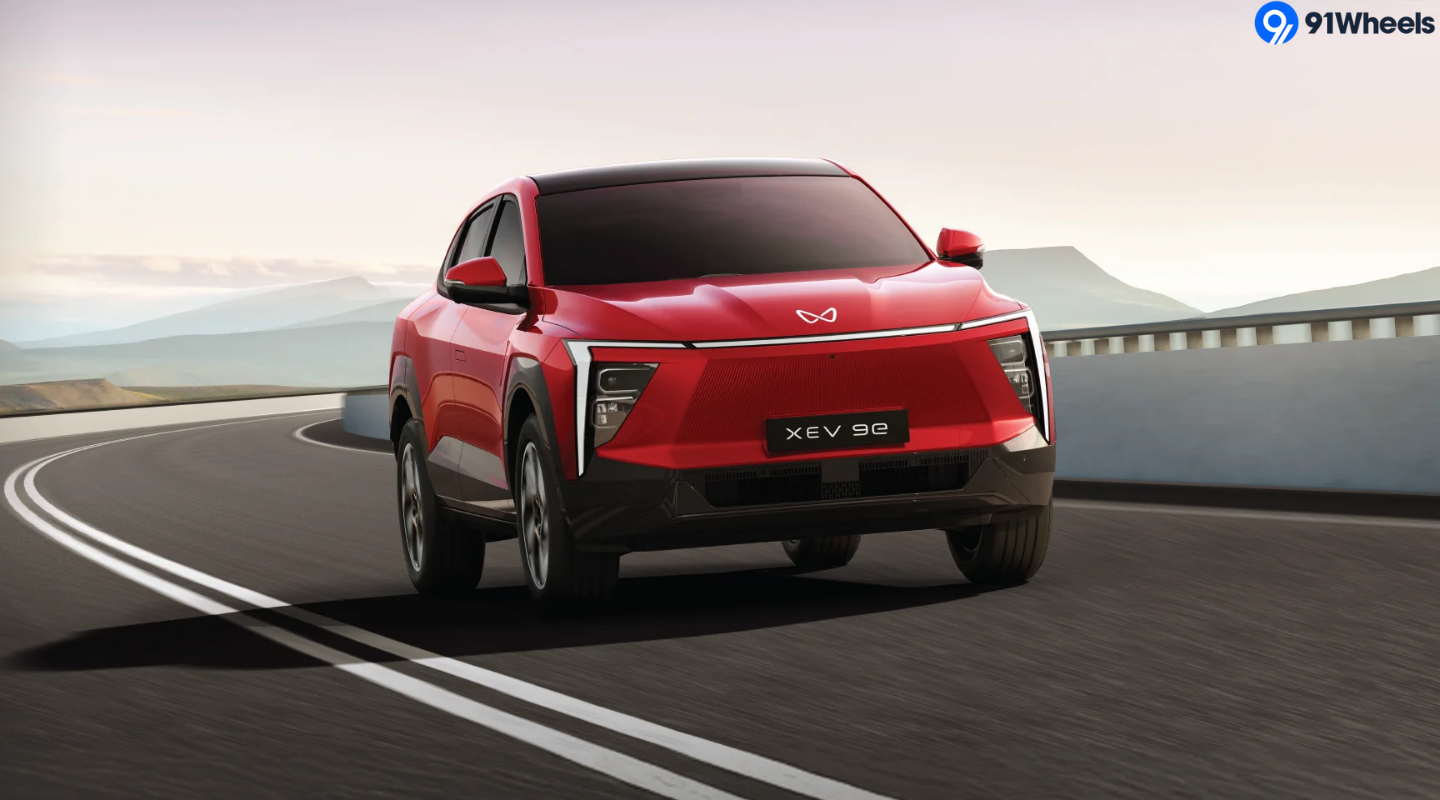
EVs are changing ownership economics by lowering two major recurring expenses: energy costs and routine maintenance. Compared with petrol and diesel vehicles, they generally cost less to run and require fewer scheduled maintenance activities due to their simpler mechanical design.
The savings are not universal. EVs usually have a higher upfront purchase price, and owners who depend primarily on public charging may see a smaller running-cost advantage. Over longer ownership periods, battery health and replacement costs also remain important factors when assessing overall ownership economics.
Can ADAS Reduce Some Accident-Related Costs?
ADAS can help reduce the likelihood of certain types of accidents, which may lower repair expenses and insurance claims over time. Features such as automatic emergency braking, lane-keeping assistance and blind-spot monitoring can help reduce certain driving errors that commonly lead to collisions. ADAS is designed to support drivers and reduce certain collision risks, but it cannot eliminate accident-related expenses.
According to research published by the Insurance Institute for Highway Safety (IIHS), forward collision warning combined with automatic emergency braking reduced front-to-rear crash rates by about 50% and injury crash rates by about 56%. While actual outcomes vary by driver behaviour and road conditions, ADAS technologies are designed to reduce certain collision risks that can lead to repair expenses.
Why Do High-Tech Cars Often Cost More to Repair?
Advanced technology brings safety and convenience, but it also raises repair costs. The cameras, radar units, and sensors that make driving safer are often positioned in vulnerable areas such as bumpers, windscreens, and mirrors — parts most likely to be damaged in minor accidents. Even a small knock can mean replacing an expensive sensor, and many components require recalibration afterwards. For example, replacing a windscreen on an ADAS-equipped car isn’t just about fitting new glass; it usually involves recalibrating the front camera, which adds significantly to the bill.
As a result, repair costs are increasingly influenced by hidden electronic components rather than visible body damage alone.
Do Premium Features Add Long-Term Value to a Car?
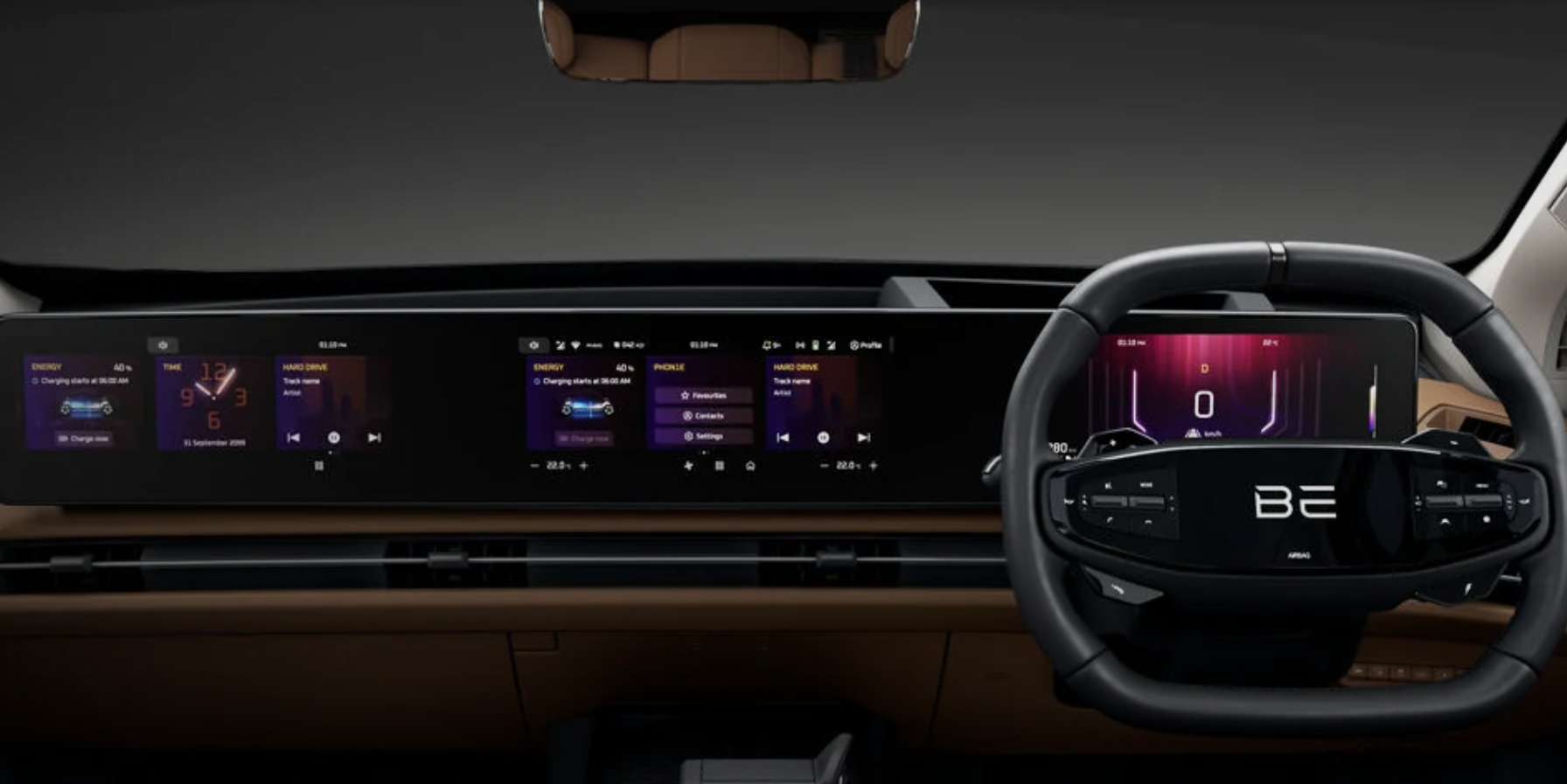
Premium features may add value, but only if they are reliable and truly useful. Features that improve safety, convenience or everyday usability are generally more likely to deliver long-term value than features used only occasionally.
However, more features do not necessarily mean a higher vehicle value. Some features may be rarely used, and others can become expensive to repair as the car gets old. Long-term value also depends on how these features influence resale demand and future maintenance costs. Such features are also more likely to remain attractive to future buyers, supporting resale value, but costly electronic problems can reduce a car's value. Ultimately, the value of luxury features depends on how useful they are and the level of risk they involve over time.
Do Technology-Loaded Cars Always Offer Better Value for Money?
Not necessarily. The value of advanced technology depends on how often it is used, how reliable it remains over time, and how expensive it is to repair or replace.
Some technologies deliver clear long-term benefits by improving safety, convenience, or driving comfort, while others may add little practical value despite increasing the vehicle's purchase price. The true value of a technology-loaded car depends on whether the benefits it provides justify its additional ownership and maintenance costs over time. The best value comes from technology that delivers measurable benefits in safety, convenience, or ownership costs throughout the vehicle's lifecycle.
How Can Car Owners Manage Rising Repair and Replacement Costs?
Owners can reduce unexpected expenses by understanding the long-term maintenance requirements of their vehicle. Following the recommended service schedule, addressing minor issues before they worsen, and understanding potential repair costs in advance can help reduce unexpected ownership expenses.
Financial preparation is equally important. Owners should understand their vehicle's insured declared value (IDV), expected repair costs and coverage requirements before choosing a car insurance policy. As modern vehicles become more expensive to repair, suitable car insurance coverage can help reduce unexpected out-of-pocket expenses. IRDAI recommends comparing coverage, deductibles and IDV rather than selecting a policy based only on premium cost.
Why Does Insurance Matter More for Cars with Advanced Technology?
Insurance plays a bigger role in ownership economics when repair bills become less predictable. Higher and less predictable repair costs make adequate insurance coverage more important than it was for less complex vehicles.
Instead of focusing only on premium cost, buyers should also evaluate coverage limits, deductibles, IDV and policy exclusions to understand the level of financial protection available.
Is Zero Depreciation Insurance Worth Considering for a High-Tech Car?
Zero depreciation insurance can be a smart choice for newer cars, especially if replacing parts would mean a big depreciation deduction. With this add-on, depreciation on eligible parts usually isn't deducted during the claim.
For owners of new or technology-heavy vehicles, a zero-depreciation car insurance add-on may help reduce out-of-pocket expenses during eligible repair claims. However, the owner should review the policy carefully - understand its premium, claim limits, deductibles, and any other policy terms before signing the policy. It's an add-on, not a replacement for basic car insurance.
How Could Software-Defined Cars Change Ownership Costs?
Software is becoming an increasingly important part of vehicle ownership costs. As cars rely more on digital systems, they can receive updates, new features, and even certain repairs without replacing physical parts. This makes upgrades easier but also means owners depend heavily on software support, connectivity, and regular manufacturer updates to keep everything running smoothly.
As software becomes a core part of vehicle ownership, servicing may increasingly involve diagnostics, system updates, sensor calibration, and connectivity checks. This shifts a portion of ownership costs from traditional mechanical maintenance to digital system management.
Conclusion
EVs, ADAS and premium features are reshaping ownership economics in different ways. EVs can lower running and maintenance costs, ADAS can help reduce certain accident-related expenses, while premium technologies can improve convenience and safety but may increase repair complexity and costs.
For today's buyers, understanding ownership economics means looking beyond the showroom price. Running costs, servicing expenses, depreciation, insurance requirements, repair complexity, and software support all influence the real cost of owning a modern vehicle. Evaluating these factors together provides a more accurate picture of long-term value than focusing on purchase price alone.
Do you like this article?
Comments
No comments yet. Be the first to comment!