India's SUV Obsession: Are Buyers Getting a Better Car or Simply Paying More for the Body Style?

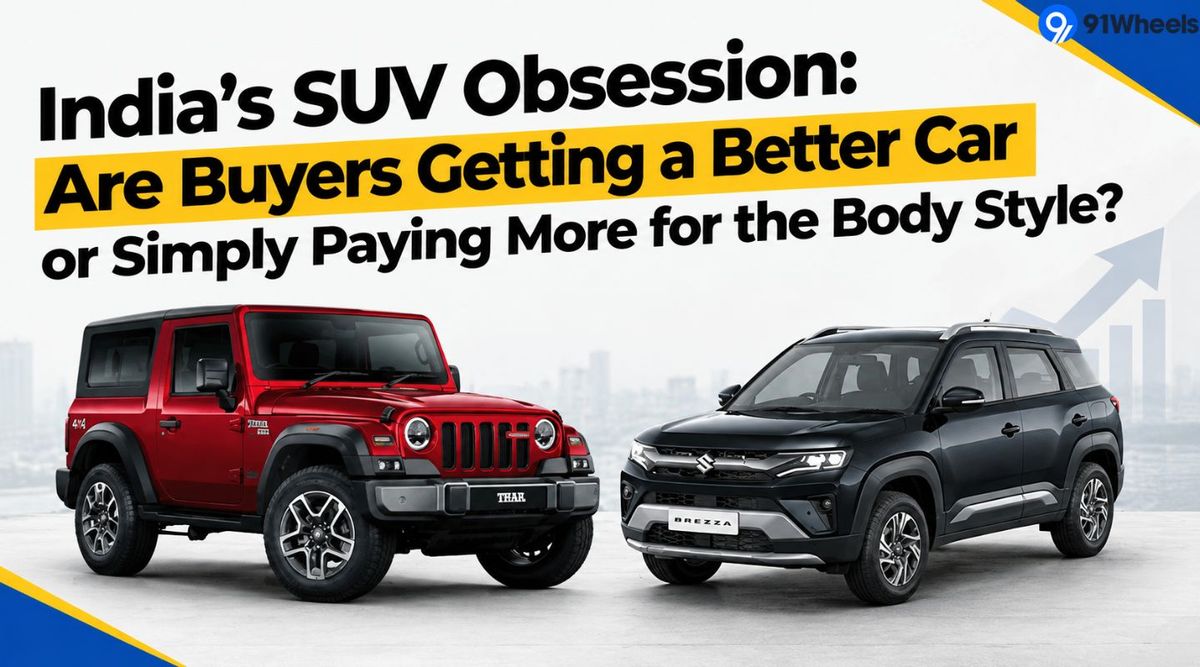
In India, sedans ruled the road for a very long time. But, post-COVID-19, walking on streets feels like you are in a market of SUVs. Everybody has an SUV, and this is not something built in a day. In this piece let’s decode if the SUVs are really worth the respect or hype they have in the current times, if the buyers are getting a better car or simply paying more for the body style.
Body Style Marketing
.png)
Many automakers are using this SUV obsession as an opportunity in India, to the extent that the real definition of SUV has changed completely. A typical SUV is known for its real off-road capabilities, more space, and good presence, and they make trails where there is no road. However, Indian automakers have kept the definition of an SUV to big chunky cladding and put some prefix like 'micro,' 'mini,' or 'sub-4 metres.'This is just a body style marketing in the name of SUVs. But are they just marketing the SUV body type, or do they provide some value too? Let's understand that.
10mm Gap
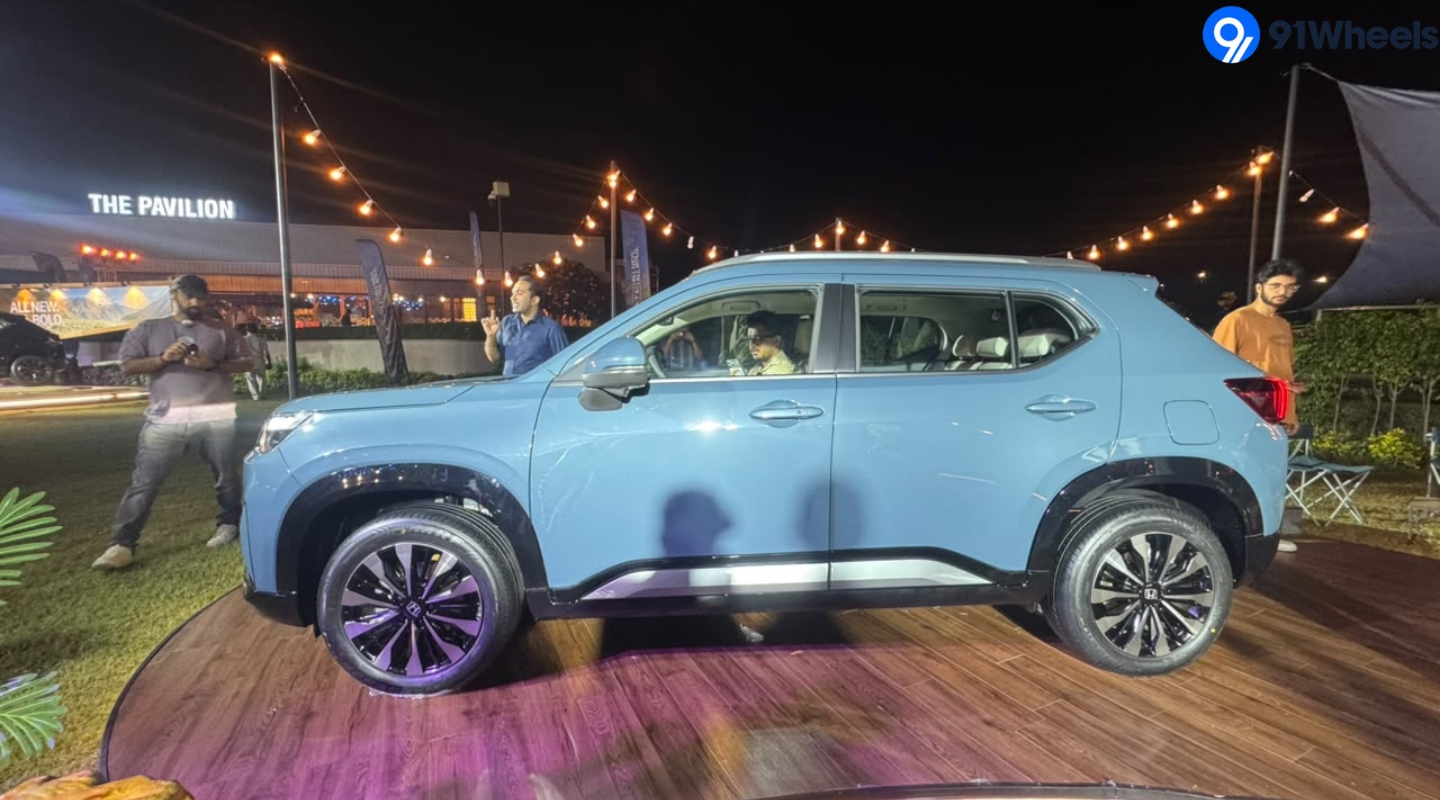
We all are well versed with the condition of Indian roads, and not even the expressways promise you a stable road. To ensure your safety, it is better to choose a car with higher ground clearance and whatever we call Indian SUVs, but they do offer good ground clearance. In the dying sedan segment, there are only a few sedans left. The Hyundai Verna, Honda City, Tata Aeris, Maruti Dzire, Hyundai Aura, and Honda Amaze all offer a ground clearance under 160-170 mm, which feels just enough or sometimes less than that in Indian road conditions. However, the Skoda Slavia and VW Virtus are exceptional sedans that offer nearly 180 mm of ground clearance. There are hatchbacks that offer a ground clearance of nearly 170 mm, and then come SUVs with ground clearance above 180 mm. This 10 mm gap looks marginal, but it's a huge gap on the road. But both the sedan and hatch models miss offering two things that Indians love: a commanding road presence and more space.
Road Presence
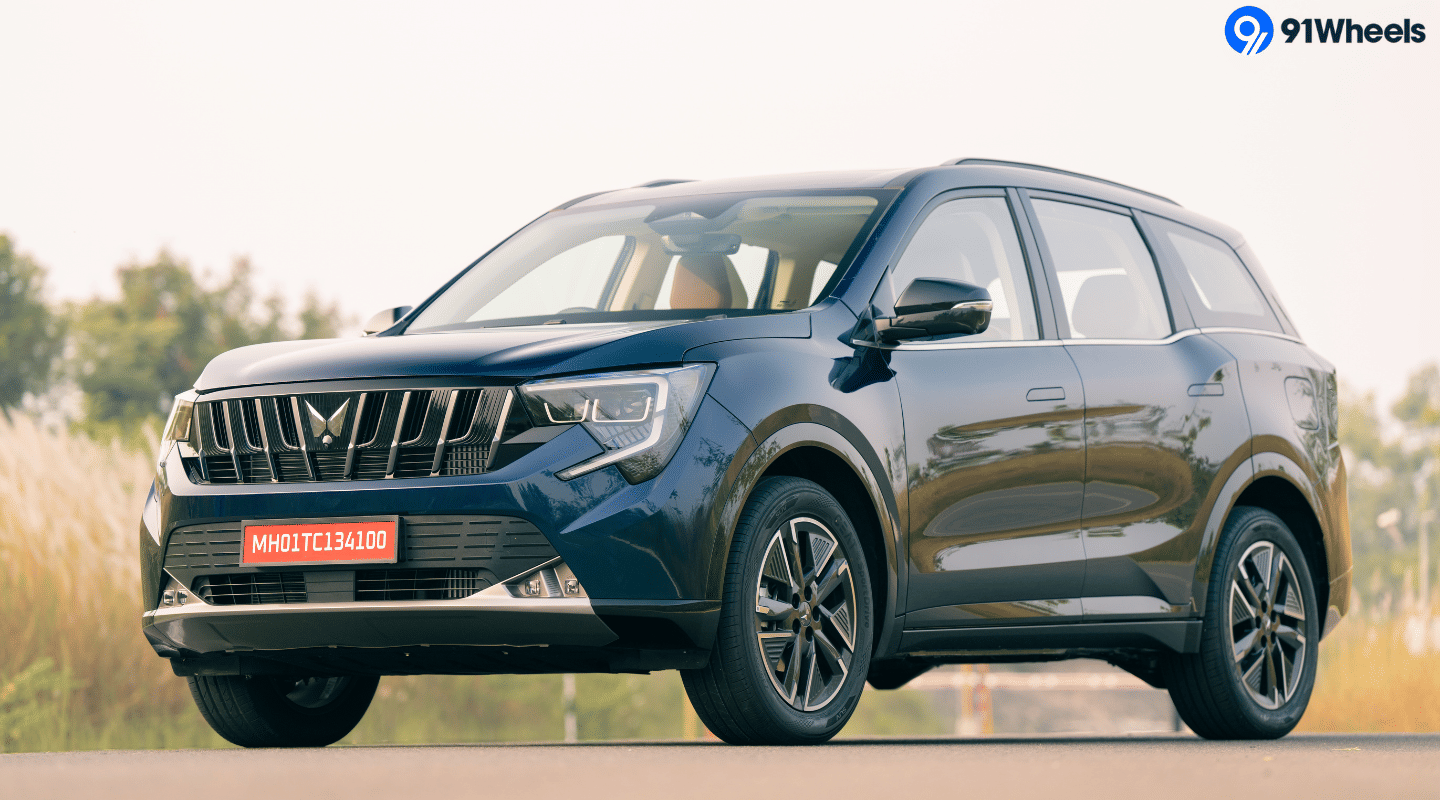
The kind of road presence an SUV holds in the current times is really unmatched. Driving an SUV feels like roaming in a tank; people see and perceive you with a different perspective and make way for you out of respect. Cherry on the cake if you are in a premium SUV or full-size SUV.
SUVs really speak the language of 'aura'; from politicians and businessmen to megastars like Khans, they are caught by this fever. SRK owns a Rolls Royce Cullinan and Cadillac Escalade. Why is this SUV's fever so high? The answer to this question is the space you get on wheels.
Space
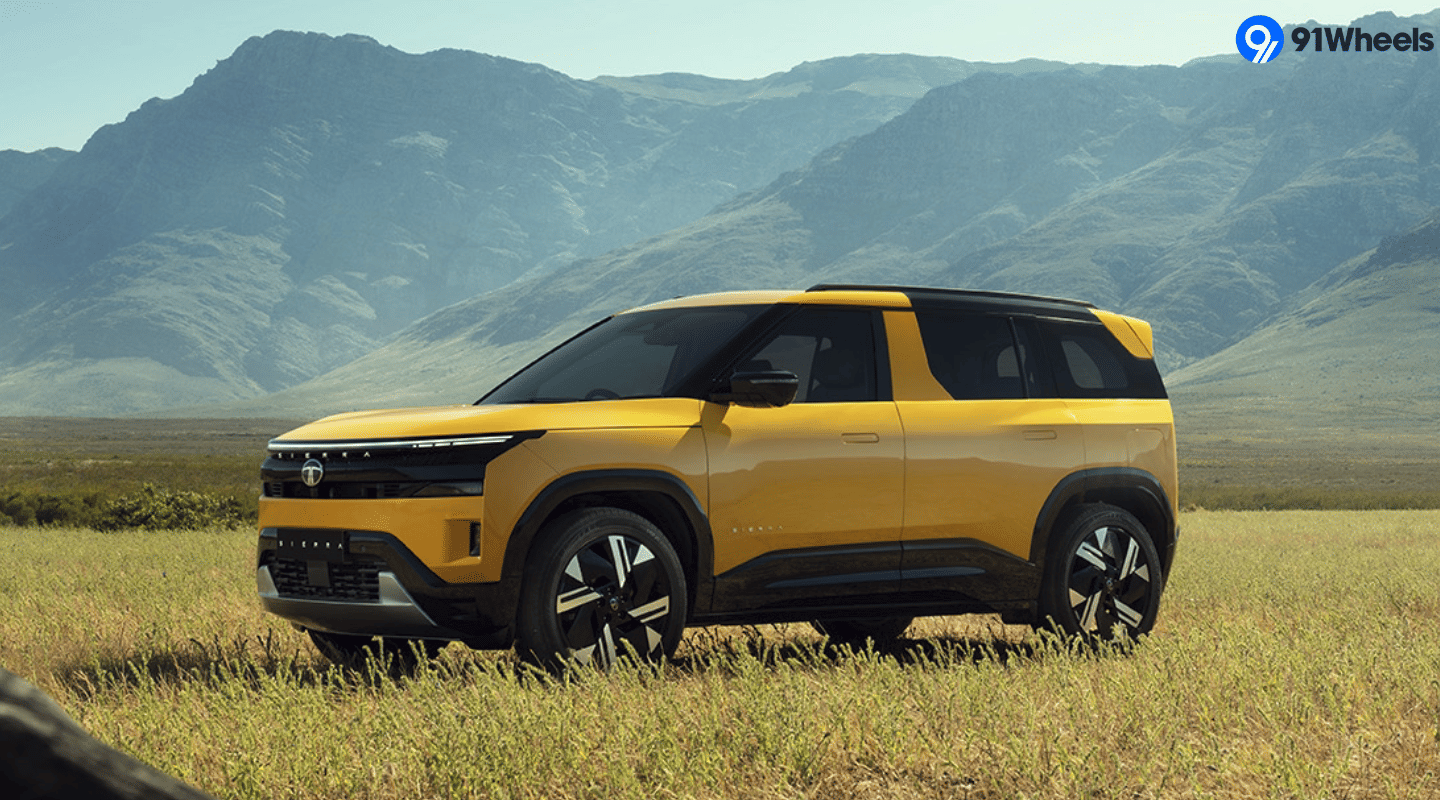
The space offered in SUVs is unmatched. You get enough headroom and legroom in an SUV and can accommodate more passengers compared to a sedan or hatch. Sedan does offer good legroom, but still it becomes a bad experience for tall people when they are asked to sit in the second row.
However, there is a serious problem with the mass-market SUVs offered with the third row. Most of the third rows in SUVs like the XUV7XO, Tata Safari, Hyundai Alcazar, and more offer a space that is only good for the kids; if an adult tries to fit in themselves into that, it's a struggle. An adult can tolerate the third row for shorter trips, but long trips cannot be survived in that. This is a serious problem with SUVs when it comes to ride quality and driving dynamics.
Driving Dynamics & Bumpy Ride
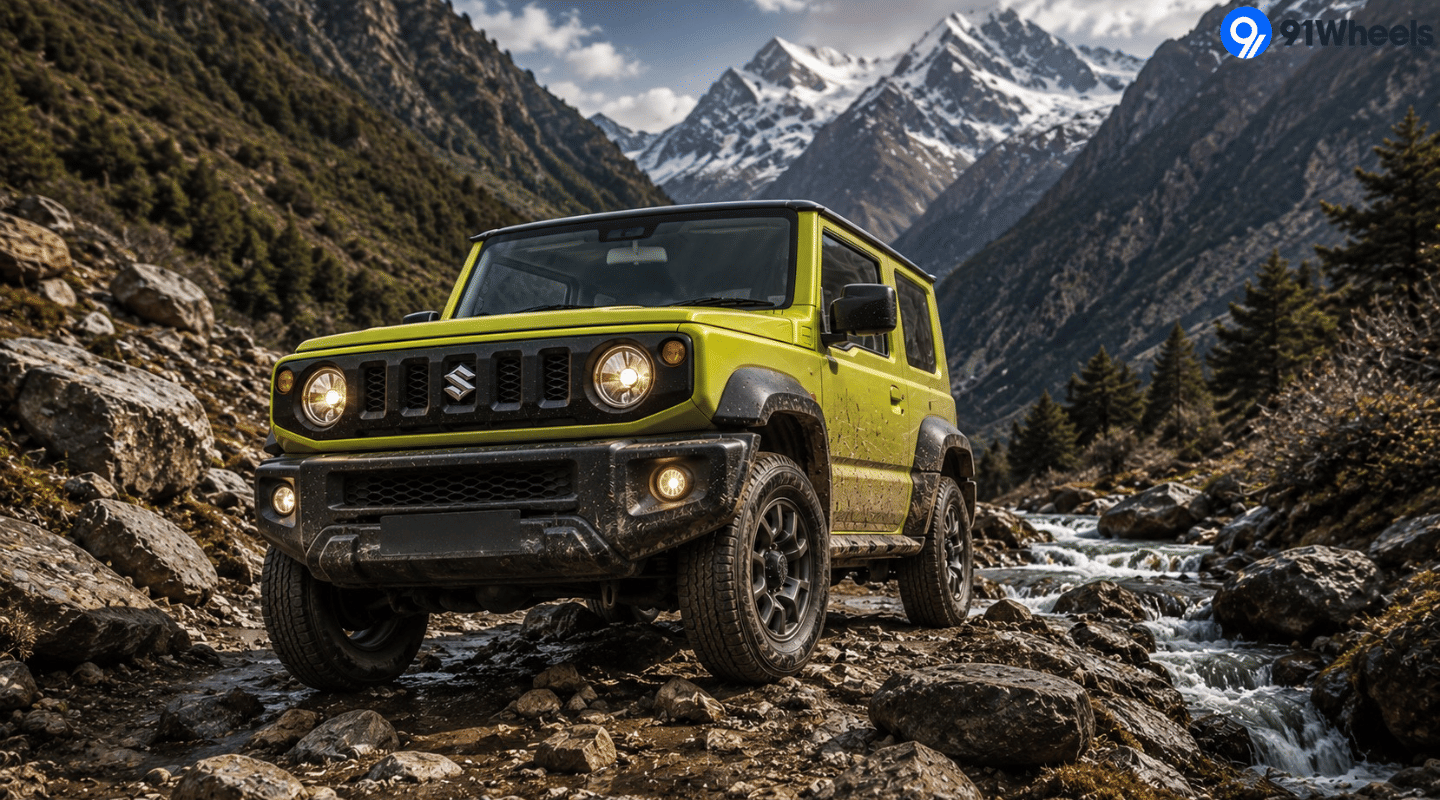
Real SUVs (the 4X4's or RWDs) handle unpaved path with the utmost perfection, while pseudo SUVs (sub-4-meter or mid-size) struggle to do the same. They have their suspensions tuned in a manner that they are stiff or on a firm side; in both cases you are going to feel body roll and a bumpy ride. However, these bumpy rides feel great when you are spending a weekend on an off-road trail and getting the best kind of adrenaline. But, in terms of driving dynamics, the sedan feels much better and soothing to hands while driving on tarmac.
Post COVID, people came with a different light of energy to explore the world around them, and they wanted a car to fulfill their desires of doing more road trips and weekends on wheels. The market share SUVs had before covid was around 12-15%, but this number shot up by 250-300% with gaining a share around 52-55% in FY 25-26. These numbers clearly show that COVID left people with wanderlust.
However, now the times are changing since the post COVID economy boom is settling down and geopolitical tensions are rising. Now, the SUV may feel a bit pinchy on the pocket with less fuel economy.
Fuel Economy
SUVs are naturally heavier when compared to sedans and hatches, which results in consuming more fuel. But, even if automakers try to make some technology for making them more efficient, the government comes up with a new set of guidelines. Diesel is one fuel type that allows SUVs to be a bit fuel efficient, but many good diesel SUVs have been discontinued under the norms of BS4, BS6 Phase-1, and BS6 Phase-2.
End Note
Indian obsession with SUVs feels right when the buyer has their value and requirement aligned with the vehicle they are planning to buy. The SUVs on offer in the Indian market are based on what people want in what budget. The Indian market is price sensitive, and buyers want a good road presence when they drive. So, with sub-4-meter and mid-size SUV buyers, they do get a better car and do some justice with their money; however, mini-SUVs are just hatchbacks with some cladding and height. The mini-SUV segment has killed the hot hatches of the Indian market. So if you have a budget for buying a mini-SUV and if the budget allows, then for sure try to check some good hatches or a sub-4-meter SUV.
Do you like this article?
Comments
No comments yet. Be the first to comment!