
Buying a car in India is considered a milestone in life. With a new car comes responsibility, and it should be a wise decision, because it can impact your finances in the long run. Any wrong decision at this stage can cost you both peace of mind and hard-earned money. That's why it's worth pausing to ask yourself a few important questions before you commit to a purchase.
Let's deep dive into the questions you should be asking yourself before you finalize your purchase.
Budget & Affordability
The car market is a pool of products ranging from lakhs to crores, which is exactly why setting a budget should be your first and foremost priority. Once you know how much you're willing to spend, the next step is figuring out how you'll arrange the funds. Are you planning a one-time full payment, or will you take a loan? Buying on loan is often suggested, as it is offered at cheaper interest rates compared to personal loan as they are offered against the vehicle as a collateral. If you do go the loan route, take the time to compare interest rates across different banks and choose the option that fits comfortably within your monthly budget.
Needs & Usage
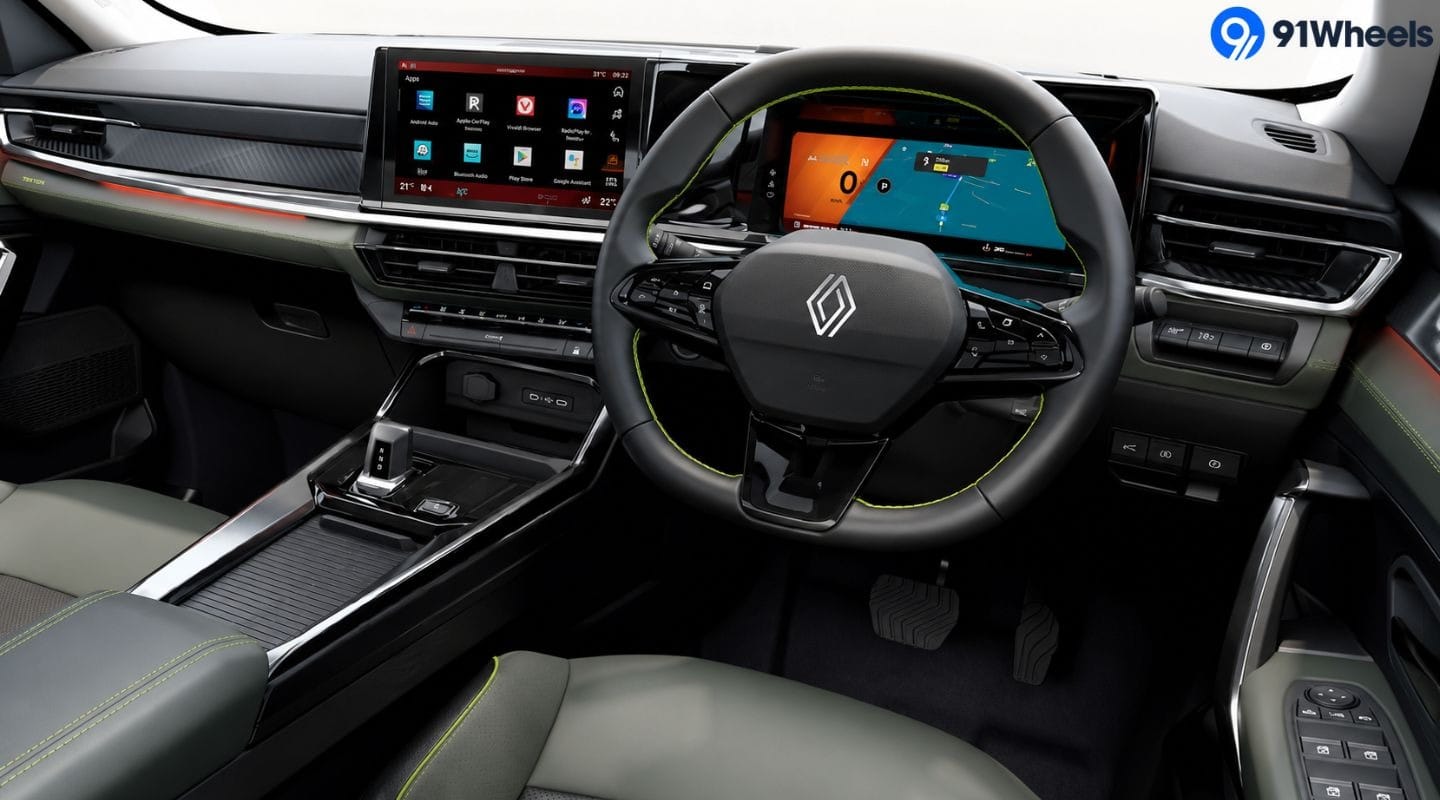
Figuring out your needs and daily usage is, without doubt, the most crucial part of buying a car. It's easy to get swept up in showroom excitement or flashy advertisements, but at the end of the day, your car has to work for your life, not the other way around. If you're someone who lives for that engine roar and the thrill of the drive, performance should sit right at the top of your checklist. If you're the kind of buyer who wants a cabin loaded with the latest tech and creature comforts, then features will matter more to you than raw power. And if you want both, performance and a strong features list, that's where the real homework begins, as you'll need to dig deeper to find models that strike that balance well. Getting this part right isn't a small detail. It's what separates a rushed purchase from a smart one, and once you're clear on what you actually need, everything else starts falling into place.
Ownership Costs & After-Sales Service
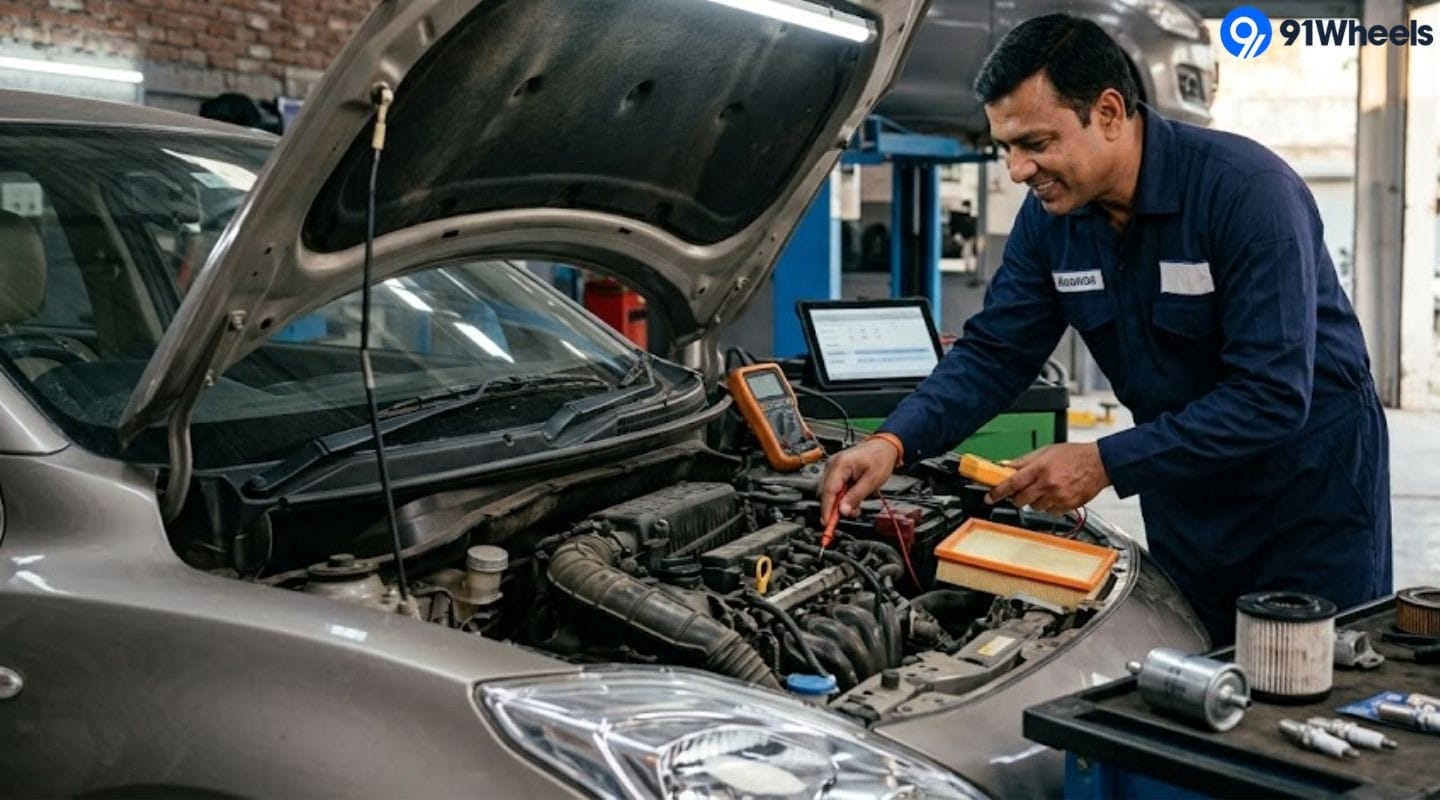
The price you pay at the showroom feels like a big decision, but the truth is, that's just the beginning. What really adds up over time is how much you'll spend to keep the car running in the long run: routine servicing, spare parts, and general upkeep. Then there are the things nobody likes to think about but should, such as what happens if there's an accident, how smooth or painful the insurance claim process turns out to be, and how much a repair bill could actually cost you. These hidden calculations often get overlooked in the excitement of buying a new car, but they end up shaping your ownership experience far more than the initial purchase price does. A car that looks affordable on paper can quickly become a financial headache if servicing costs are high or if after-sales support in your city isn't reliable. Before finalizing your decision, it's worth asking how easy and affordable it will be to live with this car, not just buy it.
Practical Fit & Research
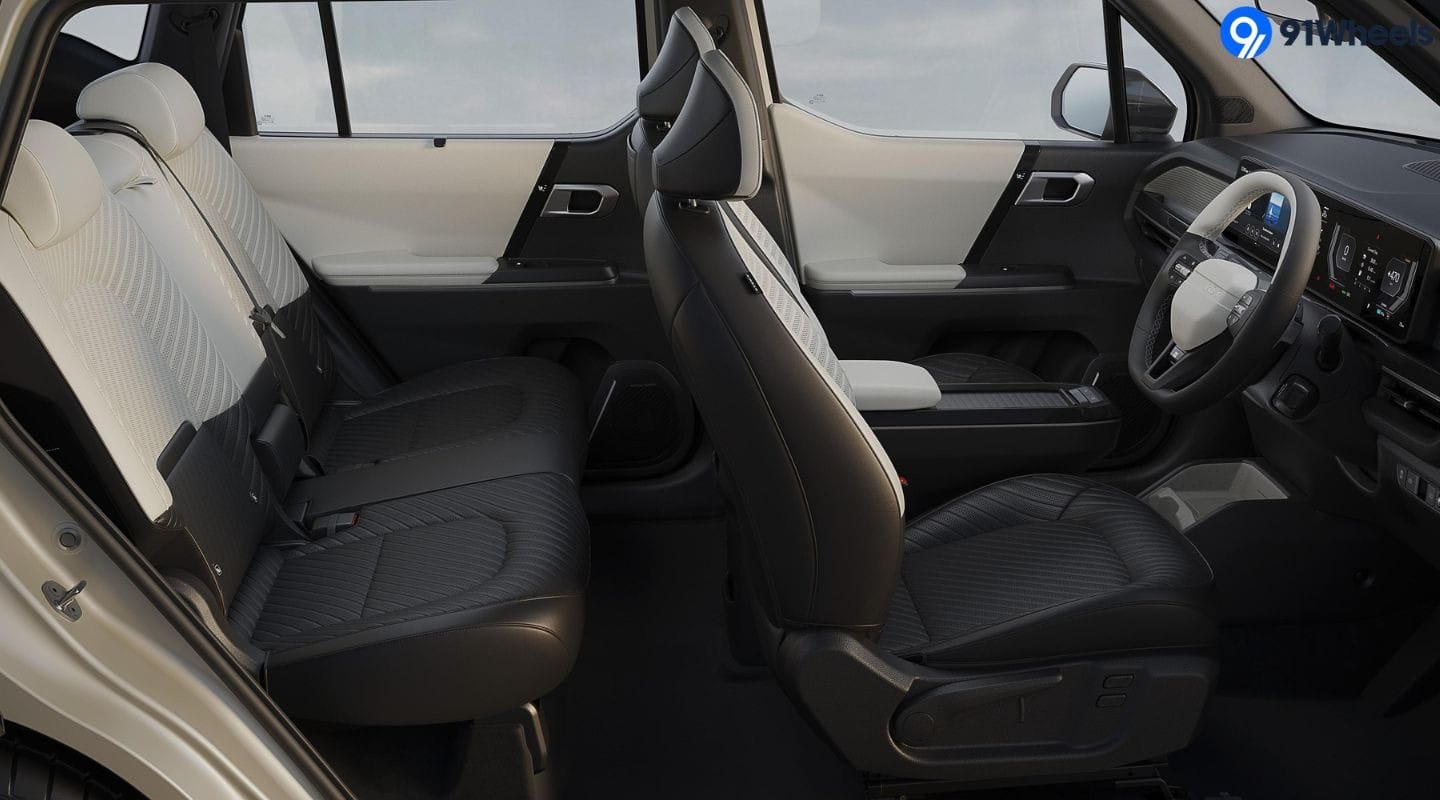
No matter how good a car looks on paper, none of that matters if it doesn't fit your everyday reality. This is where research and a proper test drive comes in, and this step is often rushed by buyers who are already emotionally sold on a car. Take it out for a real test drive, not just a quick spin around the showroom. Drive it in the conditions you'll actually face daily, whether that's bumper-to-bumper city traffic, highway stretches, or narrow lanes near your home. Check whether it fits comfortably in your parking spot or garage, a detail people often overlook until it becomes a daily struggle. Pay attention to visibility, seating comfort, boot space, and how intuitive the infotainment system feels to use. Beyond the driving experience, do your homework on reliability by reading genuine owner reviews and checking how the car has performed for people who've owned it for a couple of years, not just what the brochure promises. It's also worth comparing at least two or three alternatives in the same segment before finalizing anything.
Long-Term Value
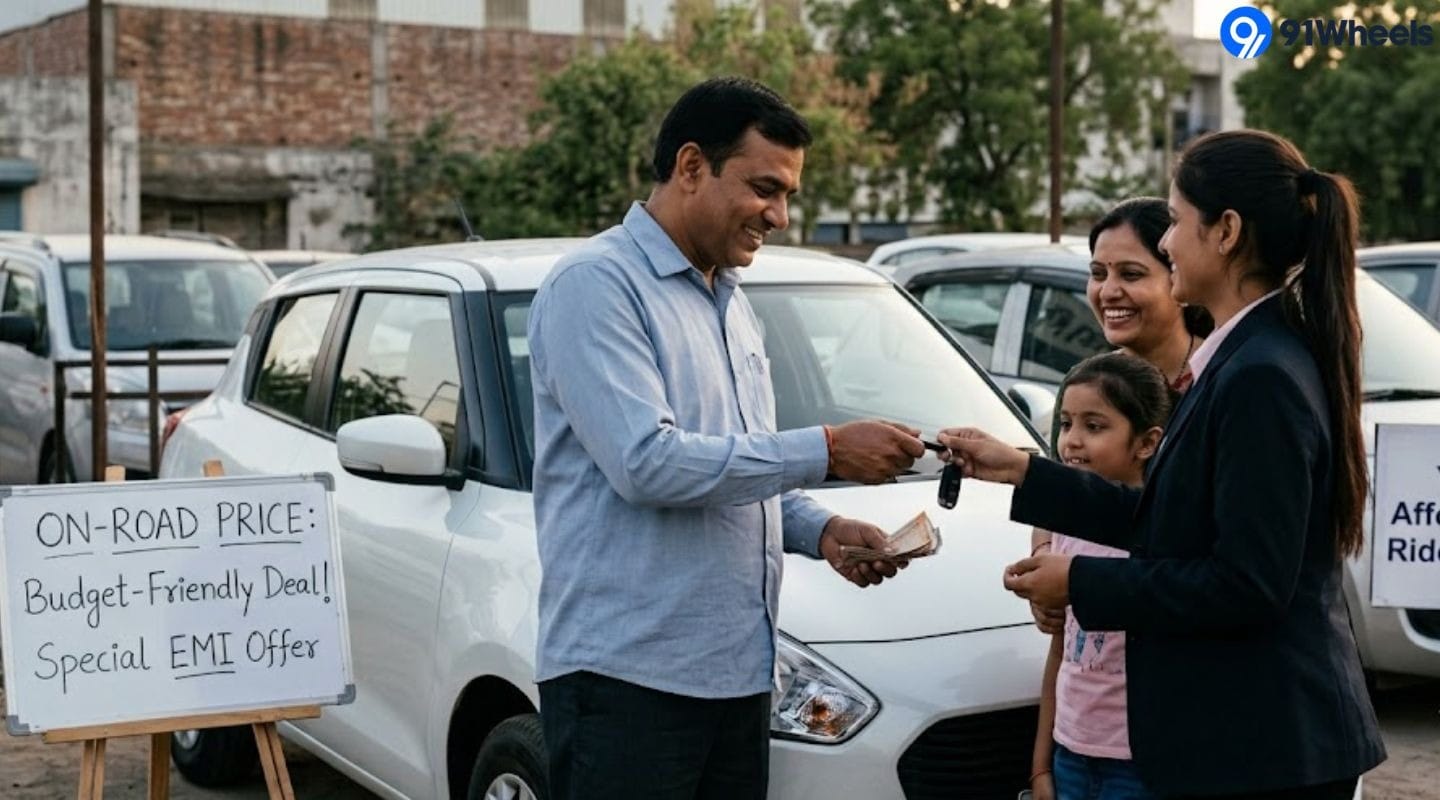
A car isn't just a decision for today, it's one that stays with you for years, so it's worth thinking beyond the present moment. Ask yourself honestly whether this car will still make sense for your life five to seven years down the line. Circumstances change, families grow, and job locations shift, so a car that feels perfect right now might not serve you as well later. This is exactly why resale value deserves serious thought before you sign the papers. Some cars hold their value well over time, while others depreciate faster than expected, and that difference can end up costing you lakhs when you eventually decide to sell or upgrade. It's also worth checking how the brand has evolved over the years and whether it continues to offer strong support and spare parts availability, because a car that's hard to maintain a few years down the line loses its appeal faster, no matter how good it looked on day one.
End Note
Buying a car in India is a big step, and it deserves more than just excitement and impulse. By pausing and asking yourself these questions around budget, needs, ownership costs, practical fit, and long-term value, you give yourself the best shot at making a decision you won't regret. After all, a car isn't just a purchase, it's a companion for the road ahead, and it's always better to choose wisely than to choose in a hurry.
Do you like this article?
Comments
No comments yet. Be the first to comment!