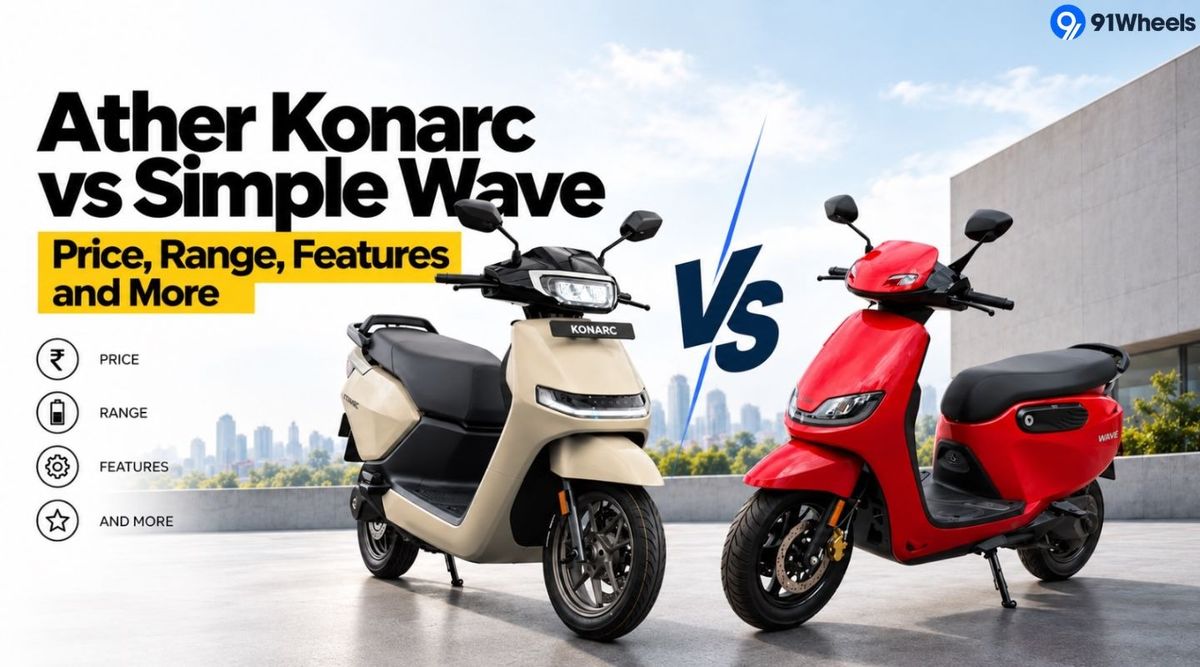
India's electric scooter segment has got two significant new entries within days. Ather has come up with the Konarc, its most affordable model so far, priced from Rs 99,999, while the counterpart Simple Energy has followed up with the family-oriented Simple Wave, starting at Rs 1,09,999. Both scooters are aimed squarely at buyers who would otherwise walk into petrol scooter like Honda Activa or TVS Jupiter showroom, and both come loaded with multiple battery options to suit different budgets and range needs. In this, Ather Konarc vs Simple Wave comparison, we breaks down the two across multiple domains, to help you figure out which one deserves your money.
Price
Model | Variant | Battery | Claimed IDC Range | Price |
|---|---|---|---|---|
Ather Konarc | S 100 | 2.1 kWh | 100 km | Rs. 99,999 |
Ather Konarc | S 125 | 2.7 kWh | 125 km | Rs. 1,21,999 |
Ather Konarc | S 161 | 3.5 kWh | 161 km | Rs. 1,44,999 |
Simple Wave | Wave S | 2.2 kWh | 110 km | Rs. 1,09,999 |
Simple Wave | Wave S LCD | 2.7 kWh | 132 km | Rs. 1,39,999 |
Simple Wave | Wave S TFT | 2.7 kWh | 132 km | Rs. 1,49,999 |
Simple Wave | Wave LCD | 3.7 kWh | 171 km | Rs. 1,59,999 |
Simple Wave | Wave TFT | 3.7 kWh | 171 km | Rs. 1,74,999 |
Simple Wave | Wave+ TFT | 5.0 kWh | 243 km | Rs. 1,89,999 |
Design
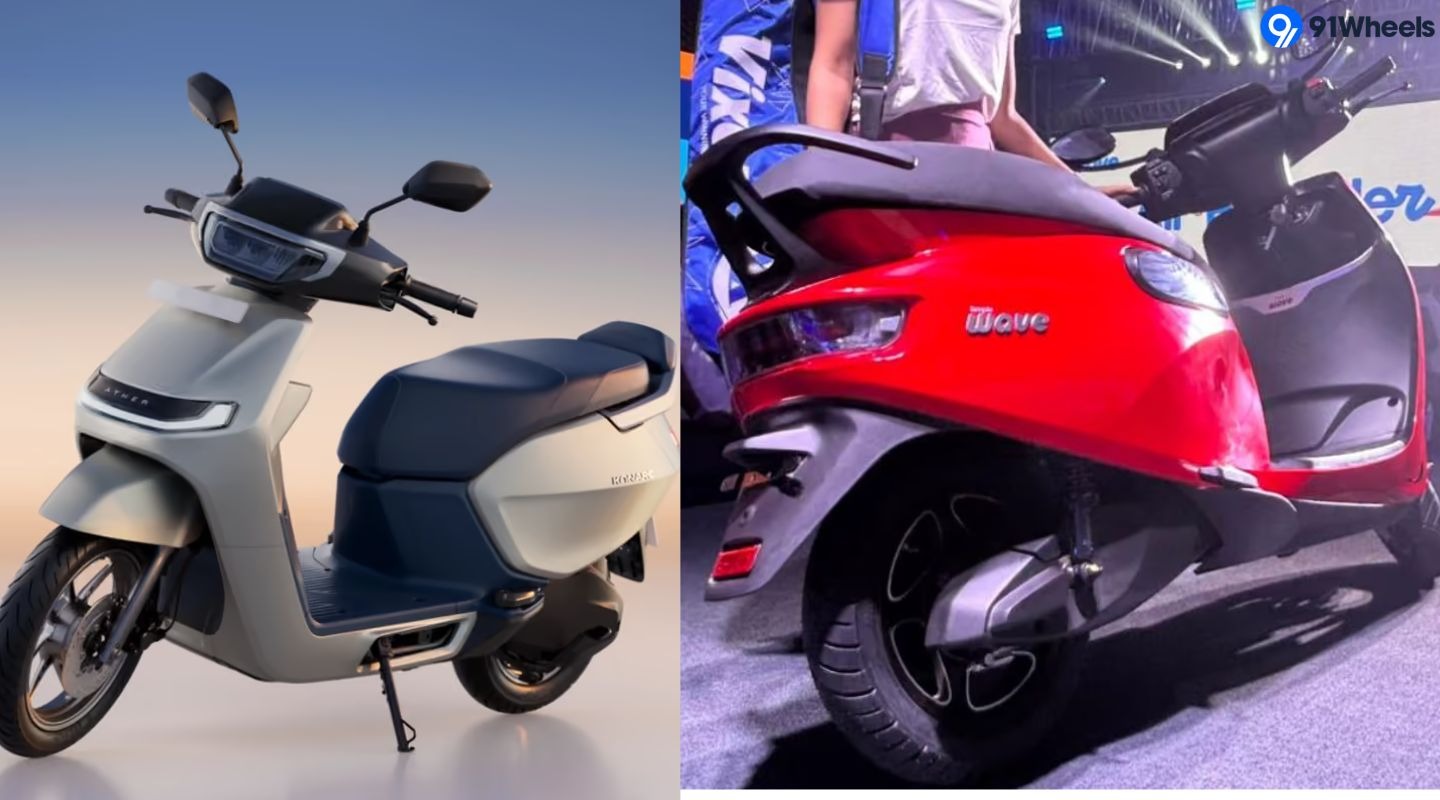
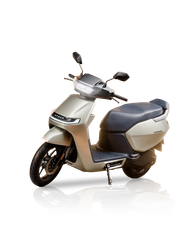
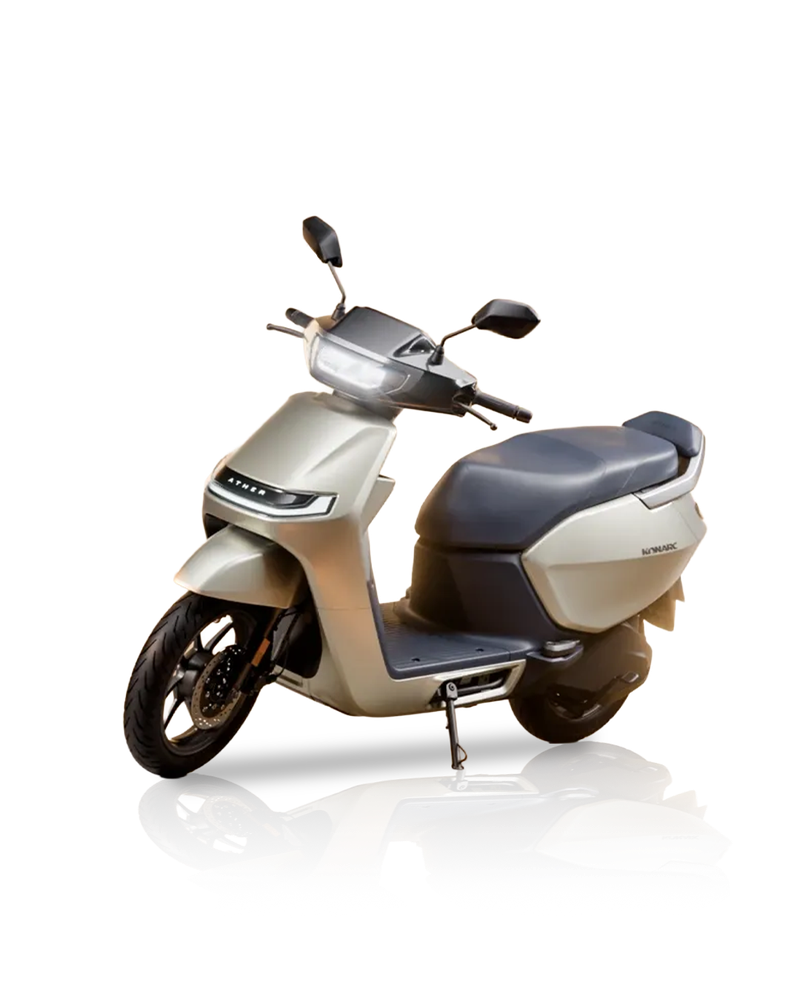
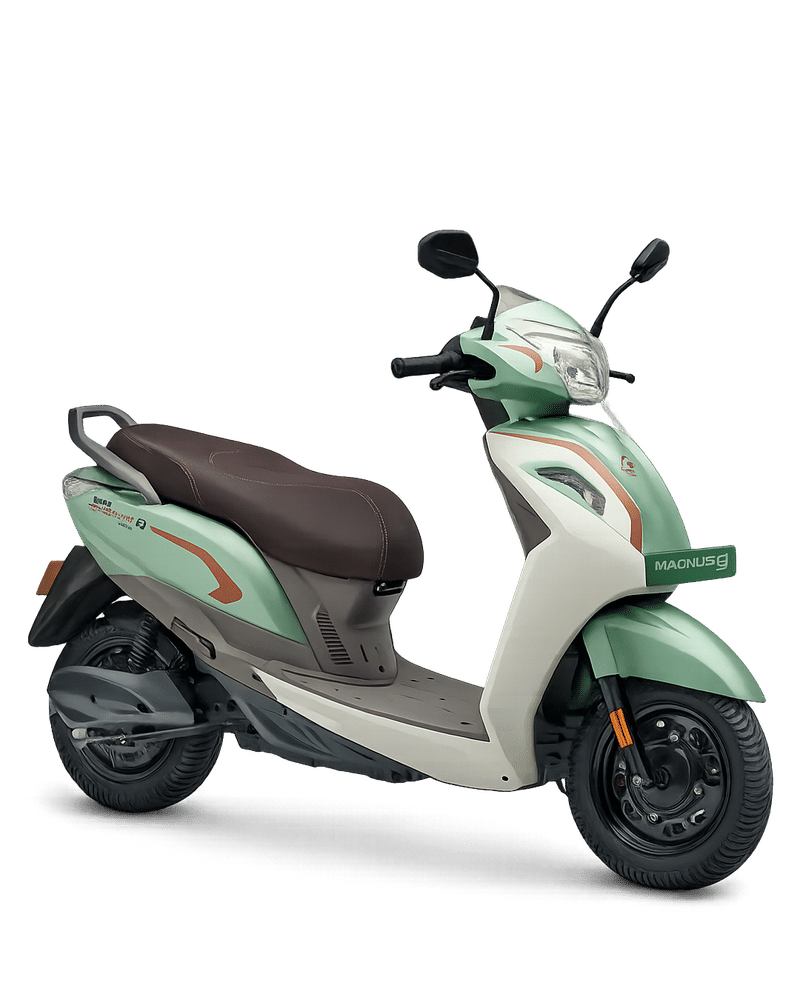
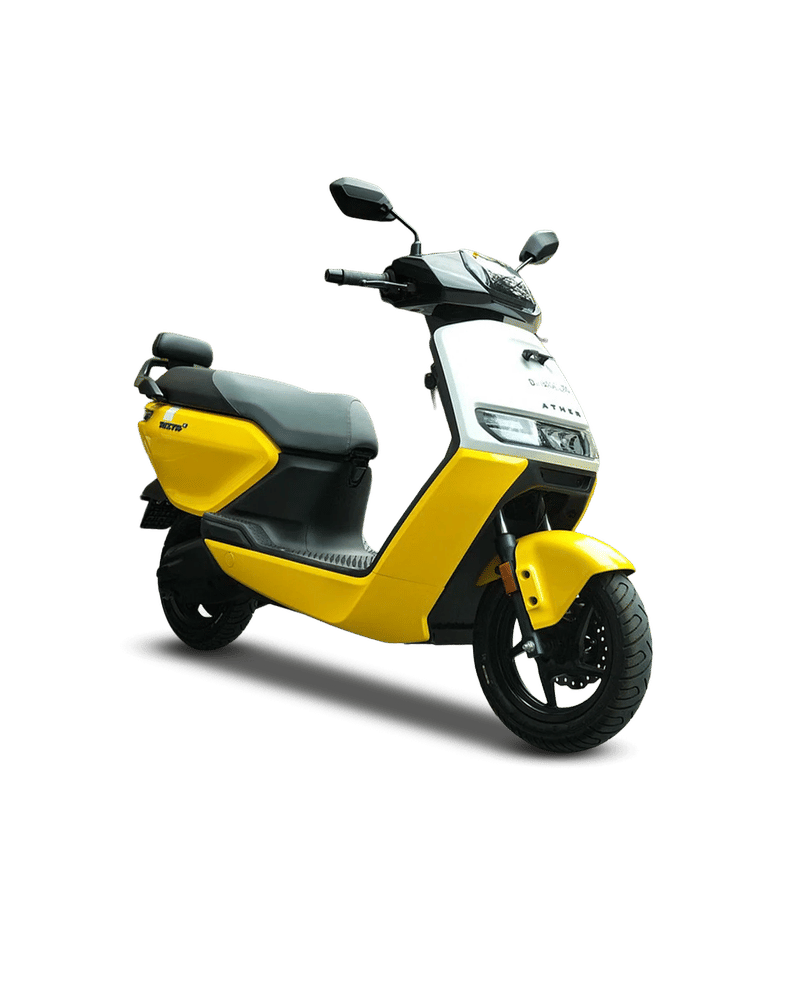
The Ather Konarc design marks a visible shift. Instead of the sharp, futuristic styling like the 450 series, it goes with a handlebar-mounted LED headlamp, a long single-piece seat with a pillion backrest, and metal body panels. Metal body parts in an electric scooter are something Ather has done for the first time. The proportions are conventional with a wheelbase of 1,352mm, the longest in Ather's line-up, and a 14-inch front wheel paired with a 12-inch rear wheel, both aimed at soaking up bad roads better.
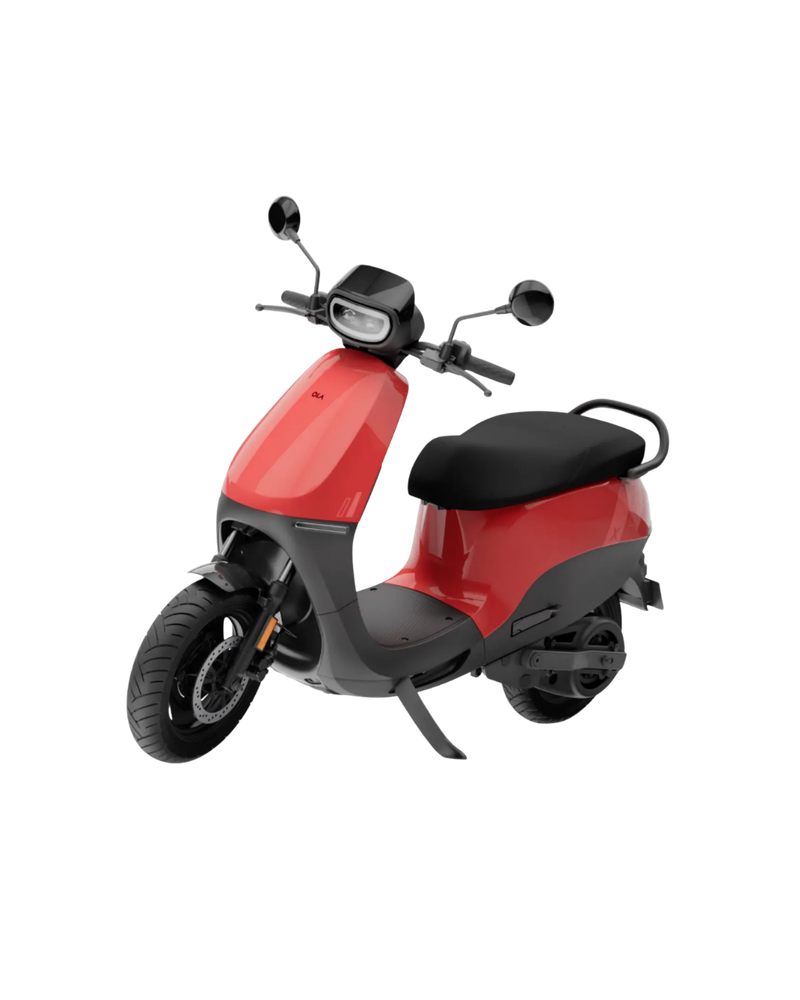
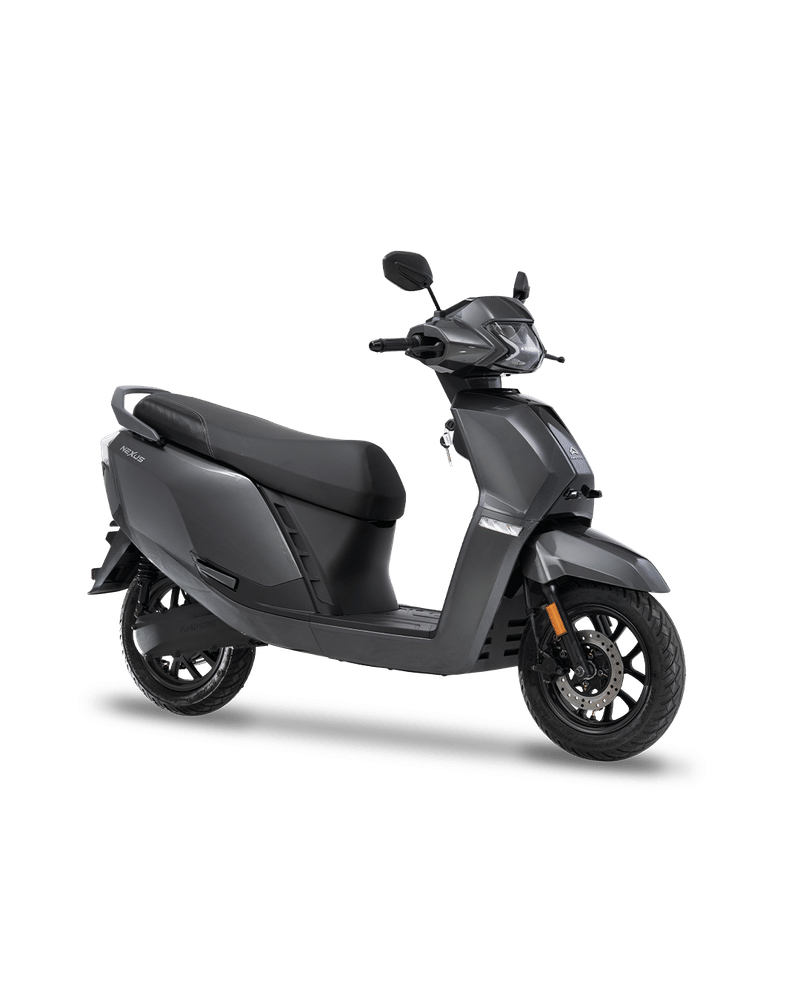
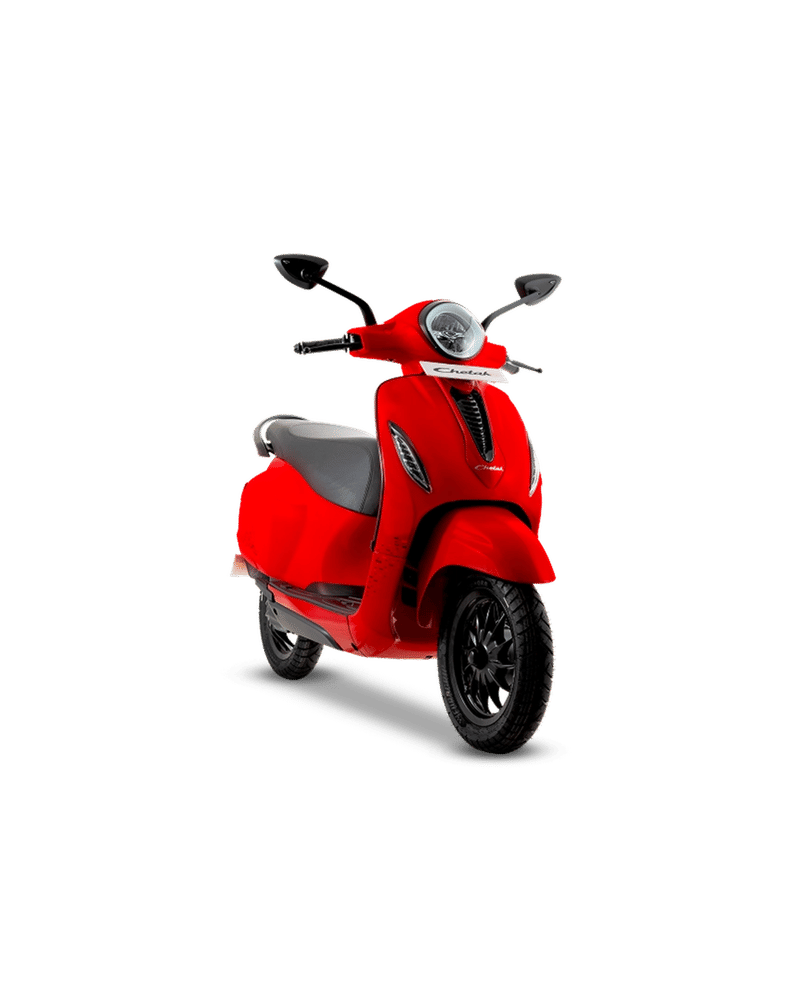
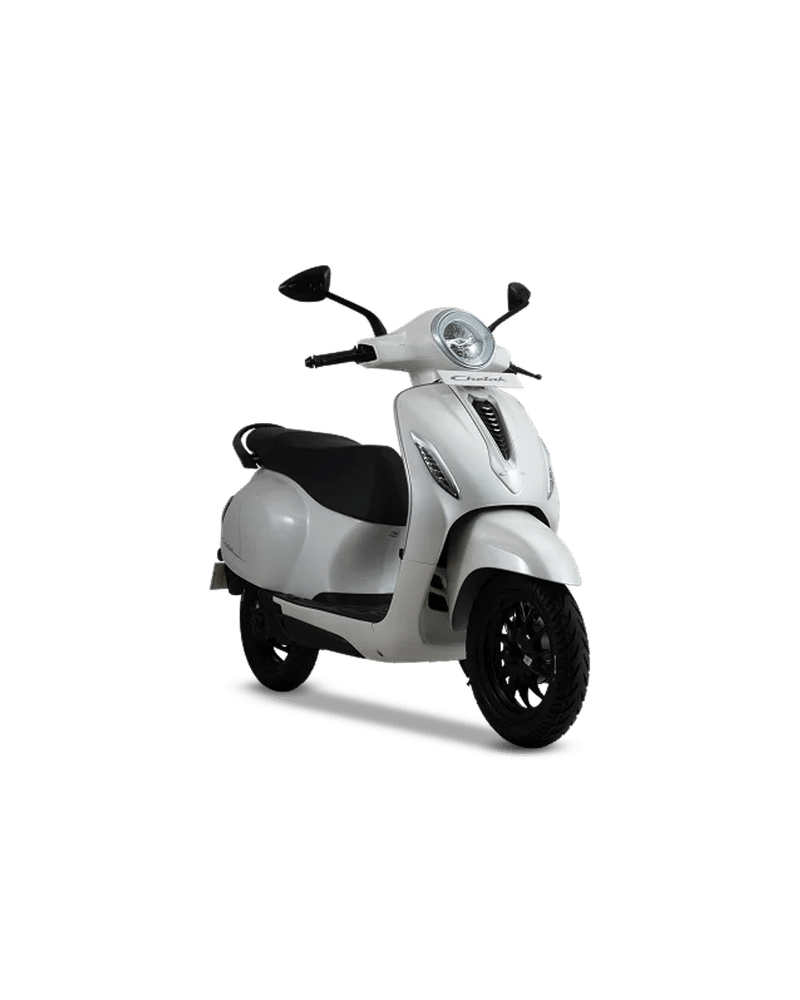
The Simple Wave, on the other hand, is a clean break from the aggressive design language of the original Simple One. It gets a flat floorboard, a low 775mm seat height, a long single-piece seat that stretches to 920mm, and a rear grab rail, all pointing towards an everyday family scooter rather than a performance-first product. A neat touch is the pair of pill-shaped storage compartments built into the side panels for quick access to small items, on top of the main boot space.
Between the two, the Konarc leans more premium and structured in its design, while the Wave goes for a simpler, boxier, and more accessible look, fitting given its family-scooter positioning.
Range and Charging
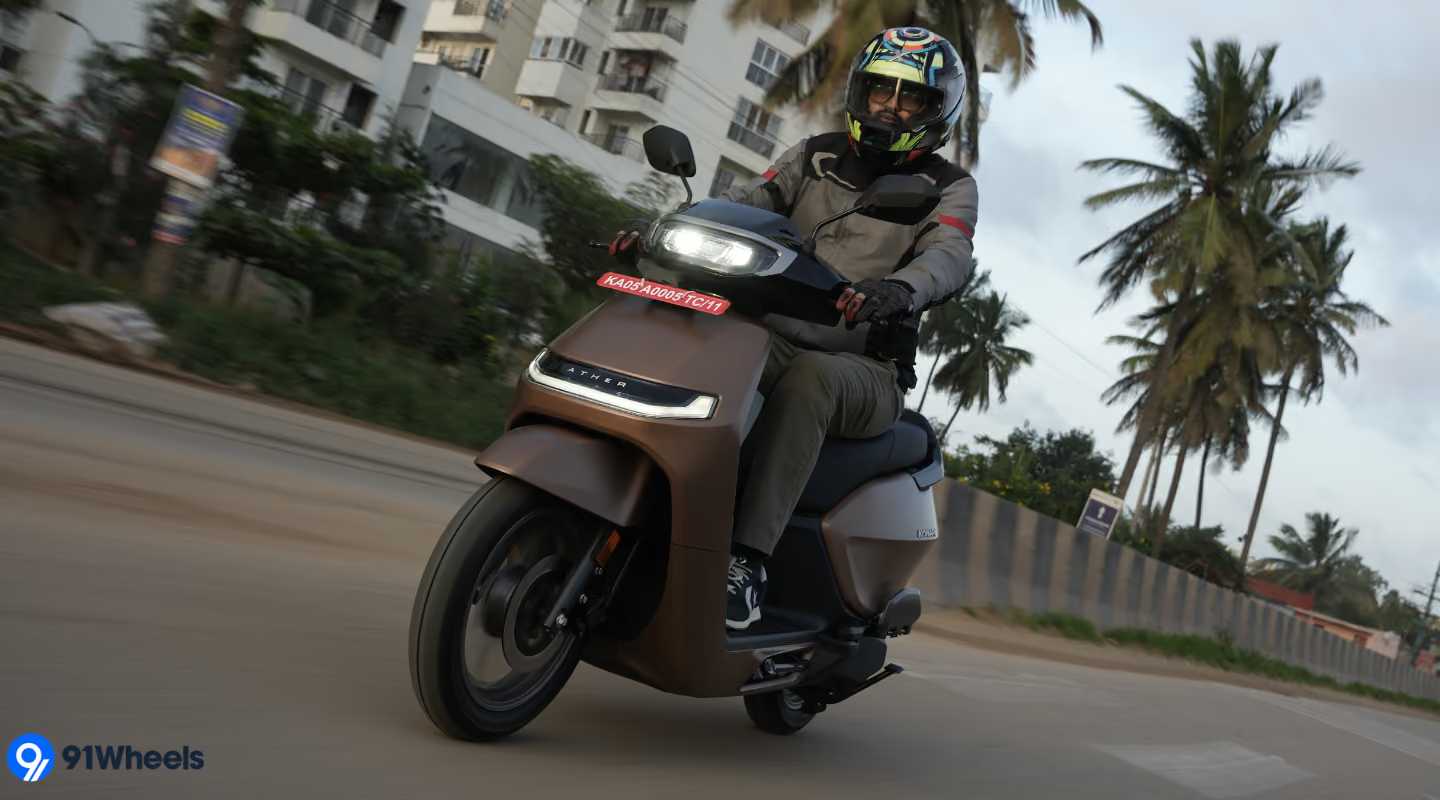
The Konarc's three battery options give a claimed range of 100 km, 125 km and 161 km under the IDC test cycle. Ather separately gives real-world "TrueRange" estimates of 80 km, 100 km and 130 km for the same three variants. The scooter charges through a standard 450W charger, or an optional 900W charger that roughly halves charging time.
The Simple Wave offers four battery packs, with claimed ranges of 110 km, 132 km, 171 km and 243 km. The smaller two packs use LFP battery chemistry, while the largest 5 kWh pack uses NCA chemistry. All Wave battery packs carry an IP67 rating for dust and water resistance.
On paper, the Simple Wave's top-spec variant offers considerably more range than anything the Konarc currently sells, though Ather's TrueRange approach gives buyers a more conservative, real-world expectation to plan around rather than a lab-certified figure alone.
Power
The Konarc uses a PMSM motor across its range. The base S 100 produces 4 kW, while the S 125 and S 161 produce 4.7 kW. All three variants produce 16 Nm of torque and have a top speed of 70 kph.
The Simple Wave uses a single 6.4 kW PMSM motor, which the company says is built without heavy rare-earth materials. The base Wave S has a top speed of 75 kph with Eco X, Eco and Ride riding modes. The higher Wave and Wave+ variants add a Sport mode and go up to 90 kph.
The Wave's motor is more powerful and has a higher top speed than the Konarc's.
Features
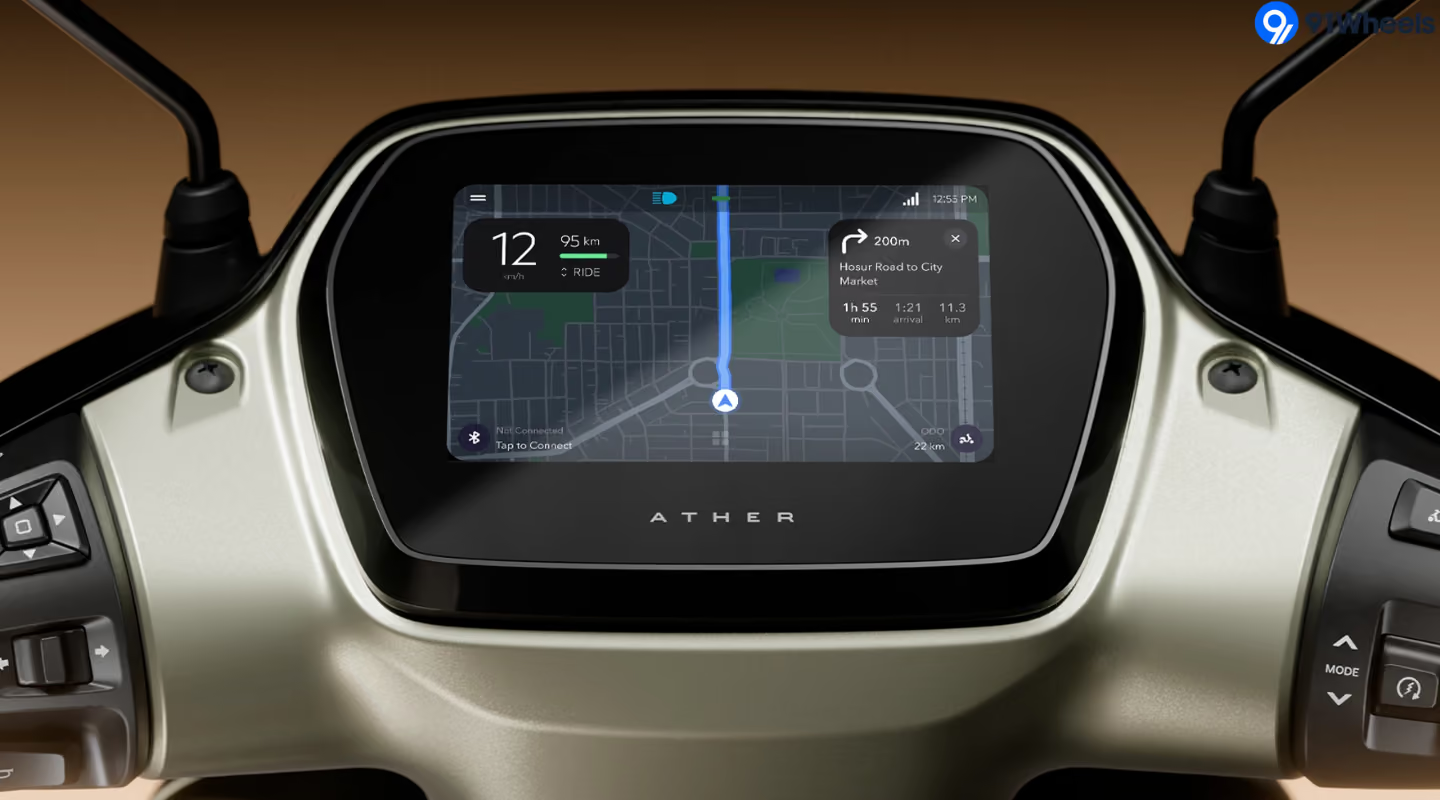
The Konarc's S 100 comes with a 4.2-inch display, while the S 125 and S 161 get a 7-inch display. All variants get an 18W USB Type-C port, an underseat light, Park Assist and AutoHold. Several features, including advanced braking, app-based boot access, Google Maps and WhatsApp integration on the dashboard, are reserved for the AtherStack Pro subscription or the upcoming Konarc Z variants.
The Simple Wave comes with a 7-inch TFT display with turn-by-turn navigation, music and call controls, and a low-distraction mode. It also includes two features Simple calls Hushdrive, for a quieter motor, and GripSense, for added safety. These come as standard, without a subscription.
Variants
The Ather Konarc is currently sold in three variants; S 100, S 125 and S 161. These are differentiated purely based on battery size and range. Feature-loaded Z variants, with 125km and 161km IDC range, and a 200km range S version are confirmed but not yet on sale, with deliveries staggered through late 2026 and 2027.
The Simple Wave is structured a little differently, combining battery size with trim level. The base Wave S is offered with the 2.2kWh and 2.7kWh packs, while the higher Wave and Wave+ trims bring in the 3.7kWh and 5kWh packs along with the Sport ride mode and stronger performance.
Value for Money
Choosing between these two comes down to what you value more: entry price and brand ecosystem, or outright range and motor performance. The Ather Konarc undercuts the Wave at entry level, and it brings Ather's proven service network, OTA update history, and a clear upgrade path via Konarc Z. Buyers who mostly ride within city limits and want the reassurance of an established EV brand will find the S 100 and S 125 hard to beat on price.
The Simple Wave counters with a genuinely bigger spread of range, up to 243km IDC on the top variant, a more powerful motor as standard, and features like the 7-inch TFT display and Sport mode included without needing an extra subscription. For buyers who do longer daily runs or want more performance headroom without paying for an add-on software pack, the Wave makes a strong case, provided Simple Energy's after-sales network holds up to the promise on paper.
In short, the Konarc is the safer, more affordable entry point into electric scooters, while the Wave is the more ambitious, range-focused option for buyers willing to pay a bit more upfront.
Do you like this article?
Comments
No comments yet. Be the first to comment!