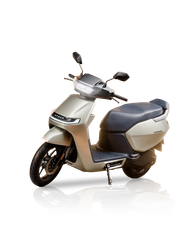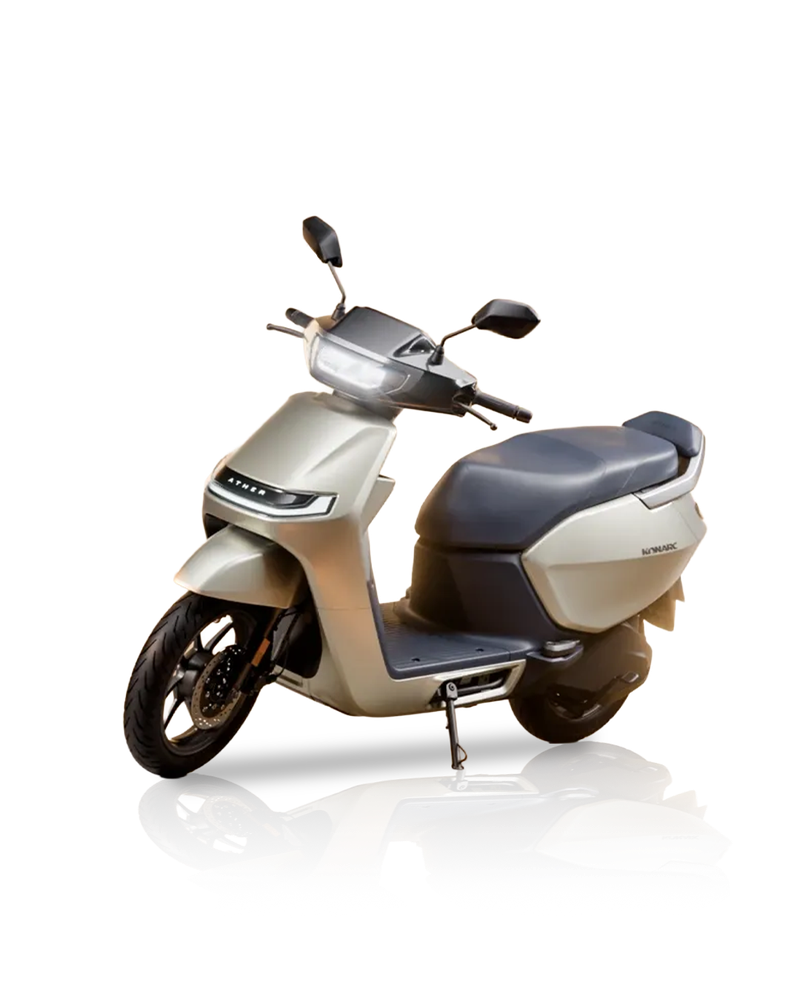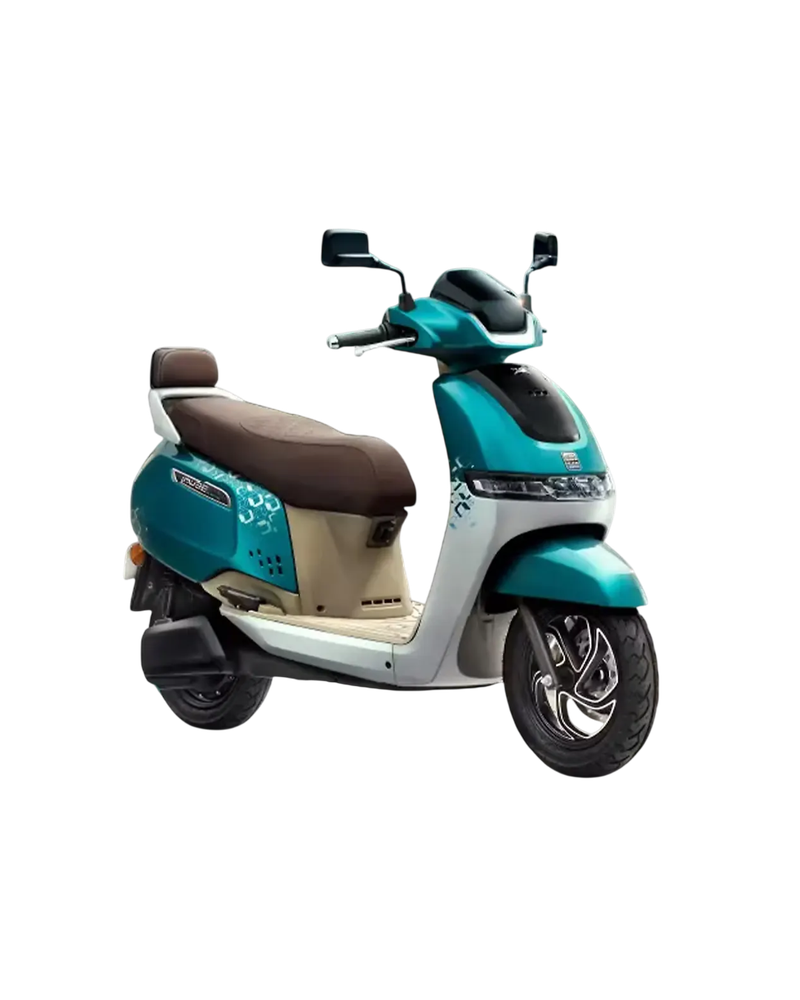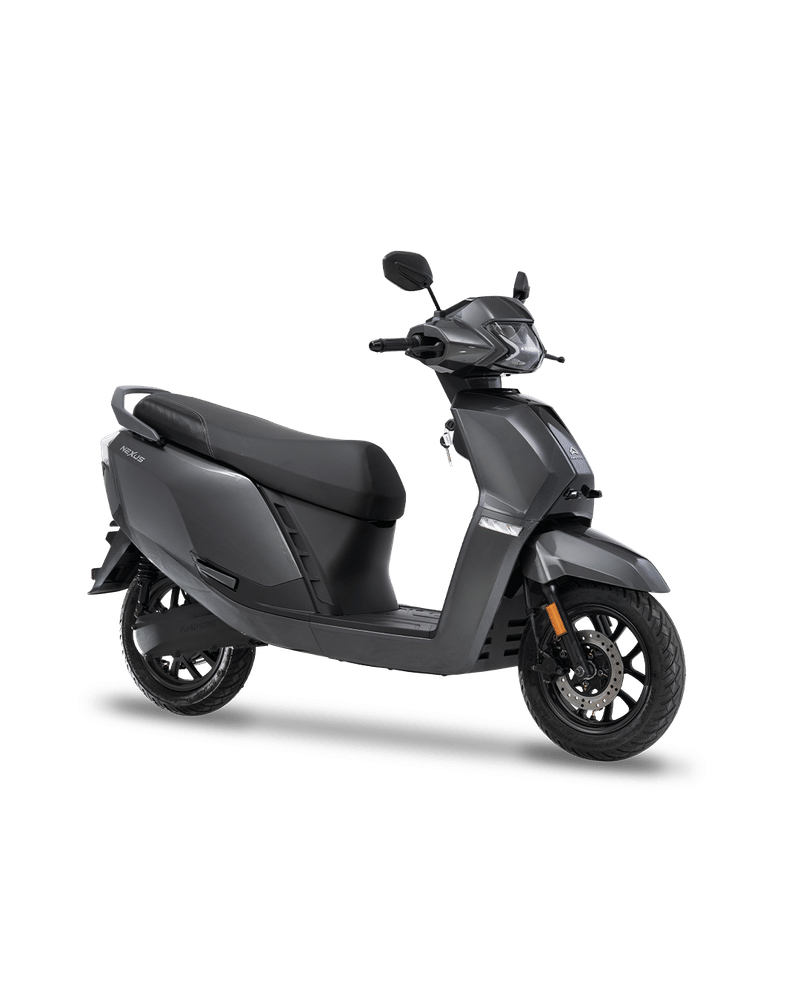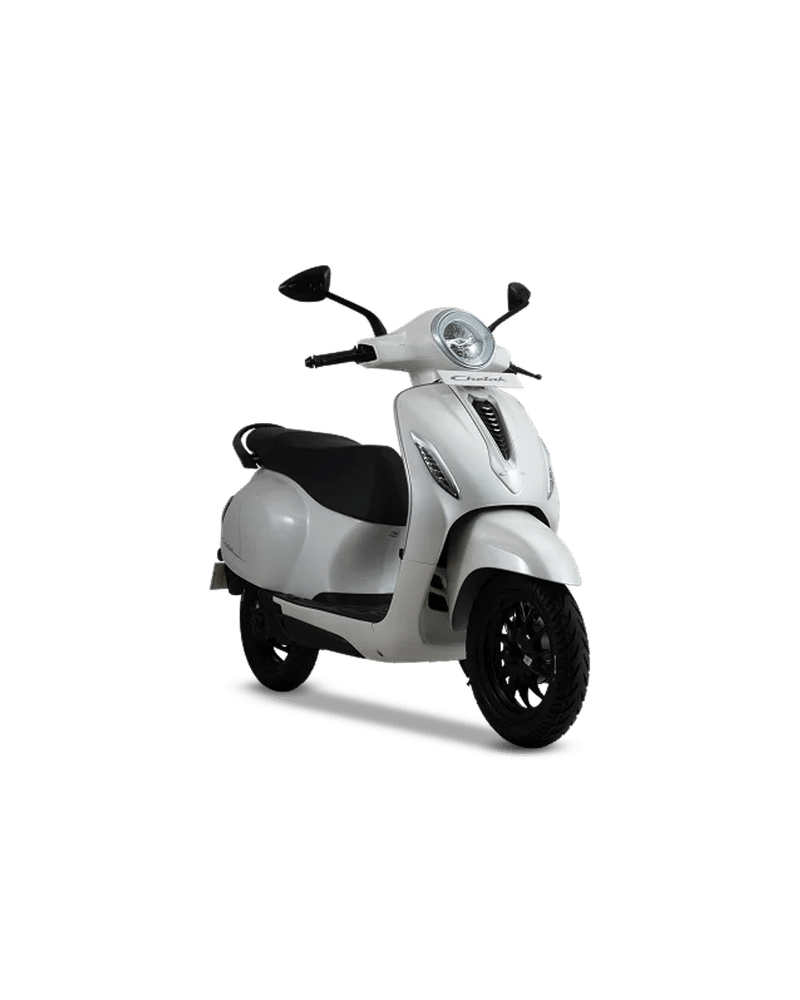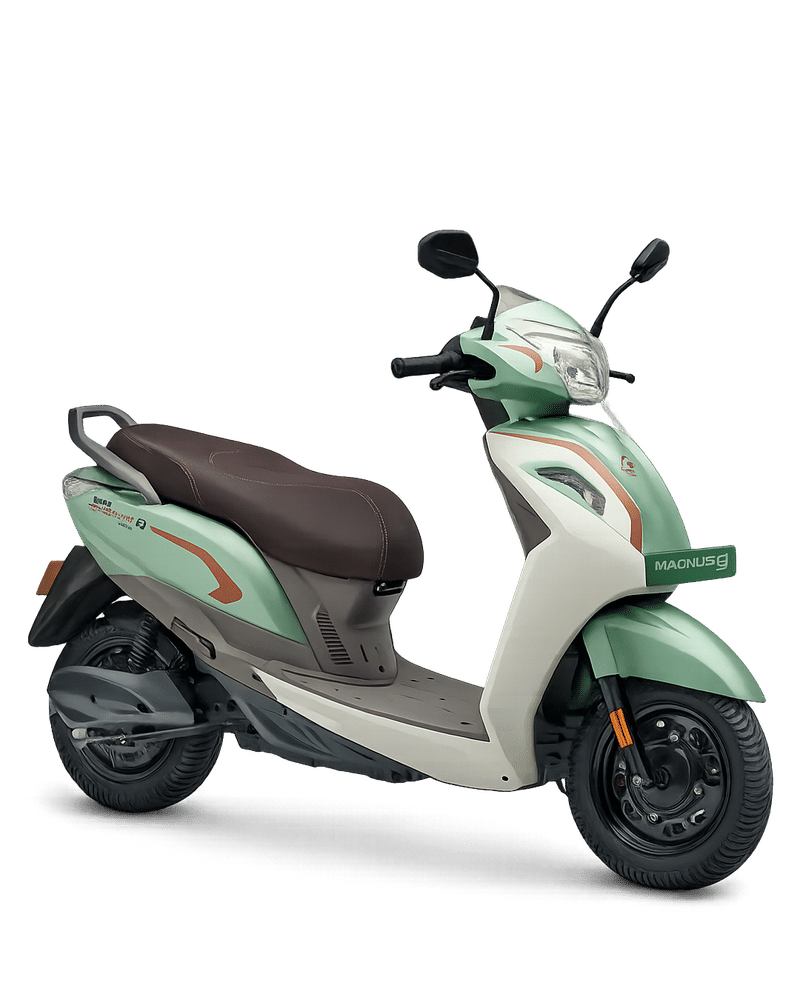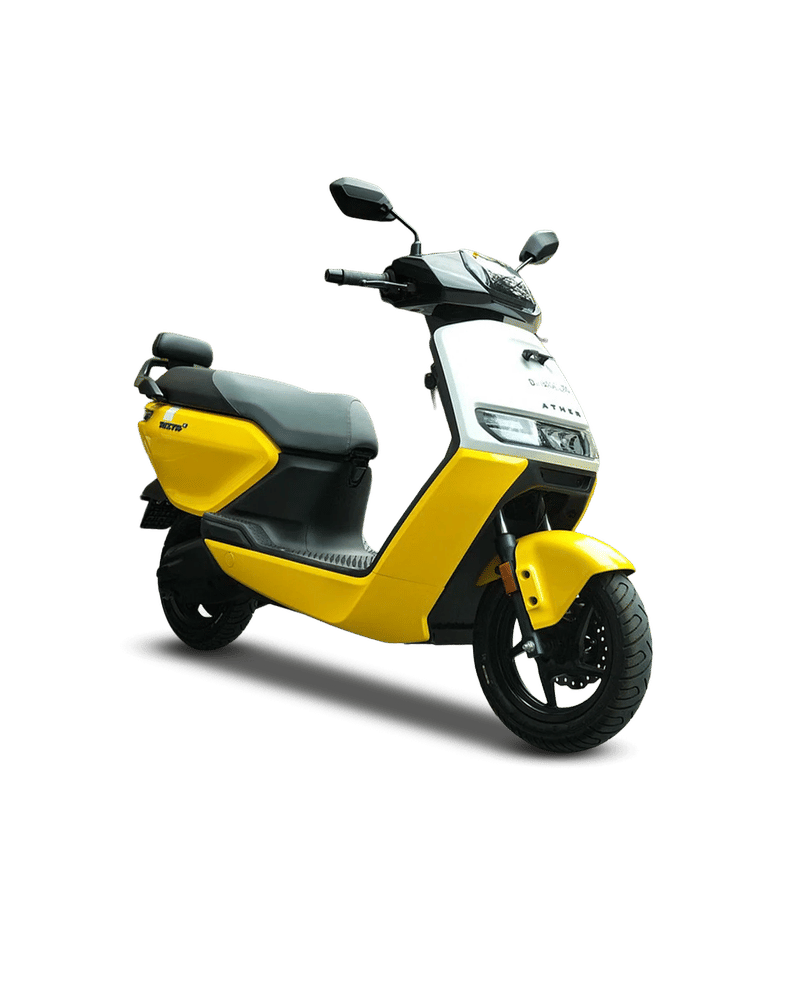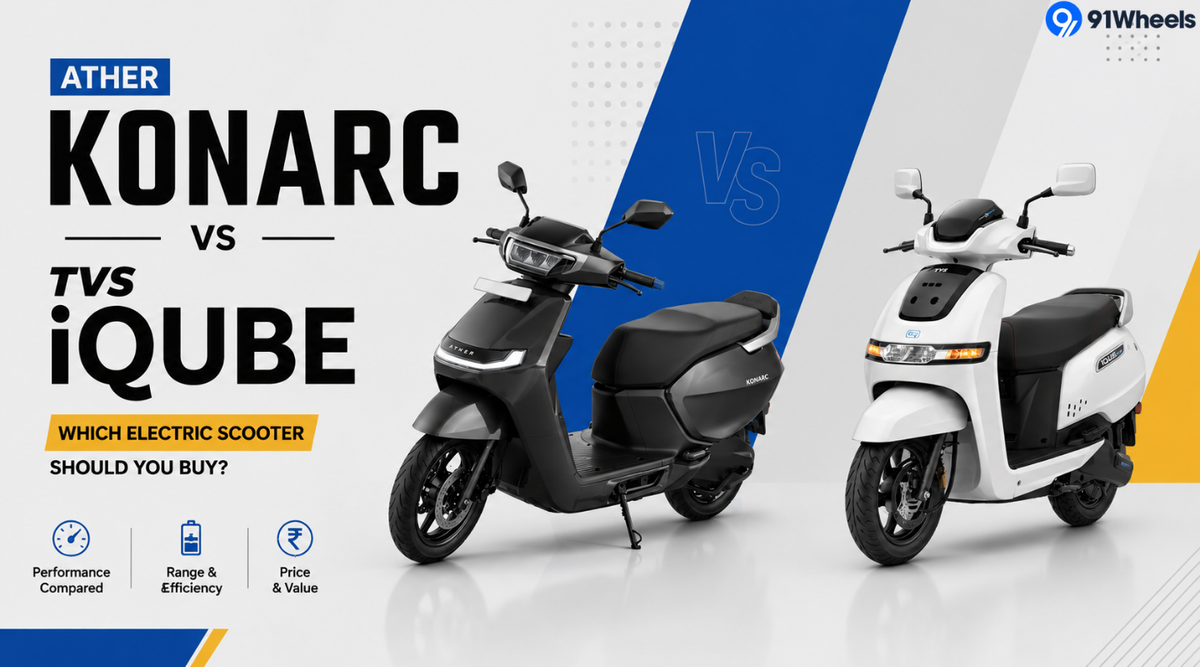
Ather Energy has finally entered the mass-market segment with the launch of the Ather Konarc, a scooter built from scratch for buyers who want a practical, family-friendly EV. It's aimed at bringing the brand to tier-1 and tier-2 cities. To find out its strengths, we pitted it against the segment's torchbearer and most popular choice, the TVS iQube, to see which offers better value for money. In this piece, we'll compare the two on price, features, design and range. Let's get started.
Ather Konarc vs TVS iQube: Price Comparison
The Ather Konarc starts at Rs 99,999 with the Konarc S100 variant. The other two are the S125 and S161, with the numbers denoting claimed range. A fourth confirmed variant is the Z, which will offer a range of 200 km and is yet to launch. Customers therefore have four trims to choose from, and their prices are:
Ather Konarc variants
Variants | Price (ex-showroom) |
|---|---|
S100 | Rs 1 lakh |
S125 | Rs 1.22 lakh |
S161 | Rs 1.45 lakh |
Talking about the TVS iQube, this popular electric scooter is also available in three core variants, with prices starting from Rs 1.08 lakh (ex-showroom) and going up to Rs 1.58 lakh (ex-showroom). The options are plentiful, with the aim of making the iQube accessible to everyone. Below is a list of all the variants with their ex-showroom prices.
TVS iQube variants
Variants | Price (ex-showroom) |
|---|---|
iQube 2.3 kWh | Rs 1 lakh |
iQube 3.1 kWh | Rs 1.22 lakh |
iQube 3.5 kWh | Rs 1.45 lakh |
iQube MillionR Edition | Rs 1.08 lakh |
iQube S 4.7 kWh | Rs 1.17 lakh |
iQube ST 5.3 kWh | Rs 1.58 lakh |
At the moment, the iQube offers more options to choose from. Its variants are also divided based on which one offers more features, plus a celebratory Million R edition, launched to mark the milestone of one million iQube units sold. So, as far as the lineup goes, TVS is ahead.
Ather Konarc vs TVS iQube: Battery & Range
Specification | S 100 km | S 125 km | S 161 km |
|---|---|---|---|
IDC Range | 100 km | 125 km | 161 km |
TrueRange | 80 km | 100 km | 130 km |
Top Speed | 70 km/h | 70 km/h | 70 km/h |
Acceleration (0-40 km/h) | 5 s | 4.7 s | 4.7 s |
Peak Power | 5.4 PS | 6.3 PS | 6.3 PS |
Max Torque | 16 Nm | 16 Nm | 16 Nm |
Battery Capacity | 2.1 kWh | 2.7 kWh | 3.5 kWh |
Charging, 0-80% (onboard only) | 4 h | 4 h 30 m | 5 h 40 m |
Vehicle Warranty | 3 yrs / 30,000 km | 3 yrs / 30,000 km | 3 yrs / 30,000 km |
Specification | iQube 2.3 kWh | iQube 3.1 kWh | iQube 3.5 kWh | iQube MillionR Edition | iQube S 4.7 kWh | iQube ST 5.3 kWh |
|---|---|---|---|---|---|---|
Rated Battery Capacity | 2.3 kWh | 3.1 kWh | 3.5 kWh | 3.5 kWh | 4.7 kWh | 5.3 kWh |
Certified Battery Capacity | 2.1 kWh | 2.7 kWh | 3.2 kWh | 3.2 kWh | 4.1 kWh | 4.8 kWh |
IDC Range | 114 km | 123 km | 145 km | 145 km | 175 km | 212 km |
Top Speed | 68 km/h | 82 km/h | 82 km/h | 82 km/h | 82 km/h | 82 km/h |
Acceleration (0-40 km/h) | 4.7 s | 4.2 s | 4.2 s | 4.2 s | 4.3 s | 4.5 s |
Charging Time (0-80% SOC) | 2 h 50 m | 4 h 03 m | 4 h 40 m | 4 h 40 m | 4 h | 4 h 18 m |
Battery size is where the story starts. The Konarc's three variants use 2.1 kWh, 2.7 kWh and 3.5 kWh packs. The iQube's lineup runs wider, spanning 2.3 kWh, 3.1 kWh, 3.5 kWh and topping out at a 5.3 kWh pack on the ST variant. Both brands use lithium-ion cells, and Konarc's pack additionally gets an aluminium casing with IP67 protection against dust and water.
Range tells a similar story. On the IDC cycle, the Konarc covers 100 km, 125 km and 161 km depending on variant. The iQube manages 114 km, 123 km and 145 km on its equivalent trims, and the ST's larger 5.3 kWh pack pushes that up to 212 km, well beyond anything the Konarc currently offers. If you want the longest range in this comparison, the iQube ST is it, at least until Konarc's own 200 km variant arrives.
Charging is where the two take genuinely different approaches. The Konarc ships with a 450W onboard charger as standard, and 0-80% charging takes 4 hours on the smallest pack, stretching to 5 hours 40 minutes on the largest. Riders in a hurry can add a second 450W charger, which combines to 900W and cuts those times to 2 hours and 3 hours 10 minutes. The iQube's base variant charges 0-80% in around 2 hours 50 minutes, its middle variants slow down to over 4 hours, and the larger-battery ST comes back down to roughly 4 hours 30 minutes despite carrying the biggest pack.
Ather Konarc vs TVS iQube: Features
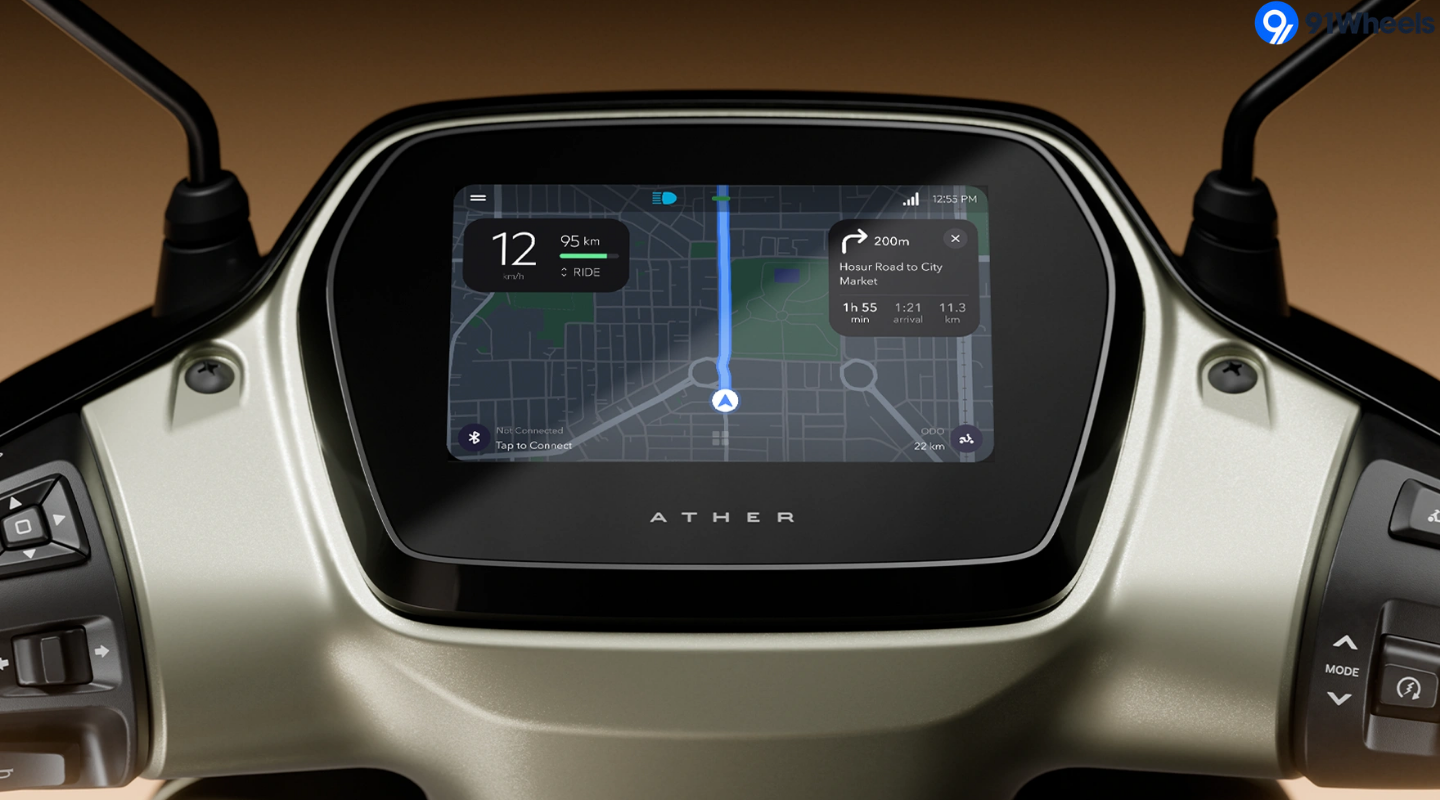
On paper, the Ather Konarc looks like the feature champion in this comparison. It brings segment-first technology like the software-driven Advanced Electronic Braking System (AeBS) and a proximity-based keyless system in MagicKey, alongside AutoPop and AirWalk, features aimed at making everyday ownership feel less like a chore. It signals Ather's intent to bring a genuinely premium experience to a segment that has, until now, been fought largely on price and range. However, these are reserved for the Z variant, which is yet to launch, so we'll talk about the features the Konarc S offers on sale today. The TVS iQube, on the other hand, counters with a more mature, more widely deployed connected platform, but Konarc's ambition is unmistakable.
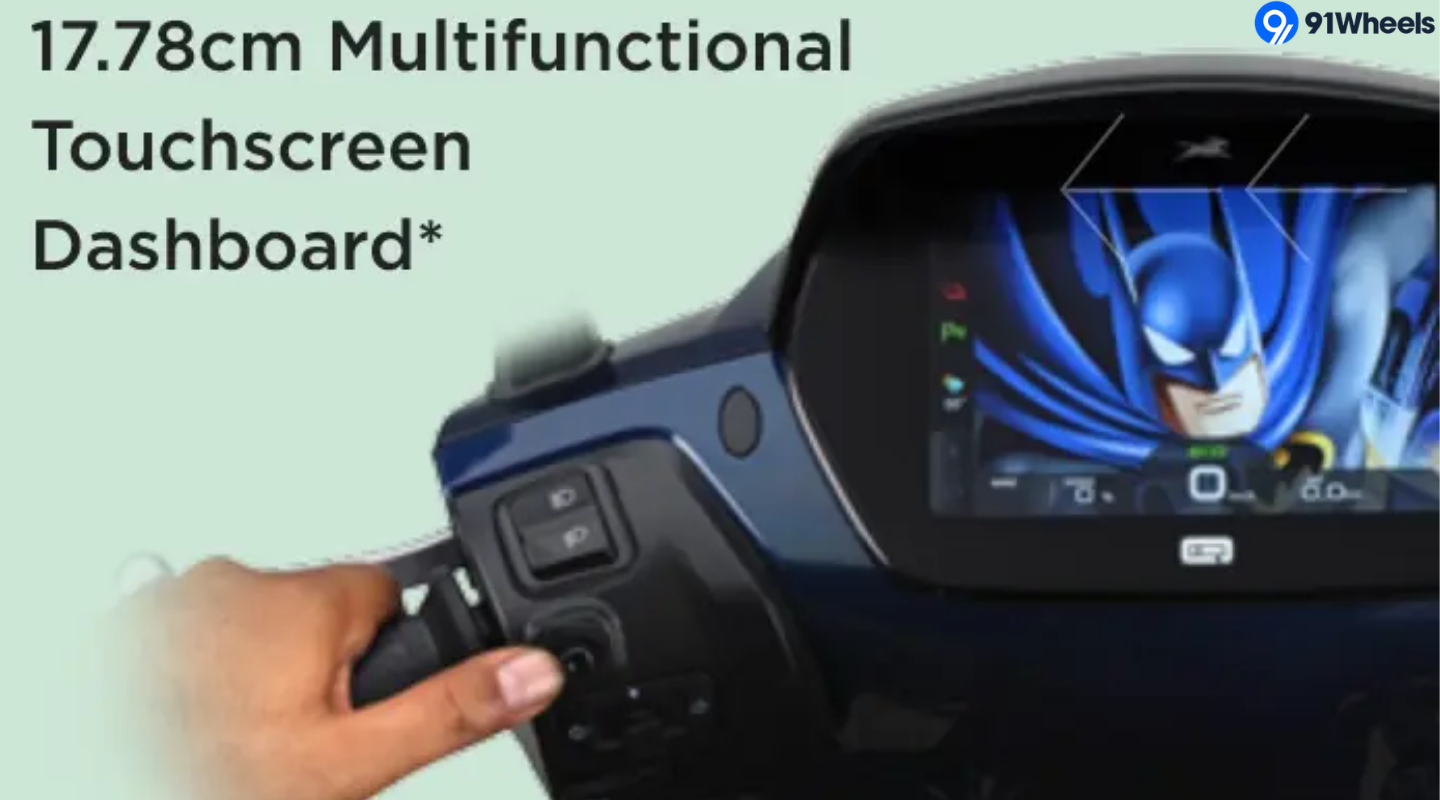
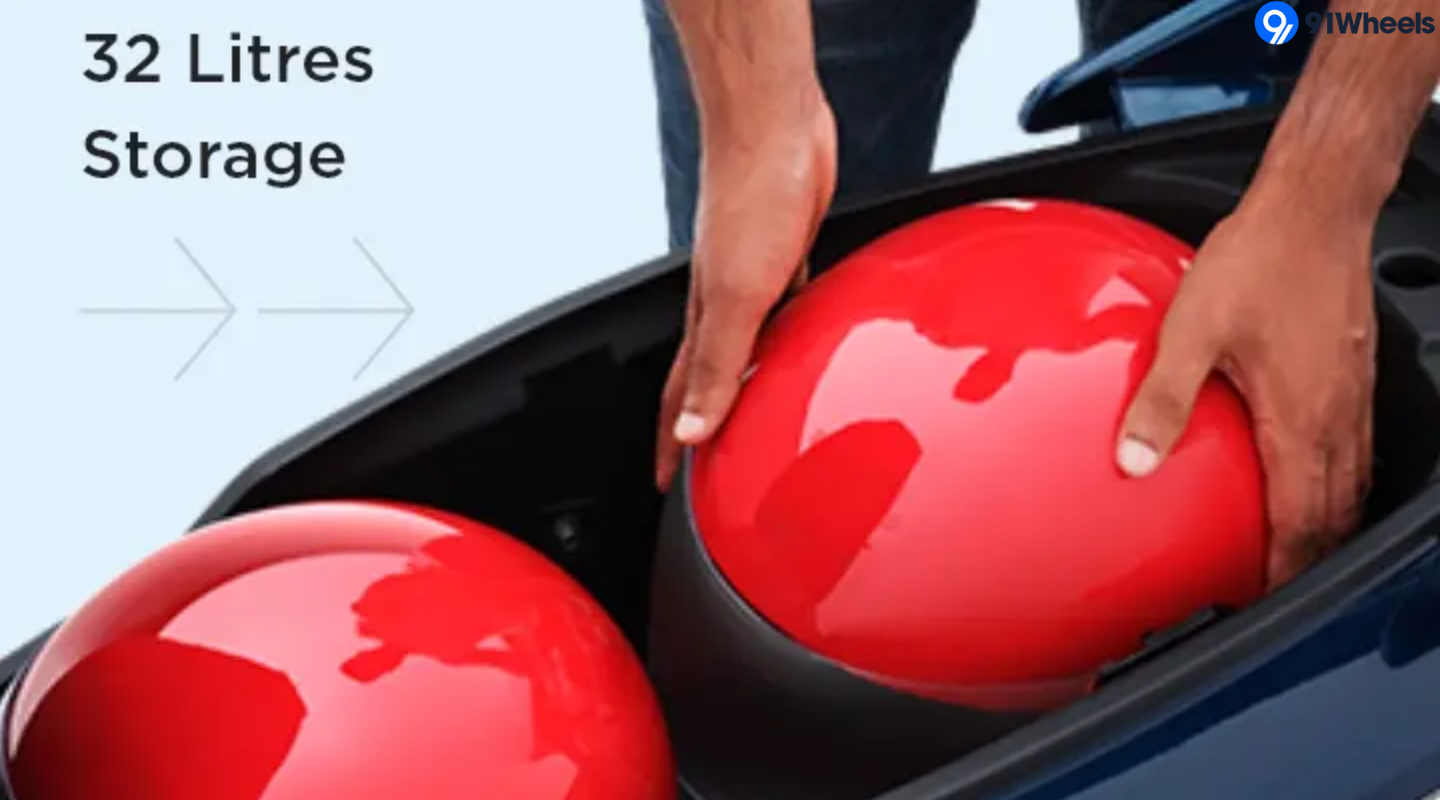
Displays scale with price on both scooters. The Konarc runs a 4.2-inch LCD on the S100, moving to a 7-inch DeepView unit on the S125 and S161. The iQube goes from a 5-inch TFT to a 7-inch touchscreen on the ST. On storage and comfort, the Konarc offers a padded grab rail and an optional LoungeBack backrest with a 31 litres of storage space. The iQube counters with up to 32 litres of under-seat storage, among the largest in the segment.
TVS backs this with SmartXonnect, its connected platform built up over several years. The iQube offers geo-fencing, live location tracking, last-parked location and turn-by-turn navigation through its app. Q-Park Assist handles powered reverse, crash detection alerts an emergency contact, and Do Not Disturb mode keeps things quiet mid-ride. All of it is live across the iQube range today.
| Ather Konarc (S variants) | TVS iQube |
|---|---|---|
Display | 4.2-inch LCD (S100); 7-inch DeepView (S125, S161) | 5-inch TFT (base/mid); 7-inch touchscreen (ST) |
Grab rail | Padded, standard | Not specified |
Under-seat storage | 31 litres | 32 litres |
Backrest accessory | LoungeBack (optional) | Not offered |
Connected app platform | Not available on S variants | SmartXonnect |
Geo-fencing | No | Yes |
Live location tracking | No | Yes |
Last-parked location | No | Yes |
Turn-by-turn navigation | No | Yes |
Powered reverse (Q-Park Assist) | No | Yes |
Crash detection alert | No | Yes |
Do Not Disturb mode | No | Yes |
Ather Konarc vs TVS iQube: Design
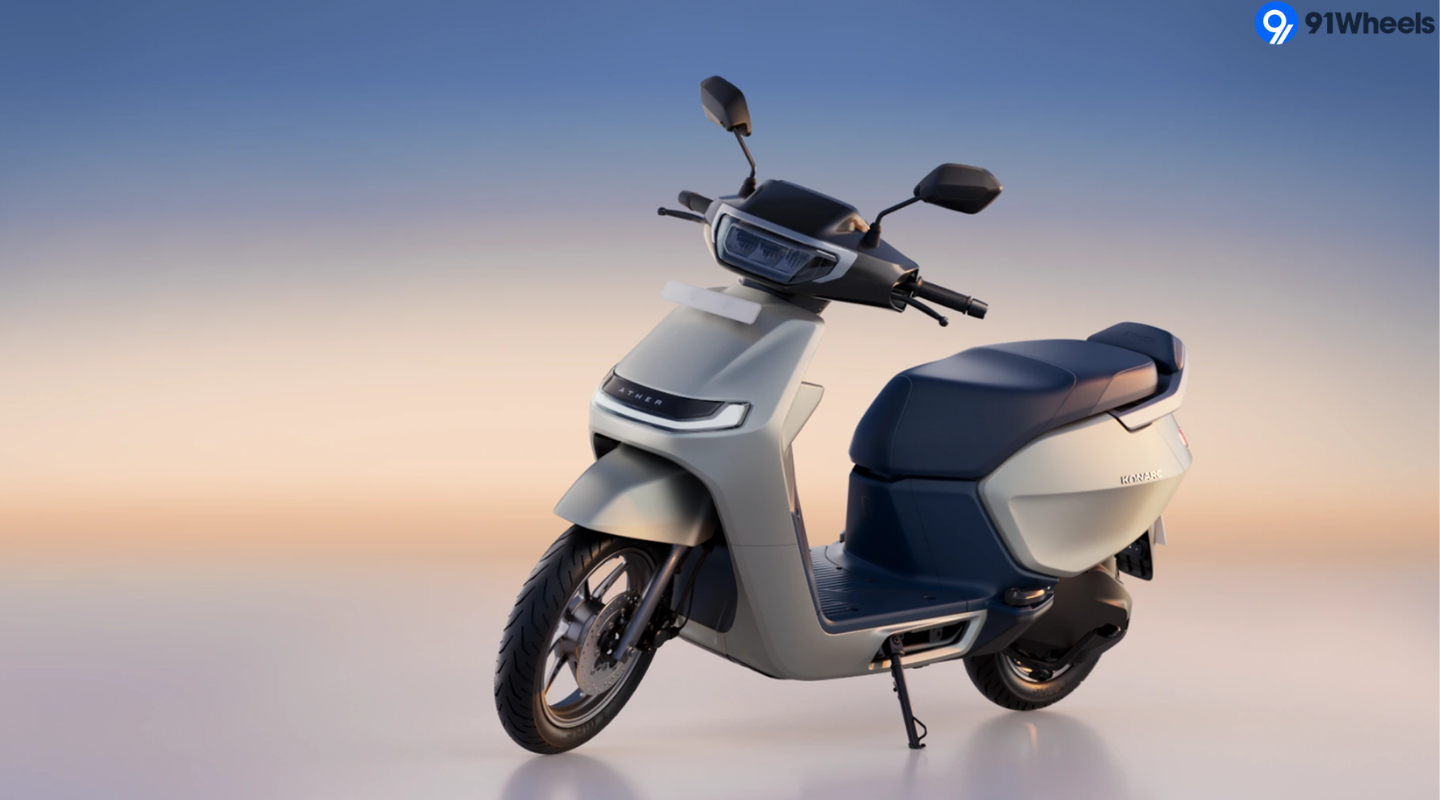
Design is usually subjective and depends on each person's taste, but we can talk about the features it offers at the front. The Ather Konarc is equipped with LED DRLs integrated into the upper portion of the front apron, below the main headlamp. They follow the width of the apron and wrap slightly around its edges, giving the scooter a distinctive lighting signature. The main headlamp, meanwhile, is positioned on the handlebar-mounted front cowl.
The front wheel is a 14-inch unit, and the rear a 12-inch one, with 100mm of rear suspension travel, so this is a scooter built to handle the abuse of bad roads commonly found in tier-2 and tier-3 cities. It's clear that Ather Energy wants Konarc to reach places the brand hasn't been before, with its most accessible and affordable product yet. Lastly, it's available in four colour options: Majestic Grey, Lumen Copper, Quartz White and Celestial Gold.
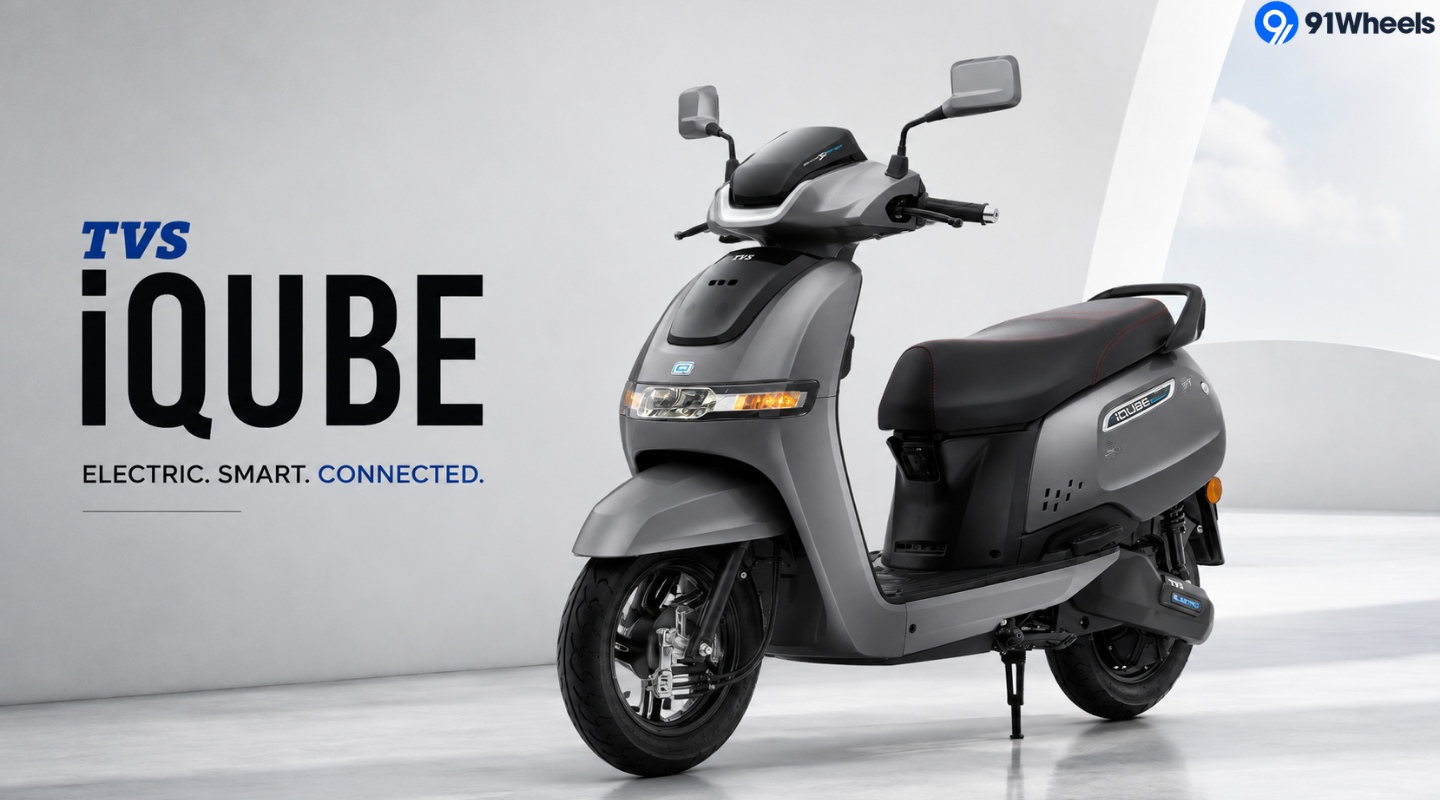
The iQube's front is built around a U-shaped LED DRL housed in the apron, with a rectangular headlamp unit mounted just below, flanked by indicator strips on either side. Together, these elements give the scooter a distinct light signature that has become a recognisable part of the iQube's identity over the years.
Moving to the underpinnings, both wheels measure 12 inches, paired with telescopic front suspension and a hydraulic twin-tube shock absorber at the rear. This is a simpler setup than a long-travel design built specifically for broken roads, and it reflects TVS's focus on the iQube as more of an urban commuter than an all-terrain family scooter.
Elsewhere, the rest of the body keeps things conventional. Body-coloured mirrors, a wide single seat, and panel lines mimic a traditional petrol scooter rather than trying to look overtly futuristic. In other words, it's a design built to feel familiar to a buyer switching from a petrol scooter for the first time, rather than one chasing a distinctive EV identity.
Finally, the iQube is available in six colours across its variants, which also include dual-tone options.
Our Verdict
Price gives Konarc the opening edge, at Rs 99,999 it's cheaper to get into than any iQube variant. But go a step further and the iQube pulls ahead on nearly everything else available today. It offers more range, quicker charging out of the box, and a fuller connected feature set that doesn't need you to wait for a future variant.
Konarc's case rests on promise rather than what's currently on sale. AeBS, MagicKey and AutoPop, the features that actually justify Ather's premium pitch, sit exclusively on the Konarc Z, a trim that hasn't launched. Buy an S variant today, and none of that ambition reaches you.
For riders who want more range, a mature app ecosystem, and features that work from day one, the iQube remains the safer, more complete package. For those drawn to Ather's engineering reputation and willing to wait for the Z, or who simply want the lowest possible entry price into an EV, the Konarc S makes a reasonable case, provided expectations stay tied to what the S variants, not the marketing around Konarc, actually deliver.
Do you like this article?
Comments
No comments yet. Be the first to comment!