.jpg?w=1200&q=50 "EV vs Petrol Running Costs: Ampere Nexus vs Activa 125")
Electric scooters are gaining ground with Indian buyers, but hesitation around them persists. Cost is where the argument tips in their favour. Running an EV typically costs about half of what a petrol scooter costs over the same period, and that gap can add up to roughly Rs 40,000 in savings a year. Most EV buyers in India today are not choosing between a flagship electric scooter and a premium petrol one. They are students, short-distance commuters and first-time two-wheeler owners, for whom running cost decides the purchase. This comparison looks at two scooters built for exactly that buyer: the Honda Activa 125 and the Ampere Nexus.
The Two Scooters
.png)
The Ampere Nexus EX+ is Ampere's attempt at a premium electric scooter, and it shows in the details. The design is clean and sporty, with tactile switches, and a 7-inch TFT touchscreen with Bluetooth and turn-by-turn navigation. It's built around a 3 kWh LFP battery and a mid-mounted motor that makes city overtakes feel effortless, and most owners report it settling into daily use as a light, easy scooter to ride through traffic, with a comfortable seat and enough underseat storage for the basics.
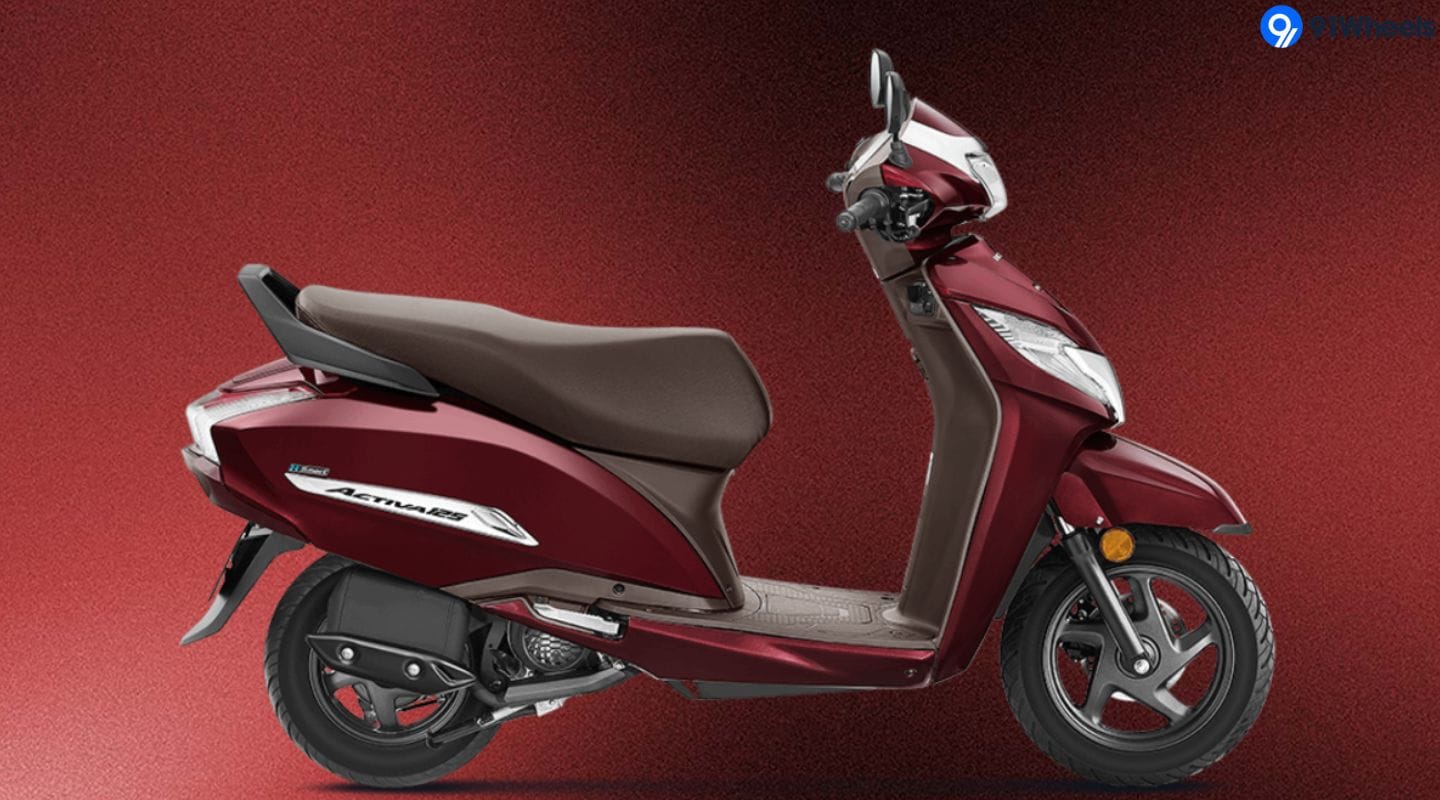
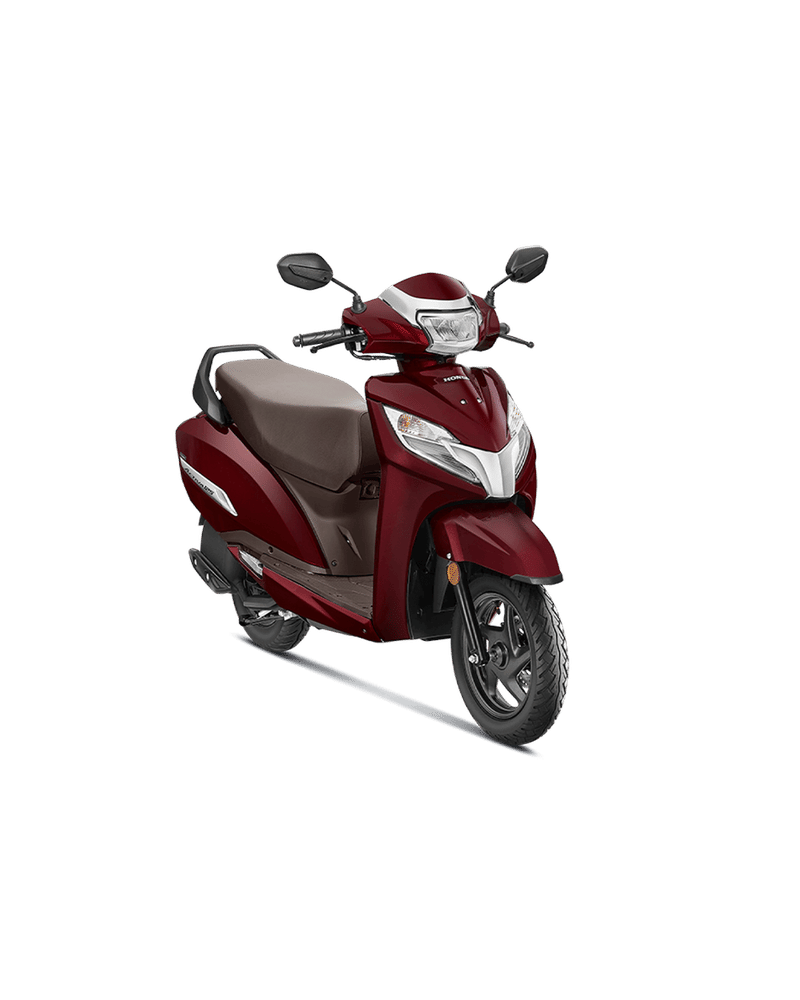
The Honda Activa 125, on the other hand, is the scooter most Indian households already trust. It doesn't try to be flashy. What it offers instead is a smooth, refined engine, a metal body that feels sturdier than most of its plastic-bodied rivals, and the kind of reliability that comes from Honda's decades-long reputation in this segment. Owners consistently mention the quiet running, and how easy it is to get serviced anywhere in the country. It's not the most exciting scooter to ride, and you do pay a bit of a premium for the Honda badge, but it holds its resale value well and rarely gives its owners a reason to worry.
Quick Comparison
Spec | Ampere Nexus EX+ (EV) | Honda Activa 125 (Petrol) |
|---|---|---|
Battery / Engine | 3 kWh LFP battery, 5 kW motor | 123.92 cc engine |
Claimed range/mileage | 136 km (IDC), 100 km (real) | 47 kmpl (real) |
Fuel Tank Capacity | NA | 5.3 litres |
Charging/refuel time | Around 3.5 hours | 2 to 3 minutes |
Battery/Engine warranty | 5 years / 75,000 km | Standard 2-year vehicle warranty |
One thing which buyers have to trade off with, is the refueling time. Topping-up a petrol scooter requires max 5 minutes and with 5 litres of petrol it can run up to 210-230 kms. But if not efficiently managed then the EV buyer has to trade off the time of seven hours to run nearly the same 200 kilometres. However buyers just need to charge their electric scooter twice or thrice a week at max.
Purchase Price, Tax and RTO
Item | Ampere Nexus EX+ | Honda Activa 125 |
|---|---|---|
Ex-showroom price | Rs 1,29,999 | Rs. 89,656 |
RTO + Road Tax | Rs. 0 (EV exemption in most states) | Rs. 7,294 |
Insurance (1st year) | Rs. 8,143 | Rs. 6,486 |
On-road price | Rs. 1,38,142 | Rs. 1,04,958 |
Note - Prices are Delhi on-road
The Nexus actually costs approximately Rs. 33,000 more upfront than the Activa 125. This is a case where the EV is the pricier scooter to buy. However this cost can be managed with subsidies and scrapping policies at state levels. What matters more is what happens after that is the real matter.
Let’s Discuss Actual Profits
Avg Electricity Cost: Rs. 10 per unit (kWh) |
|---|
Avg Petrol price: Rs. 105 per litre |
Daily riding distance: 50 km/day (18,250 km/year). |
Ampere Nexus EX+:
Calculation | Value |
|---|---|
Energy used | 3 kWh / 100 km |
Energy consumption | 0.030 kWh/km |
Charging loss | 15% |
Energy consumption incl. charging loss | 0.0345 kWh/km |
Electricity cost | Rs 10/kWh |
Cost per km | Rs 0.345/km |
Cost per 100 km | Rs 34.50 |
Honda Activa 125:
Calculation | Value |
|---|---|
Fuel price | Rs 105/litre |
Mileage | 44 kmpl |
Cost per km | Rs 2.386/km |
Cost per 100 km | Rs 238.60 |
Riding the same 50 km a day, the Activa costs almost 7 times more per kilometre than the Nexus.
Consumption Cost, Side by Side
Period | Ampere Nexus EX+(Electricity) | Honda Activa 125 (Petrol) |
|---|---|---|
Daily (50 km) | Rs. 17.25 | Rs. 119.32 |
Monthly | Rs. 525 | Rs. 3,629 |
Quarterly | Rs. 1,574 | Rs. 10,888 |
Half-yearly | Rs. 3,148 | Rs. 21,776 |
Yearly | Rs. 6,296 | Rs. 43,551 |
That works out to Rs. 37,255 saved every year in fuel and electricity alone with the Nexus. Rs. 33,184 (extra upfront cost) divided by Rs. 37,255 (annual savings) comes to 0.89 years, or under 11 months. That's a quick payback for a scooter you're likely to keep for five years or more.
The Honest Part. Five Years of Ownership, Including Maintenance and Battery
Fuel savings only tell half the story. EV scooters need almost no engine maintenance (no oil changes, no clutch, no spark plugs), but the battery is a real cost most comparisons quietly leave out. Here's what the picture looks like once both are added in.
Maintenance: based on typical service data from India, EV scooters run Rs. 1,000 to Rs. 2,500 a year to maintain, while petrol scooters run Rs. 4,000 to Rs. 10,000 a year. We used Rs. 2,000/year for the Nexus and Rs. 5,000/year for the Activa 125.
Battery replacement, checked honestly: the Nexus carries a 5-year/75,000 km battery warranty. At 50 km a day (18,250 km/year), you'd hit the 75,000 km cap around 4.1 years in, right at the edge of the warranty window. We haven't added a battery replacement cost to the five-year total below, since it's genuinely borderline at this usage rate. But if you ride more than 50 km a day, plan for roughly Rs. 36,000 to replace the pack once the warranty runs out.
Cost Component (5 Years) | Ampere Nexus EX+ | Honda Activa 125 |
|---|---|---|
On-road price | Rs. 1,38,142 | Rs. 1,04,958 |
Running cost (5 yrs) | Rs. 31,480 | Rs. 2,17,755 |
Maintenance/service (5 yrs) | Rs. 10,000 | Rs. 25,000 |
Battery replacement | Rs. 0 (in or near warranty at this usage) | N/A |
Total 5-year cost | Rs. 1,79,622 | Rs. 3,47,713 |
Total 5-year savings with the Nexus: Rs. 1,68,091.
Conclusion: Which Is More Cost-Effective?
Despite carrying a Rs 33,184 higher upfront cost, the Ampere Nexus pays for itself in under 11 months over the Honda Activa 125 through significantly lower running costs. Over five years, factoring in EV maintenance, it saves roughly Rs 1.68 lakh for a daily 50 km rider.
The primary trade-offs are charging time (3.5 hours versus a 3-minute fuel stop) and the battery warranty, which expires at 75,000 km. Riders covering more than 50 km daily may face a battery replacement down the line, but even a worst-case Rs 36,000 outlay eats up barely 20% of the total five-year savings. For anyone riding daily and keeping the scooter past a year, the Nexus is the clear financial winner.
Do you like this article?
Comments
No comments yet. Be the first to comment!