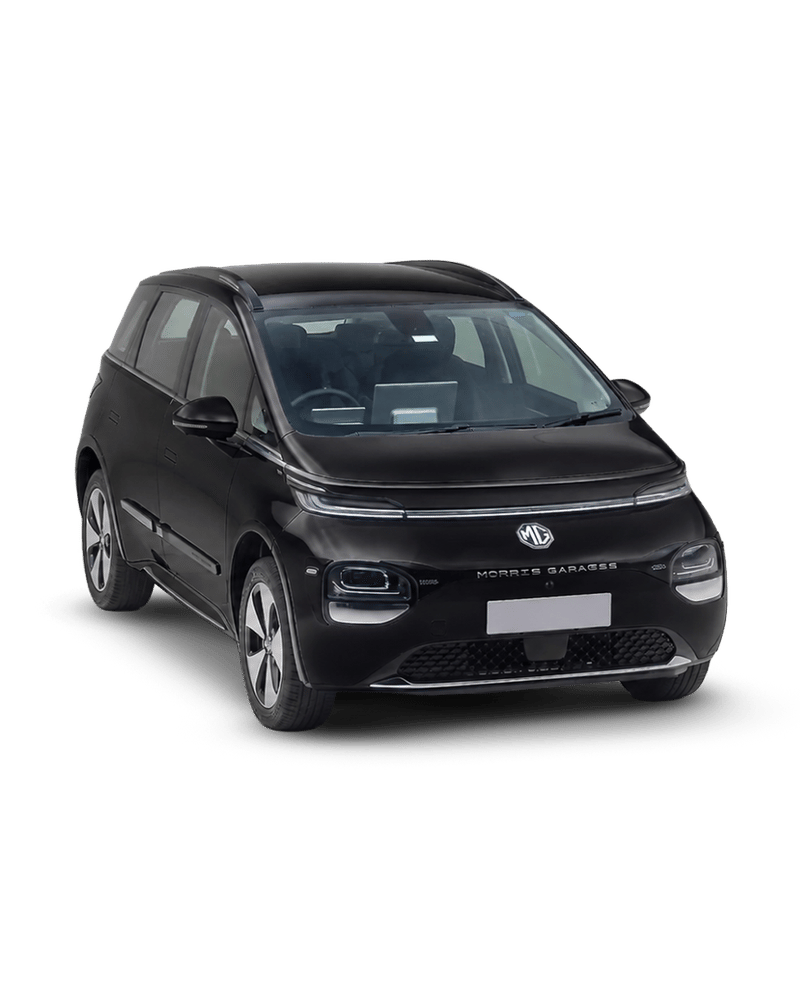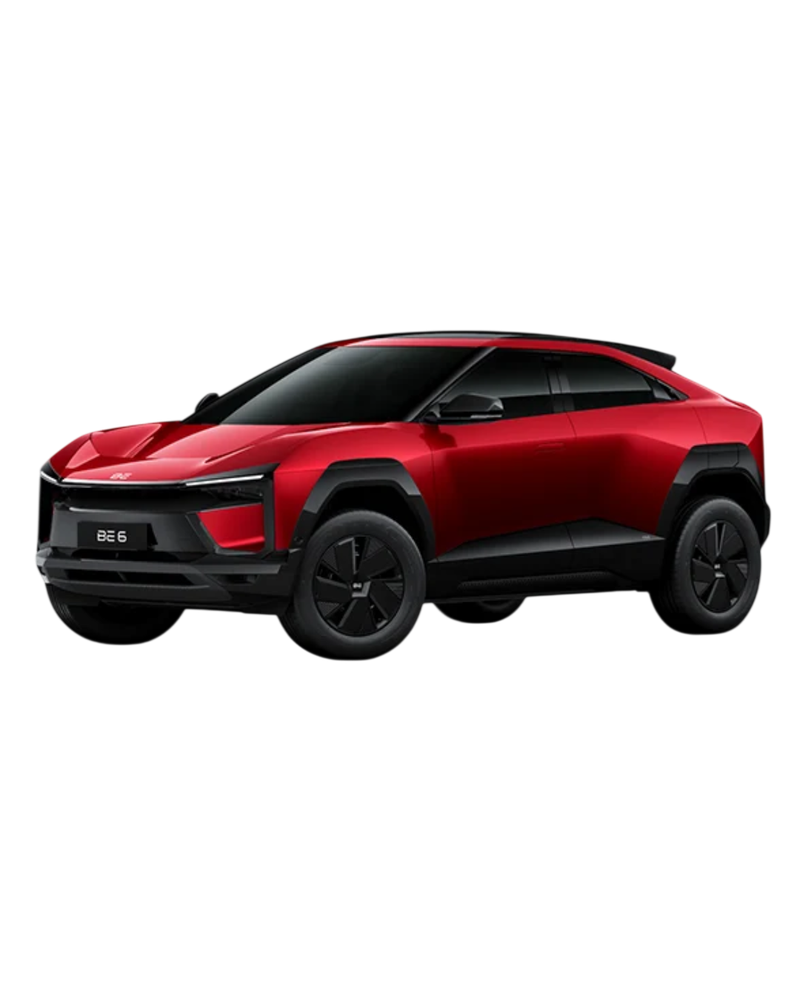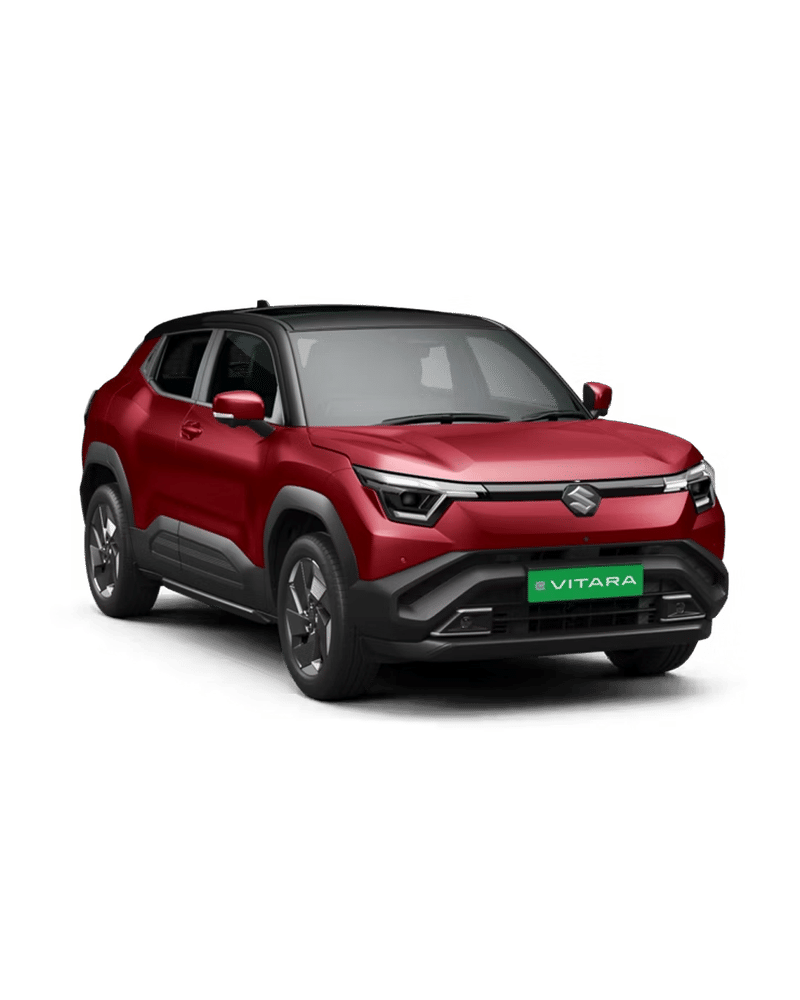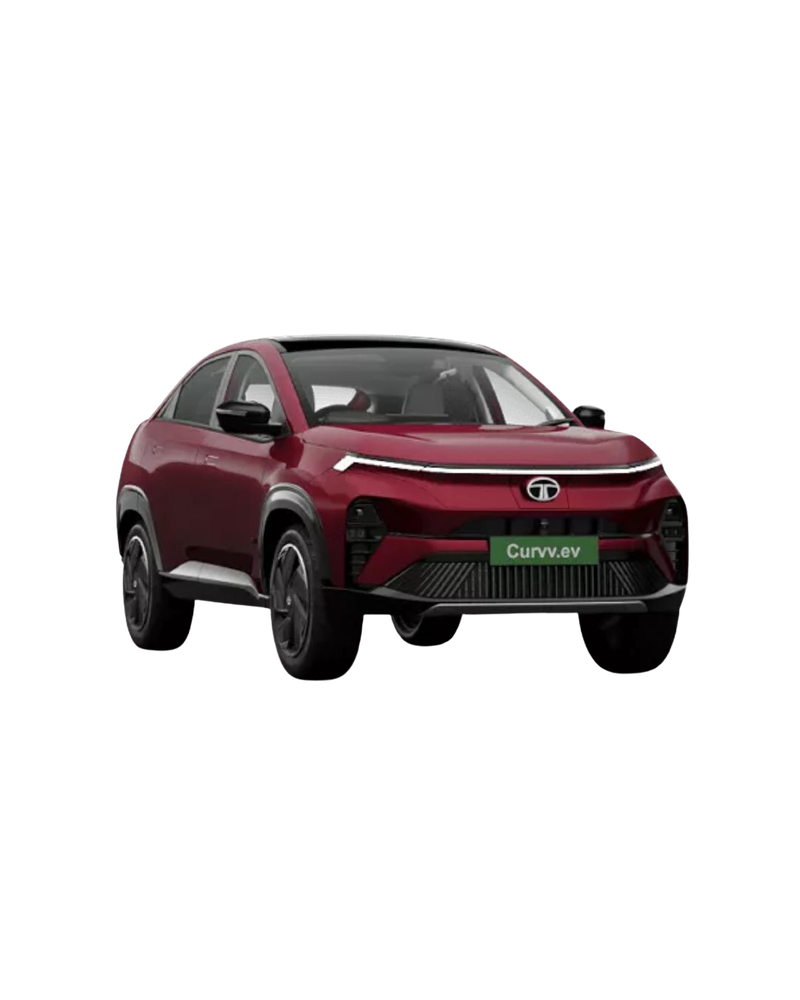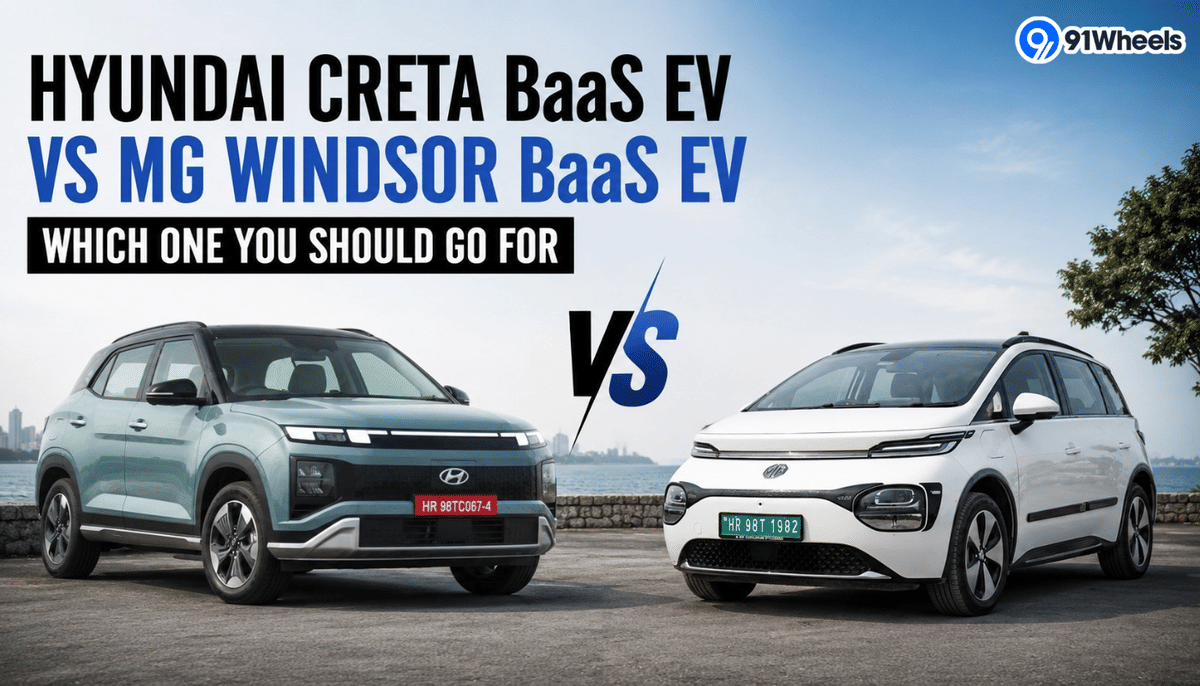
Battery-as-a-Service just got a lot more interesting in India. For years, "BaaS" was an MG-only story - the Windsor EV made it fashionable, and buyers either loved the idea of a Rs. 9.99 lakh electric SUV or dismissed it as a gimmick dressed up in fine print. Later on, Indian heavyweights like - Tata and Maruti Suzuki entered into the scenario while other players like Hyundai and Mahindra still stayed distant. That changed on July 2, 2026, when Hyundai finally entered the BaaS game with the Creta Electric, slashing its entry price to Rs. 10.99 lakh and putting battery rental right in the same conversation as one of India's most trusted SUV nameplates.
So now you have two very different electric sub 4-metre SUVs playing the exact same financial trick: split the battery cost from the car cost, lower the sticker price, and charge you rent per kilometre instead. But "same trick" doesn't mean "same deal." Let's break down what each brand is actually offering, and which one makes more sense depending on who you are.
What Exactly Is BaaS?
Battery-as-a-Service unbundles the single most expensive component of an EV - the battery from the vehicle price. You pay a lower upfront amount for the car itself, then pay a per-kilometre rental for the battery, which is typically financed and hypothecated to a lender rather than owned outright. It's less "ownership" and more "battery subscription with a car attached." The appeal is obvious: EV sticker shock disappears overnight. The catch is equally obvious: your real cost depends entirely on how much you drive.
The Price Face-Off
Here's where things get genuinely interesting, because the entry prices are almost identical, but the fine print diverges fast.
MG Windsor EV - BaaS Pricing
Variant | BaaS Price | Battery Rental |
|---|---|---|
Excite | ₹9,99,000 | ₹3.99/km |
Exclusive | ₹11,29,000 | ₹3.99/km |
Essence | ₹12,29,000 | ₹3.99/km |
Exclusive Pro | ₹12,89,999 | ₹4.50/km |
Essence Pro | ₹13,99,999 | ₹4.50/km |
Hyundai Creta Electric - BaaS Pricing
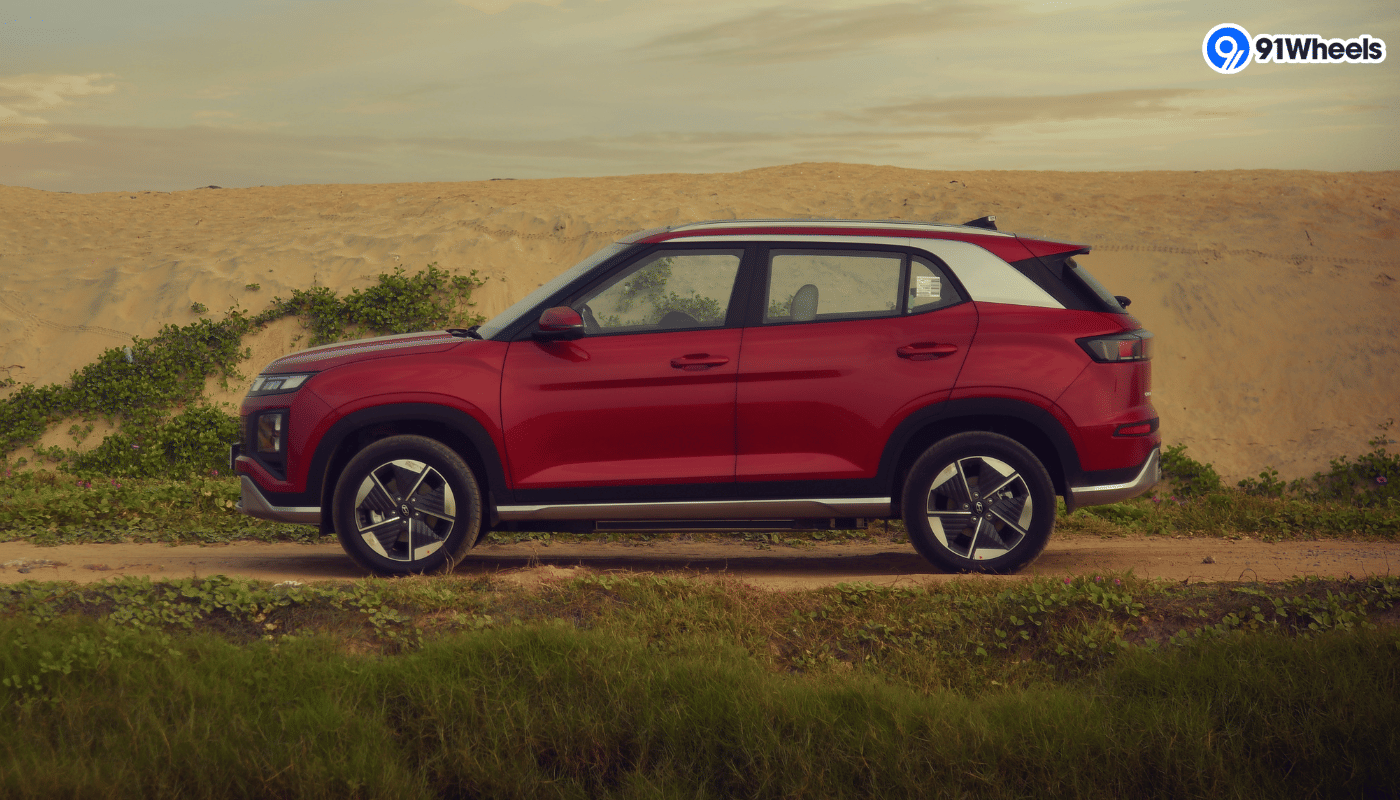
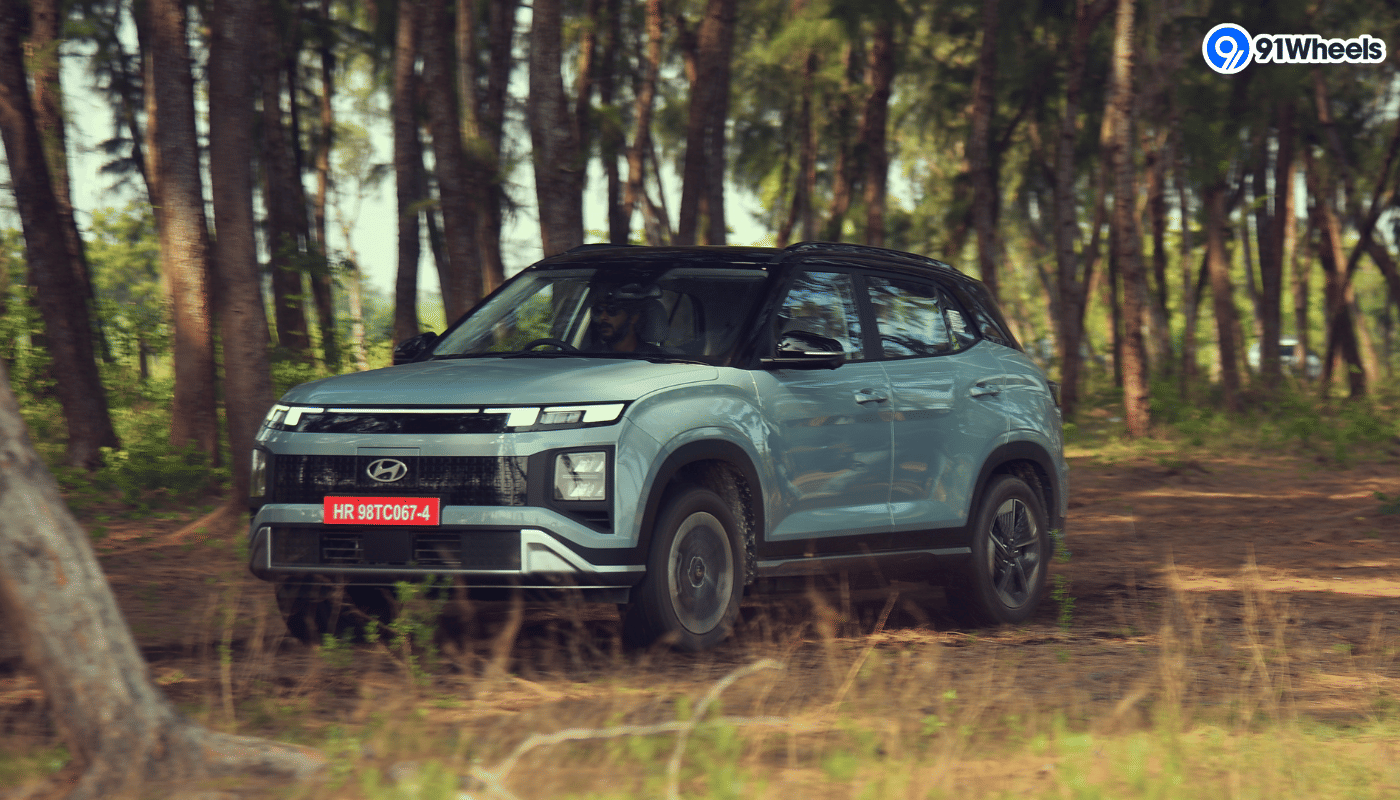
Hyundai has kept things simpler. The Creta Electric under BaaS starts at Rs. 10.99 lakh (ex-showroom), with battery rental beginning at Rs. 3.90/km. Hyundai hasn't released a full variant-wise BaaS price breakup yet, which means, unlike MG, you can't currently map out exactly what each Creta Electric trim costs under the BaaS scheme. For context, the fully-owned Creta Electric (battery included) starts at roughly Rs. 18.02-18.03 lakh, so BaaS effectively knocks off more than Rs. 7 lakh from the entry price.
The headline verdict on price: MG's Windsor Excite technically undercuts the Creta at Rs. 9.99 lakh, but Hyundai's Rs. 10.99 lakh entry price comes with a marginally cheaper battery rental rate (Rs. 3.90/km vs MG's Rs. 3.99/km on lower variants). It's close enough that the difference will barely register monthly - but it does tell you something about how each brand is positioning its BaaS pitch.
Battery, Range, and Performance
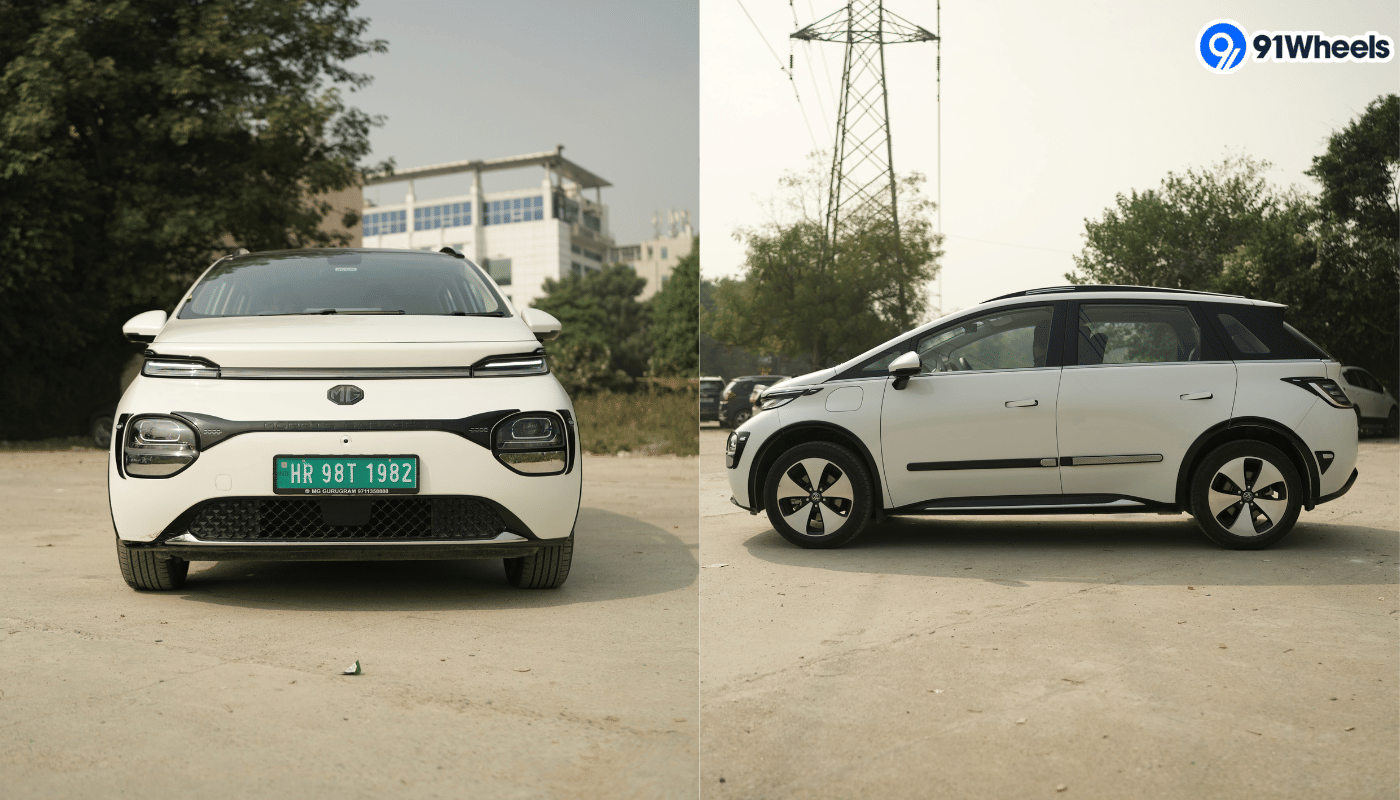
This is where the cars start to genuinely differ, not just the finance schemes.
MG Windsor EV offers two battery options:
- 38 kWh pack - 332 km range (MIDC), 136 PS / 200 Nm, DC fast charge 20-80% in in 45 minutes (45 kW)
- 52.9 kWh pack - 449 km range (MIDC), same 136 PS / 200 Nm output, DC fast charge 20-80% in 50 minutes (60 kW)
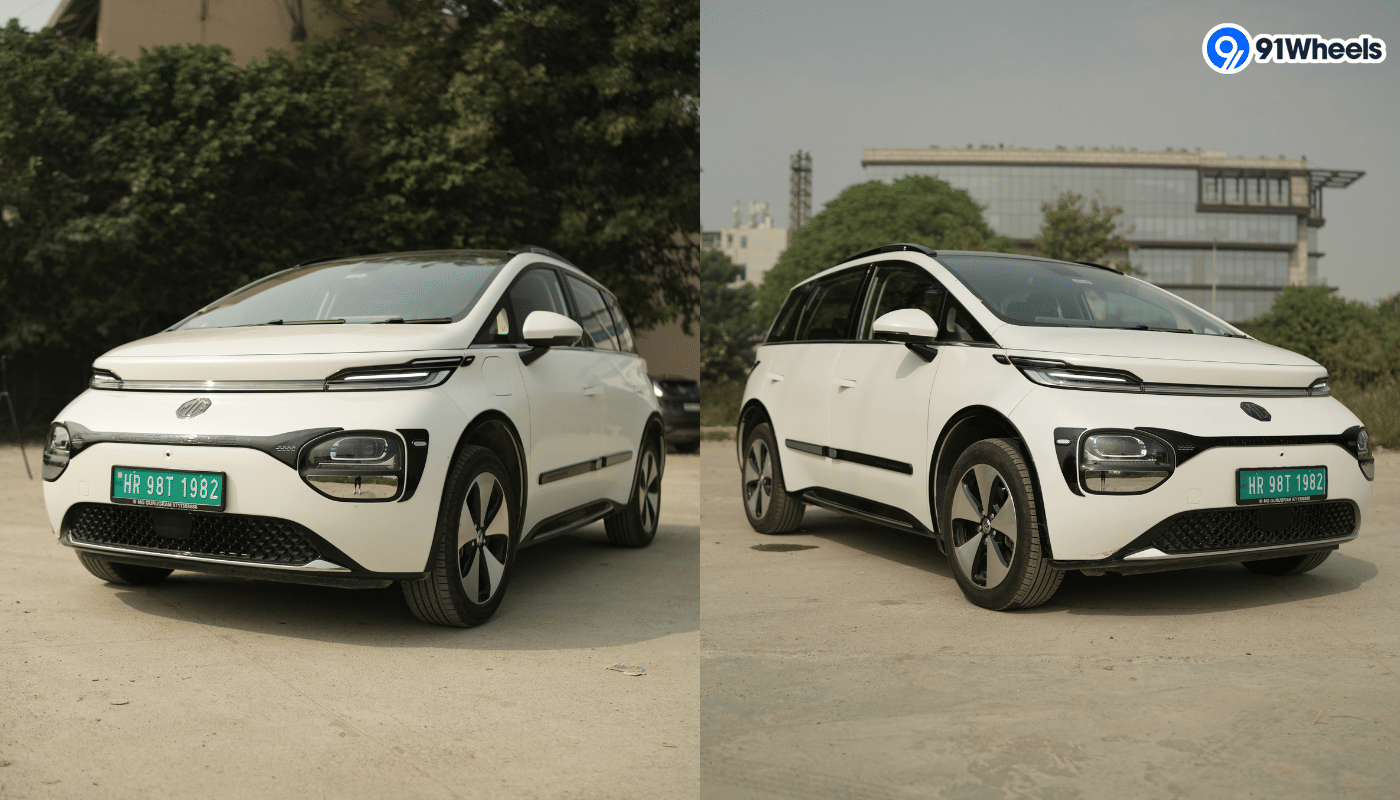
The Windsor uses a prismatic cell battery with a liquid cooling system, battery heating function, and IP67 water/dust resistance - MG markets these as first-in-segment reliability features.
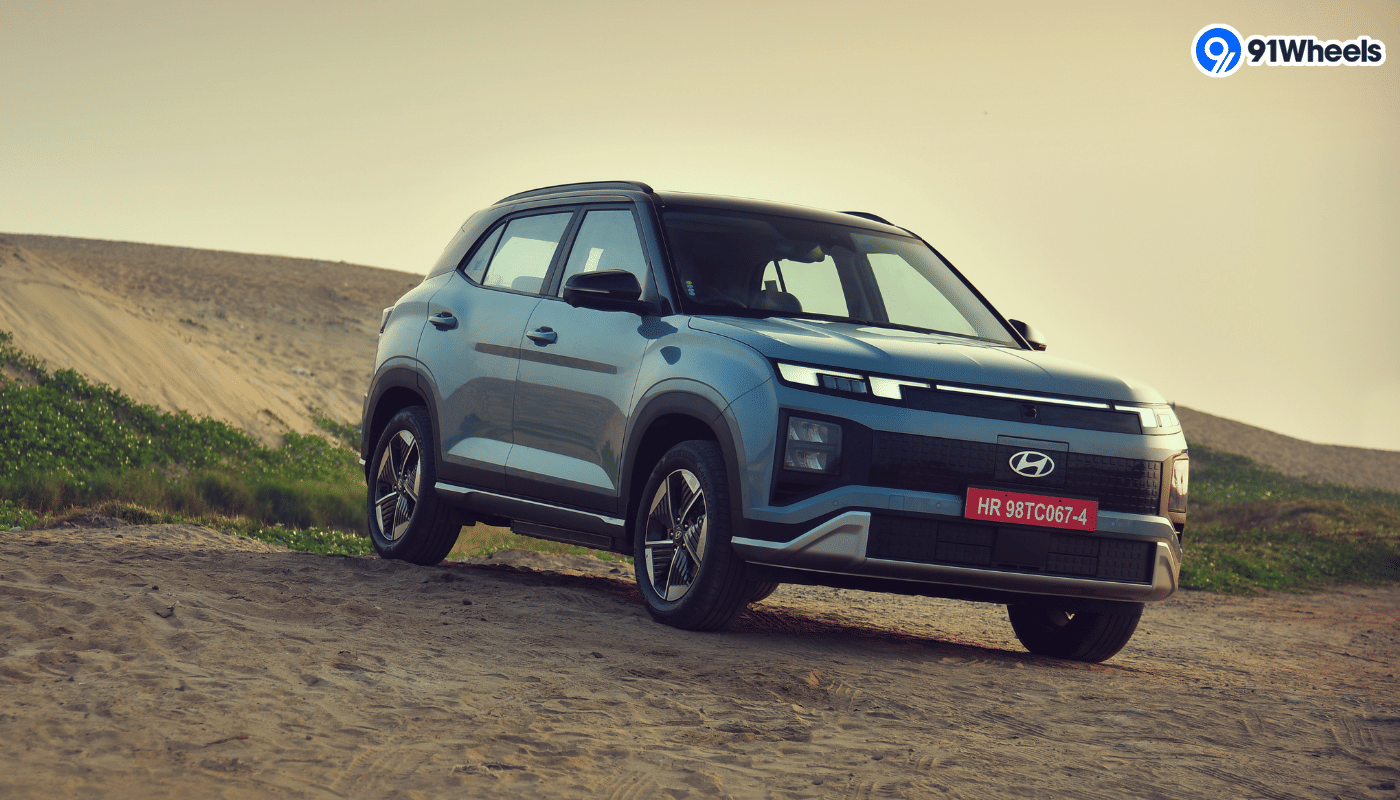
Hyundai Creta Electric also gives you two battery choices:
- 42 kWh pack - 420 km range (ARAI), 99 kW (135 PS)
- 51.4 kWh pack (Long Range) - 510 km range (ARAI), 126 kW (171 PS), 0-100 km/h in 7.9 seconds
On paper, the Creta Electric's Long Range variant has the edge in both range (510 km vs 449 km) and outright power (171 PS vs 136 PS). It's also quicker to charge on DC fast charging, going from 10-80% in just 39 minutes, compared to MG's 20-80% in 50 minutes for the bigger pack - though the different charge windows make a like-for-like comparison tricky.
Ownership Perks: Where MG Pulls Ahead
MG has clearly built an entire ecosystem around its Unique Ownership Programme, and it shows:
- Lifetime warranty on the battery for the first owner (private registration only)
- 3-60 Assured Buyback - a guaranteed buyback of 60% of the ex-showroom price after 3 years or 45,000 km
- e-Shield package bundling roadside assistance, labour-free services, and optional extended warranty/RSA/protect plans running up to 5 years
- Charging support via the MG Charge Initiative (1,000 AC fast chargers in community spaces) and a unified EV charging app with trip planning and reservations
Hyundai's BaaS pitch, by comparison, is younger and leaner. It leans on:
- 8-year/160,000 km battery warranty
- A growing public charging network - 183 locations, 214 DC chargers, 399 charging points currently, with a roadmap to nearly 600 fast public stations over the next seven years
- The myHyundai app's "EV Charge" feature, tapping into 10,000+ charging points nationwide
- A newly added 7.4 kW wall box charger on Home Charger (HC) variants, plus an integrated side foot step for easier entry/exit
MG's buyback guarantee and lifetime battery warranty are genuinely harder perks to match - Hyundai currently has nothing directly comparable in its BaaS announcement.
Features and Tech: A Close, Interesting Fight
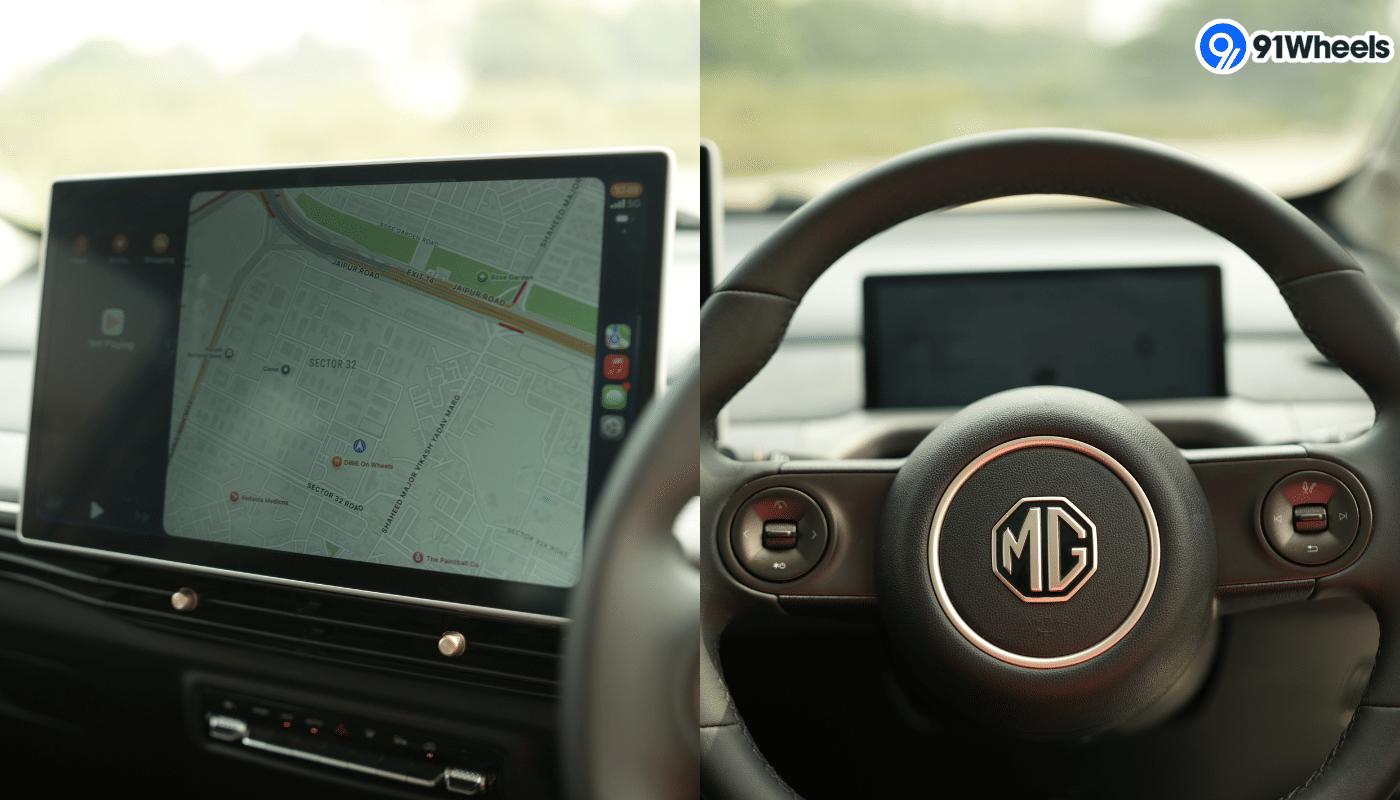
Both SUVs are stacked for their price points, but they flex in different directions.
The Windsor leans into cabin indulgence: a 15.6-inch GrandView infotainment display (largest in segment), 9-speaker Infinity audio, 135-degree reclining rear seats, a glass roof, ventilated front seats, and Vehicle-to-Vehicle (V2V) charging on top of Vehicle-to-Load (V2L). Its top-spec Essence Pro (52.9 kWh) variant also gets a 12-function Level 2 ADAS suite - though notably, this is reserved only for that top trim/battery combination, not spread across the range.
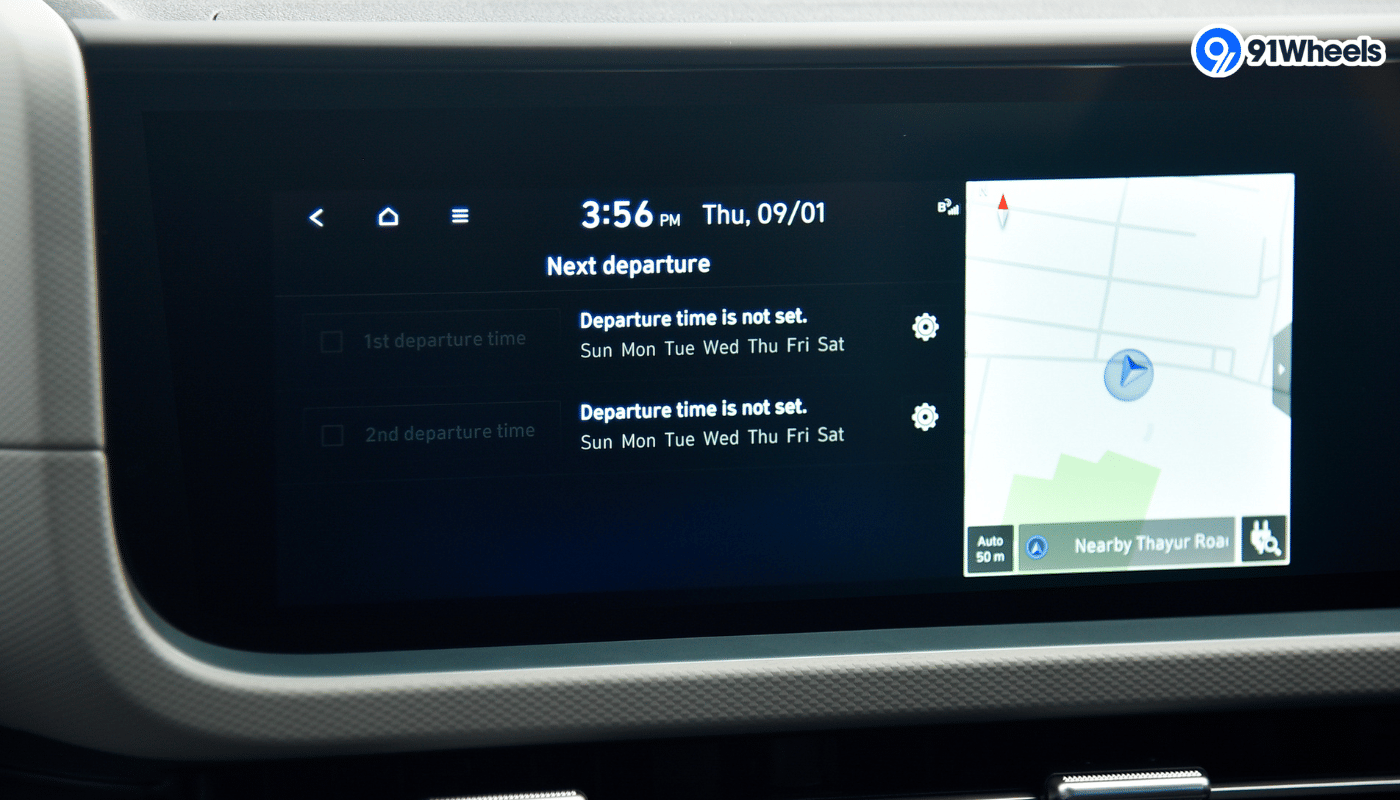
The Creta Electric answers with dual 10.25-inch screens, a panoramic sunroof, ventilated seats, V2L support, Digital Key, Single Pedal Drive (i-Pedal), and Hyundai SmartSense Level 2 ADAS - offered more broadly across higher variants rather than gated to one flagship trim. Both cars offer 6 airbags, ESC, hill-start assist, all-wheel disc brakes, and TPMS as standard safety fare.
So, Which One Should You Actually Go For?
There's no universal right answer here - it genuinely comes down to what kind of buyer you are.
Go for the MG Windsor EV BaaS if:
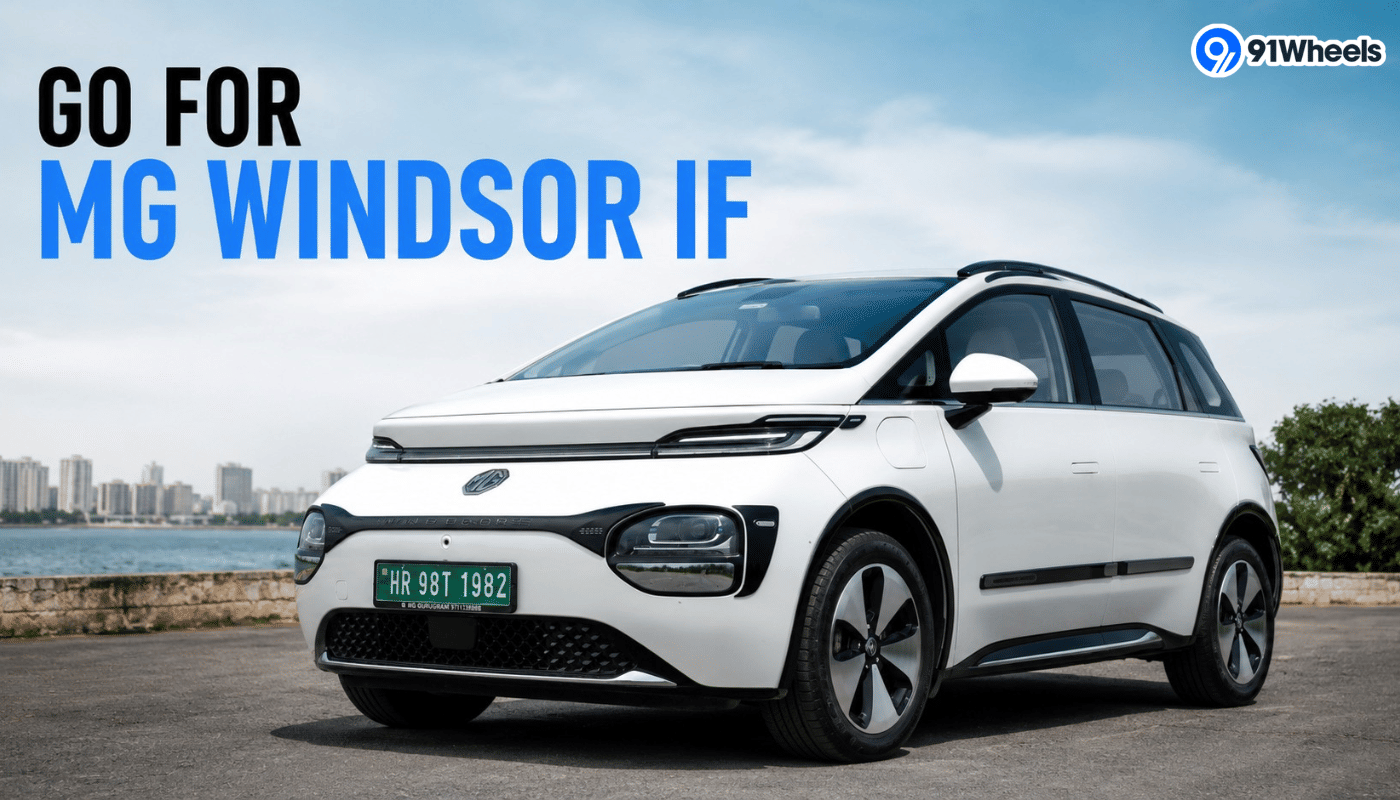
- You want the lowest possible entry price (Rs. 9.99 lakh Excite)
- A guaranteed 60% buyback after 3 years matters to you for resale peace of mind
- You want a plush, feature-loaded cabin experience with the segment's biggest screen and best-in-class rear legroom
- You're comfortable with MG's still-growing dealer and service network
Go for the Hyundai Creta Electric BaaS if:
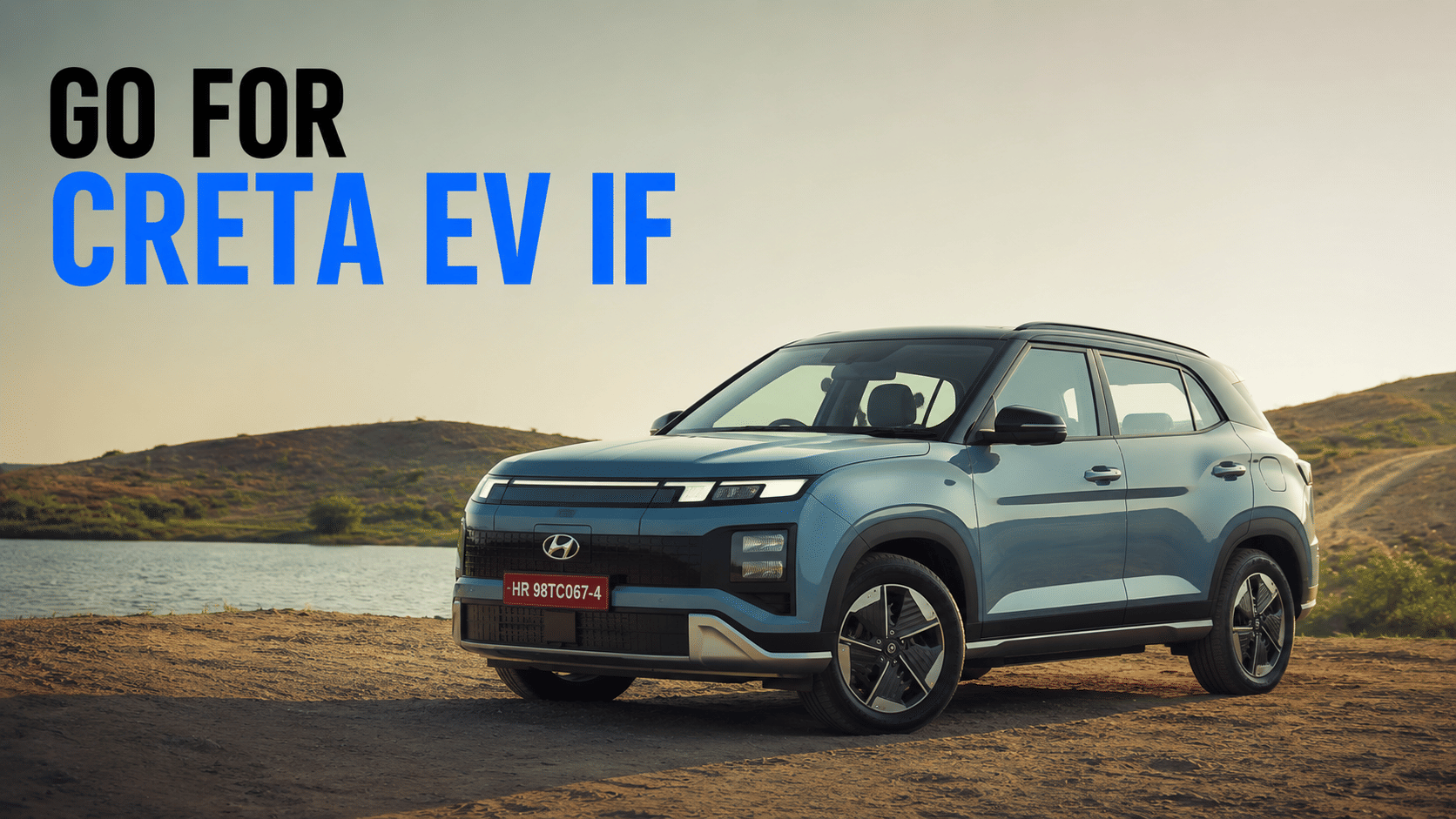
- You want the strongest brand trust and India's largest SUV dealer network for service and resale confidence
- Long-distance driving matters - the 510 km Long Range variant and faster 39-minute DC charging are genuine advantages
- You want more outright performance (171 PS on the top variant vs Windsor's 136 PS)
- You're willing to wait for Hyundai to release full variant-wise BaaS pricing before locking in a decision
The Bottom Line
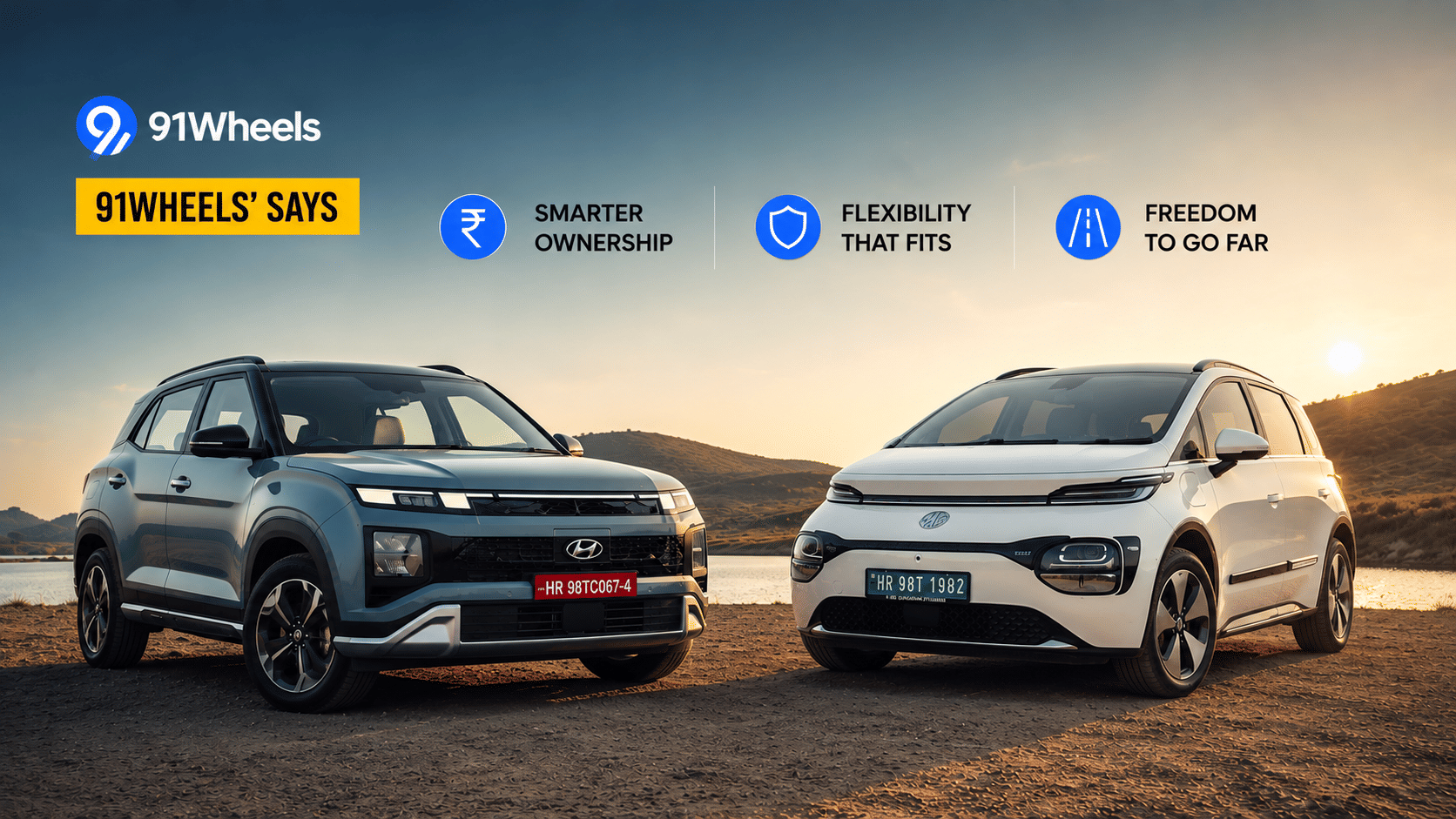
MG built the BaaS playbook in India, and it shows in how complete its ownership programme feels - buyback guarantee, lifetime battery warranty and a fully published variant-wise BaaS price list. Hyundai's entry is newer, less detailed on paper, but backed by the kind of brand equity and dealer reach that many buyers simply trust more when it comes to an EV they will keep for years.
If your decision hinges on transparent pricing and buyback assurance today, Windsor BaaS is the safer, more immediately understandable buy. If you are betting on range, charging speed and the Creta name carrying you comfortably through ownership and resale, Hyundai's BaaS Creta Electric is worth the short wait for full pricing details to land.
Either way, one thing is now certain: BaaS has stopped being an MG experiment and has officially become a mainstream EV strategy in India and that's good news for anyone who's been priced out of going electric.
Do you like this article?
Comments
No comments yet. Be the first to comment!