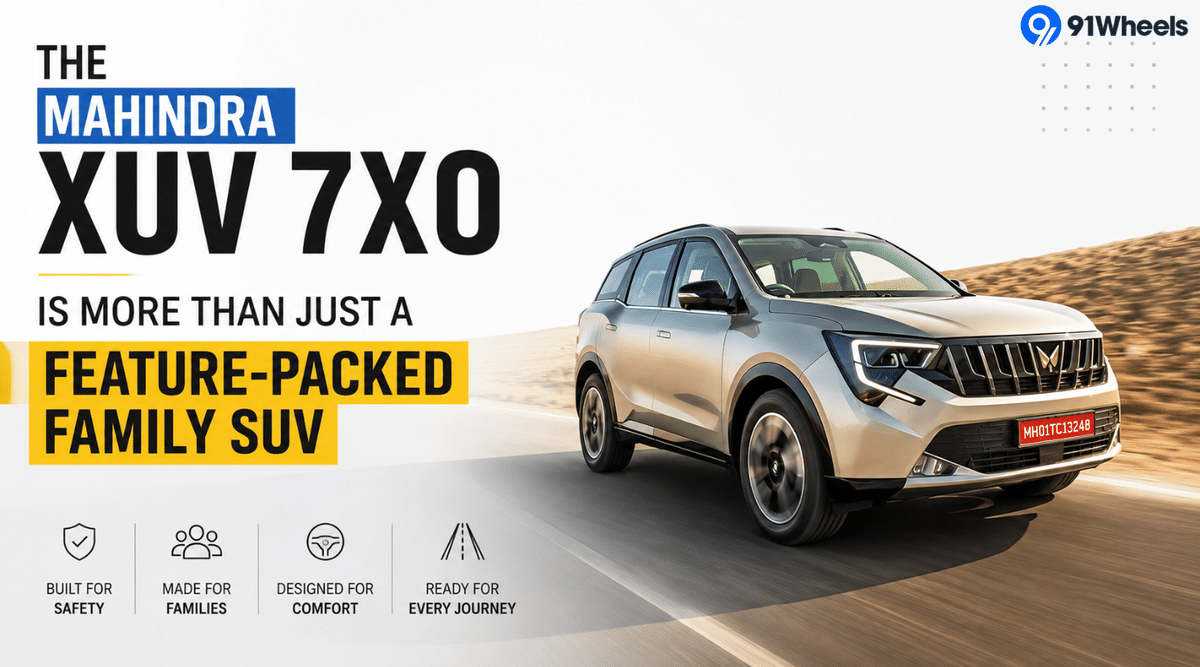
The Mahindra XUV 7XO, the facelifted version of the esteemed XUV700, arrived with a new moniker and became a success right from the day its bookings opened. Now, this wasn't surprising - it was expected. Such is the reputation this SUV enjoys in India. For many, owning an XUV 7XO is more than just owning a car. It carries a certain sense of achievement, a feeling that you've done well in life.
There are several reasons behind this perception. But there's one quality of the XUV 7XO that rarely gets talked about, the feeling it gives the person behind the wheel. It's the kind of connection you don't expect from a three-row family SUV that costs under Rs 20 lakh It's built for people who need space for the family, yet don't want to let go of the young enthusiast in them the one who loves to floor the accelerator and enjoys every corner on an open road.
In this story, we'll focus on exactly that, and explain why this Mahindra SUV is much more than just a feature-packed family SUV.
Mahindra XUV 7XO
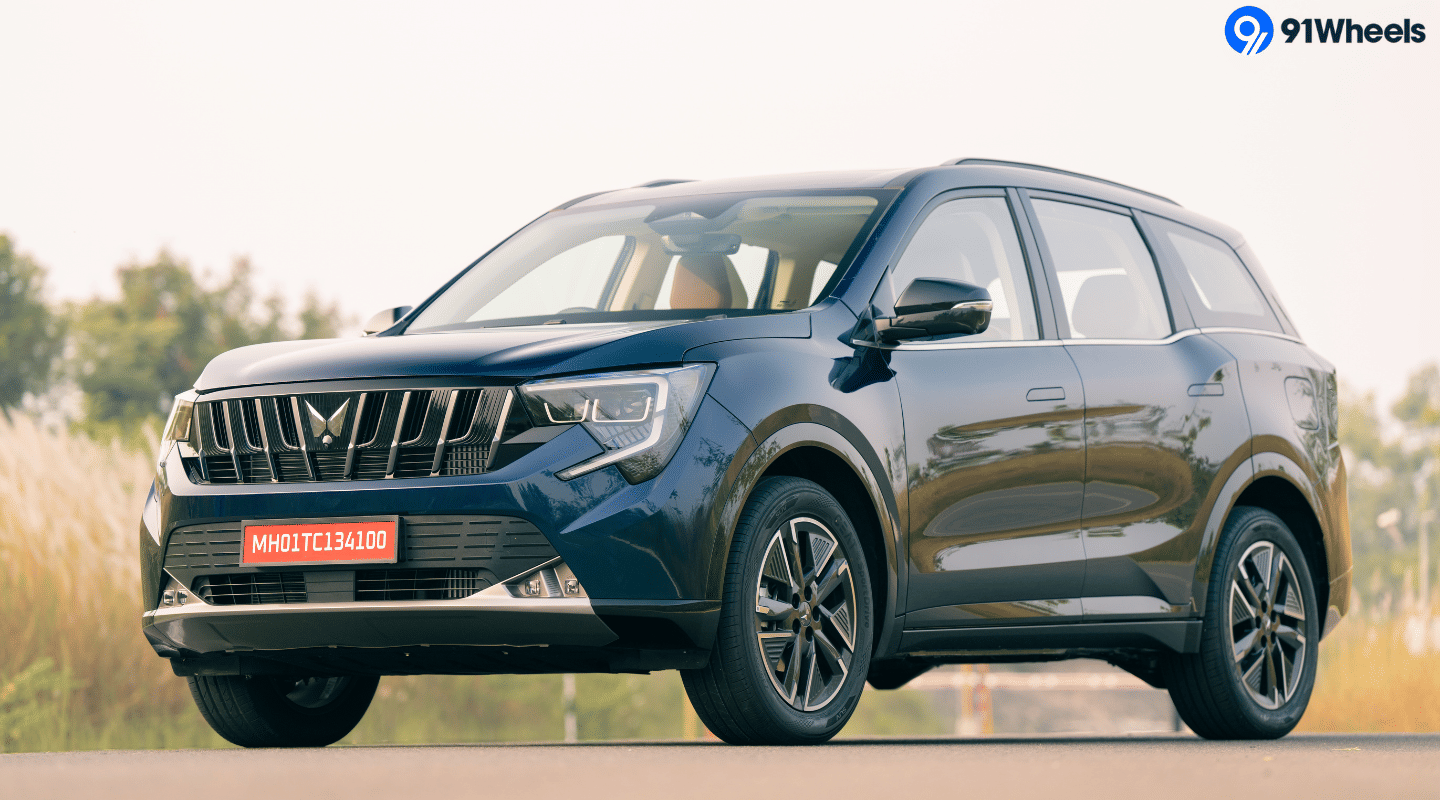
The Mahindra XUV 7XO's DNA has always been special, and unique to the brand. It all began with the XUV500, Mahindra's first monocoque SUV with a front-wheel-drive layout. Right from the start, it was engineered for the road rather than the rough. But little did anyone know just how exciting this SUV would turn out to be.
Built on a monocoque platform co-developed with SsangYong, the XUV500 brought a level of sophistication that was unheard of in a Mahindra product at the time. Its independent suspension setup and car-like dynamics transformed the driving experience. It didn't feel like the ladder-frame SUVs Mahindra was known for. Instead, it felt planted, composed and always eager to be driven.
The XUV 7XO builds on the same philosophy. A larger, more refined chassis, combined with powerful engines, has only made the package better. And speaking of performance, the engines deserve a section of their own. But first, let's take a look at the specifications.
XUV 7XO Powertrain | 2.0L TGDi | 2.2L CRDe |
|---|---|---|
Fuel Type | Petrol | Diesel |
Engine Type | Turbo petrol | Turbo diesel |
Cylinder | 4 | 4 |
Bore/stroke | 76/88 mm | 85/96 mm |
Compression Ratio | 9.5:1 | 16:1 |
Power | 202.86 PS | 184.91 PS |
Torque | 380 Nm | 420 Nm / 450 Nm |
Gearbox | 6-MT/ 6-AT | 6-MT/6-AT |
Drivetrain | FWD | FWD/AWD |
Petrol
Tales of its greatness are all over YouTube, where several automotive reviewers have put the XUV 7XO to the test against mighty stallions like the Toyota Fortuner, Tata Safari, Volkswagen Virtus GT, and even a few German rivals. More often than not, this SUV has come out on top in long-run and rolling acceleration tests. It can comfortably touch speeds of 210-215 kmph, and its acceleration is enough to give many of its rivals a tough time.
Getting a 202 PS engine at around Rs 14 lakh (ex-showroom) is almost unheard of. What's even more impressive is that Mahindra has paired it with one of its most dynamically sorted chassis, resulting in an SUV that feels more agile than some sedans.
But it's not all roses. The biggest downside is its poor fuel economy. Several owners have reported highway mileage figures of around 11-12 kmpl, while city efficiency can drop even further depending on driving style. That's simply the price you pay for having a 203 PS turbo-petrol under your right foot. Every rose has its thorns, and in the XUV 7XO's case, those thorns come in the form of frequent fuel station visits.
That said, the numbers tell only half the story. The engine's long-stroke design, turbocharging and relatively low compression ratio explain why it delivers such a strong low-end punch while remaining eager to accelerate every time you press the throttle.
Diesel
The diesel takes a very different approach. Surprisingly, this engine doesn't feel as refined as some of its rivals. Engine noise always finds its way into the cabin, even when you're simply cruising. That's unexpected, especially because we've driven the Thar Roxx diesel, which uses the same engine, and the insulation there is so good that it genuinely feels like a petrol-powered SUV.
That said, when it comes to performance, this engine deserves every bit of praise. It's a torque monster, remarkably fuel-efficient and has proven to be extremely reliable over the years. Covering 600+ km in a single day feels effortless, and even at 100-110 kmph, the engine spins below 2,000 rpm. The result is excellent fuel economy and a driving experience that makes highway speeds feel almost effortless.
But the biggest highlight is that 450 Nm of torque. Pair it with the automatic gearbox, and the slightest flex of your right foot is enough to get the XUV 7XO moving with surprising urgency. Before you realise it, you're already travelling at speeds that demand a glance at the speedometer. The impressive part is how effortless it all feels. The engine never sounds or feels like it's working hard.
That's exactly why many diesel enthusiasts still prefer a good turbo-diesel over a turbo-petrol. Petrol engines often need to be worked harder to access their performance, whereas this diesel delivers most of its punch low down in the rev range. The engineering explains why. Its long-stroke design means the piston travels a greater distance than the cylinder's width, giving the crankshaft more leverage. That's what helps produce such strong torque from low revs, making the XUV 7XO feel effortless whether you're overtaking on the highway or accelerating out of a corner.
Monocoque Chassis And DaVinci Suspension Setup
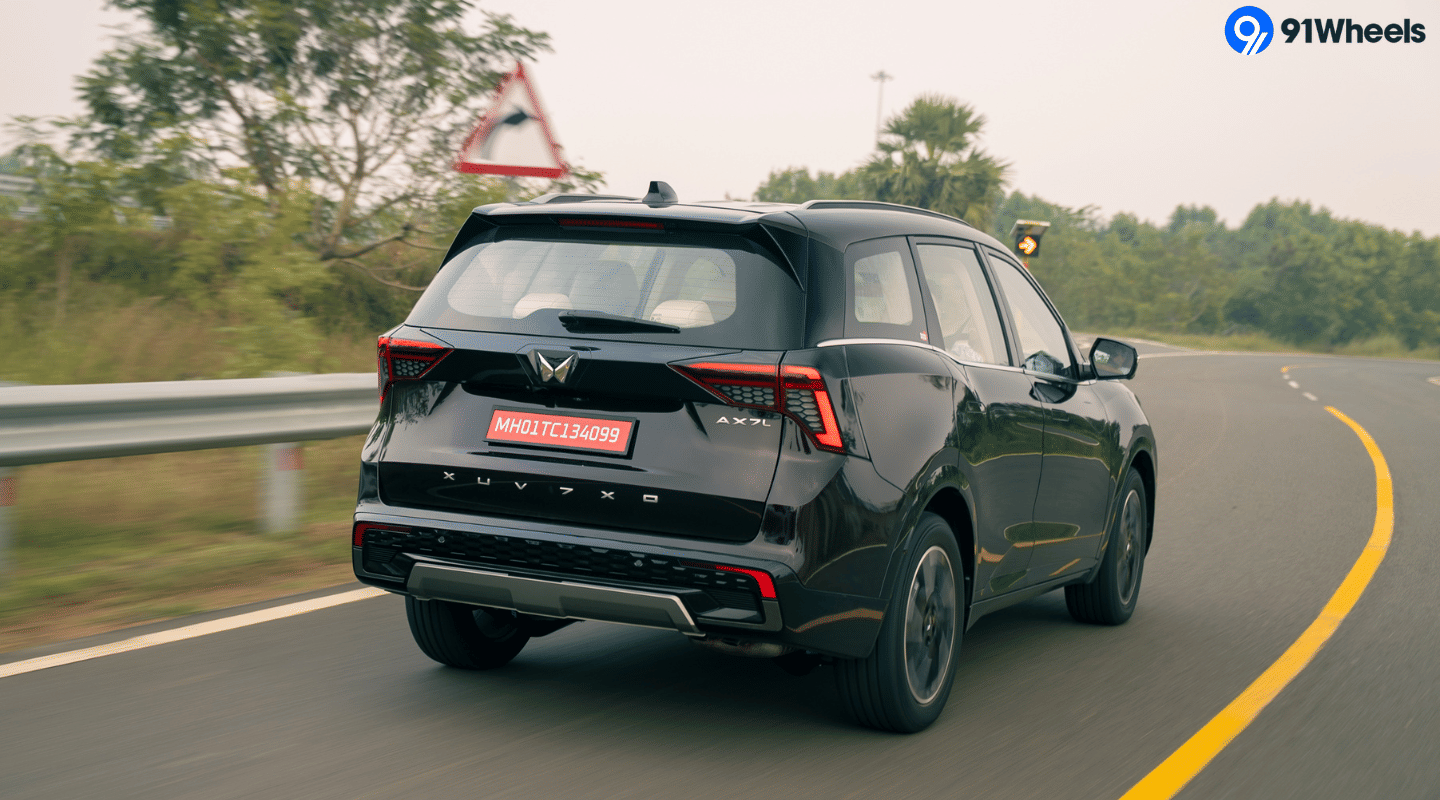
Now that we've covered the engines, let's talk about the core setup. The XUV 7XO feels so connected because it's built on a monocoque chassis, something no other big Mahindra SUV is based on. That alone makes a huge difference to the way it drives. It's lighter, more rigid and, with its front-wheel-drive layout, feels far more planted and composed than you would expect from a three-row SUV. This is the biggest reason behind its impressive driving dynamics, and the new DaVinci suspension setup is the cherry on top.
Mahindra has tuned the suspension to strike a fine balance between comfort and handling. Broken roads are dealt with effortlessly, while body roll remains well under control through fast corners. That's not something you usually associate with a family SUV in this price bracket.
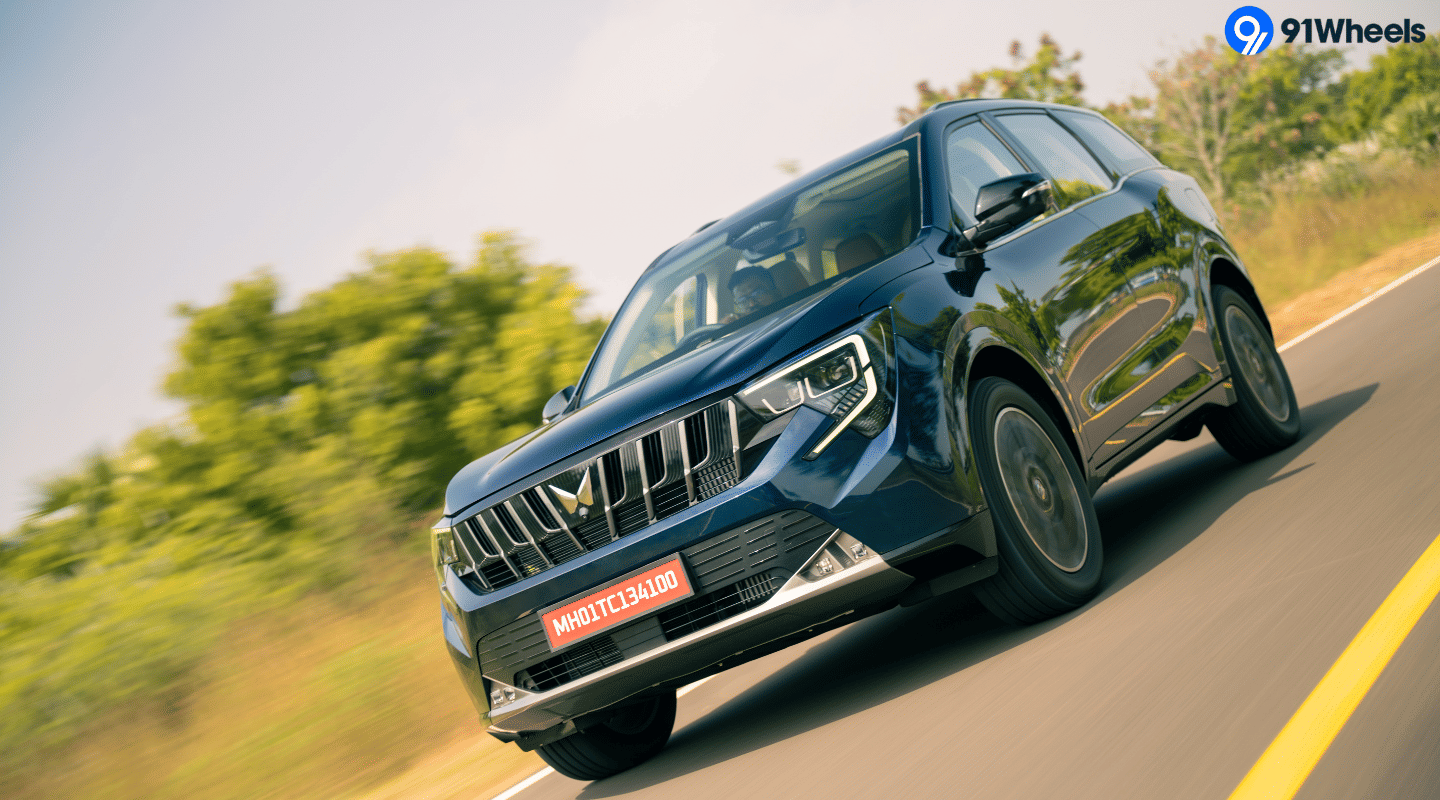
Mahindra could have tuned the suspension to be softer because that's what most buyers prefer. Instead, it chose a setup that still prioritises comfort but doesn't fall apart the moment the road becomes interesting. That's exactly what separates the XUV 7XO from many of its rivals.
The handling also deserves a mention. It isn't the sharpest or the quickest-handling SUV out there, and that's largely because of its size. But even then, it's one of the most engaging family SUVs you can buy if driving enjoyment matters to you. You can always feel what the SUV is doing, its weight transfer, the direction it's heading, and how much grip is available. That makes it feel surprisingly communicative for something this big. Lastly, the brakes are spot on, offering strong stopping power with reassuring pedal feel.
Front Suspension | McPherson Strut Independent with FSD and Stabilizer Bar |
|---|---|
Rear Suspension | Multi-Link Independent with FSD and Stabilizer Bar |
What Sets It Apart From Its Rivals?
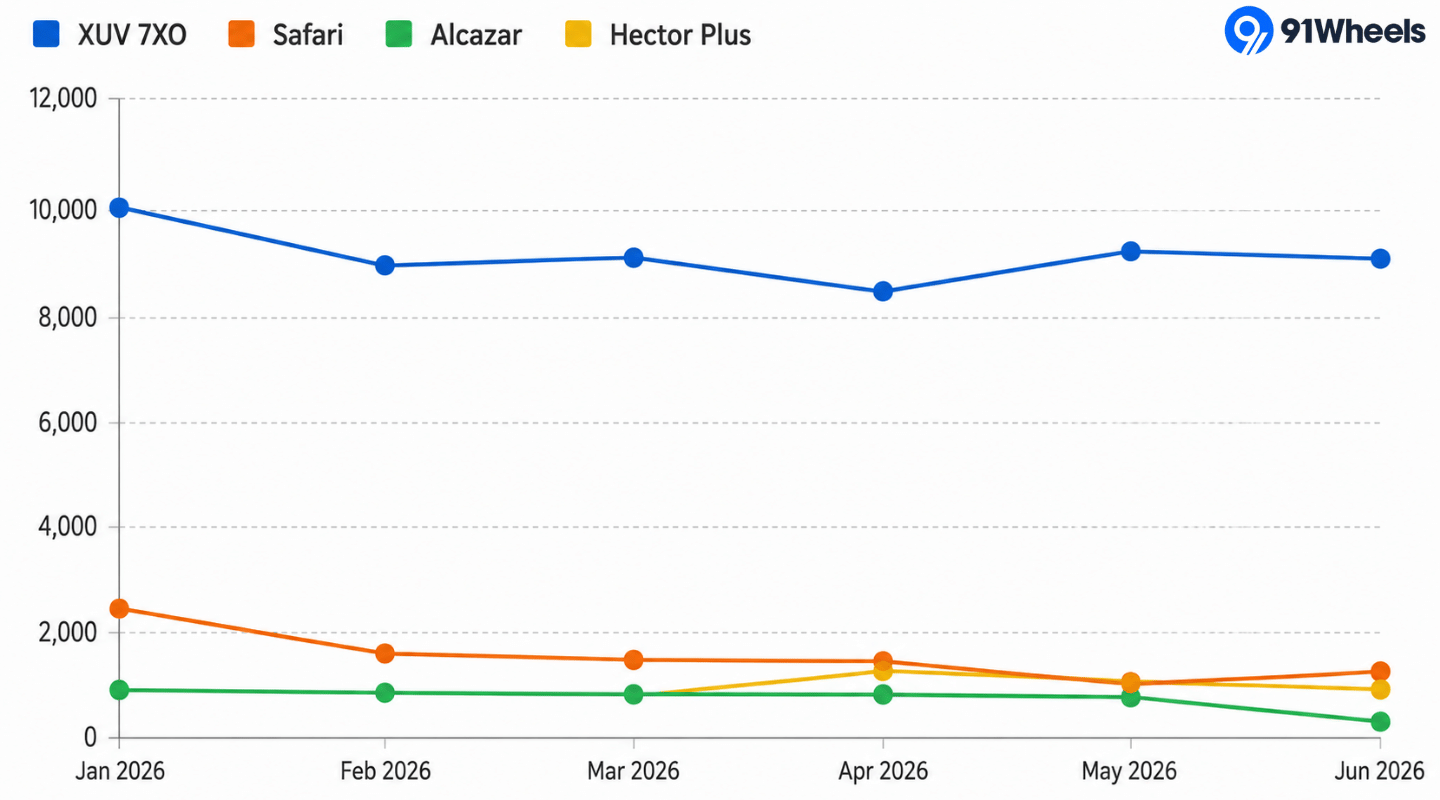
The Mahindra XUV 7XO is a premium mid-size SUV which falls in the D-segment, and its direct rivals are Tata Safari, MG Hector Plus, and Hyundai Alcazar. Out of these, only the MG Hector Plus is petrol only; the Safari, Alcazar, and 7XO all offer both petrol and diesel options. The Hector Plus also carries the steepest starting price in this set at Rs 17.99 lakh (ex-showroom). Out of all these vehicles, the power figures are highest for the 7XO by a big margin. Also, only this SUV comes with an AWD drivetrain with its diesel, while all of its rivals are FWD-only.
From a features point of view, to the range of variants, again this car is ahead, but another major factor which puts it ahead is its independent rear suspension, letting each rear wheel react to bumps on its own, unlike the rivals which depend on a twist-beam or semi-independent setup. Plus, only this one gets DaVinci damping technology on top of that IRS setup. So, from a mechanical to a technological point of view, this SUV is ahead of its rivals, and that edge reflects in its sales numbers too.
Cars | XUV 7XO | Safari | Alcazar | Hector Plus |
|---|---|---|---|---|
Fuel Type | Petrol/Diesel | Petrol/Diesel | Petrol/Diesel | Petrol |
Engine | 2.0L/2.2L | 1.5L/2.0L | 1.5L/1.5L | 1.5L |
Power | 202 PS / 184 PS | 170 PS / 170 PS | 160PS / 116 PS | 143 PS |
Torque | 380 Nm/ 420-450 Nm | 280 Nm / 350 Nm | 253 Nm/ 250 Nm | 250 Nm |
Gearbox | 6-MT/6-AT | 6-MT / 6-AT | 6-MT / 7-DCT / 6-AT | 6-MT / CVT |
Drivetrain | FWD/AWD | FWD | FWD | FWD |
Verdict
The 7XO feels sharper than the Safari, Alcazar, and Hector Plus mainly because of three mechanical advantages working together. First, it uses independent rear suspension, while its rivals rely on a beam type or twist beam rear axle, letting each rear wheel react to bumps on its own so the car stays flatter over broken roads. Second, it simply has more torque on tap, up to 450 Nm on the diesel automatic, giving it a stronger, more effortless shove than the 250 to 350 Nm rivals offer. Third, it's the only one in this set with an AWD option, adding extra grip and stability that front wheel drive rivals can't match. None of the rivals combine all three strengths at once, which is why it feels like it's playing a different game, and it's the most performance oriented 7-seater family SUV in the D-segment space.
Mahindra has done real hard work in understanding the market and then putting the best of their capabilities and technologies into this car, and that's why it just feels special. The fact that buying one means you have arrived clearly speaks of the value it holds. Apart from the aspirational point, it's a mechanical leap ahead of its rivals and actually feels special to drive, not just numbers speaking for it. So, next time you step out to buy a D-Segment SUV in India, just test drive each vehicle, and then you'll feel how special this one really is.
Do you like this article?
Comments
No comments yet. Be the first to comment!