River Indie Detailed Ride Review: Does It Deserve the "SUV of Scooters" Tag?

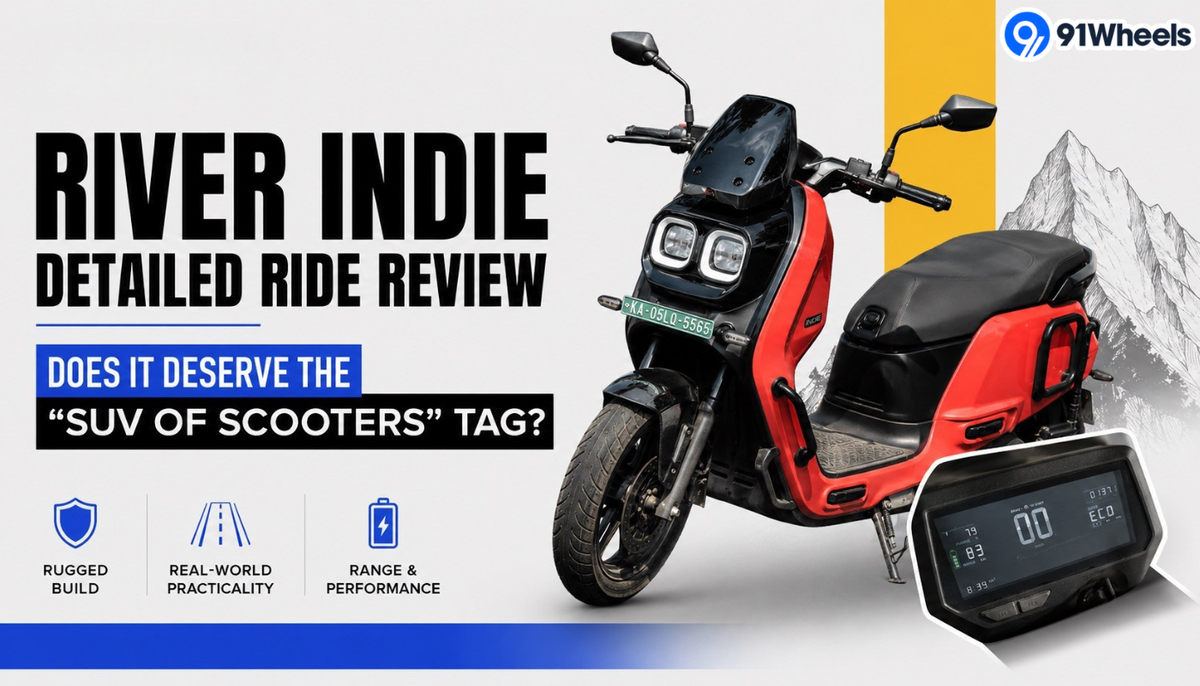
In an era where electric vehicle (EV) startups often chase digital gimmicks and "ludicrous" acceleration figures, Bengaluru-based River has taken a path less traveled. While rivals attempt to build the “smartphones of scooters," River has quietly engineered what they call the "SUV of Scooters". This is not merely a marketing tag; it is a design philosophy that prioritizes utility, stability, and sheer physical presence over high-definition screens and social media integration. After synthesizing extensive long-term testing and expert evaluations, we dive deep into whether the River Indie lives up to its rugged billing or if it is simply a heavy-set alternative in a crowded market.
A Design Language of Purposeful Bulk
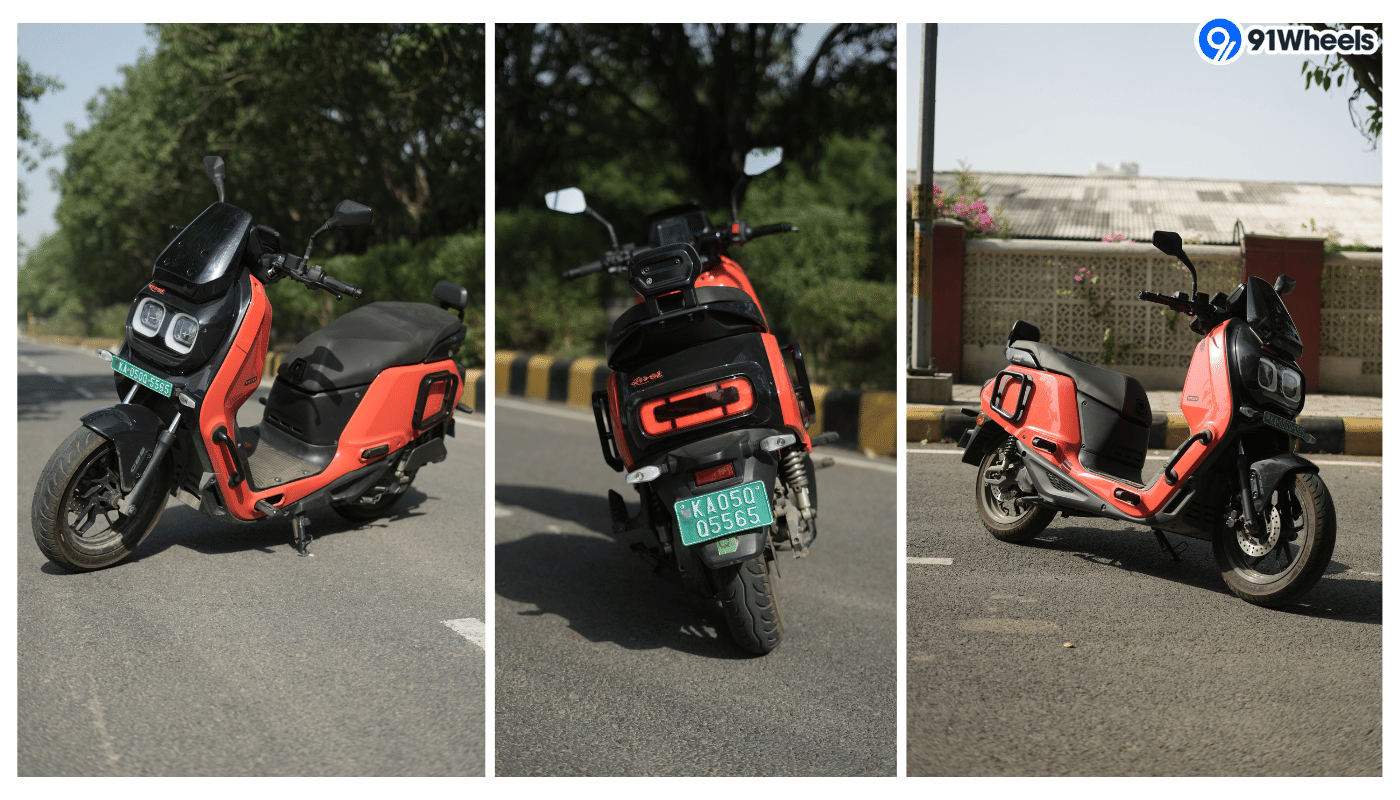
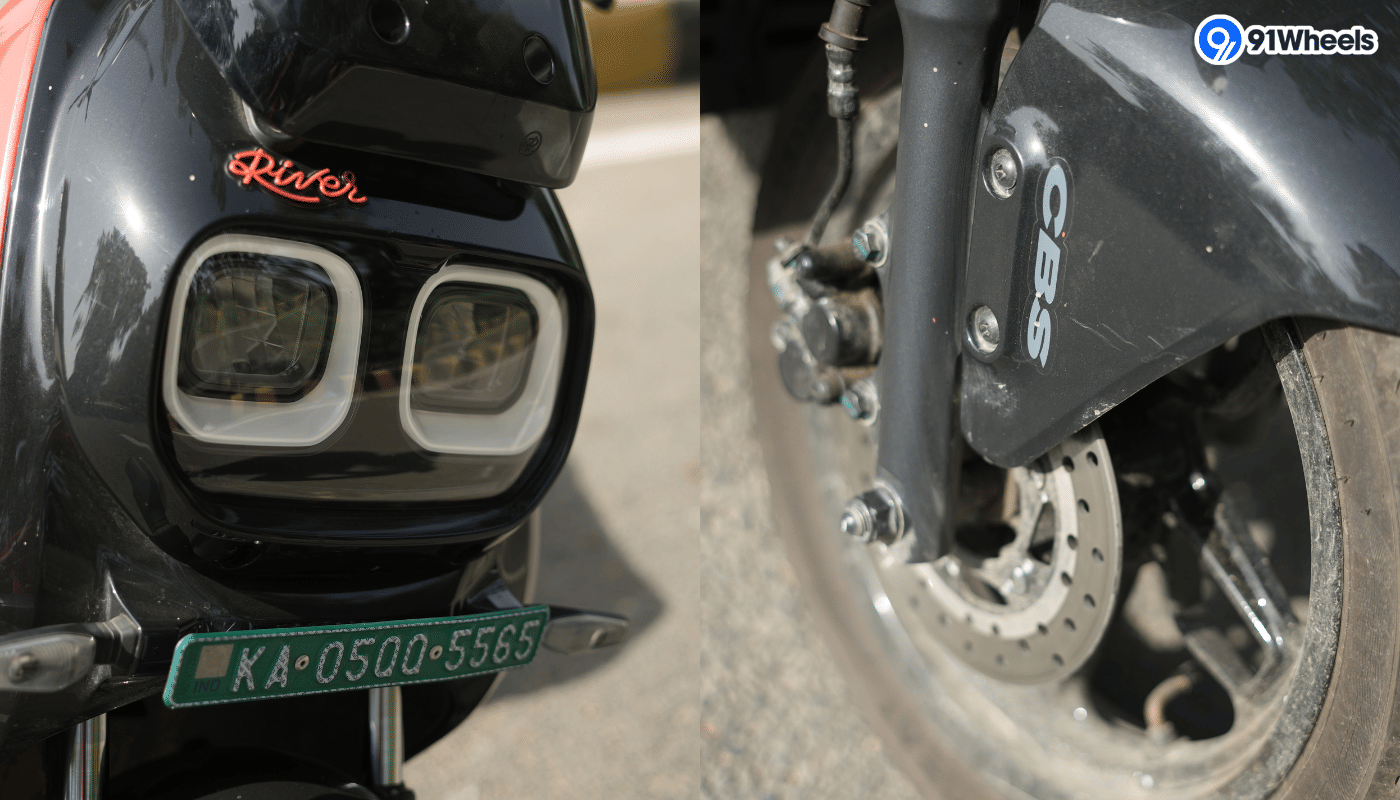
The first thing that strikes you about the Indie is its refusal to look like a traditional family scooter. It is large, boxy and unapologetically industrial. The aesthetic is dominated by dual-pod headlamps that give the front fascia a character often compared to a "Minion". However, unlike many scooters where the Bodywork is purely decorative, almost every element on the Indie serves a functional goal.
The silhouette is reinforced by integrated crash guards and side-apron bars that come standard. These aren’t just for protecting the plastic panels in a tip-over; they provide structural mounting points for additional luggage racks or panniers. The side profile features black alloy mounts under the seat, which function as anchor points for bungee cords or proprietary accessory panels. This "tool-kit" approach to design suggests that the Indie is less of a toy and more of a "spanner" - a reliable implement for daily life.
The Storage King: Beyond the Under-Seat Cavern
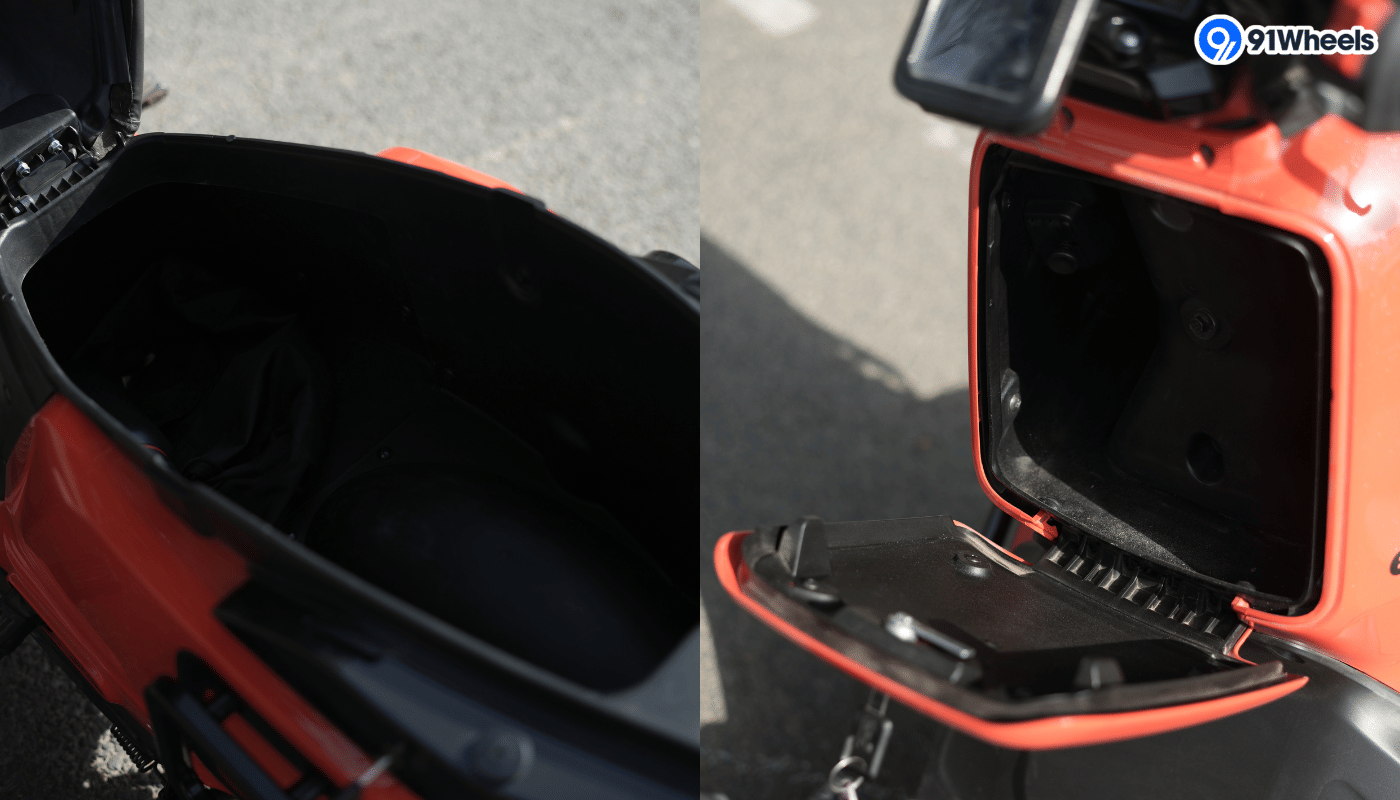
The "SUV" moniker is most justified when looking at the Indie’s cargo capacity. In a country where scooters are the primary family workhorses, River has delivered unparalleled volume:
- Under-seat Storage: At 43 liters, this is a cavernous space that easily swallows a premium full-face helmet with room left for a rain suit or a small backpack.
- Glovebox: A secondary 12-liter lockable compartment in the front offers a secure spot for electronics, charging cables or valuables.
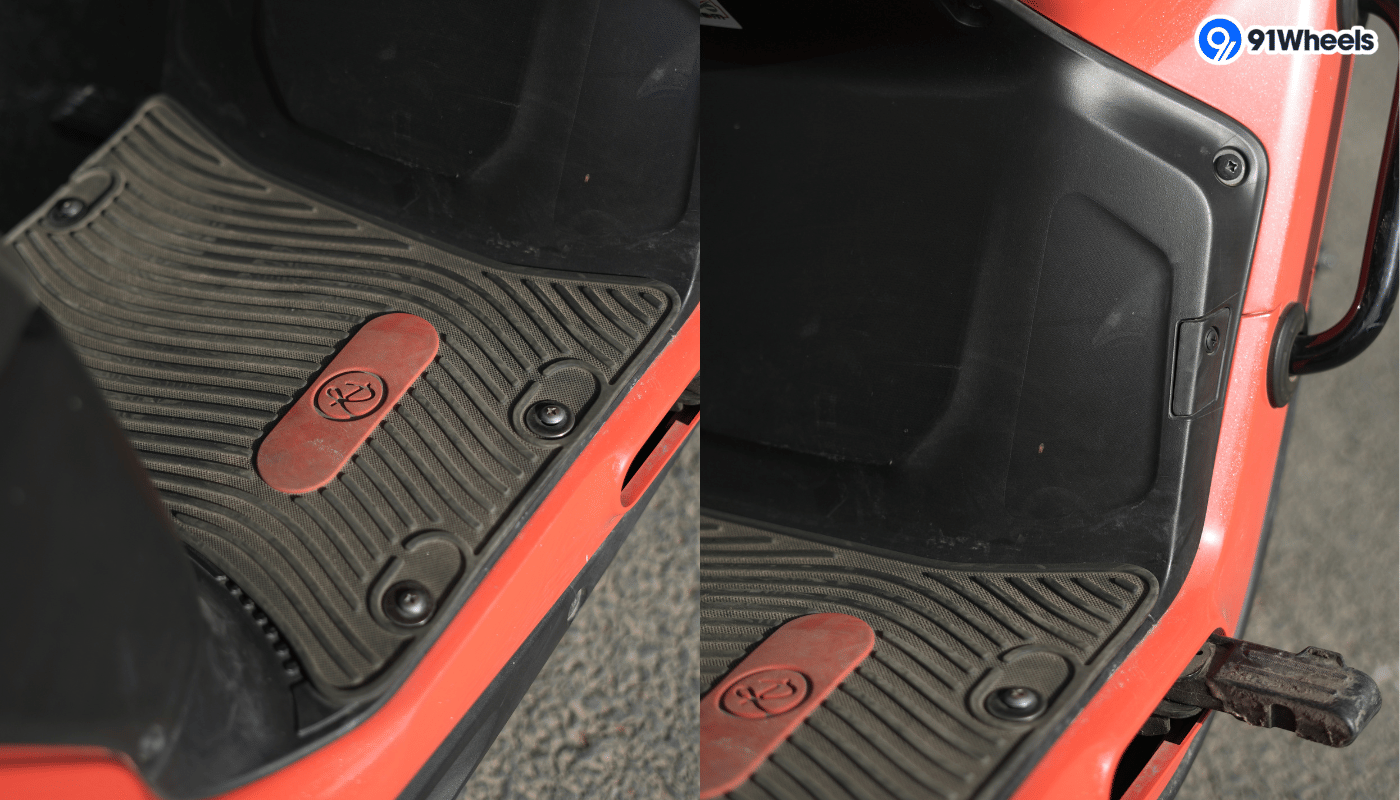
- The Floorboard Metric: The floorboard is exceptionally wide and flat. It is famously marketed to fit a standard LPG gas cylinder - a litmus test for practicality in the Indian context.
Despite this massive storage, the build quality remains mostly robust, with the exception of the glovebox lid, which I personally noted feels slightly less premium than the rest of the chassis.
Performance: Smoothness Over Statistics
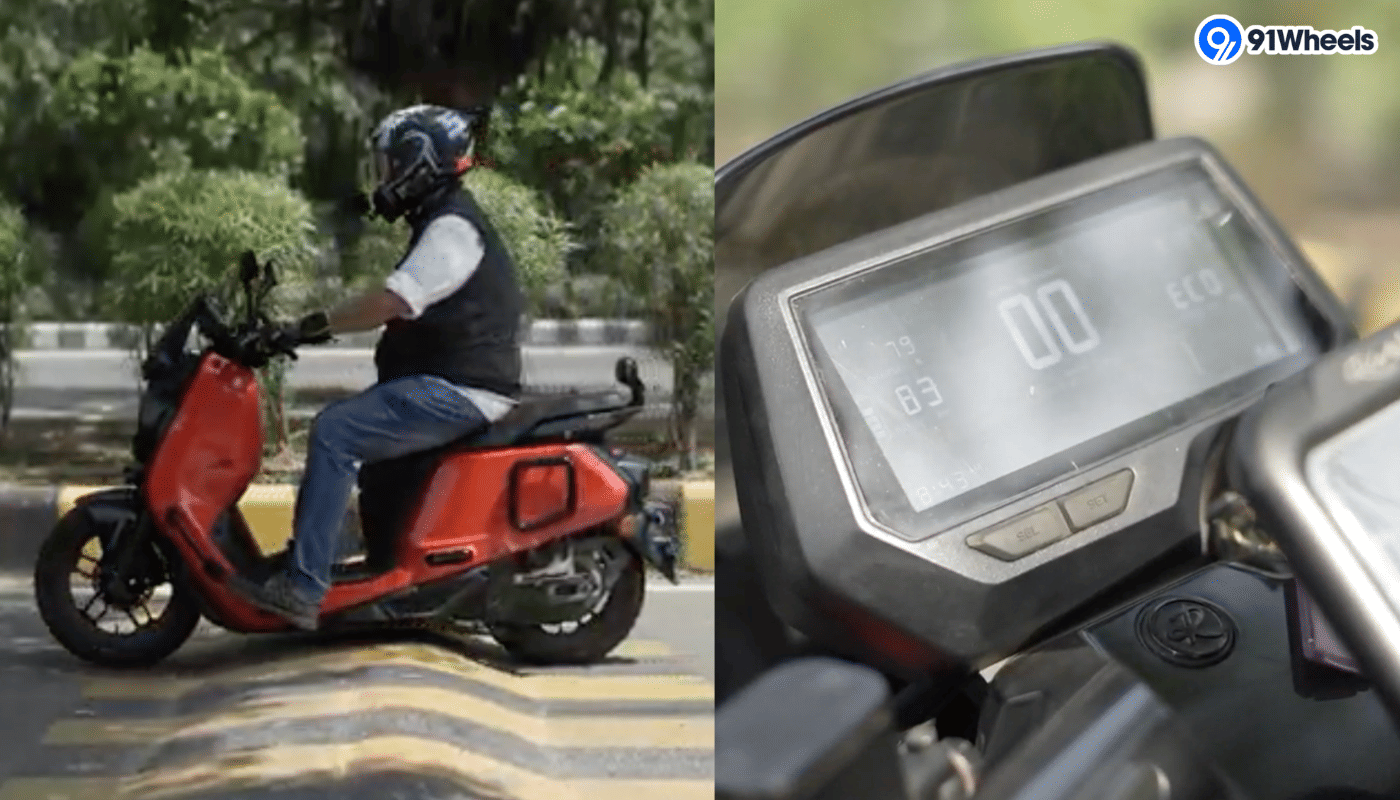
The Indie does not claim to be the quickest EV on the block. It isn't designed to win drag races against an Ather 450X or an Ola S1 Pro. Instead, River has focused on throttle calibration and linear power delivery.
- Eco/Relax Mode:This mode is tailored for novices or heavy traffic. It caps speed at approximately 55 km/h and offers a gentle take-off to prevent “whiskey throttle” incidents.
- Ride Mode: A"sweet spot" according to me is the Ride mode, which provides a balanced top speed of 70-80 km/h and enough torque to make city overtakes effortless.
- Rush Mode: Unlocking the full 90 km/h potential, Rush mode is urgent but remains progressive. It provides the "punch" needed for flyovers and faster arterial roads without the jerky on-off feel found in some competitors.
Notably, the Indie has transitioned from a belt drive to a chain drive in its latest iterations to simplify maintenance and reduce costs for owners. Despite the switch, the scooter remains remarkably silent, lacking the high-pitched whine common in many mid-mounted motor setups.
Dynamics: The 14-Inch Advantage
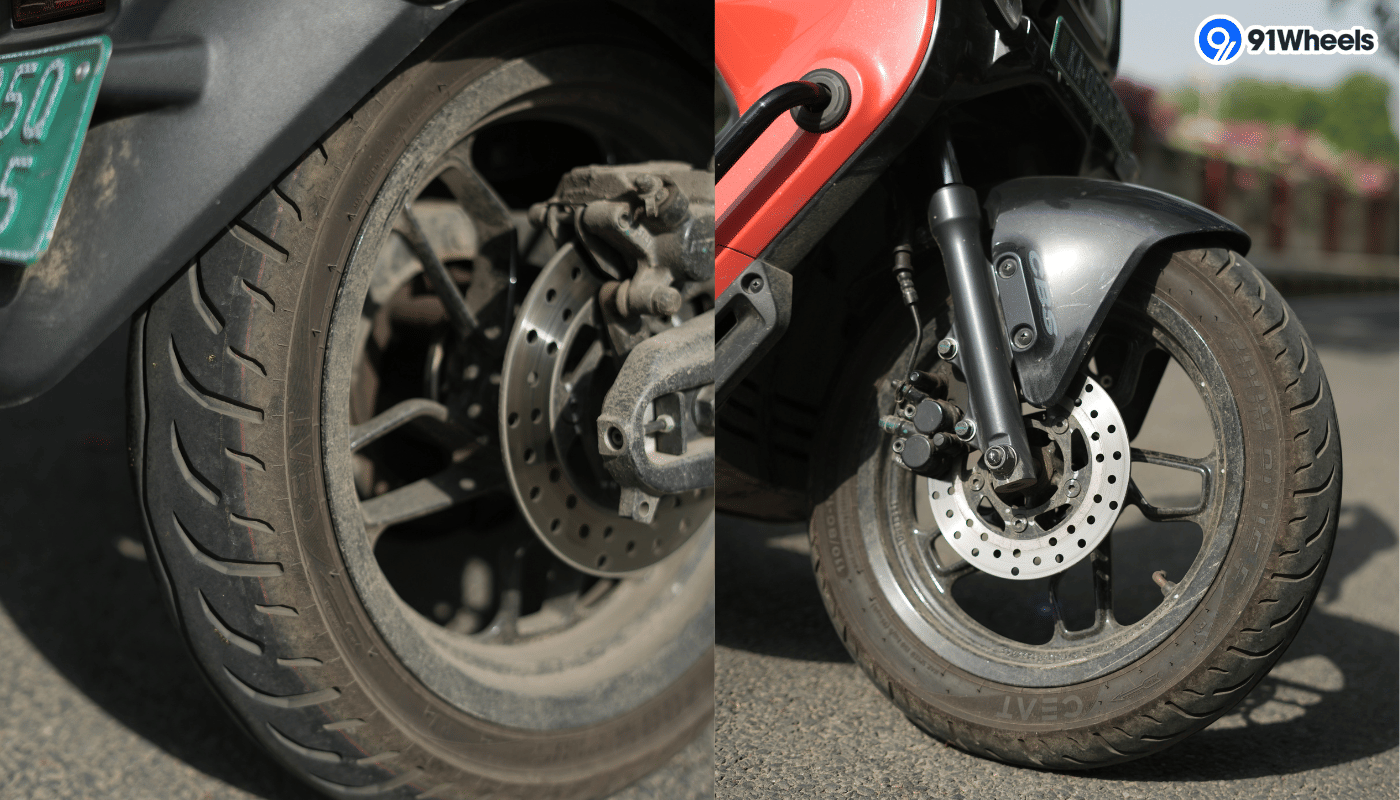
Perhaps the most significant engineering choice is the fitment of 14-inch alloy wheels. While standard scooters typically use 10 or 12-inch wheels, the Indie’s larger diameter completely changes its road manners. The result is a planted, stable feel that mimics a motorcycle rather than a flighty scooter.
The low-mounted battery pack ensures a low center of gravity, which makes the 140kg kerb weight - at least 20kg heavier than its peers - feel surprisingly manageable once in motion. The Indie is a "cornering surprise"; it is stable and trustworthy in leans, though the floorboards will scrape if the rider gets too enthusiastic, reminding you that this is a utility vehicle first.
Comfort and Ergonomics: The Cruiser-Scooter Hybrid
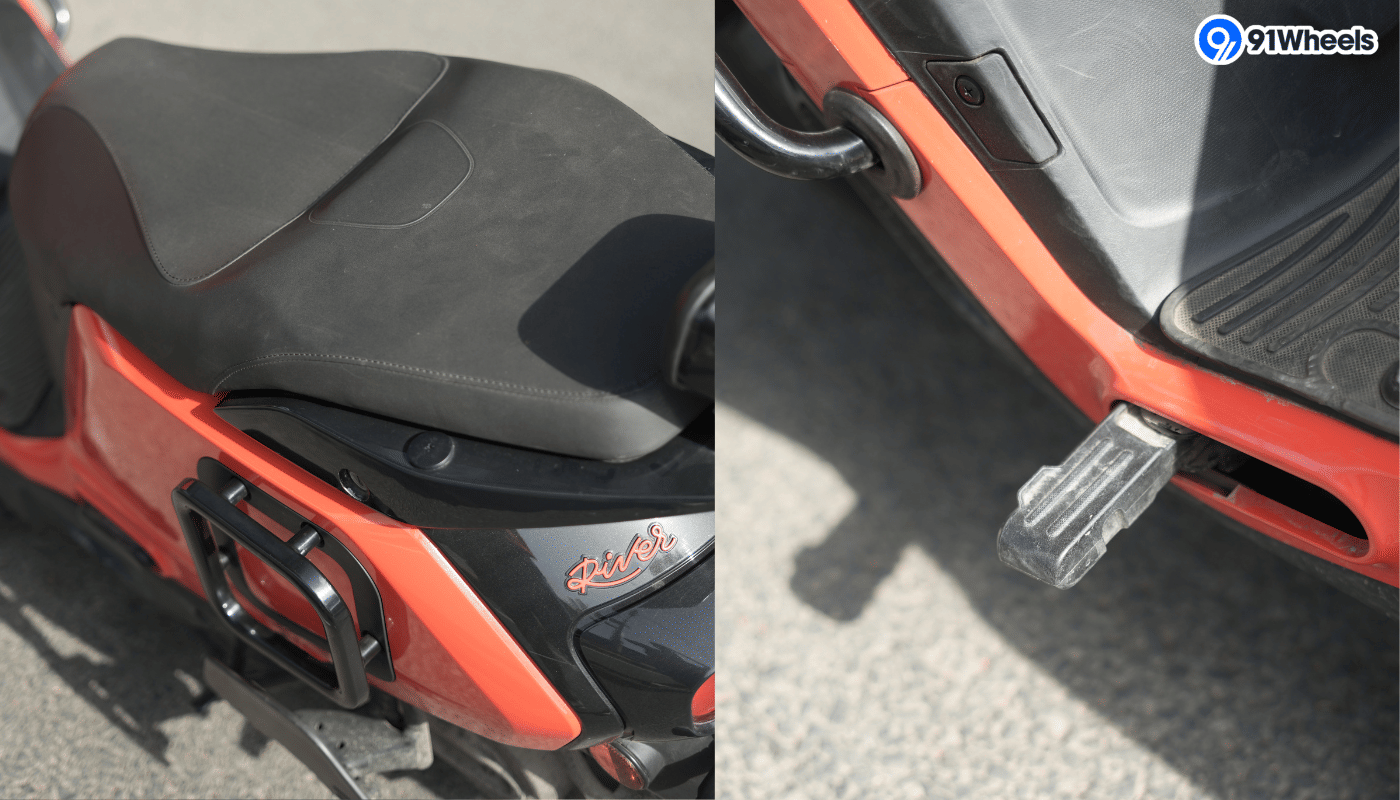
River has reimagined the rider's posture. The primary floorboard is high, which can lead to a slightly cramped leg position for taller riders. To counter this, River included fold-out front pegs. This allows the rider to adopt a cruiser-like stance, stretching their legs forward. This is particularly useful when the floorboard is occupied by bulky luggage.
The seat itself is long and wide, offering ample room for both rider and pillion. The pillion experience is further enhanced by the "maxi-scooter" style layout, providing a spacious and relaxed riding triangle that is suitable for full days of commuting.
The Tech Gap: Function Over Flash
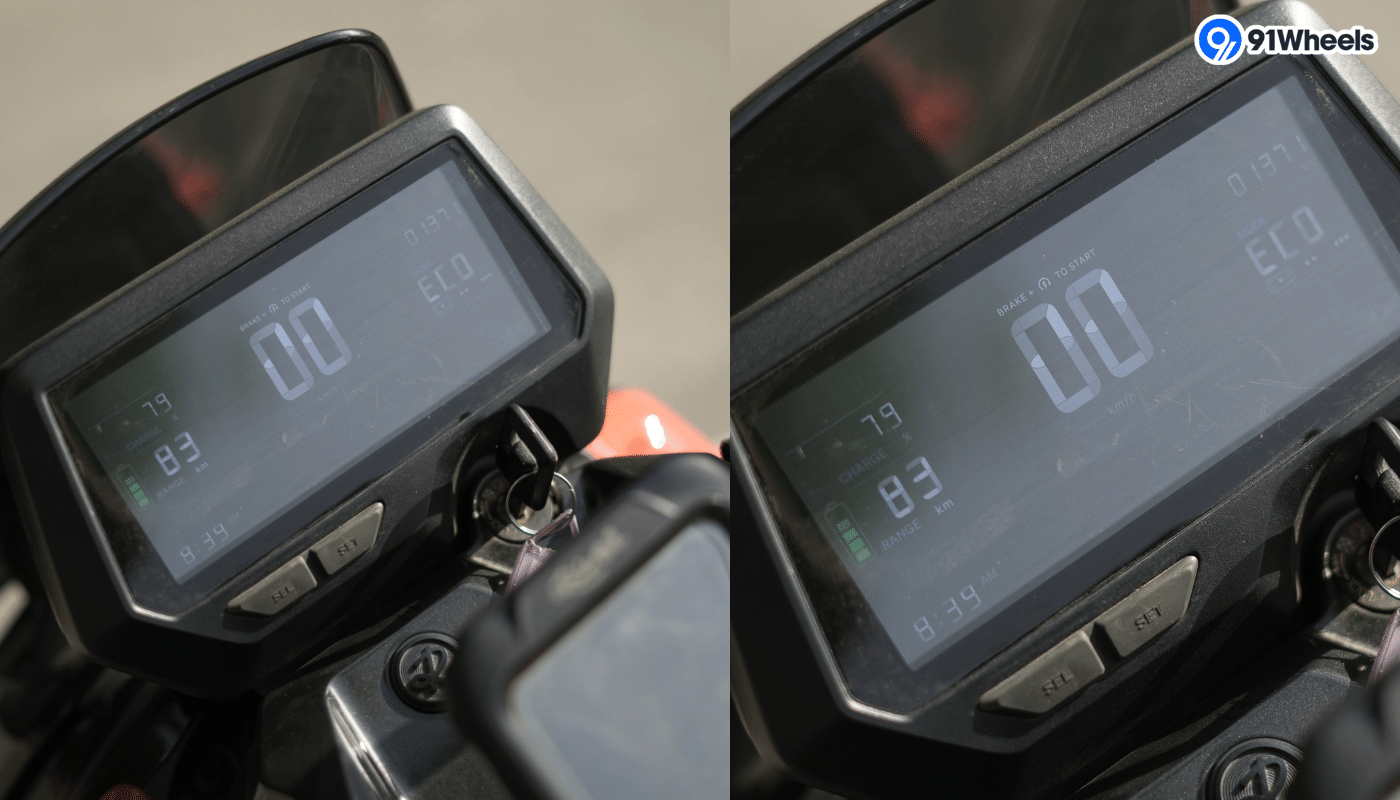
If you are looking for a high-resolution touchscreen with navigation and music controls, the Indie might disappoint. It features a 6-inch segmented LCD. While earlier versions were criticized for being cluttered, the updated display uses larger, clearer white-on-black numbers that are readable even in direct sunlight.
While it lacks a TFT display, it doesn't lack safety features. The inclusion of hill-hold assist is a vital addition for a heavy scooter, and the reverse park assist makes maneuvering the 140kg machine in tight spots much easier. The braking system uses a Combined Braking System (CBS) rather than ABS, which I personally found slightly unpredictable; the rear brake is very sharp, while the front lacks initial bite.
Real-World Realities: Range and Charging
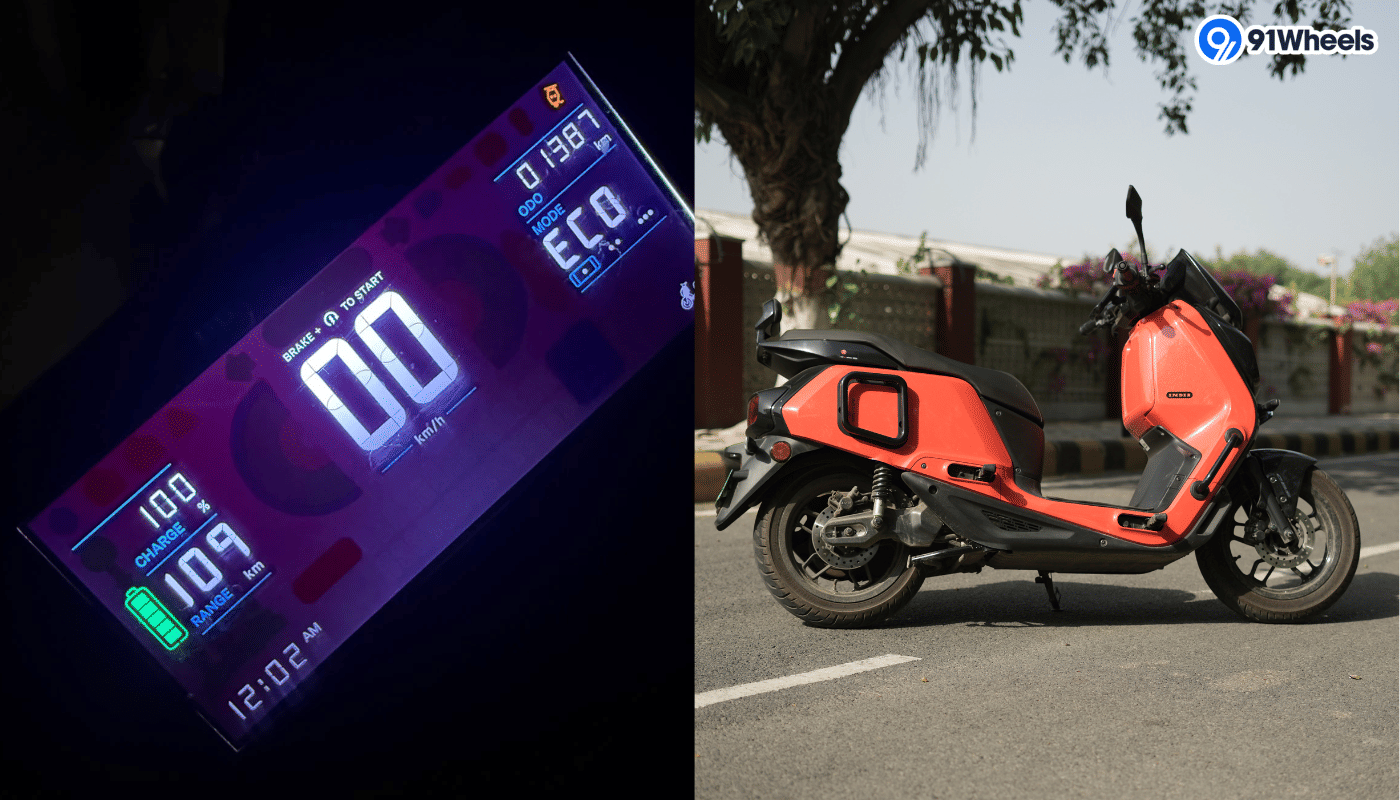
In the real world, the Indie’s 4 kWh battery pack delivers a usable range of approximately 75-80 km in the Ride mode. If ridden conservatively in "Relax" mode, users can see upwards of 115 km on a single charge. Charging from 0 to 80% takes about 8 hours with the standard 800-watt charger, though an optional fast charger can cut this down to 5 hours.
The Rough Edges
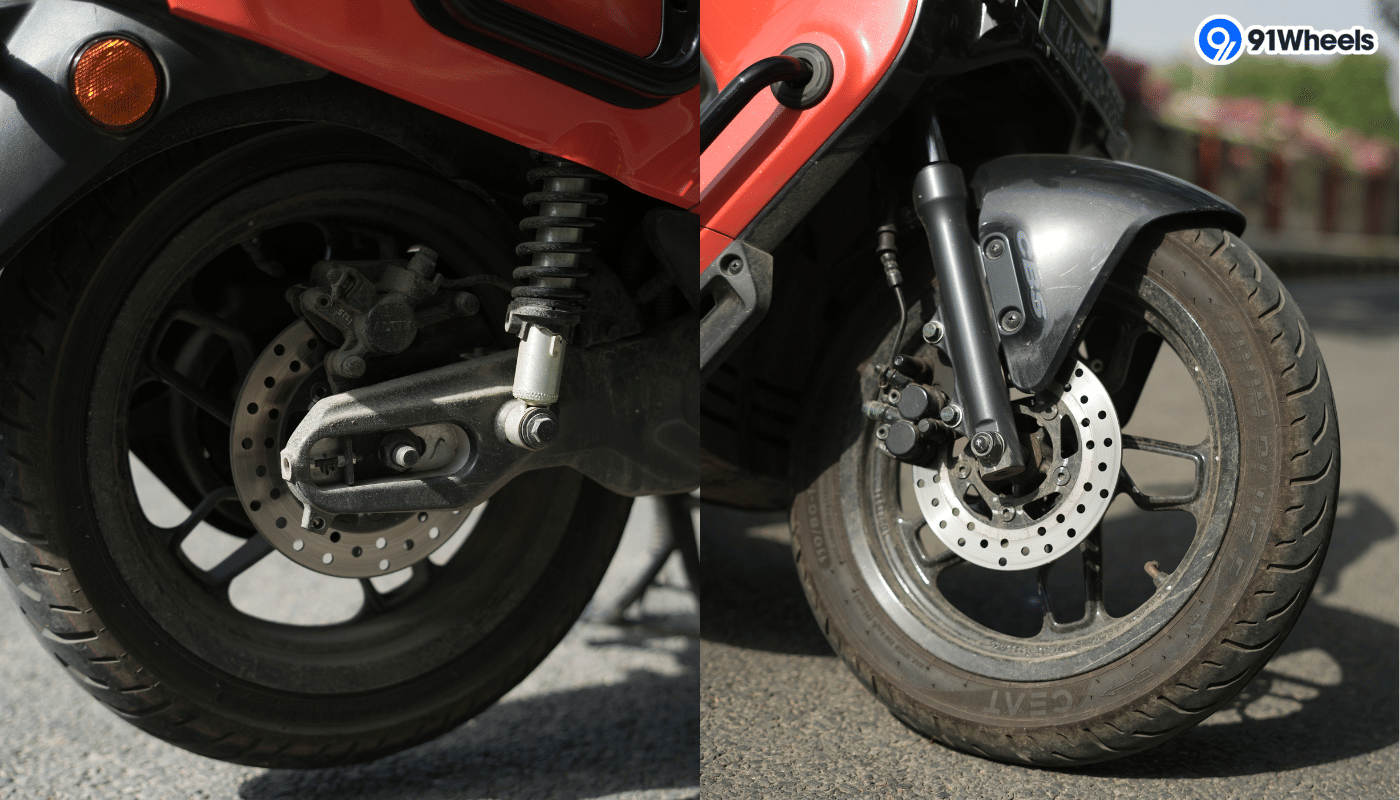
No vehicle is perfect, and the Indie has its quirks. The rear suspension is tuned on the softer side, which leads to the center stand "thudding" against speed breakers when carrying a pillion. Additionally, the sheer weight of the vehicle is noticeable when the motor is off, making manual parking a bit of a workout.
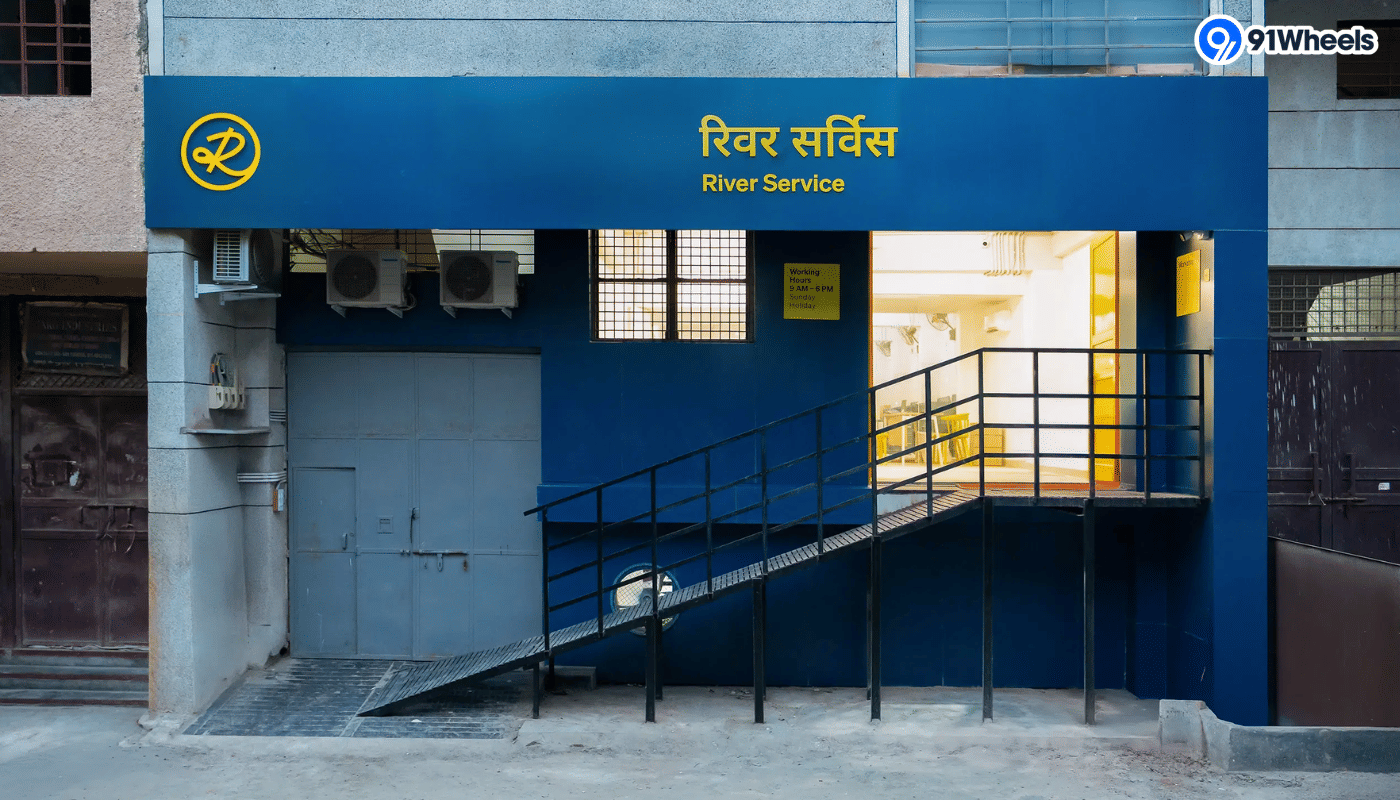
The most significant hurdle, however, is the service network. As a young brand, River’s physical footprint is still limited. Even in major cities like Delhi, there’s only a single service station located in Nagloi (the only service station River currently has in Delhi NCR). This could be a big dealbreaker for those who prioritize after-sales peace of mind.
The Verdict: Substance Behind the Hype
Is the River Indie actually the SUV of scooters? If your definition of an SUV is a vehicle that is rugged, spacious, stable, and unapologetically practical, then yes. It ignores the industry's obsession with "fancy and gimmicky" features in favor of a "simple, direct, and effective" tool.
The Indie is for the rider who needs to carry a week's worth of groceries, a laptop bag, and a full-face helmet simultaneously without breaking a sweat. It is for the commuter who values the stability of 14-inch wheels over the ability to check Instagram on their dashboard. While the network needs to grow and the rear suspension could use a stiffer tune, the River Indie stands out as one of the most honest and well-engineered electric scooters on the market today.
Do you like this article?
Comments
No comments yet. Be the first to comment!