Buying an electric scooter in India is confusing enough with the sheer number of options out there in the market. But there's a bigger blind spot most buyers ignore which is insurance. It doesn’t help you at the time of buying but it becomes important the day your scooter meets with any kind of accident that will need expensive repair work. At such times insurance comes in, so picking the right cover, without falling for a salesperson's sweet-talk matters more than people realise. Nowadays almost all the dealerships only discuss battery, range and charging time insurance gets a two-line mention just to tick the legal box. That is a risky call as the battery alone is often 35-50% of what you paid. So this content piece has some brands that offer one of best insurance coverage along with their models.
What a Standard EV Policy Actually Covers
.png)
Now comprehensive insurance covers your scooter's battery just like any other part, but the type of battery decides how smooth your claim actually goes. Now as per the government norms every registered electric scooter needs at least third-party insurance there is no way around it. Here is some good news for EV owners: the IRDAI gives electric vehicles a flat discount on third-party premiums, simply because they're less responsible for emissions than petrol scooters. Moreover, you can go for a comprehensive cover, and you're protected further from accidental damage, fire, theft, floods, plus liability if you end up hurting someone or damaging their property.
Now back to the battery. If your scooter gets damaged in an accident, the pack isn't treated as some special add on. It's just part of the insured vehicle, and the claim moves like any other. But it gets interesting once we dive a bit deep in the process, as not all batteries are built the same. LFP or lithium ferro phosphate packs, the kind that runs across Ampere's entire lineup from the Nexus to the newer Magnus G Max, handle heat far better than the NMC chemistry most rivals still use. Insurers have noticed too. They're starting to price fire risk based on this, so LFP scooters are turning out safer, and often cheaper, to insure.
Best Insurance Approach by Scooter Segment in 2026
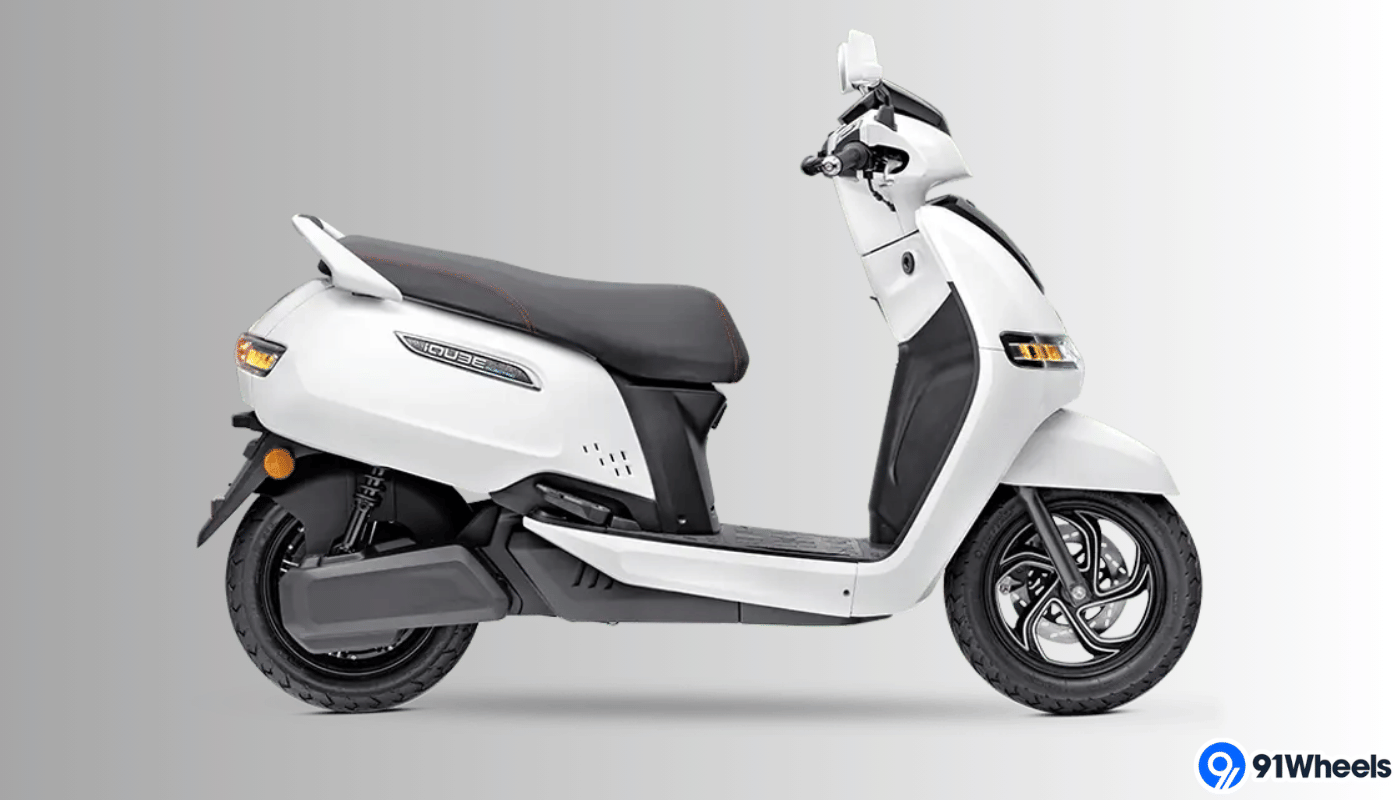
Not every manufacturer backs its scooter the same way. A few offer warranty packages that are genuinely worth talking about, so let's see how the popular models in India compare.
Scooter | Battery Type | Standard Warranty |
|---|---|---|
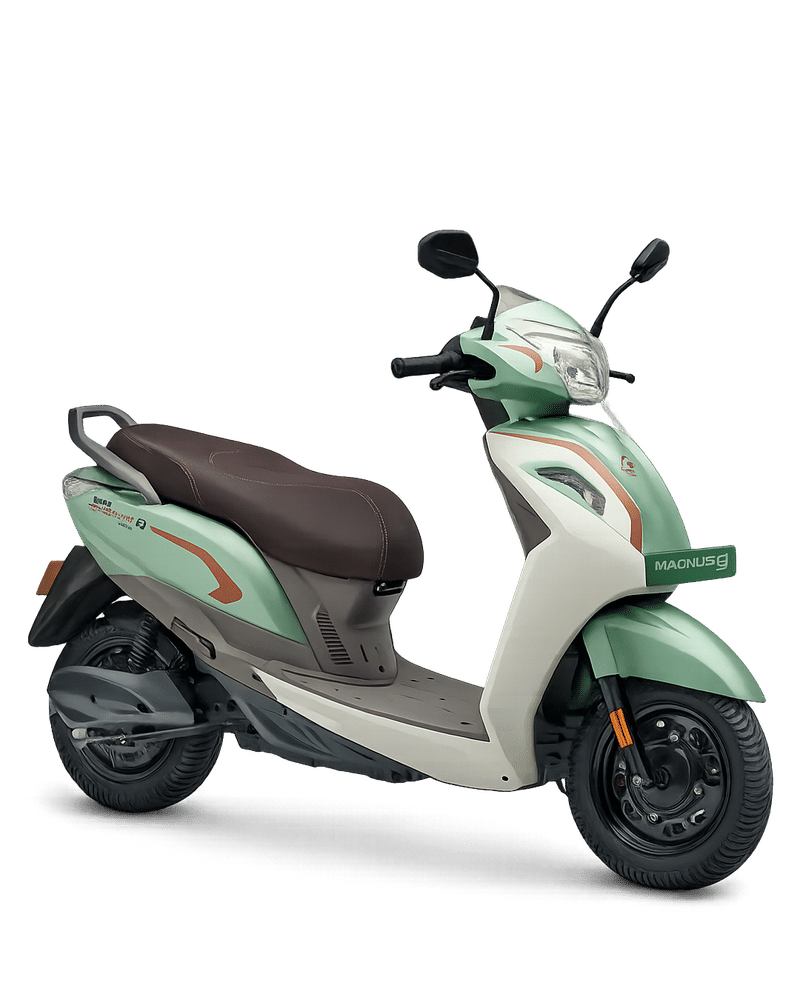
Ampere Nexus / Magnus G Max | LFP (full range) | Up to 5 yrs / 75,000 km |
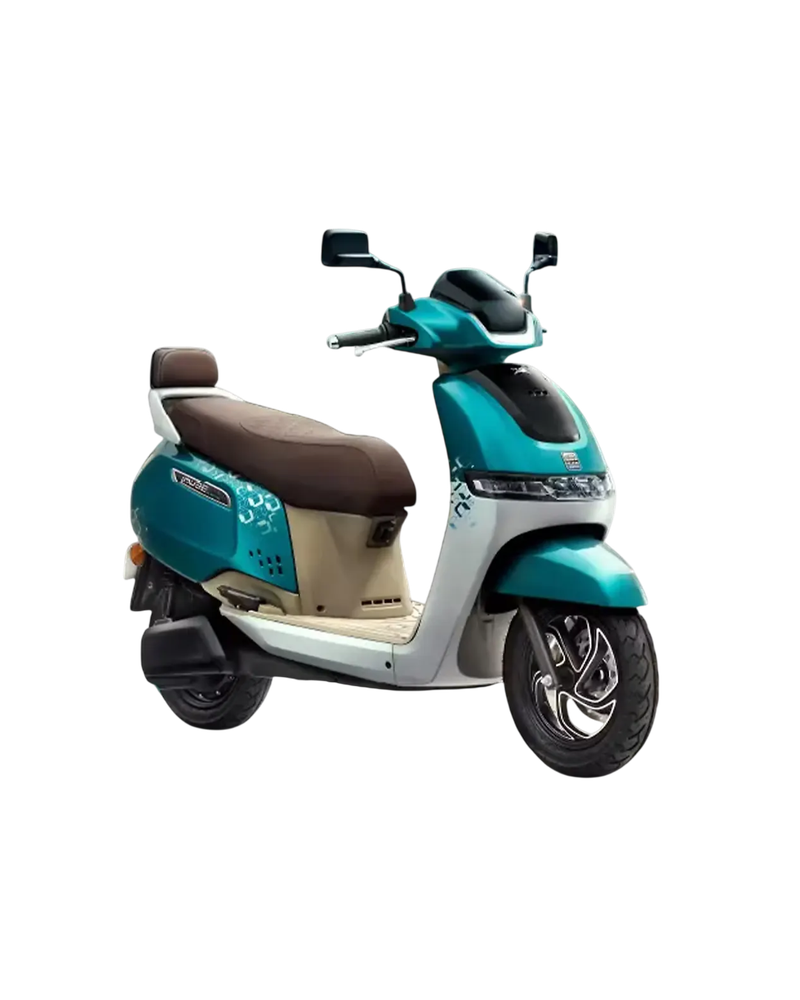
TVS iQube | NMC (mostly) | ~3 yrs / 50,000 km (extendable to 5/70,000) |
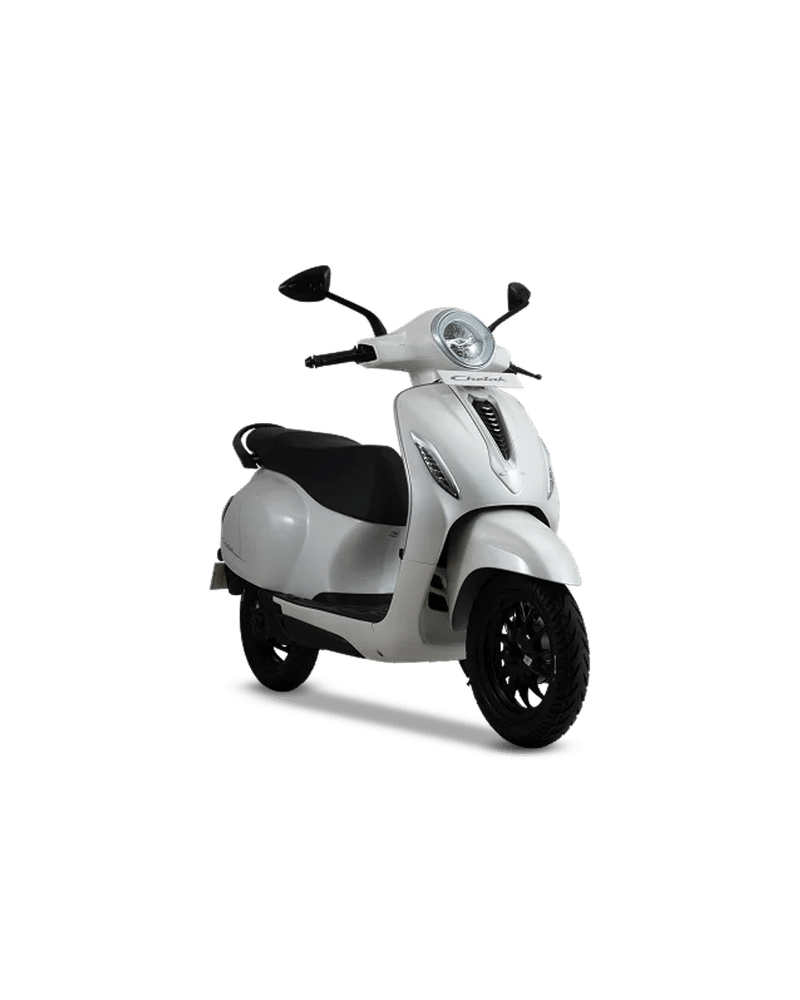
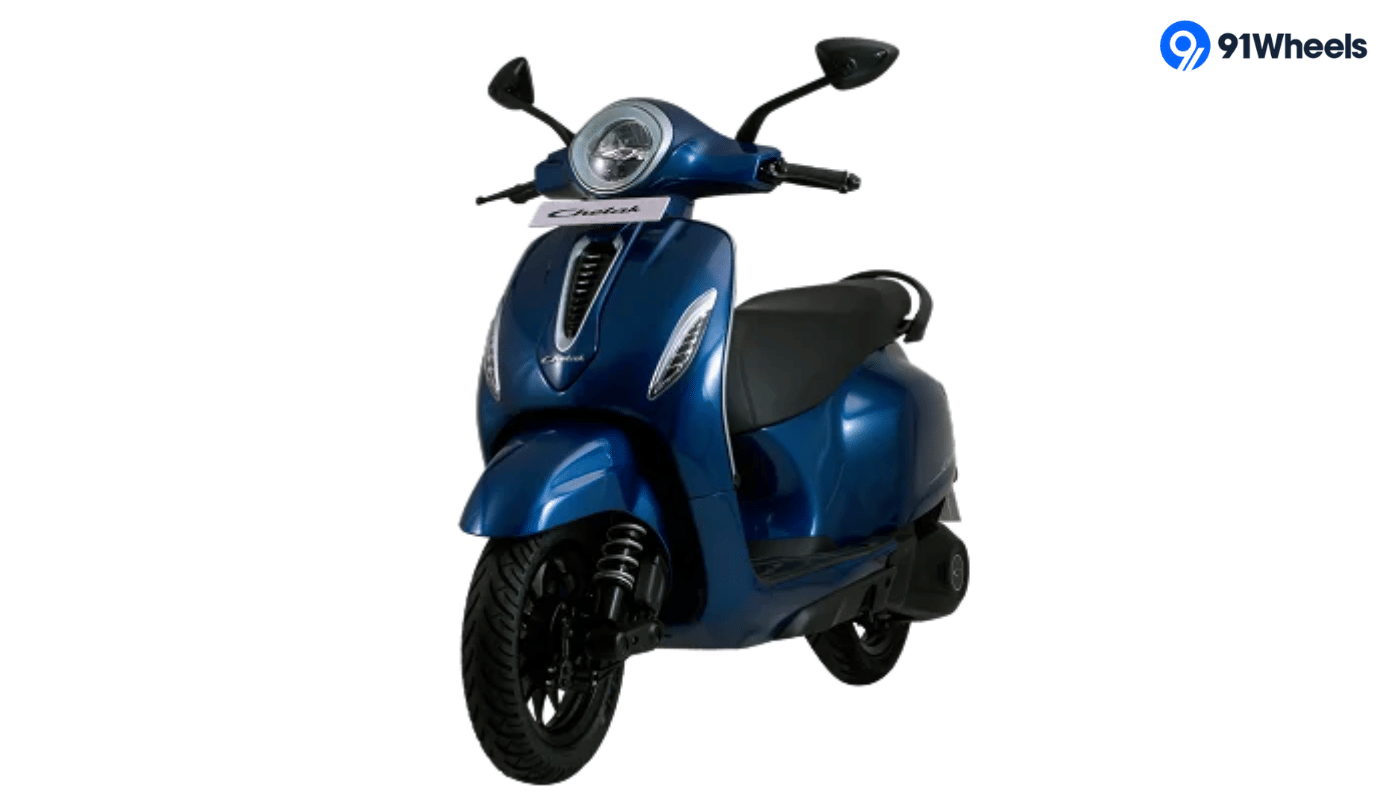
Bajaj Chetak | LFP | 3 yrs / 50,000 km (extendable) |
Ola S1 range | NMC | 3 yrs / 50,000 km (extendable up to 8 yrs) |
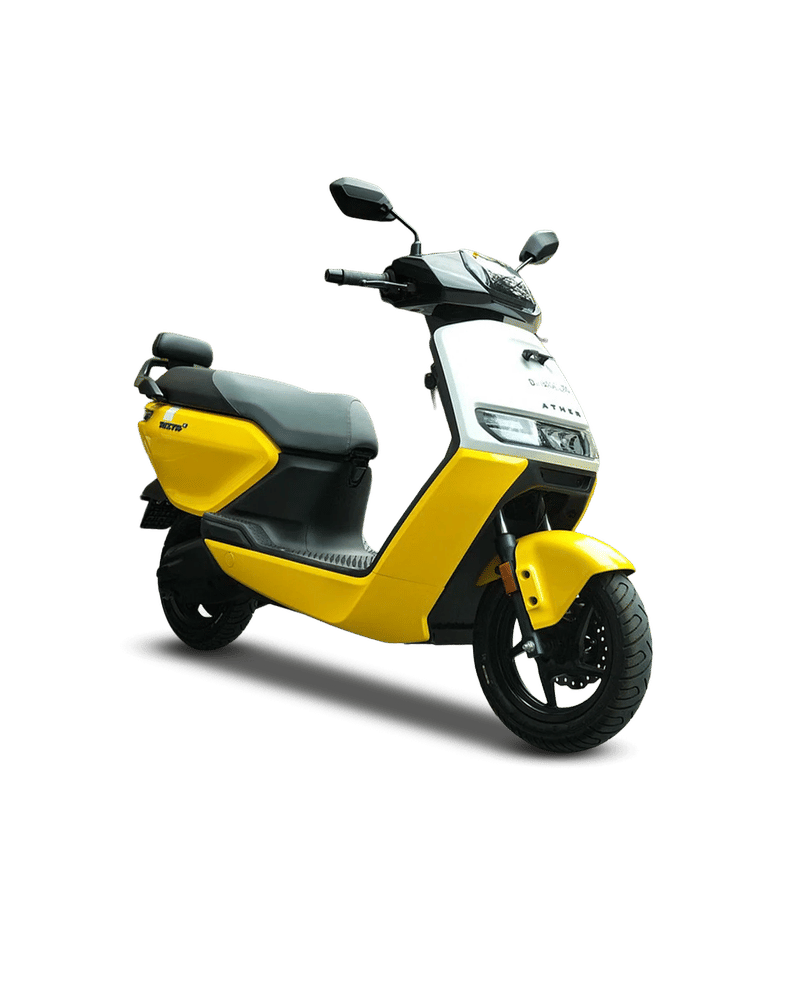
Ather 450 family | NMC | 3 yrs / 30,000 km (Pro pack extends it) |
Numbers tell the story better than words here, so take a look at the table, it makes the difference pretty clear. Ampere backs the Nexus and Magnus G Max with a 5 year or 75000 km battery warranty, whichever comes first, and this is not a launch offer, it now applies across every Nexus and Magnus variant sold. That's a big number in a segment where most rivals still stop at 3 years or 50000 km unless you pay extra for an extension. TVS gets you there too on the iQube, but only if you opt into the extended plan on higher variants. Bajaj comes close with the Chetak, also running LFP, but its base cover still sits at 3 years before extension kicks in.
Now look at the insurance cost profile column, and this is where the LFP choice really pays off. Ampere and Bajaj are the two brands that have gone all-in on LFP across their entire lineup, and that decision is starting to show up on the insurance side as much as the safety side. Fewer thermal incident claims generally mean steadier premiums over the life of the policy, not just a good headline at launch. Ampere edge here is that this LFP first approach is not limited to one flagship model. It runs through the entire portfolio, from the budget Reo Vyb all the way up to the flagship Nexus, which means every buyer gets the same Next Gen LFP battery advantage regardless of which Ampere they pick.
Verdict
EV insurance in India has finally grown up in 2026, but the scooter you pick still decides how smooth that cover feels. My take is simple, go for brands that made LFP the default, not the exception. Ampere does this across its entire range, backed by one of the longer warranties in its bracket, giving it a real edge on predictable, low risk cover. TVS and Bajaj remain solid, well networked picks, and Ather or Ola suit buyers chasing performance. Bottom line, don't treat insurance as an afterthought, and check battery chemistry before you sign anything.
Do you like this article?
Comments
No comments yet. Be the first to comment!