KEY HIGHLIGHTS
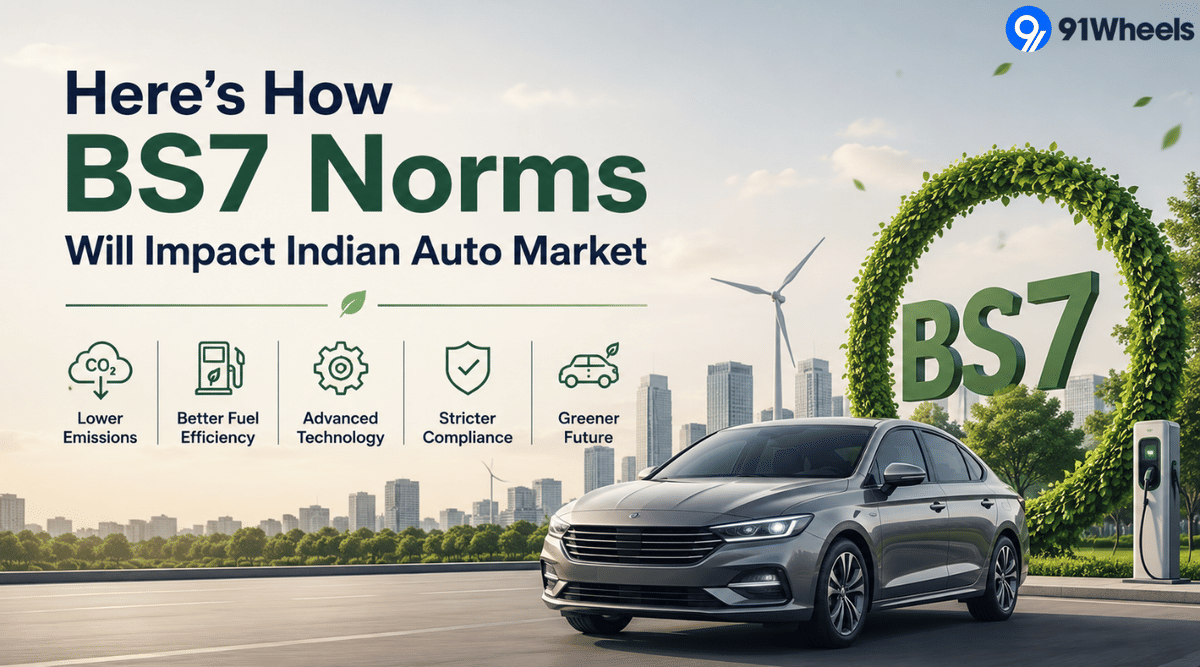
- BS7 norms are expected to make vehicles cleaner and more fuel-efficient
- Vehicle prices could increase due to advanced emission-control technologies
- Hybrid and electric vehicles to gain stronger momentum in India
- Existing BS6 Phase-2 vehicles are expected to remain relevant for years to come
The Government of India is expected to introduce BS7 (Bharat Stage 7) emission norms in the coming years, bringing another major shift for the automotive industry. These upcoming regulations are likely to influence vehicle pricing, engine technologies, fuel efficiency standards, and the future of diesel-powered cars in India.
In this article, we'll explain why India is moving towards BS7 norms, how they could impact car buyers, and what these changes may mean for existing BS6 Phase-2 vehicles. So stay tuned, and meanwhile, do join our 91Wheels Whatsapp Channel to never miss out on the latest automotive updates.
Also Read: Car Depreciation in India: What Affects It and How To Reduce It
Why Government Is Moving Towards BS7?
In the simplest terms, BS7 norms are designed to make vehicles cleaner, more fuel-efficient, and better aligned with global emission-reduction targets. That is the easiest way to understand the concept at a broader level. However, the actual impact of BS7 will go far beyond this, as the new regulations are expected to bring major changes across the automotive industry, including:
Diesel Days Might Be Over
Diesel engines have already become less common after the implementation of BS6 norms, mainly because of rising development and compliance costs. BS7 could accelerate this trend even further. The advanced technology required to meet future emission standards may make diesel engines economically difficult for manufacturers, especially in smaller and more affordable vehicles.
Industry experts believe diesel powertrains could gradually become limited to full-size SUVs, luxury vehicles, and commercial vehicles.
CNG Vehicles Will Also Come Under Greater Scrutiny
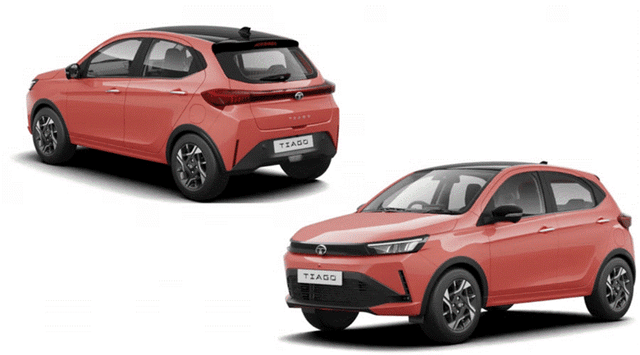
CNG vehicles have traditionally enjoyed a cleaner image because they emit fewer pollutants compared to conventional petrol and diesel-powered cars.
However, BS7 norms are expected to introduce stricter monitoring and compliance requirements even for CNG-powered vehicles. This means manufacturers may need to invest in more advanced emission-control technologies for these models as well.
For consumers, CNG vehicles are likely to remain among the most affordable options in terms of running costs, although future price increases cannot be ruled out.
Strong Push For Hybrids And EVs
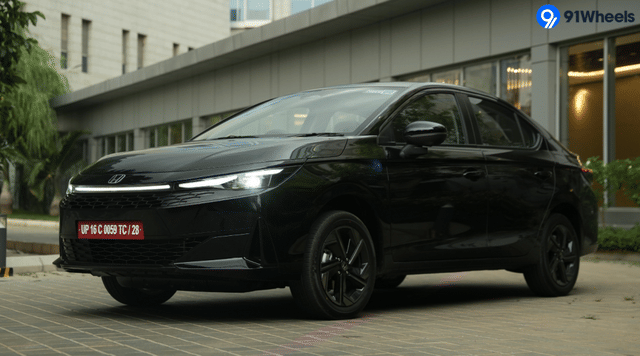
BS7 norms could indirectly accelerate the adoption of hybrid and electric vehicles in India. As compliance costs for internal combustion engines continue to rise, manufacturers may find it more practical to invest in electrified technologies.
This could lead to increased focus on strong hybrids, plug-in hybrids, battery electric vehicles, and alternative fuel technologies. The shift also aligns with broader industry trends and future fuel-efficiency regulations aimed at lowering overall fleet emissions.
Verdict
BS7 norms are expected to bring a major shift to the Indian automotive industry by making vehicles cleaner, more fuel-efficient, and technologically advanced. However, the transition could also lead to higher vehicle prices and a gradual decline of diesel engines in the mass-market segment. At the same time, hybrids and EVs are likely to gain stronger momentum as manufacturers adapt to stricter emission standards.
Do you like this article?
Comments
No comments yet. Be the first to comment!