2026 Toyota Hilux Review: Effortless Where It Matters, But Is It Enough?

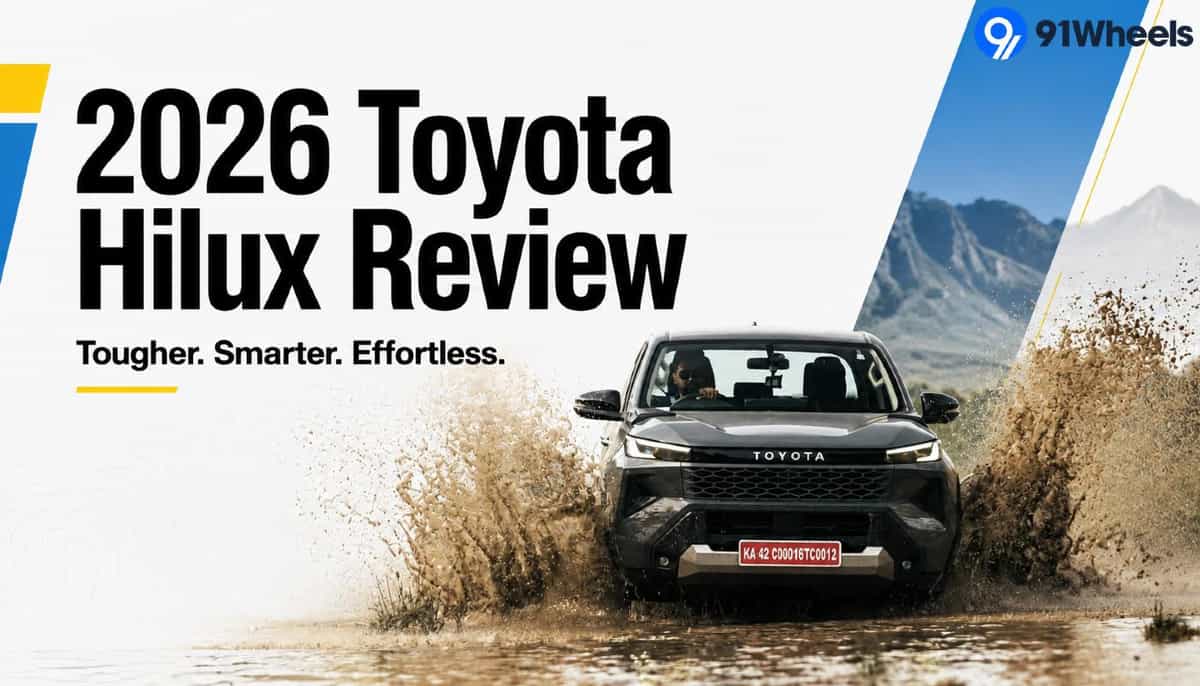
There are very few vehicles in the automotive world that enjoy the kind of reputation the Toyota Hilux does. It is not just a pickup truck, nor is it simply an alternative to an SUV. While driving its latest iteration for this ninth-gen 2026 Toyota Hilux review, I wanted to understand whether it could preserve the qualities people have trusted for decades. From carrying loads on farms and working at construction sites to crossing deserts and mountain trails, the Hilux has earned a reputation for reliability, durability and dependability that very few vehicles can match.
That reputation, however, is also its biggest challenge. Every new generation of the Hilux is expected to do more than just look better. It has to offer everything people already trust while becoming more refined, more comfortable and more relevant for modern buyers. That's exactly what Toyota has attempted with the new ninth-generation Hilux. I spent an entire day with the new Hilux and drove it on highways, city roads, broken surfaces, loose trails and a dedicated off-road course. By the end of the drive, one thing became very clear to me. The new Hilux is undoubtedly a better vehicle than before. But at the same time, it also leaves me wanting more, especially considering the asking price and the features buyers in other global markets receive.
And that's why I think the Hilux remains a vehicle that's built on trust rather than logic and might become difficult to justify. If I looked at it purely through the lens of specifications, equipment and value for money, there are several vehicles that make a stronger case. But the Hilux has never been about winning on paper. It's about confidence. It's about buying a vehicle that has already proven itself over lakhs of kilometres across some of the toughest terrains in the world. So, does the new Hilux continue to deserve that reputation? Here's everything I found.
2026 Toyota Hilux Review
Five Things I Loved
- It finally looks modern
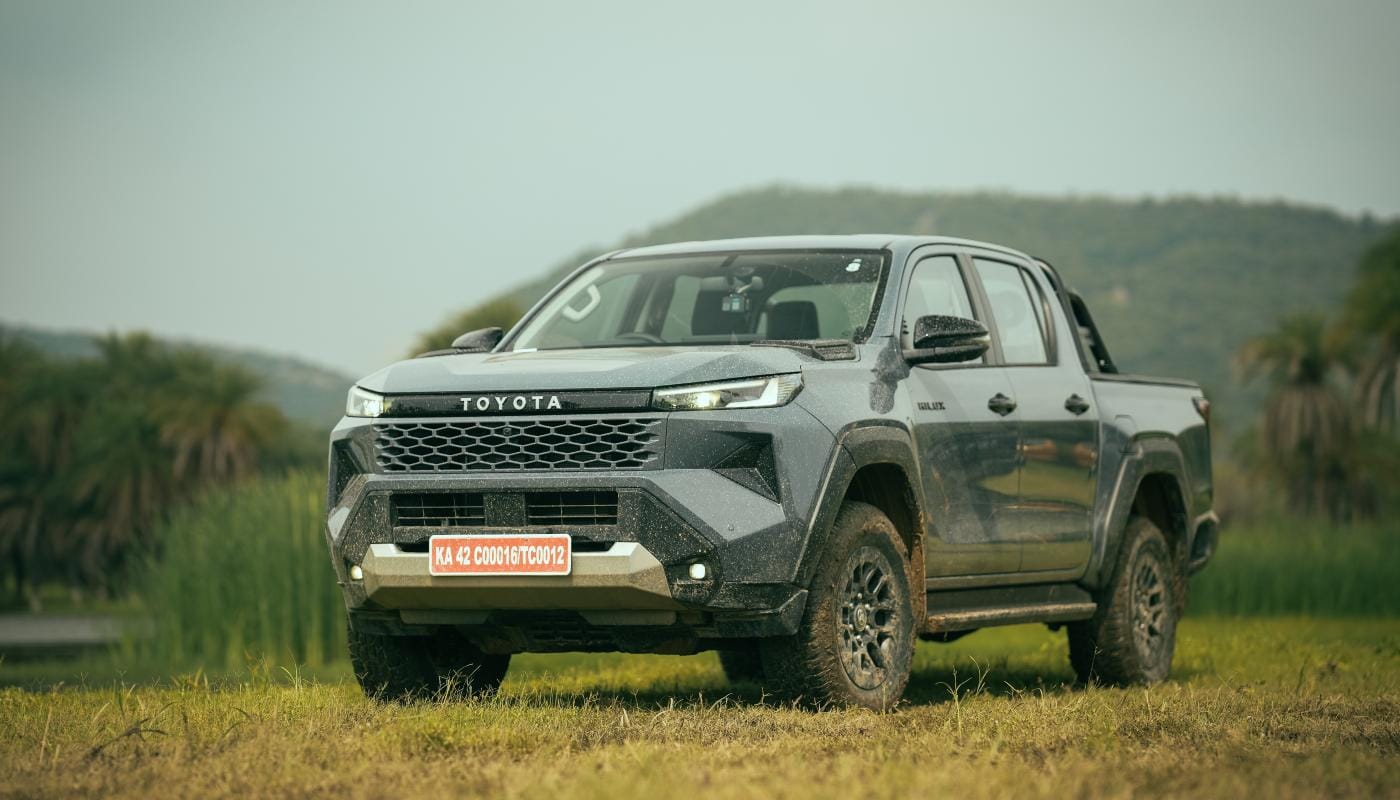
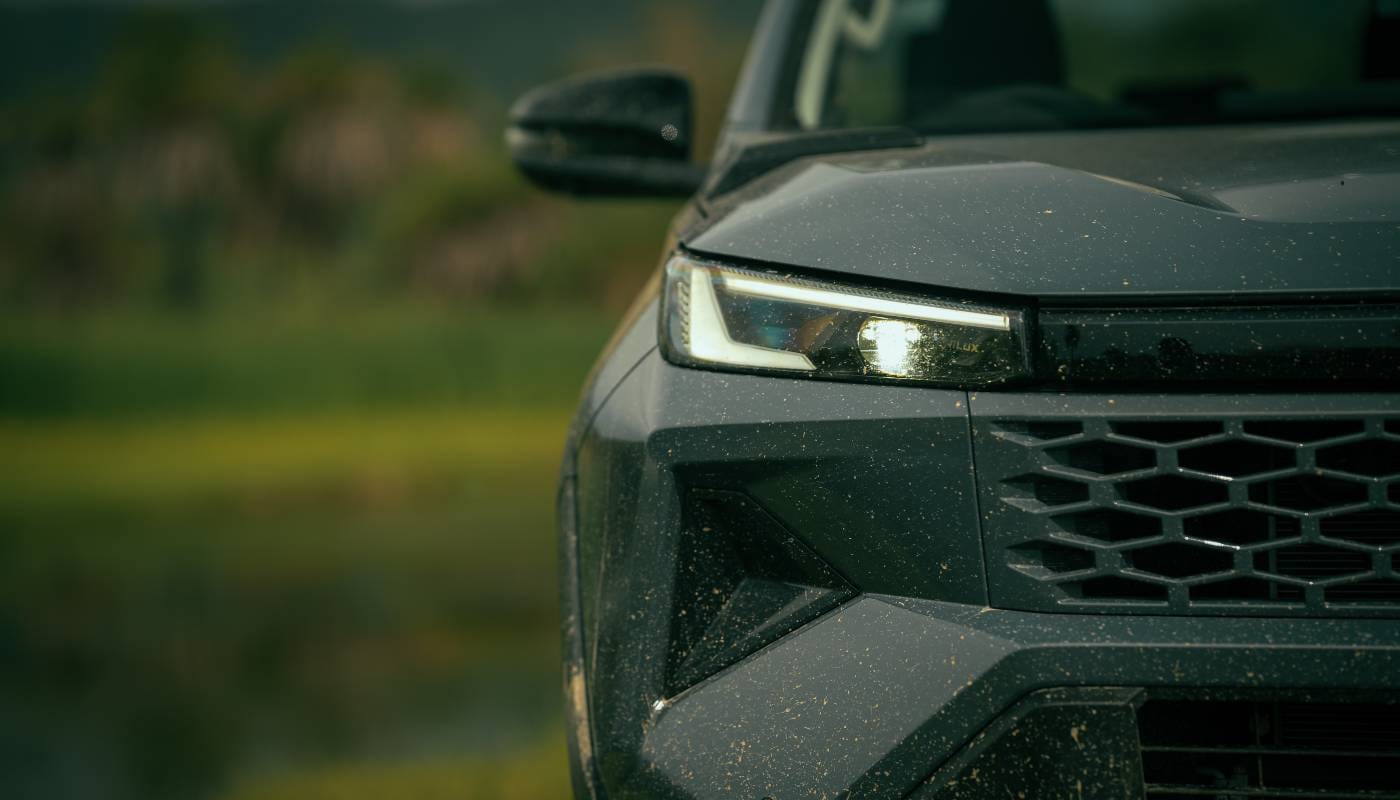
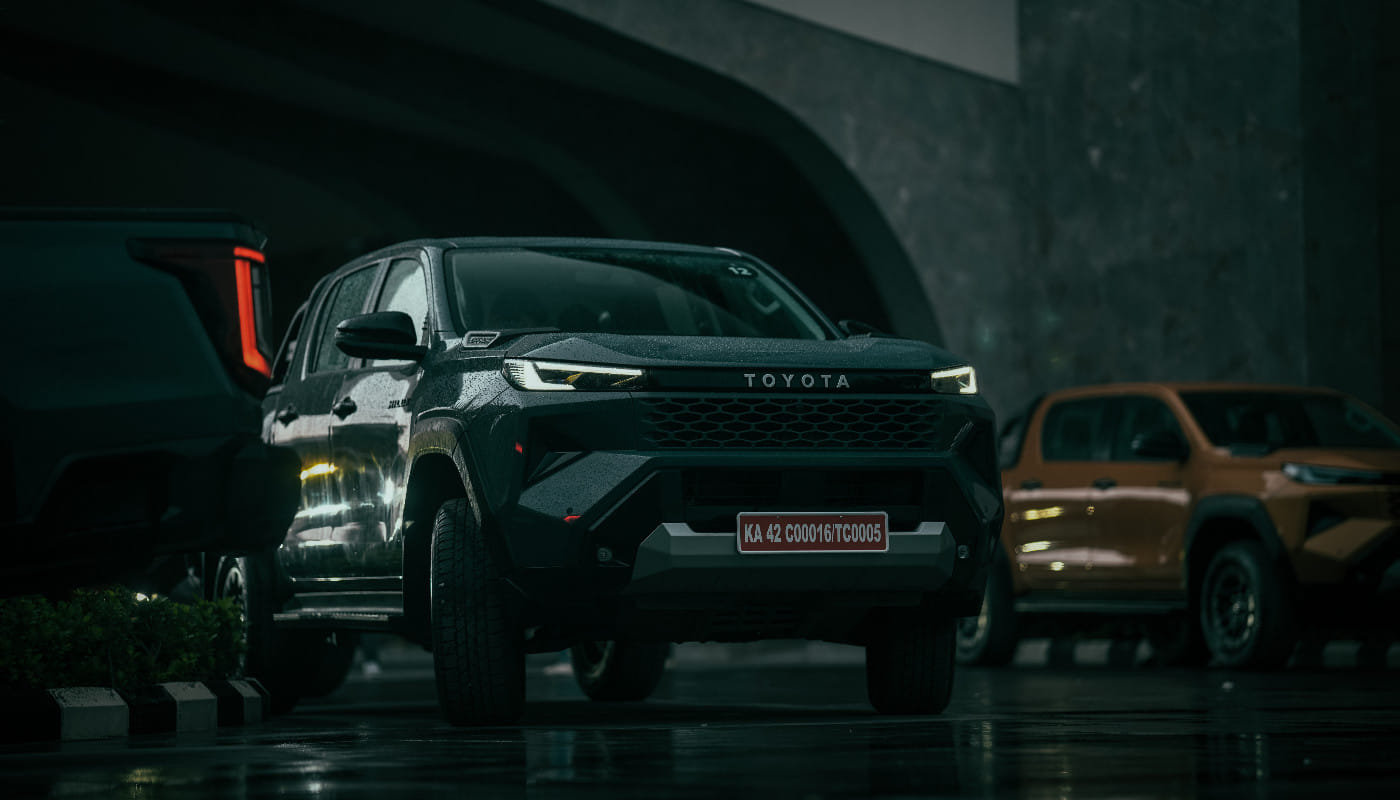
The previous Hilux looked capable, but it also looked dated. This new generation changes that completely. The Tacoma-inspired front fascia, bold TOYOTA lettering, slimmer LED headlamps and redesigned bumpers give it a far stronger road presence without taking away its unmistakable Hilux identity. - The diesel engine remains effortless
The familiar 2.8-litre diesel continues to be one of the strongest highlights of the Hilux. It delivers effortless performance, plenty of torque and pairs beautifully with the six-speed automatic gearbox. - Off-road capability is still exceptional
The Hilux genuinely feels like it's in its natural habitat once the road disappears. The four-wheel-drive system, locking rear differential, excellent visibility and predictable throttle response inspire confidence almost immediately. - The cabin is a huge improvement
Toyota has done an excellent job modernising the interior. The new dashboard, redesigned steering wheel and improved material quality make it feel far more premium than before. Ergonomically, it's a very well-sorted cabin. - It still inspires confidence
There's something reassuring about driving the Hilux. It never feels fragile. Whether it's the way the doors shut, the way the suspension absorbs punishment or the confidence it gives you off-road, it constantly reminds you why it has earned such a loyal following.
Five Things I Didn't Like
- India misses out on too many global features
This is easily my biggest disappointment. Buyers in international markets get a larger digital instrument cluster, ventilated seats, powered seats, automatic climate control and a much richer feature list. At this price, Indian buyers deserve better. - Ride quality still is not great
Toyota has certainly improved the suspension, but the Hilux still feels busy over uneven roads. Without a load in the rear, it continues to feel unsettled at higher speeds. Off-road, however, things are much better sorted, with the suspension handling rough terrain and abuse well. - Rear-seat comfort is average
The rear bench remains too upright and the lack of rear AC vents only adds to the compromise. It works, but it doesn't feel like a Rs 40 lakh vehicle. - Pricing
The Hilux has always commanded a premium, but with the current pricing and the missing equipment, it becomes increasingly difficult to justify purely from a value perspective. - It does not feel as complete as it could have
This is perhaps my biggest takeaway. Toyota has improved the areas that were ageing, but it hasn't gone far enough. With just a few more features and better ride quality, this could have been an outstanding package.
Exterior Design
The design is probably the first area where I feel the ninth-generation Toyota Hilux has taken a genuinely big step forward. Toyota hasn’t tried to make it look radically different just for the sake of calling it new. Instead, it has retained the basic proportions and unmistakable pickup-truck character of the Hilux, while updating almost every element that was beginning to show its age. And personally, I really like the result.
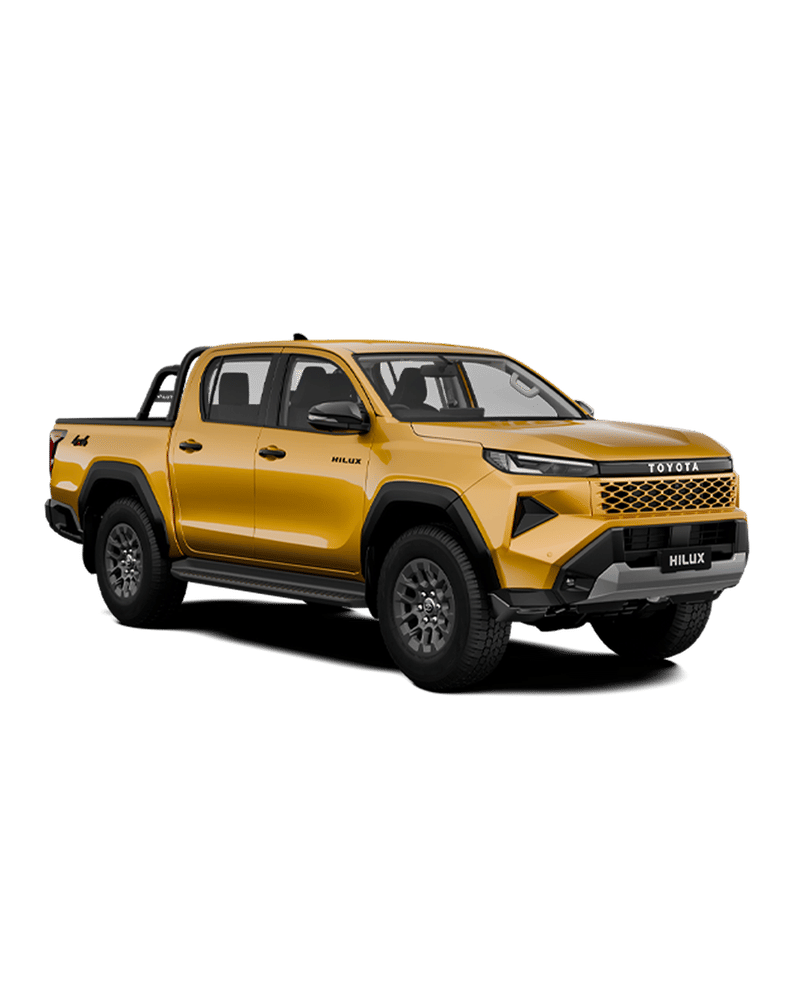
The biggest change is obviously at the front. Toyota calls the design theme Cyber Sumo, which is inspired by the planted stance of a sumo wrestler before combat, and once you look at the Hilux head-on, the reference starts making sense. There is a broad, upright face, a sculpted bonnet and a bumper that gives the pickup a much more planted appearance than before. The slimmer LED headlamps are a particularly important part of the transformation. They make the previous Hilux immediately look a generation older. I also like Toyota’s decision to use the TOYOTA lettering prominently across the front instead of relying on a conventional badge. It brings in a subtle retro element without making the truck itself look retro.
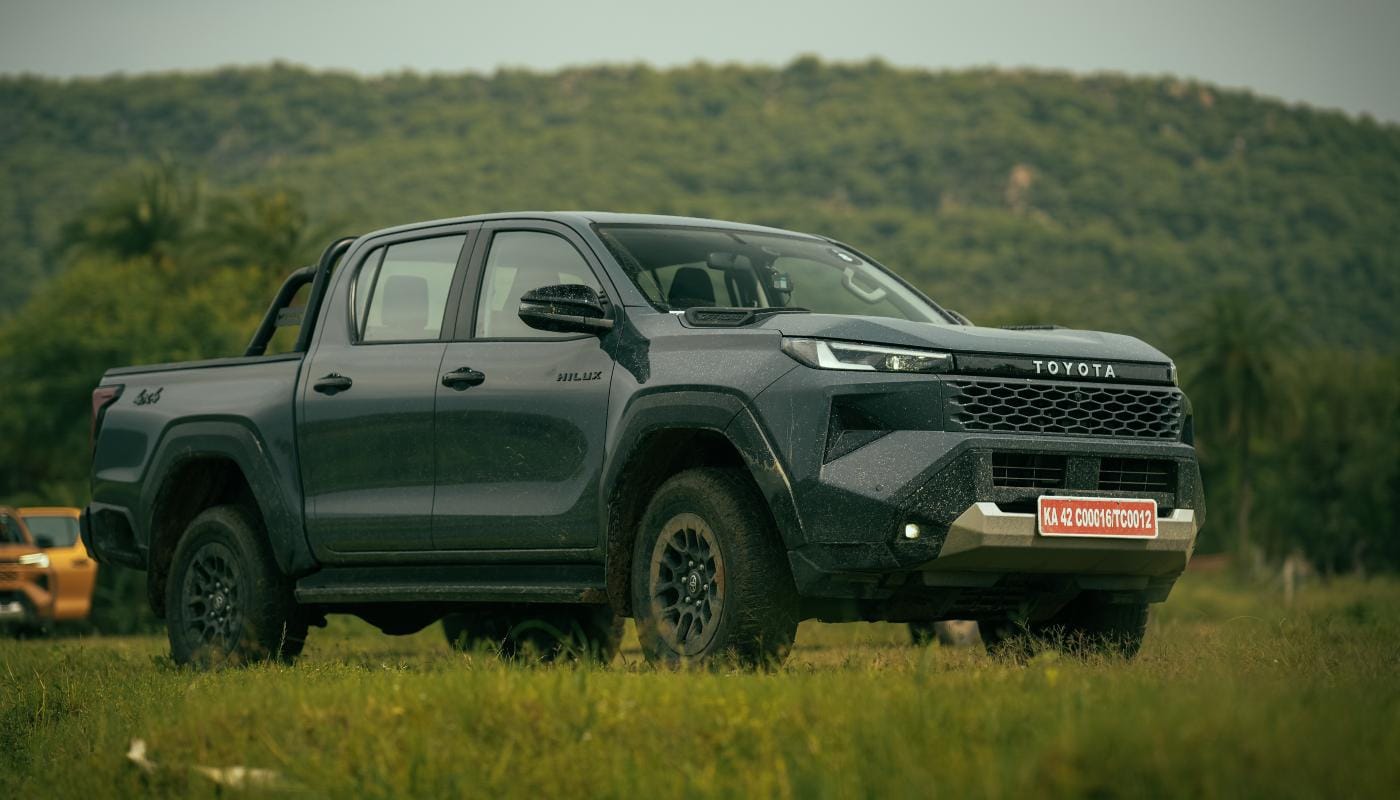
Furthermore, there is still plenty of visual muscle. The squared-off wheel arches, substantial bonnet and upright proportions mean that despite becoming more sophisticated, the Hilux hasn’t lost the slightly intimidating road presence that buyers expect from it.
Move to the side and Toyota has resisted the temptation to mess around with a silhouette that already works. The long wheelbase, double-cab body and substantial load bed continue to tell you immediately what this vehicle has been built for. The new 17-inch alloy wheels work particularly well for me. Apart from looking suitably rugged, the relatively generous tyre sidewalls also make far more sense on something designed to spend its life travelling over poor roads and trails rather than posing outside a cafe.
The rear has received more attention than you might initially notice. There are new vertically oriented LED combination lamps, a redesigned tailgate and a new bumper with an integrated step that makes access to the load bed easier. The TOYOTA lettering stays at the rear as well. This was important because the back of the previous Hilux was one of the areas that had started looking dated. The new one finally feels like the rear belongs to the same generation as the front.
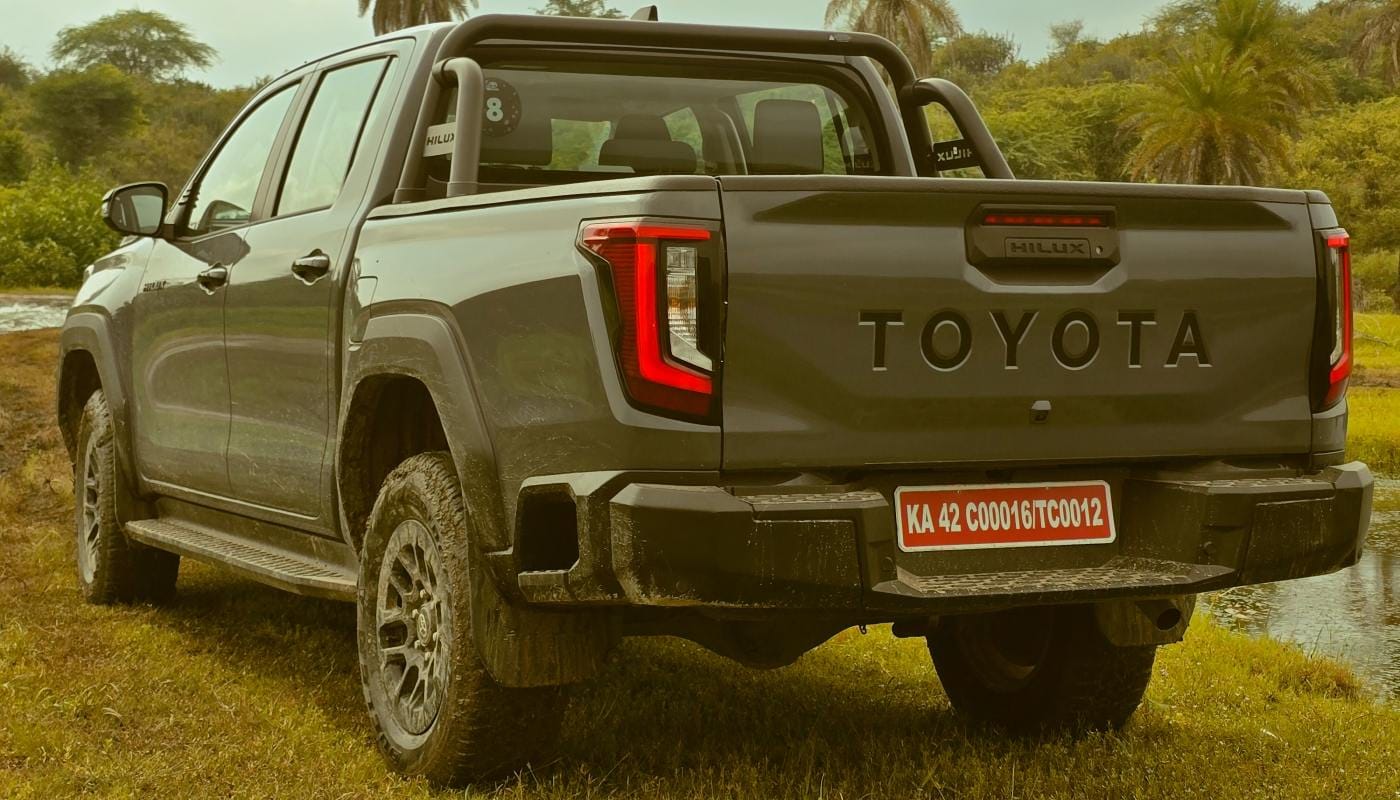
Overall, I think Toyota has judged the exterior rather well. The new Hilux looks considerably fresher, sharper and more premium, but it hasn't become unnecessarily flashy. It still looks like something designed to take a beating. For a Hilux, that's probably the highest compliment I can give to its design.
Interior And Features
If the exterior is the most obvious change, the cabin is where I noticed the biggest improvement from behind the wheel. The old Hilux had a functional interior, but you could never escape the sense that utility had taken priority over modernity. The ninth-generation model changes that significantly.
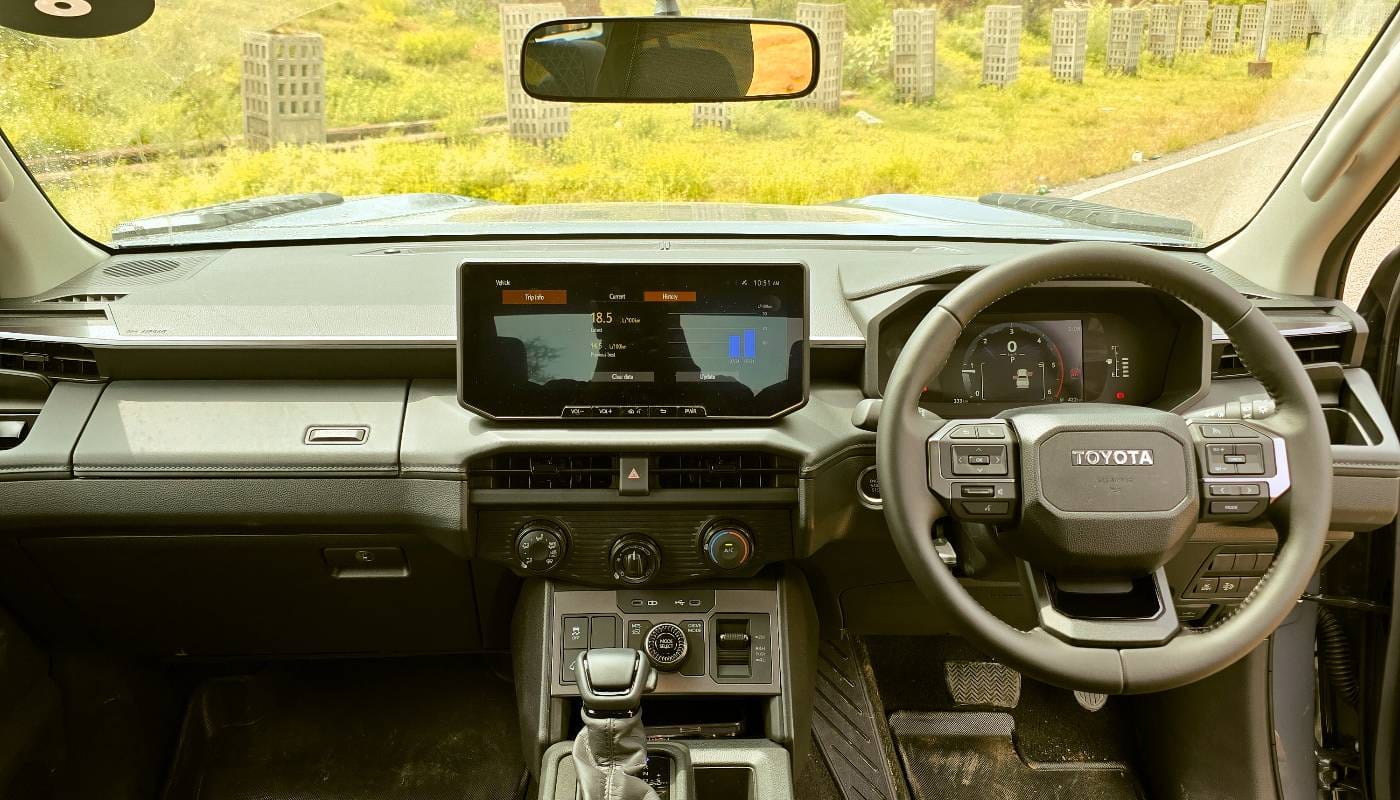
The dashboard layout is completely different. There is a new steering wheel, a much larger central display and a cleaner, more horizontal arrangement of the major controls. The Indian Hilux gets a 12.3-inch touchscreen with wireless Apple CarPlay and Android Auto, Toyota i-Connect connected-car functions, wireless charging and an eight-speaker audio system. It also gets a panoramic-view monitor, which I found particularly useful because this is still a very large vehicle to place in tight spaces.
I particularly like the steering wheel. It feels substantial without being unnecessarily bulky, the buttons are sensibly placed and it gives the driver a much more contemporary interface than before. Toyota has also resisted the current industry obsession with burying every function inside a touchscreen. There are proper physical controls around the cabin, which suits a Hilux perfectly. When you're bouncing along a trail, you don't want to navigate touchscreen menus simply to change a setting.
Material quality is a mixed bag, but in a way that makes sense for a pickup. There are soft-touch and stitched surfaces at the top, complemented by metallic-effect elements, while harder plastics remain lower down. What matters more is that the cabin feels robust, logically arranged and properly put together. Ergonomically, I found very little to complain about. The seating position is high, visibility ahead is excellent and most controls are well within the reach of the driver. There is plenty of useful storage too, which matters much more in a vehicle like this than another strip of ambient lighting ever would.
But then we get to the biggest problem with the Indian Hilux. The India-spec equipment list. This is where Toyota has left far too much on the table. International versions of the ninth-generation Hilux can be equipped with a 12.3-inch fully digital instrument display, electric power steering and a considerably richer suite of driver-assistance technology. Higher global grades also offer features such as powered front seats and additional convenience equipment. The Indian version, meanwhile, gets a 7-inch instrument console rather than the global 12.3-inch digital driver's display. More importantly, we miss equipment that feels difficult to excuse at this price point.
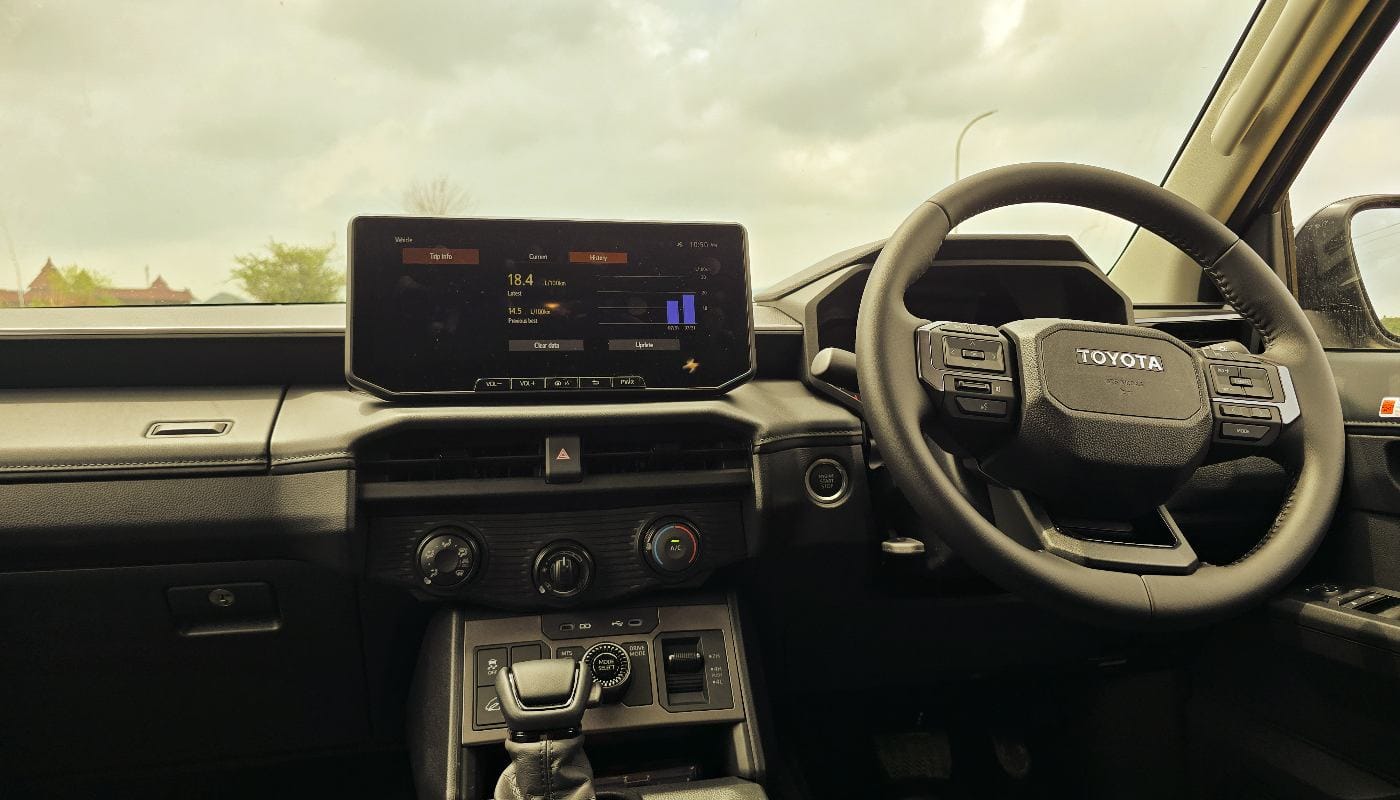
The infotainment itself is a welcome improvement and the cabin unquestionably looks fresher, but I kept getting the feeling that Toyota had done 80 percent of the job and then stopped. And then there's the rear seat .This continues to be one of the biggest compromises if you are approaching the Hilux as an alternative to a premium SUV.
There is reasonable space, but the seating posture is not as relaxed as I would want for long-distance travel. The backrest remains relatively upright, and the overall experience reminds you that the Hilux was fundamentally designed around carrying ability rather than chauffeuring rear passengers. If you plan on driving the Hilux yourself most of the time, that might not matter enormously. If you're buying it as a Rs 30-40 lakh family lifestyle vehicle, it absolutely does. And that's the broader theme of the interior for me: the design has caught up, but the equipment and rear-seat experience haven't caught up enough.
What Powers The Hilux?
Toyota has taken an interesting approach here as almost everything around the engine has changed, but the core powertrain hasn't. Under the bonnet remains the familiar 2.8-litre, four-cylinder turbo-diesel engine that produces 204 PS and 500 Nm. This engine is exclusively paired with a six-speed automatic transmission. The new range also introduces a 4x2 rear-wheel-drive version for the first time, alongside the 4x4 variants. Prices start at Rs 31.99 lakh ex-showroom for the 4x2 GX and rise to Rs 36.69 lakh for the VX 4x4. And after driving it, I don't think Toyota needed to chase a bigger horsepower figure merely to put something new in the brochure.
This engine remains one of the Hilux's strongest assets. There is a huge amount of usable torque available without having to work the engine hard, which suits the character of the pickup perfectly. In normal driving, you rarely feel the need to wring it out. Give it a measured throttle input and the Hilux simply gathers speed. That's where the word I kept coming back to throughout my drive enters the picture: Effortless.
The six-speed torque-converter automatic complements the engine rather well. It is not trying to behave like a sports-car transmission, and neither should it. Shifts are generally smooth and the gearbox works best when you allow that torque-rich diesel to do the heavy lifting. There are Eco, Normal and Sport drive modes, allowing some variation in throttle and drivetrain response depending on where you're driving.
How Is It To Drive?
This is where my experience with the new Hilux became slightly more complicated. Because there are two very different sides to the way it drives. The first is the powertrain, which I really like. The second is the chassis behaviour, where I think Toyota still has work to do.
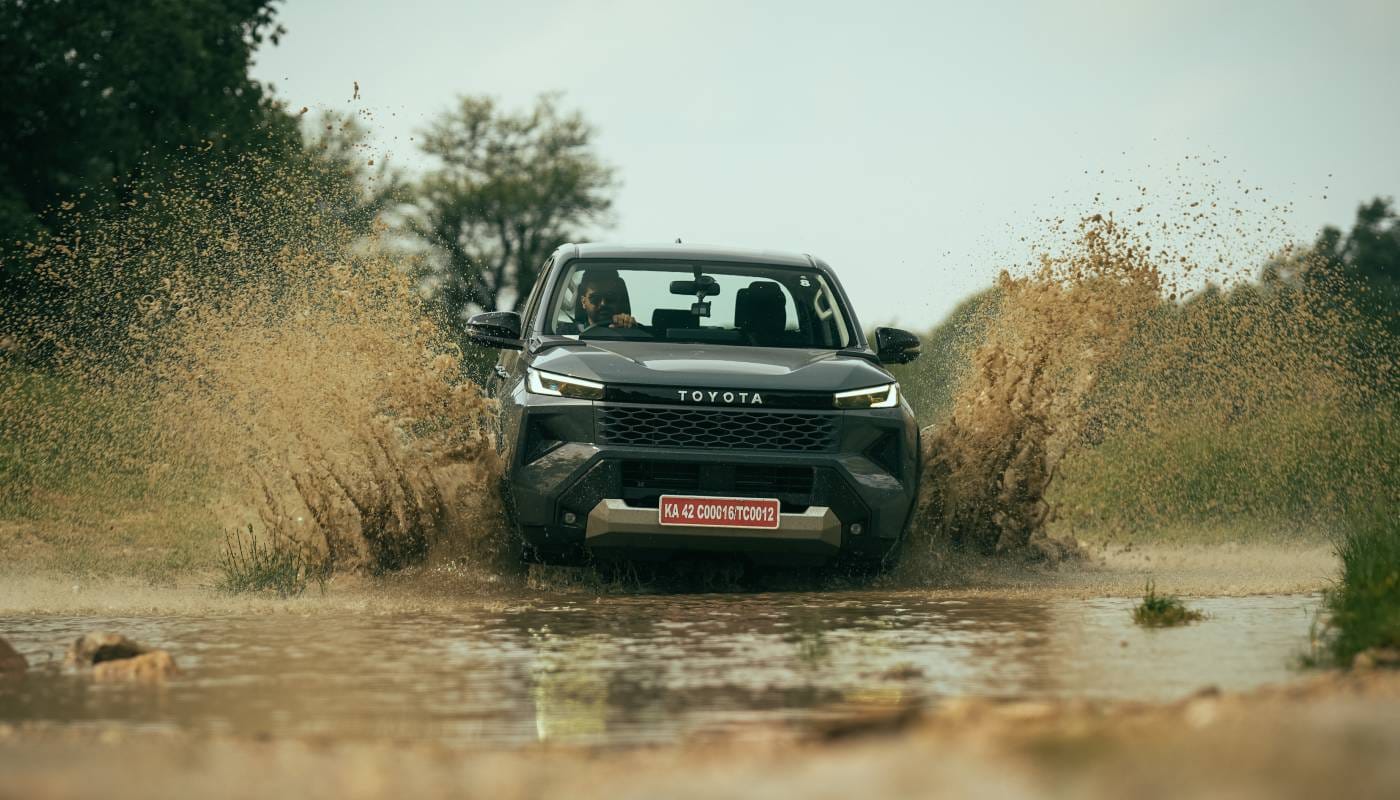
Starting with the positives, visibility from the driver's seat is excellent. You sit high, the bonnet gives you a clear sense of where the front of the vehicle is and the 360-degree camera takes some of the anxiety out of manoeuvring something this large. The engine also makes everyday driving remarkably easy. There is sufficient torque at low engine speeds, the automatic gearbox largely stays out of your way and overtaking doesn't require elaborate planning.
On an open highway, the Hilux can cover distance very comfortably from the driver's seat. You don't have to constantly work the accelerator and it doesn't feel strained maintaining cruising speeds. But you remain aware that you're driving a pickup. The India-spec Hilux continues with hydraulic power steering rather than the electric system introduced on the new-generation Hilux in some international markets. The global EPS setup has specifically been engineered to reduce low-speed effort and kickback while adding weight at higher speeds. That makes its absence here noticeable. The hydraulic setup has weight and a certain old-school robustness to it, which some enthusiasts may actually appreciate, but around town the Hilux requires more physical effort than a modern premium SUV.
Is The New Hilux Comfortable?
The Hilux continues to use independent double wishbones at the front and a rigid axle with leaf springs at the rear. The latter is fundamentally important for the load-carrying role of a pickup. Toyota says suspension tuning has been revised for greater comfort. There is an improvement, but don't go into this expecting SUV-like plushness. At lower speeds, you can feel smaller imperfections making their way into the cabin, and as speeds rise over a broken surface, the body can remain busy. The effect is especially evident from the rear seat because an unloaded pickup bed means there isn't much mass sitting over those rear leaf springs.
On genuinely bad roads, the Hilux is incredibly good at dealing with the surface. That doesn't necessarily mean it isolates you from it. You have enormous confidence that the suspension, tyres and chassis can take the punishment, but the occupants still know that punishment is happening underneath them. I haven't yet tested this particular Hilux with substantial weight in the cargo bed, and that's something I'd like to do before making a definitive judgment about loaded ride quality. Logically, adding weight over the rear axle should settle the leaf-sprung rear end, but that's a test for another day.
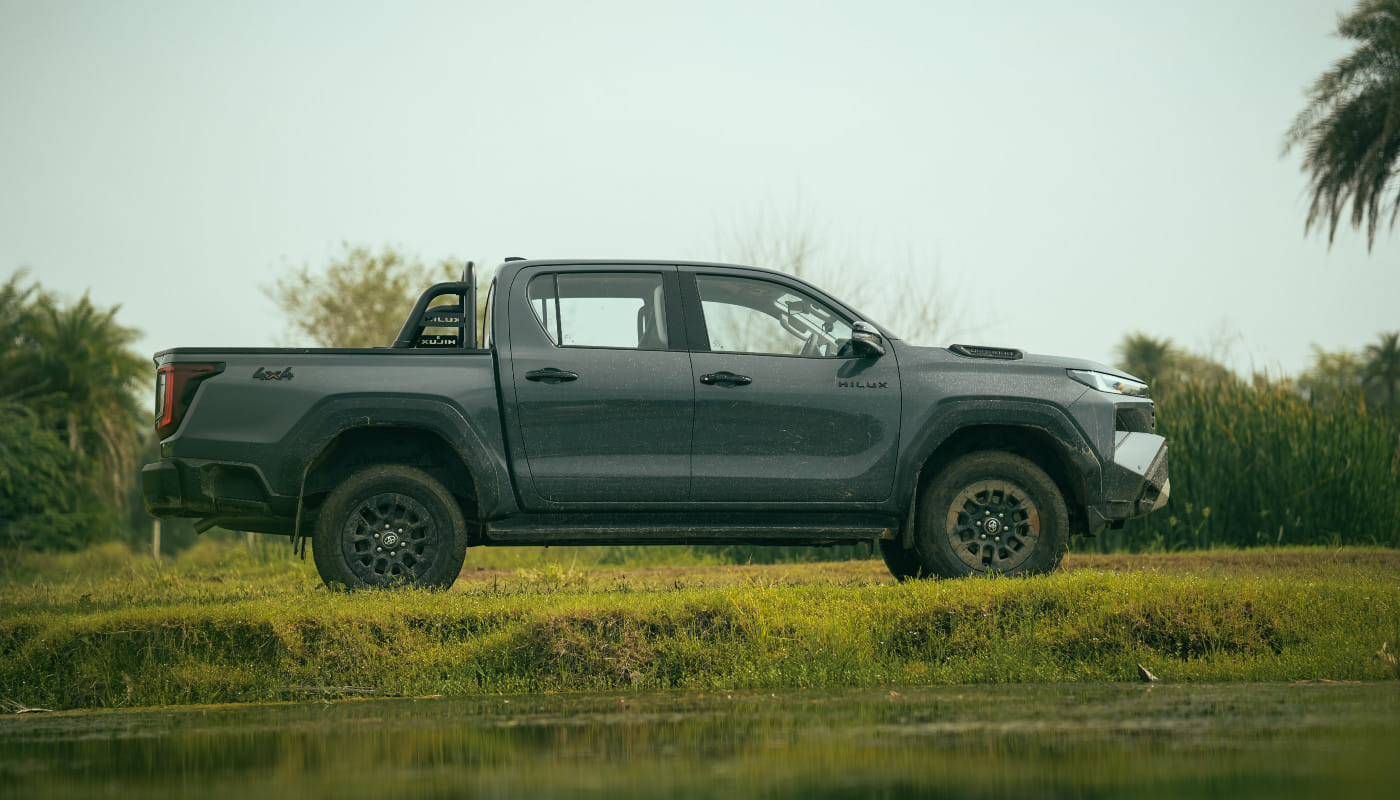
From a dynamics perspective, I wouldn't approach the Hilux expecting the agility of a conventional SUV either. There is body movement through corners, and that long wheelbase and lightly loaded rear axle demand attention. Drive it according to what it is and everything feels predictable. Try treating it like a sporty monocoque SUV and physics will eventually remind you otherwise.
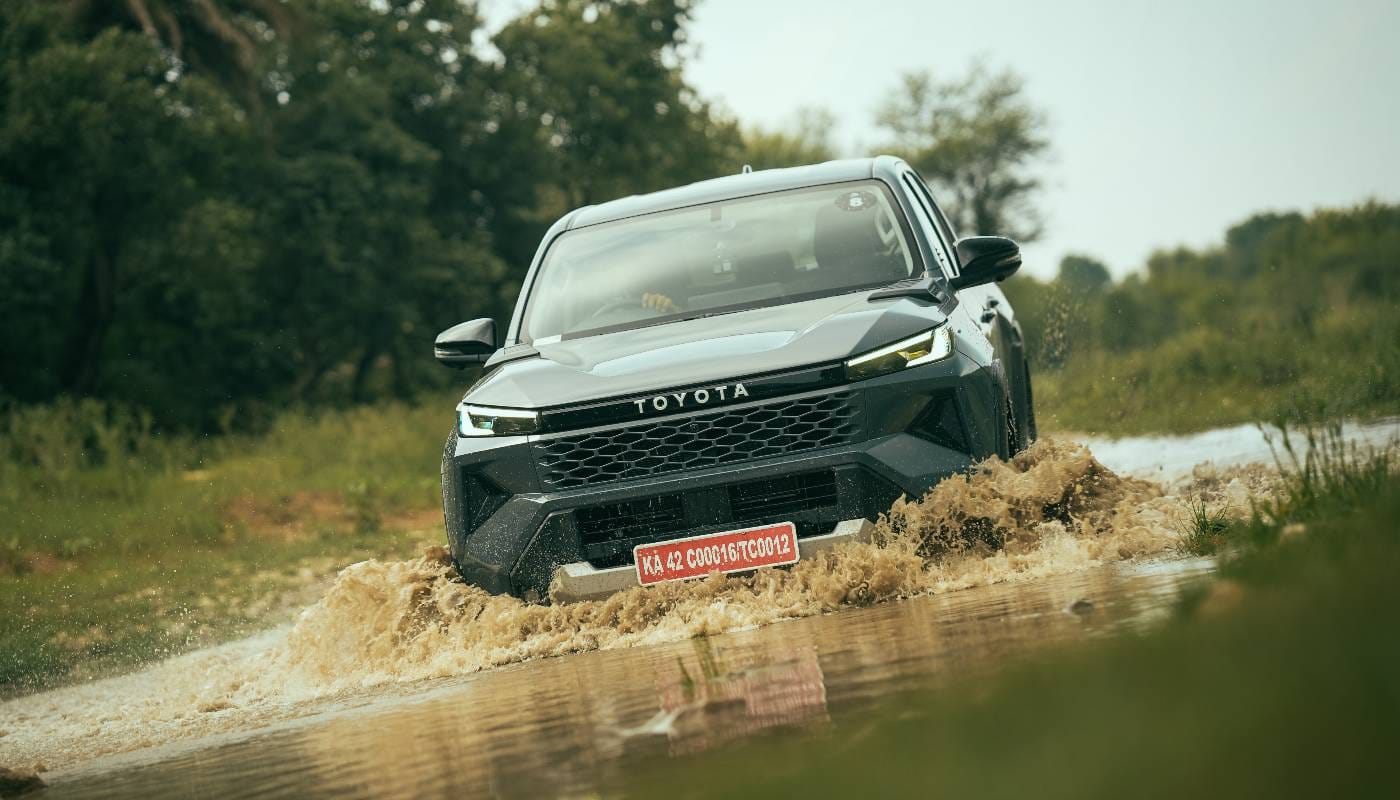
But Take It Off-Road And Everything Changes This is where I understood the Hilux much better. During our drive, we covered roughly 20 kilometres of trails before moving onto more serious off-road obstacles. What surprised me was how little of the Hilux's full capability I initially needed. A considerable amount of the rough stuff was completed in 4x2. Deeply broken tracks, loose surfaces and sections that would make many road-oriented SUVs uncomfortable simply didn't bother it. The generous suspension travel, tough chassis and torque-rich diesel do most of the work without creating any drama.
Once conditions became more serious, the 4x4 hardware came into play. The four-wheel-drive variants provide H4 and L4 ranges, an electronic differential lock and Downhill Assist Control. And this is where effortless became more than just a word describing the engine. The Hilux rarely makes an obstacle feel difficult. You select what you need, position the vehicle correctly, maintain the right throttle input and allow the mechanical hardware to work. There are vehicles that make off-roading exciting because you're constantly wondering whether they'll make it. The Hilux makes it enjoyable because you're usually wondering how easily it will make it.
What Could Toyota Have Done Better?
Quite a lot, and that sounds harsher than I intend it to. The fundamentals of the Hilux are extremely strong. My frustration comes from knowing how much better the complete package could have been with relatively straightforward changes. First, give us the global-spec 12.3-inch digital instrument cluster. Putting a modern 12.3-inch touchscreen in the middle of the dashboard and then pairing it with a substantially simpler driver's display feels like an unnecessary compromise. Second, I would have loved the new electric power steering setup available overseas. It wouldn't just be a feature to mention in the brochure but would result in reduced steering effort that would meaningfully improve the experience of driving the Hilux every single day, particularly in Indian cities.
Third, bring back equipment that Indian customers previously received. Automatic climate control, leather upholstery, a powered driver's seat, rear AC vents and an auto-dimming mirror aren't extravagant luxuries in this price bracket. Some were already available on the outgoing Hilux. Fourth, the rear-seat experience deserves more attention. I understand the engineering compromise involved in building a pickup capable of carrying serious loads, but lifestyle buyers spending this kind of money will inevitably compare the Hilux with SUVs.
And finally, I'd like another round of work on the unladen ride. I don't expect a pickup with rear leaf springs to ride like a luxury crossover. But I do think a near-Rs 40 lakh lifestyle vehicle in 2026 should offer better isolation and composure than this.
Should You Buy One?
This is where the Hilux becomes one of the most interesting vehicles I've reviewed. If somebody came to me with roughly Rs 40 lakh and said, "I want the best features, the most comfortable rear seat, the easiest city driving experience and maximum equipment for my money," the Hilux would not be my first recommendation. There are simply better ways to spend that money if those are your priorities. And yet, that's not really how people buy a Hilux.
The Hilux has always been a vehicle built on trust rather than logic. Since logic looks at the equipment list, ride quality, and price, it also asks why a vehicle costing this much doesn't have features available in cars costing half as much.
Trust asks a completely different question: Will it get me there, take whatever I throw at it and bring me home again?
And that's the question the Hilux has spent decades answering. If you're buying one because you genuinely need its load-carrying ability, its off-road hardware, its durability or simply the peace of mind associated with the Hilux name, I completely understand the attraction. It's also an enormously characterful vehicle. In a market increasingly filled with SUVs trying to look mean, the Hilux doesn't have to pretend. It's an actual pickup truck designed to work. You just need to understand the compromises that come with that.
Final Verdict
The ninth-generation Toyota Hilux is a better Hilux. For me, there is no debate about that. I love the way it looks. The previous model was beginning to show its age, whereas this one finally feels contemporary without losing its identity. The cabin too looks fresher and brings the technology experience forward while the fundamental ergonomics remain excellent.
Then there's the powertrain. The 2.8-litre diesel and six-speed automatic combination doesn't need fireworks or headline-grabbing numbers. With 204 PS and 500 Nm, it has all the performance this pickup realistically needs. Whether I was commuting, cruising on the highway, running along trails or tackling serious off-road obstacles, one word kept coming back to me: Effortless.
And yet, the Hilux is frustrating precisely because the core vehicle is so good. The India-spec equipment list isn't good enough for the money. The absence of features available globally is one issue, but losing equipment that the previous Indian model offered makes it harder to defend. The rear-seat experience remains compromised, the hydraulic steering demands effort in town and the unladen ride still reminds you frequently that there are leaf springs and a load bed behind you.
Despite the criticism, nothing changes what the Hilux has always been known for. It remains enormously capable, mechanically reassuring and almost ridiculously comfortable with being taken far outside the environment in which most expensive vehicles spend their lives. And that's ultimately why I find the Hilux so difficult to judge purely by conventional parameters.
It isn't the most feature-rich or comfortable. It is also not the easiest vehicle to justify the money. But perhaps a Hilux was never supposed to win those arguments. Because people don't buy a Hilux only for what is written on its brochure. They buy one because of what that name has proven over decades.
The Toyota Hilux is built on trust rather than logic. And after spending a full day driving it on the road, over trails and through terrain where roads effectively ceased to exist, I understand that trust a little better.
Do you like this article?
Comments
No comments yet. Be the first to comment!