KEY HIGHLIGHTS
- Pulsar 180 and Apache RTR 180 offer near-identical performance figures
- Apache is lighter by 16 kg, giving it a better power-to-weight ratio
- Pulsar gets a larger 15-litre fuel tank for better touring range also a difference in features
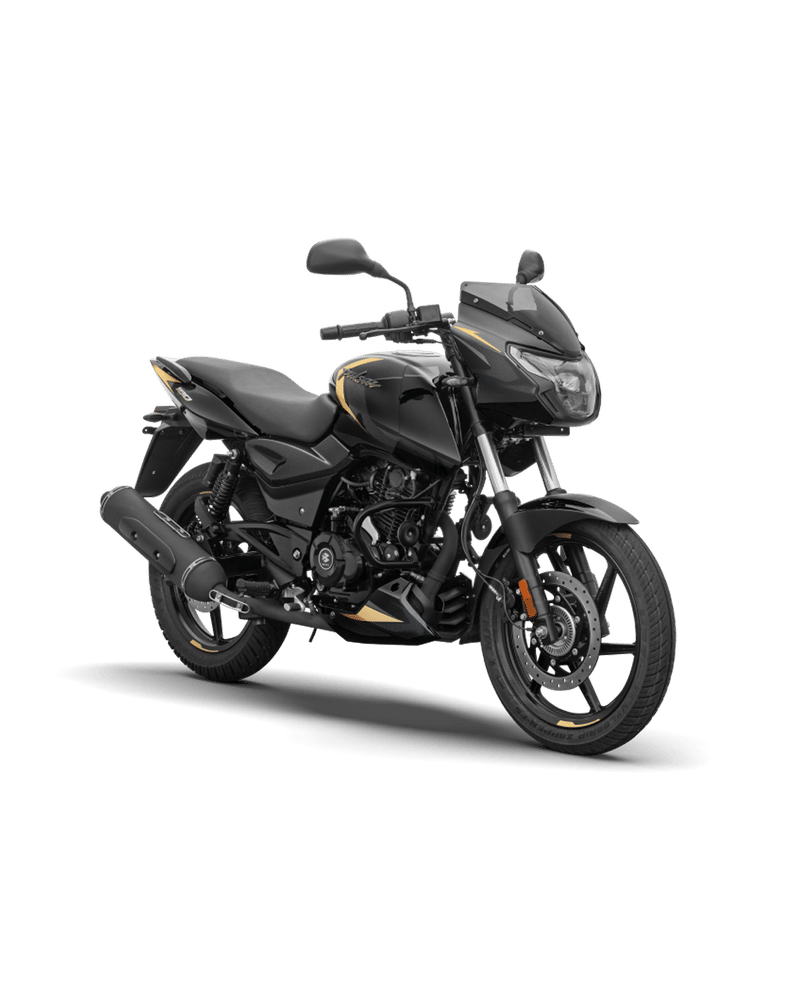
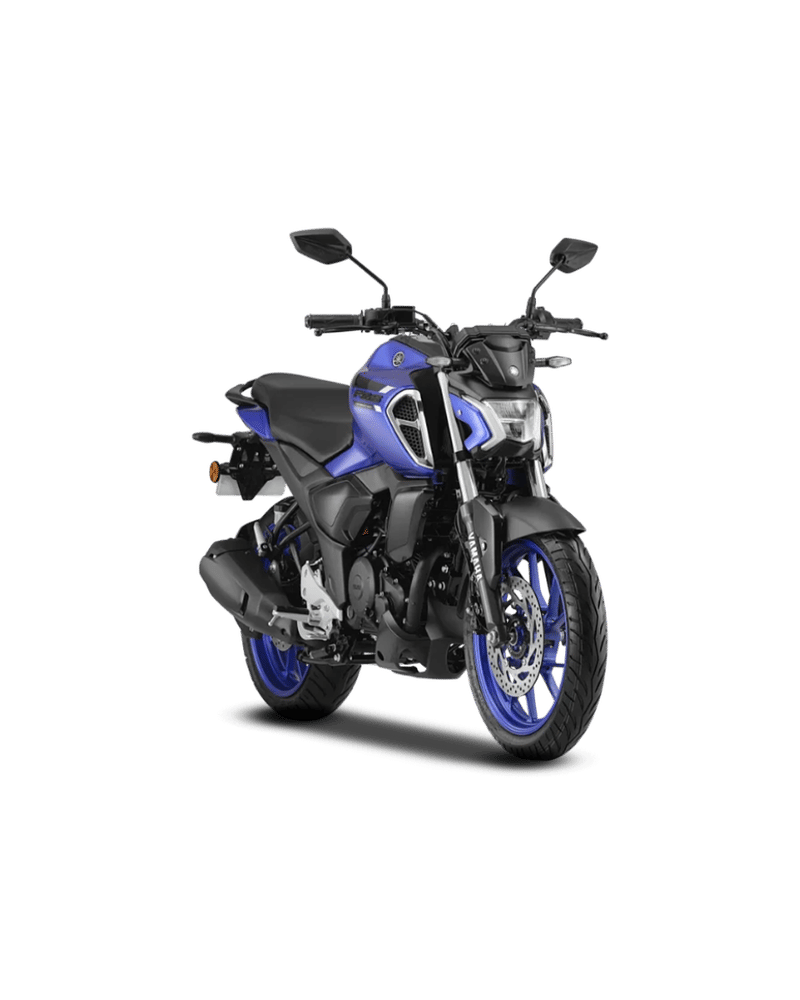
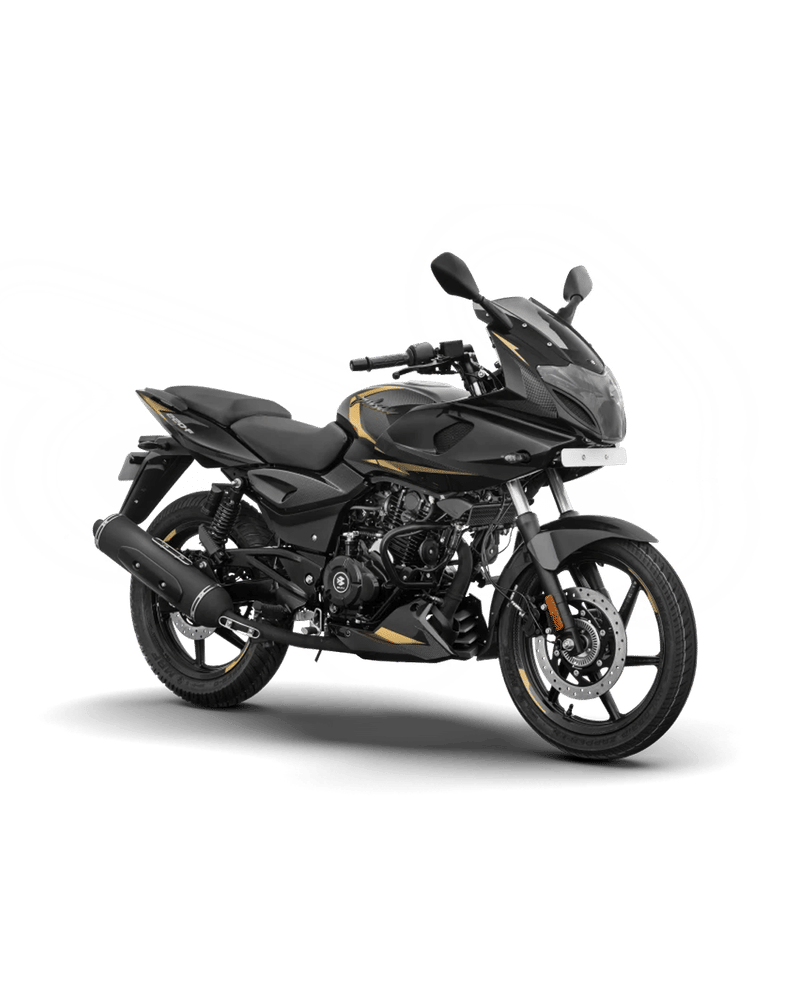
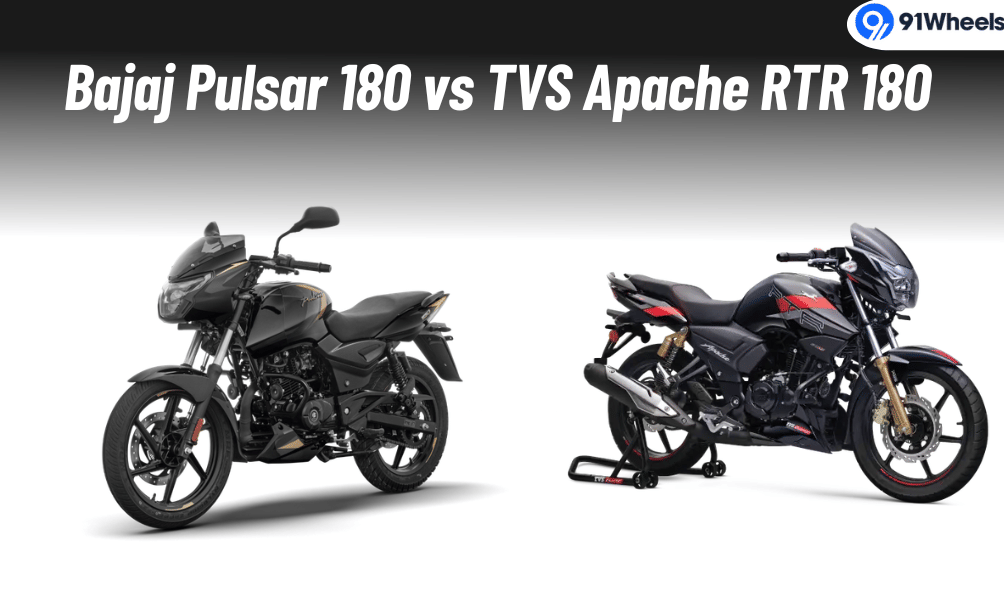
The Bajaj Pulsar 180 has finally returned after a brief pause to take its place back in the performance commuter space, but it's not alone. TVS Apache RTR 180 sits in the same performance-commuter bracket, but caters to slightly different buyers, which is not exactly the point here. While the Pulsar leans towards comfort and everyday usability, the Apache brings a sharper, more performance-oriented approach. Here's a clean, spec-based comparison to understand where each one stands. Read on to find out more details about which one will win this head-on battle, but before that, make sure to join the 91wheels WhatsApp Community, specifically curated for petrolheads like us to keep up with the latest news and automotive updates.
Also Read- BMW F 450 GS India Launch Set for April 23: New Entry-Level ADV
Bajaj Pulsar 180 vs TVS Apache 180: Dimensions & Hardware
| Pulsar 180 | Apache RTR 180 | |
|---|---|---|
| Length | 2035 mm | 2085 mm |
| Width | 765 mm | 730 mm |
| Kerb Weight | 156 kg | 140 kg |
| Ground Clearance | 165 mm | 180 mm |
| Wheelbase | 1340 mm | 1326 mm |
| Fuel Tank | 15 litres | 12 litres |
| Seat Height | - | 790 mm |
| Suspension | Telescopic / Twin shocks | Telescopic / Twin shocks |
| Brakes | 280 mm / 230 mm discs | 270 mm / 200 mm discs |
| Tyres | 90/90-17, 120/80-17 | 90/90-17, 120/70-17 |
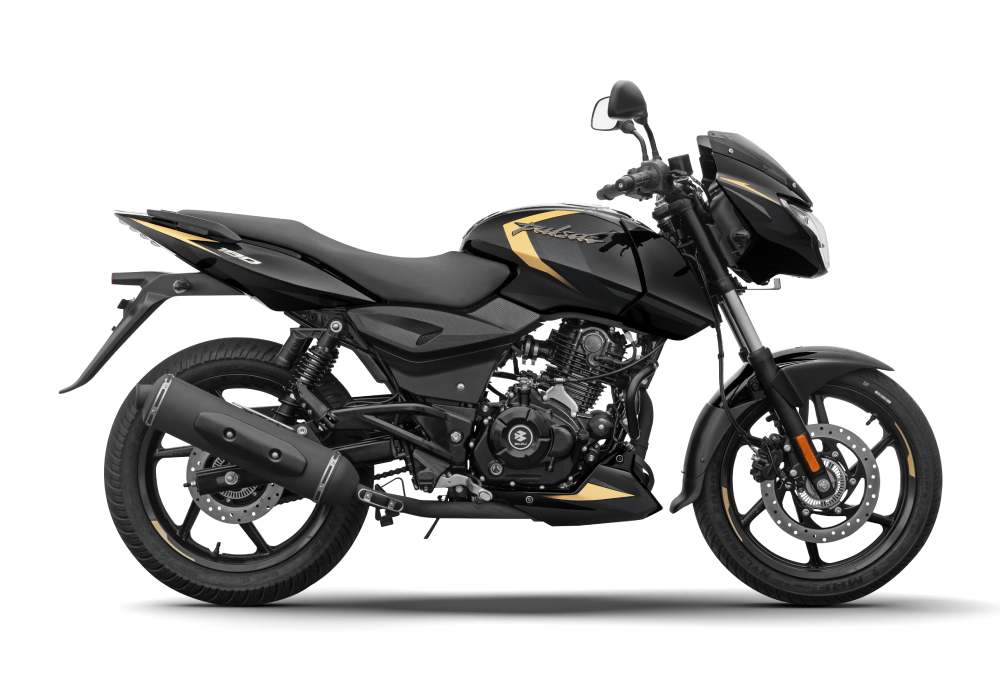
The Pulsar 180 is noticeably heavier, which contributes to a more planted feel and also allows it to carry a larger fuel tank, useful for longer rides. In contrast, the Apache RTR 180's lighter weight gives it a better power-to-weight ratio and makes it feel more agile. It also offers higher ground clearance, which can be beneficial on rough roads. Both motorcycles use similar suspension setups, but the Pulsar features slightly larger brake discs, which could translate to stronger stopping performance on paper.

Features & Technology
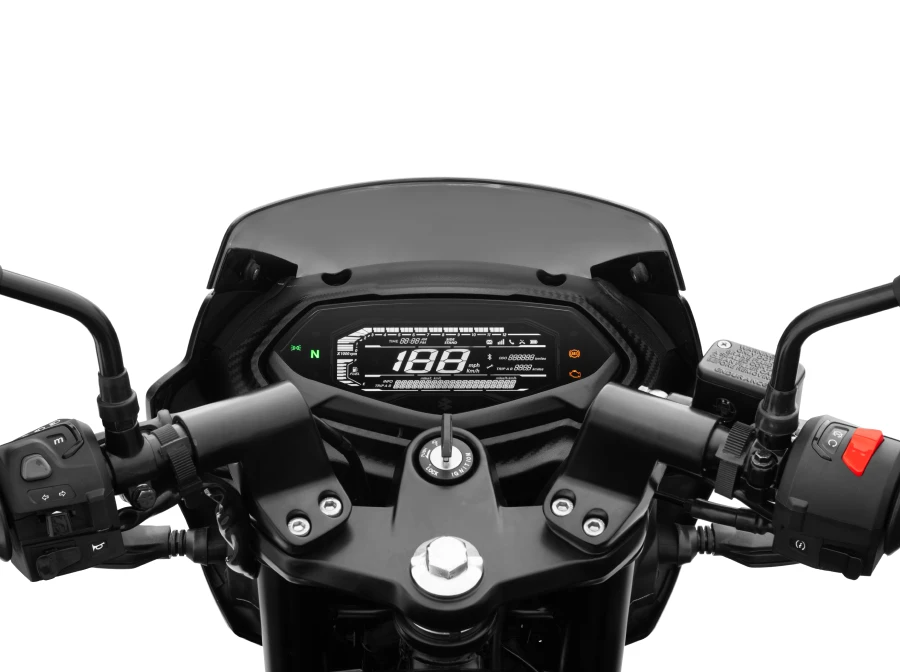
This is where the two bikes diverge the most. The Pulsar 180 keeps things straightforward with a fully digital console and all-LED lighting, focusing on essential modern updates without adding complexity. The Apache RTR 180, however, offers a more advanced electronics package. It comes with multiple ride modes, Sport, Urban, and Rain, which adjust power delivery based on riding conditions. It also features SmartXonnect connectivity, enabling functions like navigation and call alerts via a smartphone.

Additionally, the Apache includes Glide Through Technology, which allows the bike to move at low speeds without throttle input, improving ease of use in traffic. Overall, the Apache feels more tech-loaded, while the Pulsar stays simple and functional. Although when we come to the engine specs, this dynamic would flip again, and you can better judge it with more information.
Also Read- Triumph 350cc Bikes Specs Revealed: Price Down By Up To Rs. 21,000
Engine & Performance
| Specification | Pulsar 180 | Apache RTR 180 |
|---|---|---|
| Engine | 178.6cc, air-cooled | 177.4cc, oil-cooled |
| Power | 17PS @ 8,500 rpm | 17 PS @ 9,000 rpm |
| Torque | 15 Nm @ 6,500 rpm | 15.5 Nm @ 7,000 rpm |
| Gearbox | 5-speed | 5-speed |
On paper, both motorcycles are nearly identical in terms of output. However, the Apache has a slight torque advantage and produces its peak power higher in the rev range, giving it a slightly sportier character. The oil-cooled engine on the Apache also offers better thermal management compared to the Pulsar's air-cooled setup, especially during extended or aggressive riding. The Pulsar, on the other hand, delivers its performance in a more relaxed and linear manner, making it easier to ride in everyday conditions.
Price
| Price (Ex-showroom, Delhi) | |
|---|---|
| Pulsar 180 | Rs 1.22 lakh |
| Apache RTR 180 | Rs 1.26 lakh |
In this Bajaj Pulsar 180 vs TVS Apache RTR 180 comparison, the Pulsar is priced slightly lower, undercutting the Apache by a small margin. While the difference isn't massive, it reinforces the Pulsar's value-focused positioning. But we have to keep in mind that we get more bells and whistles with the Apache, which makes it premium, pretty well justified.
Verdict
So which one comes out on top? Both motorcycles are extremely closely matched, but their personalities are quite different. The Bajaj Pulsar 180 is better suited for riders who want a simple, comfortable, and slightly more affordable performance commuter with a relaxed riding nature. The TVS Apache RTR 180, on the other hand, appeals to those who want more agility, sharper performance, and a more feature-rich riding experience. In short, Pulsar 180 stands for practicality, comfort, and value whereas the Apache RTR 180 would mean lighter, sportier, and more tech-focused. Your choice ultimately depends on whether you want ease of use or a more engaging ride.
Do you like this article?
Comments
No comments yet. Be the first to comment!






.png?w=240&q=40 "Best Bikes Under Rs 2 Lakh: 5 Top Picks From Sports to Adventure")