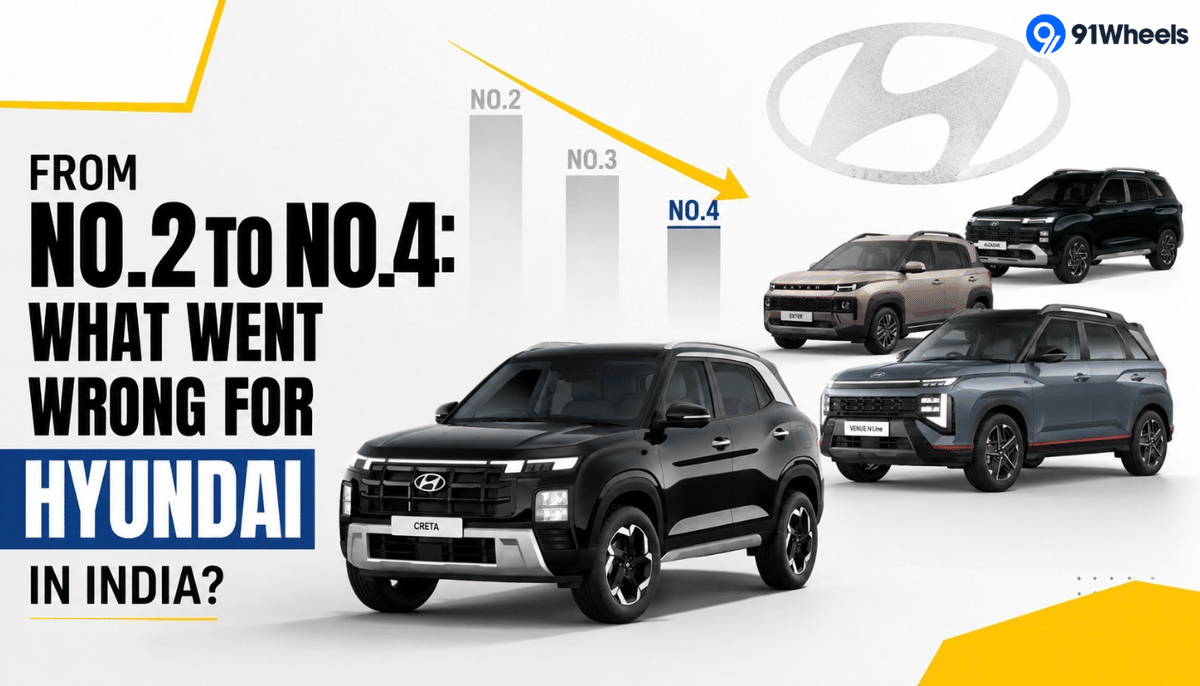
For nearly two decades, the Indian automotive landscape seemed set in stone. Maruti Suzuki held the throne, and Hyundai was the undisputed heir apparent, safely tucked into the second-place position since 2007. While a rotation of third-place contenders like Tata, Toyota, and Honda occasionally shifted the lower ranks, Hyundai’s silver medal was considered untouchable. However, the dawn of 2025 has brought a seismic shift to the industry: for the first time in 17 years, the Korean giant has been dislodged from its podium spot, tumbling from number two to number four in total sales.
As Mahindra surged into second place and Tata Motors claimed third, the industry is left asking: How did a brand with such high reliability and a massive service network lose its grip on the Indian market? The answer lies in a combination of portfolio imbalance, a "Maruti-lite" strategy that backfired, and a slow response to the nation's shifting appetite for SUVs and alternative fuels.
1. The "Creta" Paradox: A Star Car Covering a Sinking Fleet
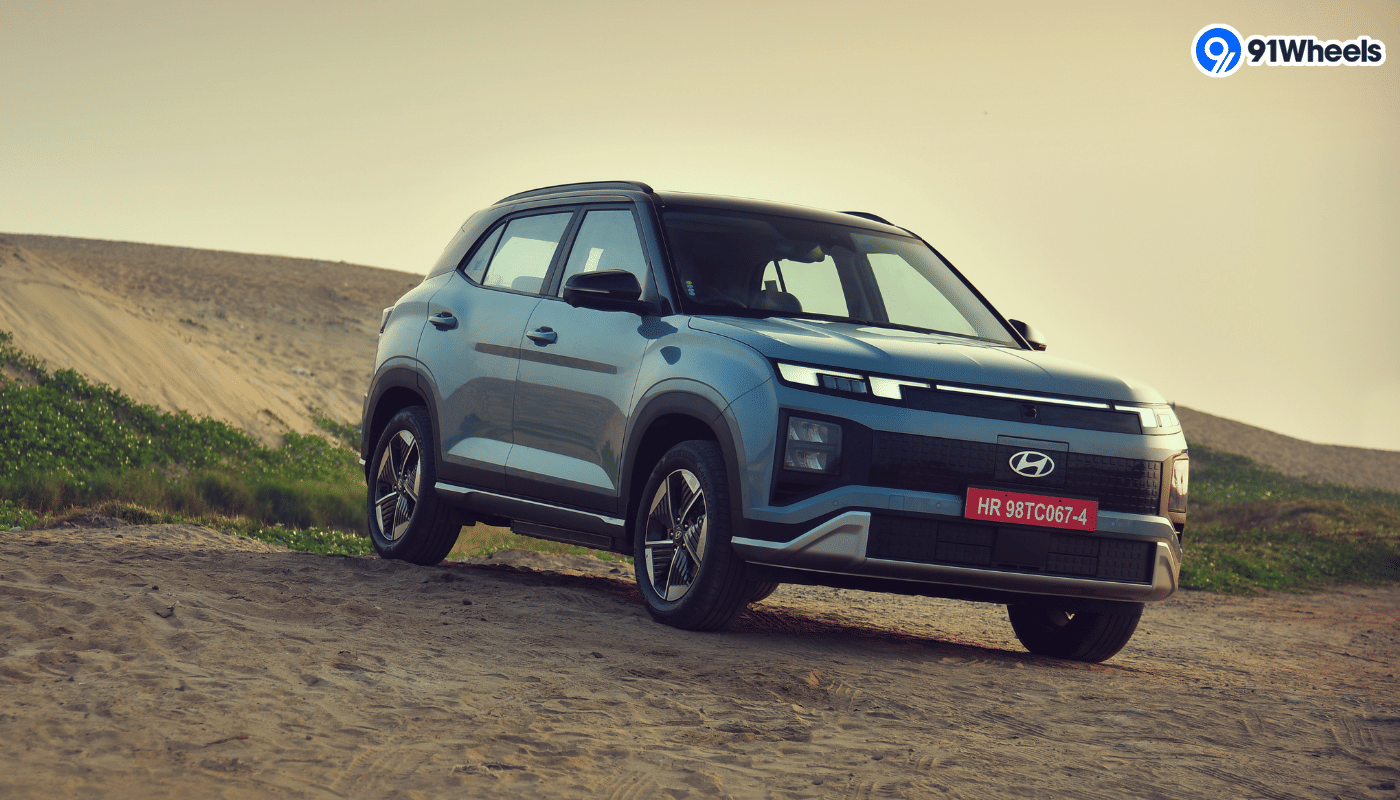
On the surface, Hyundai still looks like a winner. The Hyundai Creta remains a juggernaut, ranking as the second best-selling vehicle in the entire country for much of 2025 and dominating the C-segment with roughly 18,000 units sold in a single month. However, this success is a double-edged sword.
The Creta has become a "one-trick pony" for the brand. It currently accounts for a staggering 32% of Hyundai's total sales. While having a market leader is excellent, relying on it to carry the entire company is dangerous. Contrast this with the new market leaders:
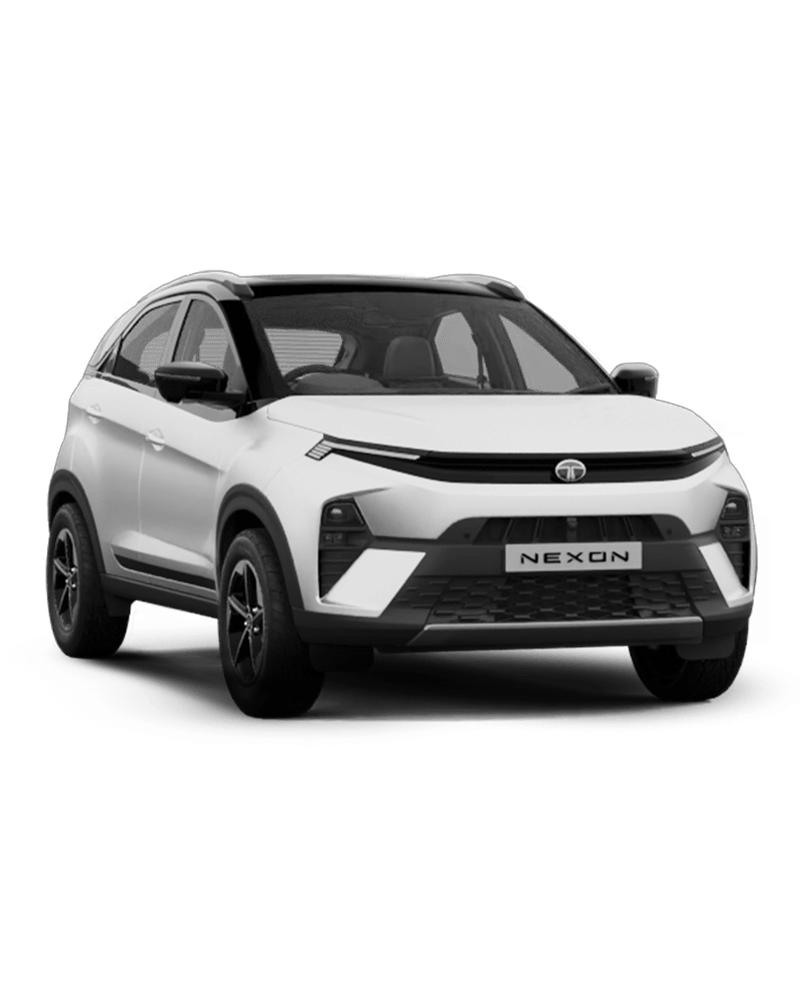
- Tata Motors boasts two heavy hitters: the Nexon and the Punch, which sell 20,000 and 21,000 units respectively, providing a more balanced front line.
- Mahindra, the new number two, shows the healthiest distribution. Their top seller, the Scorpio, contributes only 24% to their total volume.
In Mahindra’s case, the Scorpio, Thar, Bolero, XUV 3XO, and XUV 700 all maintain healthy, consistent sales figures. This diversified success is the hallmark of a resilient brand. If one model loses its luster due to a competitor’s launch, others are there to pick up the slack. Hyundai, conversely, has a massive gap between the Creta and its next best sellers; after the Venue (11,000 units), sales for other models drop off significantly, with most struggling to even cross the 7,000-unit mark.
2. The "Maruti-Lite" Strategy: A Battle Already Lost
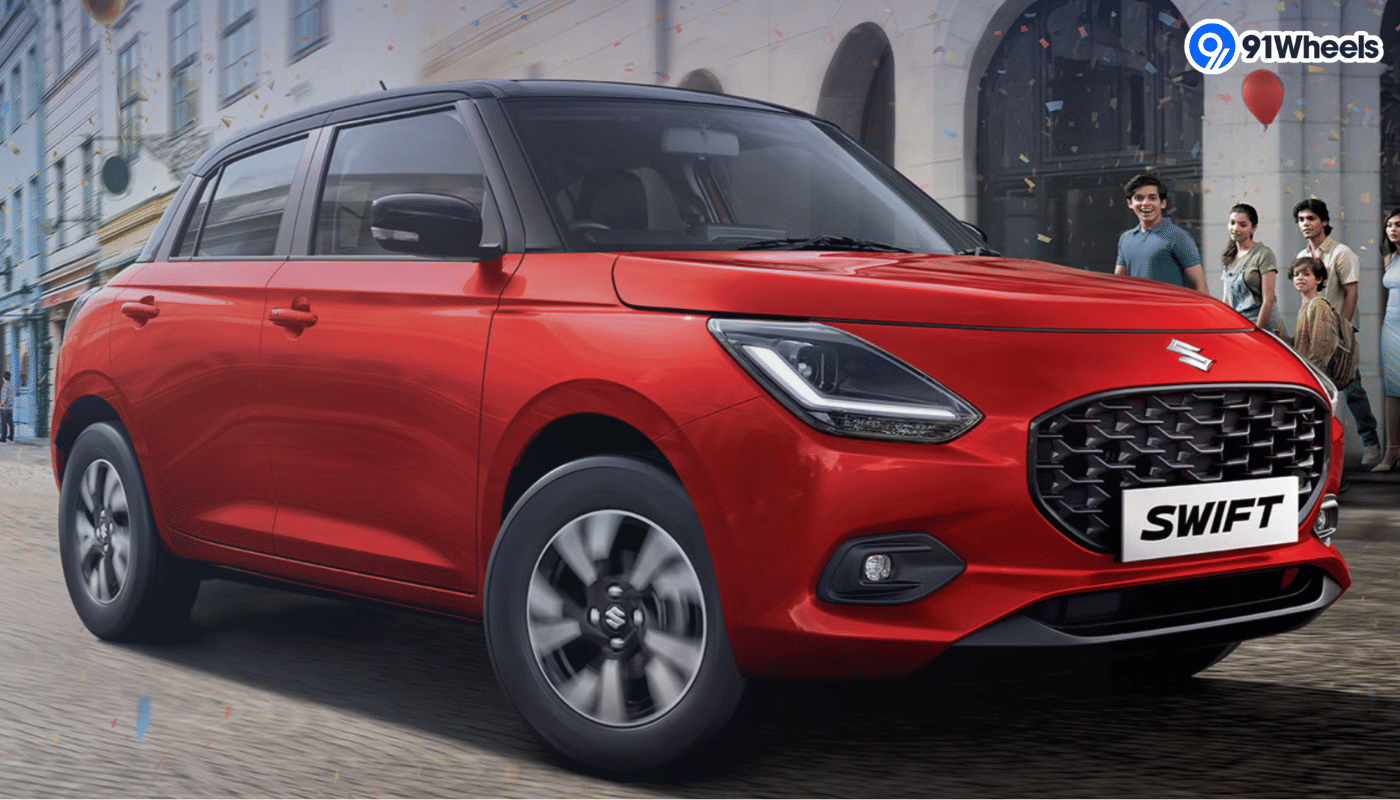
Perhaps the biggest strategic error in Hyundai’s playbook was its attempt to mirror the Maruti Suzuki portfolio. Historically, Hyundai observed Maruti’s success in the small car segment and decided to offer direct alternatives:
- Grand i10 Nios vs. Swift
- i20 vs. Baleno
- Aura vs. Dzire
While this worked a decade ago when the i10, i20, and Creta were all selling in roughly equal proportions, the market has evolved. Today, the small car segment is "Maruti territory" by default. In these direct head-to-head battles, Maruti’s models are currently outselling their Hyundai counterparts by more than four times.
By dedicating nearly half of its portfolio to competing for Maruti’s budget-conscious customers, Hyundai has found itself trapped in a race it cannot win. While cars like the Aura and i10 are respectable, they are often viewed as secondary choices or vehicles for the commercial taxi market rather than aspirational picks for private buyers.
3. The Mileage Gap: The 1.2L Reality Check
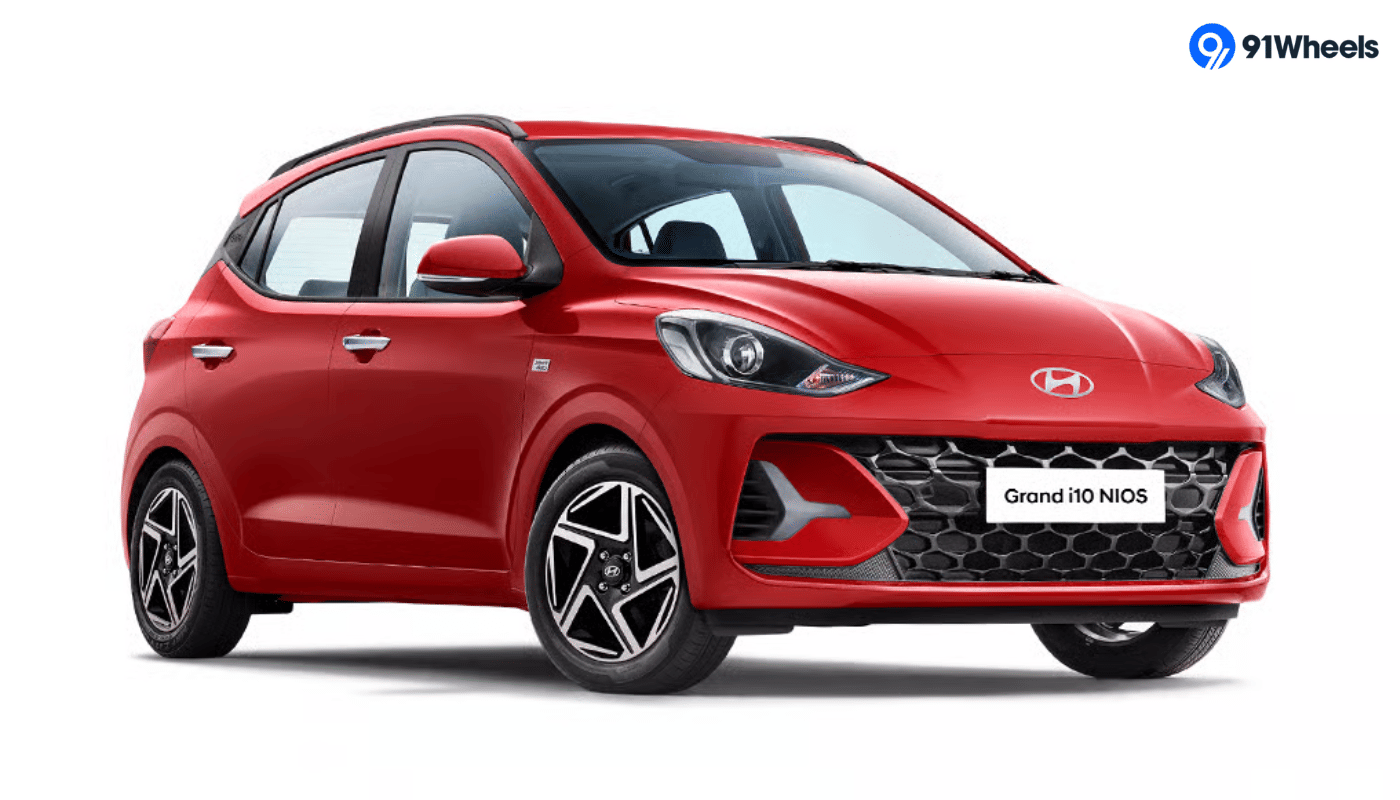
In the Indian market, "Kitna Deti Hai" (How much mileage does it give?) is still the ultimate decider for small car buyers. This is where Hyundai’s 1.2L engines have struggled to keep pace with Maruti’s engineering.
In real-world conditions, such as the dense traffic of Delhi, Maruti’s 1.2L three-cylinder engines are capable of delivering up to 15 kmpl, with highway figures soaring to over 20 km/l. In contrast, Hyundai’s 1.2L naturally aspirated engines and those of most other competitors often hover between 10 to 12 km/l in similar traffic.
For a buyer in the A or B segment, this difference is massive. If a consumer is looking for a small car primarily for value and efficiency, they almost always gravitate toward Maruti because the fuel savings are undeniable.
4. Missing the "Aspirational" Pivot
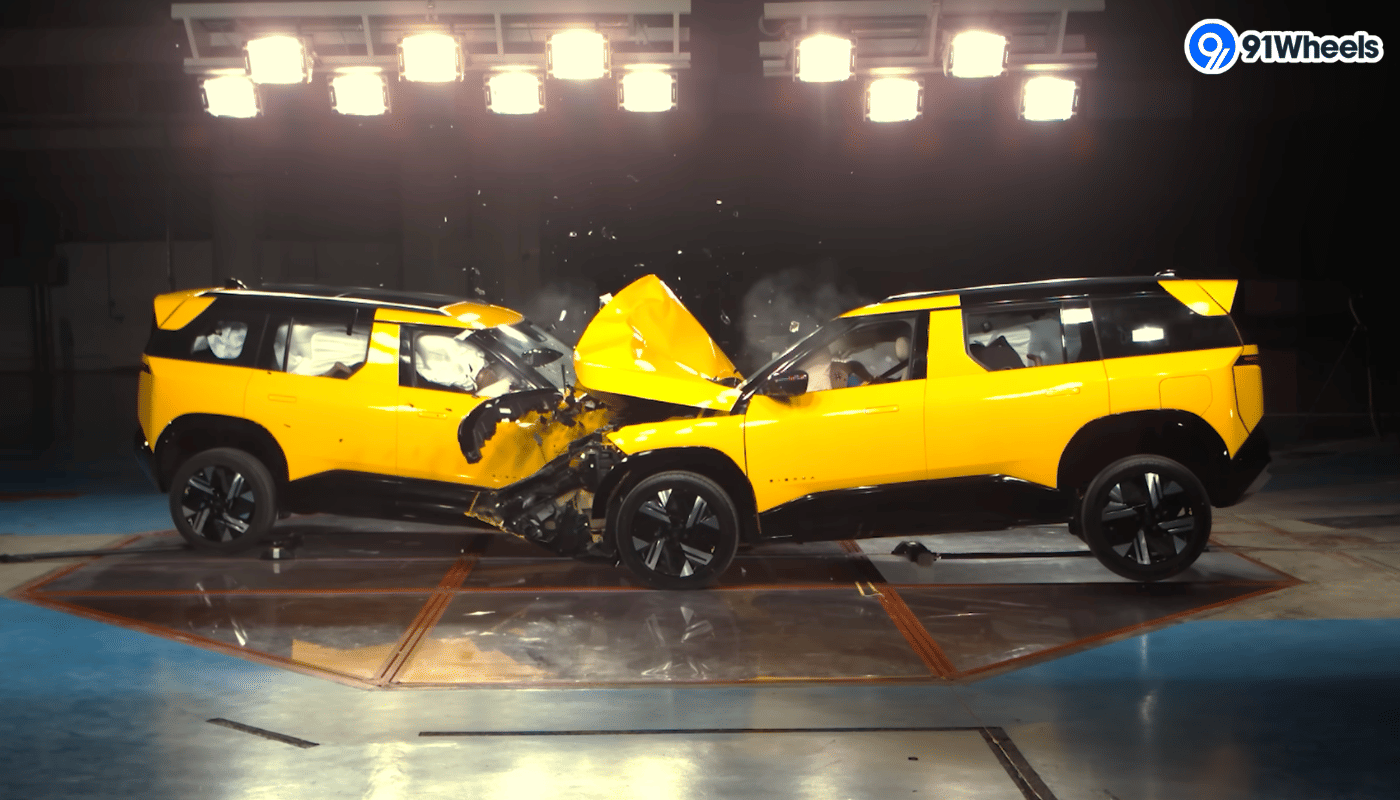
While Hyundai was busy fighting Maruti for the "value" buyer, Tata and Mahindra were busy redefining what Indian consumers want: Aspiration, Safety, and Ruggedness.
Tata Motors pivoted toward safety ratings and bold designs, while Mahindra doubled down on its identity as the "SUV specialist". Mahindra realized they could not beat Maruti at small, high-mileage hatchbacks, so they didn't even try. Instead, they focused on larger SUVs where profit margins are higher and the customer cares more about "road presence" than city fuel efficiency.
Today’s Indian car buyer doesn't just want a tool to get from A to B; they want a vehicle that reflects their status. Hyundai’s small cars are perceived as sensible and reliable, but they lack the "adventure" DNA that has propelled the Mahindra Thar and Scorpio to record heights.
5. The Green Gap: Lagging in Alternative Powertrains
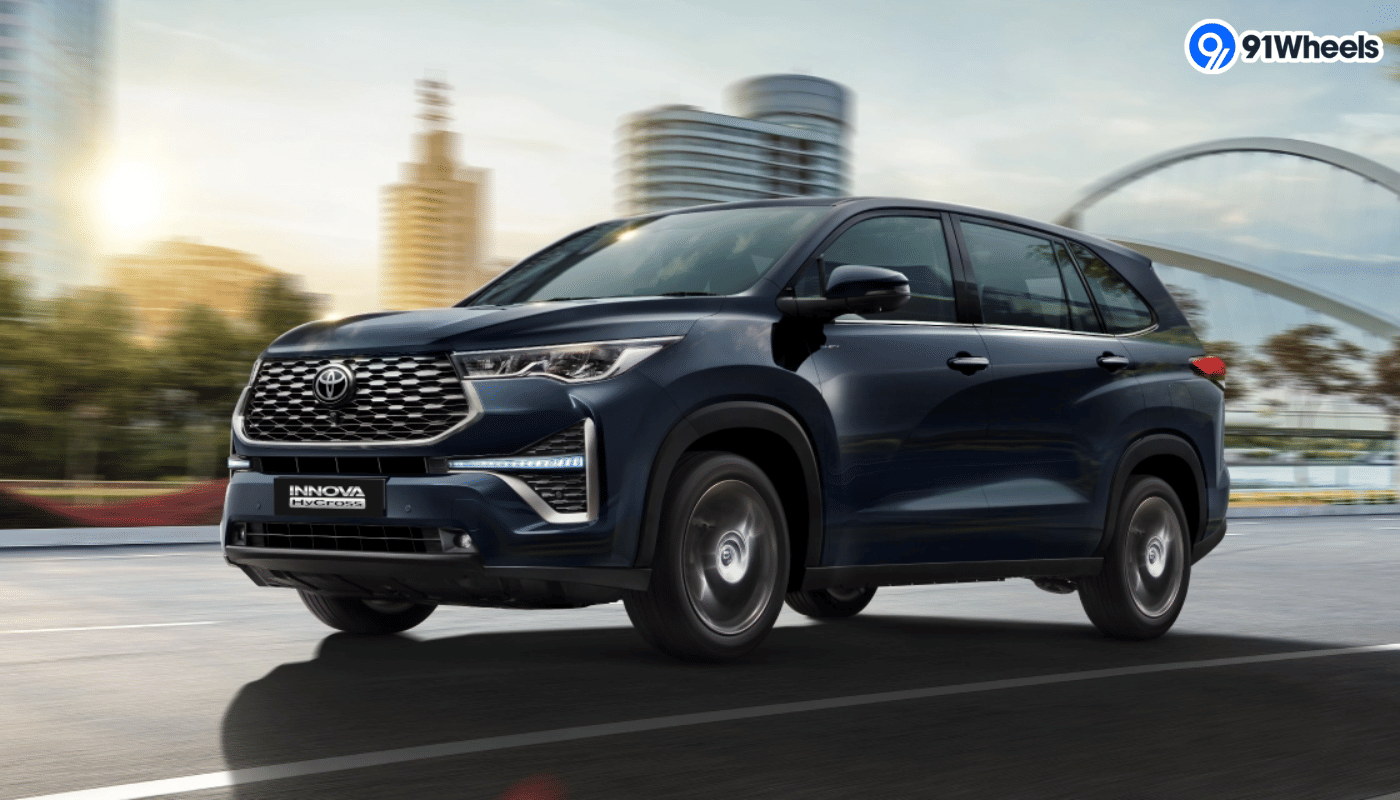
The automotive future is shifting toward Electric Vehicles (EVs) and Hybrids, and here, the "Korean Duo" (Hyundai and Kia) currently finds itself sandwiched between two aggressive philosophies.
- The Indian Brands (Tata/Mahindra): Tata has successfully electrified almost its entire internal combustion engine (ICE) lineup, from the Tiago to the Nexon. Mahindra is also seeing significant success with its EV portfolio, moving roughly 6,500 units a month - the equivalent of a successful petrol model’s sales.
- The Japanese Brands (Maruti/Toyota): These players have focused heavily on strong Hybrids, catering to buyers who want green technology without range anxiety.
Hyundai, meanwhile, has been slow to deploy these technologies at scale in India. While the Creta EV is now here and it is highly reliable due to its shared electronics with ICE models, the brand currently lacks the "EV for everyone" variety that has helped Tata cement its third-place position.
6. The Roadmap for Redemption: 26 Cars by 2030
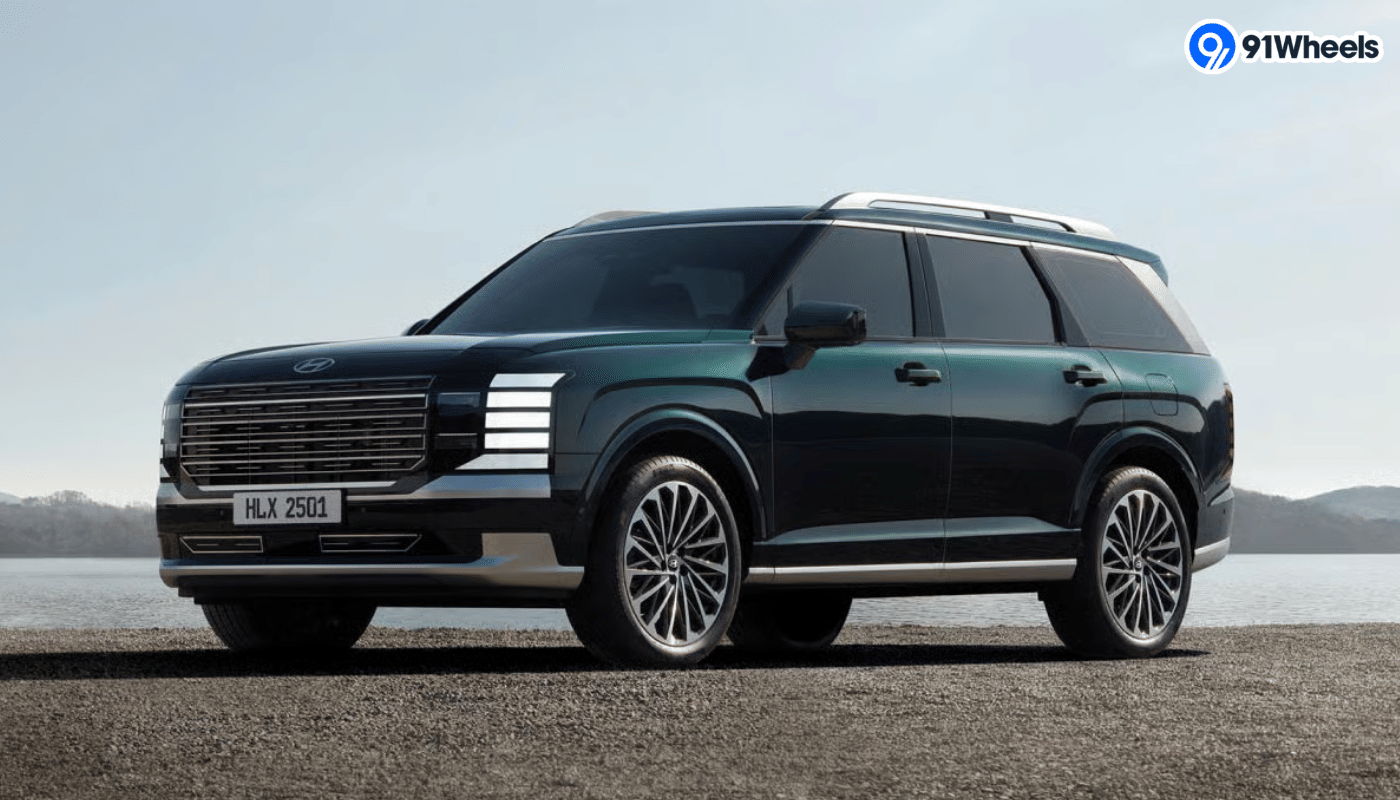
Hyundai is not taking this decline lightly. To reclaim its spot as the second-largest automaker, the company has announced an aggressive offensive: launching 26 new "cars" by 2030. This won't be 26 entirely new nameplates, but rather a mix of seven to eight brand-new models, alongside next-generation updates, facelifts, and new powertrain options.
Key Future Models to Watch:
- The Bayon: A crossover meant to rival the Maruti Fronx. It will likely use the 1.2L and 1.0L engines, though its success may hinge on whether Hyundai can tune these for better power and efficiency.
- The MPV Market: By 2028, Hyundai plans to launch a dedicated MPV to take on the Ertiga and Carens. If priced correctly, this could dominate the taxi and large family market, where the brand already has a strong reputation for service.
- The Luxury Push (Palisade): To compete at the top of the pyramid, Hyundai may bring the Palisade hybrid. Given Hyundai’s history with hybrid tech dating back to 2009, this could be a formidable challenger for the "rich" consumer segment.
- The Off-Road SUV: In a direct shot at the Fortuner and Scorpio, Hyundai is working on a rugged off-road SUV. Whether it's a body-on-frame or a sophisticated monocoque, this car signals Hyundai's intent to move away from being just a "city car" brand and toward being a "lifestyle" brand.
- Born EVs: Beyond the Creta EV, Hyundai is planning "Born EVs" - vehicles designed from the ground up as electric cars.
Conclusion: A Sensible Giant in a Changing World
Hyundai’s drop to fourth place isn't necessarily a sign of failure, but rather a sign of market maturation. The company continues to produce some of the most reliable and feature-rich cars in India. Even at 5,000 to 6,000 units a month, models like the i10 and i20 remain profitable and provide essential alternatives to the Maruti monopoly.
However, to reclaim the silver medal, Hyundai must stop chasing Maruti Suzuki's tail. The battle for the future won't be won by building a better Swift; it will be won by building the most reliable EVs, the most comfortable MPVs, and the most technologically advanced off-roaders. Hyundai has the technology and the service infrastructure to win; they just need to stop playing Maruti’s game and start playing their own.
Do you like this article?
Comments
No comments yet. Be the first to comment!