Kia Syros EV Key Features Explained: Level 2 ADAS, 360 Degree Camera and Ventilated Seats: Check Here

-1.png?w=1200&q=50 "Kia Syros EV Key Features Explained: Level 2 ADAS, 360 Degree Camera and Ventilated Seats: Check Here")
Kia India has finally unveiled the much-awaited Syros EV, its second mass market electric offering after the Carens Clavis EV. The Syros EV mirrors its ICE sibling's design language, carrying the same bold, muscular and rectangular proportions all around. It comes with two battery options, and the larger 51.4 kWh delivers segment leading range of 526 km on a solitary charge. Moreover, Kia hasn't held back on the feature front, offering several modern and useful features backed by a well-rounded safety package. This article breaks down its standout highlights.
Level 2 ADAS
.png)
Kia has offered an extensive set of safety features. The Syros EV comes loaded with Level 2 ADAS spanning 16 autonomous features, that include Forward Collision Avoidance Assist for pedestrians, Smart Cruise Control with Stop and Go, Lane Keeping Assist, High Beam Assist, and Driver Attention Warning. Along with that it also has a Blind View Monitor that shows your blind spot live in the instrument cluster the moment you indicate, a handy touch in city traffic.
Variant: This suite is reserved only for the top-spec X-Line ER trim, alongside the 360-degree camera and Digital Key. Pricing is yet to be officially announced, though estimates suggest Rs 14-20 lakh.
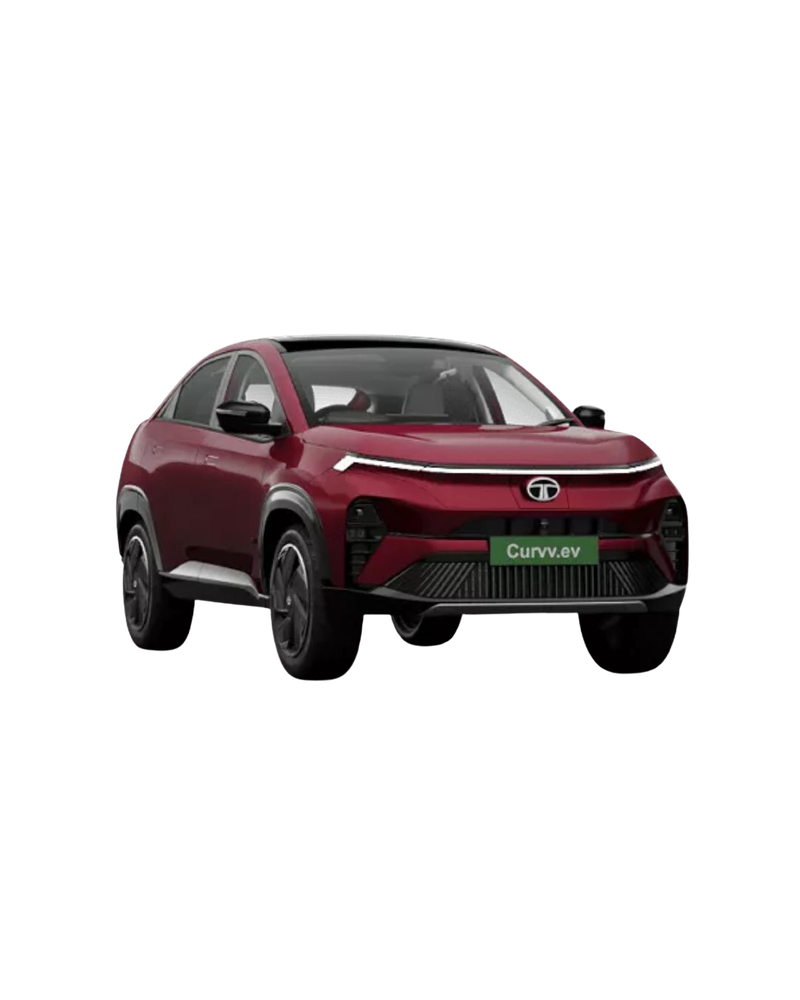
Rivals with Similar Features: The Tata Nexon EV and Mahindra XUV 3XO EV also pack Level 2 ADAS, keeping the segment competitive.
30-Inch Trinity Panoramic Display
.png)
Once you enter inside the Kia Syros EV's cabin, you will be welcomed by a 30-inch Trinity Display Panel, a wide, curved unit that houses the driver's instrument cluster, the infotainment screen, and vehicle information all in one. Moreover, the infotainment system is paired with Kia Connect 2.0, which brings over-the-air software updates so the car can stay current without a trip to the service centre.
Notably, Kia has kept climate control separate from this main panel. A dedicated 5-inch touchscreen handles fully automatic temperature control, so drivers aren't hunting through menus for AC controls, which can be distracting. It's a small decision, but one that keeps the main display focused on driving and entertainment without feeling cluttered.
Variant: The Trinity Display comes as standard from the base HTK trim itself, though Kia Connect 2.0 with OTA updates are reserved for the HTX ER variant and above.
Rivals with Similar Features: In the segment, the Tata Nexon EV and Mahindra XUV 3XO EV both offer 10.25-inch touchscreens, with the XUV 3XO EV pairing it with a matching 10.25-inch driver display. Kia's single-panel approach is larger and feels more integrated, though it remains to be seen how intuitive the software actually is once the car is out for review.
360-degree Camera
.png)
The Syros EV comes with a 360-Degree Camera that stitches together a top-down view of the car, making tight parking spots and narrow lanes far less stressful to navigate. It's part of the broader safety package that also includes Front and Side Parking Sensors and a Blind View Monitor in the cluster.
Variant: The 360 Degree Camera is bundled with the ADAS Level 2 suite, so it's exclusive to the top-spec X-Line ER variant.
Rivals with Similar Features: Both the Tata Nexon EV and Mahindra XUV 3XO EV offer a 360-degree camera as well, so the Syros EV isn't breaking new ground here, but it does keep pace with the segment's expectations.
Panoramic Sunroof
.png)
The panoramic sunroof remains one of the most sought-after features in the segment, and the Syros EV gets a Dual Pane unit that stretches across the cabin, letting in light for both rows rather than just the front. It also gets electric parking brake and auto-hold functionality elsewhere in the cabin, showing Kia hasn't skimped on convenience touches around it.
Unlike a basic single-pane roof, the dual-pane setup gives the second row its own share of the view and natural light, which matters in a segment where rear passengers are often an afterthought. It's a feature that consistently swings buying decisions in this price bracket, and Kia knows it.
Variant: The Dual Pane Panoramic Sunroof is available from the HTX trim onward. Kia hasn't officially confirmed pricing for the Syros EV yet, so we'll update the variant price once it's announced.
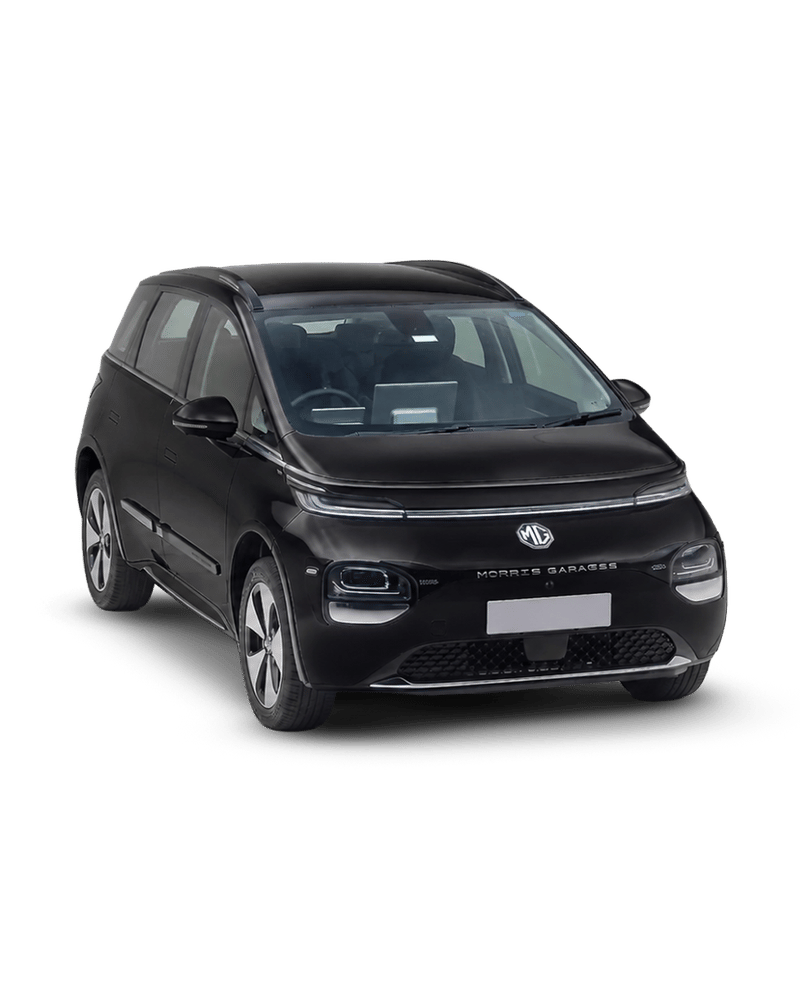
Rivals with Similar Features: Panoramic sunroofs are practically a given in this segment now, with the Tata Nexon EV, Mahindra XUV 3XO EV, and MG Windsor EV all offering one on their higher variants. It doesn't give the Syros EV a standout edge but skipping it would have cost more than including it gains.
Ventilated Seats
.png)
The Syros EV gets Front Ventilated Seats along with Rear Ventilated Seats, a feature that is genuinely useful especially in Indian hot summers when leatherette upholstery can get uncomfortable fast. There's a small but important difference between front and rear ventilation though. At the front it gets full ventilation, while at the back you only get seat ventilation which simply means the seat cushion is cooled and not the backrest.
Variant: Both Front and Rear Ventilated Seats are reserved for the top-spec HTX+ ER variant.
Rivals with Similar Features: Ventilated seats are increasingly common in this segment, with the Tata Nexon EV offering them upfront, though rear seat ventilation specifically remains rare, giving the Syros EV a slight edge here.
Smart Features
.png)
Kia has equipped the all-new Syros EV with a useful set of connected features built around the Kia Connect app.
It has a digital key which allows you to lock, unlock, and start the car straight from your phone. Second you get a remote window control, which rolls the windows up or down remotely. Further, it has find my car feature that works with the Surround View Monitor, showing exactly where you've parked from your phone.
Moreover, there are also Multilingual VR Commands for controlling AC and media by voice in your preferred language, Smartwatch Connectivity, and Kia Connect 2.0 for over-the-air software updates.
Schedule Charging lets you set charging windows around off-peak rates, while Remote Battery Conditioning preps the battery temperature before charging or driving.
Variant: Digital Key and Find My Car with Surround View Monitor are exclusive to the top-spec X-Line trim. The rest are available across the connected variants further down the range.
Rivals with Similar Features: Connected tech and OTA updates are common in this segment now, seen on the Tata Nexon EV and Mahindra XUV 3XO EV. But Digital Key and phone based Find My Car are still rare at this price point, giving the Syros EV an edge.
Our Verdict
The Syros EV feels like Kia's most convincing EV yet, blending genuine tech and comfort with safety that finally matches the segment leaders. ADAS, a massive Trinity screen and rear ventilation aren't gimmicks here, they're thoughtfully placed across trims. Pricing remains the real question. If Kia positions it close to Rs 15 to 18 lakh, it could genuinely unsettle the Nexon EV and XUV 3XO EV rather than just compete with them.
Do you like this article?
Comments
No comments yet. Be the first to comment!