KEY HIGHLIGHTS
- Real range = 60-75% of claimed - a "150 km" scooter does - 100 km in real traffic.
- Charging at home is the game-changer - costs just Rs 20 - Rs 60 per full charge vs Rs 150-200 at a petrol pump
- A strong service network matters more than flashy specs
- Stick to legacy brands if you plan to sell the scooter within the next four to five years
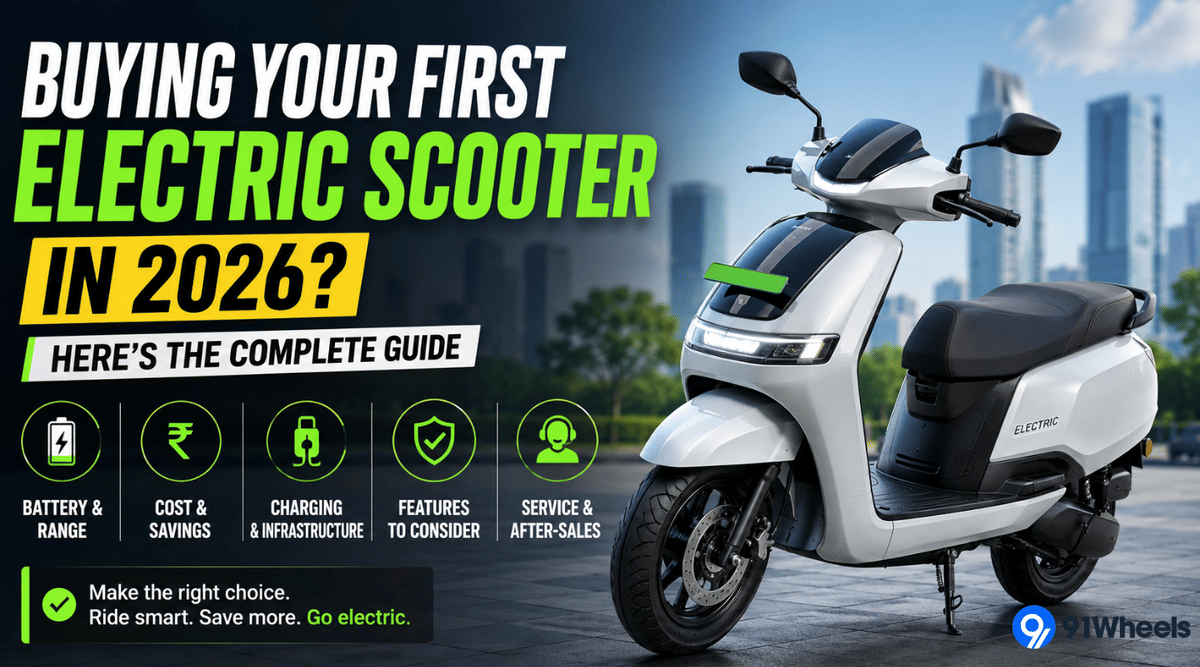
Buying your first electric scooter in 2026 is not just a practical decision, but it also reflects your interest in experiencing new technology and moving towards the future. Currently, there are more than 12 manufacturers in the market, along with dozens of others making highly affordable scooters mainly suited for gig workers and those looking for a simple daily commuter. Below is all the information you need to know about them. In the meantime, do join our 91Wheels Whatsapp Channel to never miss out on the latest automotive updates.
Also Read: How To Get The Best Possible Deal On Your Next Car Purchase
Why 2026 Is The Best Time For Buying E Two-Wheeler?

This is a great time to buy an electric scooter, as even the government wants you to make this shift and is offering special discounts through the PM E-Drive scheme, under which the government pays a part of your scooter's cost directly at the showroom. You simply walk in, buy the scooter, and the discounted price is already reflected on your invoice. No forms to fill out and no waiting for reimbursement.
Under the scheme, the subsidy is Rs 2,500 per kWh, with a maximum benefit of Rs 5,000 per scooter. Additionally, this scheme replaced FAME-II in October 2025 and has now been extended till July 31, 2026. So yes, the time is limited, and all these benefits are waiting for you.
Below is the breakdown of how much you can save depending on your scooter's battery pack.
| Scooter | Battery Size | Subsidy Amount |
| Ampere Reo | 1.44 kWh | Rs 3,600 |
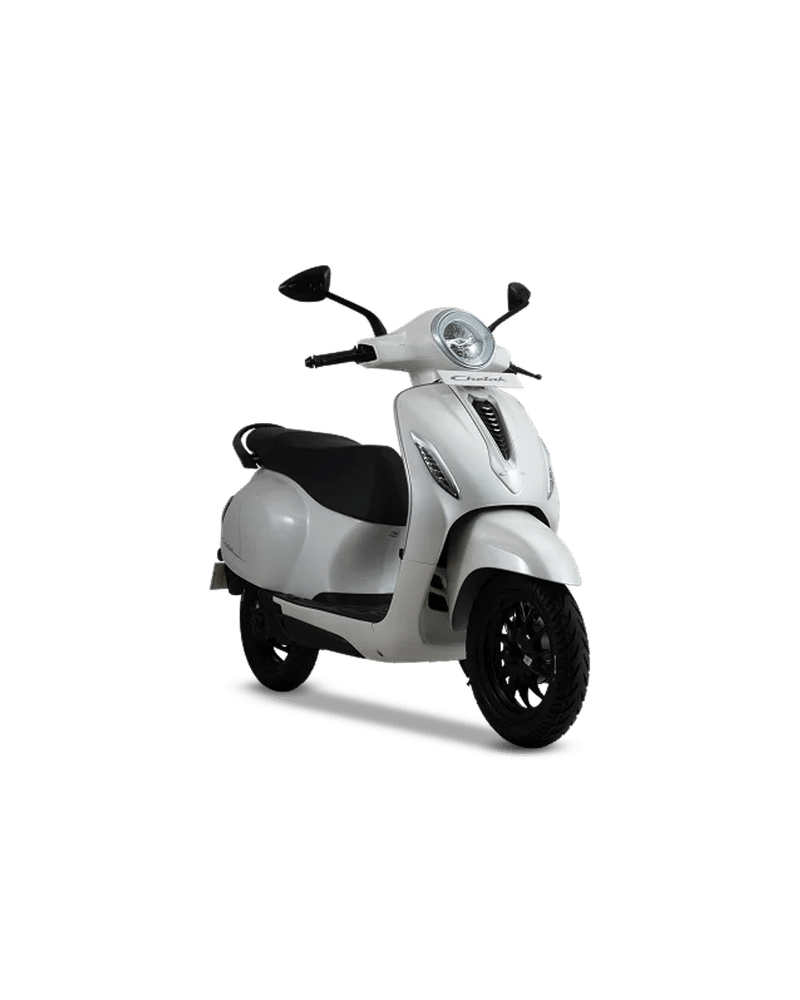
| Chetak C2501 | 2.5 kWh | Rs 5,000 (Max) |
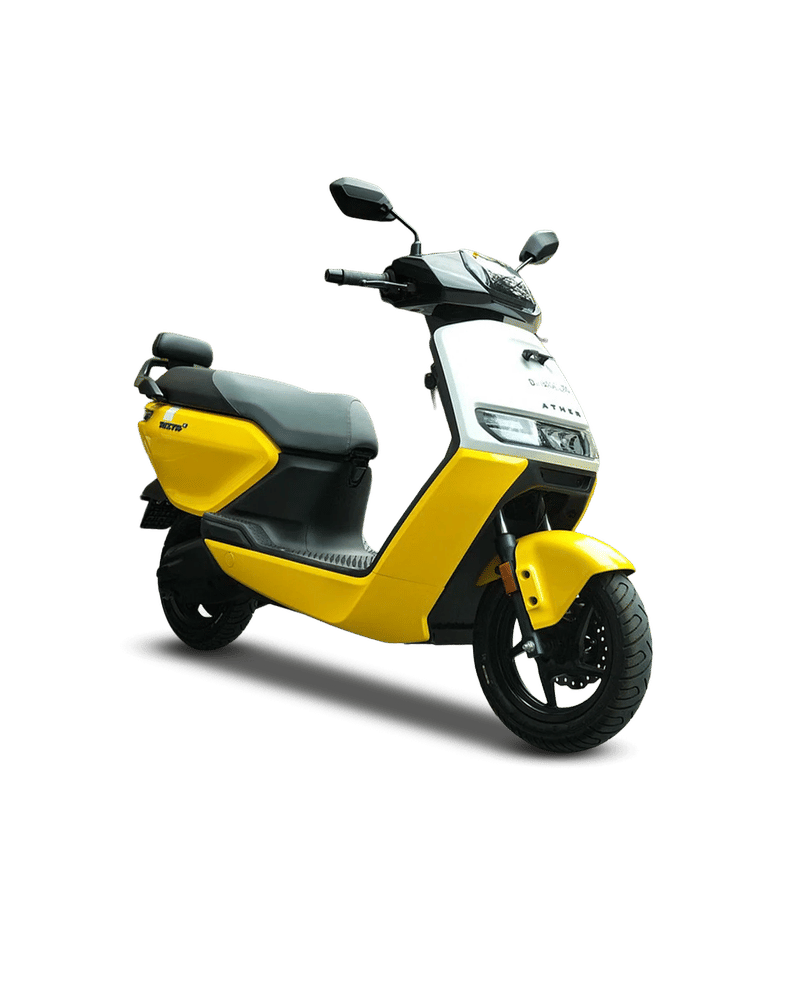
| Ather 450X | 3.7 kWh | Rs 5,000 (Max) |
| Simple Ultra | 6.5 kWh | Rs 5,000 (Max) |
This table clearly shows how much you can save through this scheme. For your information, nearly 90% of electric scooters on sale today are equipped with battery packs larger than 2 kWh. So yes, time is running out, and this is one of the best times to buy an electric scooter.
Understand Types Of Electric Scooter
An electric scooter is a great option compared to a traditional ICE scooter if you plan to use it for office or college commutes, quick runs to the nearby market, or even for long rides within your city or neighbourhood. The reason is simple - the running cost is substantially lower. In the long run, you can easily save thousands of rupees compared to a regular Honda Activa or TVS Jupiter. Let me explain this with an example.

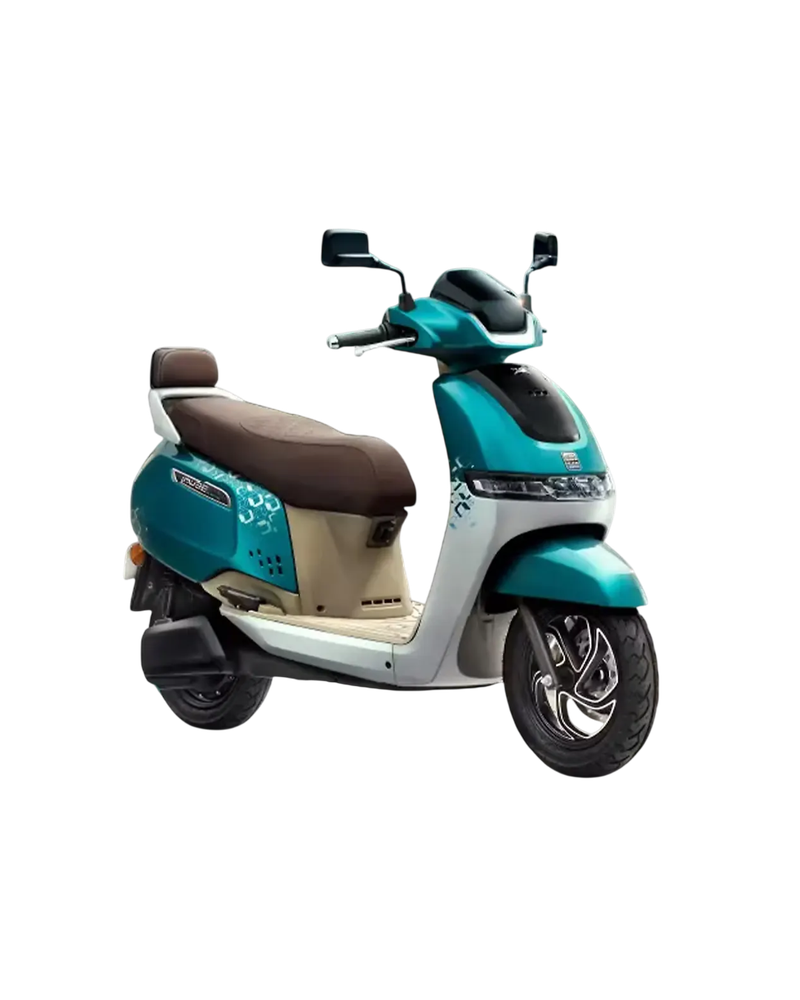
The entry-level variant of the TVS iQube comes equipped with a 2.2 kWh battery pack and offers a claimed range of 94 km. Fully charging it will cost you around Rs 22, assuming the electricity price in your area is Rs 10 per unit.
In comparison, running a traditional ICE scooter will cost at least Rs 97, considering the average price of 1 litre of petrol. Plus, with 1 litre of fuel, a regular scooter can only cover around 45-50 km. This clearly shows how much more affordable an electric scooter can be for daily usage. The difference here is huge, and this justifies why people are switching to electric scooters and moving away from even legendary names that have ruled the Indian automotive sector for decades. Now, let's move on to the different types of scooters.
The Three Categories of Electric Scooters In India
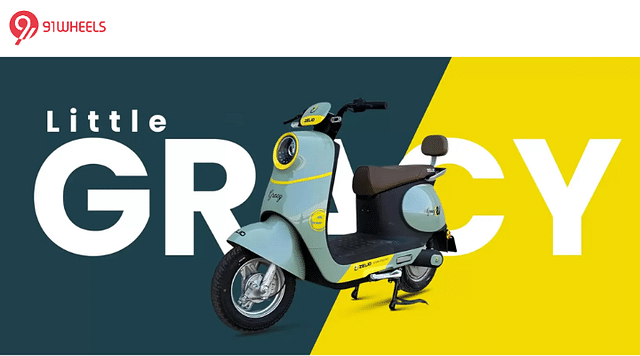
- Low-speed scooters (under 25 km/h) : No licence required, no registration required. Priced from Rs 25,000 - Rs 60,000. Fine for last-mile use and college campuses, but not for main road commuting. Best for your kids in school and if they're above the age of 15, as for tuitions or school they can use it. Example of it are - Zelio Little Gracy, Zelio Eeva, and NIJ Automotive Accelero R14. These also do not qualify for PM E-DRIVE subsidies.
- High-speed scooters (25-80 km/h): The mainstream segment. Require a valid driving licence and registration. Price range: Rs70,000-RS 2,00,000+. Eligible for central and state subsidies. This is what most urban buyers should be looking at. There are now 20+ options for these, and the best selling ones also falls in this category, like the Bajaj Chetak, TVS iQube, and Ather Rizta.
- Premium/Performance scooters (above Rs 1.5 lakh): These are preferred by enthusiasts who crave a thrilling riding experience, along with a long-range battery pack and high-tech features. It is important to note that the PM E-Drive scheme will not apply here, as these scooters are equipped with battery packs larger than 3-4 kWh. However, state-level subsidies may still be applicable.
5 Things To Know
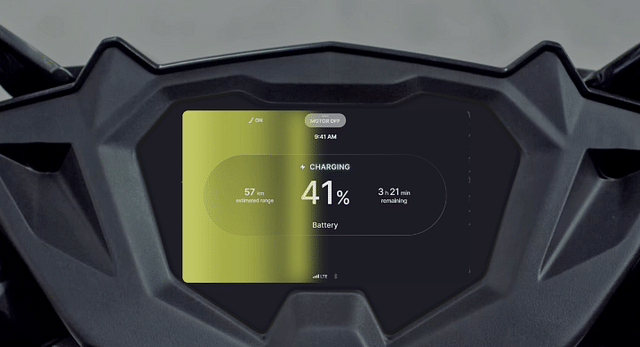
1. The Range on the Brochure Is Not Completely True - Manufacturers quote lab range. Real-world riding - traffic, inclines, a pillion - gives you 60-75% of that. A scooter claiming 150 km will realistically do 90-110 km. Calculate your daily round-trip, add 20%, and that's your minimum requirement.
2. Figure Out Charging Before You Buy Own a house or have a parking socket? You're sorted - plug in overnight for Rs 20- Rs 60. Live in a flat?Check with your RWA first. Many societies still haven't installed charging points. Street parking? An EV may not be practical for you yet. This one question can make or break ownership.
3. Battery Warranty Varies Wildly - Ask Specifically Hero Vida gives 5 years. Bajaj Chetak covers 3 years / 50,000 km. Ola "varies by variant." Always ask for the battery warranty in writing, not just the scooter warranty. They're different things.
4. The Cheapest Scooter Can Be the Most Expensive Mistake If the nearest service centre is 50 km away, that Rs 10,000 saving evaporates fast. TVS, Bajaj, and Honda win on network. Ather covers 180+ cities. Verify your city specifically - not just "pan-India presence."
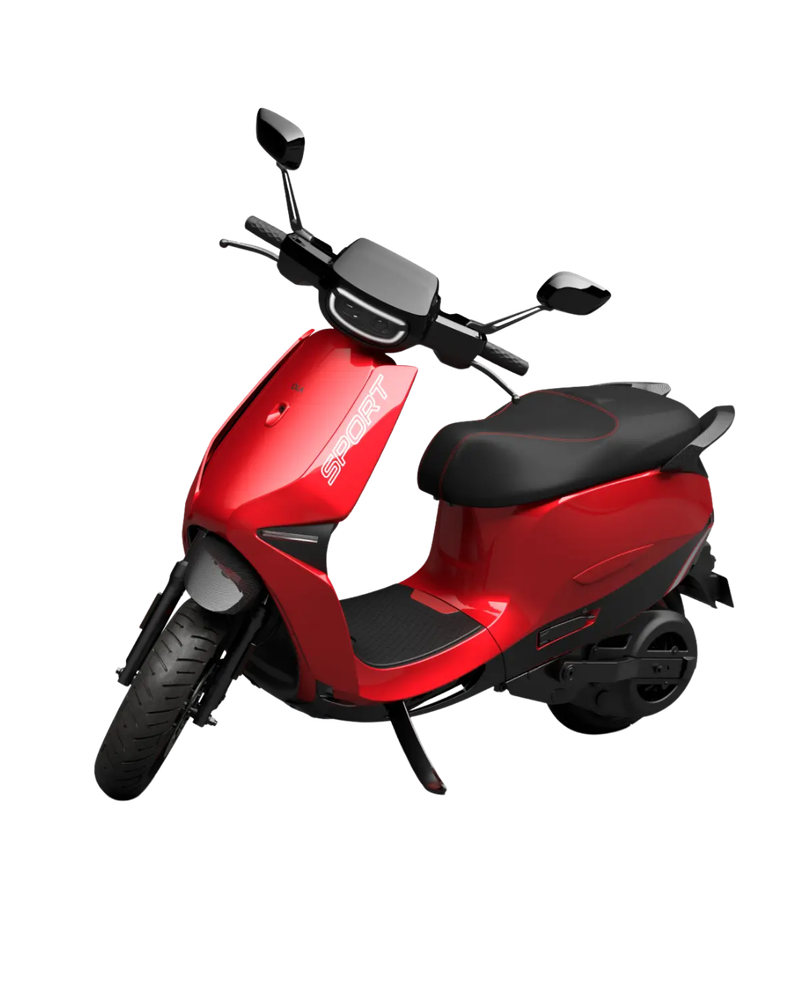
5. Resale Value Is Still Uncertain Territory The EV resale market is young. Bajaj Chetak, TVS iQube, and Honda Activa e are safest bets for holding value. Ola's resale story is still being written. If you plan to upgrade in 3-4 years, brand choice matters more than specs.
Verdict
One of the most basic things you should not ignore is finding out how you can save money, as various schemes and discounts are usually available on these scooters. So, don't forget to check for them. Also, make sure to take a test ride to experience the build quality, check the quality of the switches, and ride it at higher speeds to understand its actual strengths and weaknesses. And remember, the best scooter is not the one with the flashiest specs or the highest claimed range. It's the one that suits your daily commute, can be conveniently charged where you live, has a service centre you can easily access, and comes from a brand you can trust for the next five years.
Do you like this article?
Comments
No comments yet. Be the first to comment!