

KEY HIGHLIGHTS
- Higher octane petrol improves a car's efficiency and performance, especially if it has a turbo-petrol engine.
- Volkswagen Group of cars recommends customers fill high-octane fuel, with a minimum of 95.
- Read the full report to understand better.
Whenever we reach a petrol pump or gas station in India, the pump attendant (bhaiya) always asks us, "Normal wala ya Power?" He is referring to high-octane petrol, which is Rs 5 to Rs 6 more expensive than normal petrol, usually 91 Octane. Checking the price difference, 95% of car buyers switch to the regular one and never even think about the actual benefit of high-octane fuels. However, it has become imperative to understand, as turbocharged petrol engines are now available in almost every modern car, and they perform better with the expensive petrol. So, follow me as I explain the difference between these two types of petrol available in India. For more information like this, do follow the 91Wheels Whatsapp Channel to never miss out on automotive updates.
Also Read: Mahindra Thar Roxx With New Mocha Grey Interior Hits Dealerships
Normal Petrol vs High Octane Petrol
In India, where naturally aspirated petrol engines are the base in almost every mass-marketer car, filling up with a regular petrol makes more sense, as they engineered in way that they can are still reliable to work on fuel - that is isn't the purest in its form, and still doesn't create any trouble. Also, now the governments are even adding 20% ethanol, which is developed by fermenting, sugarcane, corn and several other biomass products. As per the goverment, this step is taken to gradually loose dependency on the fossil fuels, which is heavily imported in India.
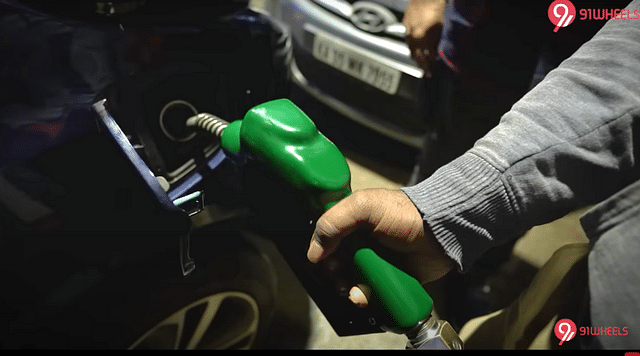
Now, the second one with high octane has a better combustion process and is resistant to knocking, which in simple words means the fuel is burning in the right and controlled way. Moreover, these are required in cars with turbo petrol engines, as they have to work a lot, because the exhaust gases are re-entered into the engine through a turbocharger. To add more, it isn't absolutely compulsory to only add high-octane petrol in turbocharged cars, but when you put that oil, the fuel efficiency and overall performance improve by almost 3% to 5%.

In India, we get XP95 and XP100 from Indian Oil, Speed 97 from Bharat Petroleum, and Power 99 from Hindustan Petroleum.
| Criteria | High Octane | Normal Petrol |
| Octane Rating | 95 to 100 | 89 to 91 |
| Price | Rs 100 Plus | Rs 94.77 (In Delhi) |
| Engine Additive | Contains cleaning additives | No additives |
| Mileage | Marginally better for performance oriented cars | Standard mileage |
| Engine Performance | Slight improvement in performance cars, fuel burn more efficiently | Regular performance |
| Emission Levels | Lower due to additives | Regular emissions |
| Recommended For | Turbo charged engines, and performance oriented cars and bikes | Naturally aspirated petrol engines |
Why The High Octane Is Recommended?
Simply, because they are a purer form of petrol, which your engine likes more. The newer cars, although compliant with the latest government emission norms, support any fuels that have other mixes like ethanol and other substances. But the plain basic reason why you should also choose this is that, in everyday driving, the difference is clearly felt.
The engine response becomes better, the refinement is visible from the first go, and even fuel efficiency goes up. Overall, the life of your engine will improve, which also results in lower maintenance costs in the long term. Several premium car manufacturers straight away notify their customers to only use high-octane fuel, as for larger engines with more cylinders and cubic capacity, only the purest fuel can create a difference. Lastly, mass-market brands like Volkswagen also recommend the usage of high-octane fuel, even in their entry-level cars, as they're engineered in that manner.
Also Read: What Is Buyback? How It's a Gateway To Owning A Premium Vehicle
Verdict
This is the core difference between power petrol and regular one, and for high-performance cars, the high-octane one is always recommended as they perform better and will remain healthier for a long time. There have been several cases reported where the turbocharged petrol engines from the Volkswagen Group got damaged in 6 to 7 years, as the owner was filling only the normal petrol, which creates knocking problems in the long run, and the same happened to him. So, these things are very important to know if you are opting for performance-oriented cars.
Do you like this article?
Comments
No comments yet. Be the first to comment!