MATTER Unveils India's First AI-DV Platform; Announces New Product Roadmap

KEY HIGHLIGHTS
- Unveiled India's first AI-Defined Vehicle (AI-DV) platform
- Vehicles become adaptive, predictive, and continuously improving
- Intelligence governs power, battery health and thermal management
- Plans expansion into five two-wheeler categories
- Building long-term deep-tech company with hundreds of patents
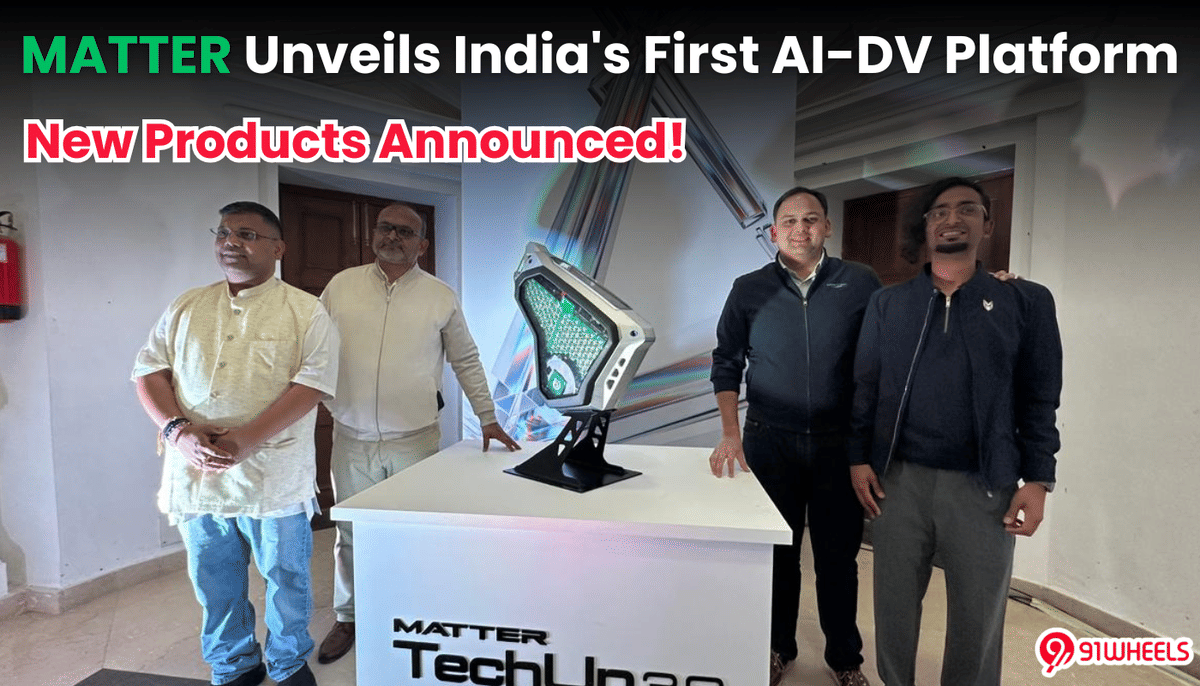
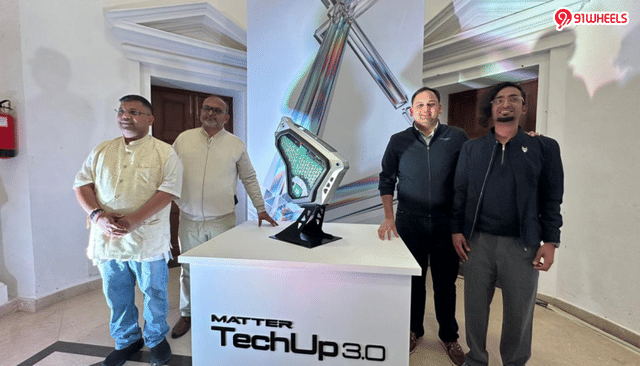
Indian electric mobility startup MATTER has taken a bold step toward reshaping the future of two-wheelers by unveiling what it calls the country's first AI-Defined Vehicle (AI-DV) platform at its Technology Day 3.0 event. Alongside the platform reveal, the company also laid out a comprehensive product expansion plan, signaling a major shift in how electric two-wheelers will be developed, experienced, and evolved over time.
Rather than treating electric motorcycles as just hardware powered by batteries, MATTER is positioning intelligence as the core of its future vehicles. According to the company, this new platform is designed to make vehicles adaptive, predictive and continuously improving - marking a departure from traditional mechanical and even software-defined architectures. Before you move ahead, join our 91Wheels WhatsApp Community to stay versed on the latest automotive news.
Read more: Ather 450X Gets Infinite Cruise; How Does It Work?
What's The AI-DV Thing?
For decades, motorcycles have largely been shaped by mechanical engineering, with later improvements coming through electronics and software. MATTER's AI-DV approach aims to move beyond this model by embedding intelligence directly into the vehicle's core systems.
In simple terms, this means that instead of relying only on pre-programmed behaviour, future MATTER two-wheelers will be capable of learning, adapting, and optimizing themselves in real-world usage. This intelligence will influence everything from power delivery and energy usage to thermal management, reliability and long-term performance consistency.
The company describes this as a structural transformation rather than a feature upgrade - suggesting that this is not just about adding smart functions, but about redefining how a vehicle is designed from the ground up.
Built on MATTER's Existing Engineering Foundation
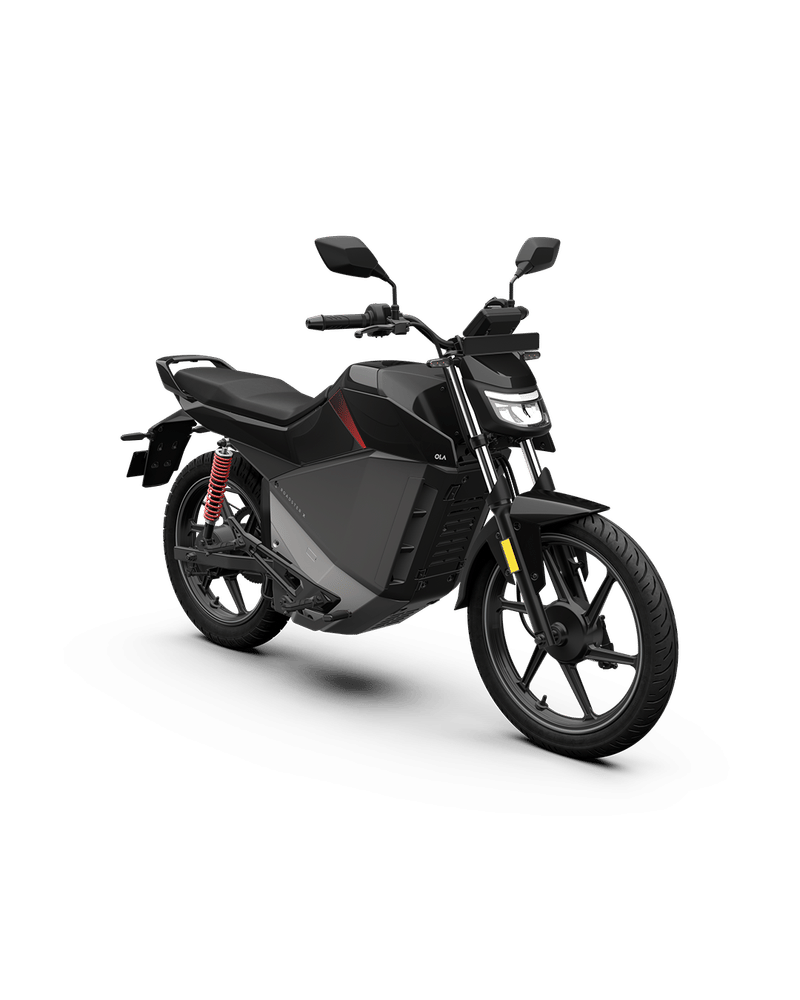
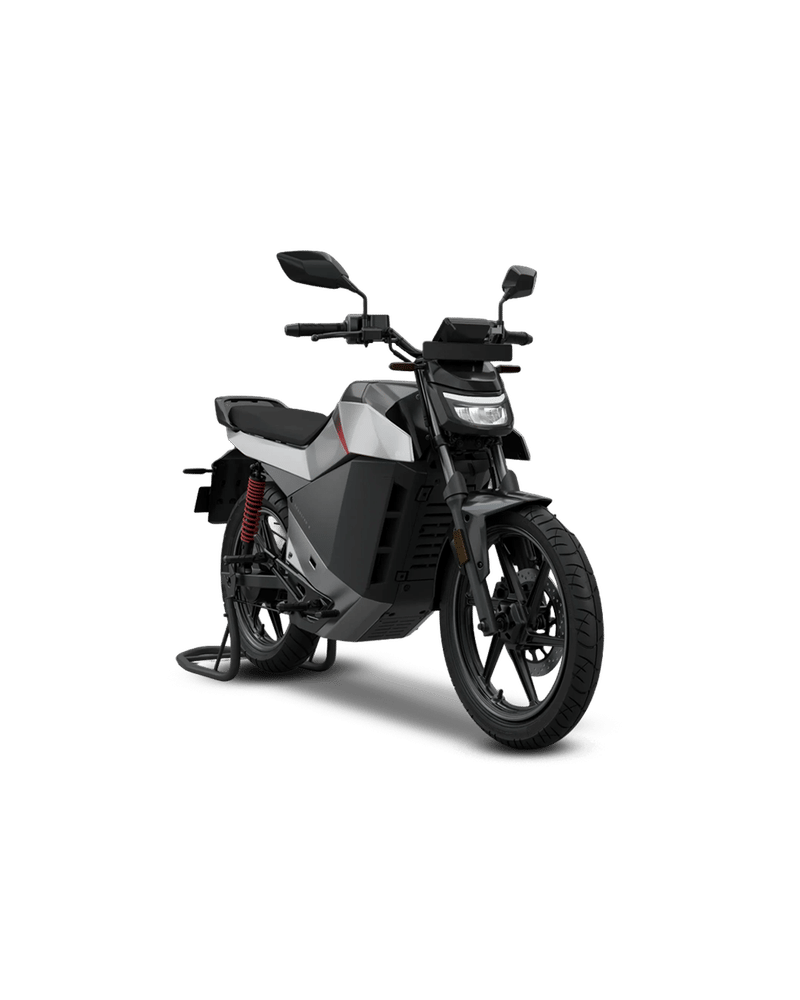
MATTER also highlighted that this leap toward AI-defined mobility did not happen overnight. Its flagship electric motorcycle, the AERA, already serves as a foundation for this transition.
The AERA introduced several first-of-its-kind technologies for the electric two-wheeler segment, including a geared transmission system, liquid-cooled powertrain components, and deeply integrated electronic controls. Over time, these systems have been enhanced via over-the-air updates, allowing the bike's performance and behaviour to evolve without hardware changes.
This ability to upgrade and refine vehicle characteristics remotely plays a central role in the AI-DV philosophy - where the product continues to mature even after reaching the customer.
From Software-Defined to Intelligence-Driven
While software-defined vehicles introduced the idea of connected updates and feature expansions, MATTER's AI-DV platform goes a step further by embedding decision-making intelligence directly into control systems.
This allows vehicles to:
- Adjust power delivery dynamically based on riding conditions
- Monitor battery ageing and optimize long-term health
- Actively manage thermal loads instead of reacting after issues arise
- Predict potential faults before they become failures
- Improve efficiency and consistency over time
In effect, the motorcycle becomes a living system rather than a static machine.
Intelligence-Governed Materials and Components
One of the more intriguing aspects of MATTER's approach is its focus on how intelligence can govern not just software, but also how materials behave in real-world conditions.
The company is exploring new motor designs that do not rely on rare-earth materials, adaptive flux technologies, advanced sensor networks, and cell-level battery intelligence. These innovations are aimed at improving durability, efficiency, and long-term ownership experience - areas that often determine the real-world success of EVs.
By letting intelligence manage stress, wear, and degradation, MATTER hopes to create vehicles that maintain performance levels for longer periods.
Centralised Intelligence Architecture
Another highlight of the AI-DV platform is its domain-integrated compute structure. Instead of spreading intelligence across multiple isolated controllers, MATTER's system centralises computing power for faster decision-making, lower latency, and easier scalability.
This also allows future models to benefit from the same core architecture without redesigning systems from scratch - helping the brand introduce new products more efficiently.
New Product Segments Announced
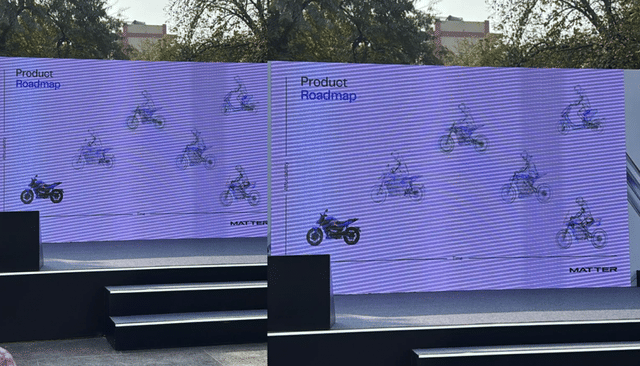
At Technology Day 3.0, MATTER also revealed its expansion roadmap for the next three to four years. The company plans to enter five distinct two-wheeler categories using its AI-DV backbone:
- Naked street motorcycles
- Streetfighter-style motorcycles
- Adventure motorcycles
- Youth-oriented commuter bikes
- Electric scooters
This wide spectrum suggests that MATTER intends to address a large share of India's two-wheeler market, rather than staying limited to niche performance products.
Long-Term Technology Focus
MATTER emphasised that it is building a long-term deep-tech company rather than just a vehicle manufacturer. The company claims to have filed hundreds of patents, with a significant number already granted - covering everything from drivetrain systems to battery management and intelligence-driven architectures.
This focus on intellectual property and core technology suggests a strategy aimed at sustained leadership rather than short-term market plays.
Read more: Kawasaki W230 Officially Teased for India; Launch Soon?
Verdict
If MATTER's AI-DV platform delivers on its promise, it could change how Indian consumers perceive electric two-wheelers - not just as cleaner alternatives, but as smarter, more adaptive machines. Instead of choosing a bike that remains unchanged for years, future MATTER customers may own vehicles that evolve, improve, and personalise themselves over time. As the EV space becomes more crowded, this intelligence-first approach could become a key differentiator.
Do you like this article?
Comments
No comments yet. Be the first to comment!



.png?w=240&q=40 "Best Bikes Under Rs 2 Lakh: 5 Top Picks From Sports to Adventure")