KEY HIGHLIGHTS
- Extreme summer heat gradually reduces EV battery driving range.
- Direct sunlight parking damages batteries more than summer charging.
- Liquid-cooled battery systems handle Indian heat conditions far better.
- Passive cooling systems struggle heavily during extreme Indian summers.
- Charging during cooler night hours helps reduce battery stress.
EV Batteries: If you are considering buying an electric vehicle in India, this question has probably crossed your mind - especially if you live somewhere like Nagpur, Jaisalmer, or even Delhi in May. The short answer is: yes, heat affects EV batteries. But how much should it actually worry you as a buyer? Let's cut through the noise. Before moving ahead, make sure you join our 91Wheels WhatsApp Community to stay versed on the latest automotive news.
Read more: Hyundai Creta Lineup Revised: SX Tech and SX(O) Variants Removed
What Heat Does Inside a Battery Pack
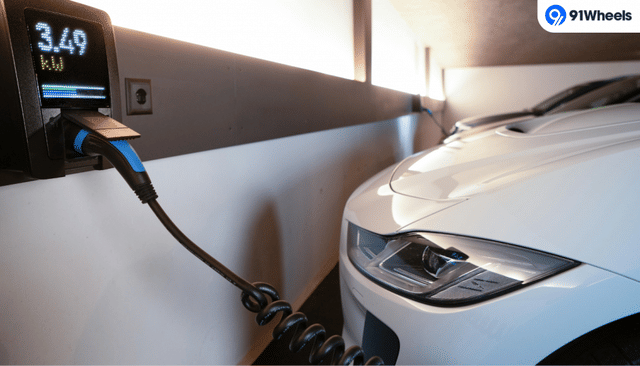
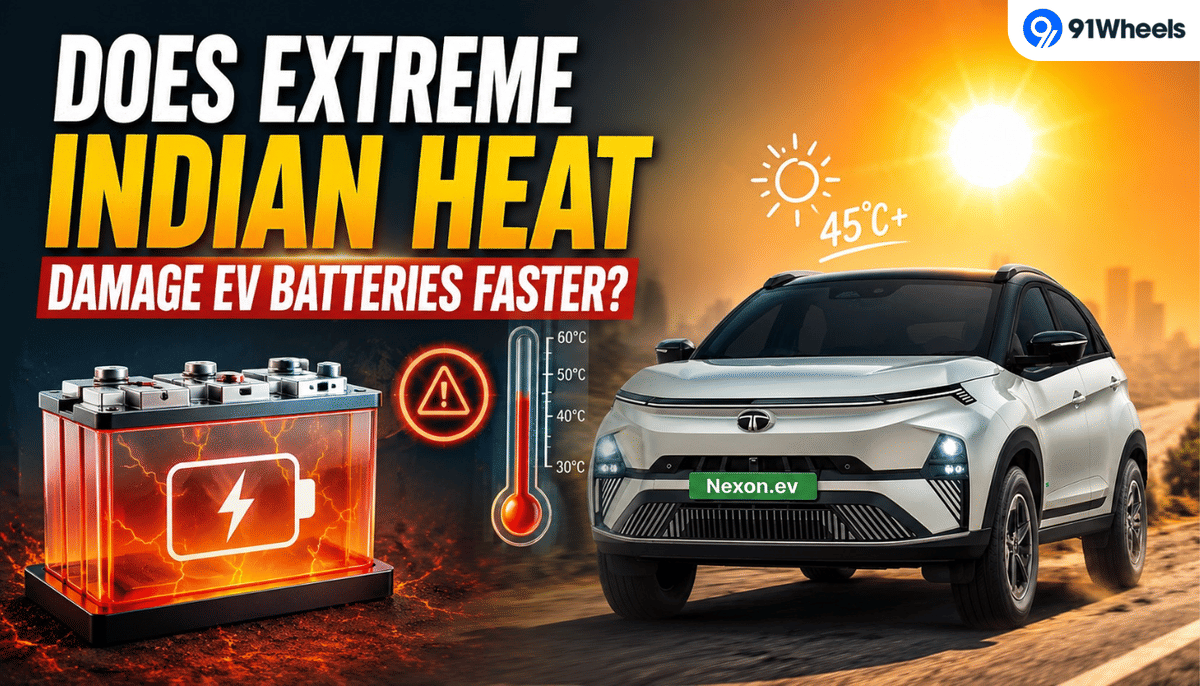
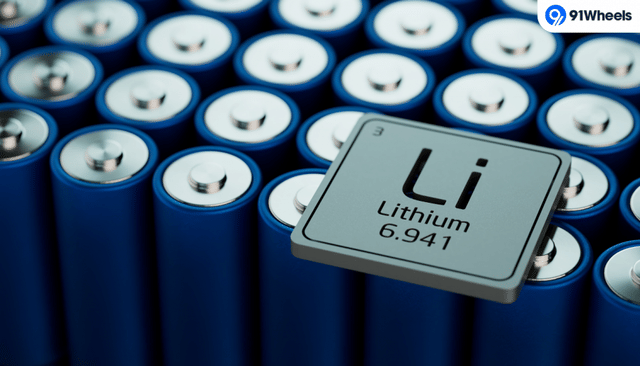
EV batteries are essentially large collections of lithium-ion cells. These cells operate best between 15 degree Celsius and 35 degree celsius. When ambient temperatures push past 40 degree celsius- which is routine across large parts of India for three to five months a year - the chemistry inside those cells starts working harder than it should.
The real culprit isn't one hot afternoon. It's cumulative thermal stress. Every time a battery heats up beyond its comfort zone and then cools down, it causes microscopic wear on the cell's internal structure. Over hundreds of such cycles, the battery's ability to hold a full charge slowly erodes. In plain terms: your 200 km range today might quietly become 170 km two summers from now.
Parked Cars Are the Bigger Problem
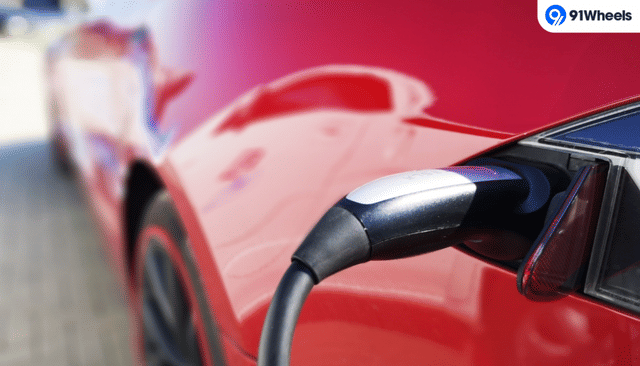
Most buyers think charging in summer is the dangerous part. It isn't. Parking your EV outdoors in direct sunlight - with no shade and no active cooling - is where the real damage accumulates.
A car parked in the sun in Ahmedabad can see cabin temperatures above 60 degree celsius. Battery packs sit low and are somewhat shielded, but in entry-level EVs without robust thermal management, pack temperatures can still cross 45-50 degree celsius during prolonged outdoor parking. That's the zone where degradation accelerates noticeably.
Not All EVs Handle This the Same Way
Here's what separates a smart purchase from a regrettable one in the Indian context:
Liquid-cooled battery systems (found in most global-platform EVs like the Tata Nexon EV, MG ZS EV, and BYD models) actively circulate coolant around the battery pack, keeping temperatures within a safe range even in scorching conditions. These systems add cost but meaningfully extend battery life.
Air-cooled or passively managed systems, common in budget two-wheelers and some three-wheelers, have no active mechanism to shed heat. They rely on airflow and ambient conditions. In a 45 degree celsius environment with zero breeze, that's a significant disadvantage.
Before you finalize any EV purchase, ask the dealer one direct question: Does this vehicle have an active liquid-cooled Battery Management System (BMS)? The answer will tell you a lot.
Practical Steps You Can Take as an Owner
- Park in shade or covered parking whenever possible - this single habit reduces thermal stress more than almost anything else.
- Avoid charging immediately after a long drive in peak afternoon heat; let the pack cool for 20-30 minutes.
- Don't charge to 100% daily - keeping the battery between 20 percent and 80 percent reduces heat-related wear during charging cycles.
- Use scheduled charging to charge during cooler night hours if your EV supports it.
Read more: KTM 490 Duke: All You Need to Know About This Upcoming Streetfighter
Verdict
Indian summers are genuinely tough on EV batteries - tougher than conditions in Europe or North America, where most EV technology was originally designed. But this doesn't mean EVs are a bad choice here. It means the quality of thermal management in the vehicle you choose matters enormously. Buy an EV with a proper liquid-cooled BMS, park smartly and your battery will likely outlast your ownership period without dramatic degradation.
The heat is a real factor. It just shouldn't be a dealbreaker - as long as you are buying the right vehicle.
Do you like this article?
Comments
No comments yet. Be the first to comment!