EV Battery Health 101: How to Make Your Scooter Battery Last Longer

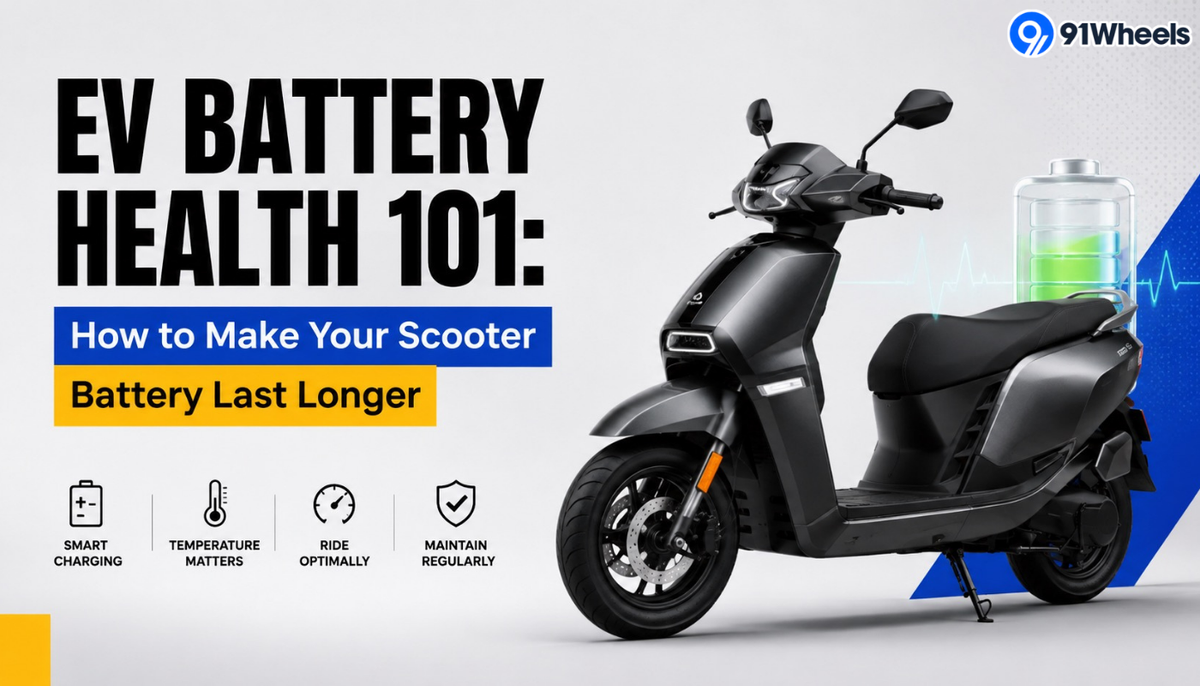
If you've made the switch to an electric scooter, or you're about to, there's one component that decides almost everything about your ownership experience: the battery. It's the single most expensive part of the vehicle, and how well you treat it determines whether you're still enjoying full range three years down the line or watching your daily commute shrink by the month. The good news is that battery care isn't complicated. A handful of sensible habits, combined with a scooter that's built around a genuinely durable battery chemistry, is all it takes.
Why Battery Health Deserves Your Attention
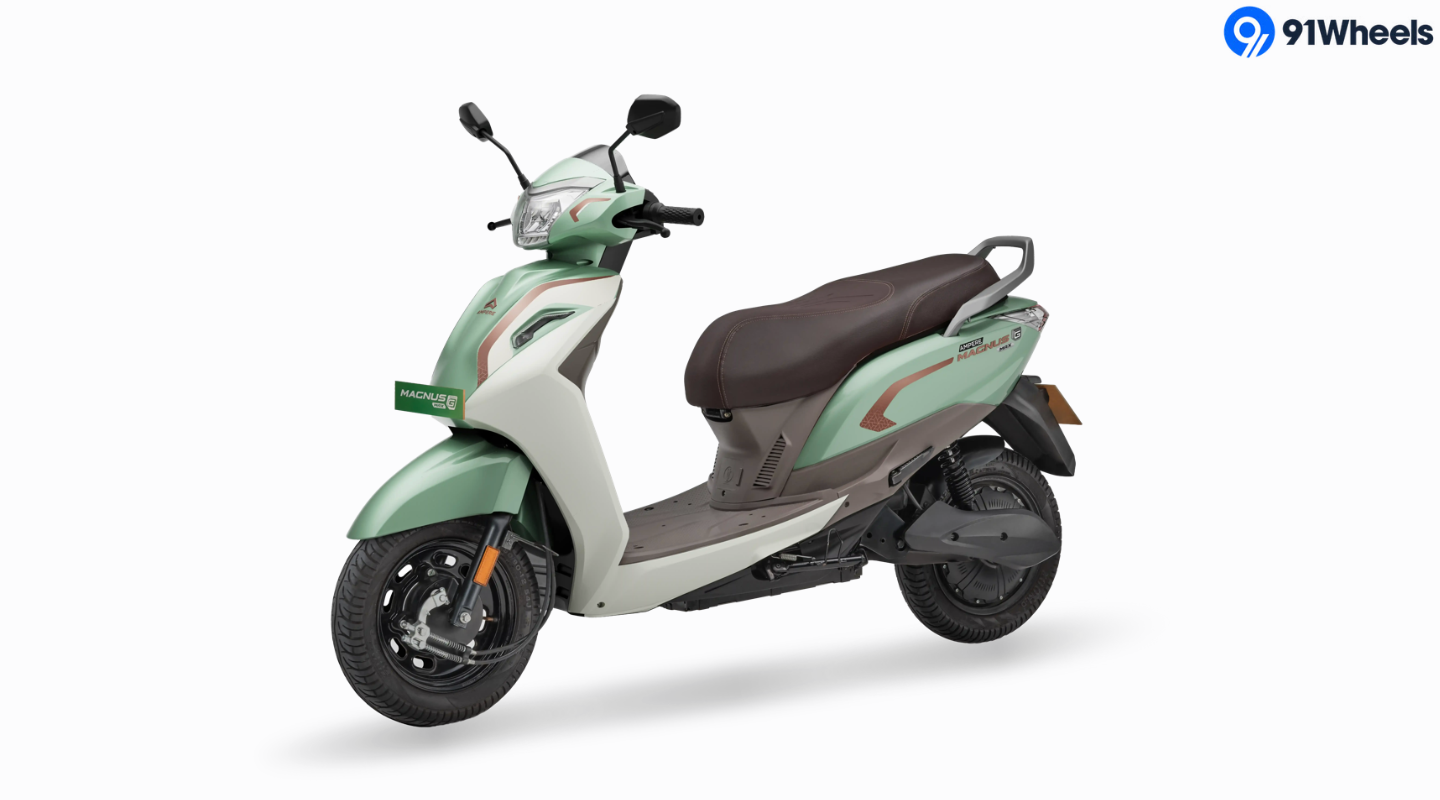
Every lithium battery, whether it's in your phone or your scooter, degrades a little with each charge-discharge cycle. What separates a battery that comfortably crosses 60,000-70,000 km from one that starts sagging at 15,000 km is how it's used along the way, and, just as importantly, what it's made of in the first place.
This is where the choice of scooter starts to matter. Not all electric two-wheelers use the same Lithium-ion battery chemistry, and the difference isn't a footnote in a spec sheet; it shapes your entire ownership experience. Though LFP and NMC are lithium-ion batteries, there is a significant difference between them.
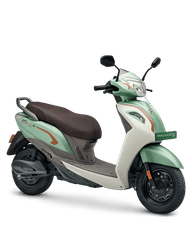
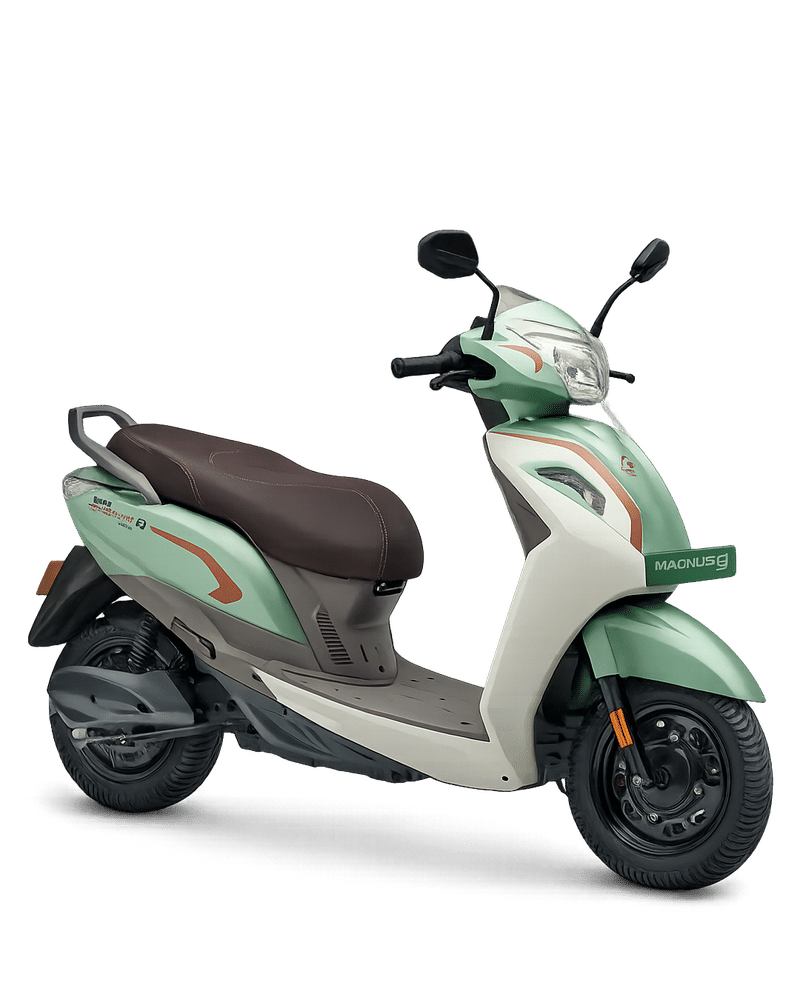
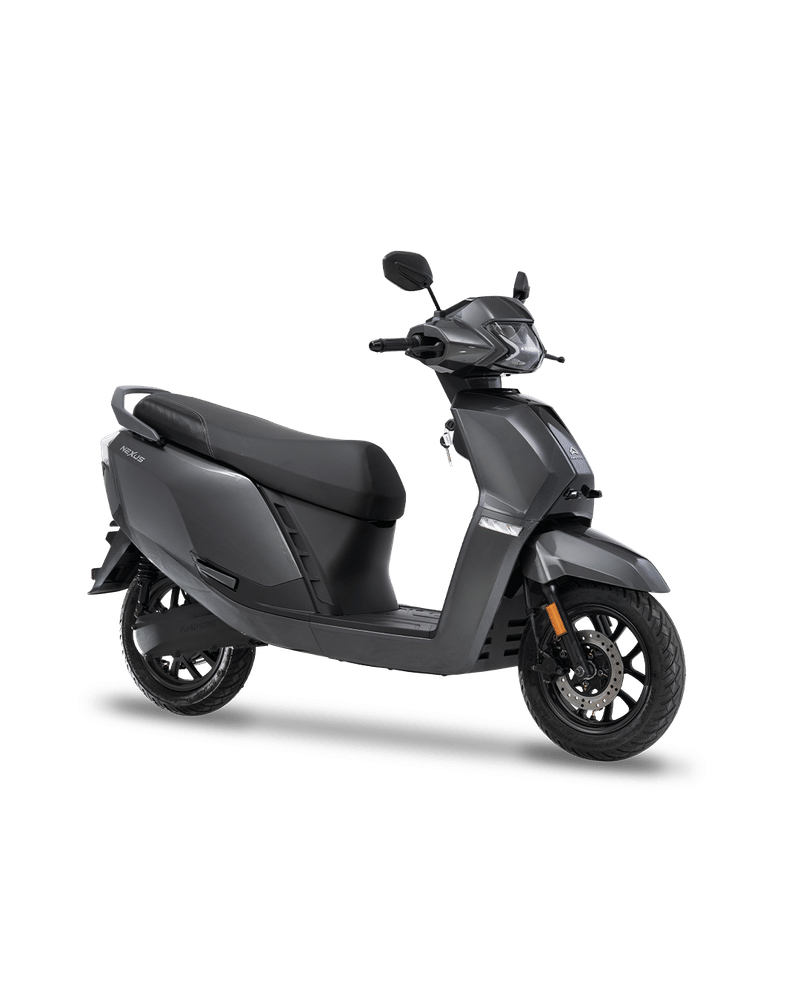
Ampere's scooters, across the Nexus, Magnus and Reo range, are built entirely around LFP (Lithium Iron Phosphate) cells rather than the NMC chemistry many rivals still use. LFP cells are inherently more heat-tolerant, which matters in a country where parking your scooter in direct sun for a few hours in May is simply unavoidable. They also withstand 2x more charging cycles before capacity meaningfully drops, and they're chemically more stable, which is why thermal-runaway incidents are rarer with LFP battery chemistry. Starting with the right battery is half the battle before you've developed a single good habit.
The Charging Habits That Actually Matter

Skip the 0-to-100 obsession: Unlike older lead-acid batteries, lithium-based cells (including LFP) don't need to be fully drained before charging or topped up to exactly 100% every single time. In fact, keeping the battery between roughly 20% and 90% for daily use is gentler on the cells over the long run. Save the full charges for days when you actually need the extra range.
Avoid letting the battery sit empty: Parking your scooter for a week or two with the battery near 0% is one of the fastest ways to stress a lithium pack. If you know you won't be riding for a while, leave the battery at a moderate charge level, somewhere around 40-60%, rather than fully charged or fully drained.
Charge in a cool, ventilated spot: Heat is the real enemy of any battery. Charging immediately after a long, hot ride when the pack is already warm adds unnecessary thermal stress. Give the battery 15-20 minutes to cool down after riding before you plug it in, especially during peak summer.
Use the charger that came with your scooter: It sounds obvious, but third-party or mismatched chargers are a common cause of premature battery wear. Ampere scooters ship with chargers calibrated specifically to their LFP packs' voltage and current requirements, and sticking with the original charger (or an authorised replacement) keeps that calibration intact.
Riding Habits That Protect the Pack
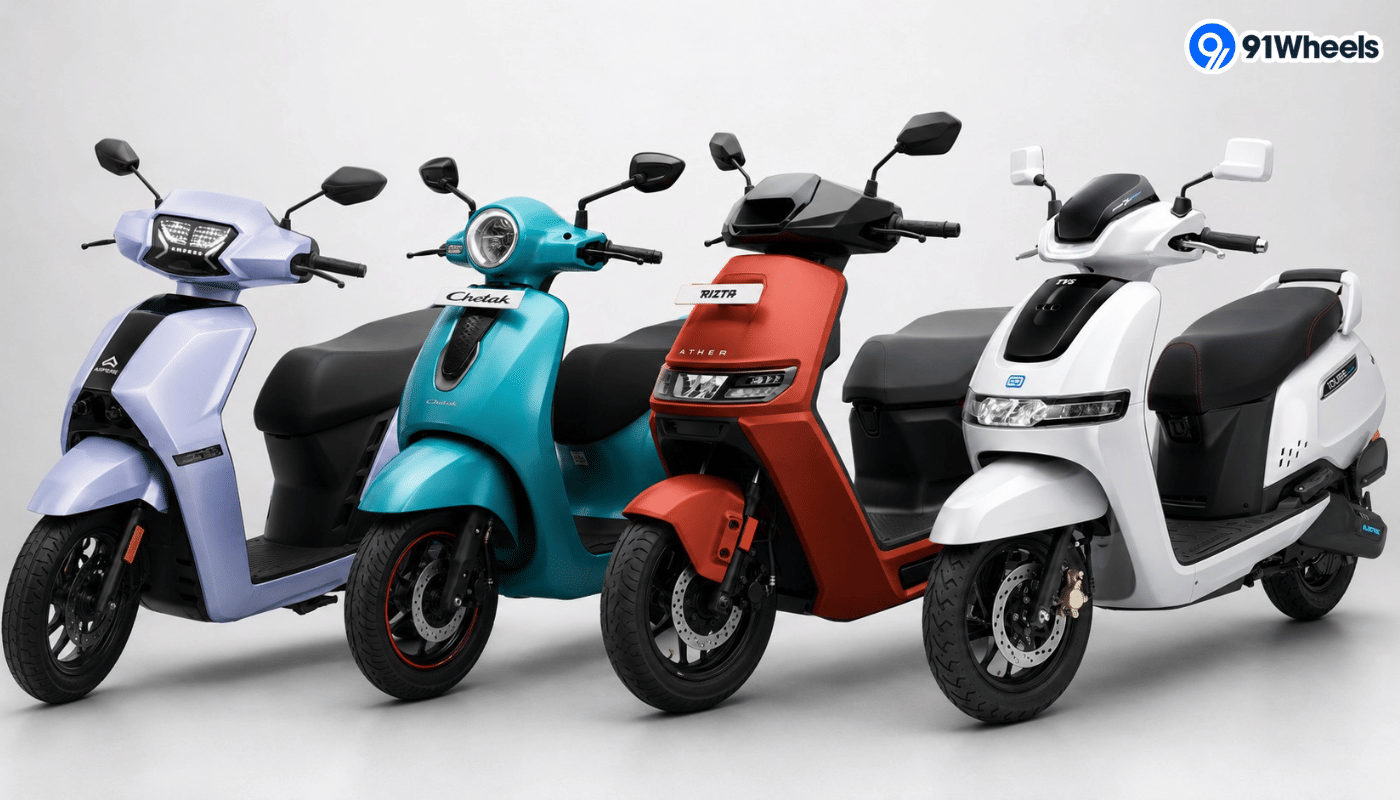
How you ride affects battery longevity almost as much as how you charge. Aggressive acceleration and constantly riding in the highest power mode draw current faster and generate more heat inside the cells. Using Eco or City mode for the bulk of your daily commute, and reserving Sport or Power modes for when you genuinely need the performance, is an easy way to extend both range per charge and the battery's overall lifespan. Similarly, avoid repeatedly running the battery down to single digits before charging; it's an easy habit to fall into, but it adds up over hundreds of cycles.
Temperature: The Silent Factor
.png)
India's climate is genuinely tough on batteries - extreme summer heat in the north, humidity along the coasts, and cold winter mornings in the hills. This is precisely the environment LFP chemistry was chosen to handle. Ampere's battery packs are also built with battery management systems that actively monitor cell temperature and adjust charging behaviour to prevent overheating, so a lot of the protection happens automatically in the background. Ampere batteries are tested from -40 deg C to +60 deg C to withstand wide temperature conditions across India. Still, parking in shade where possible and avoiding leaving the scooter charging in direct sunlight will always help.
Servicing and Software Matter Too
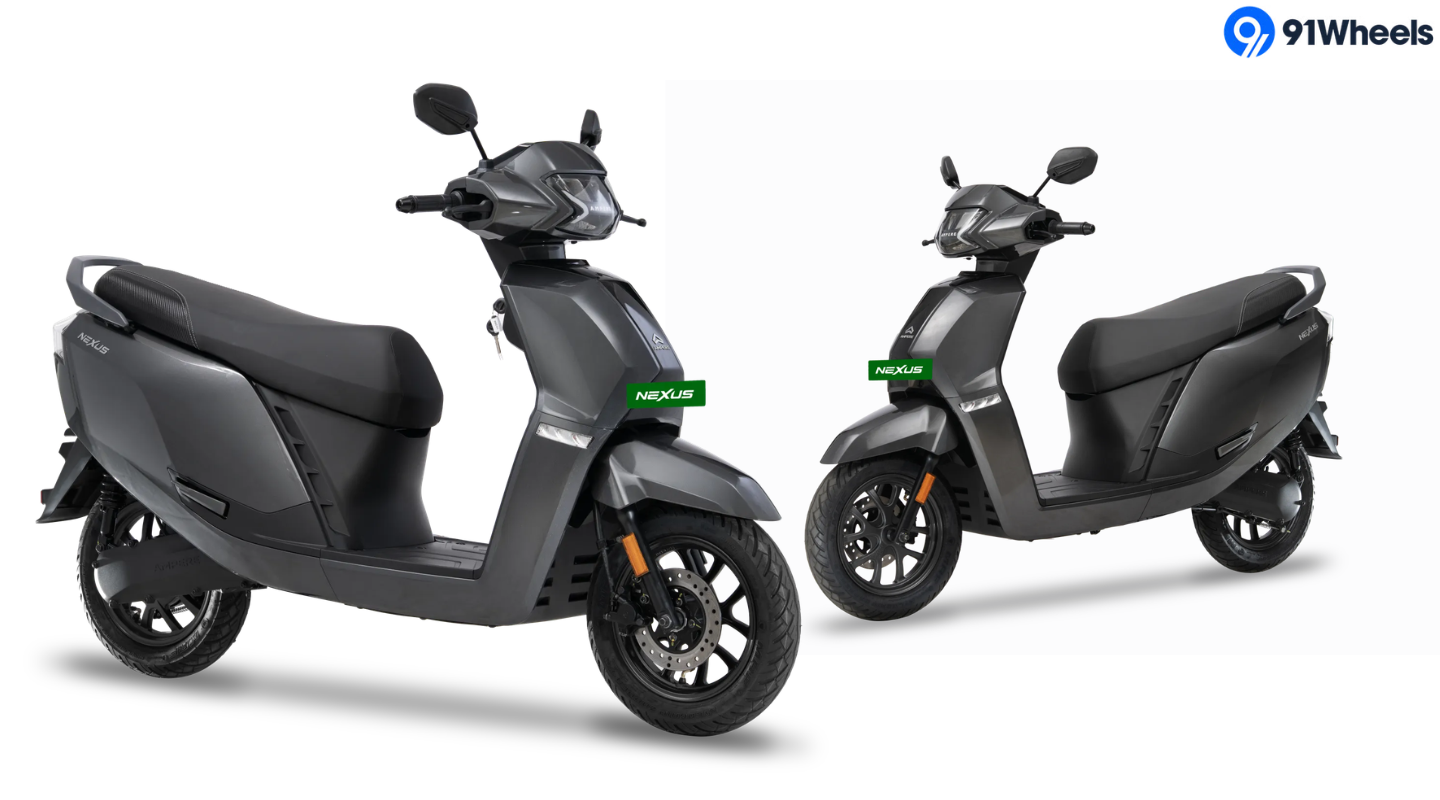
Battery health isn't purely a hardware story. Getting your scooter serviced at recommended intervals allows technicians to check battery connections, run diagnostic checks on individual cell groups, and catch early warning signs before they become expensive problems. Ampere pushes periodic battery management system updates on newer models, refining charge algorithms over time. And with 600+ Ampere service centres, the service is always a call away, anywhere in India.
Why the Warranty Backs This Up
One of the most telling signs of how confident a manufacturer is in its own battery is the warranty it's willing to offer. Ampere backs its Magnus and Nexus range batteries with a 5-year or 75000 km warranty, whichever comes first, which is among the strongest warranties in the electric scooter segment in India. If that’s not convincing enough, Ampere Scooters offer up to 2,00,000 km battery life. That's not a marketing number picked at random. It reflects the genuine durability of LFP cells combined with the battery management engineering built into every unit that leaves the factory.
The Bottom Line
Battery longevity comes down to a simple combination: start with a chemistry that's built to last, avoid extreme charge states and heat where you can, ride sensibly, and stay on top of servicing. Do that, and there's no real reason your scooter's battery shouldn't comfortably outlast the warranty period and keep delivering close to day-one range for years. With the entire Ampere lineup built on LFP batteries and backed by a genuinely long warranty and battery life, a lot of that hard work is already taken care of before you even roll the scooter out of the showroom, leaving you with just a few simple habits to keep up.
Do you like this article?
Comments
No comments yet. Be the first to comment!