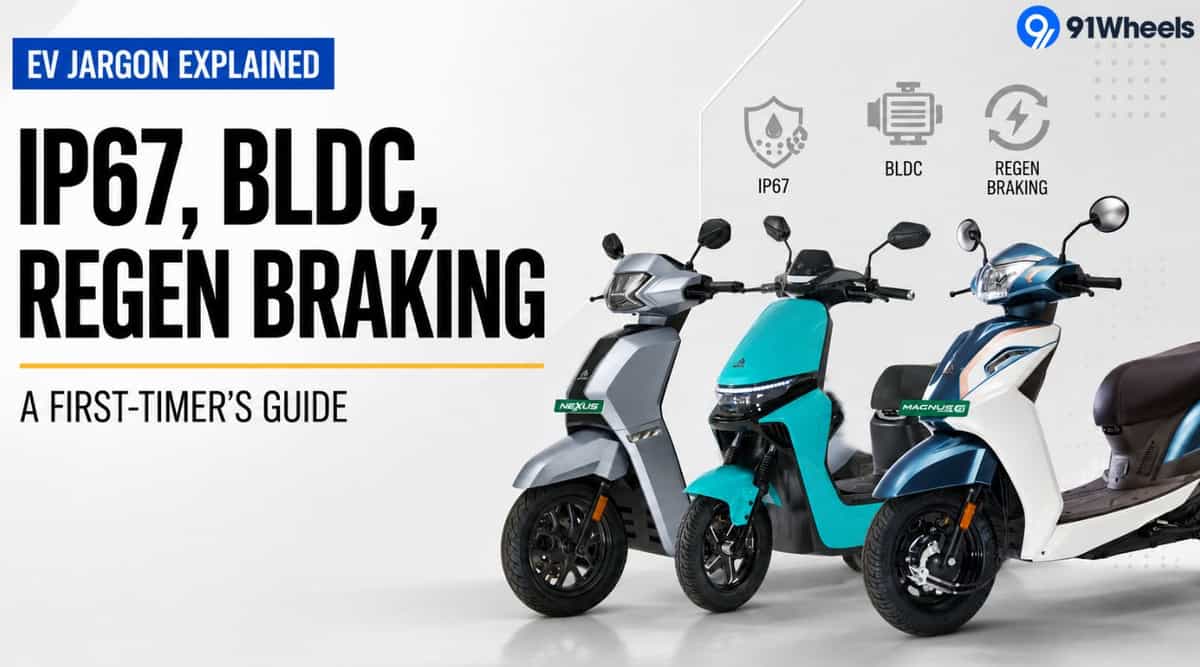
Planning to buy an EV scooter, a clear visible trend among Indian buyers. You walk into an EV showroom and the salesperson speaks a string of terms that sound more like a physics exam than a pitch. IP67 rating. BLDC. Regenerative braking. For a lot of first-time buyers, it's enough to make the eyes glaze over and enough to make people nod along without really understanding what they're paying for.
So before you enter into the showroom, let’s understand, term by term, in language that doesn't require an engineering degree.
First Up: What's a BLDC Motor?
BLDC stands for Brushless DC Motor, and the name itself tells the story - it's what the motor doesn't have that makes it worth mentioning.
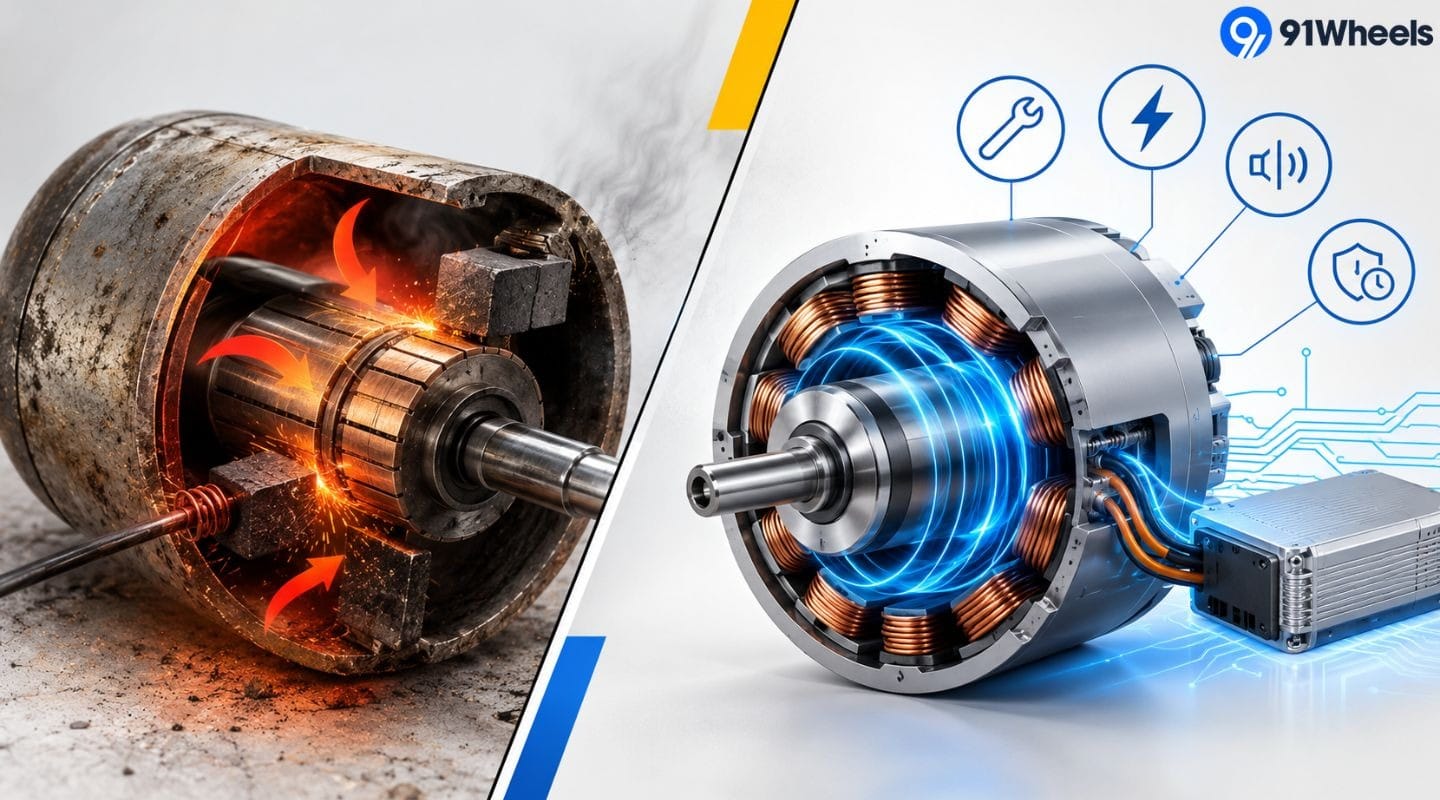
Older electric motors relied on small carbon "brushes" that physically rubbed against a spinning part to pass electricity through. It worked, but it came with the same downside as any moving part that rubs against another: friction, heat, wear, and eventually the need for replacement, not unlike brake pads on a car.
Why it matters for an EV: almost every modern electric scooter, bike, and car uses some form of BLDC (or a close cousin like a PMSM motor). It's a good sign of quality engineering, and it directly affects how far you'll get on a charge and how long the motor will last.
A BLDC motor solves that by removing the brushes altogether and using an electronic controller to do the same job instead. Riders notice the difference in a few ways: the motor runs quieter, it wastes less energy as heat, it needs far less maintenance over its life, and it tends to simply last longer.
Benefit | What It Means |
|---|---|
Less Maintenance | No brushes to wear out or replace, reducing servicing needs |
Higher Efficiency | Less energy is lost to friction, improving overall performance |
Quieter Operation | Smoother functioning with significantly lower mechanical noise |
Better Longevity | Fewer moving parts reduce wear and increase the motor's lifespan |
E-Scooter Available with this feature
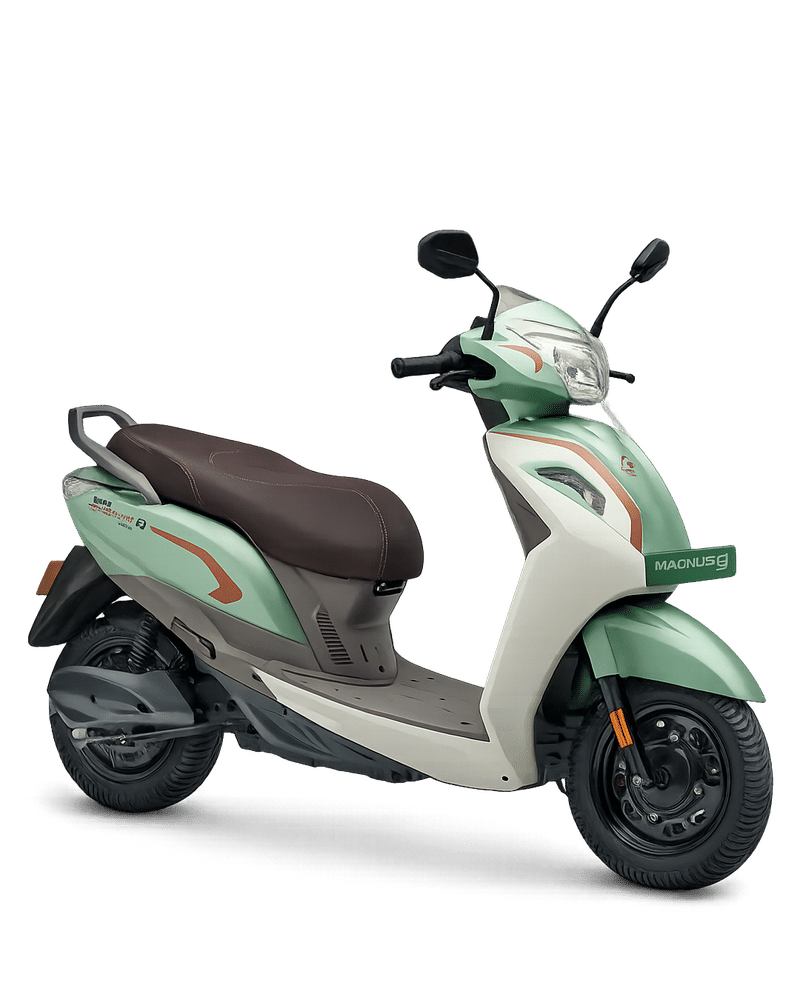
Ampere Magnus G Max priced at around Rs. 1.02 lakh (ex-showroom), the Magnus G Max is Ampere's long-range family scooter. It runs on a BLDC hub motor producing 2.4kW peak power, paired with a 3kWh LFP battery for a claimed 142 km IDC range. With 33-litre boot space, hill hold and a 5-year battery warranty, it's built for practical daily use over performance.
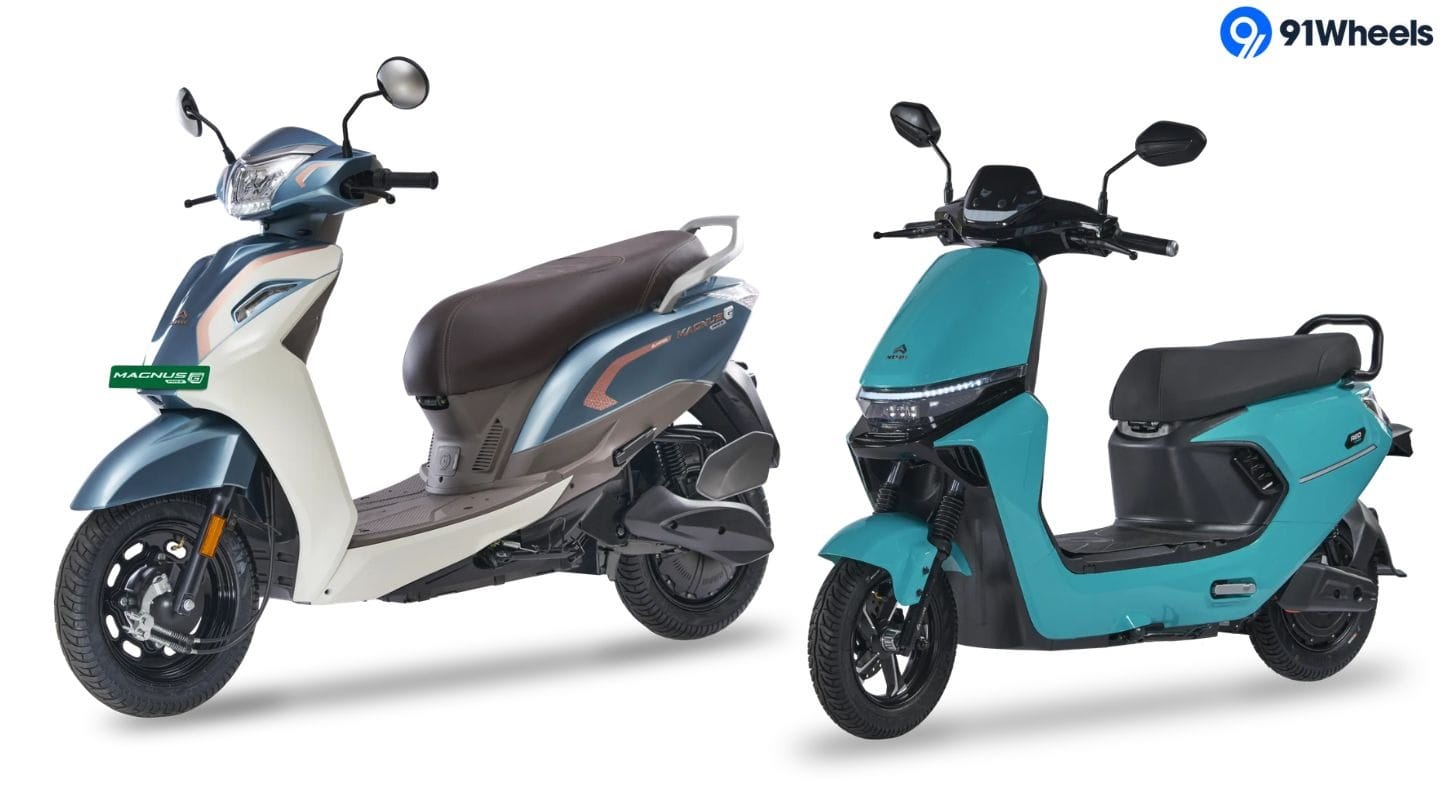
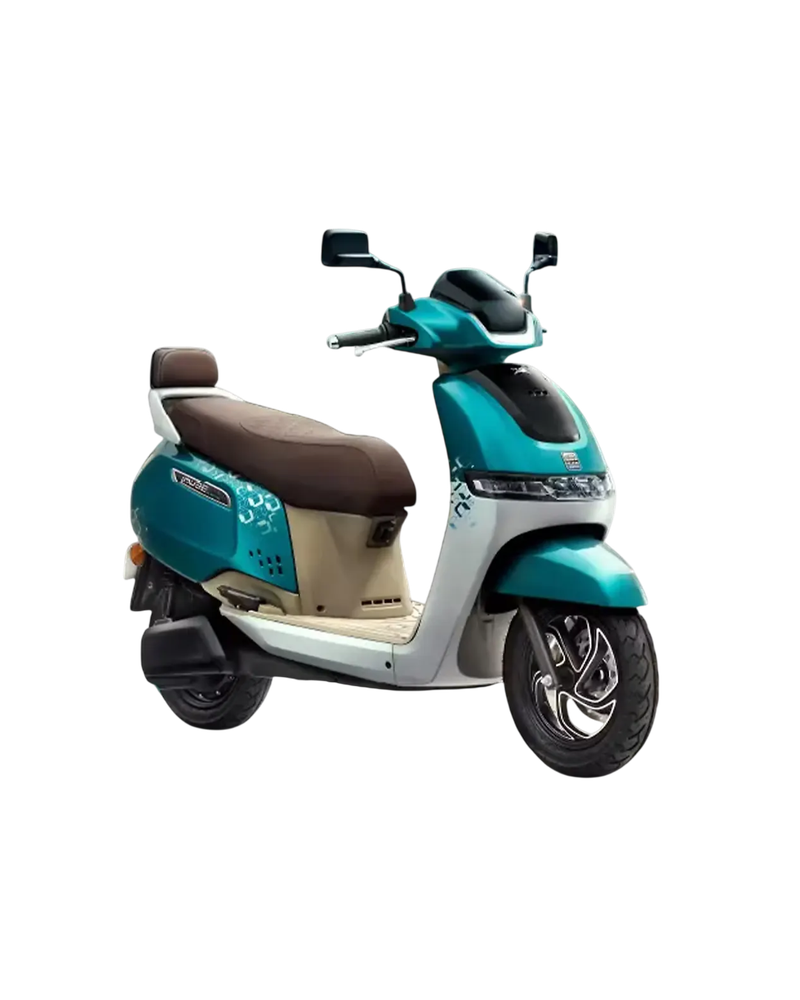
Ampere Reo VYB priced at Rs. 72,000 (ex-showroom), the Reo VYB is Ampere's entry-level, licence-free scooter aimed at college goers, home makers and senior citizens. It runs on a BLDC hub motor and has a 1.44kWh LFP battery giving it a claimed 80 km range, capped at a low-speed 25 km/h. Keyless start, a front disc brake and 24-litre storage make it a practical starter option for short city commutes.
The Magnus G Max and Reo VYB, motor's benefits signals that reliable, low-maintenance EV tech isn't reserved for premium buyers anymore. For a first-time rider or a family testing the electric waters, this is exactly the kind of accessible, no-licence, low-running-cost entry point that builds real trust in EVs, one dependable commute at a time.
What Is IP67?
IP stands for "Ingress Protection" and it's essentially a report card for how well a sealed device keeps out dust and water. It's always written as two digits. The first number, ranging from 0 to 6, says how well the device resists solid particles like dust and dirt, a 6 is the highest score, meaning it's completely dust-tight. The second number, from 0 to 9, rates water resistance. A 7 means the device can be dunked in about a metre of water for half an hour and come out working fine.
Solid Particle Protection (First Digit)
First Digit | Protection Level | Protects Against |
|---|---|---|
0 | None | No protection |
1 | Object size >50 mm | Accidental hand contact |
2 | Object size >12.5 mm | Fingers |
3 | Object size >2.5 mm | Tools, thick wires |
4 | Object size >1 mm | Most wires, small tools |
5 | Dust Protected | Limited dust ingress that does not affect operation |
6 | Dust Tight | Complete protection against dust ingress |
Liquid Protection (Second Digit)
Second Digit | Protection Level | Protects Against |
|---|---|---|
0 | None | No protection |
1 | Dripping Water | Vertically falling water drops |
2 | Dripping Water (15° Tilt) | Water drops when tilted up to 15° |
3 | Spraying Water | Water spray up to 60° from vertical |
4 | Splashing Water | Water splashes from any direction |
5 | Water Jets | Low-pressure water jets from any direction |
6 | Powerful Water Jets | Strong water jets and heavy seas |
7 | Immersion up to 1 m | Submersion up to 1 m for about 30 minutes |
8 | Immersion Beyond 1 m | Continuous submersion beyond 1 m (manufacturer specified) |
9 | High-Pressure/Steam Jets | Close-range high-pressure, high-temperature water jets |
Why it matters for an EV: Batteries, motors, and connectors are full of electronics that hate water and grit. If you're riding through rain, splashing through puddles, or just parking outside during monsoon season, an IP67 rating (or higher, like IP68) gives you real peace of mind. Anything below IP54 or so means you should keep the vehicle away from heavy rain entirely.
E-Scooter Available with this feature
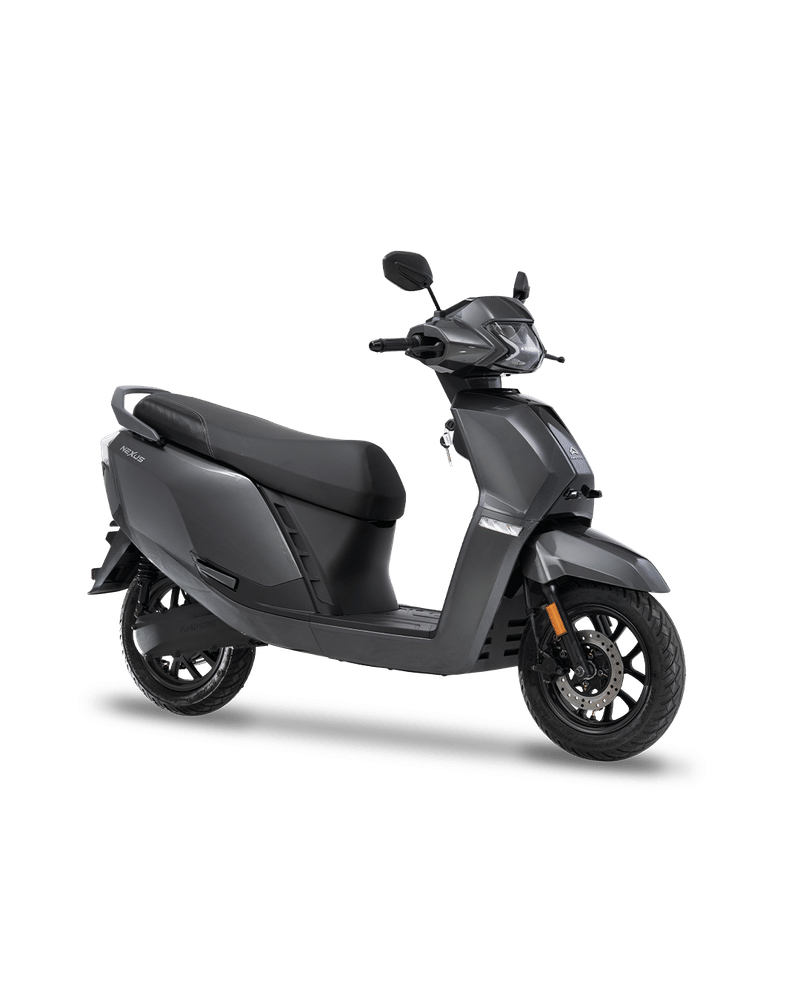
The Ampere Nexus is Ampere's premium offering, built for riders who want performance without compromise. Its 5kW mid-mount PMSM motor (Permanent Magnet Synchronous Motor), more superior tech compared to BLDC motor, delivers a 93 kmph top speed and a certified 136 km range, backed by an IP67-rated 3kWh LFP battery. Five riding modes and a 7inch TFT display round out a genuinely feature-rich package.Ampere Nexus priced at around Rs. 1.29 lakh (ex-showroom).
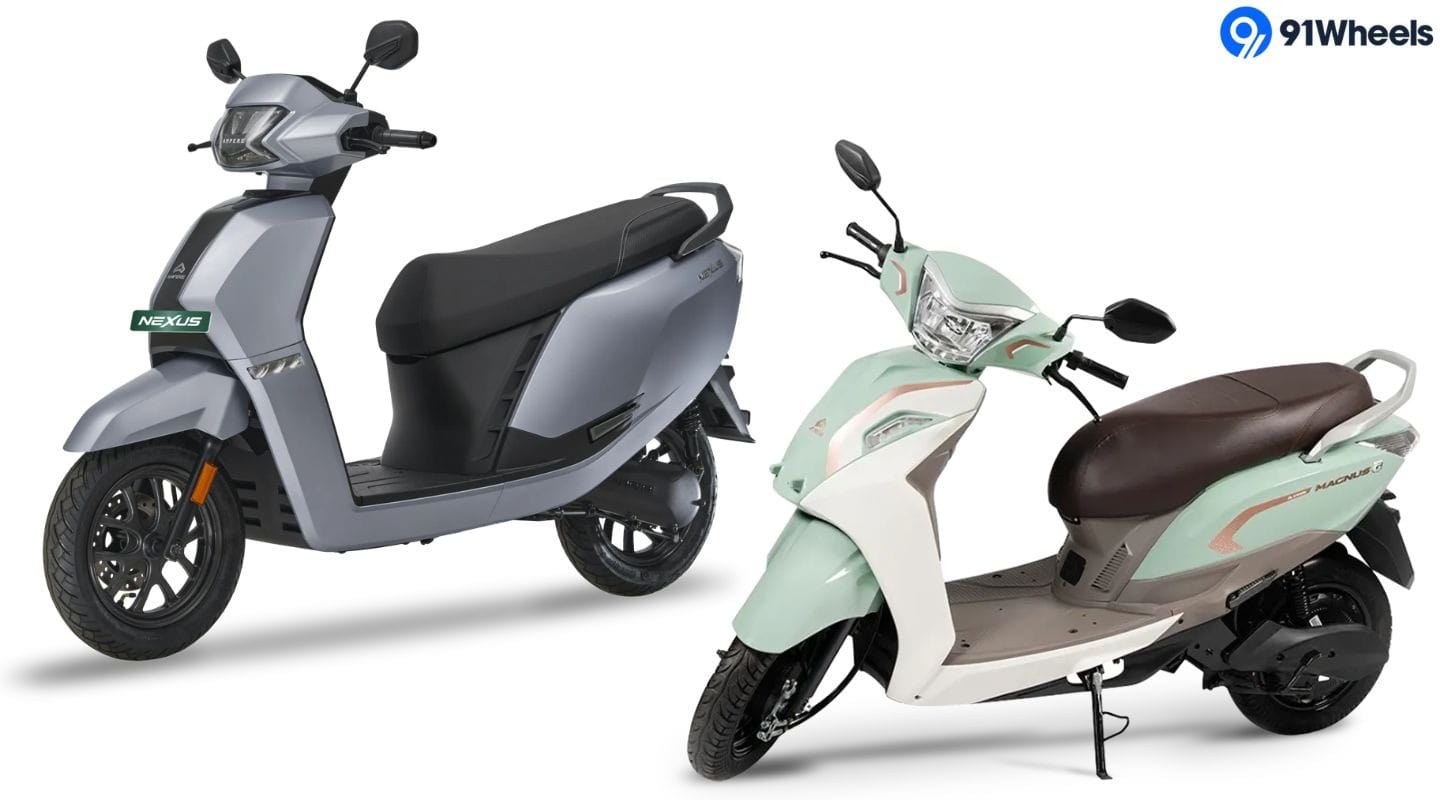
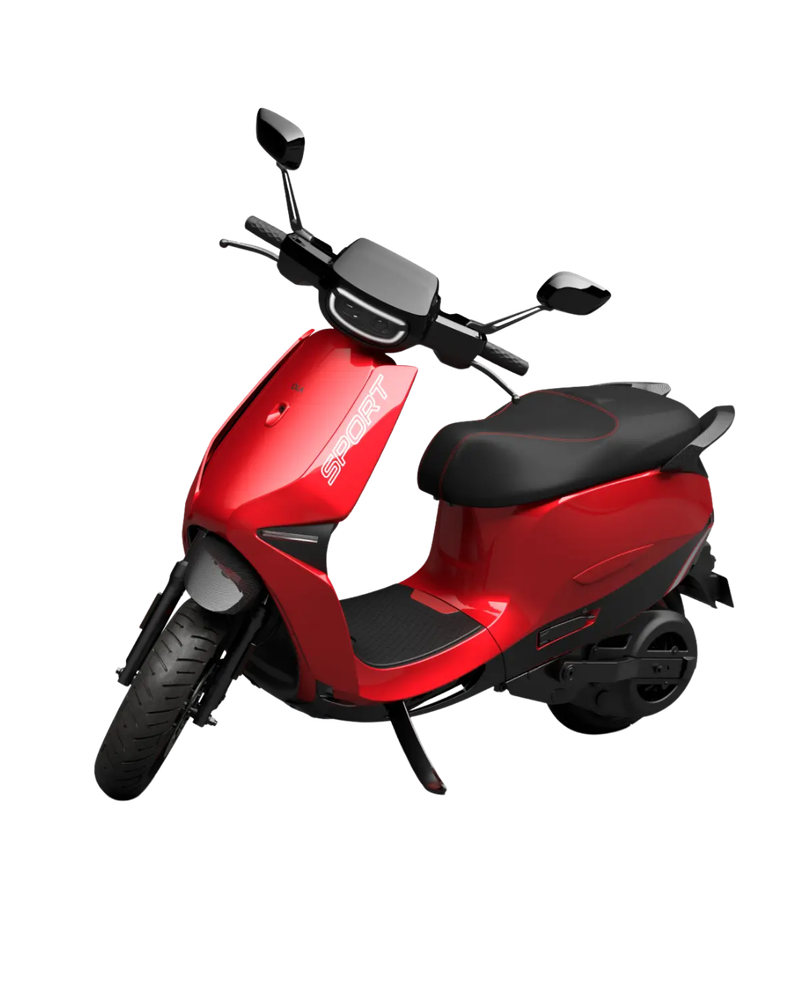
The Magnus Neo is Ampere's practical, family-friendly scooter. A 1.5kW BLDC motor and 2.3kWh LFP battery deliver a claimed range of up to 118 km and a 65 kmph top speed. With a spacious floorboard, 22-litre underseat storage and a 5-year battery warranty, it's built for everyday comfort over outright performance. Ampere Magnus Neo priced at Rs. 91,000 (ex-showroom),
Together, these two scooters show Ampere isn't chasing a single formula - it's building for different riders. The Nexus proves the brand can compete at the premium end with genuine performance credentials, while the Magnus Neo keeps electric mobility affordable and dependable for families making their first EV switch. That range, from a sub-Rs. 90,000 daily commuter to a highway-capable high performance 93 kmph scooter, is a healthy sign for India's EV market: it means buyers have the options of price points and performance capable scooters providing credible electric options, not just a compromise. As raw battery costs keep falling and confidence in EV reliability grows, lineups like this one make the switch from petrol feel less like a leap of faith and more like a straightforward no-brainer upgrade.
What Does Regen Braking Do?
Regenerative braking commonly known as "regen braking", is one of those features that sounds complicated but is built on a fairly simple idea: don't waste energy you've already paid for.
In a conventional vehicle, braking works by converting your vehicle's motion into heat through friction, and that heat just disappears into the air. It's energy you paid for at the plug or the pump, gone for good.
An EV can do better because its electric motor is capable of running in reverse. When a driver lifts off the accelerator or presses the brake, the motor briefly switches from consuming electricity to generating it, using the vehicle's own momentum. That electricity then flows back into the battery instead of being lost as heat.
The upside for owners is twofold: a bit of extra driving range, particularly noticeable in stop-and-go city traffic, and less wear on the physical brake pads, since the motor is doing some of the braking work.
Ampere's scooters have yet to add this feature, however, the scooters do recapture a portion of energy through the drivetrain while decelerating. In dense, stop-and-go city traffic, this recovery adds up over a ride and genuinely helps extend range. It's a modest gain rather than a dramatic one, but paired with smoother riding habits and Eco mode, it makes a real difference to how far a full charge actually takes you.
Why It's Worth Knowing
None of these three specs alone will make or break a buying decision. But taken together, they offer a quick way for a first-time buyer to gauge how seriously a manufacturer has approached the engineering, rather than simply bolting a battery onto an old design.
Term | What to look for | Why it matters |
|---|---|---|
IP rating | IP67 or higher | Protection from rain, dust and splashes |
Motor type | BLDC (or similar, like PMSM) | Efficiency, quiet running, low upkeep |
Regen braking | Present, ideally adjustable | Extra range, less brake wear |
A Few More Terms Buyers Will Run Into
Buyers browsing spec sheets will also come across a handful of related terms worth knowing at a glance: range, the distance a vehicle can travel on a full charge under ideal conditions; kWh, or kilowatt-hour, the unit used to measure how much energy a battery can hold; and BMS, short for Battery Management System, the onboard system that protects a battery from overcharging, overheating or draining too far.
Together, these terms aren't as intimidating as they first appear. Once a buyer knows what to look for, reading an EV spec sheet and asking questions at the showroom gets a lot easier.
Do you like this article?
Comments
No comments yet. Be the first to comment!