
As we head into the second half of 2026, it's worth looking back at the first six months - a period that gave the Indian automotive industry several long-overdue updates. Some of these launches have already found strong footing with buyers; others are still settling into the market. Roughly 40 new cars launched between January and June 2026, but five of them mattered more than the rest. Here's our pick.
Kia Seltos
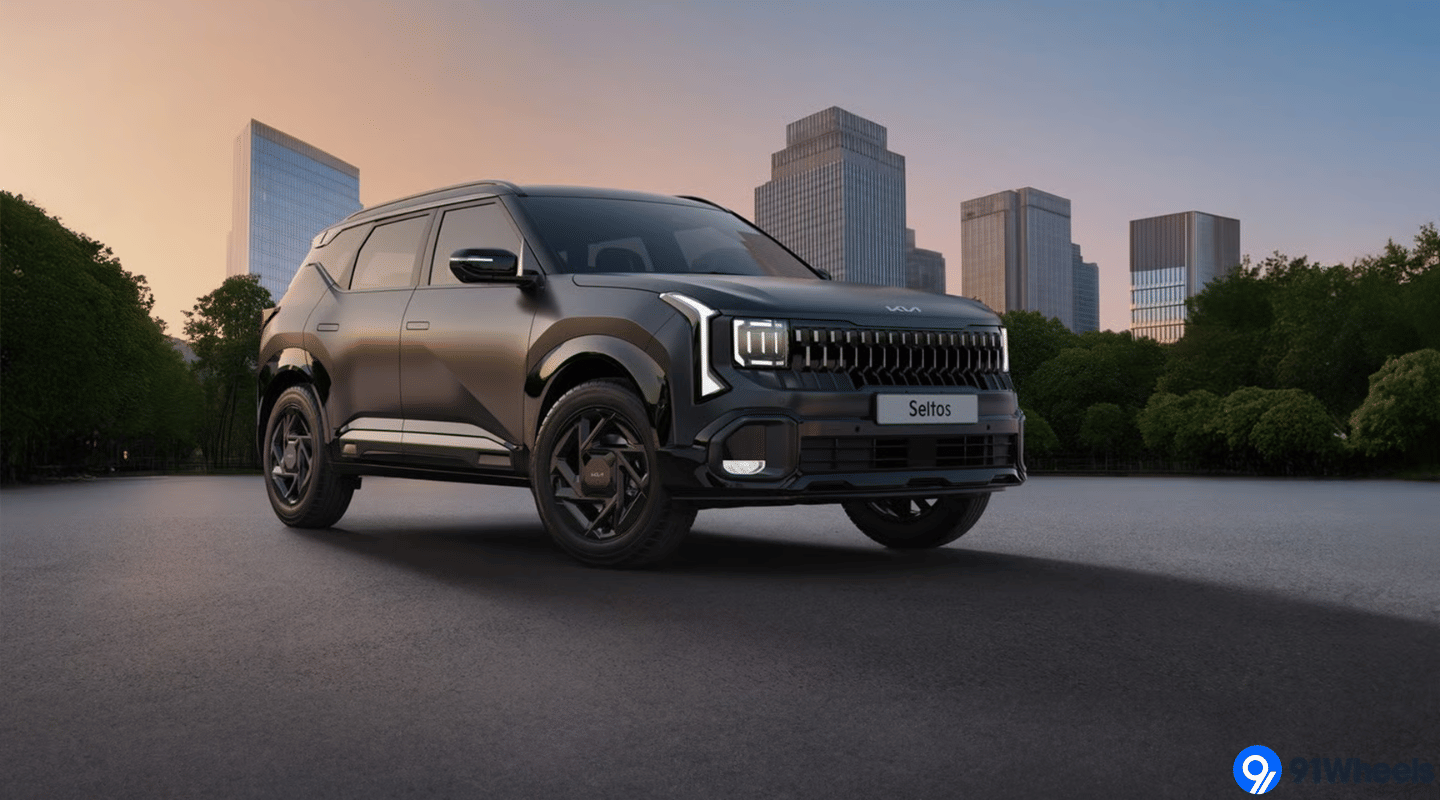
Kia revealed the second-generation Seltos in December 2025, and the response was strong from the outset. It officially launched in January, and the reception - from media and customers alike - has held up since. The new Seltos is bigger and sharper-looking, and it carries a 5-star Bharat NCAP safety rating. Powertrain options remain unchanged, but the new platform has improved overall drivability and stability over the outgoing model. From a sales standpoint, it's been a clear success - the Seltos has consistently been one of Kia India leading models, month after month since launch.
The SUV competes in the popular midsize SUV segment - often called the "Creta segment" - against the Hyundai Creta itself, along with the Tata Sierra, Maruti Victoris, Honda Elevate, and Renault Duster.
Pros | Cons |
|---|---|
Sharp, aggressive styling offers a strong road presence | Turbo-petrol misses a proper manual gearbox option |
Wide engine lineup: 1.5L NA petrol, 1.5L turbo petrol, and 1.5L diesel | Excessive number of variants can confuse buyers |
Feature-rich from the base variant itself | Handling isn't as sharp as key rivals |
Comfortable ride quality thanks to the new platform and revised suspension setup | Top variant misses premium features like rear-seat ventilation and a powered tailgate |
Strong safety kit offered across the range | No segment-leading feature |
Maruti e Vitara
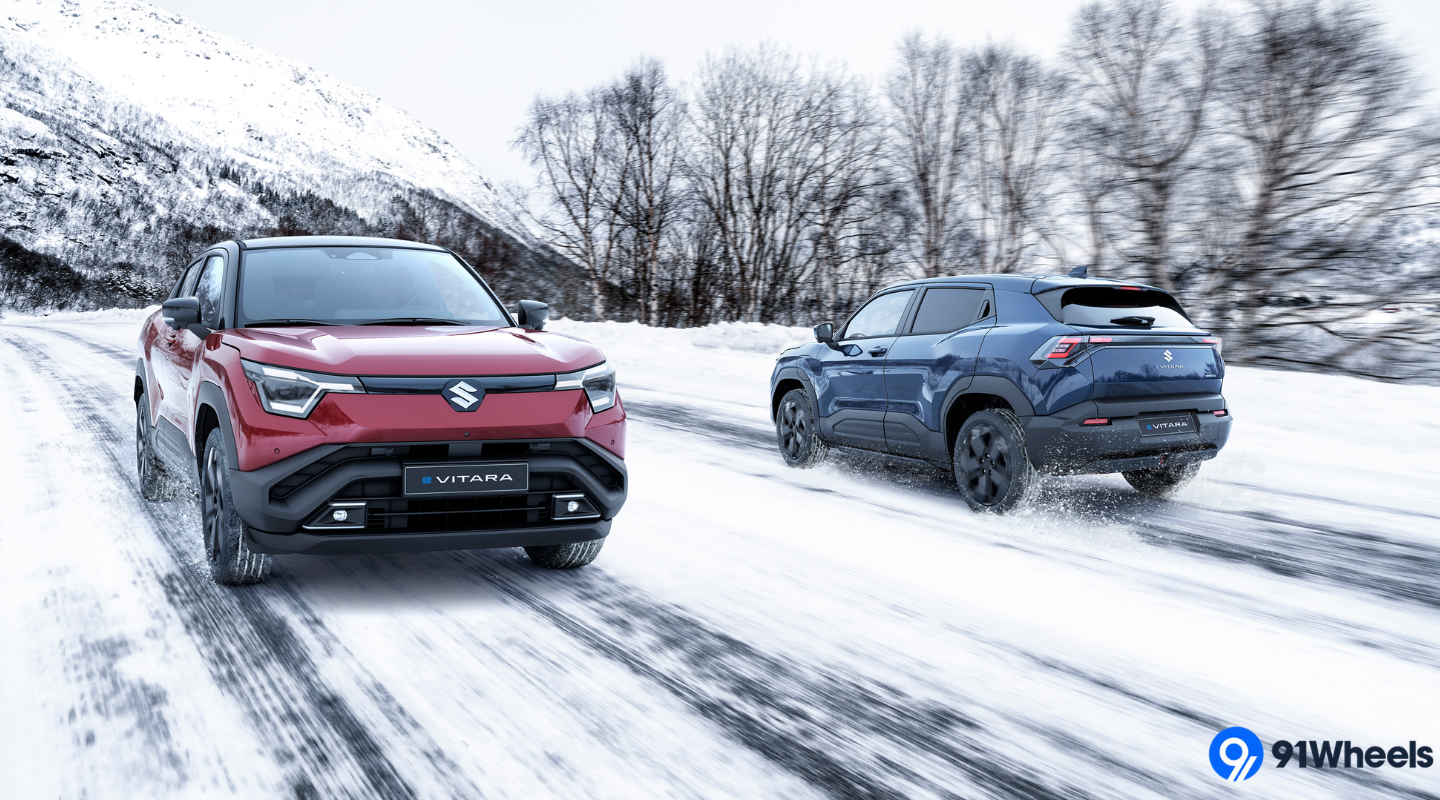
The Maruti e Vitara is India's biggest automaker's first born-electric vehicle, and it finally launched in February 2026 - nearly a year and a half later than originally planned.
The delay wasn't a chip shortage. It was a global rare-earth magnet shortage, triggered by Chinese export restrictions through 2025, that hit EV makers worldwide and forced Maruti to cut its production target by almost 69% for the first half of FY26. Production at the Hansalpur plant in Gujarat started around August 2025, but most of that output went straight to export markets like Japan and Europe. Indian buyers got priority only after that.
The e Vitara comes with 49 kWh and 61 kWh battery packs, priced between Rs 15.99 lakh and Rs 20.01 lakh (ex-showroom). Maruti has also rolled out a Battery-as-a-Service option starting at Rs 10.99 lakh, where the battery is rented separately at Rs 3.99/km - a first for a mainstream Indian EV.
Response on ground has been lukewarm, not what you'd expect from the MS badge. Part of that is timing: rivals reached the market years earlier and now offer more range and features at similar price points. It's also part of a bigger pattern - Maruti's overall PV market share has slipped to around 41%, down from a peak of 51% in 2020, while Tata and Mahindra have built a real head start in EVs.
It competes directly with the Hyundai Creta Electric, Mahindra BE 6, and Tata Curvv EV.
Pros | Cons |
|---|---|
5-star Bharat NCAP safety rating, with Level 2 ADAS as standard | Real-world range falls noticeably short of the claimed 543 km |
Strong charging backup - free home charger, wide “e for me” network access | Boot space (310 litres) and rear headroom trail most rivals |
Premium cabin quality, a clear step up from typical Maruti interiors | Pricing isn’t aggressive enough to offset its late entry |
BaaS option lowers the entry barrier for first-time EV buyers | Ride feels firmer and cabin noisier than newer competitors |
Mahindra XUV 7X0
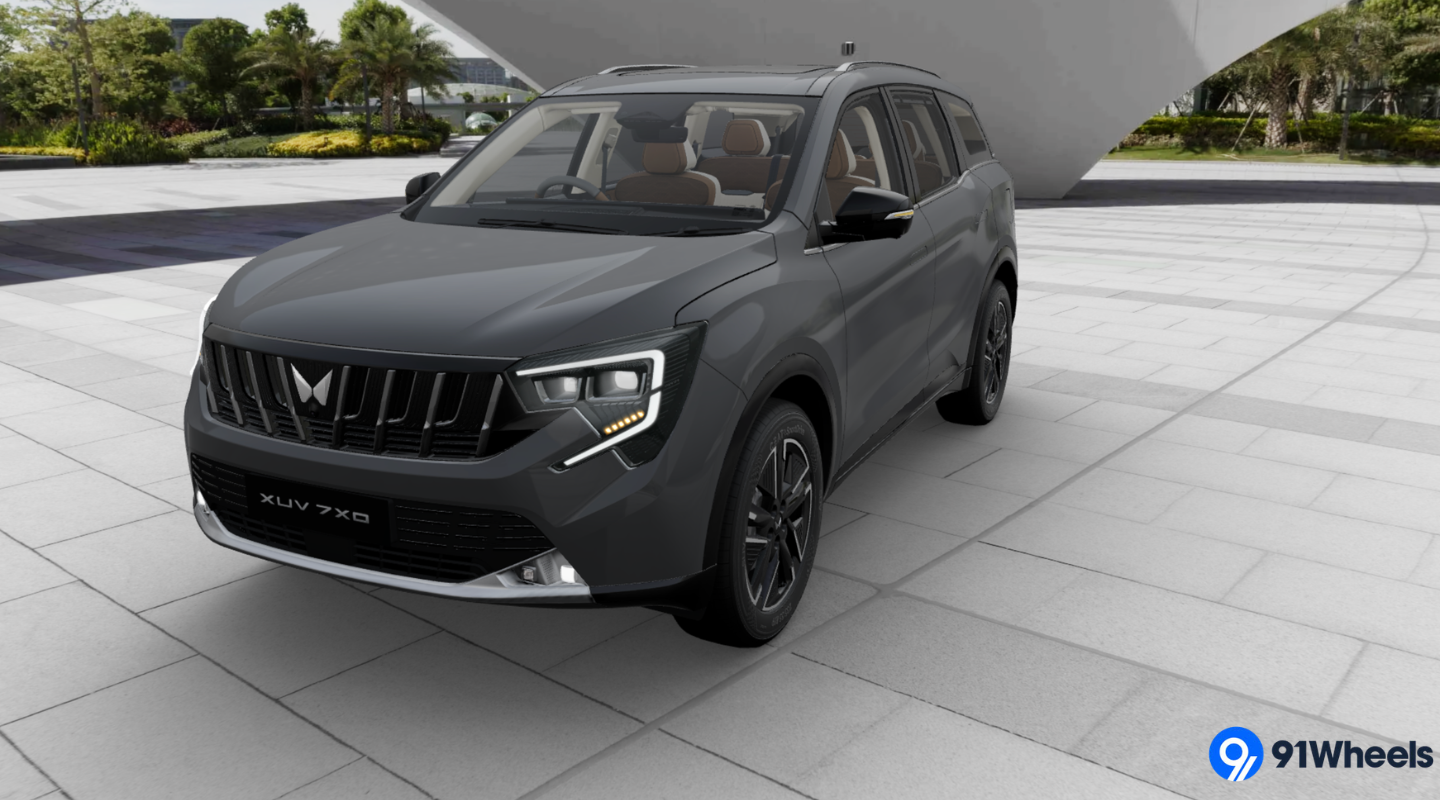
The D-segment SUV king, Mahindra XUV700, entered a new skin in early 2026 with a new moniker - XUV 7XO. This big facelift brought several changes to its design, as well as mechanical parts.
Powertrain options were retained: the mighty 2.0L turbo-petrol and 2.2L diesel, with 6-speed manual and 6-speed automatic options. Special focus was given to the interior, which now features a triple-screen layout at the dashboard, a new EV-inspired two-spoke steering wheel, and dual-tone leather upholstery.
All these changes are great to the eyes, but the real story is under the skin. Mahindra has equipped the 7XO with new "DaVinci dampers" - a fully mechanical, frequency-selective suspension system that stays soft over small bumps, firms up through mid-range inputs, and eases off again on harsh impacts. It's a clever way to get near semi-active levels of ride comfort at a fraction of the cost, and it gives the 7XO a genuine edge in ride quality over rivals.
Now, this SUV at its core is the same, but the new suspension gives it an edge over rivals like the Tata Safari, MG Hector Plus, and Jeep Compass.
Pros | Cons |
|---|---|
Thunderous Performance From Both Engines | Still misses out on some features like sliding rear seats and more |
Extremely Efficient Diesel Engine | Petrol Engine Is Very Thirsty |
New Suspension Set-up Conquers Various Terrains With Ease | Last Row Is Not Suitable For Adults |
Excellent Visibility and Light Steering | |
Outstanding Audio System - 16 Speaker Harman Kardon |
Renault Duster
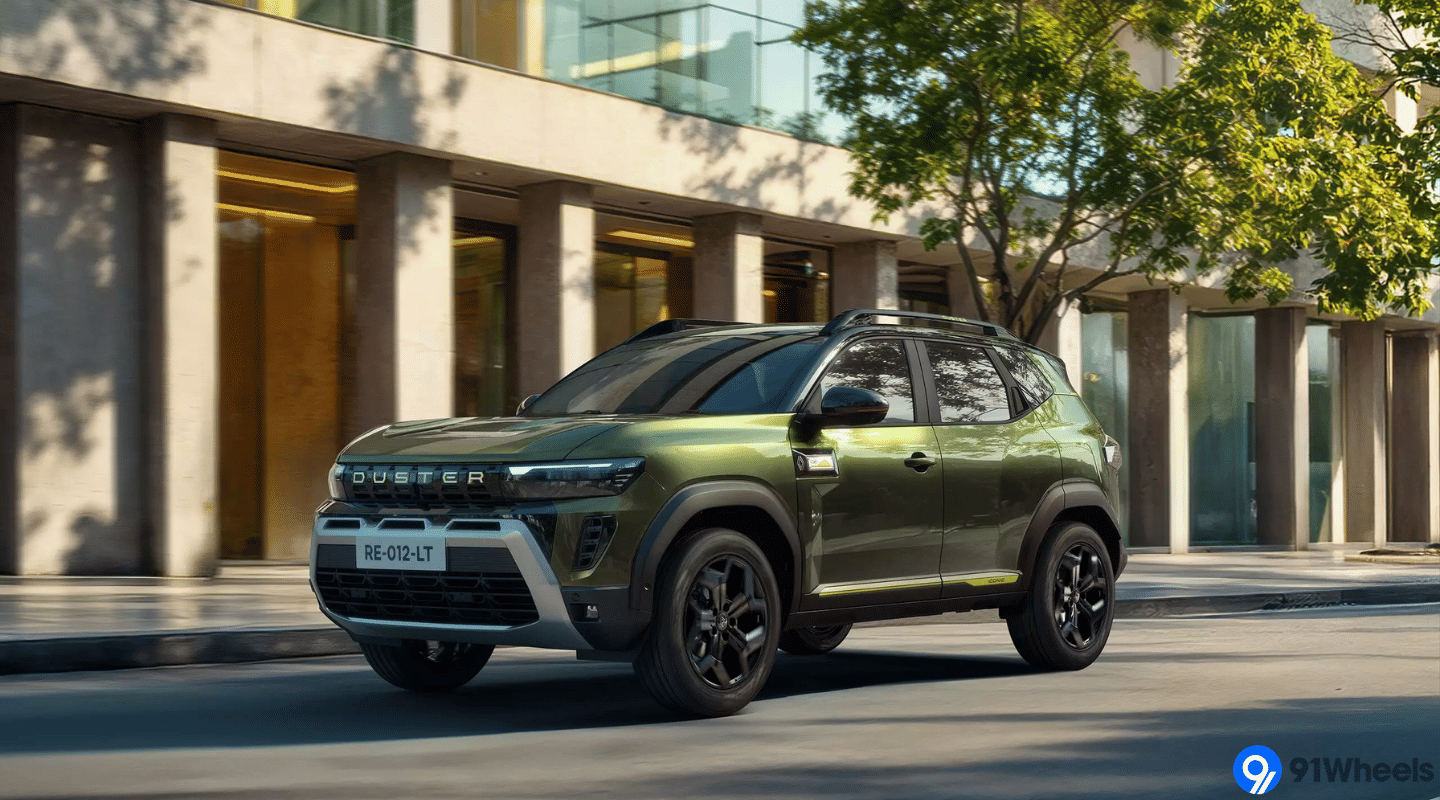
The SUV that started the midsize segment in India has returned, in an all-new avatar, and left a strong impression on everyone. The Renault Duster is a well-engineered car for the masses that shines on bad roads and smooth highways alike.
Special mention needs to go to the 1.3L turbo-petrol - it puts out segment-best power and torque figures at 163Hp and 280Nm, and is genuinely a gem of an engine. Currently, it's available with two petrol engines, a 1.0L and the 1.3L turbo, with a strong hybrid gearing up for launch by the last quarter of the year, around Diwali.
This SUV starts at Rs 10.49 lakh and goes up to Rs 18.49 lakh (ex-showroom), undercutting most of its midsize rivals - the Hyundai Creta, Kia Seltos, Tata Sierra, and Maruti Victoris - while matching or beating them on power.
People who want an SUV that's competent across all types of terrain, and delivers the best driving experience in its class, should opt for this one.
Pros | Cons |
|---|---|
700 litres of boot space - best in the segment | No diesel on offer |
Built-in Google Maps and other connected features | The 1.0-litre turbo-petrol is the entry-level engine, and it may feel underpowered for a car of this size |
Feature-loaded - includes Level 2 ADAS, ventilated seats, and lumbar support | No 4x4 option, unlike the older Duster |
The most powerful in the segment - 163 PS and 280 Nm of torque | Nothing exceptional feature on offer |
Macho styling - its tough design gives it the presence of a true off-roader |
Skoda Kushaq Facelift
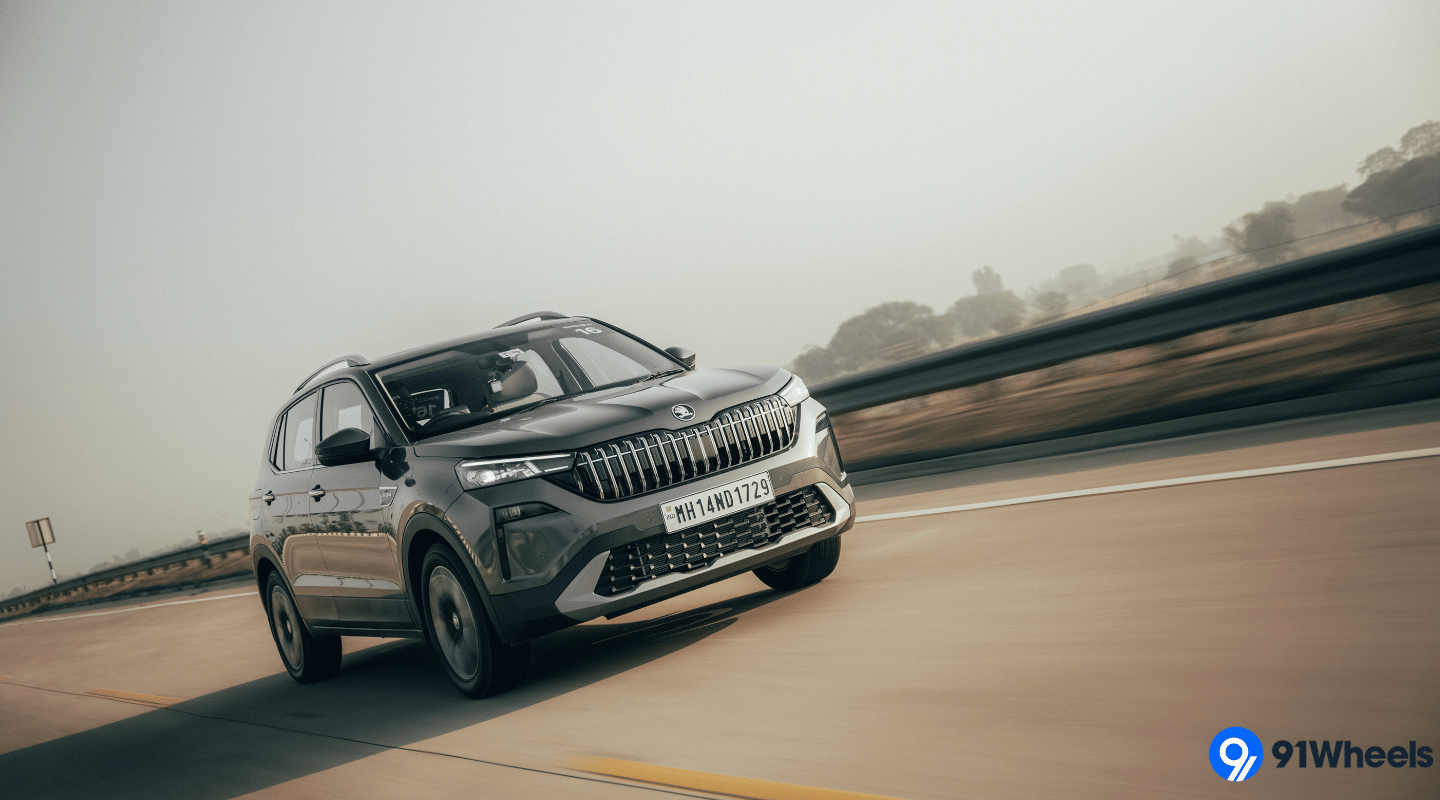
The Skoda Kushaq facelift launched on March 21, 2026, and felt like a generational update, as Skoda made changes to the SUV at every level. It became the first car in its segment to offer an 8-speed torque converter automatic, and rear-massaging seats. It doesn't stop there - it also gets a panoramic sunroof, a new digital instrument cluster, and an illuminated light bar at both the front and rear. The 1.5L TSI now comes with rear disc brakes too, fixing a long-standing complaint.
Lastly, and perhaps most importantly for Indian buyers, Skoda has finally fixed the AC. The old fixed-displacement compressor - a sore point on the Kushaq and its VW Group siblings - has been swapped for a variable-displacement unit, and overall AC performance has drastically improved as a result.
It now has something extraordinary to offer, and the variant lineup has been thoughtfully distributed, so even the base trim comes packed with several top features. A sunroof is standard across every trim, though only the higher Prestige and Monte Carlo variants get the full panoramic glass unit.
The one thing missing, even after this update, is ADAS - the Kushaq still doesn't offer it, while rivals do. It competes with the Hyundai Creta, Renault Duster, Kia Seltos, Volkswagen Taigun, Tata Sierra, and Maruti Grand Vitara/Victoris.
Pros | Cons |
|---|---|
Simple yet stylish exterior design with signature Skoda design language | Still no ADAS, even on the top-spec Monte Carlo and Prestige trim |
Segment-first rear-seat massage function | No 360-degree camera, and the reverse camera quality feels dated |
Long-overdue AC fix with the new variable-displacement compressor | 1.0L variants miss out on the new rear disc brakes |
1.5 TSI finally gets rear disc brakes | Interior plastics still feel like a step down from segment rivals |
Even the base trim is generously loaded with features |
Notable Mentions
First half of 2026 had more than just five standout launches. The Tata Tiago facelift rolled in on May 28 at Rs 4.69 lakh, sharpening Tata's entry-level hatchback with a longer feature list and a parallel update to the Tiago EV. Mercedes-Benz, meanwhile, opened a new chapter in India - the CLA Electric launched on April 24 at Rs 55 lakh, the brand's first car on its new MMA platform, with an 800V setup and a claimed range touching 792 km.
Then, on June 15, came the S-Class facelift, sold here exclusively as the S 450e - the first non-AMG plug-in hybrid the flagship sedan has ever worn in India. Add the Honda City facelift to that list too, a quiet but overdue refresh for a sedan that's been a fixture on Indian roads for over two decades.
What Lies Ahead?
The second half of the year kicks off in style. Tata rings in the change with the Sierra.ev, set to be unveiled on June 30, with full pricing and the commercial launch expected to follow shortly after. Hot on its heels, Nissan brings the Tekton to India on July 9 - its own take on the same platform underpinning the new Renault Duster. Honda, meanwhile, is gearing up to introduce its new flagship SUV for India, the ZR-V, with prices and deliveries expected through July. More SUVs, then, for an already SUV-obsessed market. These are the launches confirmed as things stand - expect the list to only grow as the months roll on.
Do you like this article?
Comments
No comments yet. Be the first to comment!