How Carmaker Collaborations Are Quietly Reshaping What You Drive & What You Pay

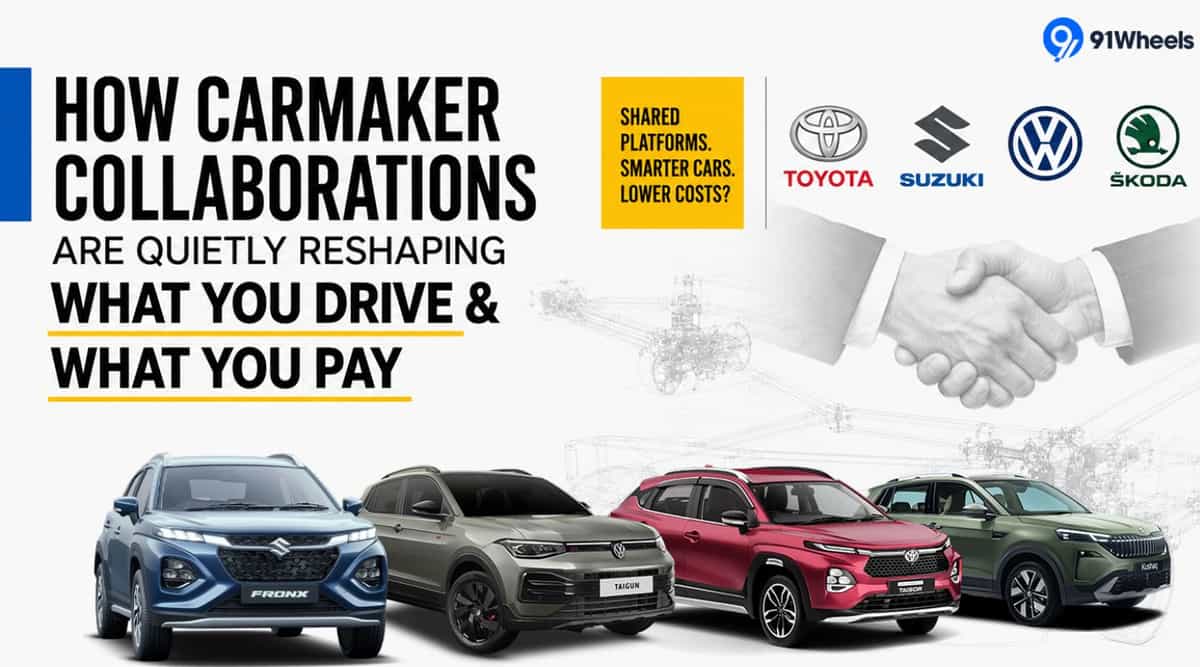
Walk into a Toyota showroom and ask for the Urban Cruiser Hyryder, then walk into a Maruti showroom and ask for the Grand Vitara; or do the same for Skoda Kushaq and Volkswagen Taigun. You'll be looking at two badges, two sales experiences, two warranty booklets- and, underneath the skin, largely the same car. This isn't a coincidence, and it isn't cost-cutting laziness either. It's the auto industry's biggest open secret: nobody wants to build a car alone anymore.
Here's why and what it actually means for your next purchase.
Why carmakers don't want to go solo
.jpg)
Launching a genuinely new car from scratch in India is an expensive, multi-year bet. R&D, design, crash testing and government approvals, building a parts supply chain, and setting up a dealership network - all of this has to happen before a single unit is sold. For a market as price-sensitive as India, that's a lot of risk for a company to carry alone, especially when a rival could undercut you before you've recovered the investment.
Collaboration solves this. Instead of each company reinventing the wheel - literally - two automakers split the cost, the risk, and eventually, the reward. Broadly, this plays out in the Indian market in two distinct ways.
Type 1: Business Collaborations - Different Companies, Shared Interests
These are partnerships between companies that have ownership stake in each other. Toyota acquired a 4.94% stake in Maruti. However, Maruti has bought a very small stake in Toyota of 0.21% only. They team up because their strengths fill each other's gaps.
Maruti Suzuki X Toyota: The Textbook Case
This one didn't happen overnight in 2018, as is commonly assumed - it was built over years:
- February 2017: Suzuki and Toyota sign an MoU to cooperate on safety, environment, and IT technologies
- March 2018: The two firms agree to mutually supply hybrid vehicles for the Indian market
- August 2019: The relationship deepens into a capital alliance, with actual equity investment into each other
The logic is a clean exchange. Toyota brought hybrid and EV technology to the table - strong hybrid systems it had spent decades perfecting. Suzuki brought something Toyota didn't have in India: a compact-car portfolio, a massive local supply chain, and a dealership network built over decades of dominating the small-car segment.
.jpg)
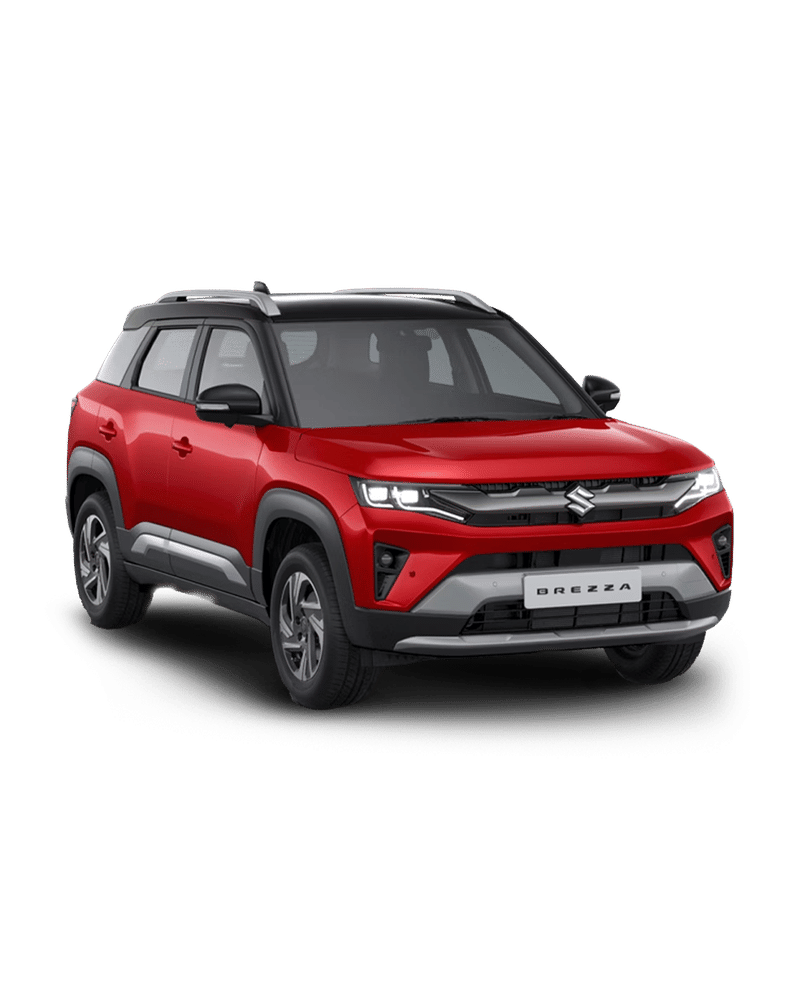
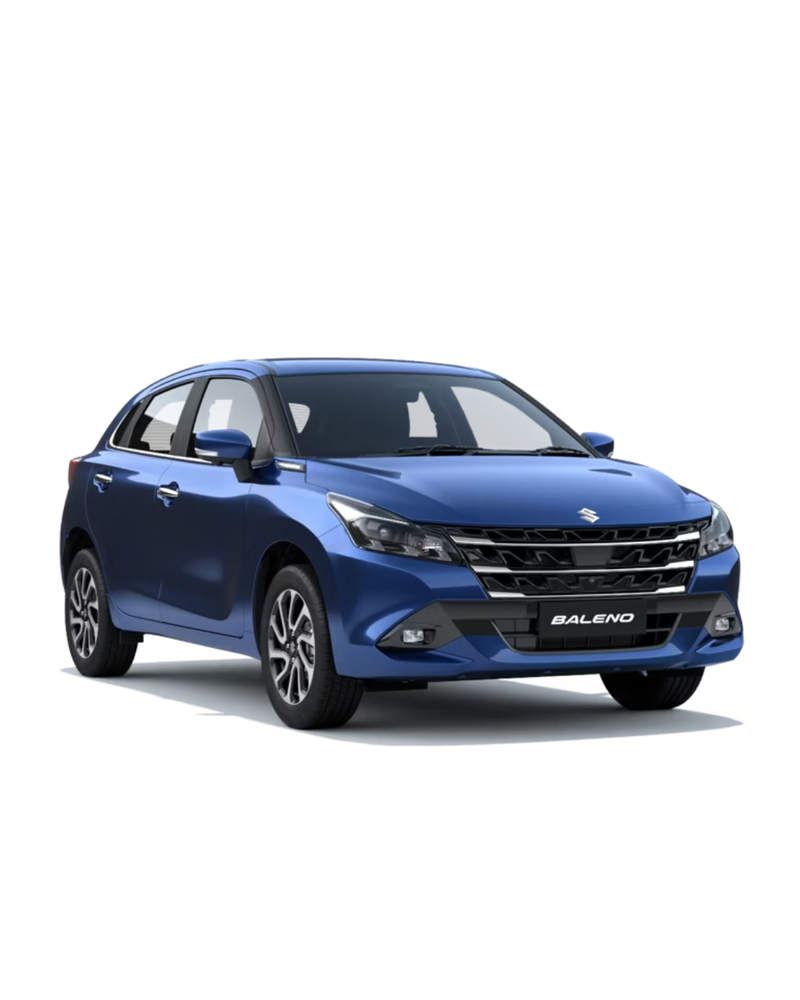
The result is visible on Indian roads today. The Toyota Glanza is a rebadged Baleno. The Urban Cruiser is a rebadged Vitara Brezza. The Urban Cruiser Hyryder and Grand Vitara share their platform and powertrains, right down to the strong-hybrid option developed by Toyota. Maruti also uses the tie-up to export rebadged models to Africa and Latin America under the Toyota badge.
What's telling is ‘why’ Toyota needed this so badly - before the partnership deepened, Toyota held around 5% market share in India in 2016. It simply didn't have an affordable, mass-market lineup, and building one from scratch would have taken a decade. Buying into Maruti's small-car ecosystem was faster and cheaper.
Interestingly, the alliance hasn't meant total technical convergence. As recently as 2024, Maruti chose to develop its own cheaper "series hybrid" system for small cars instead of adopting Toyota's costlier parallel hybrid tech - because affordability, not just capability, decides what wins in the Indian mass market. Even in a close partnership, each side still optimises for its own customer.
Renault X Nissan: A Partnership That Had to Rebalance Itself
The Renault-Nissan story is older and messier than most people realise - and it's a useful cautionary tale for your reader.
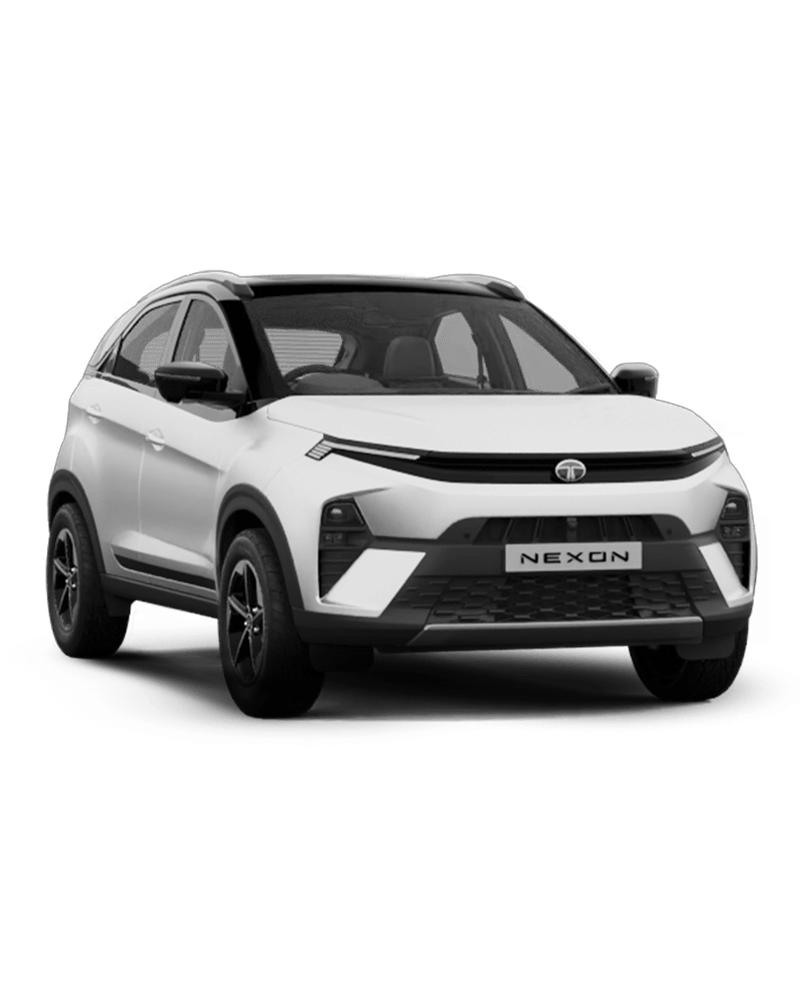
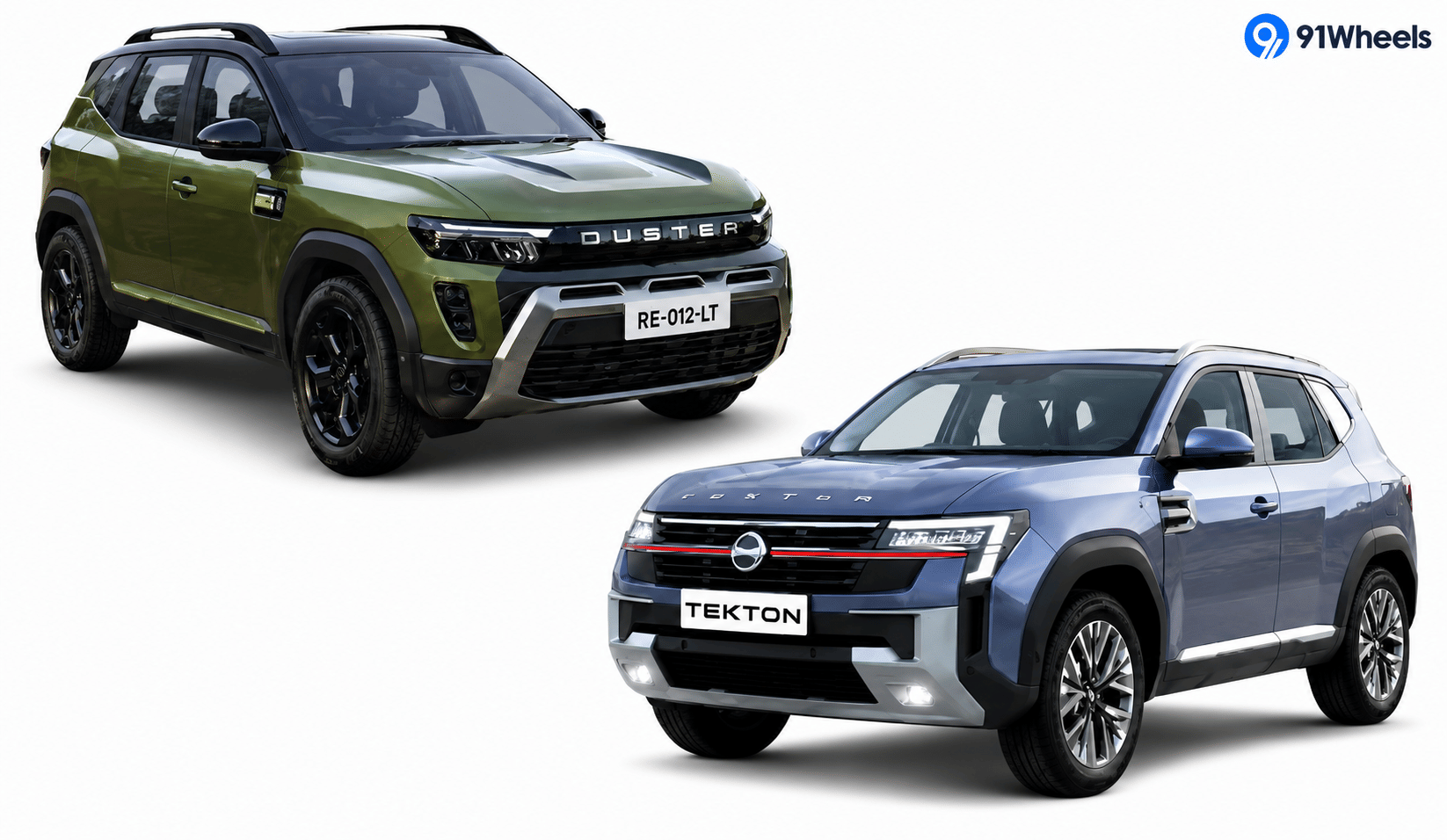
In India specifically, the manufacturing story has an interesting twist. The Chennai plant of Renault Nissan Automotive India Pvt Ltd was majority-owned by Nissan (51%) with Renault holding the rest. In 2025, Renault moved to acquire full ownership of the plant, flipping the arrangement: Renault now owns the facility outright, while Nissan continues to have its cars, including the Magnite, built there as a tenant. Same goes with Duster and Tekton.
In these cases, business collaborations aren't static contracts - they evolve, and sometimes completely reverse, as each partner's leverage changes.
Type 2: Sister Company Collaborations - One Family, Multiple Badges
Unlike business collaborations, sister-company partnerships involve real ownership stakes between the brands. Here, the goal isn't filling each other's gaps - it's capturing more of the market by offering near-identical products under different badges, at different price points, to different buyer psychologies.
Hyundai X Kia: The Chaebol Playbook
.jpg)
Hyundai and Kia aren't just partners - Hyundai is Kia's largest shareholder. Hyundai Motor Company bought a controlling 51% stake in Kia in 1998, when Kia nearly collapsed during the Asian financial crisis, outbidding Ford in the process. That stake has since been diluted to roughly 33-34% - still comfortably the largest single shareholding, giving Hyundai effective control without a legal majority.
For the buyer, this shows up as shared bones with different personalities: the Hyundai Ioniq 5 and Kia EV6 are both built on the same E-GMP electric architecture. Yet the two brands keep separate design studios, separate dealer networks, and deliberately different styling and pricing - so a shopper cross-shopping the two still feels like they're choosing between two distinct products, not just two badges.
Skoda X Volkswagen: The Other End of the Spectrum
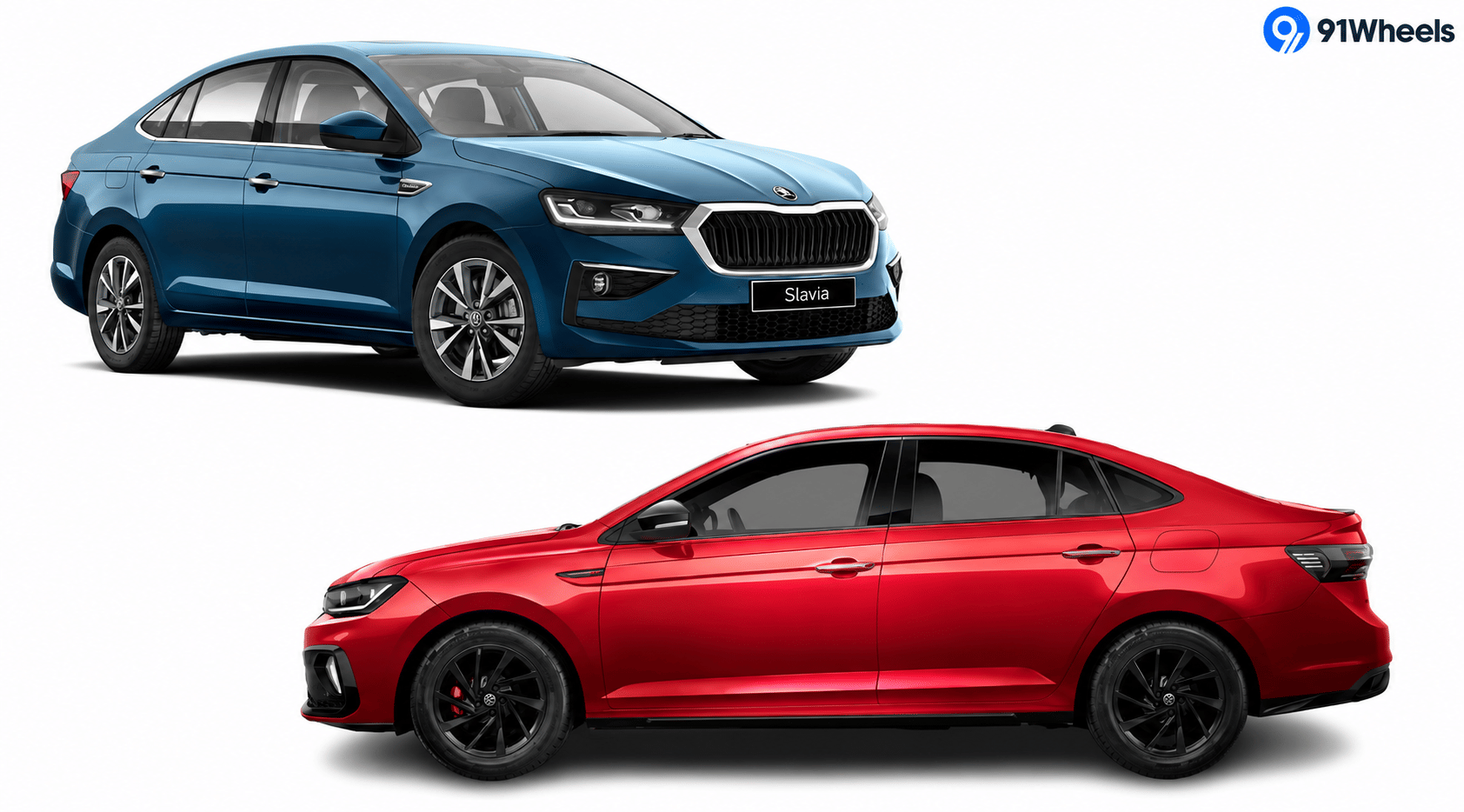
If Hyundai-Kia shows what a controlling stake looks like, Skoda-Volkswagen shows what full ownership looks like. Skoda is a 100%-owned subsidiary of the Volkswagen Group; not a minority stake, not a cross-shareholding, but complete ownership. This is the tightest form of "sister company" collaboration in the market, and it's why Skoda and VW models often share even more under the skin - platforms, engines, and increasingly, EV architecture - than Hyundai and Kia do.
Alliance | Ownership Structure & Collaboration Model |
|---|---|
VW – Skoda | Full Ownership |
Hyundai – Kia | Controlling Stake |
Renault – Nissan | Cross-Shareholding Alliance |
Maruti – Toyota | Business Alliance |
What This Actually Means For You, The Buyer
All this corporate structuring eventually lands on a showroom floor, and it shows up in a few concrete ways:
Brand value and trust
The same hardware wearing a different badge doesn't carry the same weight with every buyer. A Toyota badge on a Maruti-derived platform brings Toyota's global reliability reputation to a car that's fundamentally Indian-engineered - and buyers pay for that perception, even on a mechanically similar product.
After-sales experience
.jpg)
Dealership standards, service intervals, and ownership experience can differ meaningfully between sister brands, even when the car underneath is nearly identical. This is often the real deciding factor once two options are otherwise evenly matched.
Reliability and fan following
Decades of brand history don't disappear just because two companies now share a platform. A loyal Maruti buyer and a loyal Toyota buyer are often choosing the brand relationship, not just the car.
More choices at more price points
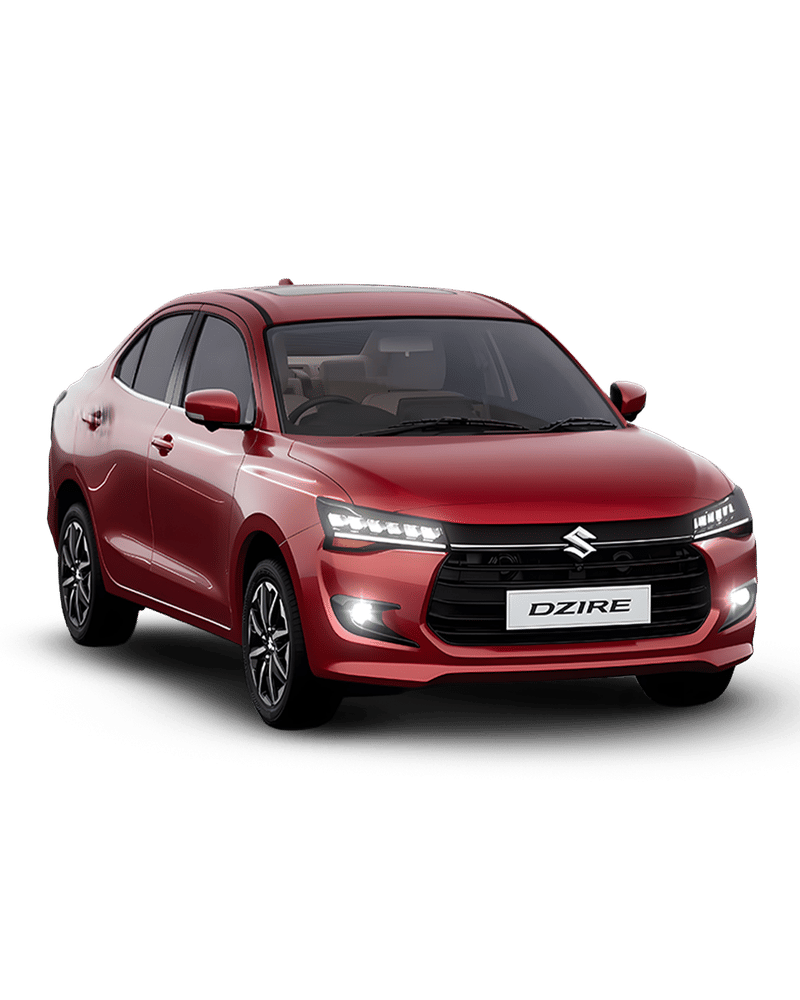
This is arguably the biggest win for buyers. Collaboration lets one piece of engineering investment get sold twice, at two price points, to two different customer mindsets - which is exactly why India's SUV segment now offers so many near-twin options across budgets.
The bottom line: when carmakers stop competing on everything and start collaborating on the expensive, invisible parts - platforms, powertrains, R&D - the buyer usually ends up with more choice, sharper pricing, and faster access to new technology than either company could have delivered alone.
Do you like this article?
Comments
No comments yet. Be the first to comment!