
India's lifestyle pickup segment is about to get a serious new contender along with the Isuzu V-Cross and the Toyota Hilux. Mahindra has finally pulled the wraps off the Scorpio Lifestyler. This Scorpio N based pickup is in the pipeline since the concept first broke cover in Cape Town back in 2023. And it lands at a moment when Toyota has just given the Hilux its biggest update yet. So let’s deep dive and check the sweet spot among the rivals, Mahindra Scorpio Lifestyler vs Toyota Hilux.
Design
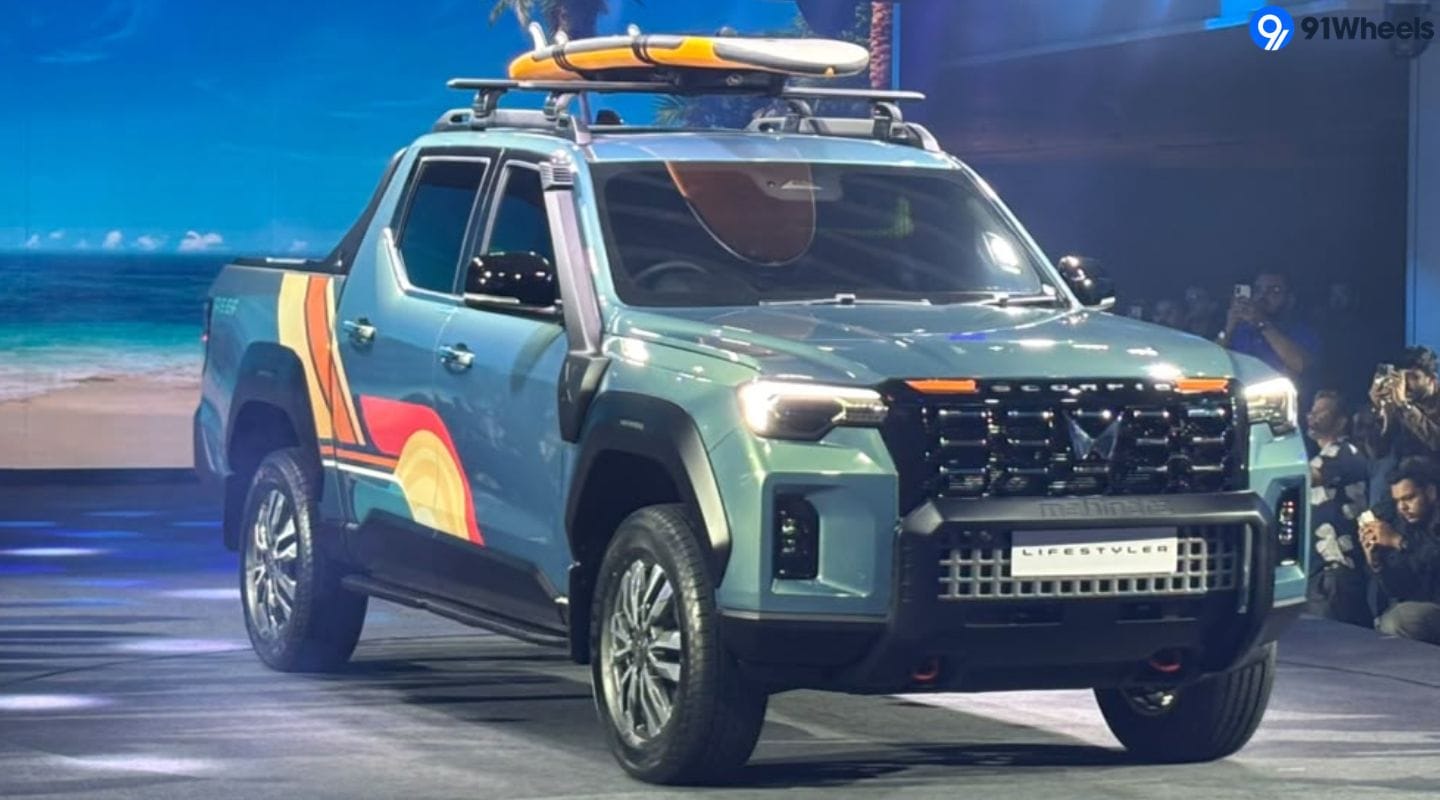
The Scorpio Lifestyler has its Scorpio N DNA. It gets a chunky grille with the Mahindra logo centre of the grille, an integrated front camera neatly placed below the logo. What catches you eyes is the big “SCORPIO” lettering above the grille, a beefy skid plate, and boxy air intakes for the radiator. Down the side, it gets wheel cladding and diamond-cut alloys. At the back, C-shaped LED tail lamps and bold "MAHINDRA" lettering keep things simple and purposeful.
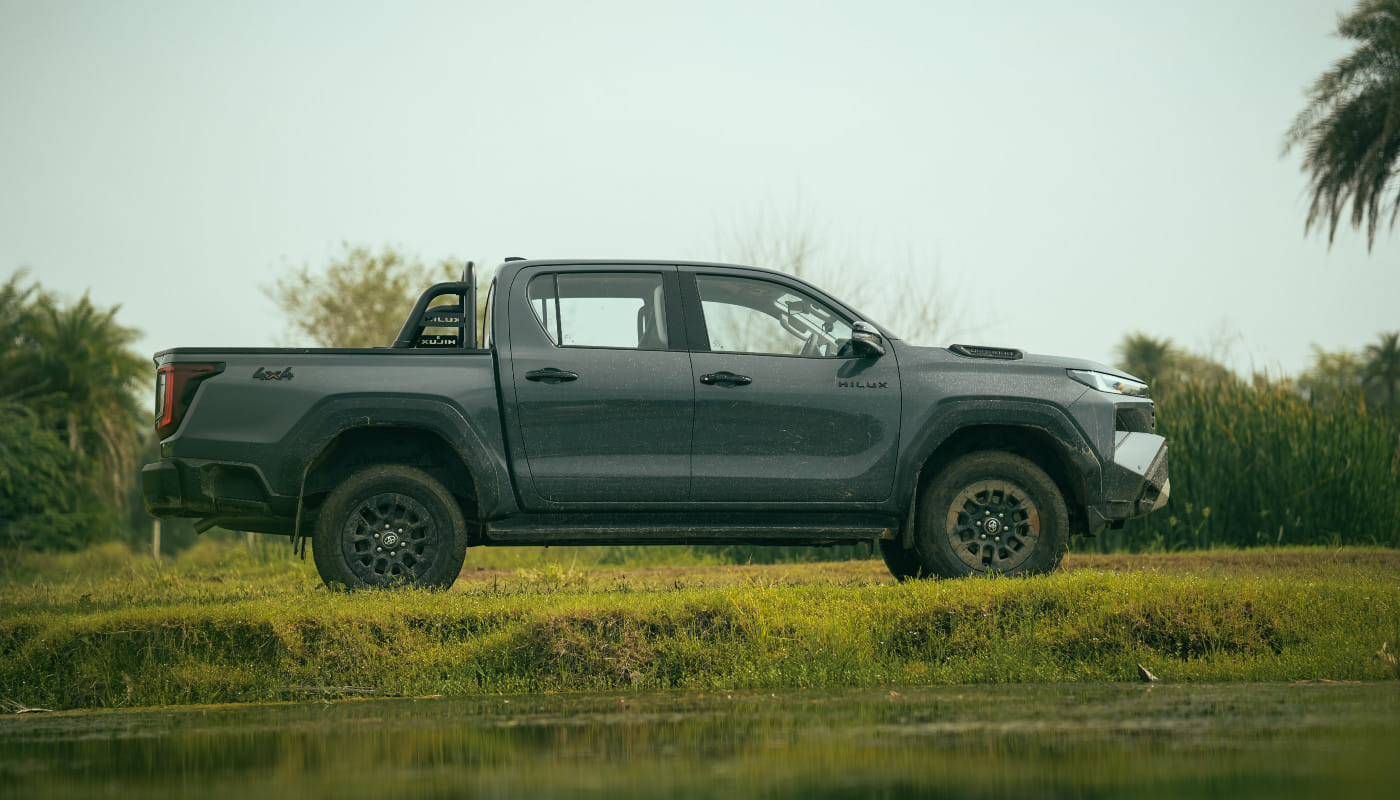
The Hilux, meanwhile, goes all in on its new "Cyber Sumo" design theme. It gets bold "TOYOTA" lettering above the grille, a look borrowed from the Land Cruiser 300, along with a honeycomb front end, slimmer LED headlamps, and a piano-black bumper. The side profile is largely carried over from before, though new alloys freshen it up. It's less of a ground-up redesign and more of a sharpened evolution.
Mahindra has also showcased its offering of three distinct editions, Valley, Reef, and Trail, each with its own paint shade and target buyer, from weekday-workhorse types to adventure seekers.
Features
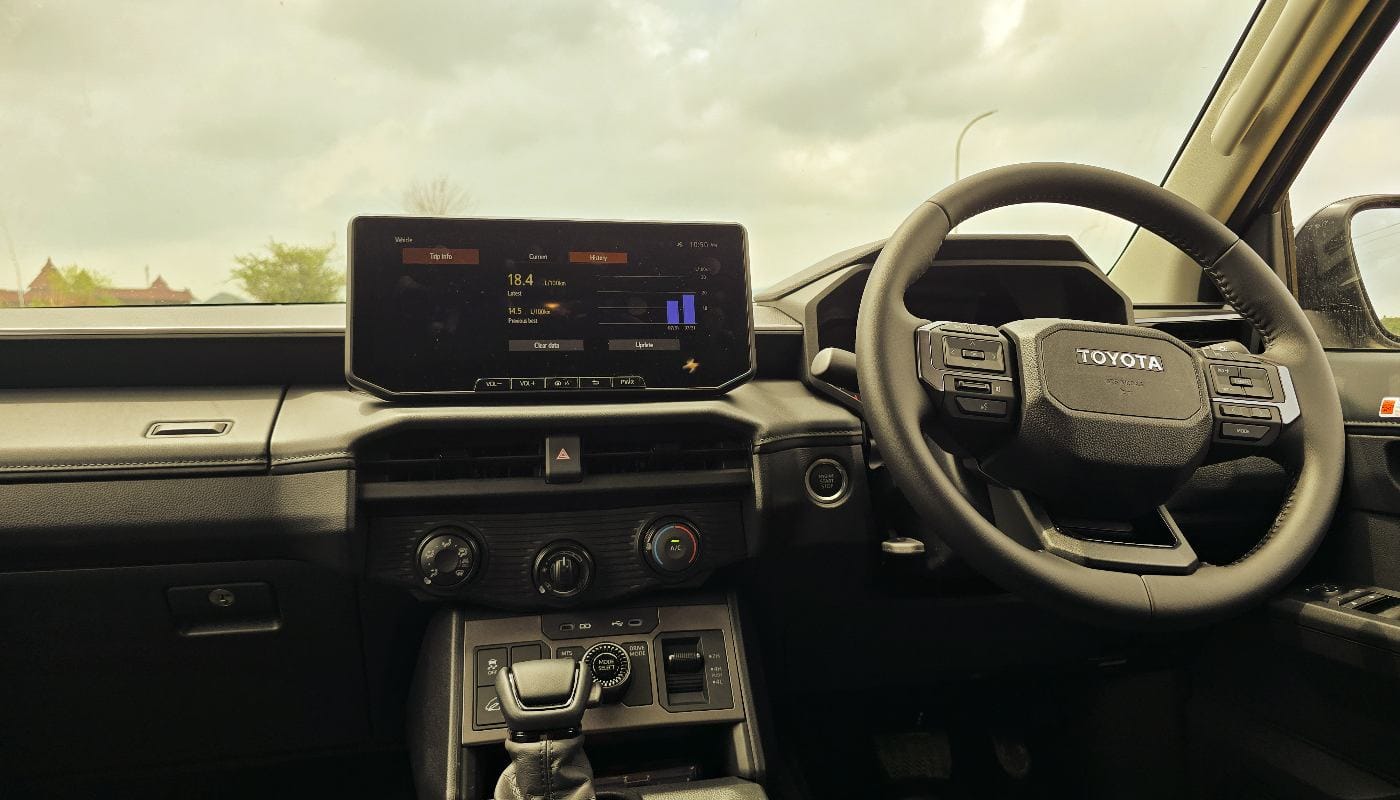
Since Mahindra hasn't revealed the Lifestyler's cabin yet, this category currently favours Toyota by default. The Hilux comes with a 12.3-inch touchscreen with wireless Apple CarPlay and Android Auto, a 7-inch digital cluster with a metal-tone finish, and Toyota's i-Connect suite of connected features. Other conveniences include wireless charging, cruise control, smart entry with push start and stop, a rear armrest, and PM2.5 air filtration. An 8-speaker audio system and voice recognition round off the tech list.
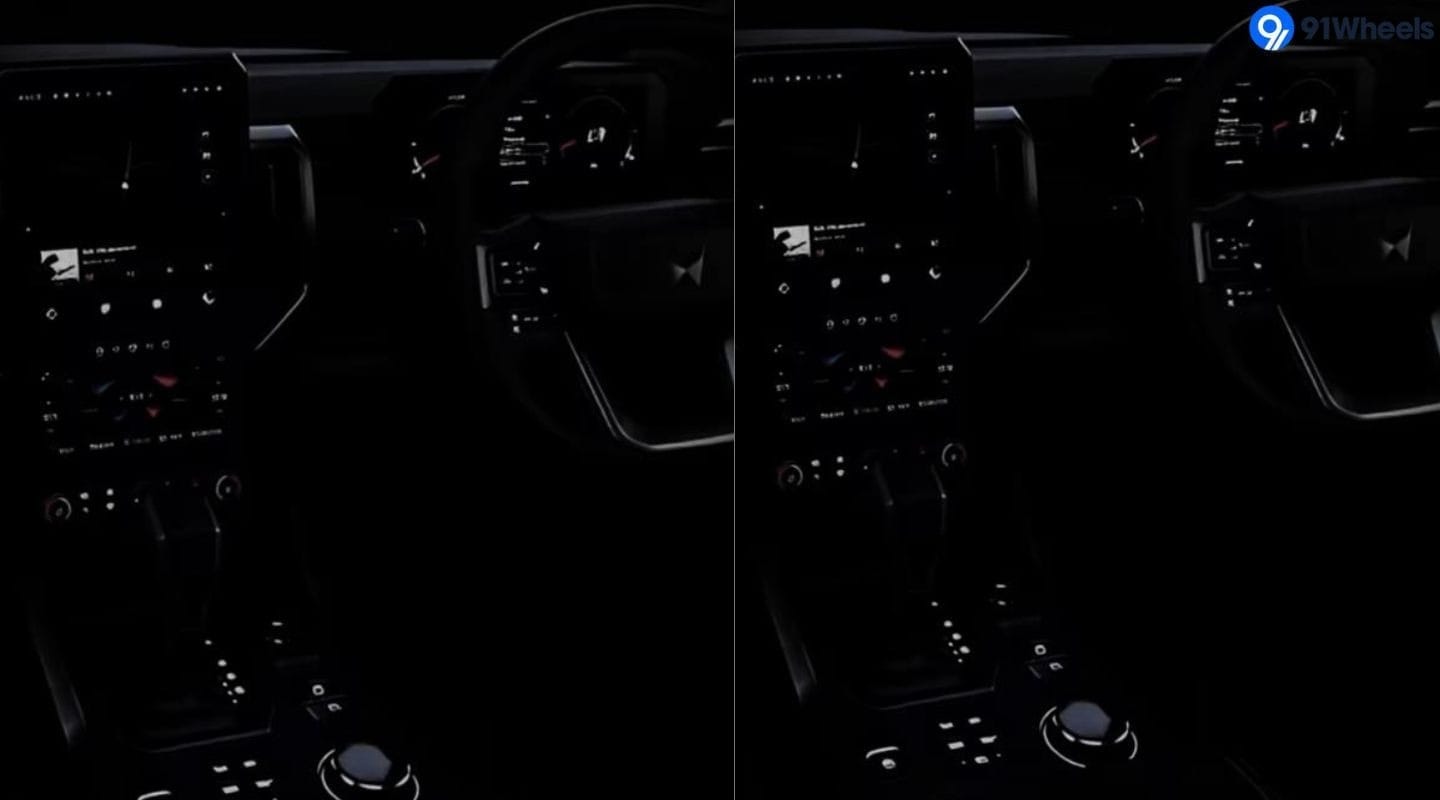
Mahindra's expected spec sheet for the Lifestyler, a near 12-inch touchscreen, digital instrument cluster, leatherette seats, automatic climate control, and a multifunction steering wheel, sounds competitive on paper. A sunroof, 360-degree camera, and ventilated seats are likely to be reserved for top trims. Until the brand confirms it officially though, this remains speculation carried over from the Scorpio N facelift.
Engine And Safety

On paper, the Hilux has the clear edge here. It continues with a familiar, trusted 2.8-litre diesel, making 204 PS and 500 Nm, mated to a 6-speed automatic torque converter. It also gets a proper 4X4 system with High and Low range, an electronic diff lock, and Downhill Assist Control. It comes with a double wishbone front suspension and leaf springs at the rear. On safety side, it comes with seven airbags as standard, Vehicle Stability Control, ABS with Brake Assist, ISOFIX child seat anchors, a 360-degree camera, and Toyota's robust body structure.
The Scorpio Lifestyler is expected to get the 2.2-litre diesel from the Scorpio N and Thar Roxx, likely tuned for around 170 PS and 400 Nm. It may come with 4X2 along with 4X4. In terms of power and engine, there is a meaningful gap in outright power and torque, though it also means a smaller, more efficient engine. We believe, this could work in the Lifestyler's favour depending on how buyers prioritise running costs over outright grunt. Mahindra hasn't detailed the Lifestyler's safety kit yet. However the recent The Scorpio N facelift is seen offering 6 airbags only in the top trims, whereas even smaller hatchbacks are offering 6 airbags as standard; the same could possibly be carried forward here as well.
Specification | Scorpio Lifestyler | Hilux |
|---|---|---|
Engine | 2.2L diesel (expected) | 2.8L diesel |
Power | ~170 PS (expected) | 204 PS |
Torque | ~400 Nm (expected) | 500 Nm |
Gearbox | Not confirmed | 6-speed AT |
Drivetrain | 4X2 and 4X4 | 4X2 and 4X4 |
Status
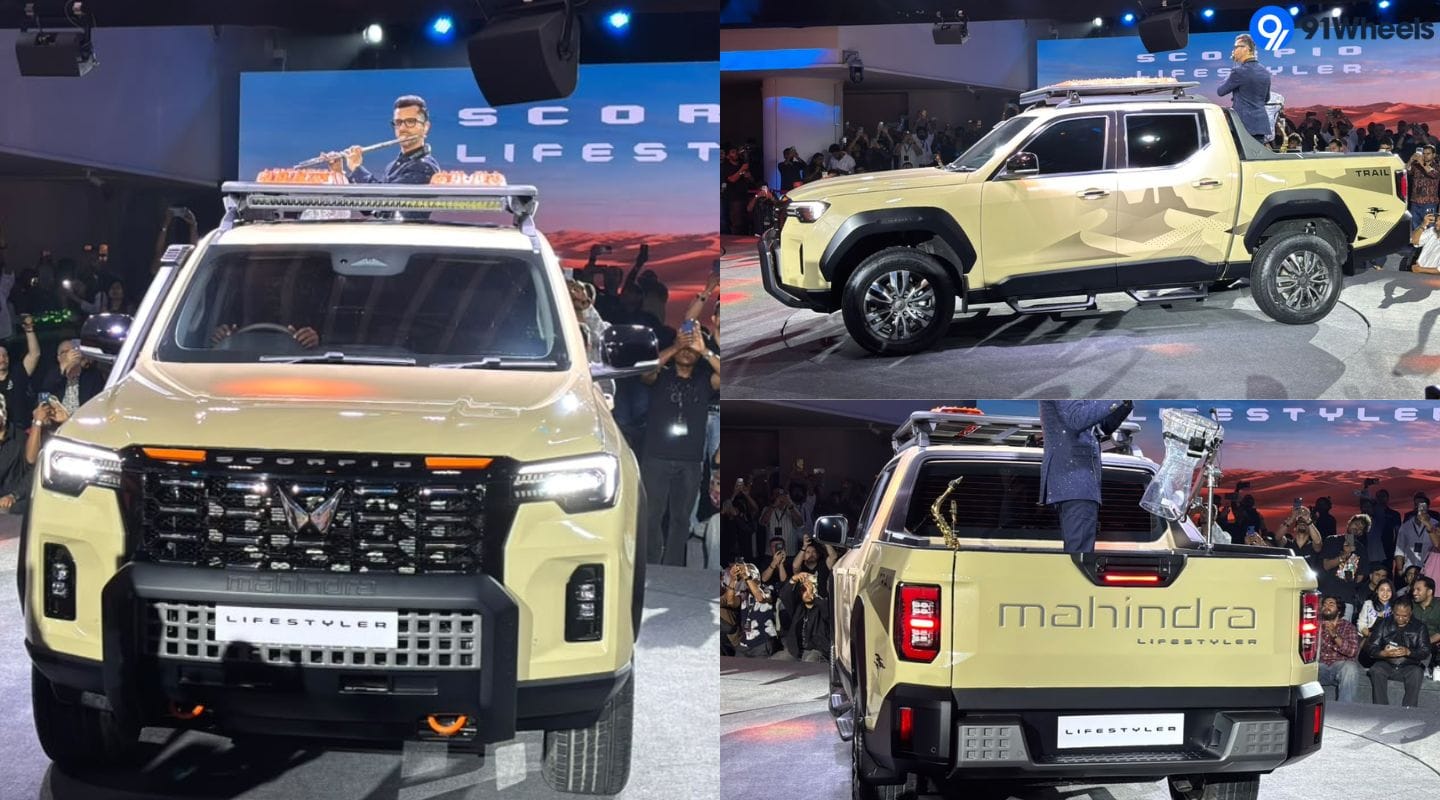
These two aren't at the same stage of their journey. The Hilux has already launched, and deliveries have started. The Scorpio Lifestyler, on the other hand, has only just been unveiled. Mahindra has shown us the design and the three trims, but interiors haven't been revealed yet, and the launch will happen in March or April of 2027. This is more of a "what we know so far" comparison for the Lifestyler.
Price
Scorpio Lifestyler Undercuts By A Wide Margin. This is where the story gets interesting. The Scorpio Lifestyler starts at Rs 19.79 lakh, while the Hilux starts at nearly Rs 32 lakh and climbs to Rs 36.69 lakh for the top-spec 4X4 VX AT. That's a gap of over Rs 12 lakh at entry level, which puts the two trucks in very different buying brackets, even though both will end up parked in showrooms marketed at the same lifestyle pickup crowd.
Scorpio Lifestyler | Hilux | |
|---|---|---|
Starting Price | Rs 19.79 lakh | Rs 31.99 lakh |
Top Variant Price | Rs 25.00 lakh (est.) | Rs 36.69 lakh |
Status | Unveiled, launch TBA | Launched, bookings open |
End Note
Right now, this isn't really a fair fight. One truck is sitting in showrooms today, and the other is still a name and a design with a promised spec sheet. But the intent is unmistakable. Mahindra wants to give Indian buyers a rugged, characterful pickup at a significantly lower price than the Hilux, betting that most lifestyle-truck buyers care more about attitude and value than outright power. Toyota, meanwhile, is doubling down on the Hilux's reputation as one of the toughest, most dependable pickups in the world, backed by a proven engine and a genuinely feature-rich cabin, at a price that reflects that pedigree.
If you want off-road hardware, badge trust, and you're ready to spend Rs 32 lakh plus, the Hilux is already there for the taking. If you're patient and price-conscious, the Scorpio Lifestyler could turn out to be the more interesting story once Mahindra fills in the blanks: engine tune, full feature list, and, most importantly, an actual launch date.
Do you like this article?
Comments
No comments yet. Be the first to comment!