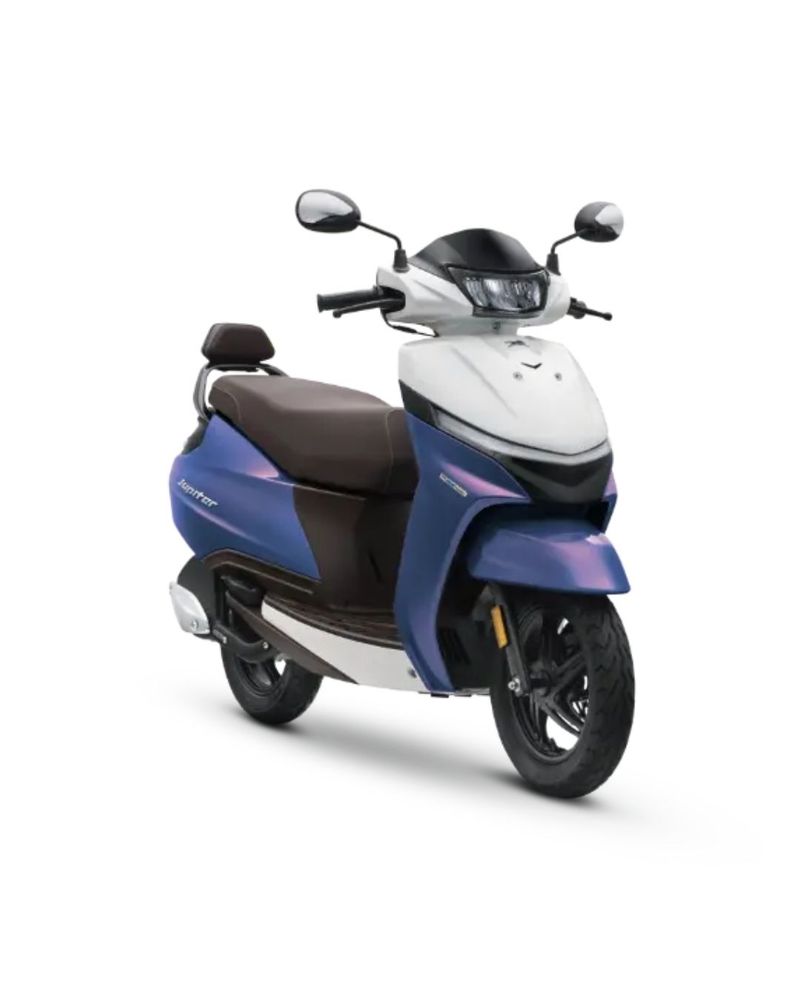
Hero Xoom 160 Specifications


156 cc
Engine Capacity
Up to 41 kmpl
ARAI Mileage
787 mm
Seat Height
142 kg
Kerb Weight
7 Litres
Fuel Tank Capacity
No Litres
Under seat storage
Xoom 160 is available in India at a price tag of ₹ 1.43 Lakh*. Xoom 160 is powered by a 1 cylinder, 156 cc, Liquid Cooled& 4 Valve& Single Cylinder& SOHC.
It is able to produce 14 Nm @ 6250 rpm torque and 14.80 PS @ 8000 rpm power.
Keep scrolling to explore detailed configuration, features and technical specs of Xoom 160.
Hero Xoom 160 Weight & Height
The seat height of Hero Xoom 160 is 787 mm and the kerb weight is 142 kg. In other dimensions Xoom 160 has 1983 mm Length, 839 mm Width, 1214 mm Height, 1348 mm Wheelbase, 155 mm Ground Clearance, 130 kg Payload Capacity, 7 litres Fuel Tank Capacity , Not applicable Water Wading Capacity.Hero Xoom 160 Body
Hero Xoom 160 has Telescopic Hydraulic Shock Absorber suspensions with front tyre and Dual Shock Absorber suspensions with rear tyre. It comes with a Underbone Frame frame.Hero Xoom 160 Alternatives
Main Competitors of Xoom 160 scooter are Yamaha Aerox 155, Suzuki Burgman Street, Honda Dio, TVS NTorq 150, Honda Activa 125, Aprilia SR 175, Aprilia SR 160 BS6, Suzuki Access 125, TVS NTORQ 125, Aprilia SR 125.Hero Xoom 160 Latest Price
Xoom 160 is available in India starting from ₹ 1.43 Lakh* with it's least expensive variant being ZX. Most expensive variant of Xoom 160 is ZX priced at ₹ 1.43 Lakh*.Keep scrolling to explore detailed configuration, features and technical specs of Xoom 160.
Hero Xoom 160 Highlights

Smart Digital Instrument Console
Displays speed, trip meters, fuel level, and navigation prompts.
Know More
LED Headlamp & Taillight
Bright LED lighting improves visibility and energy efficiency at night.
Know More
Front Disc Brake
Provides stronger, more controlled braking performance.
Know More
14-inch wheels
Larger wheels improve grip, stability, and ride confidence.
#Control & GripKnow More
Eco Start/Stop Technology
Automatically switches off engine in idle traffic to save fuel.
Know More
Specs & Features

₹1.43 Lakh*
Ex-Showroom Price
Explore Hero Xoom 160
Ad
Loading...
Loading...
Loading...
Xoom 160 Question & Answers


Answer by 91Wheels Expert
6 months ago
You can book the Hero Xoom 160 now, because Hero MotoCorp officially commenced sales on September 8, 2025. press release says of Hero the scooter is available through Hero Premia dealerships and can also be booked on the online platform of the company. If your city still shows a wait, that is likely
Didn't Find Your Question? Ask an Expert

Loading...
Loading...