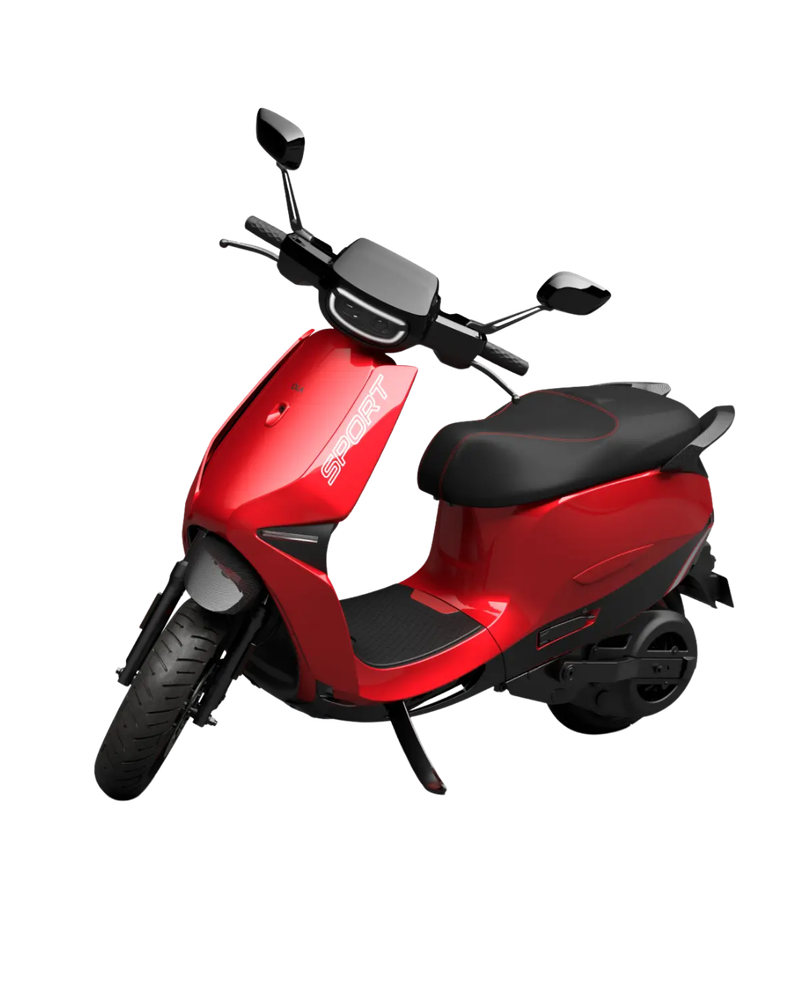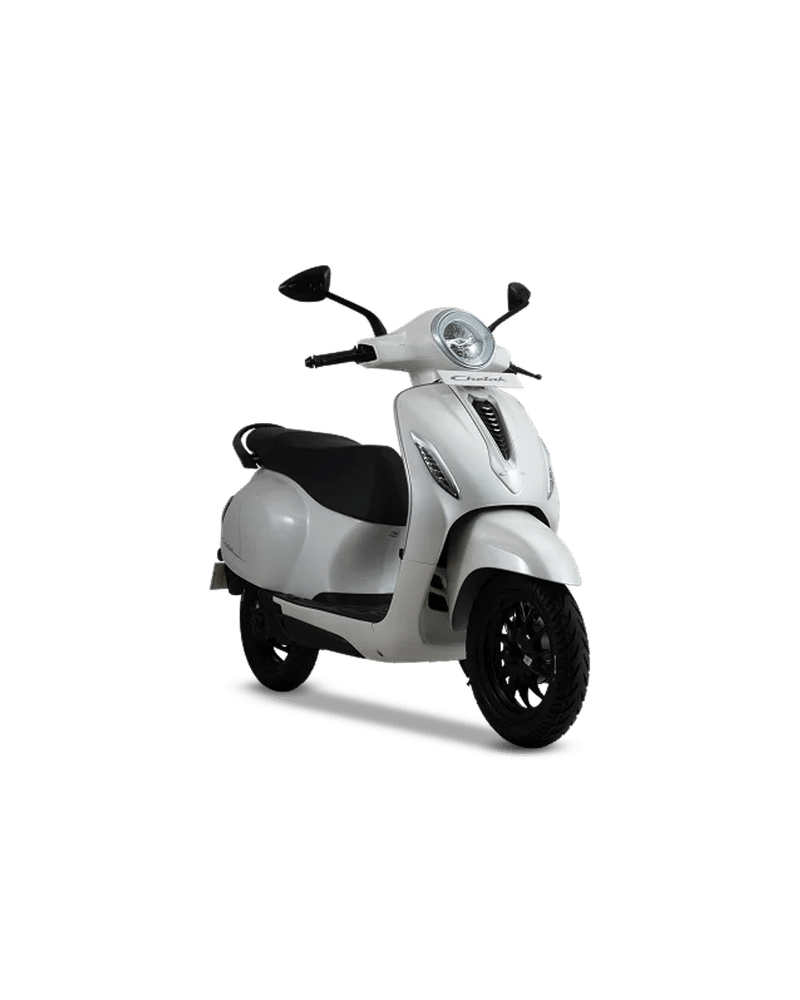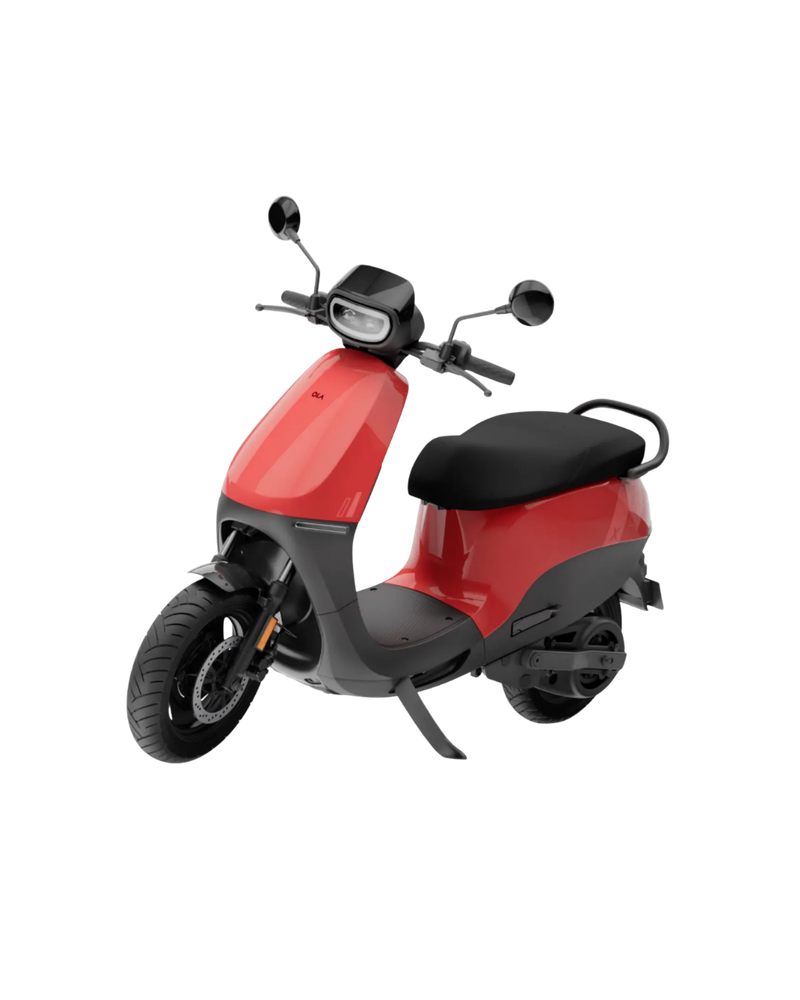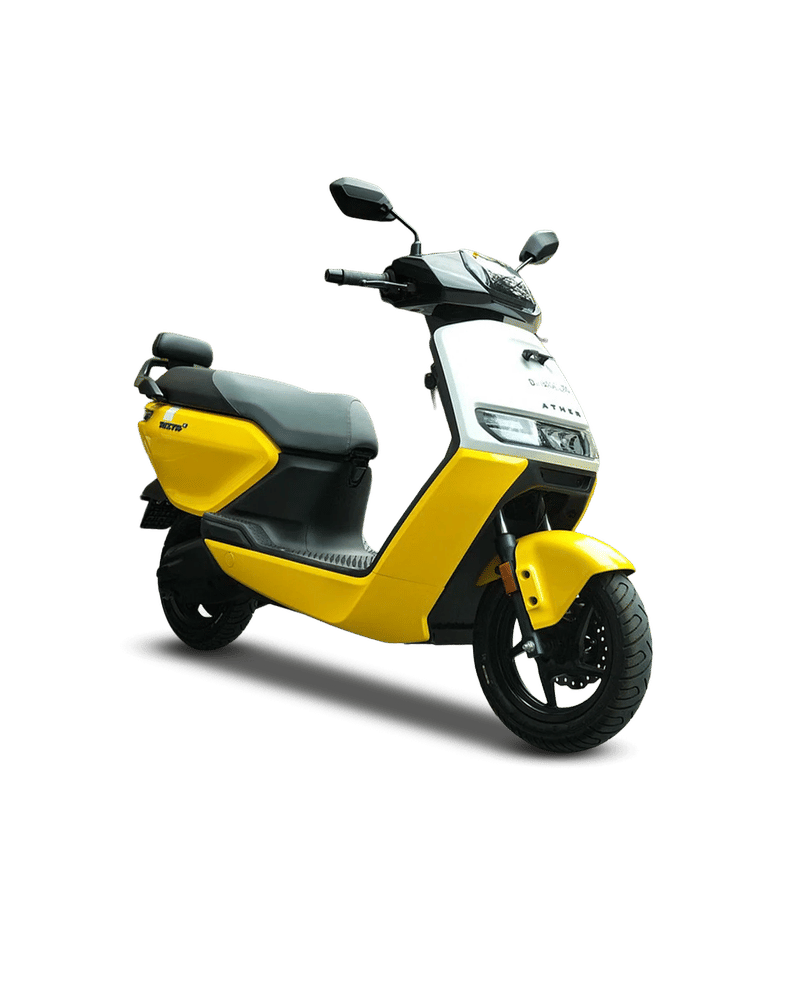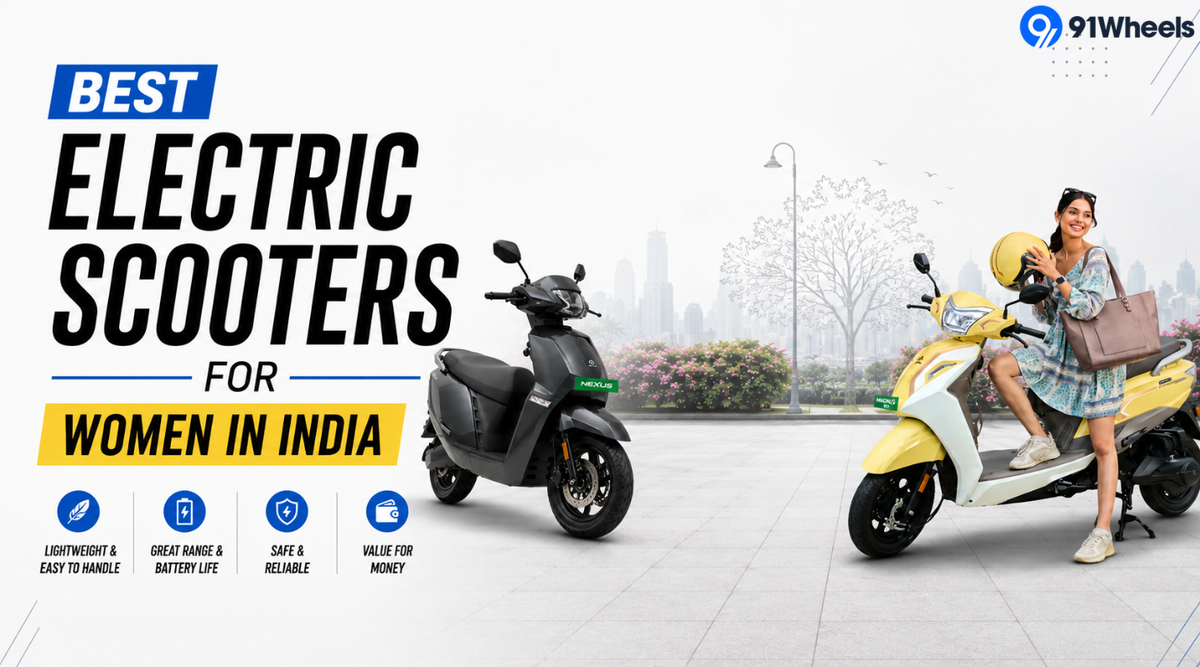
Choosing an electric scooter for daily commuting is not just about range or price. For women riders, factors such as weight, ease of handling, storage, comfort, braking, charging convenience and overall practicality can make a much bigger difference to everyday usability.
The ideal scooter should be easy to manoeuvre through traffic, simple to park, comfortable for regular commuting and practical enough to handle everyday tasks. It should also offer enough range for daily travel without requiring frequent charging.
Ampere Electric's current scooter range caters to different types of commuters, with models offering varying levels of performance, practicality, features and ease of use. From the lightweight Reo Vyb to the more premium Nexus EX+, there is an Ampere scooter for different commuting requirements. So, which Ampere electric scooter makes the most sense for women commuters in 2026? Here's a closer look.
How to Choose the Best Electric Scooter for Daily Commuting
Easy handling at low speed matters more than raw power for most city riding. Seat height and kerb weight decide how confident a rider feels stopping at a signal. Reverse mode helps reversing out of a tight parking spot conveniently. Storage decides whether groceries and a bag can travel together. Range decides how often charging turns into a chore instead of a routine. Braking, riding modes and visibility at night matter regardless of who's riding.
None of this is gendered. It's the same checklist any sensible commuter would work through before buying. What changes is which factors matter most to a given rider, and that depends on how she actually uses the scooter, not on assumptions made on her behalf. It's worth keeping in mind while looking at Ampere's range, since the four scooters below sit at fairly different points on most of these criteria.
The "lightest scooter" myth
A common shortcut in EV shopping is assuming the lightest scooter automatically wins. That's a fair instinct for a college student navigating narrow lanes, but it falls apart for a rider covering 40-60 km a day, one hauling a week's groceries home, or one who simply wants genuine performance and road presence.
A short-hop student, an office commuter on a longer route and an experienced rider chasing handling and tech are all making valid, different choices. That's the case for a range of scooters rather than one do-it-all model.
Ampere Reo Vyb: lightweight and accessible
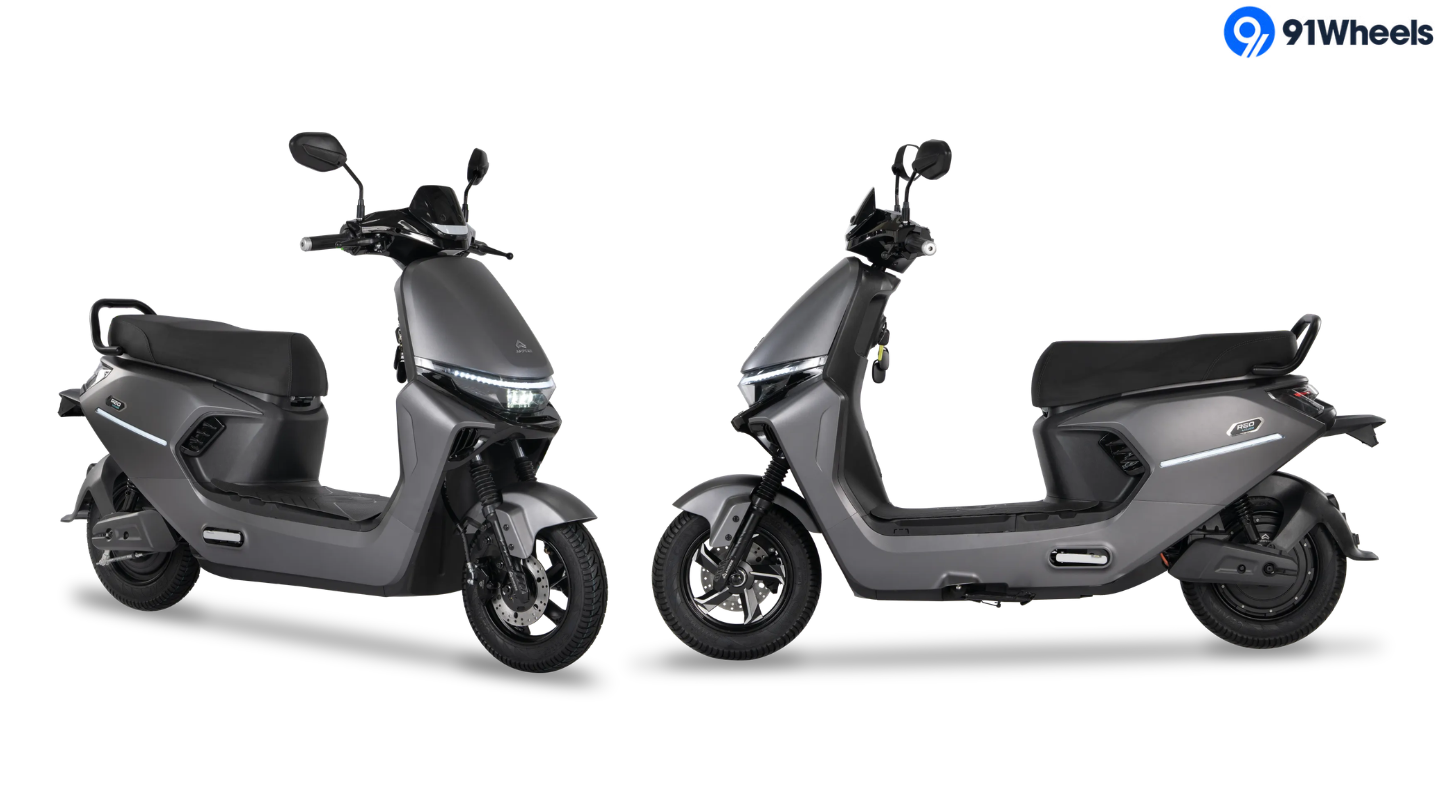
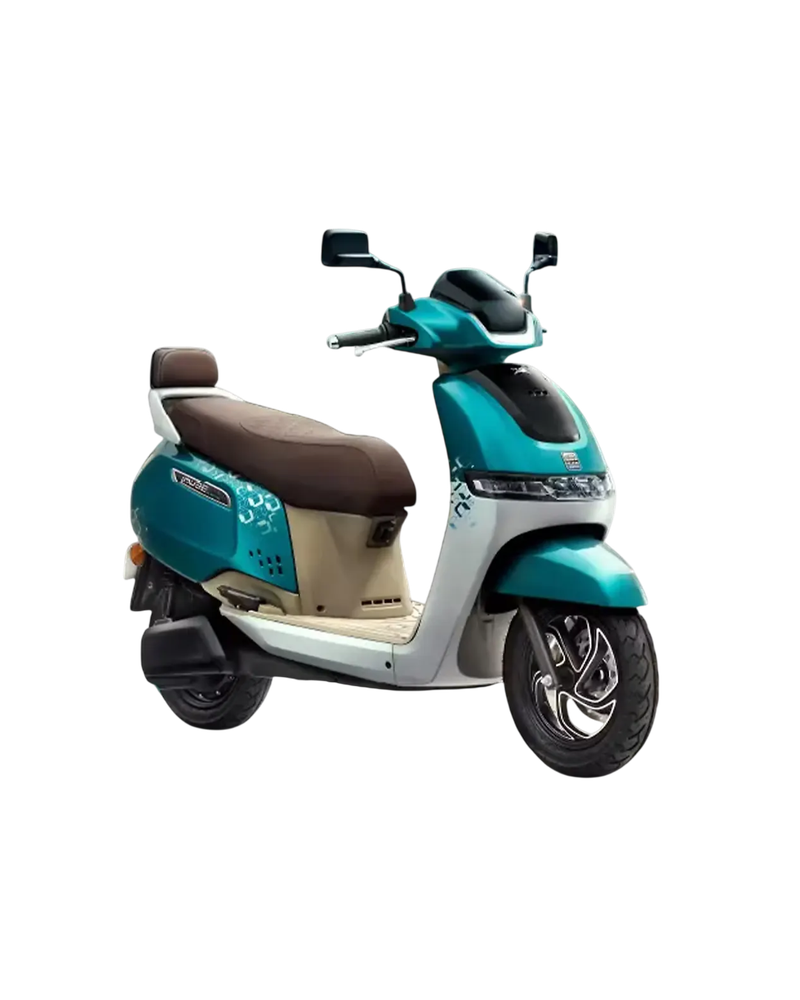
The Reo Vyb is Ampere's easy-to-ride, licence-free scooter, and it's easy to see why students and first-time riders take to it quickly. A 1.44 kWh LFP battery gives a claimed real-world range of around 80 km, and the 250W motor tops out at 25 km/h, keeping it within India's licence-free bracket. At roughly 71 kg, it's light enough to park outside a hostel gate or thread through a crowded gali without a second thought.
It's not meant for highway stretches or high speed, and doesn't pretend to be. It's probably best out there that’s built for the ride to tuitions/colleges, a market run, dropping a friend home, at a starting price under Rs 72,000 that makes it one of the easiest ways into electric mobility.
Ampere Magnus Neo: the everyday all-rounder
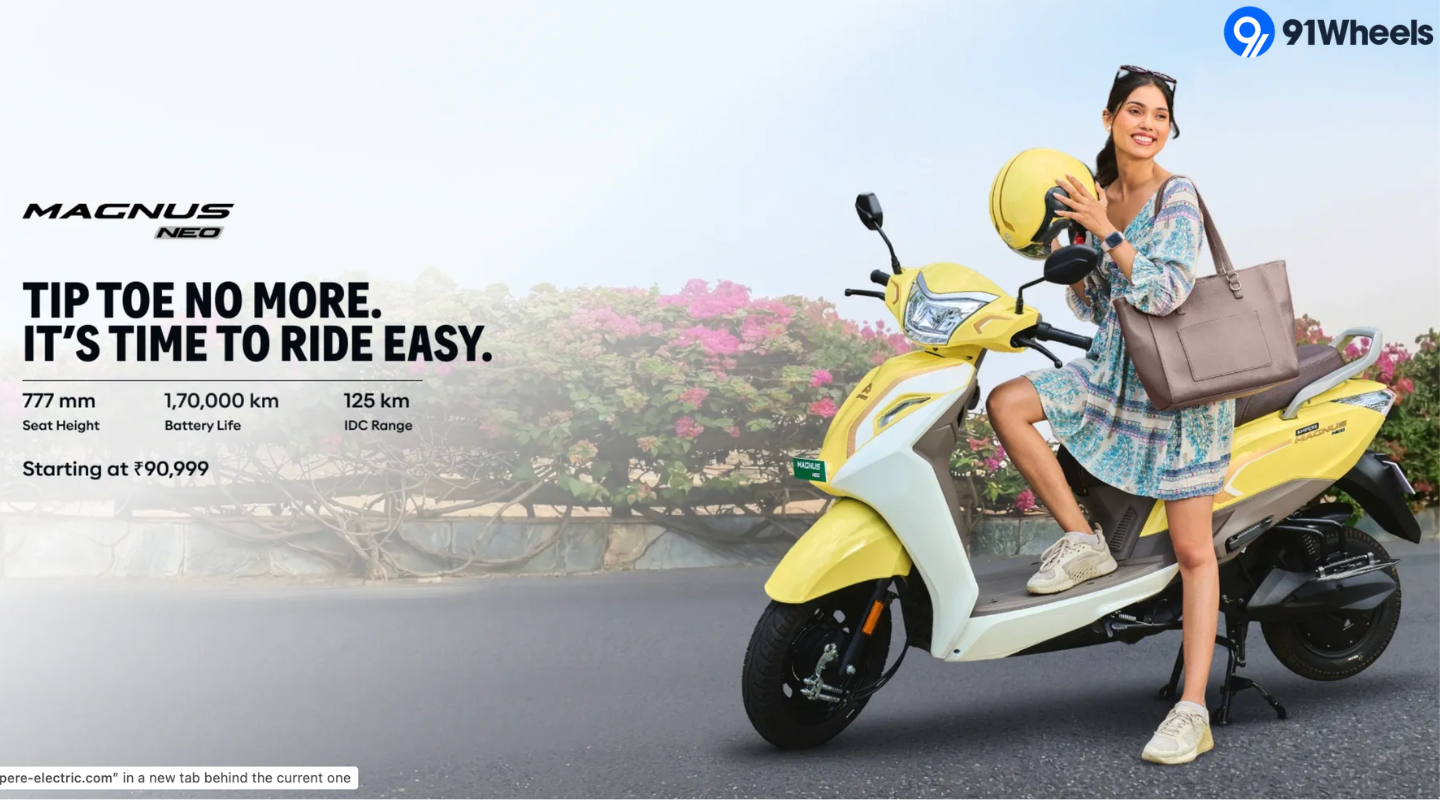
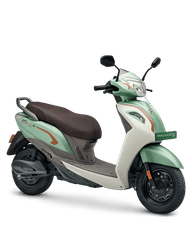
The Magnus Neo is Ampere's volume commuter scooter, recently updated with a lower 777 mm seat height and a trimmed kerb weight of around 103 kg, both aimed at making it easier to manage in slow traffic, especially for women. It runs on a 2.3 kWh LFP battery, with a claimed IDC range of 125 km and a real-world figure closer to 90 km.
A 3.5-inch LCD display, USB charging and 22 litres of underseat storage round out a scooter built for the daily grind: Ride to office, a market stop on the way back, without asking for much in return. Starting price sits around Rs 89,000-91,000.
Ampere Magnus G Max (NXG.IO): where practicality outranks headline numbers
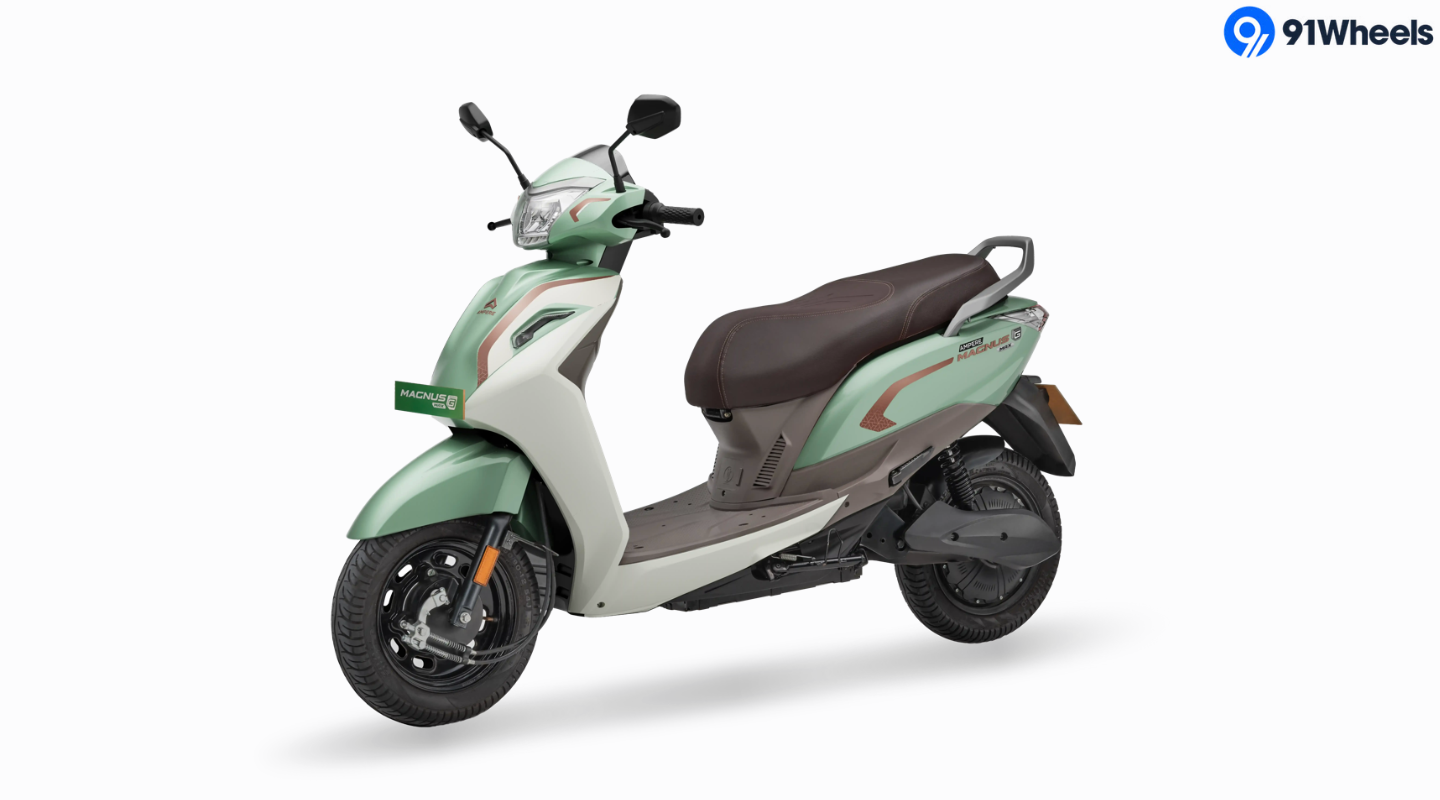
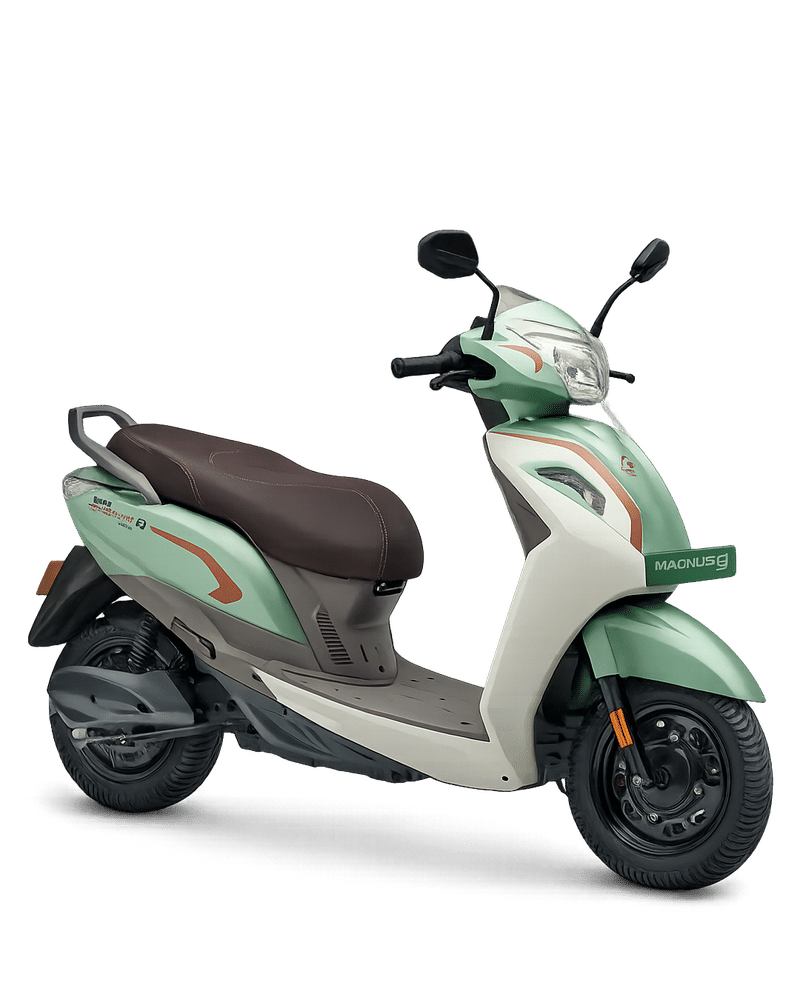
The Magnus G Max (NXG.IO) puts storage and comfort ahead of sheer range, and the numbers back that up. Its 33-litre boot is the largest in Ampere's line-up, easily swallowing two helmets, a laptop bag and a grocery run in one go. It runs on a 3 kWh LFP battery for a claimed range of 142 km, with a real-world figure closer to 105 km, battery life of 2,00,000km, backed by industry leading 5 year/75,000 km battery warranty. This scooter being the latest launch, hosts 30+ intelligent features that makes every scooter ride fun. A full charge takes around 5 hours 45 minutes, and top speed sits at 65 km/h, comfortably enough for city and inter-locality riding.
For a rider juggling office commuting, family errands and the odd longer trip across town, this is the scooter built around everyday usability rather than a single flattering number. Priced at Rs 1.09 lakh, it sits between the Magnus Neo and the Nexus, offering meaningfully more storage and range than the former without stepping into the latter's premium territory.
Ampere Nexus: premium, performance-led
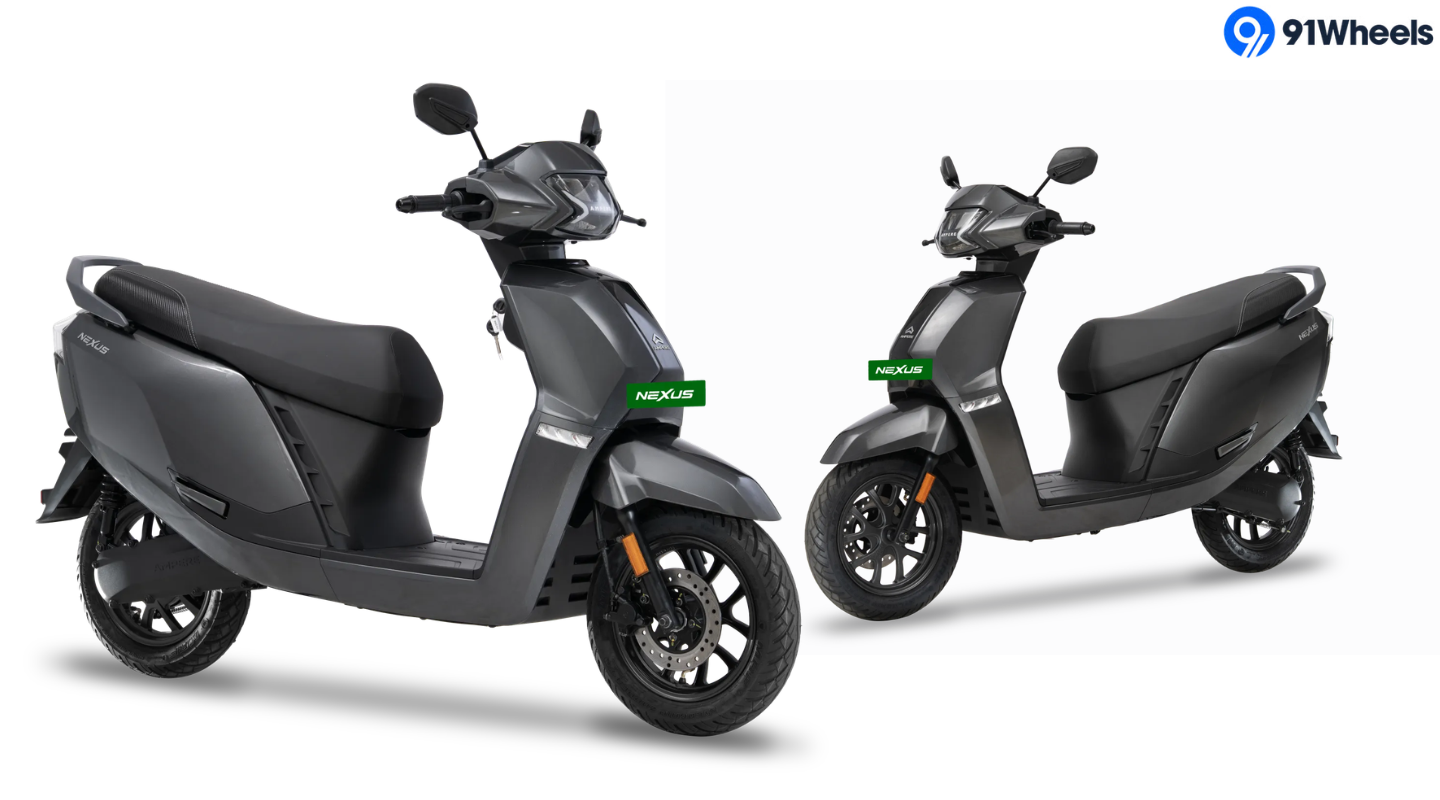
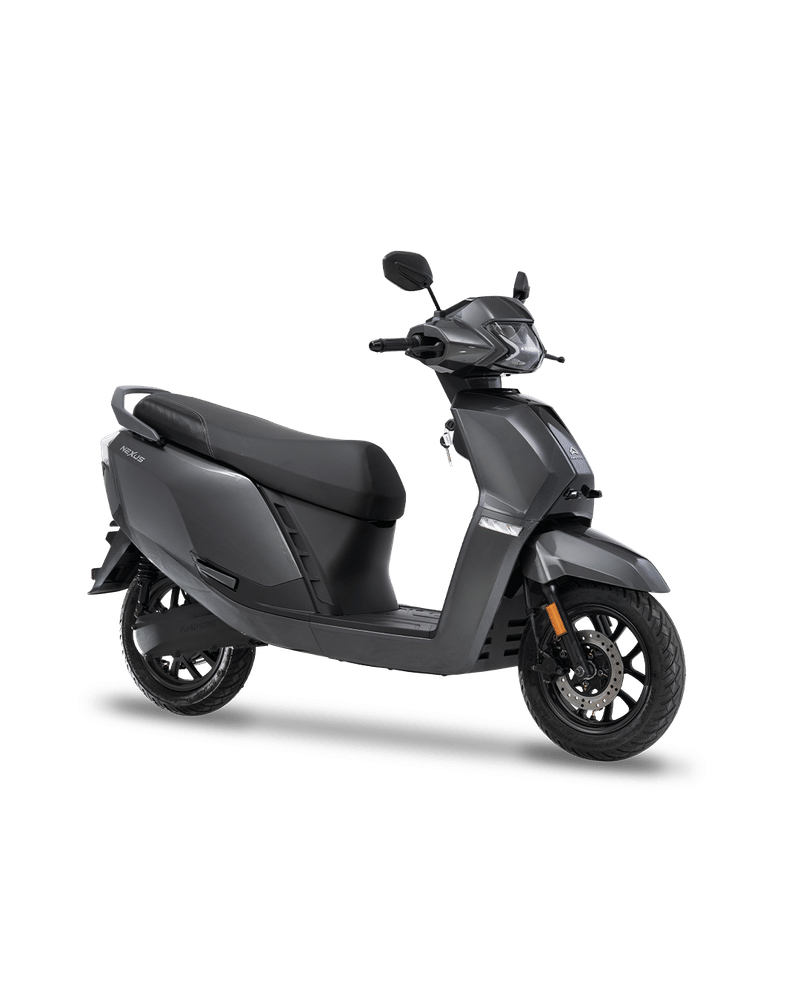
Ampere's flagship sits well above the rest of the range, priced at Rs 1.29 lakh. The latest Nexus EX+ features powerful 5 kW motor that pushes it to a claimed top speed of 93 km/h, easily the quickest scooter in Ampere's line-up and probably the family scooter segment, while the 3 kWh LFP battery delivers up to 136 km claimed range (100-105 km real-world) and a full charge in just 3 hours 10 minutes, quick enough to top up over a long lunch break. The Next Gen LFP Battery on Nexus EX+ is claimed to offer 2,00,000 km battery life. A TFT instrument cluster and multiple riding modes round out a ride that feels genuinely premium rather than purely functional.
It isn't the lightest scooter here, and it isn't trying to be. What it offers instead is stability at speed, contemporary styling, latest technology, and real road presence, everything an experienced rider looks for once daily commuting stops being the only demand on a scooter. For someone who wants their weekday ride to double effortlessly as a weekend one, and who's willing to pay a bit more for the performance and polish to match, the Nexus is hard to look past
Which Ampere scooter is right for you?
- Lightweight urban commuting: Reo Vyb
- Everyday commuter: Magnus Neo
- Practicality and family use: Magnus G Max (NXG.IO)
- Premium styling and performance: Nexus
At a glance
Scooters | Reo Vyb | Magnus Neo | Magnus G Max (NXG.IO) | Nexus |
|---|---|---|---|---|
Price (ex-showroom) | Rs 71,999 | Rs 90,999 | Rs 1.09 Lakh | Rs 1.29 Lakh |
Battery | 1.44 kWh LFP | 2.3 kWh LFP | 3 kWh LFP | 3 kWh LFP |
Claimed range | 80 km | 125 km | 142 km | 136 km |
Top speed | 25 km/h | 65 km/h | 65 km/h | 93 km/h |
Kerb weight | 71 kg | 104 Kg | 116 Kg | 126 Kg |
Charging (0-80%/full) | 4 hrs | 5 hrs | 5.45 hrs | 3.10 hrs |
Storage | 24 L | 22 L | 33 L | 22 L |
Best suited for | Short local trips, students | Daily office commute | Family use, errands | Performance, styling |
Electric Scooter vs Petrol Scooter: Running Cost Comparison
For a rider doing 30 km a day, a petrol scooter at 40 km/l and Delhi's current price of Rs 104/litre works out to about Rs 78 a day, close to Rs 2,340 a month. An electric scooter using roughly 3 kWh per 100 km, charged at a typical urban tariff of around Rs 8/unit, costs closer to Rs 7 a day, about Rs 210 a month. That's a saving in the region of Rs 2,100 a month, for this specific distance and tariff. The number varies with electricity rates, riding style and how the scooter is charged, so treat it as a guide rather than a guarantee.
Beyond the Metros
Buying an electric scooter looks different outside Delhi, Mumbai and Bengaluru. In tier-2 towns and smaller cities, affordability and easy access to service and charging often matter more than a headline range figure, since a breakdown can mean a much longer wait for help. Ampere's dealer network spans across the country with 400+ dealer stores and 500+ service centers which makes routine servicing and support genuinely accessible even when the nearest big city is hours away.
The Takeaway
There's no single "best EV for women," because there's no single way women commute. A student's short campus runs, a working professional's daily grind, a mother juggling school runs and grocery stops, an experienced rider chasing speed and style, each of these calls for a different scooter, not a smaller or lighter version of the same one. That's really what Ampere's electric scooter range gets right: the Reo Vyb for light, local riding, the Magnus Neo for the everyday commute, the Magnus G Max for practicality, and the Nexus for those who simply want more scooter than the ride to work demands. The best choice was never about gender. It's about how, and how far, she actually rides, and Ampere's line-up is built to have an answer either way.
Do you like this article?
Comments
No comments yet. Be the first to comment!