KEY HIGHLIGHTS
- Low torque affects AMT performance.
- Clutch wear risk increases significantly.
- Acceleration feels sluggish and delayed.
- Higher costs reduce market demand.
- Complex tuning raises development challenges.
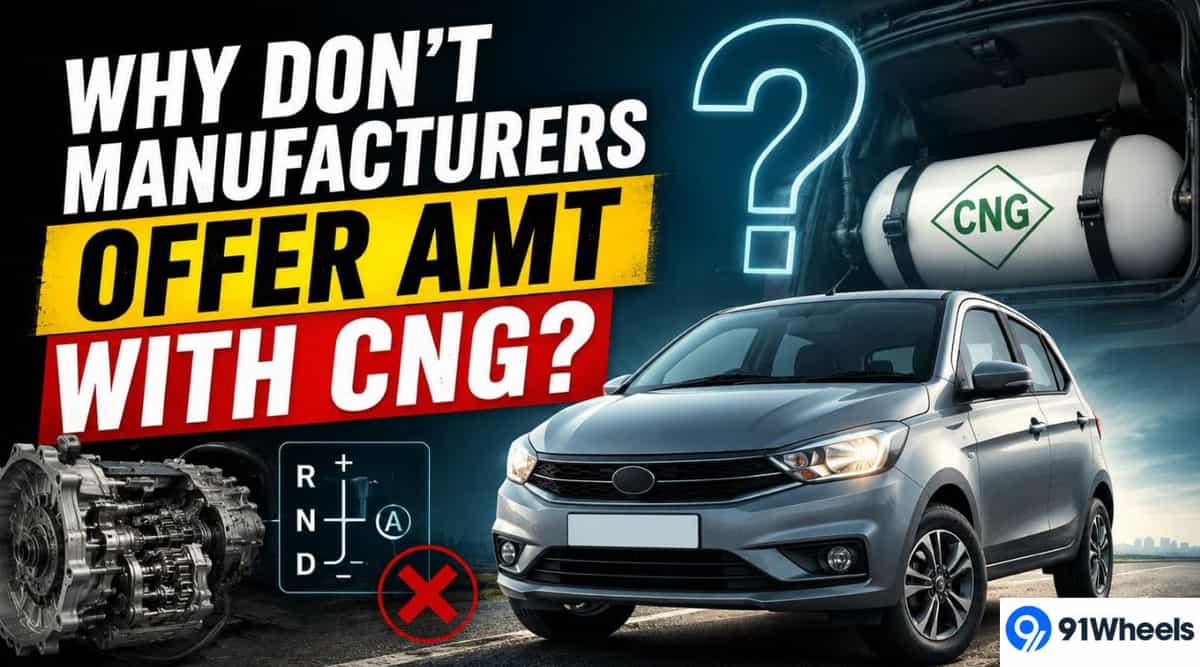
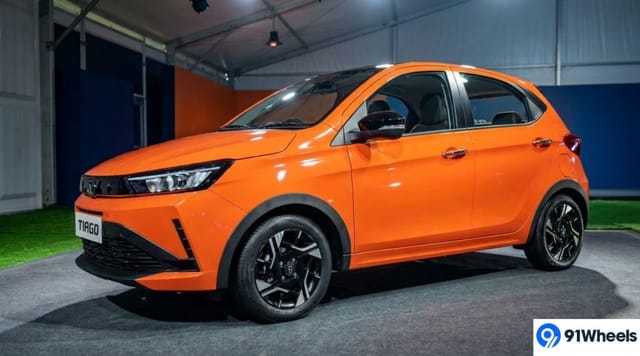
For years, the Indian car market followed an unwritten rule: if you wanted the low running costs of a CNG vehicle, you had to settle for a manual gearbox. Buyers looking for the convenience of an automatic transmission had little choice but to opt for petrol or diesel models. While this trend has started to change thanks to Tata Motors introducing Automated Manual Transmission (AMT)-equipped CNG cars such as the Tiago, Tigor, Altroz and Punch iCNG, most manufacturers continue to avoid this combination. The reasons are rooted in a mix of engineering limitations, reliability concerns, and market economics. Meanwhile, make sure to join the 91Wheels WhatsApp Channel to never miss out on automotive updates.
Also Read - Cars With The Best Rear Seat Experience In India: Details Inside
The Power & Torque Challenge
One of the biggest challenges comes from the nature of CNG itself. Compared to petrol, CNG is less energy-dense. As a result, engines running on CNG typically produce 10-15 percent less power and torque.
While the difference may look small on paper, it can affect how an AMT performs in real-world conditions. An AMT is essentially a manual gearbox operated by electronic actuators and software. For smooth gear changes, the transmission depends on predictable torque delivery from the engine.
Since a CNG engine produces less torque, the gearbox can struggle to find the ideal shift points. This may lead to more noticeable shift lag, frequent gear hunting, and slower acceleration. The effect is especially evident while overtaking, climbing flyovers, or driving with a full load of passengers.
Reliability & Drivetrain Stress
Lower torque output does not only affect performance. It can also impact long-term reliability. In heavy city traffic, the AMT's automated clutch has to carefully manage engagement to prevent the engine from stalling. With less torque available, the clutch often slips more than usual to keep the car moving smoothly.
Over time, this additional slipping can increase clutch wear, generate extra heat, and put more stress on transmission components. For manufacturers, that means a higher risk of warranty claims and increased maintenance costs. This makes the AMT-CNG combination less attractive from a durability perspective.
The Pricing Dilemma

Cost is another major reason why manufacturers have traditionally avoided offering AMT with CNG. Most CNG buyers choose the fuel to save money on running costs. However, combining a factory-fitted CNG kit with an automatic gearbox significantly increases the vehicle's price.
A factory-fitted CNG system can add close to Rs. 90,000 to the ex-showroom price. An AMT usually adds another Rs. 60,000 to Rs. 80,000. Together, the premium can easily cross Rs. 1.5 lakh compared to a standard petrol-manual variant.
For buyers in the budget hatchback and compact sedan segments, this is a substantial jump. It often reduces the value-for-money appeal that makes CNG vehicles attractive in the first place.
Impact on Fuel Efficiency
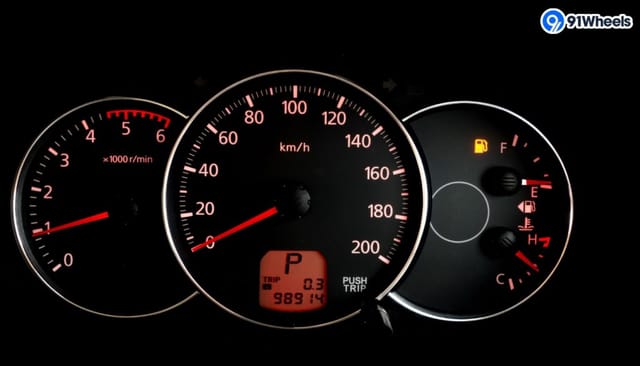
Fuel efficiency remains the biggest reason why customers choose CNG. Naturally, manufacturers are cautious about anything that could compromise this advantage.
Although AMTs are more efficient than traditional torque-converter automatics, they are not completely loss-free. To compensate for the lower power output of a CNG engine, the gearbox may hold gears longer or downshift more frequently.
These adjustments can have a slight impact on fuel economy. The difference may not be huge, but even a small drop in mileage matters to buyers who closely track their running costs.
The Future of AMT-CNG Cars
Consumer preferences are evolving rapidly. As traffic congestion worsens across Indian cities, more buyers want the convenience of a clutch-free driving experience. At the same time, they do not want to give up the low running costs of CNG.
While manufacturers such as Maruti Suzuki and Hyundai continue to focus on manual CNG models, Tata's success suggests there is growing demand for AMT-CNG vehicles. Advances in engine management systems and transmission software are also helping eliminate many of the technical hurdles that once made this combination difficult.
Also Read - Top 5 Affordable Cars With Front Parking Sensors
Verdict
The absence of AMT-CNG cars was never due to a lack of interest from manufacturers. Instead, it was driven by performance compromises, durability concerns, fuel-efficiency considerations, and pricing challenges. Today, however, improved engineering is changing the equation. Tata Motors has already taken the first step. If demand continues to grow, more manufacturers could soon introduce AMT-CNG combinations across their line-ups.
Do you like this article?
Comments
No comments yet. Be the first to comment!