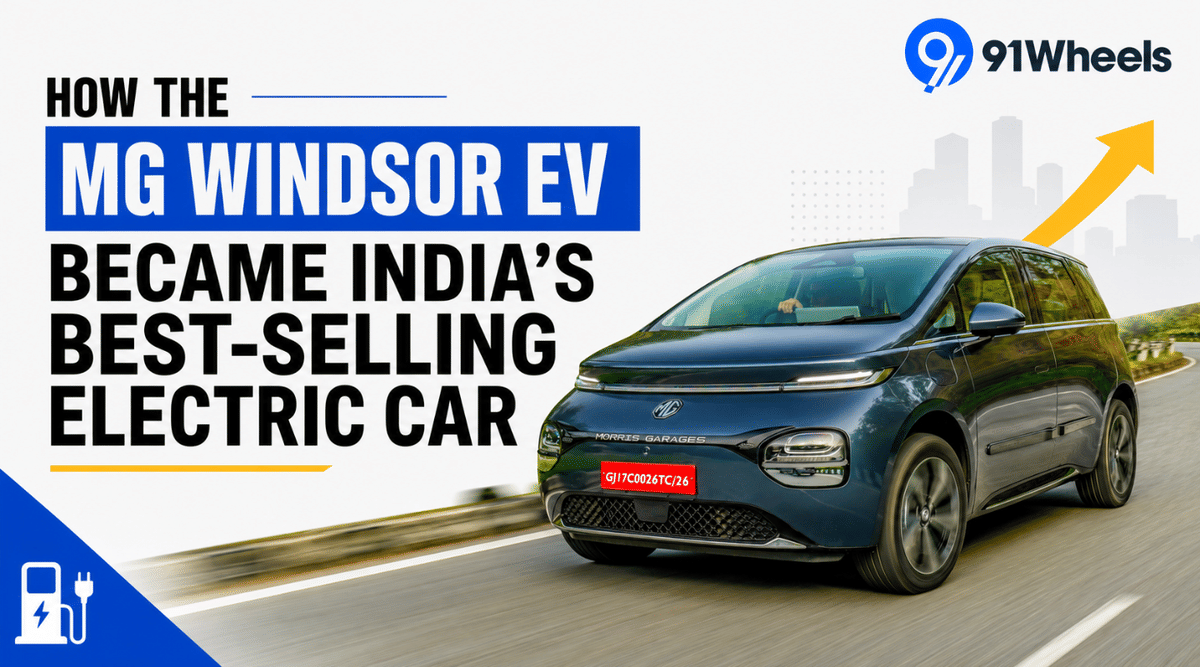
JSW MG Motor India launched the Windsor EV in September 2024. It was the company's biggest bet in India. Nobody expected it to change the brand's fortunes this fast.
Less than two years later, the numbers tell a different story. The Windsor has crossed 75,000 units sold. It is now India's best-selling electric car. In the first half of 2026 alone, it added over 19,000 units to that count.
No other EV in the country has scaled this quickly. So what makes Indian buyers pick the Windsor over every other electric car on sale? And what does its success say about where Indian EV buyers' priorities actually lie? This piece breaks down the reasons behind the numbers.
MG Windsor EV: Introduction
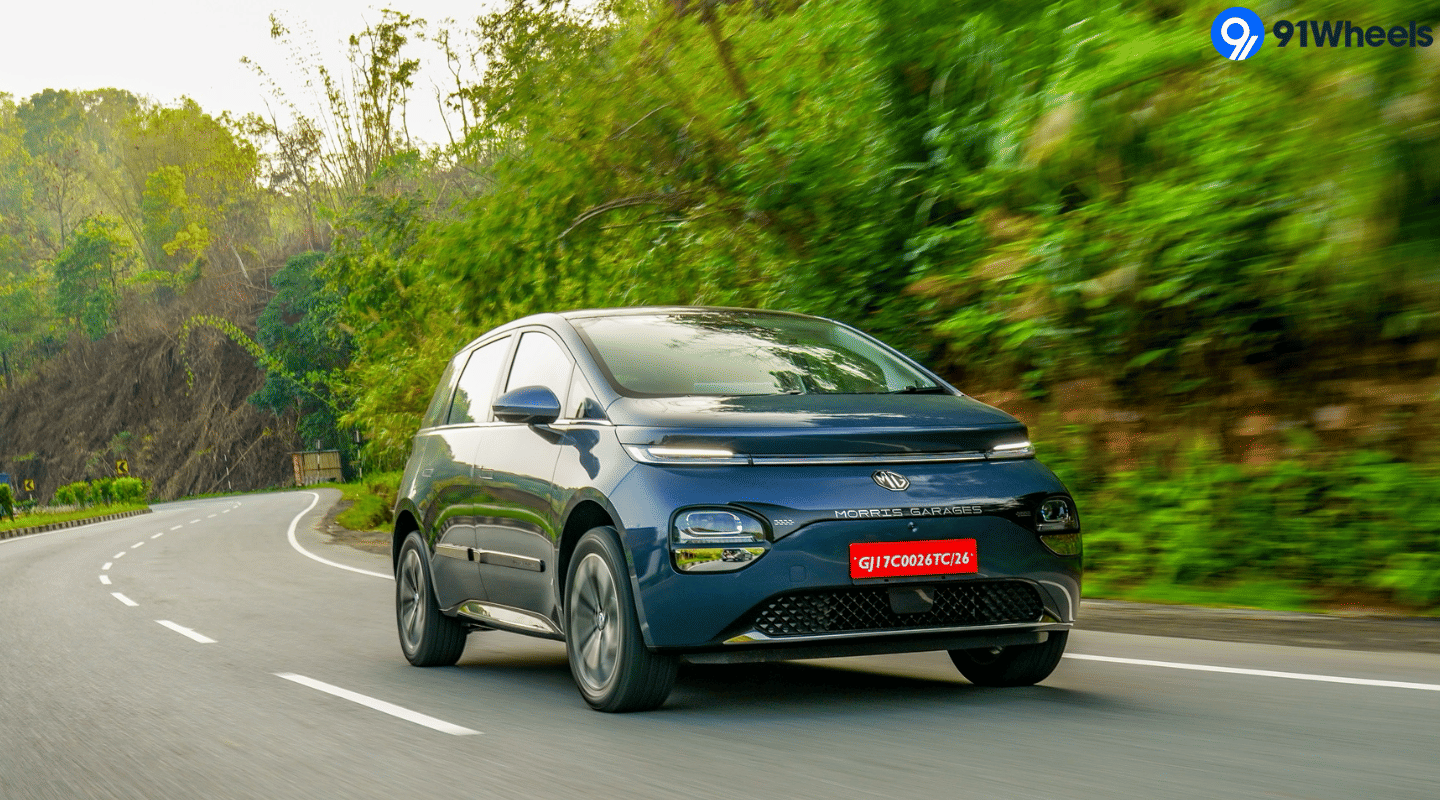
After Comet and ZS EV, the Windsor was MG's third EV in India. It sits in the mid-size SUV segment, similar to the ZS EV, but MG markets it as a “CUV,” a crossover utility vehicle. The idea is a car with the space and ride height of an SUV, but handling closer to a hatchback.
Prices start at Rs 14.69 lakh and go up to Rs 18.99 lakh, ex-showroom. Under the BaaS model, the price starts at Rs 9.99 lakh, plus Rs 3.9 to Rs 4.5 per km depending on the variant. With this model, customers pay only for the car, not the battery, and pay for battery as per their own usage.
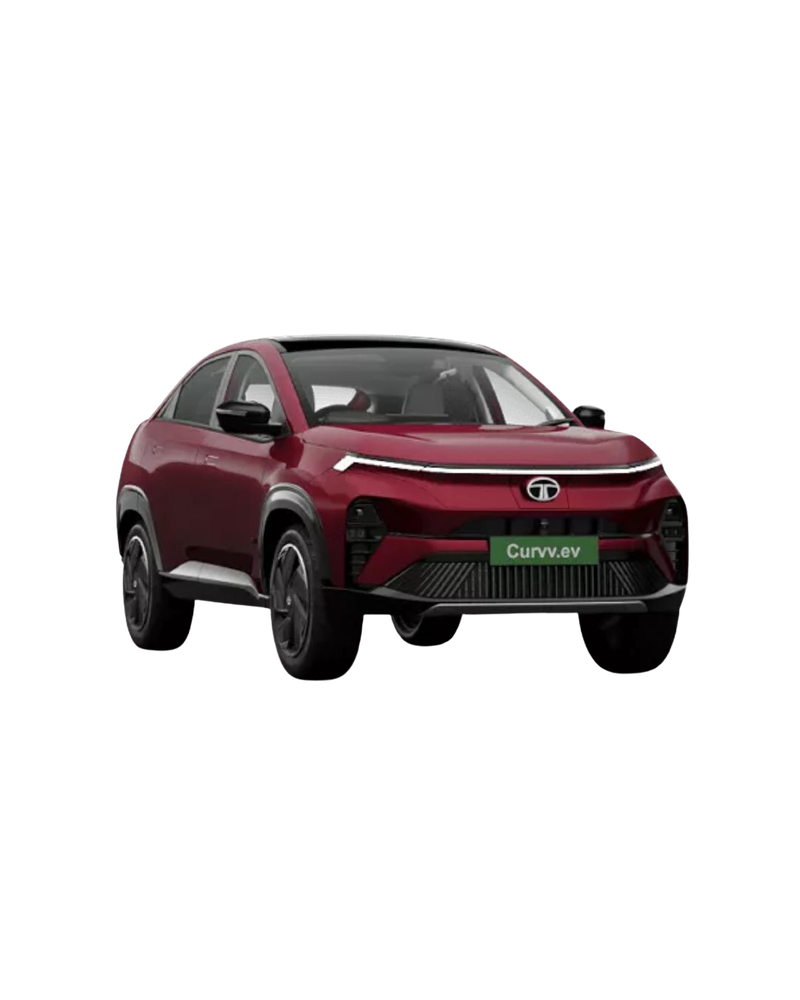
The Windsor EV comes with two battery pack options, 38 kWh and 52.9 kWh, with a maximum range of 449 km. Its real competitors are the Tata Curvv EV, Mahindra XUV 3XO EV, Hyundai Creta Electric, and Tata Nexon EV. Among all of them, the Windsor is the best-selling car.
MG Windsor EV six-month sales figures:
Month | Sales Unit |
|---|---|
May 2026 | 2032 |
April 2026 | 3296 |
March 2026 | 4530 |
February 2026 | 2599 |
January 2026 | 2567 |
December 2025 | 3596 |
How MG Windsor Became India's Go-To EV
Abundant Space Inside
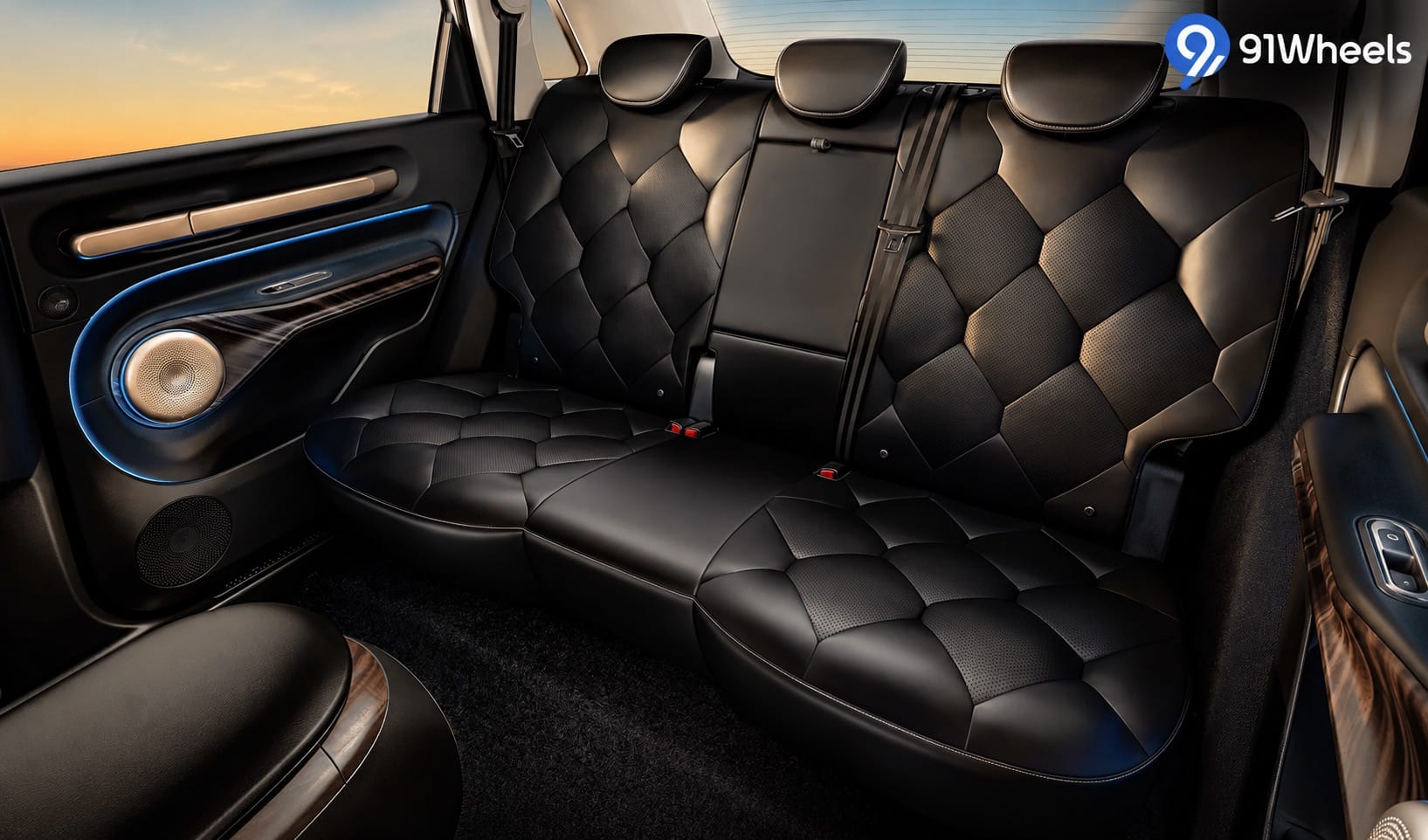
This could be the single biggest reason behind the Windsor's success. From outside, the car doesn't look particularly large. Step inside, and that changes. The seats are shaped like lounge chairs, similar to what you'd find at an airport. Their design focuses on comfort, built to accommodate people of different heights and builds. Legroom and shoulder room are generous for the segment. At the rear, three people can sit comfortably, helped by a flat floor with no center hump.
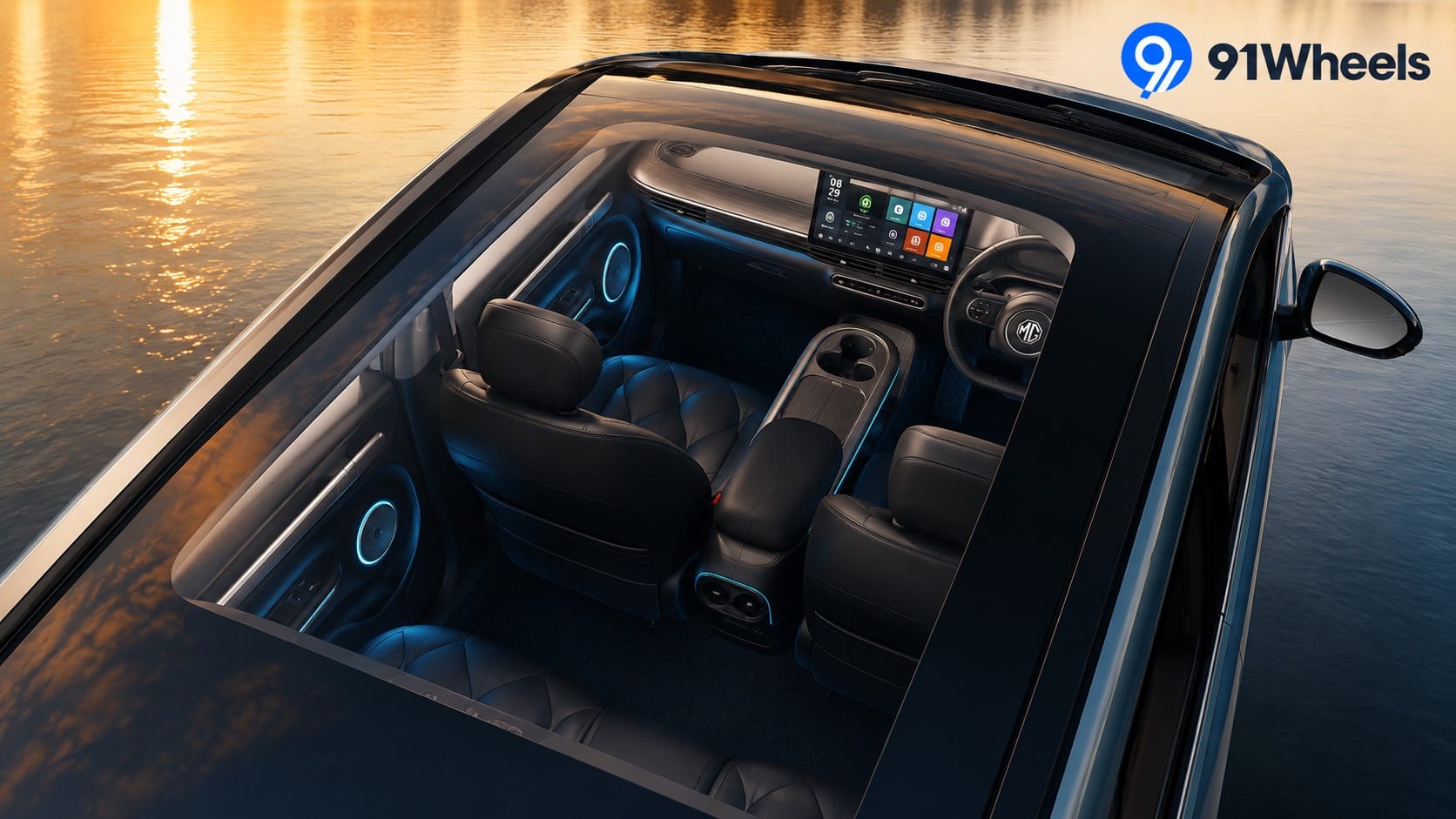
The large glass roof adds to the sense of space, opening up the cabin when you look outside. Part of this comes down to dimensions: the Windsor measures 4295mm in length, 1850mm in width, and rides on a 2700mm wheelbase, a wheelbase longer than most cars in its price bracket.
MG says the design draws inspiration from Windsor Castle in the UK, aiming for a sense of scale and comfort at a price point where that's rare. Buyers cross-shopping SUVs or EVs in this segment often notice the difference the moment the door opens. Some cars priced above the Windsor don't match this level of interior space. That gap in perceived value, more than any single feature, has likely driven a large share of its sales.
Large 15.6-Inch Touchscreen and Features
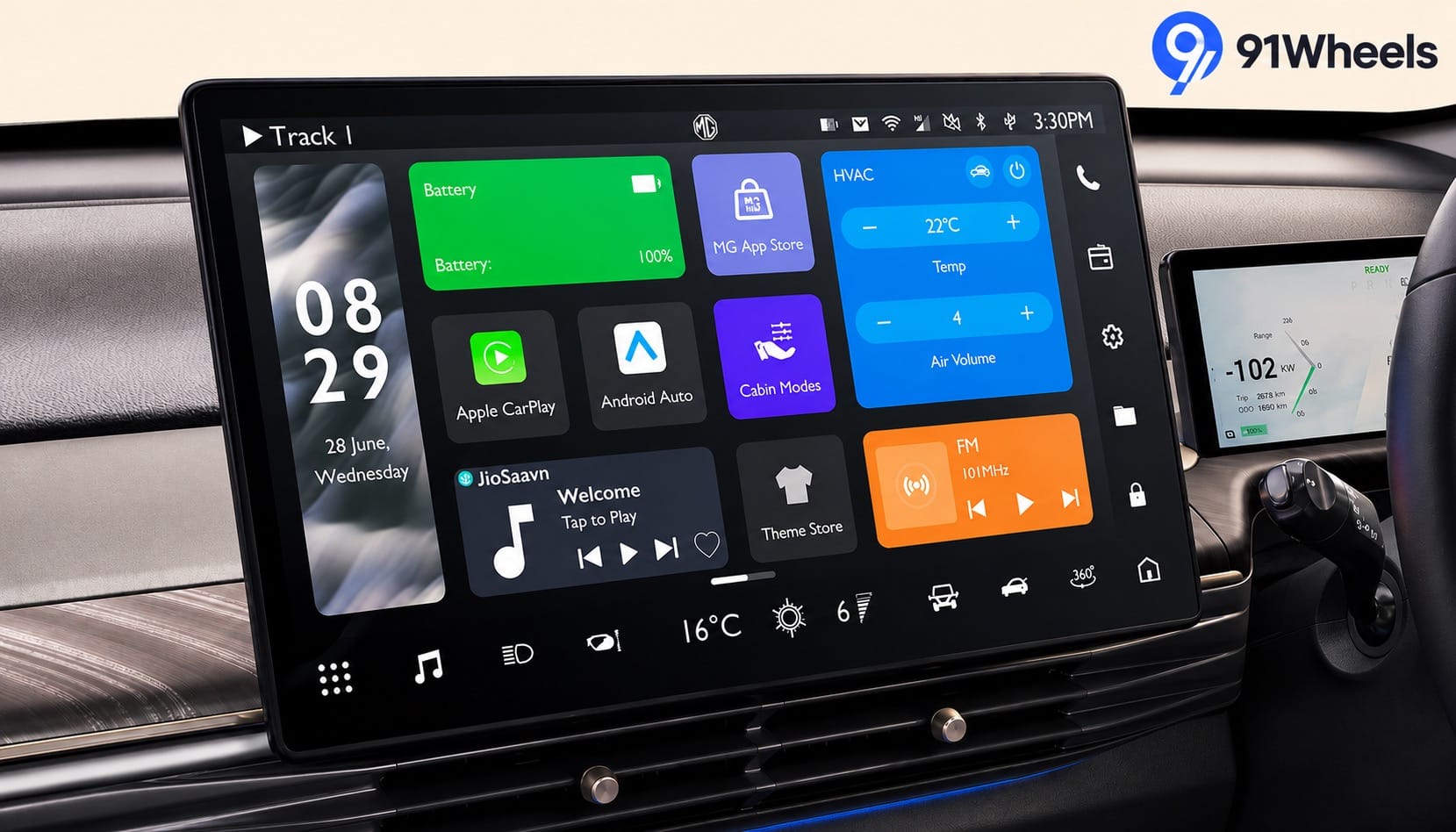
The second major reason behind the Windsor's success is how its long feature list is packaged around a large 15.6-inch touchscreen. Indians have shown a strong preference for big infotainment screens, something MG first tapped into with the Hector back in 2019. Screen size is a bigger purchase driver than most buyers admit, and the Windsor leans on this heavily.
The touchscreen is visible even from outside the car, and it tends to draw attention, with several owners comparing it to a laptop screen. But there's a tradeoff. Many core functions, including ORVM adjustment, AC controls, and ventilated seat settings, are routed through the touchscreen instead of physical buttons. That can mean more distraction while driving, since it takes your eyes off the road for basic tasks.
Other notable features include Level 2 ADAS, a fixed panoramic glass roof, a 9-speaker Infinity sound system, wireless Android Auto and Apple CarPlay, voice commands that support Hinglish, and a 360-degree parking camera. The combination of a large screen and a long feature list is a major pull factor for buyers shopping in this segment.
Head-Turning Design
Most people can agree that Windsor doesn't look ordinary. Its design draws some criticism, but for the most part, buyers love it, and in India, that matters. People want a car that gets noticed and doesn't blend in with everything else on the road.
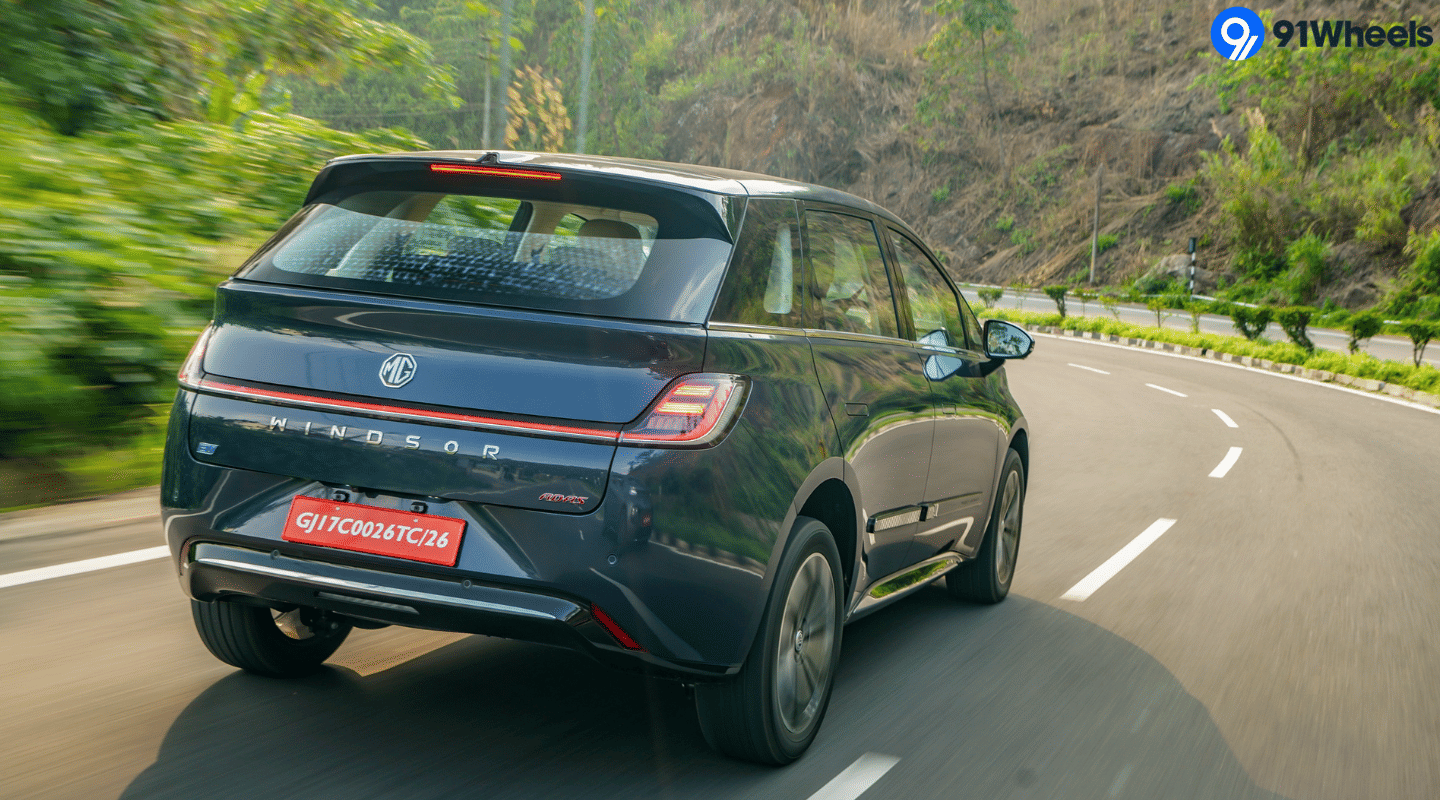
There's engineering behind the styling too. The Windsor's shape cuts through air more efficiently. Less drag means the motor works less hard to maintain speed. That translates to more range from the same battery. Up front, the bumper design integrates LED headlights. A nose lid above houses LED DRLs, giving the car a distinct face.
The rear carries the same design language, tying the whole car together. The result is a vehicle that stands out, which is exactly what many buyers are looking for in a modern car.
BaaS Pricing: The Scheme That Changed How India Buys EVs
The Windsor wasn't just India's first CUV. It was also the first car in the country to launch with a Battery-as-a-Service scheme. Instead of paying for the battery upfront, buyers could pay a lower price for the car and rent the battery based on how much they drove it.
This opened a window that didn't exist before. A premium electric CUV, priced like a mid-size petrol hatchback, became possible. Buyers who couldn't justify the full upfront cost of an EV suddenly could.
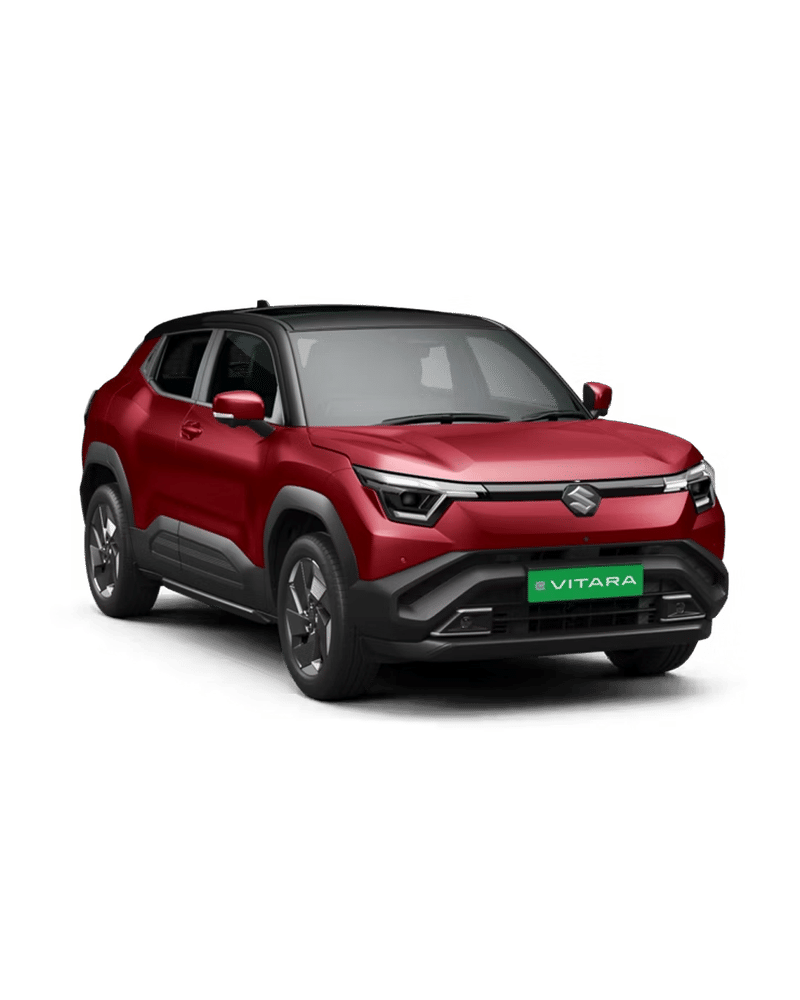
The scheme worked well enough that other automakers followed. Hyundai brought BaaS to the Creta Electric. Tata added it to the Tiago EV. Maruti Suzuki did the same with the e Vitara, and Kia followed with the Carens Clavis EV. What started as MG's experiment on one model has become an industry-wide pricing tool.
The Windsor didn't just sell in large numbers because of BaaS. It set the template that the rest of the industry is now copying.
Ex-showroom price:
Variant | Price |
|---|---|
Excite | 14.69 lakh |
Exclusive | 15.99 lakh |
Essence | 16.99 lakh |
Exclusive Pro | 17.89 lakh |
Essence Pro | 18.99 lakh |
Commute (Fleet Variant) | 13.49 lakh |
Reliability: The Word of Mouth No Marketing Budget Can Buy
In two short years, the MG Windsor EV has made a name for itself as a reliable electric car. That reliability works as word of mouth stronger than any marketing campaign. The car doesn't come with a reputation for mechanical or technical problems, and that removes a major source of hesitation for first-time EV buyers.
This matters more than it seems. Social media is full of reels and posts about EV failures, and in comparison, Windsor draws far fewer of them. That gives buyers the confidence to actually use the car the way they intended, including taking it on long family road trips.
The top variant adds another layer to this. With V2V and V2L support, it can share power with other EVs or run appliances on the go, turning the car into a backup power source on camping trips or during emergencies.
Reliability doesn't stop at technical issues either. It shows up in range too. Several EVs at this price point claim big range numbers but fall well short of them in daily use. Windsor doesn't have that problem, at least not to the same degree.
MG claims 449 km on the Pro variant. In real-world testing under efficient driving, it comes close to that figure. The Tata Nexon EV, by comparison, claims 489 km on its 45 kWh variant, but independent tests and Tata's own real-world estimate put it at 350 to 380 km, a wider gap between promise and delivery. For buyers who've been burned by inflated range claims before, that difference builds trust.
Battery-pack details:
Specifications | 38 kWh | 52.9 kWh |
|---|---|---|
Power | 136 PS | 136 PS |
Torque | 200 Nm | 200 Nm |
Claimed Range | 332 Km | 449 Km |
Charging Time (10-100%) | 13.5 hrs (3.3 KW), 7 hrs (7.4 KW) | 9.5 hrs (7.4 KW) |
Fast Charging Time (20-80%) | 45 Min (45 KW) | 50 Min (60 KW) |
Maximum Fast Charging Capability | 45 KW | 60 KW |
Conclusion
The Windsor’s 75,000-unit milestone doesn't just make it India's highest-selling electric car. It shows a level of acceptance rarely seen for a new model, and it got there in under two years. That success gives both automakers and buyers a reason to trust EVs more, and it strengthens the case for Indian manufacturers to invest further in electric mobility.
None of this happened by accident. The Windsor is a solid product with real engineering behind it, not just a car that reads well on a spec sheet. It delivers more value than its price suggests, and that, more than anything else, is why it became India’s best-selling EV.
Do you like this article?
Comments
No comments yet. Be the first to comment!