.png?w=1200&q=50 "Suzuki e-Access Pros And Cons: The Perfect Electric Scooter?")
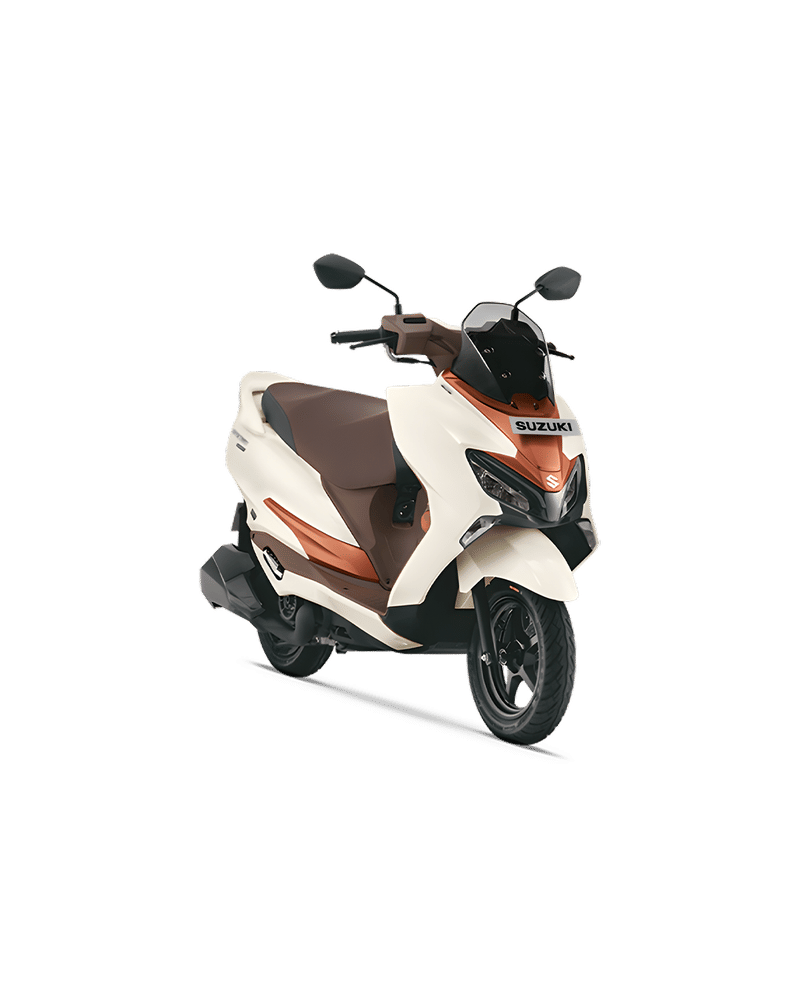
Suzuki has launched the e-Access in the Indian market at Rs 1.88 lakh (ex-showroom). The electric scooter marks Suzuki's entry into the growing two-wheeler electric mobility space. The e-Access gets a clean yet modern design, a solid list of features, and a reliable LFP battery that offers 95 km of range on a single charge. The scooter has some strong points, including impressive ergonomics and handling, though it falls short in a few areas too. I have been riding the Suzuki e-Access for a while now, and here are the things I liked and didn't like about this electric scooter.
What I Like?
Suzuki's Reliability And Service Network
.png)
The biggest strength of the e-Access is the trust Suzuki brings along with it. Being backed by the brand's established reputation means access to a wide service network along with growing charging station availability, something most EV-only brands are still working to build from scratch. For a buyer who's still skeptical about switching to electric, this backing genuinely makes a difference and is one less thing to worry about.
LFP Battery
.png)
Suzuki has adopted a different approach when it comes to battery type, the e-Acces comes with an LFP battery instead of the NCM units most rivals use. LPF type battery is more reliable, runs cooler and is less prone to heat, and power delivery remains consistent even when the charge level drops low. Moreover, it also promises a longer battery life over time.
Agile In Traffic
.png)
The Suzuki e-Access measures 1860mm in length and 715mm in width that makes it the e-Access is one compact scooters in its segment. At these measurements, it slips through traffic with ease, making daily commutes noticeably less tiring while also helping you save time. Moreover, the design of the e-Access is a matter of personal preference, with some appreciating its simplicity while others may find it a bit too basic But in my opinion, Suzuki has kept it intentionally minimalist keeping the styling familiar yet modern, playing it safe rather than going for something that screams for attention.
Wide Seat
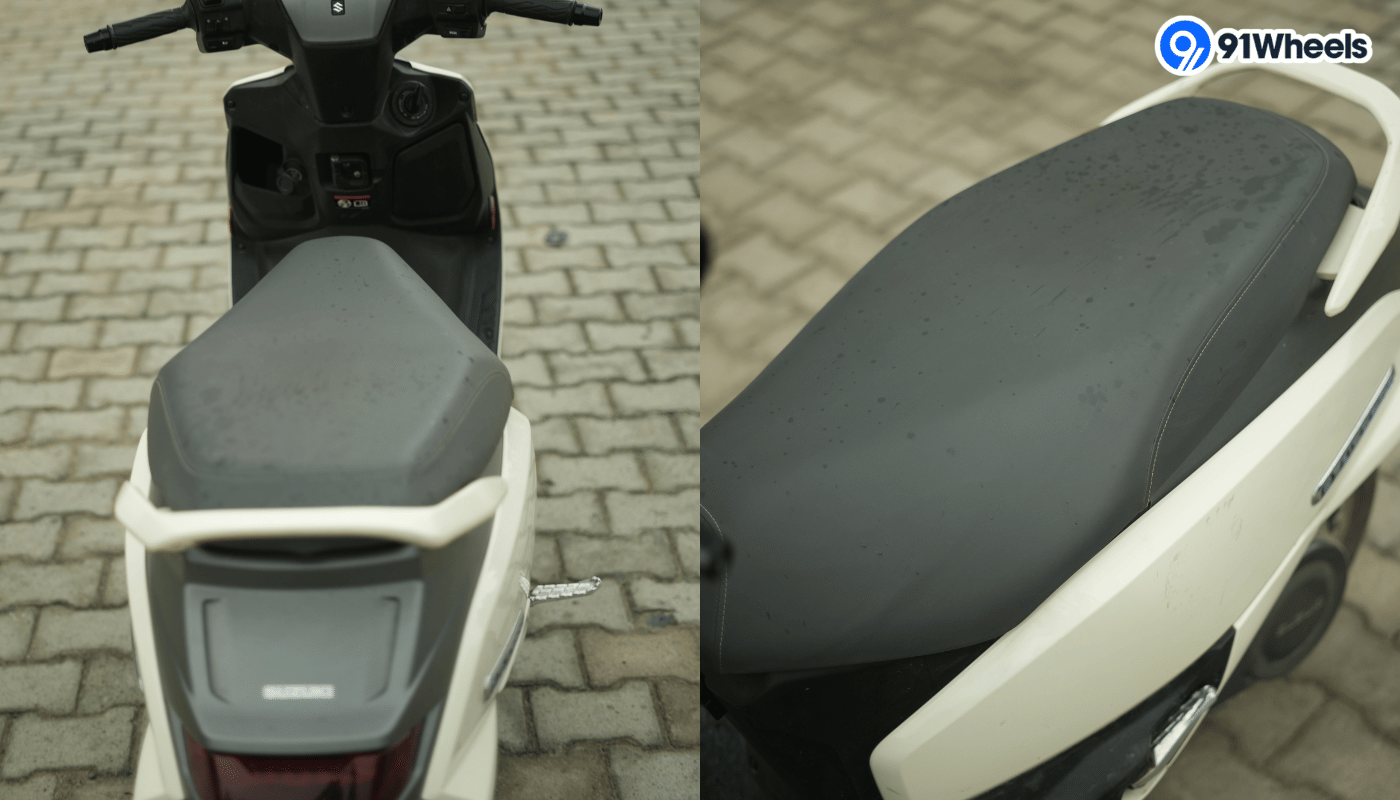
The e-Access gets one of the widest seats in the segment, and it's noticeably better upfront where most scooters fall short. Almost all the other scooters out there go thin at the front of the seat, leaving your thighs without proper support. However, this is not the case with the e-Access; it has a slightly wider seat layout, especially at the front, that genuinely provides good support to the rider, and it's a difference you actually feel on longer rides.
Fast Charging And A Maintenance-Free Belt Drive
.png)
The e-Access supports fast charging, going from 0 to 100 percent in about 2 hours and 12 minutes, and Suzuki is expanding its charging network at a decent pace, which should make things more convenient for buyers going forward. Additionally, the brand has equipped the e-Access with a maintenance-free belt drive system backed by a 7-year or 70,000km warranty, and long-term ownership starts looking a lot less stressful.
What I Didn't Like?
Higher Pricing
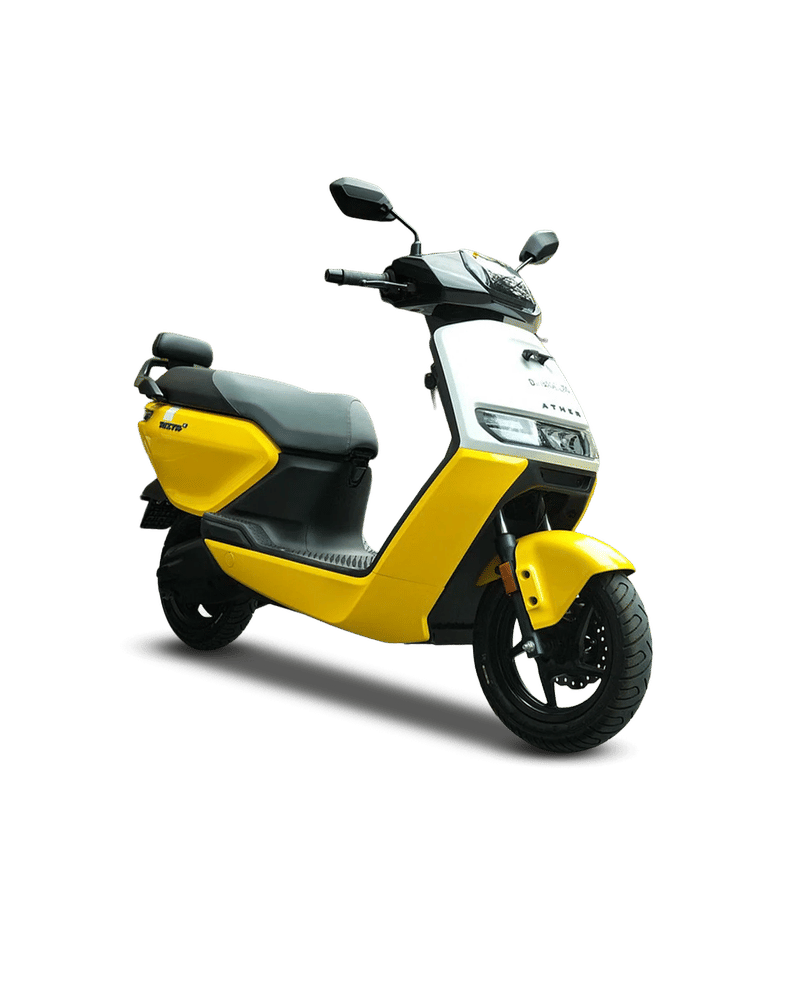
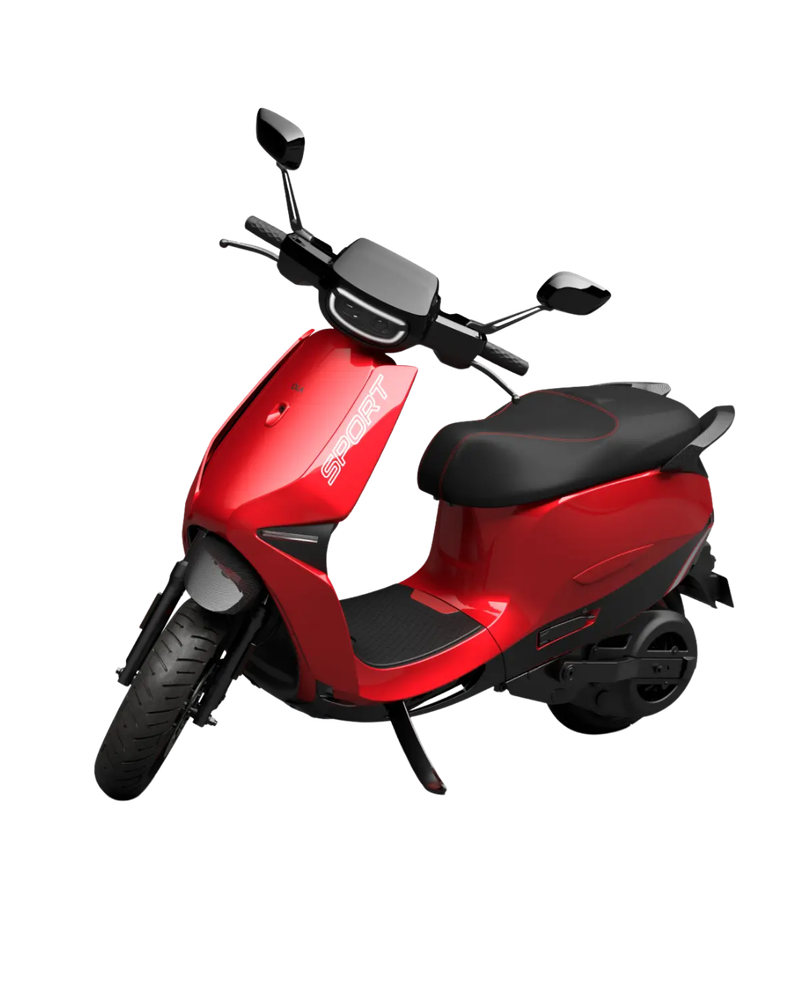
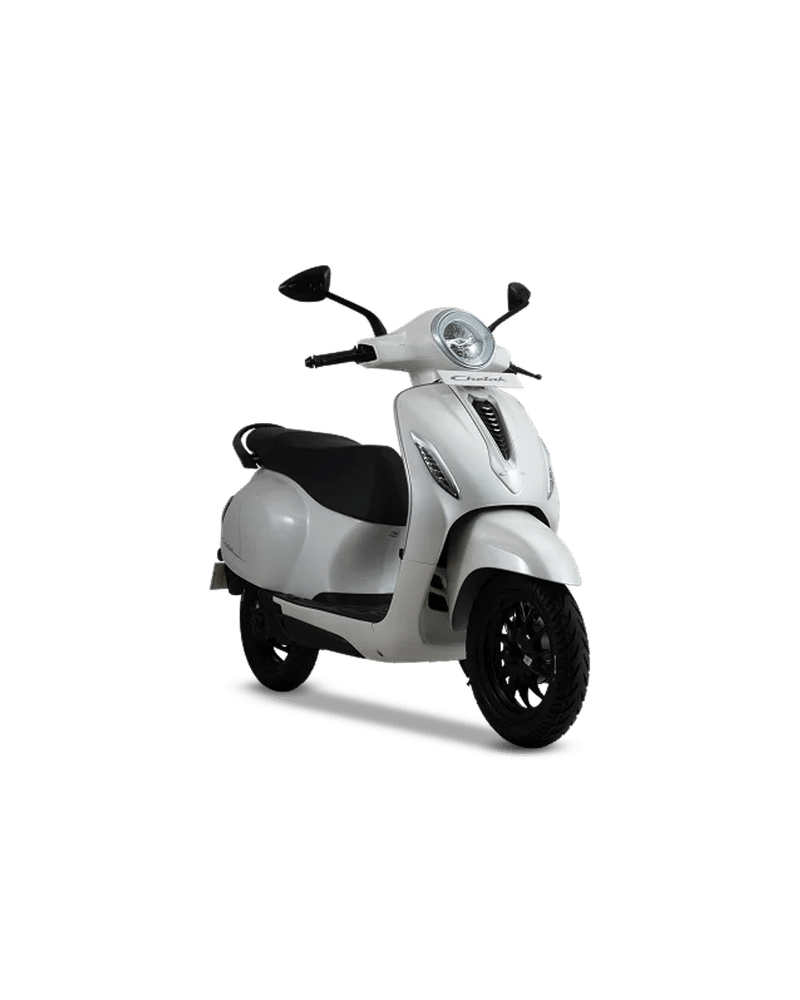
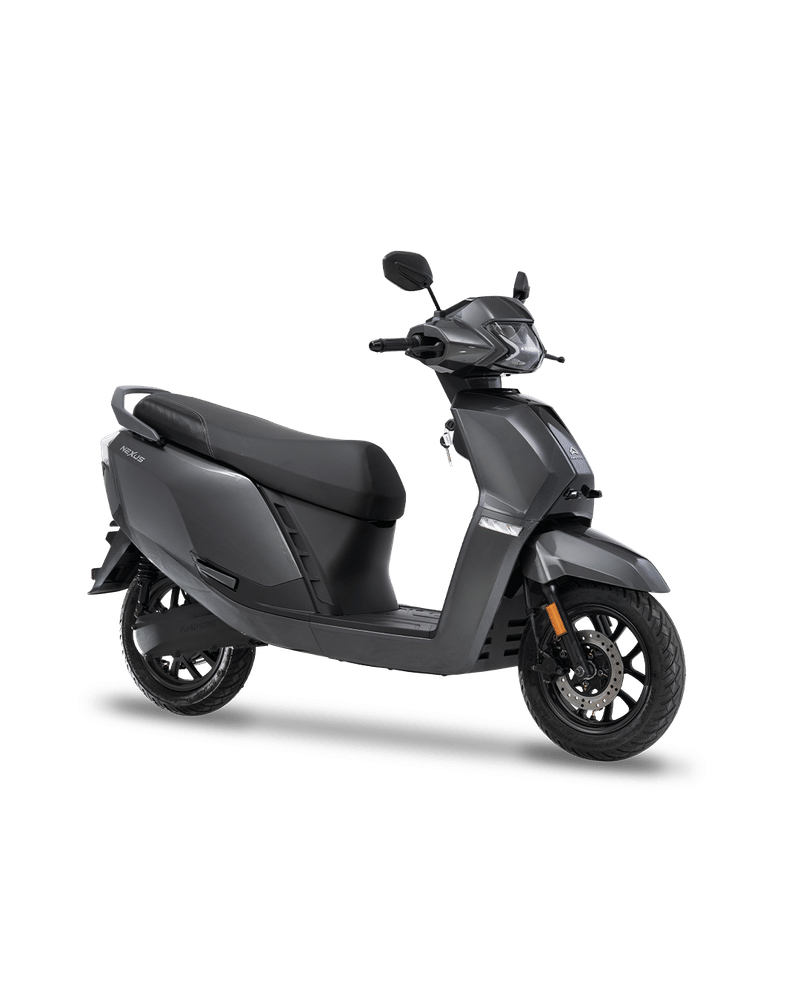
One of the noticeable things in the e-Access is its high pricing. Back in January 2026 when it was first unveiled, 91Wheels' speculation pegged its pricing between Rs 1.3 lakh and Rs 1.5 lakh (ex-showroom). However, when the pricing was announced, it crossed that expected mark and was launched at Rs 1.88 lakh (ex-showroom). At this price point, it enters the premium electric scooter segment, where rivals such as the TVS iQube, Bajaj Chetak, and River Indie offer stronger value with more competitive pricing
Storage Space Falls Short
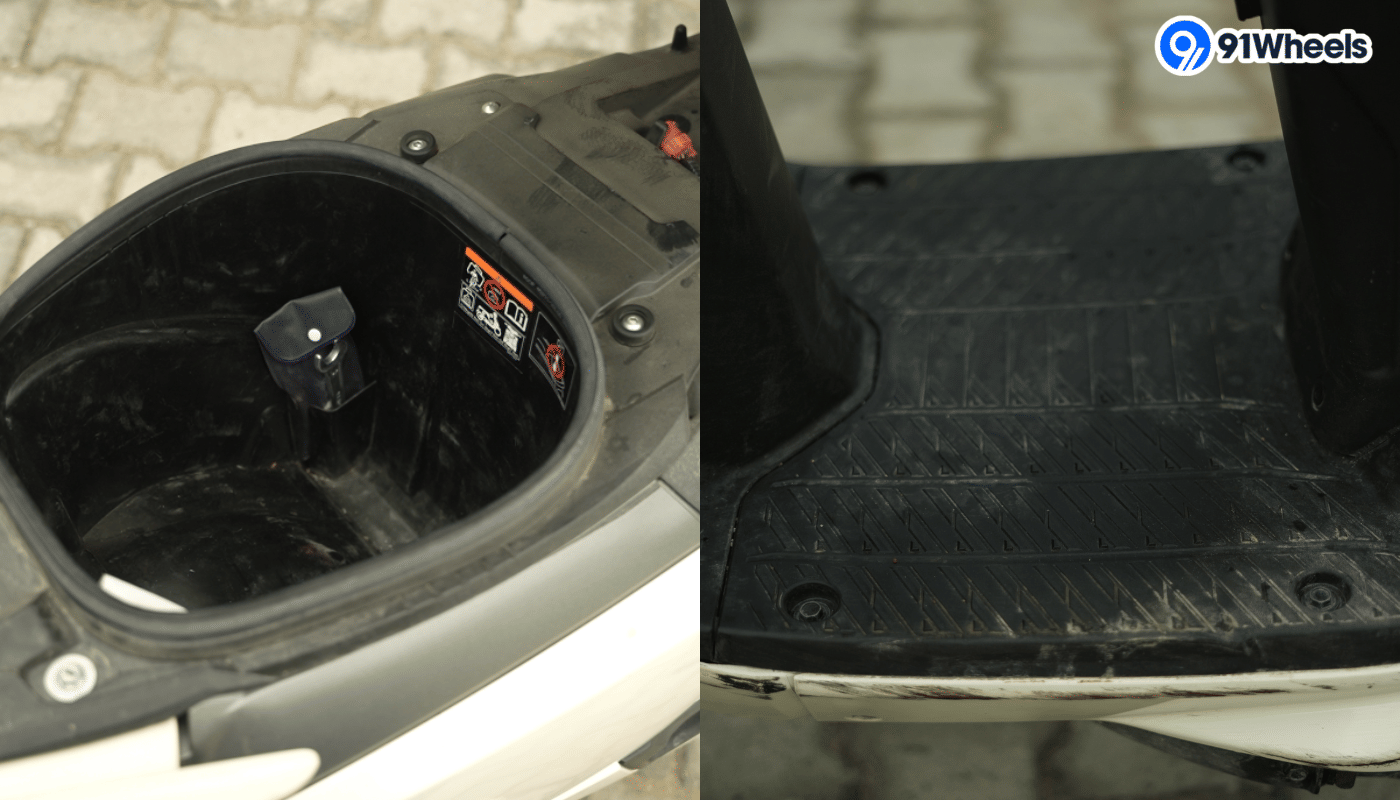
Practicality takes a hit here, with just 17 litres of under-seat storage, smaller even than the ICE-powered Access. Factor in the onboard charger you need to carry around, and there's barely any usable space left. Without it too, the scooter still can't swallow a full-face helmet, which is a real inconvenience for daily use.
Range Remains A Concern
The e-Access comes equipped with an LFP battery, which does offer certain advantages over the NCM battery type, particularly in terms of safety and long-term durability. However, it also has its drawbacks. LFP batteries are generally less energy-dense than NMC units, which is reflected in the scooter’s claimed range of 95 km, which is ideal for daily city rides only. If you are planning to take it on highways or for intercity travel, that can be a concern.
No ABS On Offer
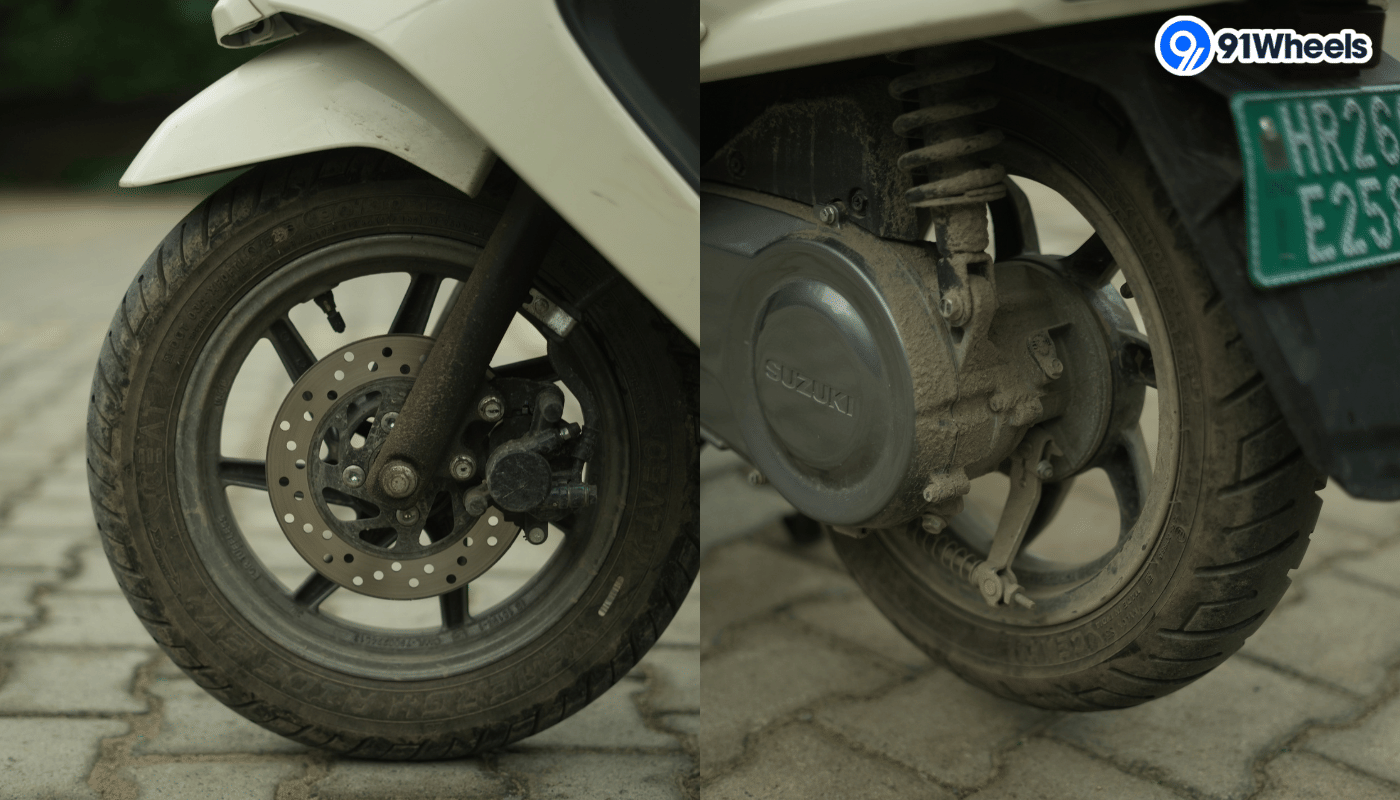
Suzuki doesn't quite justify its asking price of Rs 1.88 lakh (ex-showroom) when it comes to braking performance. The e-Access gets a Combined Braking System (CBS), where applying the rear brake also engages the front disc. However, at this price point, I expected Suzuki to offer ABS for greater stopping confidence, especially during emergency braking situations.
Verdict
Our Verdict
Suzuki has clearly prioritised trust over trying to out-spec the competition, and that's a fair strategy for a first-time EV buyer who wants peace of mind over flashy numbers. But peace of mind comes at a cost here, and Rs 1.88 lakh is a big ask when the fundamentals like range and storage don't match up. If Suzuki can address these gaps with a mid-life update, the e-Access could genuinely turn into a segment favourite rather than just a safe, dependable choice.
Do you like this article?
Comments
No comments yet. Be the first to comment!