The resurrection of the Tata Sierra was celebrated across India like a personal achievement. Few vehicles enjoy the kind of emotional connection that the Sierra does, and when Tata Motors confirmed its return in 2025, it instantly became one of the most talked-about launches in the country. Credit must also go to Tata's marketing team, which ensured that news of the Sierra's comeback reached not just enthusiasts but almost every prospective car buyer.
Deliveries began in the final week of December 2025, and the SUV has now completed six months on sale. But beyond the excitement and nostalgia, how has the Tata Sierra actually performed in the market? Has it managed to live up to its legendary status, and does it still remain an aspirational SUV for Indian buyers? Let's find out.
Tata Sierra Brief
The Tata Sierra is a mid-size SUV built on the company's ARGOS platform and is positioned between the Curvv and the Harrier in Tata's lineup. Buyers can choose from two petrol engine options and a diesel powertrain, while the variant lineup spans six trims. Prices range from Rs 11.49 lakh to Rs 21.29 lakh (ex-showroom).
The Sierra also backs up its appeal with substance. It has secured a 5-star Bharat NCAP safety rating, offers an extensive feature list, and boast the longest wheelbase in the segment. Its road presence and proportions make it look like a vehicle from a class above. But have these strengths translated into strong sales numbers, or is the Sierra's appeal limited to nostalgia and first impressions? Let's take a deep dive into it.
Months | Units Sold |
|---|---|
December 2025 | 291 |
January 2026 | 7,003 |
Feburary 2026 | 7,100 |
March 2026 | 9,003 |
April 2026 | 7,316 |
May 2026 | 6,606 |
Total | 37,319 |
Market Performance
With cumulative sales of 37,319 units in its first six months, the Tata Sierra can comfortably be classified as a success story. In fact, it has emerged as Tata Motors' third best-selling passenger vehicle, highlighting the strong demand it has generated since launch.
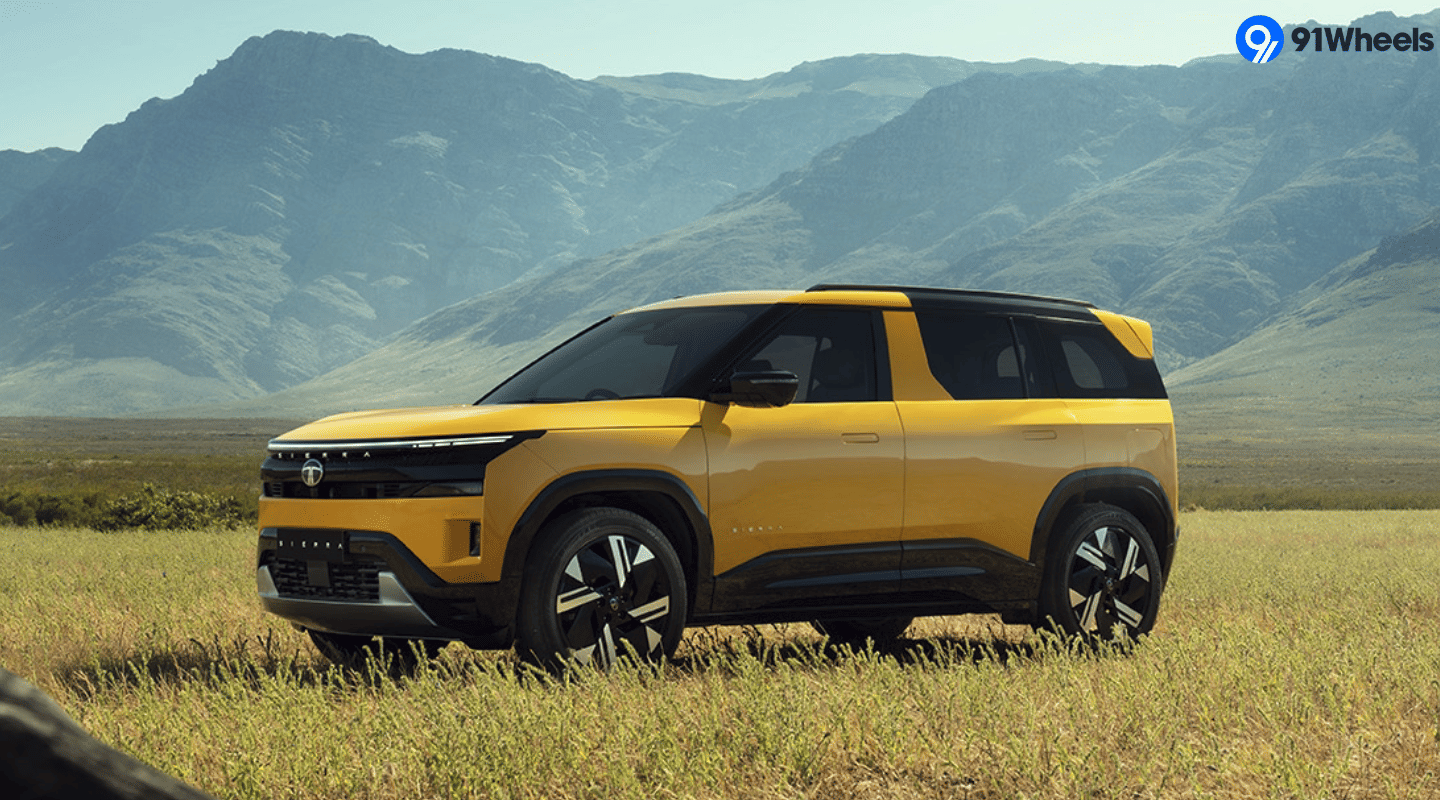
This success can be attributed to a combination of factors. Tata Motors executed an aggressive marketing campaign, while positive word-of-mouth further strengthened the Sierra's appeal. More importantly, the SUV benefited from a nostalgia factor that few modern vehicles can replicate. For many Indians who grew up in the 1990s, the Sierra was more than just a car - it was an aspiration, and its return struck an emotional chord with buyers.
Sales have remained largely consistent so far, with only a minor dip recorded in May 2026. It is also worth noting that customer deliveries officially began on January 15, 2026, meaning the six-month sales performance is even more impressive than what the headline figure suggests.
However, strong sales alone do not tell the complete story. To truly understand the Sierra's performance, it is important to examine how it fares against its rivals in the highly competitive mid-size SUV segment.
Where Does It Stand In The Segment?
While the 37,319-unit sales figure is undoubtedly impressive, the Tata Sierra hasn't exactly disrupted the mid-size SUV segment. Despite a strong launch and healthy demand, it still falls outside the top five best-selling SUVs in its category.
The segment continues to be dominated by the Hyundai Creta, which remains the benchmark despite the arrival of several new rivals. Other established players such as the Kia Seltos and Maruti Victoris also continue to command significant buyer interest. In comparison, the Sierra has carved out a respectable position for itself but is yet to challenge the segment leaders on a consistent basis.
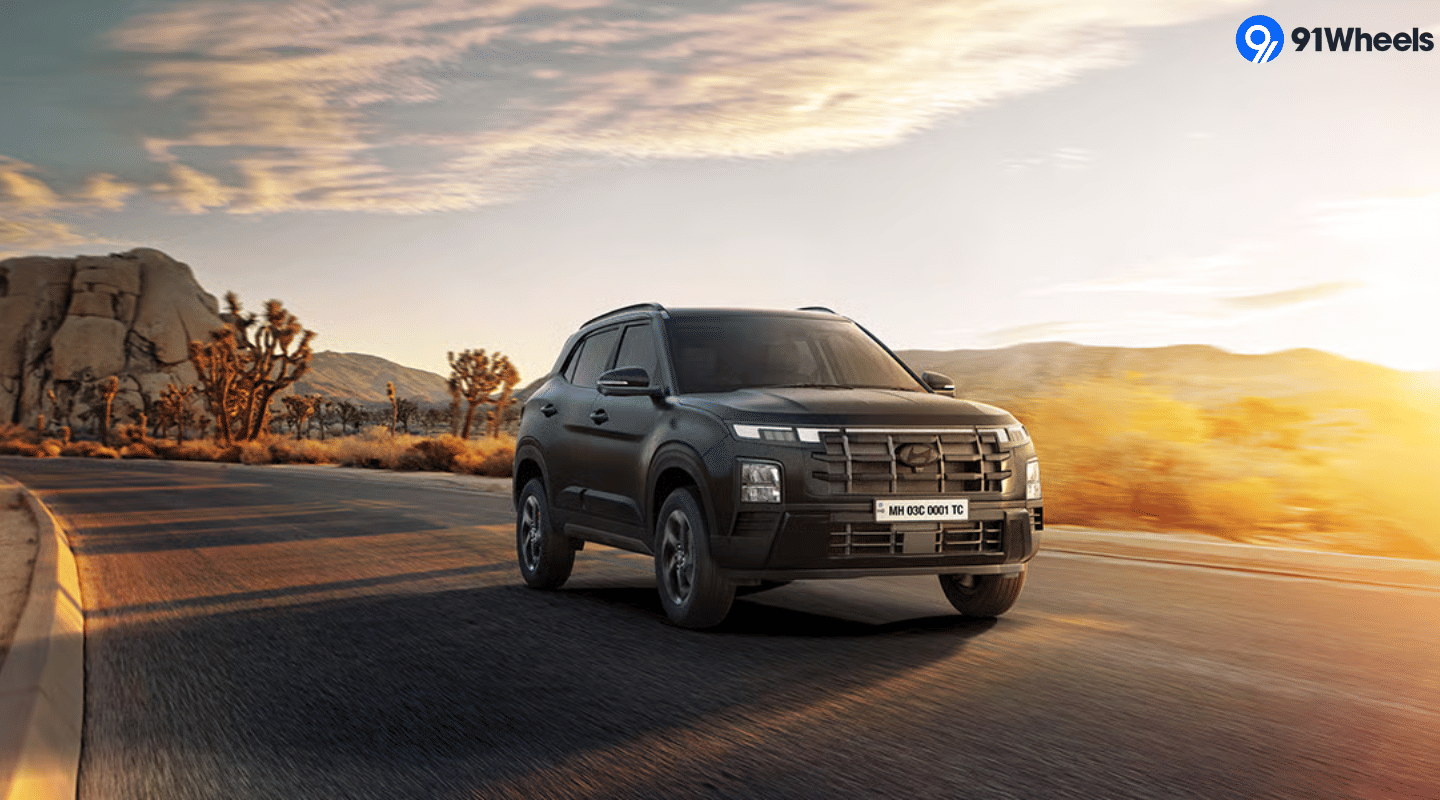
This raises an interesting question. With its striking design, commanding road presence, feature-rich cabin, and strong brand recall, why hasn't the Sierra climbed higher up the sales charts? To answer that, let's first take a look at how its rivals have performed and where the Sierra stands among them.
SUV | May 2026 Sales |
|---|---|
Hyundai Creta | 15,235 |
Maruti Suzuki Victoris | 10,853 |
Kia Seltos | 10,597 |
Maruti Suzuki Grand Vitara | 9,366 |
Toyota Urban Cruiser Hyryder | 8,664 |
Tata Sierra | 6,606 |
What's Holding the Tata Sierra Back?
Reliability Issues
Tata Motors is notorious for its reliability issues, including electronic failures, engine breakdowns, and mechanical problems. Ever since the Sierra came on the road, there have been countless videos, reviews, and comments from owners reporting issues with the car. The situation has become so widespread that the Sierra, too, has gained a reputation for being unreliable.
These factors are a major concern for potential buyers who actively research their next vehicle before making a purchase. When buyers come across so many evidence-based reports and owner experiences, they are likely to think twice before choosing that car. This is one of the key reasons behind the Sierra's underwhelming sales numbers.
Poor Naturally Aspirated Engine
With the Sierra, Tata introduced a new 1.5L naturally aspirated petrol engine based on the Atkinson cycle. This was aimed at budget-conscious buyers looking for smoothness and high fuel efficiency, and it is an extremely refined engine. However, when automotive reviewers put it to the test, many found it to be extremely lethargic and not particularly fuel-efficient.
Some reviewers even called it unsuitable for a vehicle of this size, as the engine feels burdened when pushed hard. This criticism was widely highlighted across automotive media and eventually reached potential buyers who were specifically looking for a naturally aspirated petrol engine. As a result, it may have influenced their purchasing decisions.
The engine is so slow that it takes around 18-19 seconds to accelerate from 0 to 100 km/h, which is considered underwhelming by 2026 standards. Moreover, even the fuel-efficiency figures are not particularly impressive, with real-world highway mileage hovering around 12-13 kmpl. Therefore, this remains one of the major factors affecting the Sierra's appeal.
Sales Network
Another factor that may have limited the Sierra's growth is the ownership and dealership experience. Over the years, Tata Motors has faced criticism from some customers regarding service quality, dealership experience, and delivery timelines. While many owners have reported satisfactory experiences, concerns surrounding after-sales support continue to surface across online forums and social media platforms.
The Tata Sierra generated tremendous interest at launch, reportedly attracting more than 70,000 bookings within days of order books opening. The strong demand also resulted in waiting periods stretching up to seven or eight months in certain regions. By March 2026, reports suggested that bookings had crossed the one lakh mark, highlighting the SUV's popularity among buyers.
However, long waiting periods can test customer patience. Many buyers in today's market prefer quick deliveries and often have multiple alternatives to choose from. As a result, extended waiting times may have led some customers to reconsider their purchase or opt for competing models. While demand for the Sierra remains strong, production ramp-up and delivery timelines could be among the factors preventing the SUV from translating its booking numbers into even higher sales volumes.
What's Next For This Brand?
The next major development for the Sierra brand will be the launch of the Sierra EV. Tata Motors has already showcased the electric version at multiple auto expos and confirmed that it will be based on the company's Acti.ev+ architecture. The SUV is expected to share several components with the Harrier EV, including battery pack options and dual-motor all-wheel-drive technology. Once launched, it will allow Tata Motors to compete more aggressively in the growing midsize electric SUV segment.
Tata Motors is also likely to expand the lineup through additional variants and special editions. The company has successfully used Dark Edition, Red Dark Edition, and Adventure-inspired trims across models such as the Nexon, Harrier, and Safari to sustain customer interest throughout a product's lifecycle.
Given the Sierra's strong brand recognition and early market response, similar editions could be introduced in the future. Alongside variant expansion, improving production capacity and reducing waiting periods are expected to remain key priorities as Tata Motors looks to convert the strong booking numbers into even higher sales volumes.
For more such automotive content, do join our 91Wheels Whatsapp Channel.
Do you like this article?
Comments
No comments yet. Be the first to comment!