The Volkswagen Virtus is a mid-size sedan that has quietly carved out cult status in just four years - and it has done so in arguably the worst era possible for a car of its kind. Every new product on sale today is some form of SUV, whether compact, mid-size, or full-size.
The market has spoken, and it has spoken loudly. In this landscape, the Virtus is an anomaly - one that refuses to concede, stays aspirational, and holds its ground despite monthly sales rarely crossing 2,500 units. So what makes it tick? In this piece, we decode the Virtus story - how a sedan that shouldn't exist on paper has quietly become one of Volkswagen India's most important hero products.
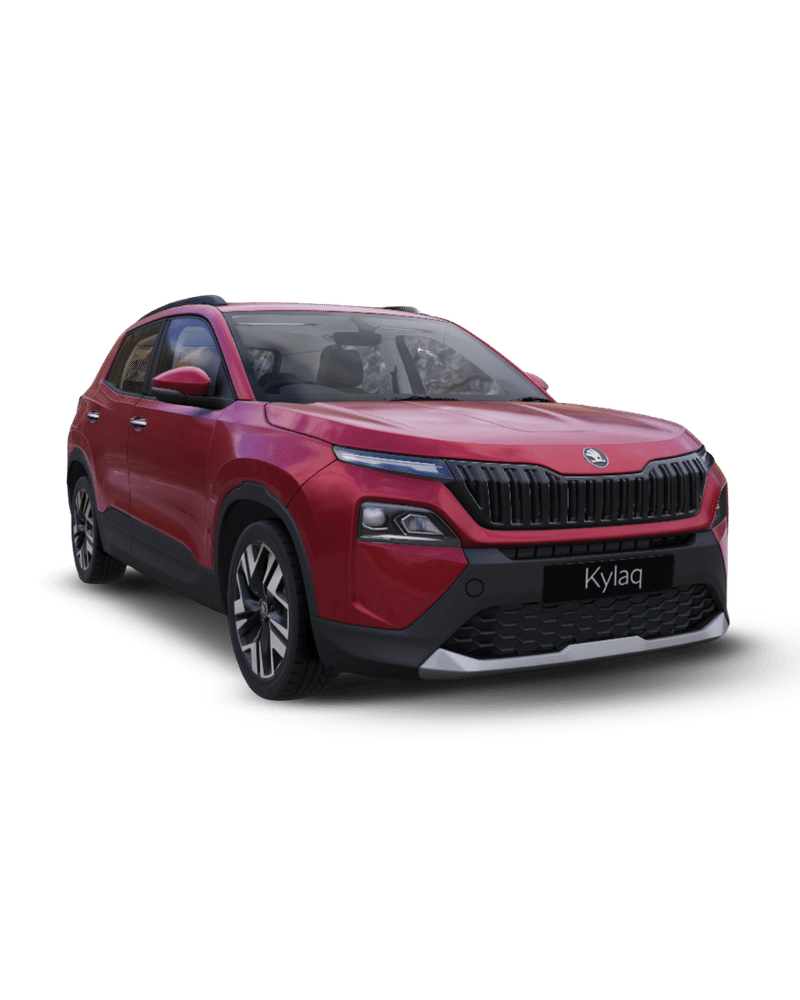
Also Read: Skoda Kylaq Long-Term Ownership Review: 8 Months, 19,000 km
The Inception Of Volkswagen Virtus
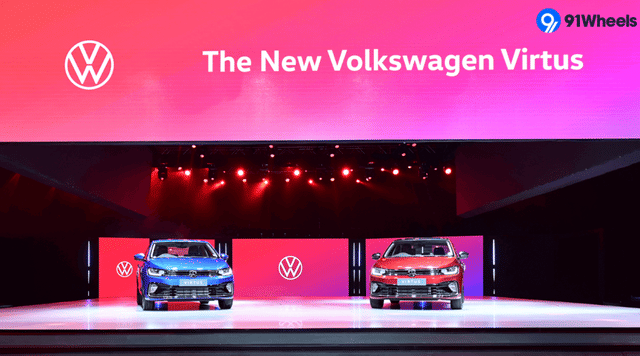
Long before the Virtus became a favourite among enthusiasts, it existed as a blueprint. In 2018, Volkswagen Group unveiled its India 2.0 strategy, a 1 billion Euro investment programme spearheaded by Skoda Auto to revive the Group's fortunes in India.
The mission was to create products specifically for Indian conditions rather than adapt global models as an afterthought. Built on the India-focused MQB-A0-IN platform, the Virtus was one of the clearest manifestations of that vision. It wasn't merely a replacement for the Vento; it was proof that Volkswagen still believed there was room for a well-engineered sedan in an increasingly SUV-obsessed market.
Following the launch of the Taigun, Volkswagen introduced the Virtus on June 9, 2022, nearly a year later as part of its INDIA 2.0 strategy. In hindsight, it was the first step in the making of a modern legend.
Where Volkswagen Got It Right
A Timeless Design
The single most impactful reason for its success is the way it looks - and in a country like India, this matters more than most manufacturers acknowledge. The Virtus has a timeless, European design language, but one clearly shaped with Indian tastes in mind. The wide-body stance, long tail-lights, sharp creases, and an elongated bonnet give it a presence that most sedans in this segment simply don't carry.
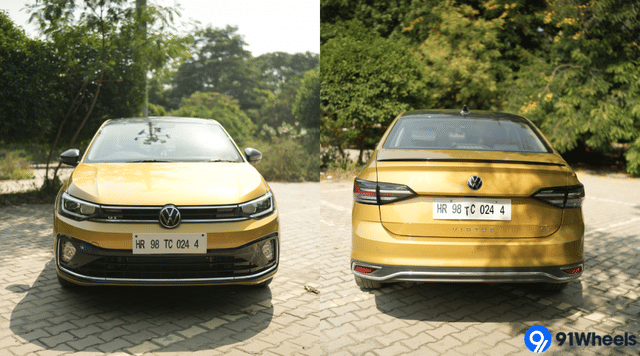
Even the base variant doesn't disappoint. The colour palette deserves a special mention too - certain shades turn the Virtus into a genuine head-turner, even in a traffic jam. The 17-inch blacked-out alloys tie it all together perfectly. It's a design that appeals equally to young buyers chasing style and those who want something sophisticated without being loud about it.
Serious Driver's Car
Performance is where the Virtus makes its most compelling case. The GT variant, powered by a 1.5-litre TSI engine producing 150 PS and 250 Nm of torque, is the one that attracts all the attention. Paired with a 7-speed DSG, it accelerates from 0 to 100 km/h in around 8.1 seconds, which is impressive for a sedan priced under Rs 20 lakh. The 1.0 TSI variant is no slouch either, producing 115 PS and 178 Nm of torque, but it is the 1.5-litre engine that truly brings out the car's character.
A large part of that character comes from the MQB-A0-IN platform - a heavily localised version of Volkswagen Group's global architecture. The suspension is tuned noticeably stiffer than most rivals in the segment, which keeps body roll in check and gives the car a planted, confidence-inspiring feel as speeds rise. Steering is direct and well-weighted - not artificially heavy, but with enough feedback to know what the front wheels are doing.
This is why seasoned reviewers have drawn comparisons to the Audi A4 - specifically in terms of high-speed composure, steering feel, and the absence of the nervous, floaty quality that most sedans in this price range exhibit. The Virtus starts at around Rs 11 lakh; the A4 asks for Rs 54 lakh-plus. The gap in outright luxury is obvious, but the driving experience? Far closer than the price difference suggests.
The internet is full of videos of owners pushing the Virtus past 200 km/h on expressways - unsafe and illegal, but telling. It speaks to how much confidence the car builds at speed, even in the hands of everyday drivers.
Tuner Friendly Engines
We touched on the Volkswagen Virtus engines earlier - but here are the details. Both global units shared across several Volkswagen Group products. The 1.0L TSI earned the title of International Engine of the Year in 2018, while the 1.5L TSI EVO is a strong evolution of the same lineage.
Both are significantly more refined and technologically advanced than most powertrains in this segment - and even some from the segment above. The way they deliver power, and the engineering beneath them, genuinely sets them apart.
Another factor that adds to their appeal - especially among younger buyers - is that both engines are tuner-friendly. Many owners remap their cars to Stage 1, 2, or even Stage 3 tunes, unlocking noticeable gains in power, torque, tractability, and refinement. This is by design. Tuning isn't for everyone, but it's a significant part of the Virtus' cult identity and a real reason why a section of buyers actively seek it out over the competition.
While both engines are more than capable in everyday driving, those looking for a more spirited experience will naturally gravitate towards the 1.5-litre TSI.
Now, let's look at the numbers, once again.
| Powertrain | 1.0L TSI | 1.5L TSI |
| Cylinder | 3 | 4 |
| Power | 115 PS | 150 PS |
| Torque | 178 Nm | 250 Nm |
| Gearbox | 6-MT / 6-AT | 6-MT / 7-DCT |
Tough Build Quality
Safety has become a top priority for Indian car buyers - and much of that credit goes to Tata Motors for shifting the conversation. In this regard, the Virtus consistently leaves people impressed. The build quality is immediately apparent the moment you open the door - the solid, reassuring thud it offers is something buyers in this segment rarely experience. Volkswagen Group cars are assembled using laser welding technology, and that precision reflects in the overall solidity of the package.
With safety now a genuine purchase decision driver, families are increasingly drawn to the Virtus - it offers them confidence that their loved ones are in a well-built, structurally sound car every time they head out. The Virtus ticks these boxes convincingly, and that's a big reason why it continues to find buyers beyond just the enthusiast crowd.
Beyond the Brochure
Volkswagen India's marketing for the Virtus has been sharp - and more importantly, consistent. The launch campaign, 'Hello Goosebumps', set the tone immediately - positioning the car around the thrill of driving rather than a spec-sheet. That emotional framing was deliberate. Terms like TSI, DSG, and MQB were pushed into mainstream conversations, making engineering feel aspirational to an audience that had never cared much for it.
The campaigns didn't stop there. The 'You're in a Volkswagen' brand film leaned emotional, and the 'Styled to Wander' campaign for the GT Line made the performance badge feel accessible rather than intimidating. But perhaps the boldest move was the NATRAX 24-hour endurance run - where the Virtus GT covered 4,654 km in a single day at Asia's largest test track, setting an India Book of Records entry in the process. That's not an advertisement. That's proof.
Beyond the brand's own efforts, automotive media and enthusiast creators championed the Virtus organically - not as a paid obligation, but because the car genuinely gave them something to talk about. That kind of advocacy is hard to manufacture and harder to buy.
A personal visit to a Volkswagen dealership in Gurugram reflected this well. The sales executive knew the car in remarkable detail - the kind of things most buyers wouldn't think to ask. Whether he was an enthusiast himself or simply did his homework, it said something about how VW trains its people.
Some good cars never find their audience because the right message never reaches the right people. The Virtus didn't have that problem.
GT Variants
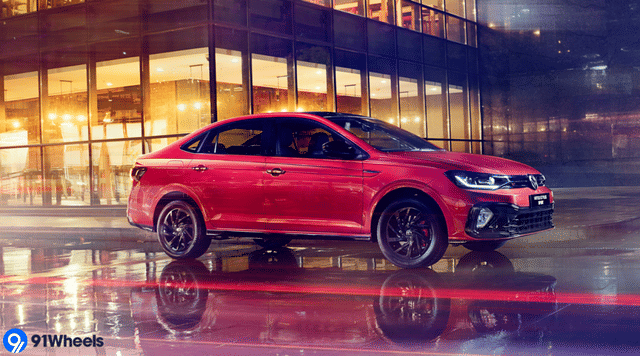
When the Virtus was launched in 2022, the top-spec GT Plus variant received tremendous love. The blacked-out alloys, de-chromed front fascia, and black interior with red stitching gave it a proper four-door sports car personality - something the segment had rarely seen at this price point. However, it was exclusively available with the 1.5L TSI engine, pushing the price upwards of Rs 19 lakh.
Volkswagen India took note of the demand and made a smart move - extending the GT trim to the 1.0L TSI lineup as well. The looks remained identical, but the price came down meaningfully. This opened the GT experience to buyers who wanted the styling but didn't necessarily need the performance of the larger engine.
The result was a wider audience, stronger sales, and a clear signal that Volkswagen understood exactly what its buyers were responding to. A simple but effective gap filled at the right time.
Selling the Segment
| Month | Volkswagen Virtus | Skoda Slavia | Hyundai Verna | Honda City |
|---|---|---|---|---|
| May 2026 | 1,238 | 861 | 723 | 1,227 |
| April 2026 | 1,162 | 830 | 865 | 177 |
| March 2026 | 2,009 | 887 | 1,399 | 525 |
| February 2026 | 1,804 | 1,674 | 694 | 501 |
| January 2026 | 1,881 | 1,946 | 823 | 943 |
| December 2025 | 2,378 | 711 | 406 | 605 |
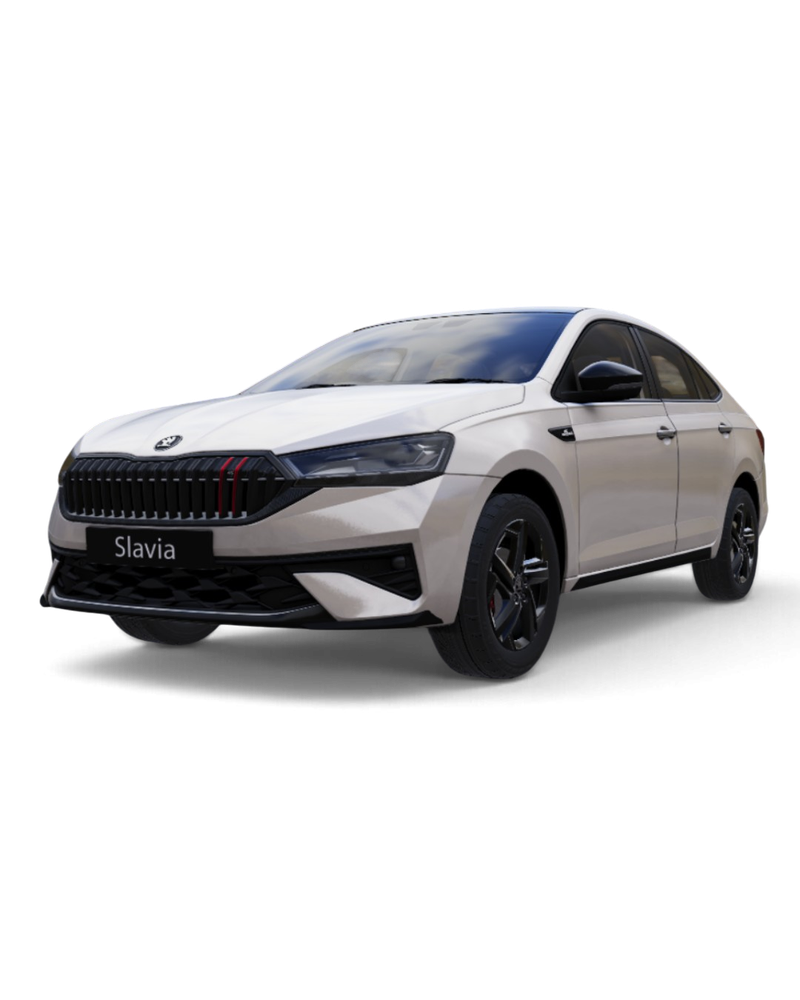
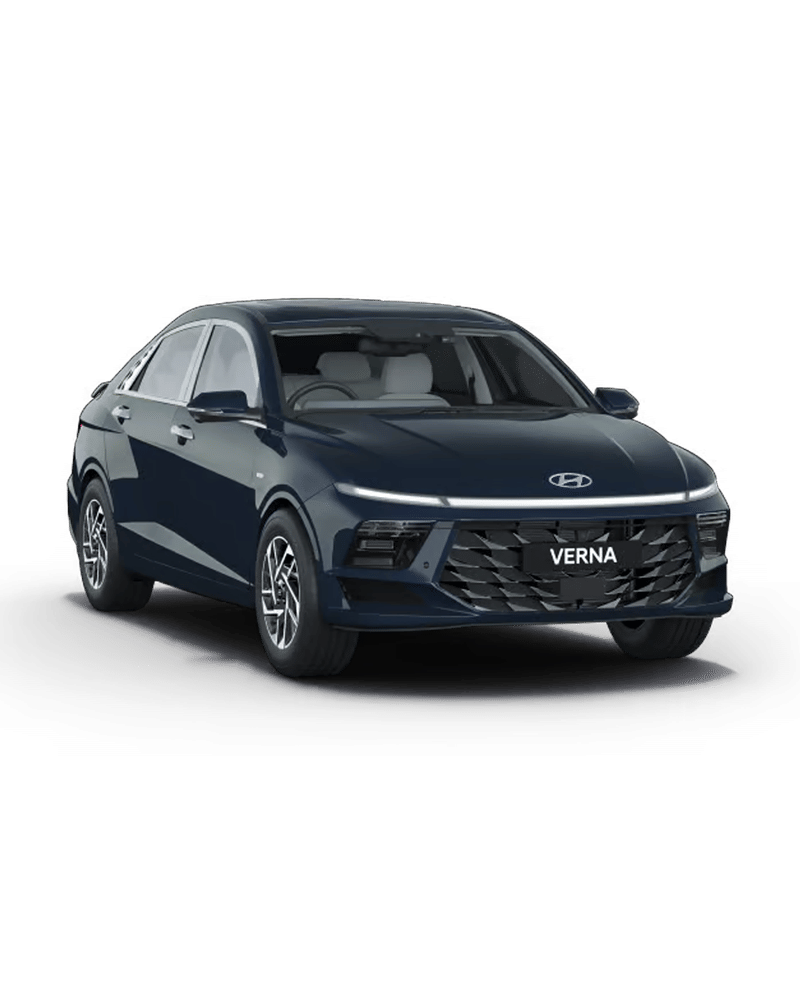
The numbers tell a clear story. Over the last six months, the Virtus has consistently led the mid-size sedan segment, outselling rivals in five of the six months tracked. Its closest competition comes from the Skoda Slavia - a platform sibling - but even that gap has widened recently, with the Virtus pulling ahead by a significant margin in December 2025 and March 2026. The Hyundai Verna and Honda City, once dominant forces in this space, have fallen well behind.
Conclusion
All of these factors, combined with the idea of German engineering made accessible for Indian buyers, is what truly made the Virtus click. In a segment that is effectively on life support, the Virtus remains its best seller - and that alone says something. Yes, 2,500 to 3,000 units a month isn't a blockbuster number by Indian market standards, but in a sedan segment that the industry had largely written off, it's a quiet triumph.
There are buyers who have walked away from entry-level luxury sedans - cars costing significantly more - simply because nothing else offers what the Virtus does at half the price. That's not a small thing.
A significant Virtus facelift is on the horizon, expected to bring new features and a fresh lease of life to the lineup. If it lands well, the numbers could see a meaningful bump. But even if it doesn't, the Virtus will keep doing what it has done for four years - holding its ground, finding its people, and refusing to be irrelevant in a world that stopped believing in sedans a long time ago.
For more automotive news, reviews, and updates, join our 91Wheels Whatsapp Channel.
Do you like this article?
Comments
No comments yet. Be the first to comment!