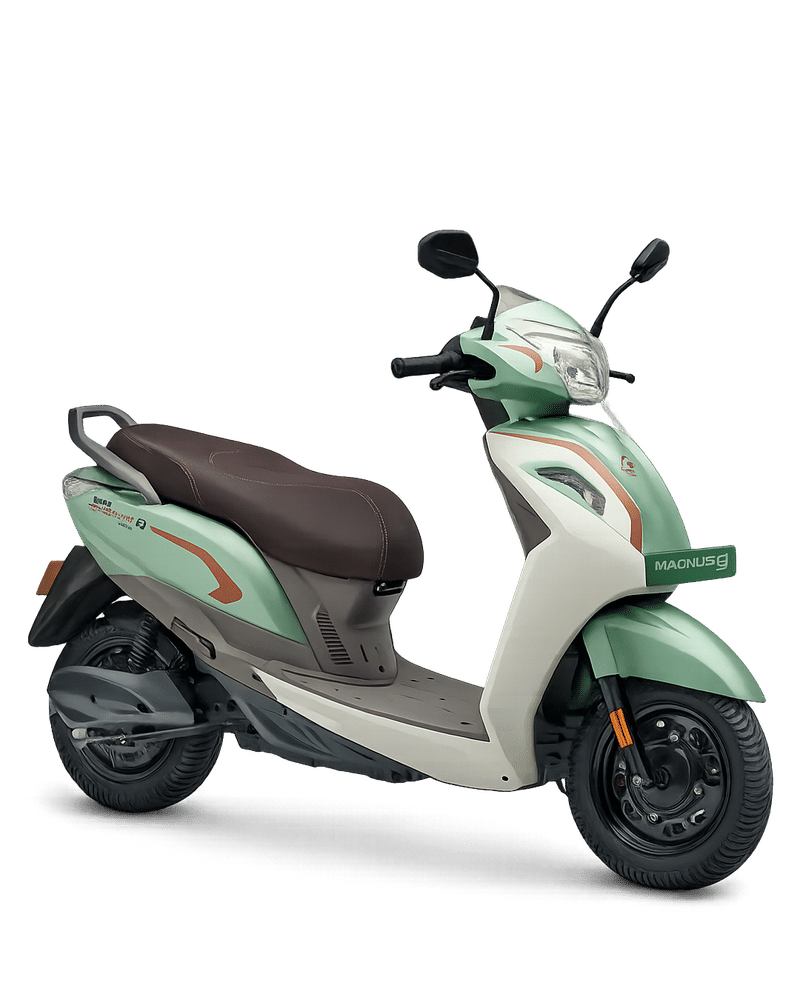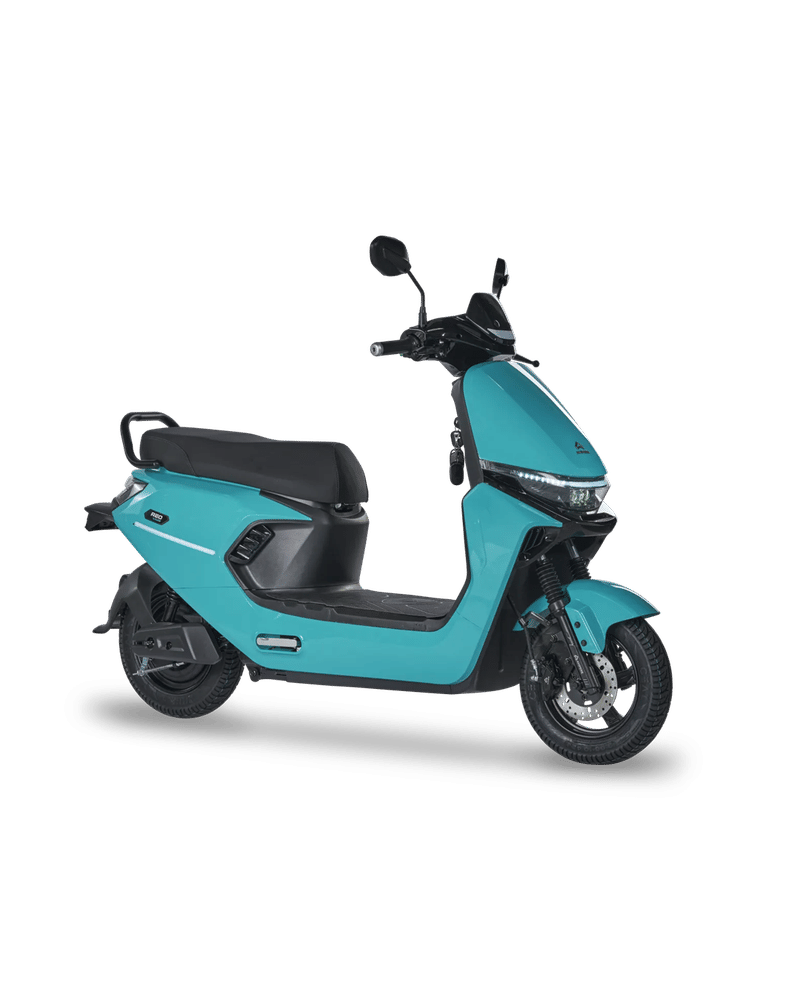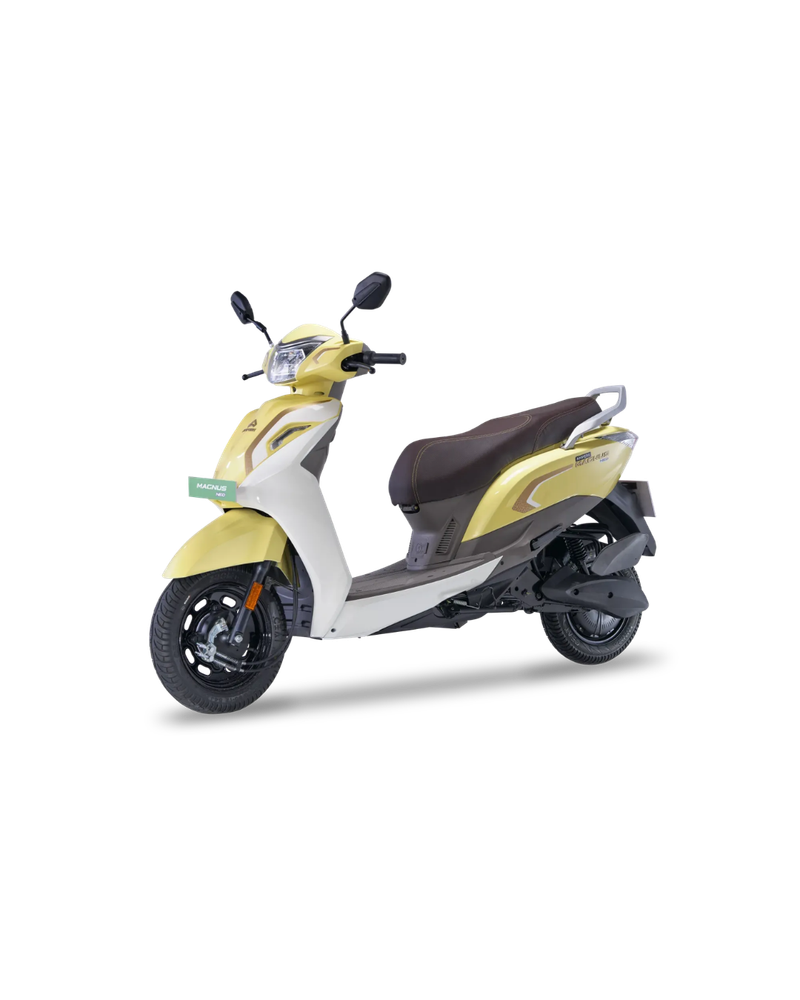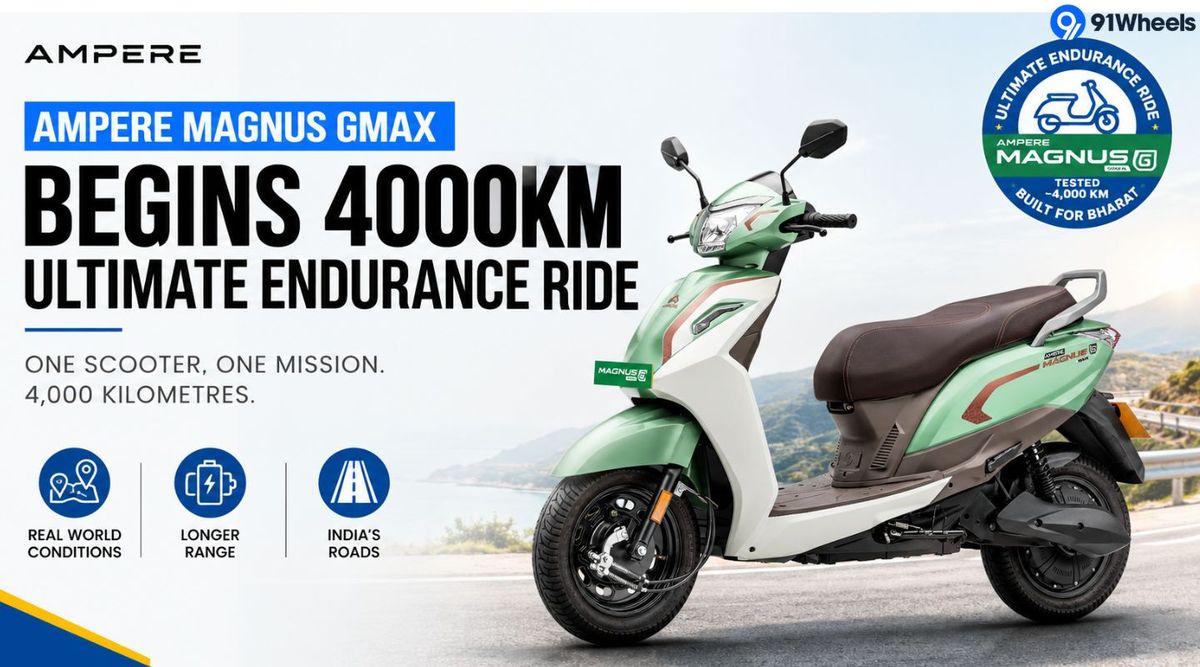
Electric scooters in India are usually judged on their daily commute numbers, things like range per charge, boot space, and how quickly they charge overnight. Ampere, the EV arm of Greaves Electric Mobility, has taken a very different route to prove its scooter's worth. On World EV Day, the brand flagged off the Magnus GMax on Ultimate Endurance Ride, a roughly 4,000km run stretching from India's easternmost sunrise point to its westernmost sunset point.
What is the Ampere Magnus GMax Ultimate Endurance Ride?
.jpg)
The Ultimate Endurance Ride is a 15 day expedition that will take the Ampere Magnus GMax electric scooter from Dong in Arunachal Pradesh, the first place in India to see the sunrise, to Guhar Moti in Gujarat, the country's westernmost point where the sun sets last. Rider Girish Seth of Weekend on Wheels is behind the handlebar for the entire stretch, logging every charge cycle, every reading and every kilometre along the way. The idea is simple. Rather than testing the scooter on a controlled track or a single city commute, Ampere wants to see how the Magnus GMax holds up across the kind of varied, unpredictable conditions that Indian riders actually deal with.
Route and Terrain: 8 States, 5 Terrain Types
The 4,000km route cuts across eight states, and Ampere has built the expedition specifically to expose the Magnus GMax to as many riding conditions as possible in a single stretch. Over the course of the ride, the scooter will tackle rocky mountain passes in the Northeast, forested hill roads, smooth national highways, dense urban city stretches, and coastal and salt flat terrain near Guhar Moti. Along the way, the expedition will also make halts in Patna, Varanasi and Jaipur, giving Ampere's dealer network and local riders a chance to see the Magnus GMax up close.
Temperature Swings and Altitude Drop Put the Battery to the Test
Weather is as much a part of this test as the roads. Riders will start in the humid, monsoon affected conditions of Dong, where temperatures hover around 15°C, and end in Gujarat's dry heat that can cross 35°C, a swing of roughly 20 degrees over the 15 days. Add to that a descent of over 1,200 metres from the high altitude start point down to sea level, and the Magnus GMax's battery and electronics are facing a genuine stress test rather than a marketing exercise.
Tech Under the Skin: Battery, Chassis and Smart Features
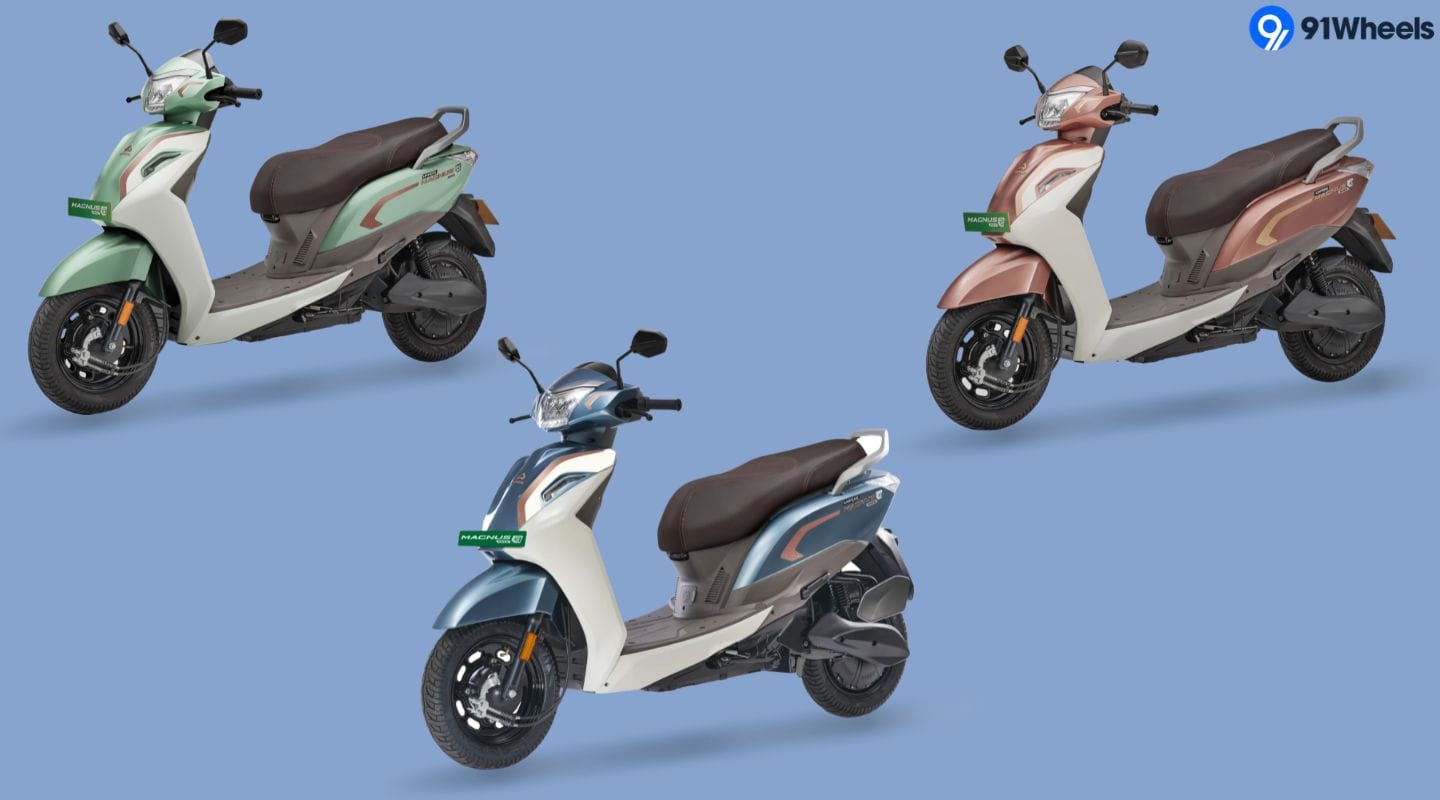
Ampere is using the ride to spotlight three pieces of engineering it's betting on. There's the Next Gen LFP battery, rated for a claimed 2,00,000km battery life, a dual frame chassis aimed at handling load and rough road durability, and NxG.io smart technology for real time monitoring. These form the backbone of what Ampere calls its Built for Bharat approach, the idea that a scooter sold across India needs to work as well on a Himalayan incline as it does in Mumbai traffic or on a Rajasthan highway.
Why the Ultimate Endurance Ride Matters for EV Buyers
Range anxiety and long term reliability remain two of the biggest concerns for anyone shopping for an electric scooter in India. A single charge figure on a spec sheet doesn't tell you how a scooter behaves after a 1,200 metre descent, or how its battery management copes with a 20 degree temperature swing over two weeks. By putting the Magnus GMax through exactly that scenario, and publishing the data from every leg, Ampere is trying to answer those questions with real world numbers rather than lab conditions.
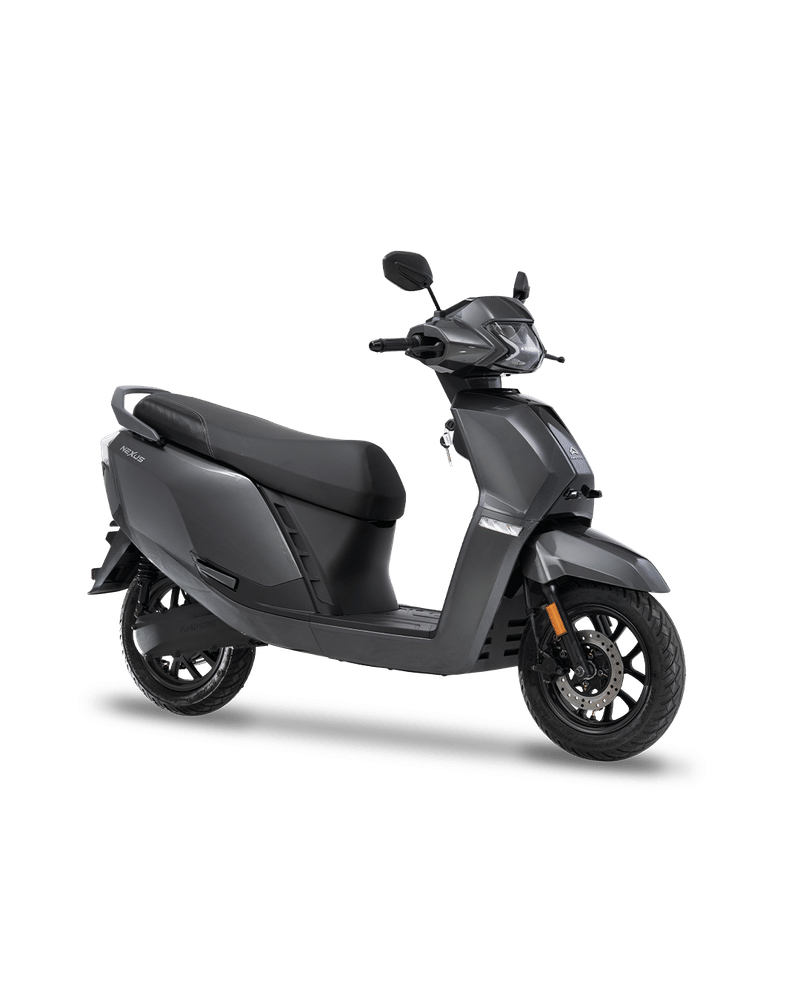
If the Magnus GMax completes the - 4,000km run without major issues, it would add to Ampere's growing list of endurance style records, following previous feats like crossing Kashmir to Kanyakumari and scaling high altitude passes on its Nexus scooter. For now, the Ultimate Endurance Ride is underway, and its 15 day journey across eight states will be a real time test of whether Built for Bharat holds up on Bharat's own roads.
Do you like this article?
Comments
No comments yet. Be the first to comment!