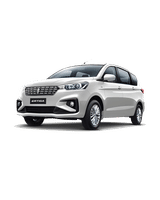
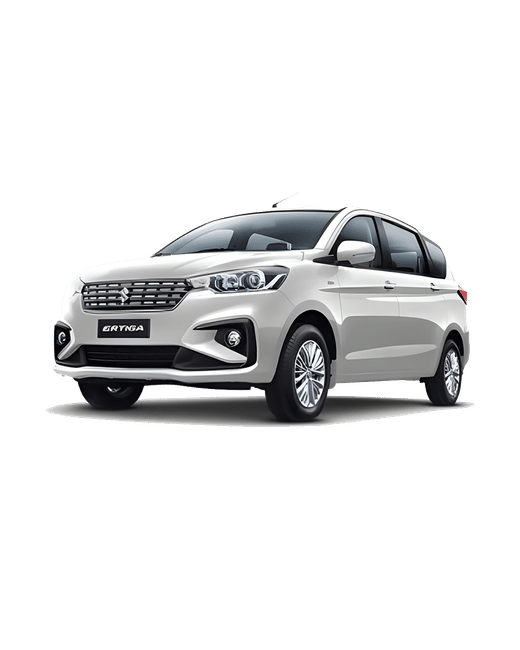
Maruti Suzuki Ertiga 2018-2022 Specifications

Petrol & CNG
Fuel Type
Manual & Automatic
Transmission
1462 cc
Engine Capacity
Up to 26.11 km/kg
ARAI Mileage
180 mm
Ground Clearance
209 Litres
Boot Space
Maruti Suzuki Ertiga 2018-2022 is a 7 seater MPV with a mileage of 20.51 Kmpl depending upon it's transmission and fuel type. Ertiga 2018-2022s 4 cylinder, 1462 cc, 89 bhp @ 4000 rpm can generate power and 138 Nm @ 4400 rpm torque. It has a fuel tank capacity of 45 litres.
Keep scrolling to explore detailed configuration, features and technical specs of Ertiga 2018-2022.
Maruti Suzuki Ertiga 2018-2022 Safety Features
This MPV car comes loaded with Engine Immobiliser from safety point of view.Maruti Suzuki Ertiga 2018-2022 Transmission
Performance of Ertiga 2018-2022 is backed by a 5 Speed Manual transmission and FWD (Front Wheel Drive) configuration.Maruti Suzuki Ertiga 2018-2022 Interior
Ertiga 2018-2022 is a 7 seater car.Maruti Suzuki Ertiga 2018-2022 Exterior
Maruti Suzuki Ertiga 2018-2022 is a 5 door car which has front Ventilated Disc brakes, MacPherson Strut & Coil Spring suspensions and rear Drum brakes, Torsion beam & coil spring suspensions.Maruti Suzuki Ertiga 2018-2022 Dimensions & Measurements
Ertiga 2018-2022 has MUV Body Type, 4395 mm Length, 1735 mm Width, 1690 mm Height, 7 No. of Seats, 5 No. of Doors, 2740 mm Wheelbase, 180 mm Ground Clearance, 209 litres Boot Space, 1135 kg Kerb Weight, 45 litres Fuel Tank Capacity, 5.2 Turning Radius.Maruti Suzuki Ertiga 2018-2022 Alternatives
Main Competitors of Ertiga 2018-2022 car are Maruti Suzuki Ertiga, Maruti Suzuki Fronx, Renault Triber, Mahindra Bolero, Nissan Gravite, Mahindra Bolero Neo, KIA Carens, Toyota Rumion, Honda Amaze, Toyota Taisor.Keep scrolling to explore detailed configuration, features and technical specs of Ertiga 2018-2022.
Variant Wise Comparison
LXi
Base Variant₹ 8.13 Lakh*
Fuel Type | Petrol | |
Engine Capacity | 1462 cc | |
Power | 89 bhp @ 4000 rpm | |
Torque | 138 Nm @ 4400 rpm | |
Drivetrain | FWD (Front Wheel Drive) |
Ad
Loading...
Loading...
Didn't Find Your Question? Ask an Expert

Loading...
Loading...