Ford Endeavour 2016-2020 Specifications


Petrol & Diesel
Fuel Type
Manual & Automatic
Transmission
2198-3198 cc
Engine Capacity
Up to 14.2 kmpl
ARAI Mileage
225 mm
Ground Clearance
2850 mm
Wheelbase
Ford Endeavour 2016-2020 is a 7 seater SUV with a mileage of 14.2 Kmpl depending upon it's transmission and fuel type. Endeavour 2016-20s 4 cylinder, 2198 cc, 158 bhp @ 3200 rpm can generate power and 385 Nm @ 1600 rpm torque. It has a fuel tank capacity of 80 litres.
Keep scrolling to explore detailed configuration, features and technical specs of Endeavour 2016-20.
Ford Endeavour 2016-2020 Safety Features
This SUV car comes loaded with Engine Immobiliser from safety point of view.Ford Endeavour 2016-2020 Transmission
Performance of Endeavour 2016-20 is backed by a 6 Manual transmission and RWD configuration.Ford Endeavour 2016-2020 Interior
Endeavour 2016-20 is a 7 seater car.Ford Endeavour 2016-2020 Exterior
Ford Endeavour 2016-2020 is a 5 door car which has front Disc brakes, Independent Coil Spring with Anti-Roll Bar suspensions and rear Disc brakes, Coil Spring, Watts Linkage Type with Anti-Roll Bar suspensions.Ford Endeavour 2016-2020 Dimensions & Measurements
Endeavour 2016-20 has SUV Body Type, 4903 mm Length, 1869 mm Width, 1837 mm Height, 7 No. of Seats, 5 No. of Doors, 2850 mm Wheelbase, 225 mm Ground Clearance, 2204 kg Kerb Weight, 80 litres Fuel Tank Capacity, 4.9 Turning Radius.Ford Endeavour 2016-2020 Alternatives
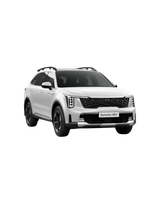
Main Competitors of Endeavour 2016-20 car are Jeep Meridian, KIA Sorento, Isuzu MU-X, BYD Atto 3, Toyota Hilux, Citroen C5 Aircross, Isuzu V-Cross, BYD eMAX 7, Maruti Suzuki Invicto, Mahindra XEV 9e.Keep scrolling to explore detailed configuration, features and technical specs of Endeavour 2016-20.
Variant Wise Comparison
2.2L 4X2 MT Titanium
Base VariantN/A
3.2L 4X4 AT Titanium Plus
Top VariantN/A
Fuel Type | Diesel | Diesel |
Engine Capacity | 2198 cc | 3198 cc |
Power | 158 bhp @ 3200 rpm | 197 bhp @ 3000 rpm |
Torque | 385 Nm @ 1600 rpm | 470 Nm @ 1750 rpm |
Drivetrain | RWD | AWD |
Ad
Loading...
Loading...
Didn't Find Your Question? Ask an Expert

Loading...
Loading...